
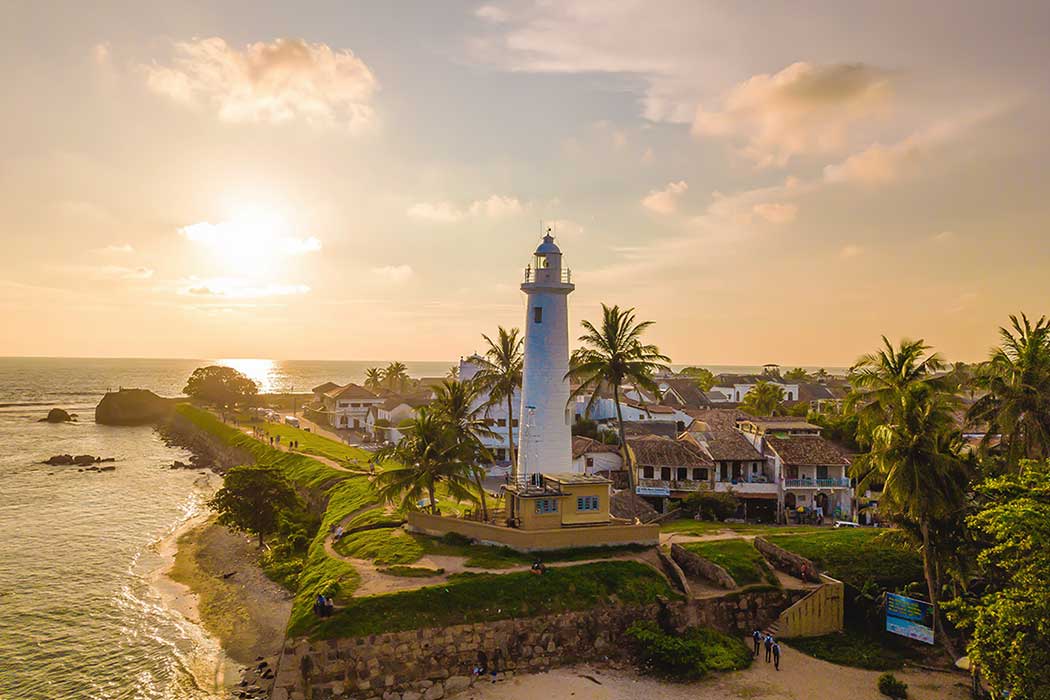
Galle Dutch Fort Sri Lanka: History, Walking Route & Nearby Cafes

Rohit Verma
February 18, 2026
Explore Galle Dutch Fort Sri Lanka: UNESCO heritage status, history, things to do, best time to visit, how to reach, shopping, food, stays, timings, and entry fee info.
1. Introduction
Galle Dutch Fort in Sri Lanka is one of those rare places that feels like a time capsule without feeling “frozen.” Inside the stone walls, you’ll find centuries-old ramparts, cobbled lanes, churches and mosques, boutique shops, and cafés—all woven into a living neighborhood where people still work, pray, and meet friends at sunset.
This heritage guide covers the fort’s UNESCO story, a clear breakdown of Galle Fort history, the best things to do, the most photogenic streets, and practical details like how to reach, the best time to visit, and what to expect about timings and entry fees. If you’re building a larger Sri Lanka plan, check best time to visit Sri Lanka guidance and routes.
2. UNESCO World Heritage Status
The Old Town of Galle and its fortifications are recognized as a UNESCO World Heritage Site (inscribed in 1988). What makes it special isn’t just age—it’s the way European fort-building ideas blended with South Asian coastal life and building traditions over several centuries. In practice, that means you can read history directly in the layout: thick defensive walls, bastions facing the sea, an ordered street grid, and layered architecture that shifts from Portuguese beginnings to Dutch engineering and later British-era changes. UNESCO status also explains why the fort “feels maintained.” Restoration, conservation rules, and a strong visitor economy all encourage repair over demolition. For travelers, it’s a win: you get a historic place that still looks sharp, yet remains human and walkable.3. History of Galle Fort
To enjoy the fort properly, it helps to know the timeline—because almost every landmark makes more sense once you know who shaped it and why.3.1 Portuguese era (1505–1640)
The Portuguese arrived on Sri Lanka’s coast in the early 1500s and began building early fortifications to protect trade routes and port interests. Galle’s position on the south-west coast made it strategically valuable for ships moving along the Indian Ocean network. The first defensive structures were simpler than what you see today, designed for immediate coastal protection rather than long-term urban planning.3.2 Dutch era (1640–1796)
This is the period that gives the site its “Dutch Fort” identity. After the Dutch took control, they expanded and reinforced the defenses, turning the fort into a major hub for administration and trade. Many of the features visitors love most—high ramparts, bastions with sweeping sea views, and the organized street plan—reflect this era. The Dutch also introduced practical systems that made the fort feel like a working town, not just a military installation.3.3 British era (1796–1948)
When the British took over, they used the fort for administration and military logistics, modifying parts of the structure while keeping the defensive shell intact. Some landmarks and urban changes date to this period, adding another layer to the fort’s mixed identity.3.4 Post-independence (1948–today)
After independence, the fort gradually evolved into a heritage zone with a strong tourism economy. Today it’s best understood as “living heritage”: families, businesses, and places of worship coexist with museums, hotels, and restored colonial-era buildings.4. Things to Do in Galle Fort
You don’t need a strict itinerary to enjoy Galle Fort Sri Lanka. The best plan is usually a walking loop: ramparts first, then streets, then a slow meal or café stop.4.1 Walk the ramparts and bastions
Walking the walls is the signature experience. You’ll see the coastline from different angles, catch sea breezes, and understand why this site mattered defensively. Late afternoon is especially popular because the light turns warm and the ocean looks dramatic. If you like photography, treat this as your “golden hour” anchor and build everything else around it.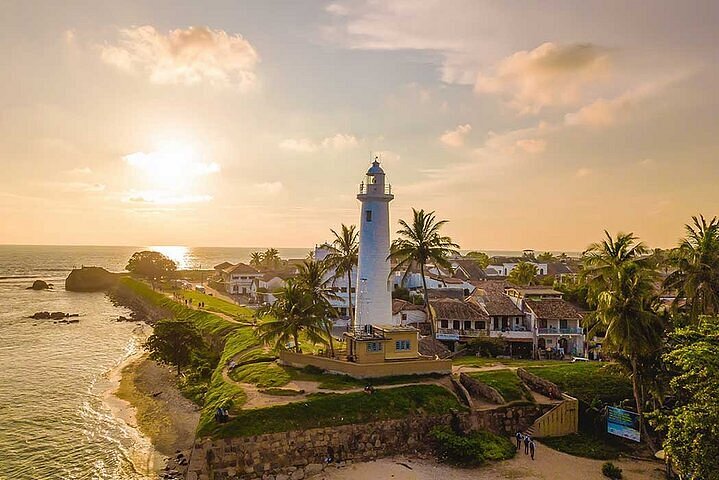
4.2 Visit the Galle Lighthouse
The lighthouse area is one of the most photographed corners of the fort. Even without going inside, it’s worth visiting for the white tower + palm trees + ocean combination that instantly reads “Sri Lanka coast.” The streets nearby are also great for casual wandering.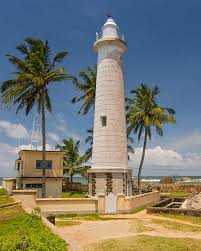
4.3 Explore key historical buildings
- Dutch Reformed Church: A significant church connected to the fort’s Dutch-era identity.
- Old Gate area: A good spot to notice symbols from different ruling periods.
- Dutch Hospital precinct: A historic structure that’s now a popular dining and shopping zone.
- Maritime and local museums: Great for context if you enjoy colonial and coastal history.
4.4 Do a self-guided walking tour (easy route)
If you want a simple “Galle Fort walking tour” route without overplanning, use this flow: start at the ramparts → lighthouse corner → church area → Pedlar Street and nearby lanes → Dutch Hospital precinct → finish back at the ramparts for sunset. You’ll naturally hit the fort’s most popular sights, and you can shorten or extend the loop depending on how hot it is and how often you stop for photos.5. Best Time to Visit
The best time to visit Galle Fort Sri Lanka is during the drier season when walking is comfortable and sunsets are clearer. In general, December to March is the easiest window for most travelers: warm days, lower rain chances, and beach-friendly conditions. That said, timing within the day matters more than most people expect. Midday can feel hot on open streets and ramparts, so plan your main walk either in the morning or in the late afternoon. If you visit in rainier months, the fort is still worth it—just expect slippery stones, fewer sunset views, and more breaks in cafés.| Season | What it feels like | Best for |
|---|---|---|
| Dec–Mar | Drier, bright, warmer days | Long walks, sunsets, beach add-ons |
| Apr–Jun | Hotter and more humid | Short loops + indoor breaks |
| Jul–Sep | Rain risk increases | Budget travel, fewer crowds |
6. How to Reach Galle Fort
Galle Fort how to reach is straightforward because Galle is well connected and the fort sits right in town.6.1 From Colombo
Most travelers come via Colombo and then head south. You have three common options: train (scenic coastal views), bus (budget-friendly), or a car/taxi (more control over timing and stops). If you’re planning a day trip, pick the fastest option both ways so you get more time inside the fort instead of in transit.6.2 From the airport
If you arrive at Bandaranaike Airport, you can connect through Colombo and continue to Galle. Many travelers do this as a same-day transfer, but it can also be more comfortable to overnight in Colombo first if you’re arriving late.6.3 From nearby beach towns
If you’re staying on the south coast, Galle can be an easy half-day or day trip. It pairs especially well with nearby beaches—plan your fort walk earlier, then head back for a swim or a relaxed dinner.7. Architecture and Streets
Part of what makes Galle Dutch Fort Sri Lanka so addictive is that you don’t need to be “into architecture” to enjoy it. The fort is built for wandering: low-rise buildings, shaded verandas, small courtyards, and a street grid that makes it hard to get truly lost.7.1 Colonial architecture you’ll notice immediately
- Dutch-style homes: Simple facades with practical layouts for coastal weather.
- British-era details: Later additions and civic-style buildings in certain pockets.
- Defensive engineering: Thick walls, bastions, and lines designed for coastal protection.
7.2 Streets to explore
Certain streets are famous simply because they concentrate the “fort vibe”: boutique storefronts, cafés, and restored buildings in a short span. Pedlar Street is often the busiest, but the quieter side lanes can feel more authentic—especially in the morning when shops are just opening and the fort is still calm.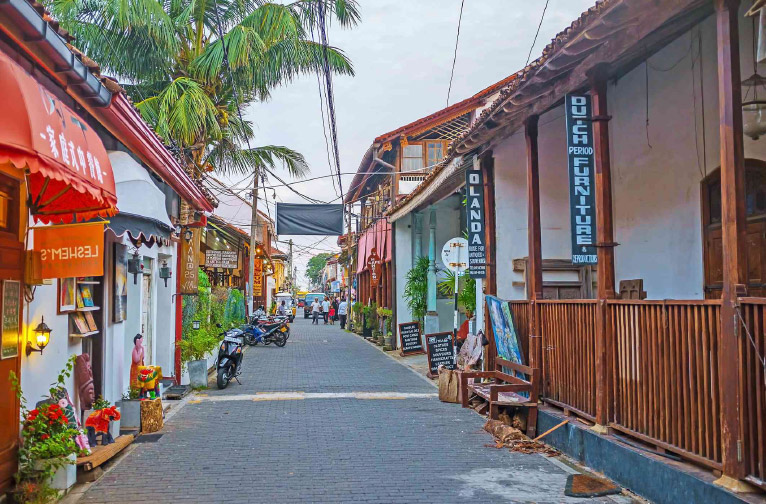
8. Shopping in Galle Fort
Shopping in Galle Fort is less about giant markets and more about curated finds. You’ll see boutiques selling textiles, small art pieces, jewelry (often with Sri Lankan gemstones), handcrafted souvenirs, and tea/spices packaged for travelers. To keep it fun, set a simple rule: browse first, buy later. Many shops sell similar items, and you’ll enjoy the experience more if you don’t feel pressure to “choose fast.” If you’re visiting during festivals in Sri Lanka or holiday weeks, expect busier streets and slightly less room to negotiate.9. Cafes and Restaurants
Galle Fort is one of the best places on the south coast to slow down over a long coffee or a sunset dinner. You’ll find seafood-focused menus, Sri Lankan curries, and plenty of international options that suit travelers easing into the island’s flavors. The best strategy is to time your meal with your walk. Do streets and shops earlier, then save a café stop for when the heat peaks. After your rampart sunset, pick a restaurant close by so you can linger without rushing back through dark lanes.10. Hotels and Stays
Staying inside the fort changes the experience. Early mornings are quiet, and late evenings feel atmospheric once day-trippers leave. You’ll find everything from heritage-style boutique hotels to guesthouses, plus stays just outside the walls if you want more space or a lower price. If you’re on a shorter trip, a day visit is enough. But if you enjoy slow travel, one night inside the fort is worth considering—mainly for the calm morning walk and the easier sunset pacing.11. Visitor Info (Timings, Entry Fee, and Tips)
Because it’s a living neighborhood, “Galle Fort Sri Lanka timings” don’t work like a typical monument. You can generally walk the streets and ramparts freely, but individual attractions inside the fort (museums, specific buildings, and occasional venues) keep their own opening hours. Similarly, “Galle Fort entry fee” is usually simple: there is no general ticket to enter the fort area, but you may pay separate fees for select museums or paid attractions.| Question | Simple answer | Practical tip |
|---|---|---|
| What time should I visit? | Morning or late afternoon | Plan your rampart walk for sunset light |
| Is there an entry fee? | No general entry ticket | Carry cash for museums and small purchases |
| How long do I need? | 2–4 hours (typical) | Half-day feels relaxed with a café stop |
- Wear comfortable shoes: Cobblestones and uneven surfaces are common.
- Bring sun protection: Ramparts have open stretches with strong light.
- Respect places of worship: Dress modestly and keep noise low.
- Keep your route simple: Ramparts → streets → café → ramparts again works every time.
Location
Frequently Asked Questions
Q1.What is Galle Fort famous for?
Q2.Who built Galle Fort in Sri Lanka?
Q3.Why is Galle Fort a UNESCO site?
Q4.How old is Galle Fort Sri Lanka?
Q5.What are Galle Fort opening hours?
Q6.Is there an entry fee for Galle Fort?
Q7.Best time to visit Galle Fort Sri Lanka?
Q8.What can we do in Galle Fort?
Recommended For You

Whale Watching Sri Lanka: Mirissa, Trincomalee & Tips
Plan whale watching in Sri Lanka with coast-wise seasons, species expectations, tour prices, booking checks, and responsible marine travel tips.
Hikkaduwa Beach Sri Lanka: Surfing, Coral Reefs & Stay Options
Explore Hikkaduwa Beach Sri Lanka: coral reef snorkeling, surfing spots, turtle sightings, best time to visit, how to reach, hotels, and travel tips.
Sigiriya Rock Fortress Sri Lanka: Tickets, Climb Timings & Travel Tips
Complete guide to Sigiriya Rock Fortress Sri Lanka. Details on tickets, timings, climbing tips, history, how to reach, and best time to visit this UNESCO World Heritage Site.
Never Miss an Adventure
Get the latest trekking guides, travel tips, and exclusive offers delivered straight to your inbox.
