
Koggala Beach Sri Lanka: Stay Areas, Surf Spots & Coastal Experiences

Neha Kapoor
February 13, 2026
Explore Koggala Beach in Sri Lanka. Golden sands, turtle hatchery, activities, hotels, best time to visit & travel tips.
Introduction: Koggala's Coastal Beauty
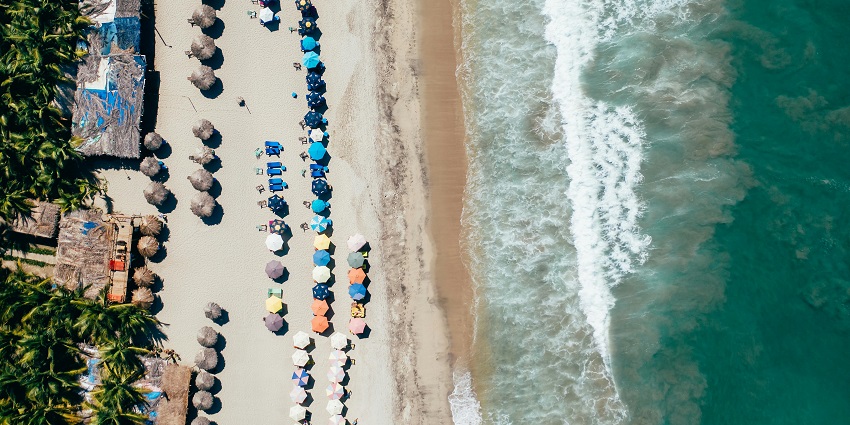
Koggala Beach, located on Sri Lanka's stunning southern coast, offers a perfect blend of natural beauty, cultural experiences, and relaxed beach vibes. Unlike some of its more developed neighbors, Koggala has managed to maintain a more authentic, unspoiled character that appeals to travelers seeking a genuine Sri Lankan beach experience away from the most tourist-heavy areas.
The beach is famous for its golden sands, calm waters, and the unique spectacle of stilt fishermen who perch on wooden poles in the shallow waters - an iconic image of Sri Lanka that has captivated photographers and travelers for decades. Beyond the beach itself, Koggala is home to the important Koggala Turtle Hatchery, a conservation project that has been protecting sea turtles since 1996.
About Koggala Beach
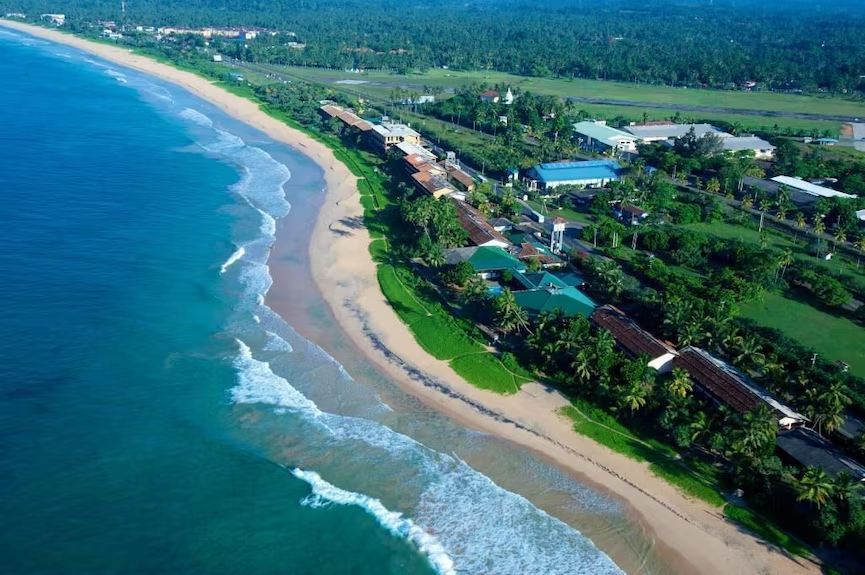
Koggala is a small town located in the Galle District of Sri Lanka's Southern Province. The beach stretches for several kilometers, offering plenty of space to find your own perfect spot. Unlike some beaches that are backed by dense development, Koggala Beach has a more natural feel, with coconut palms swaying in the breeze and the sound of waves providing the soundtrack to your day.
Location and Access
Koggala Beach is approximately 130 kilometers south of Colombo and about 15 kilometers east of Galle Fort. This location makes it an excellent base for exploring the southern coast - close enough to Galle for day trips but far enough to escape the biggest crowds. The area is easily accessible via the Southern Expressway or the scenic Galle Road coastal route.
Beach Characteristics
The beach features fine golden sand that's soft underfoot. The water is typically calm, especially during the high season from November to April, making it safe for swimming. The beach is wide in most sections, providing ample space for sunbathing, beach games, or simply strolling along the shoreline. Palm trees line much of the beach, providing natural shade in many areas.
The Vibe
Koggala Beach has a relaxed, unspoiled atmosphere. While it's certainly discovered by tourists, it doesn't feel overrun. You'll find a mix of local fishermen going about their daily work, Sri Lankan families enjoying weekend outings, and international travelers soaking up the sun. The pace is slow, the people are friendly, and the feeling is one of authentic coastal Sri Lanka rather than a manufactured tourist experience.
Beach Features and Landscape
Koggala Beach's physical characteristics make it particularly appealing for beach lovers.
Sand and Water
The sand at Koggala is golden and fine, perfect for walking barefoot. It doesn't get uncomfortably hot, even during the hottest part of the day, thanks to regular sea breezes. The water color varies from turquoise to deep blue depending on the weather and time of day. During calm periods, the water is crystal clear, perfect for snorkeling and observing marine life near the shore.
Natural Features
The beach is punctuated by rocky outcrops in some sections, creating interesting landscapes and micro-environments for tide pool exploration. Coconut palms line much of the shoreline, their trunks leaning toward the sea. Behind the beach, you'll find vegetation ranging from coastal scrub to more dense tropical growth.
Sunrise and Sunset
Since Koggala Beach faces south, you won't see the sun rising or setting directly over the ocean. However, the southern exposure means beautiful light throughout the day. Early risers will appreciate the peaceful mornings when the beach is virtually empty and the light is soft and golden. Late afternoon brings long shadows and a magical quality to the landscape.
Things to Do at Koggala Beach
While relaxation is the primary activity, Koggala Beach offers enough to keep visitors entertained.
Swimming and Water Activities
The calm waters make Koggala excellent for swimming. The beach gradually slopes into the sea, so you can wade out considerable distances before the water gets deep. Snorkeling is possible near rocky outcrops where marine life congregates. Kayaks can sometimes be rented for exploring the coastline. The consistent waves during certain seasons attract beginner surfers.
Stilt Fishermen
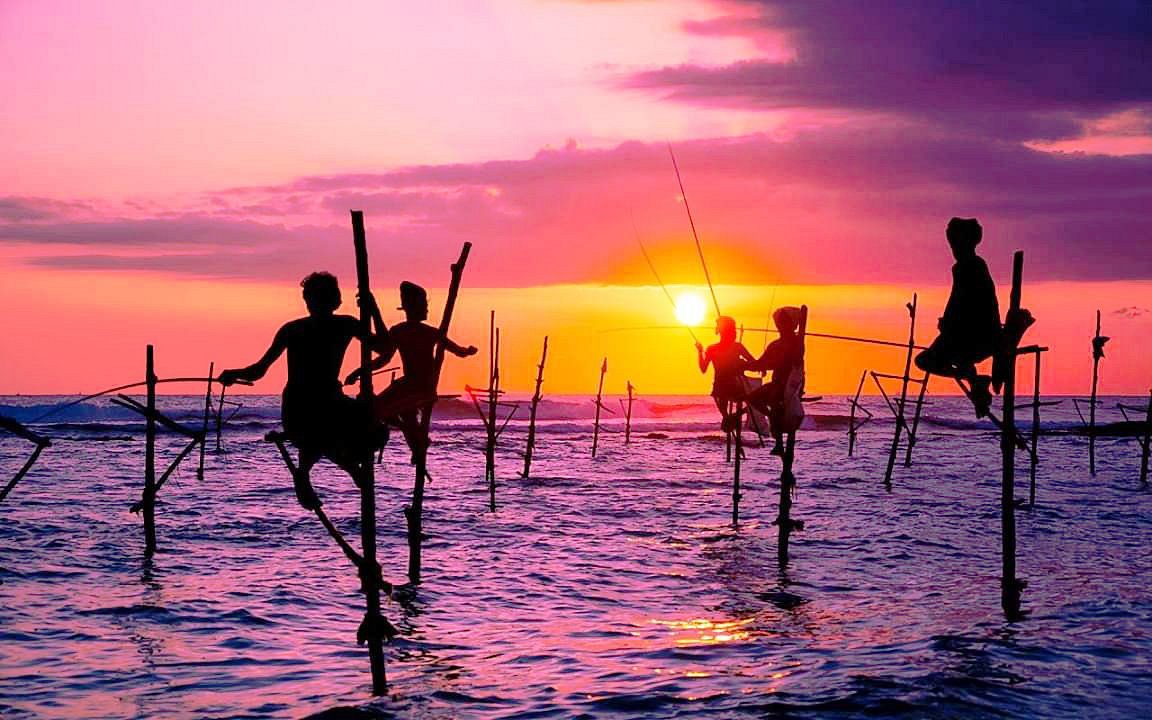
The stilt fishermen are Koggala's most iconic sight. These fishermen perch on narrow crosses of wood embedded in the sea floor, sitting patiently with their fishing lines waiting for a catch. This traditional fishing method is unique to this part of Sri Lanka and dates back perhaps to World War II when food shortages forced fishermen to develop new techniques.
Today, while some stilt fishermen still fish for their livelihood, others perform largely for tourists and photographers. The best time to see them is early morning or late afternoon when the light is beautiful. If you want to take close-up photos, it's polite to make a small purchase or offer a tip.
Beach Walks and Relaxation
The extensive beach is perfect for long walks in either direction. You can walk for kilometers, enjoying the sea breeze and changing landscapes. The beach is wide enough that you can almost always find a quiet spot to spread your towel and read, nap, or simply watch the waves. Sunset walks are particularly beautiful.
Photography
Koggala Beach offers excellent photography opportunities. The stilt fishermen are the most famous subject, but there's much more to capture. Early morning light on the coconut palms, traditional fishing boats pulled up on the sand, local life along the shoreline, and the ever-changing seascape all provide compelling subjects. The beach orientation means good light throughout the day.
Koggala Turtle Hatchery
The Koggala Turtle Hatchery is one of Sri Lanka's most important marine conservation projects and a must-visit for anyone interested in wildlife and conservation.
About the Hatchery
Established in 1996, the hatchery works to protect Sri Lanka's five species of sea turtles: Green, Loggerhead, Hawksbill, Olive Ridley, and Leatherback. All five species are either threatened or endangered, and the hatchery plays a crucial role in their conservation by protecting nests, rehabilitating injured turtles, and releasing hatchlings back to the sea.
What You'll See
Visitors can see various tanks containing turtles of different ages and species. The hatchery rescues turtles injured by fishing nets or boats and rehabilitates them for release. You might see tiny hatchlings, juveniles of various sizes, and occasionally large adult turtles. The staff are knowledgeable and happy to explain about the different species and the conservation challenges they face.
Turtle Releases
If you time your visit right, you might witness or even participate in releasing hatchlings into the sea. This usually happens in the evening when hatchlings are naturally drawn to the ocean. Watching tiny turtles make their way to the sea is a moving experience and a highlight for many visitors. Releases depend on when eggs hatch, so there's no guarantee, but hatchling season typically runs from January to July.
Visitor Information
The hatchery is open daily from morning until evening. There's a nominal entry fee that supports the conservation work. Plan for 30-60 minutes for your visit. Photography is allowed, but flash should be avoided around the turtles. The facility is educational and suitable for children, making it a great family activity.
Best Time to Visit Koggala Beach
Understanding Sri Lanka's weather patterns helps choose the best time for your visit.
Winter (December to March)
This is the peak season for Sri Lanka's south and west coasts. Weather is dry and sunny, seas are calm, and conditions are ideal for beach activities. December and January are particularly busy. This is the best time for swimming, snorkeling, and beach relaxation. Book accommodation well in advance.
Summer (April to June)
April can be hot but still pleasant. May and June see the onset of the southwest monsoon, bringing more rain and rougher seas. However, the monsoon doesn't mean constant rain - many days are still pleasant, and prices are lower. Swimming might be restricted during rough conditions.
Inter-Monsoon (October to November)
October can be unsettled as the monsoon transitions. November typically sees improving conditions. This shoulder season offers fewer crowds and lower prices, with weather that can be excellent but is less predictable than peak season.
How to Reach Koggala Beach
From Colombo
The most common route is via the Southern Expressway (E01) from Colombo to Galle, then continuing to Koggala. This takes approximately 2-2.5 hours by car. The scenic alternative is Galle Road (A2), which hugs the coast but takes longer due to traffic through towns. The expressway is faster but doesn't offer ocean views for most of the journey.
From Galle
Koggala is approximately 15 kilometers east of Galle Fort, a journey of about 30 minutes by car or tuk-tuk. The road runs parallel to the coast for much of the way, offering nice ocean views. Regular buses run between Galle and Koggala if you're traveling on a budget.
By Train
The train from Colombo to Galle (and beyond to Matara) stops at Koggala station. The coastal train ride is beautiful, running right along the ocean for much of the journey. However, trains can be slow and crowded. The station is about 2 kilometers from the beach, requiring a short tuk-tuk ride.
Accommodation Options
Koggala offers accommodation from budget to luxury.
Luxury Resorts
Several high-end resorts occupy prime beachfront locations, offering pools, restaurants, spas, and direct beach access. These include international chains and boutique properties. Expect to pay USD $150-300+ per night.
Boutique Hotels
Mid-range options include stylish boutique hotels, many housed in colonial-era buildings or designed with traditional Sri Lankan architecture. These typically offer pools, restaurants, and personalized service at USD $80-150 per night.
Guesthouses and Homestays
Budget options include guesthouses and homestays, often run by local families. These provide basic but clean rooms and breakfast. Many are located just off the beach, requiring a short walk. Expect to pay USD $20-50 per night.
Nearby Attractions
Koggala's location makes it an excellent base for exploring southern Sri Lanka.
Galle Fort
A UNESCO World Heritage Site, Galle Fort is a beautifully preserved Dutch colonial fortification. The cobblestone streets, historic buildings, churches, and museums make for a fascinating day trip. The fort also has excellent cafes, restaurants, and shops.
Unawatuna Beach
Just west of Galle, the southern beaches like Unawatuna offer a different experience with a curved bay, calm waters, and plenty of restaurants. It's more developed than Koggala but worth visiting for the lively atmosphere.
Mirissa
About an hour east of Koggala, Mirissa is famous for whale watching. Blue whales, sperm whales, and dolphins can be spotted on boat tours from November to April. Consider extending your trip to explore other natural attractions in Sri Lanka.
Koggala Lake
The large lagoon behind Koggala town offers boat tours, opportunities to see birdlife, and visits to small islands with temples. The lake is scenic and a nice change from the ocean.
Cinnamon Plantations
Sri Lanka's south has several cinnamon plantations that offer tours explaining the spice cultivation process. Some are located near Koggala and make for an interesting half-day trip.
Travel Tips and Safety
Swimming Safety
While Koggala Beach is generally safe for swimming, always be cautious. Avoid swimming alone. Watch for currents, particularly during monsoon seasons when seas are rough. If in doubt, ask locals about conditions. There are no lifeguards at most beaches.
Sun Protection
The Sri Lankan sun is strong. Wear sunscreen, a hat, and sunglasses. The tropical sun can burn quickly, even on cloudy days. Seek shade during peak hours (11 AM-3 PM).
Local Etiquette
Sri Lanka is a conservative country despite its beach destinations. Dress modestly when away from the beach, particularly when visiting religious sites. Ask permission before photographing people. Bargain respectfully at markets.
Mosquito Protection
Mosquitoes can be bothersome, especially at dawn and dusk. Use repellent and consider accommodation with mosquito nets or air conditioning. Malaria is not a risk in this area, but dengue occasionally occurs.
Koggala Beach offers a perfect Sri Lankan coastal experience - beautiful scenery, interesting culture, conservation work worth supporting, and a relaxed atmosphere that makes it easy to unwind. Whether you're spending a few days or a few weeks, Koggala's golden sands and warm waters are likely to leave you with lasting memories of Sri Lanka's southern coast.
Location
Frequently Asked Questions
Q1.Where is Koggala Beach located in Sri Lanka?
Q2.How far is Koggala from Galle?
Q3.What is the best time to visit Koggala Beach?
Q4.What can we do at Koggala Beach?
Q5.Is swimming safe at Koggala Beach?
Q6.Can we see turtles at Koggala?
Q7.How do I reach Koggala Beach from Colombo?
Q8.Are there good hotels at Koggala Beach?
Recommended For You
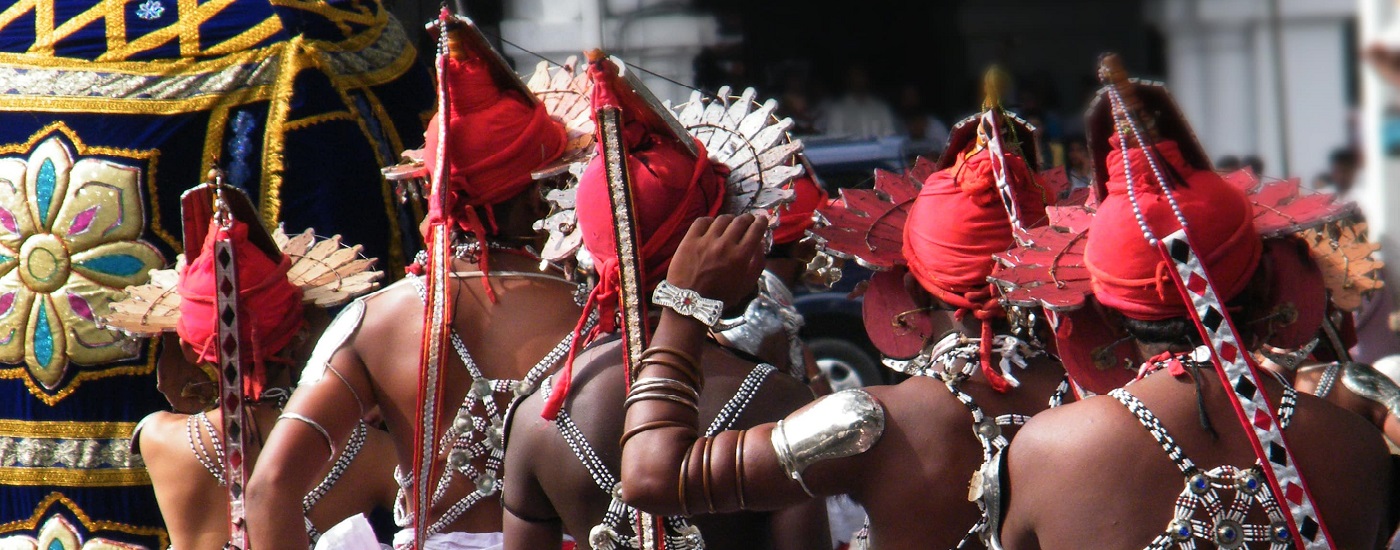
Festivals in Sri Lanka: Vesak, Perahera & Annual Event Calendar
Discover festivals in Sri Lanka including Vesak, Sinhala and Tamil New Year, Kandy Esala Perahera, and practical festival travel planning tips.
Galle Dutch Fort Sri Lanka: History, Walking Route & Nearby Cafes
Explore Galle Dutch Fort Sri Lanka: UNESCO heritage status, history, things to do, best time to visit, how to reach, shopping, food, stays, timings, and entry fee info.
Temple of the Sacred Tooth Relic Kandy: Timings, Dress Code & Entry
Visit Sri Dalada Maligawa, Kandy's sacred temple housing Buddha's tooth. Discover timings, dress code, rituals, history & travel tips.
Never Miss an Adventure
Get the latest trekking guides, travel tips, and exclusive offers delivered straight to your inbox.
