
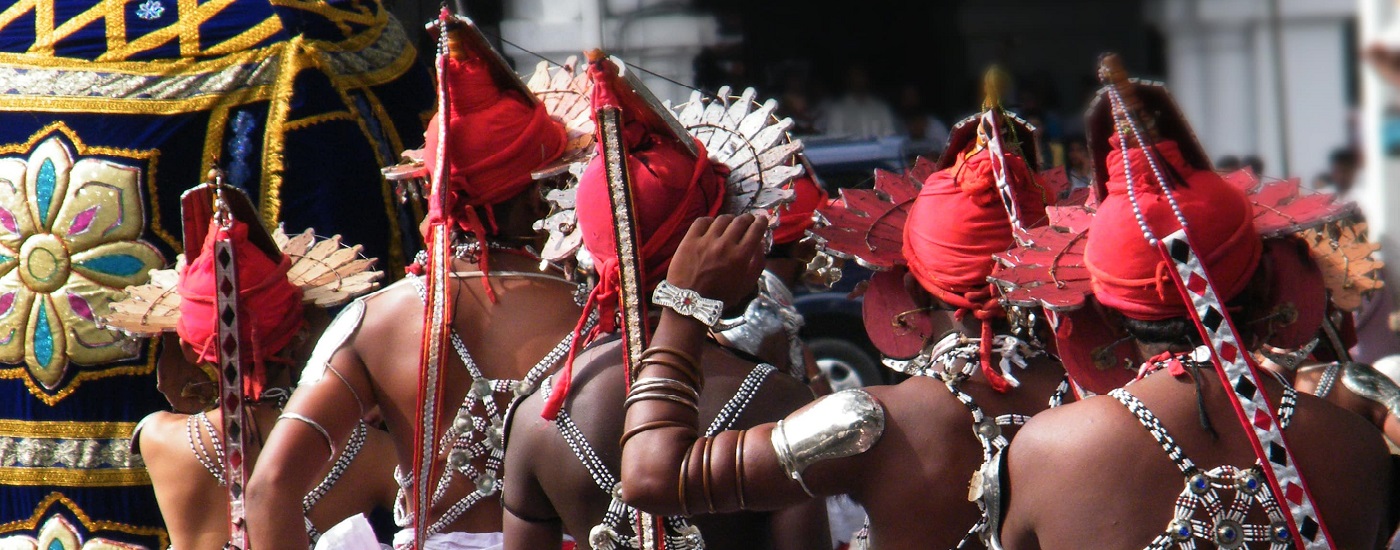
Festivals in Sri Lanka: Vesak, Perahera & Annual Event Calendar
Priya Mehta
February 20, 2026
Discover festivals in Sri Lanka including Vesak, Sinhala and Tamil New Year, Kandy Esala Perahera, and practical festival travel planning tips.
1. Introduction to Festivals in Sri Lanka
Sri Lanka is one of South Asia's most festival-rich destinations, where Buddhist, Hindu, Muslim, and Christian traditions shape a year-round calendar of public celebrations. From Vesak lantern displays and temple pilgrimages to Sinhala and Tamil New Year customs, Kandy processions, and Hindu harvest rituals, festivals here are deeply tied to religion, seasonal cycles, and community identity.
For travelers, festival timing can transform an ordinary itinerary into a high-value cultural experience. The same city can feel completely different during Poya holidays, New Year weeks, or major perahera processions. Markets stay active, streets turn decorative, and local food and ritual practices become more visible.
This guide explains the major festivals in Sri Lanka, their typical timing, cultural meaning, key locations, and practical planning steps so you can attend respectfully and efficiently.
2. Major Buddhist Festivals in Sri Lanka
Vesak (May Full Moon)
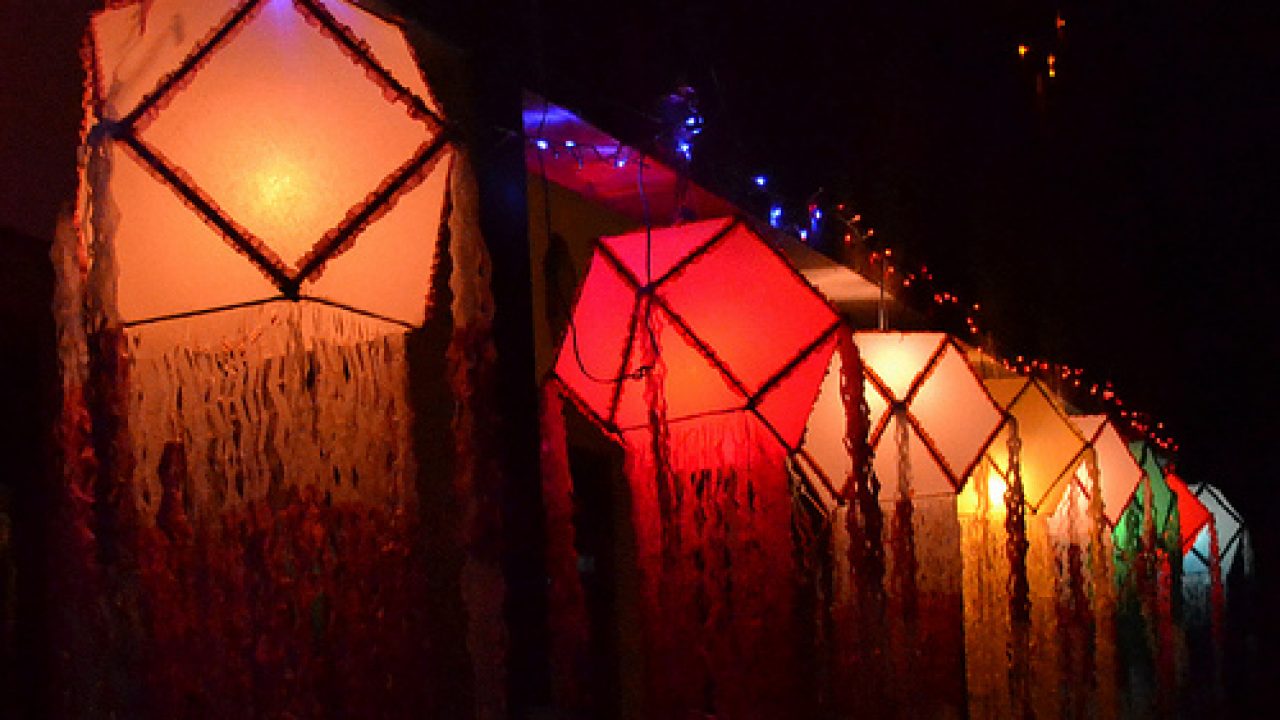
Vesak is widely regarded as the most important Buddhist festival in Sri Lanka. It commemorates the birth, enlightenment, and passing of Lord Buddha, and is observed on the full moon day in May (dates vary annually). During Vesak, major cities and towns display lanterns (Vesak kudu), illuminated decorative panels, and temporary food-giving stalls known as dansal.
Travelers can experience Vesak strongly in Colombo, Kandy, and Anuradhapura. The atmosphere is devotional but also community-centered, with large participation across age groups. For visitors, respectful behavior in temple zones and modest clothing are essential.
Poson (June Full Moon)
Poson marks the introduction of Buddhism to Sri Lanka and is especially associated with Mihintale and Anuradhapura. The festival includes pilgrimages, temple observances, and religious offerings. Like Vesak, Poson follows the full moon calendar, so exact dates shift each year.
Duruthu and Other Poya-linked Observances
Sri Lanka's monthly Poya cycle creates a continuous spiritual calendar, but some Poya days such as Duruthu hold stronger event identity in specific regions, including processions and temple ceremonies.
3. Sinhala and Tamil New Year (Aluth Avurudu)
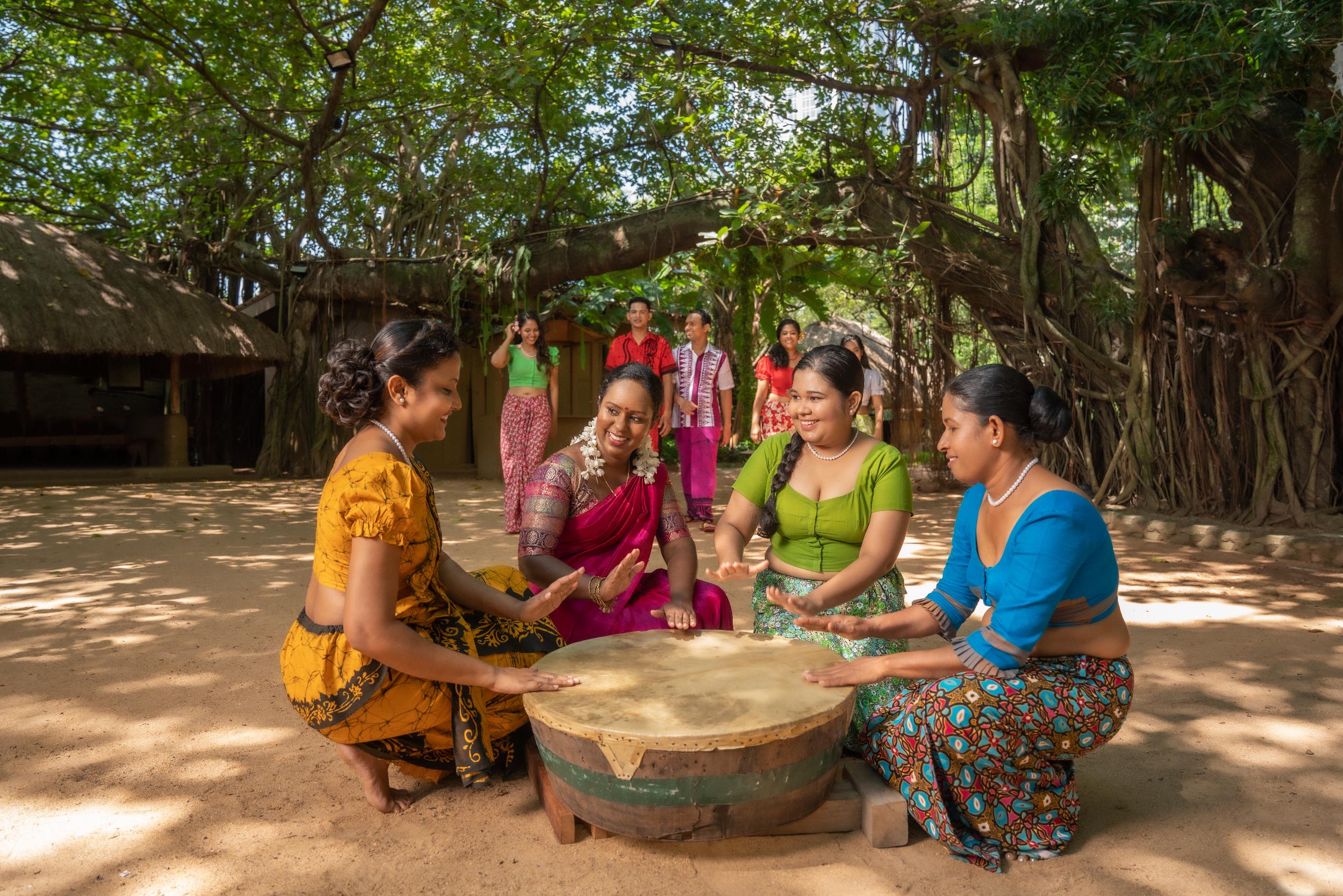
Sinhala and Tamil New Year, usually around April 13-14, is one of the most culturally immersive festivals in Sri Lanka because it blends astrological timing, household rituals, food traditions, and community games. It is celebrated by both Sinhala and Tamil communities with region-wise variation.
Core Traditions
- Performing first activities (cooking, eating, transactions) at auspicious times.
- Preparing traditional foods such as kiribath and festival sweets.
- Visiting family elders and exchanging gifts.
- Organizing local games and community gatherings.
For travelers, this is one of the best windows to observe household-level cultural practices rather than only public-stage events.
4. Kandy Esala Perahera
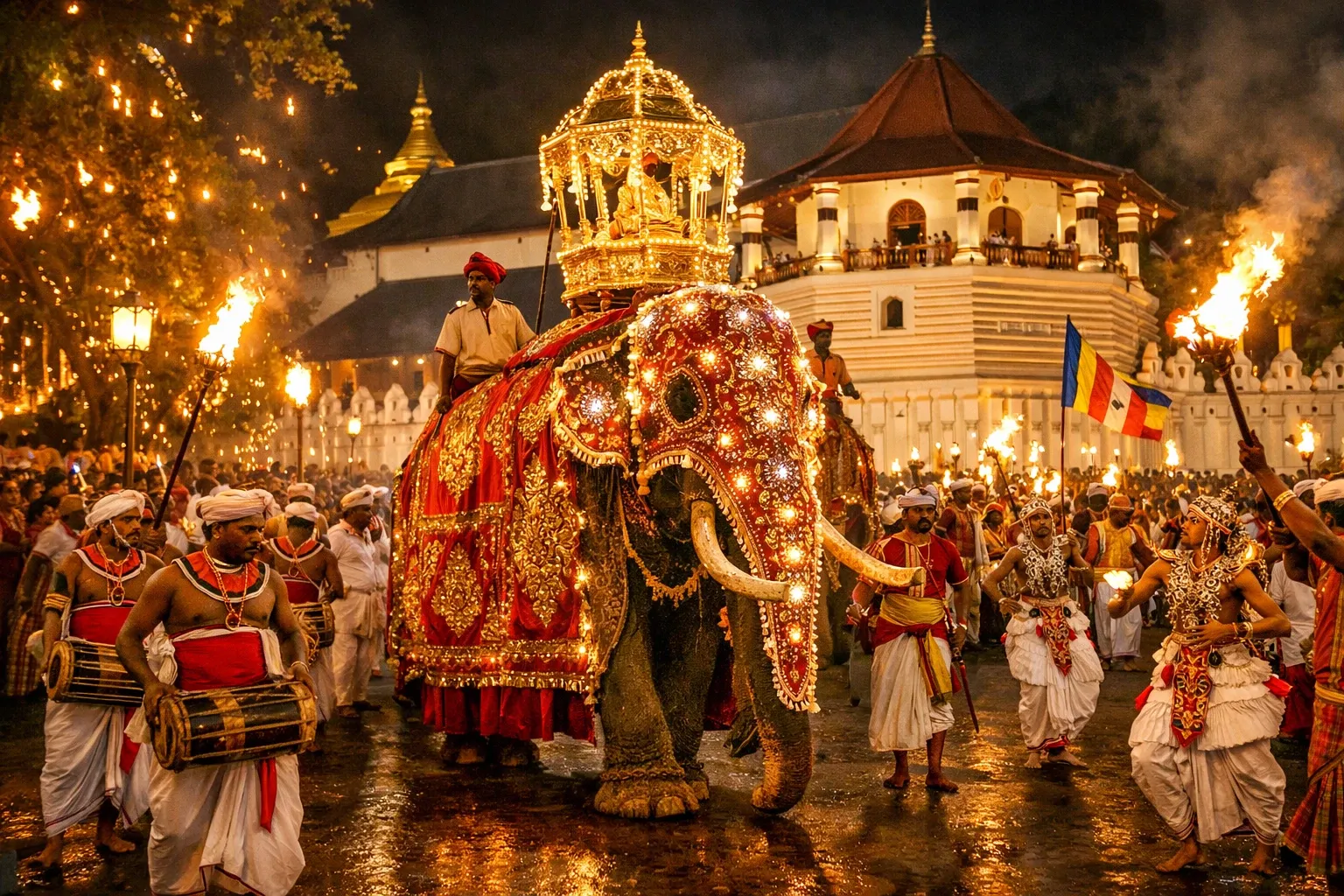
Kandy Esala Perahera is one of Sri Lanka's most famous processional festivals and a major draw for international visitors. It is linked to the Temple of the Sacred Tooth Relic and is generally held in July-August windows, based on traditional lunar scheduling. The festival is known for ceremonial processions, traditional dancers, drummers, torch performances, and ornate pageantry.
Different procession nights vary in scale, and viewing demand can be very high. If this event is the anchor of your trip, book accommodation and transport early, and confirm official route/timing announcements close to travel dates.
For route planning around this event, use Temple of the Sacred Tooth Sri Lanka and Sri Dalada Maligawa guide.
5. Thai Pongal in Sri Lanka
Thai Pongal is an important Tamil harvest festival observed in Sri Lanka, usually in mid-January. It is centered on thanksgiving for agricultural abundance and is celebrated with ritual cooking, offerings, and family/community observances.
Festival expressions can vary by region, but common elements include decorated homes, temple visits, and special meals prepared in traditional style. For visitors, Pongal offers a strong lens into Tamil cultural life in Sri Lanka beyond coastal sightseeing routes.
6. Other Important Festivals in Sri Lanka
Deepavali
Deepavali is celebrated by Hindu communities across Sri Lanka with lamps, prayer rituals, sweets, and family gatherings. Urban areas and mixed neighborhoods often show visible festive activity.
Navam Perahera (Colombo)
Navam Perahera is associated with temple processional traditions in Colombo and can include decorated elephants, dancers, and ceremonial elements in selected years/formats.
Ramadan and Eid
Muslim communities across Sri Lanka observe Ramadan and Eid with fasting, prayer, and communal feasting, adding to the island's plural festival identity.
Christmas
Christmas is observed in Christian communities and tourism zones with church services, decorations, and public festive atmosphere in urban areas.
| Festival | Typical Month | Main Region Focus |
|---|---|---|
| Vesak | May (full moon) | Colombo, Kandy, island-wide |
| Poson | June (full moon) | Mihintale, Anuradhapura |
| Sinhala/Tamil New Year | April | Island-wide |
| Kandy Esala Perahera | July-August | Kandy |
| Thai Pongal | January | Tamil cultural regions |
| Deepavali | Oct-Nov (varies) | Hindu communities island-wide |
7. Sri Lanka Festival Calendar Planning
Festival dates in Sri Lanka depend on multiple systems: full-moon Buddhist calendar, lunar Islamic/Hindu calendars, and fixed seasonal dates. Because of this, planning by month alone is not enough. Use a two-step approach:
- Pick target month based on your preferred festival category (Buddhist, processional, New Year, harvest).
- Confirm exact dates through official tourism/temple or current-year public notices before booking flights and hotels.
This approach reduces last-minute schedule mismatch, especially for events like Perahera and Poya-linked festivals.
8. Best Time to Experience Festivals in Sri Lanka
- April: Best for Sinhala and Tamil New Year cultural immersion.
- May-June: Best for Vesak and Poson Buddhist observances.
- July-August: Best for Kandy Esala Perahera experience.
- January: Best for Thai Pongal and seasonal cultural transitions.
For broader country planning, combine with places to visit in Sri Lanka and shopping in Sri Lanka for city-day balancing.
9. Cultural Significance of Sri Lankan Festivals
Sri Lanka's festival structure reflects both religious devotion and social cohesion. Festivals function as community memory systems: they preserve ritual language, temple networks, culinary traditions, and intergenerational knowledge sharing. They also create seasonal economic opportunities for artisans, food vendors, transport providers, and local tourism operators.
For visitors, attending festivals respectfully can provide deeper insight than standard itinerary-only travel because you witness living culture rather than static attractions.
10. Festival Locations and Route Ideas
Colombo
Best for urban Vesak displays, city festivals, and easier transport access.
Kandy
Core destination for Esala Perahera and Sacred Tooth Temple-linked spiritual tourism.
Anuradhapura-Mihintale Belt
Strong Poson pilgrimage significance and Buddhist heritage context.
North/Central Tamil Cultural Pockets
Important for Thai Pongal and Deepavali observance context.
11. How to Plan a Festival Visit
- Select one anchor festival first (Vesak, New Year, or Esala Perahera).
- Book stay near event zones early in high-demand windows.
- Keep one buffer day for route changes and local schedule updates.
- Plan light daytime sightseeing on major festival evenings.
- Use local guidance for viewing spots and ceremony etiquette.
12. Practical Travel Tips
- Dress modestly when visiting temples and religious gatherings.
- Ask permission before photographing close ritual moments.
- Keep hydration and light snacks for long procession days.
- Carry mixed payment options in festival markets.
- Expect traffic and movement restrictions in major event zones.
- Avoid tight same-day intercity transfers during festival peaks.
13. Final Takeaway
If you want to experience Sri Lanka beyond beaches and resorts, festivals are the best entry point. They reveal the island's plural identity, spiritual depth, and community rhythm. Plan by verified dates, choose one or two anchor celebrations, and travel with cultural sensitivity. With that approach, festivals in Sri Lanka become the highlight of your trip rather than a logistical challenge.
14. Sample 5-Day Festival-Focused Itinerary
Day 1 (Colombo): Arrival, evening city orientation, Vesak-lighting zones or seasonal event areas depending on your travel month.\nDay 2 (Kandy): Transfer to Kandy, temple visit, and processional route reconnaissance if you are traveling in Esala period.\nDay 3 (Kandy event day): Keep full-day flexible schedule for festival attendance, local food, and controlled evening movement.\nDay 4 (Cultural extension): Continue to cultural triangle side (depending on your route) and include one heritage stop before returning.\nDay 5: Buffer morning + departure.
This structure keeps festival attendance practical without overloading transfer days. The biggest mistake travelers make is trying to combine long intercity travel and major evening processions in the same day.
15. Cultural Etiquette and Responsible Participation
- Wear modest clothing at temples and ritual events.
- Avoid obstructing processional routes.
- Do not use flash photography in sensitive ritual moments.
- Respect local queue and seating protocols at high-demand events.
- Use designated waste bins in festival zones and avoid littering.
Festival tourism is most meaningful when visitors prioritize respect over speed. If you are unsure about ritual protocol, ask local volunteers or guides rather than assuming.
16. Final Planning Checklist
Before departure, confirm festival dates, route updates, and hotel proximity to event zones. Keep offline copies of bookings and leave contingency budget for event-day transport changes. This small planning discipline makes Sri Lanka festival travel smoother and more rewarding.
17. Quick Decision Guide
If you can attend only one major event, choose Vesak for island-wide public participation, Esala Perahera for ceremonial pageantry, or Sinhala and Tamil New Year for household cultural immersion. Pick based on your travel style, not popularity alone.
Also keep one spare evening in your itinerary for unexpected local events, neighborhood illuminations, or temple programs that are often announced close to festival dates.
Location
Frequently Asked Questions
Q1.What is the biggest festival in Sri Lanka?
Q2.What are the main festivals in Sri Lanka?
Q3.What is Vesak festival in Sri Lanka?
Q4.When is Sinhala New Year celebrated?
Q5.How is Vesak celebrated in Sri Lanka?
Q6.What is Kandy Esala Perahera?
Q7.When is Kandy Perahera held?
Q8.What is Thai Pongal in Sri Lanka?
Recommended For You
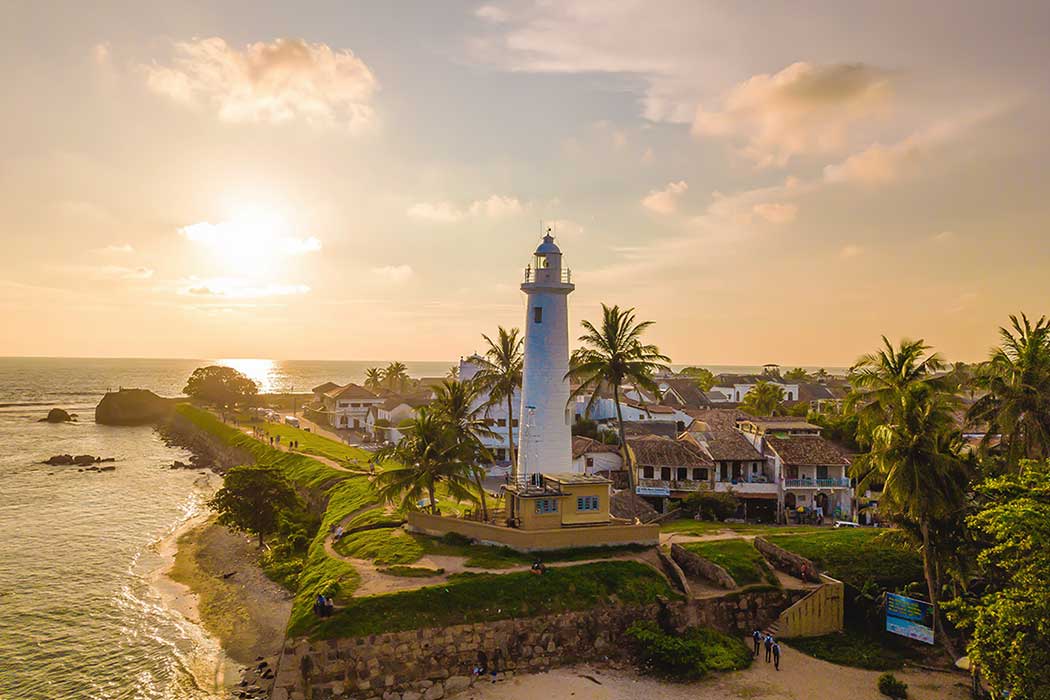
Galle Dutch Fort Sri Lanka: History, Walking Route & Nearby Cafes
Explore Galle Dutch Fort Sri Lanka: UNESCO heritage status, history, things to do, best time to visit, how to reach, shopping, food, stays, timings, and entry fee info.
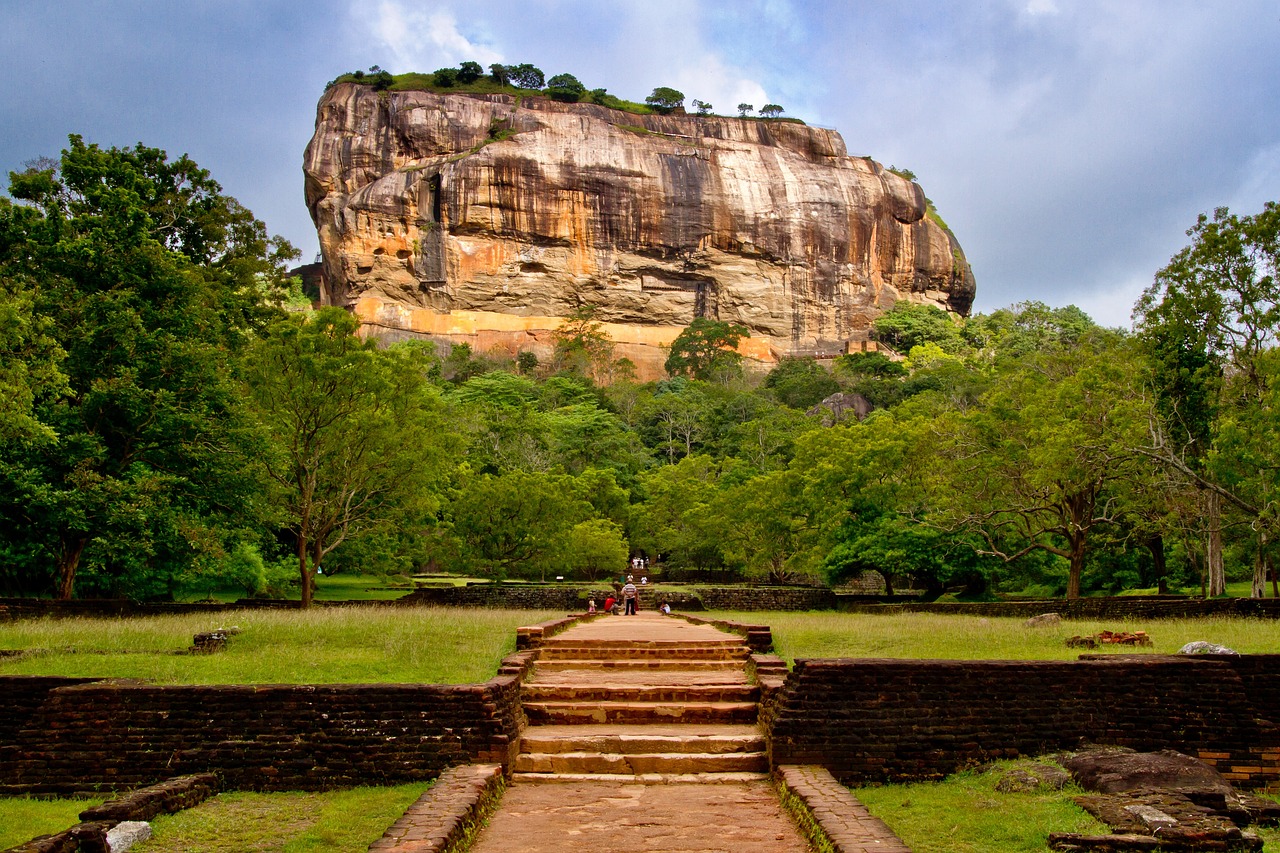
Sigiriya Rock Fortress Sri Lanka: Tickets, Climb Timings & Travel Tips
Complete guide to Sigiriya Rock Fortress Sri Lanka. Details on tickets, timings, climbing tips, history, how to reach, and best time to visit this UNESCO World Heritage Site.
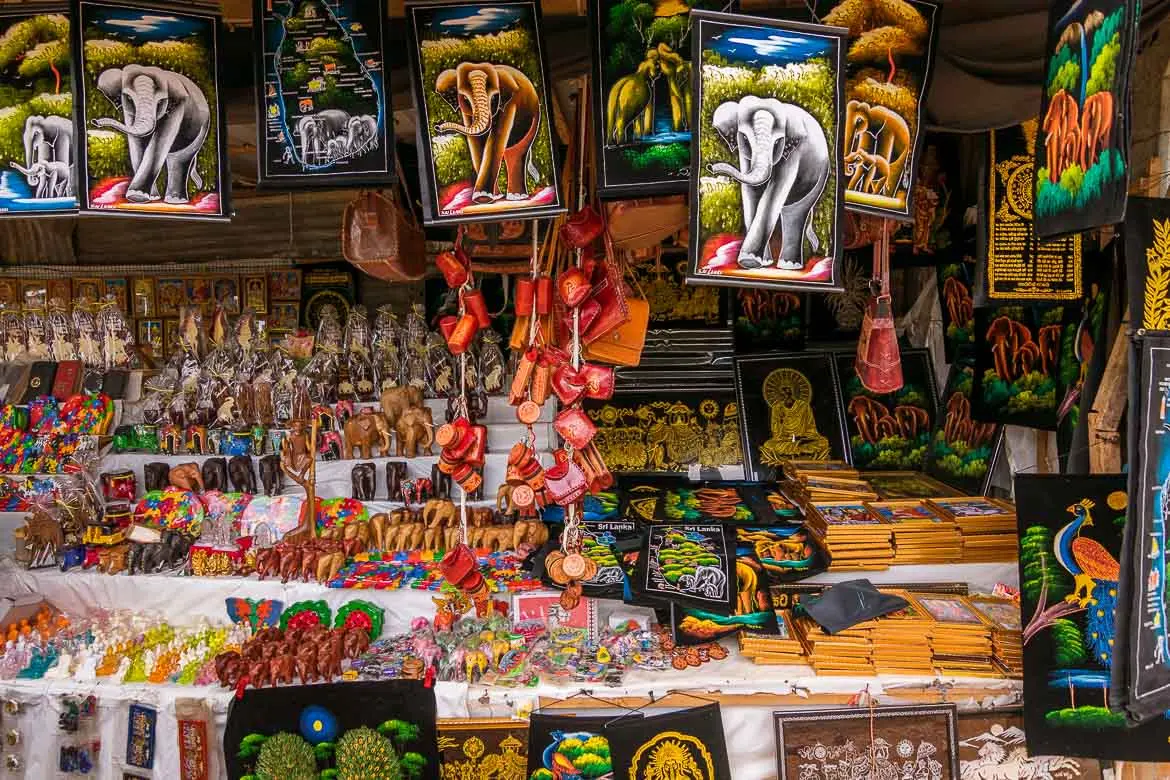
Shopping in Sri Lanka: Souvenirs, Tea, Gems & Market Hotspots
Complete shopping guide for Sri Lanka featuring Ceylon tea, gemstones, batik, handicrafts, Colombo malls, and local markets.
Never Miss an Adventure
Get the latest trekking guides, travel tips, and exclusive offers delivered straight to your inbox.
