
What to Wear in Kashmir: Season-Wise Packing Checklist
Rohit Verma
February 20, 2026
Complete guide on what to wear in Kashmir - summer, winter & monsoon. Packing list for Gulmarg, Srinagar & clothing tips for Kashmir trip.
Introduction: Dress Right for Paradise
Kashmir, often called "Paradise on Earth," is a destination of breathtaking beauty but equally diverse and challenging weather. The region's unique geography—nestled in the Himalayas with valleys ranging from 1,500 meters to over 3,000 meters in altitude—creates dramatic seasonal variations that can catch unprepared tourists off guard. What's perfect clothing for a summer day in Srinagar might leave you shivering in Gulmarg, and winter gear suitable for Pahalgam could be overkill in Sonmarg during spring.
Packing appropriately for Kashmir isn't just about comfort—it's about being able to fully enjoy this incredible region without being hampered by inadequate clothing. The right preparation allows you to explore stunning Mughal gardens, take shikara rides on Dal Lake, trek through alpine meadows, or ski on world-class slopes regardless of the season. This comprehensive guide breaks down exactly what to wear in Kashmir throughout the year, ensuring you're perfectly prepared for every adventure.
Beyond weather considerations, Kashmir has a distinct cultural identity with traditional dress codes that visitors should respect, particularly when visiting religious sites. Understanding what to wear involves balancing practical needs, cultural sensitivity, and personal comfort. Whether you're planning a summer honeymoon, a winter skiing expedition, or a spring photography tour, this guide will help you pack smart and travel comfortably through Kashmir's stunning landscapes.
Understanding Kashmir's Climate
Kashmir experiences four distinct seasons, each requiring different clothing strategies. The region's high altitude means UV exposure is stronger, temperatures drop significantly at night even in summer, and weather can change rapidly throughout the day.
Summer (April-June): Pleasant days (15-30°C) with cool nights (5-15°C). Srinagar and lower valleys are warm, but Gulmarg and higher areas remain cool. Occasional rain showers occur.
Winter (November-February): Cold to severely cold (-2 to 15°C in Srinagar, -10 to 5°C in Gulmarg). Heavy snowfall in December-January, particularly in Gulmarg and Pahalgam. Days are short and sunlight is limited.
Spring (March) & Autumn (September-October): Transitional seasons with mild temperatures (10-25°C). Pleasant days, cool nights. Some rain in spring, dry and clear in autumn.
Monsoon (July-August): Moderate to heavy rainfall, particularly in July. Temperatures range 15-25°C. Humidity increases and landslides can occur in mountainous areas.
The key to dressing for Kashmir is layering. Temperatures can vary 10-15°C between day and night, and higher altitude destinations like Gulmarg are always cooler than Srinagar regardless of season.
Summer Clothing (April-June)
Summer is Kashmir's peak tourist season, offering pleasant weather perfect for sightseeing and outdoor activities. However, don't be fooled by the warm days—nights and early mornings can be surprisingly cool, especially at higher altitudes.
Day Wear
Light, breathable clothing is essential for daytime exploration. Pack cotton t-shirts, shirts, and blouses in light colors that reflect the sun. Long sleeves are advisable for sun protection, especially if you plan to be outdoors for extended periods. For bottoms, jeans, light trousers, or comfortable cotton pants work well. Avoid shorts except within resort areas—they're not culturally appropriate for most places in Kashmir.
Comfortable walking shoes with good grip are crucial as you'll be doing plenty of walking on uneven surfaces in gardens, temples, and hill stations. Sneakers or light hiking shoes are ideal. Don't forget sunglasses, a wide-brimmed hat or cap, and broad-spectrum sunscreen (SPF 30+) for sun protection—the UV is strong at altitude.
Evening Wear
Evenings in Kashmir, even during summer, require light woolens. Pack at least 2-3 sweaters, cardigans, or light fleece jackets. A hooded jacket is particularly useful as it provides warmth and some protection from unexpected light rain. Long pants are necessary for evenings—shorts will leave you cold.
If you're staying on a houseboat or planning shikara rides at sunrise/sunset, extra layers are essential as the water creates additional chill. A light scarf or stole is versatile—it provides warmth and can double as head covering if needed.
Summer Essentials
Carry a light rain jacket or windbreaker for unexpected summer showers, especially if you're trekking or spending extended time outdoors. Cotton undergarments are most comfortable in summer heat. Pack a mix of cotton and light wool socks—cotton for warm days, wool-wool blend for cooler evenings.
Winter Clothing (November-February)
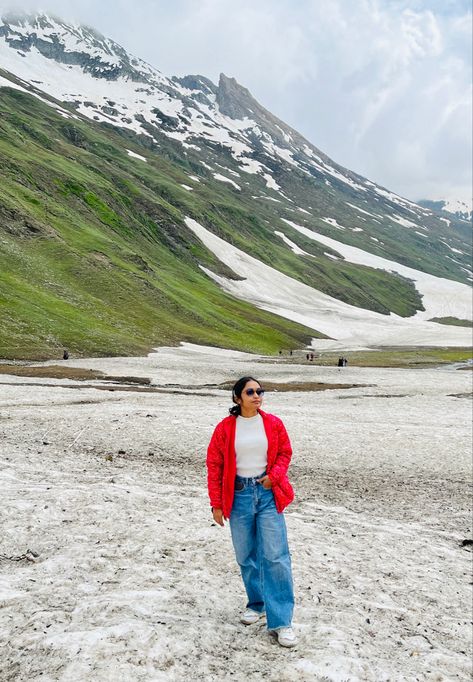
Winter in Kashmir is serious business. If you're visiting between November and February, especially if you plan to visit Gulmarg for skiing, you need proper winter gear. Kashmiri winters can be harsh, and inadequate clothing will make your trip miserable.
Heavy Winter Essentials
Thermal Wear: This is non-negotiable. Pack high-quality thermal underwear (both top and bottom) for each day of your trip. Look for merino wool or synthetic blends that provide warmth without bulk. You'll wear these every single day.
Sweaters & Fleece: Pack 2-3 heavy woolen sweaters or fleece jackets. These serve as your middle layer between thermals and your outer jacket. A mix of pullover and button-front styles gives flexibility.
Heavy Jacket/Down Jacket: One high-quality heavy winter jacket or down jacket is essential. Down jackets provide excellent warmth-to-weight ratio and pack small. A jacket with a hood is preferable. If you're visiting Gulmarg for snow activities, ensure your jacket is water-resistant or waterproof.
Woolen Cap: You'll lose significant body heat through your head—pack a tight-fitting woolen cap that covers your ears. Consider having two caps in case one gets wet.
Gloves/Mittens: Insulated gloves or mittens are essential. Mittens keep fingers warmer than gloves but offer less dexterity—consider your activities. Ski gloves with waterproofing are ideal if you're skiing or playing in snow.
Scarves/Stoles: Pack at least 2-3 warm scarves or stoles. They provide neck warmth and can be pulled up to cover your face and nose in cold winds. Pashmina shawls are excellent—they're warm, lightweight, and make great souvenirs.
Winter Footwear
Proper footwear is crucial in winter. Insulated, waterproof boots with good traction are ideal, especially if there's snow. Look for boots with thermal lining and non-slip soles. Pack 2-3 pairs of heavy woolen socks—merino wool is excellent as it provides warmth without itching.
If you're skiing, actual ski boots are necessary and can be rented in Gulmarg. For general winter travel, waterproof walking shoes with thermal socks work well. Avoid regular sneakers—your feet will be cold and wet.
Winter Accessories
Earmuffs are incredibly useful, especially if you dislike wearing caps constantly. Neck warmers or turtle-neck sweaters provide additional protection against cold winds. Hand warmers (small packets you activate and hold in your pockets) are excellent for extended outdoor time.
Layering Strategy for Winter: Base layer (thermals) + Middle layer (sweater/fleece) + Outer layer (heavy jacket). This three-layer system traps heat effectively while allowing you to adjust for varying temperatures. You can remove layers indoors or when exercising and add them when stationary.
Spring & Autumn (March, September-October)
Spring and autumn are shoulder seasons with mild, pleasant weather. These transitional periods require mixed clothing—light layers for daytime warmth and light woolens for cooler periods.
Long-sleeve shirts, light sweaters, cardigans, and light jackets or windbreakers are ideal. Pack long pants or jeans. The weather can be variable—warm and pleasant one day, cool and rainy the next—so layering is again key.
Comfortable walking shoes are sufficient—no need for heavy winter boots. However, carry a light rain jacket or umbrella for spring showers. A mix of cotton and light woolen clothing works well. These seasons are perfect for the traditional pheran, which you can purchase locally in both light and heavy woolen versions.
Monsoon (July-August)
While Kashmir doesn't receive as heavy rainfall as other parts of India, monsoon months see moderate to occasional heavy rain. The key is waterproofing and quick-drying materials.
A good quality rain jacket or poncho is essential—umbrellas are less useful in windy mountain conditions. Quick-dry synthetic clothing is preferable to cotton, which takes long to dry. Carry extra undergarments and socks as getting wet is likely.
Waterproof or water-resistant footwear is ideal—your shoes will get wet. If you don't have waterproof shoes, carry an extra pair to change into. Waterproof bags or dry bags for electronics and important documents are crucial.
Light cotton clothing is comfortable for humid monsoon days. Mosquito repellent is advisable, especially in evenings. The weather is still warm (15-25°C), so you don't need heavy woolens, but a light sweater for air-conditioned hotel rooms or cool evenings is useful.
Special Clothing for Gulmarg
Gulmarg, at approximately 2,650 meters, is significantly colder than Srinagar. Special consideration is needed if you're visiting this popular hill station, particularly for winter sports.
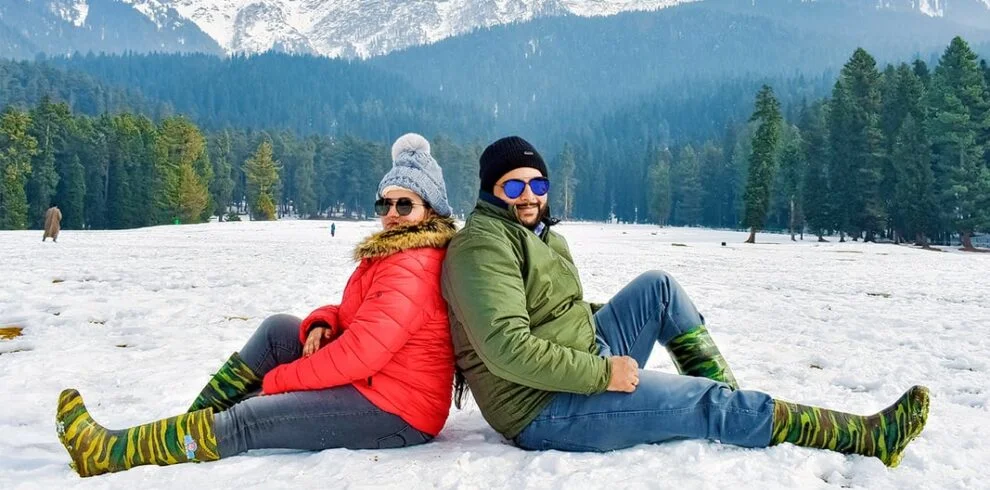
Winter (December-February): If you're skiing or snowboarding, you need proper snow gear: Waterproof ski pants and jacket, thermal underwear, heavy woolen socks, waterproof insulated gloves, and a helmet (for skiing). These can be rented in Gulmarg if you don't want to purchase. Even if you're not skiing, the extreme cold (temperatures can drop to -10°C or lower) requires your heaviest winter gear—multiple layers, heavy jacket, good boots, and all accessories (cap, gloves, scarf).
Summer: Summer in Gulmarg is mild to cool (10-20°C). Light layers with rain protection are ideal. Carry a sweater or light jacket even on warm days—temperature drops quickly in evenings and during rain. Comfortable walking shoes with good grip are sufficient in summer.
Traditional Kashmiri Dress
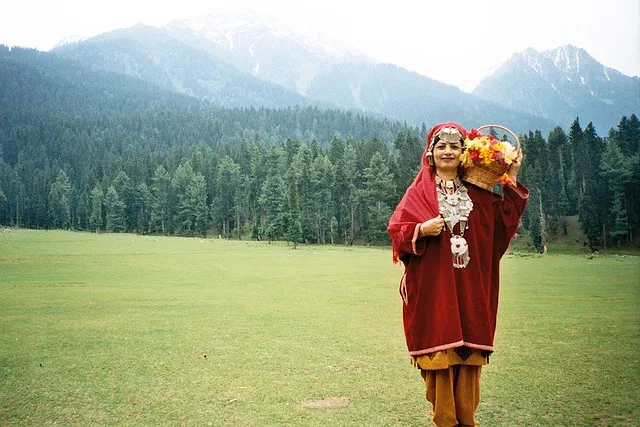
The traditional Kashmiri dress is the pheran—a long, loose coat-like garment worn by both men and women. Pherans are incredibly practical for Kashmir's cold climate as they allow easy layering underneath and trap body heat effectively.
Pheran for Tourists: Purchasing and wearing a pheran is highly recommended for winter visitors. It's not just culturally immersive—it's genuinely the warmest and most comfortable option for cold Kashmiri winters. Pherans come in various fabrics: lightweight cotton for summer, medium-weight wool for spring/autumn, and heavy wool (often embroidered) for winter.
Other Traditional Items: Pashmina shawls and stoles are world-famous Kashmiri products—warm, lightweight, and beautiful. They make excellent purchases and are practical for your trip. Kashmiri caps (especially the intricately embroidered karakul caps) are traditional but less commonly worn by tourists. Locally made woolen sweaters and cardigans are excellent quality and good value compared to prices elsewhere in India.
General Packing Tips
Layering Strategy: Regardless of season, packing layers is more effective than packing a few heavy items. Layers provide flexibility—you can add or remove based on conditions. A base layer (thermals or light cotton), middle layer (shirt/sweater), and outer layer (jacket) works for almost all conditions.
Mix and Match: Pack clothing that coordinates well. Neutral colors and simple designs allow more outfit combinations with fewer items. Choose pieces that serve multiple purposes—a scarf that provides warmth and can be used as a head covering, or a light jacket that works for day and evening.
Quality Over Quantity: It's better to have a few high-quality items that provide genuine warmth or protection than many cheap items that don't perform. One good thermal set beats three thin ones. One quality jacket is worth more than three mediocre ones.
Footwear Priority: Never compromise on footwear quality. Comfortable, appropriate shoes can make or break your trip. Break in new shoes before your trip to avoid blisters. If your feet are comfortable, you can handle weather challenges better.
Cultural Sensitivity: While Kashmir is relatively liberal compared to some other regions, modest dress is appreciated, especially in religious sites and rural areas. Avoid revealing clothing. When visiting mosques or shrines, women should cover their heads and both genders should dress modestly.
Complete Packing Checklist
For Summer (April-June): 5-6 light t-shirts/shirts/blouses, 2-3 pairs of jeans/trousers, 2-3 light sweaters or cardigans, 1 light jacket or windbreaker, comfortable walking shoes, sunglasses, wide-brimmed hat, sunscreen, cotton undergarments (sufficient for trip duration), cotton and light wool socks, light scarf, rain jacket or umbrella.
For Winter (November-February): Heavy thermal underwear (top & bottom) - one set per 2-3 days, 2-3 heavy sweaters or fleece jackets, one high-quality heavy/down jacket, woolen caps (2), insulated gloves or mittens, warm scarves or stoles (2-3), waterproof insulated boots, heavy woolen socks (3-4 pairs), long pants/jeans, earmuffs, hand warmers (optional), long underwear tops for layering.
Always Carry (Regardless of Season): Basic toiletries including moisturizer (altitude dries skin), lip balm, personal medications, first-aid kit with basic medicines, camera and chargers, power bank, travel documents, some cash (ATMs can be limited in remote areas), comfortable day bag for outings.
Conclusion
Packing appropriately for Kashmir ensures you can fully enjoy this magnificent region without being hampered by weather. The key principles are understanding the seasonal variations, layering effectively, and prioritizing quality over quantity. Whether you're skiing in Gulmarg's powdery snow, admiring tulips in Srinagar's gardens, or trekking through autumn-hued valleys, the right clothing makes all the difference. With this guide, you're now prepared to experience Kashmir's beauty in comfort, whatever the season.
Location
Frequently Asked Questions
Q1.What should tourists wear in Kashmir?
Q2.Is there any dress code in Kashmir?
Q3.Can we wear shorts in Kashmir?
Q4.What to wear in Kashmir in December?
Q5.What to wear in Kashmir in May/June?
Q6.How to dress for Gulmarg in winter?
Q7.What is traditional Kashmiri dress called?
Q8.Should tourists wear Kashmiri dress?
Recommended For You
Gulmarg Gondola: Phases, Ticket Booking & Ride Details
Ride Asia's highest cable car in Gulmarg, Kashmir. Complete guide covering ticket prices, two phases, timings, best time to visit, booking & safety tips.
Best Time to Visit Kashmir: Month-by-Month Weather & Activities
Plan the best time to visit Kashmir with month-by-month weather, snow and bloom seasons, and practical guidance for sightseeing, honeymoon, and family travel.
Shikara Ride Kashmir: Best Time, Rates, and Safety Tips
Plan your shikara ride in Kashmir with practical timing, fare clarity, and route-safety guidance.
Never Miss an Adventure
Get the latest trekking guides, travel tips, and exclusive offers delivered straight to your inbox.
