
Shikara Ride Kashmir: Best Time, Rates, and Safety Tips

Ananya Sharma
February 18, 2026
Plan your shikara ride in Kashmir with practical timing, fare clarity, and route-safety guidance.
Shikara Ride in Kashmir: Why It Is More Than a Boat Ride
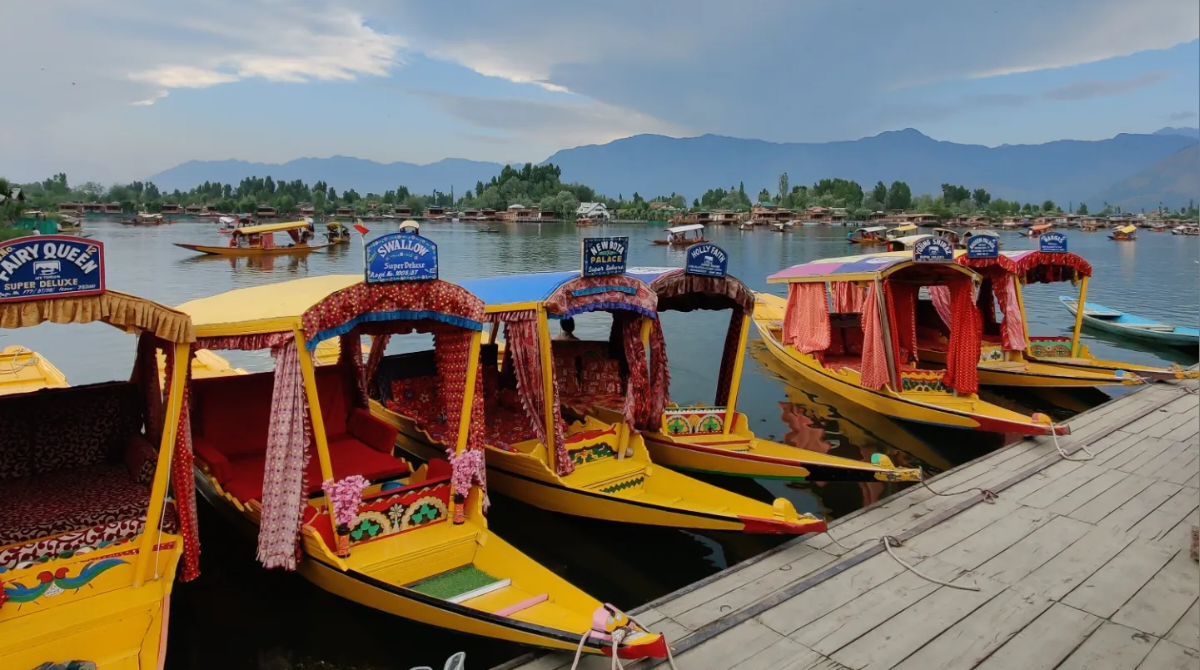
A shikara ride in Kashmir sounds simple, but the real experience is far richer once you are on the water. You sit in a carved wooden boat, the boatman rows through Dal Lake, and city noise fades. Around you, floating gardens, houseboats, mountain reflections, and local life move at a different pace. For many first-time visitors to Srinagar, this becomes the most memorable part of the trip.
Dal Lake is not just a viewpoint; it is a working landscape where families live and earn through transport, hospitality, and lake trade. A short ride gives you a glimpse, while a well-planned ride gives proper context. If you are building a complete plan, use this with kashmir travel guide and dal lake srinagar.
What Exactly Is a Shikara?
A shikara is a traditional Kashmiri wooden boat designed for calm lake movement. Unlike motorboats, it is paddle-rowed and built for slow sightseeing. Most tourist shikaras include cushioned seating, canopies, and side curtains for comfort. The design is practical but also visually iconic, which is why it appears in nearly every Srinagar travel postcard.
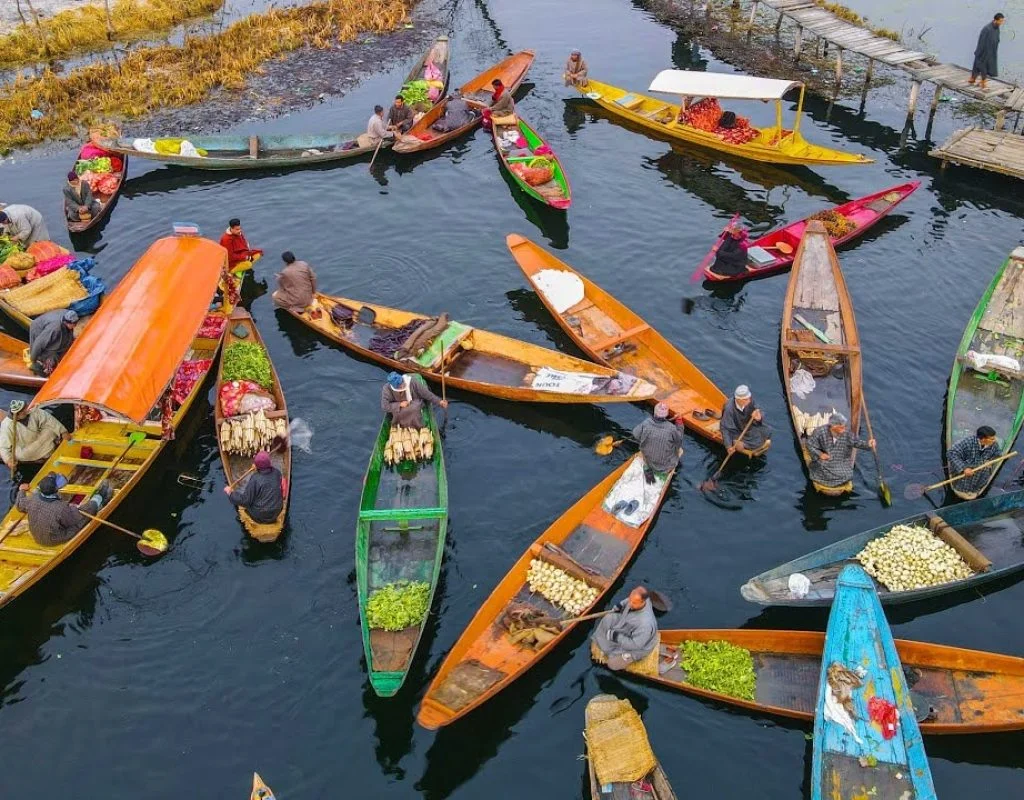
Shikaras have always been part of everyday lake life: moving people, produce, flowers, and supplies between water neighborhoods. That is why your ride may pass mobile tea sellers, vegetable boats, and craft vendors. This mix of tourism and daily utility is what makes the experience feel authentic.
Best Time for a Shikara Ride in Srinagar
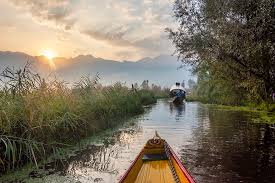
Sunrise and sunset are the most recommended windows. Morning rides are calmer and better for reflection photography. Evening rides feel warmer and more romantic, especially when the light softens over the lake.
| Time Slot | What You Get | Who It Suits |
|---|---|---|
| 6:00 AM - 8:00 AM | Still water, low crowd, cool air | Photographers and quiet travelers |
| 10:00 AM - 1:00 PM | Clear visibility, active lanes | Families and first-time visitors |
| 4:30 PM - 6:30 PM | Golden light, scenic silhouettes | Couples and leisure travelers |
| After 7:00 PM | Lower visibility, fewer boats | Only with trusted operators |
April to October is easiest for most travelers. Winter rides are possible, but colder winds and shorter daylight reduce comfort.
Shikara Ride Prices and Fair Negotiation
Rates are usually time-based, not fixed-route based. One-hour rides vary by season, time slot, and route type. Sunset and longer circuits usually cost more. Before boarding, confirm three things clearly: total duration, total price, and route stops.
A practical method is to request two options: short scenic loop and extended cultural loop. Compare both, then choose based on your schedule. If traveling with elders or children, ask for smoother lanes and slower turns. Negotiate respectfully; fair pricing supports better service quality.
If your hotel or houseboat recommends a boatman, use that lead where possible. It reduces uncertainty and often improves overall reliability. For cost planning across Srinagar, combine this with kashmir trip cost.
Popular Shikara Routes You Can Ask For
Routes differ significantly. A main-basin scenic circuit gives wider lake reflections and houseboat views. Narrow-channel routes provide closer local-life visuals with floating garden sections and neighborhood movement. If you want both, choose a 90-minute ride. It gives balanced exposure without fatigue.
For photography-heavy sessions, request fewer vendor stops and more open-water positioning. For cultural sessions, request floating market lanes and residential channel passes.
What to Expect During the Ride
The key is pace. A shikara ride is not about covering distance fast. You listen to paddle strokes, observe changing light, and watch water-based life unfold. The same section can look completely different within minutes as clouds and light shift.
Keep expectations practical. Dal Lake has both pristine and busy zones because it is actively lived-in. A good operator adjusts route segments based on conditions and your comfort. Say your preference early: peaceful ride, photo-focused ride, family ride, or market-focused ride.
If combining other Srinagar stops, place shikara either early morning or sunset and keep city movement in the middle. This gives better pacing and less decision stress.
Safety and Comfort Tips for First-Time Riders
- Fix fare and duration before boarding.
- Board slowly from stable points; ask for support if needed.
- Protect phones and cameras from water splash.
- Carry a light layer for evening wind.
- Keep children seated and supervised.
- Use sunscreen and sunglasses for daytime glare.
- Politely decline unwanted shopping stops.
With a verified operator and basic caution, the ride is generally safe and comfortable. If weather changes suddenly, return early instead of extending route length.

What to Carry and How to Prepare Before Boarding
A better ride starts before you reach the ghat. Keep a small practical kit: drinking water, sunglasses, sunscreen, and a light windproof layer even in summer months. If you carry camera gear, use basic splash protection and avoid overpacking. A compact setup helps you stay relaxed while boarding and allows better movement when the boat is turning through narrow channels.
Try to arrive 15-20 minutes before your planned departure so you can compare operators calmly instead of accepting the first offer in a rush. Confirm boarding point and return point clearly, especially if your pickup and drop are in different lake sections. If you are planning a floating market route, verify the exact start time and route inclusion in advance because morning activity levels change by day.
Common Mistakes Travelers Make on Dal Lake
The biggest mistake is rushing the ride between other packed attractions. When you treat shikara as a 30-minute checkbox, you miss the slow rhythm that makes it meaningful. Another common issue is unclear fare agreement, which creates avoidable friction mid-ride. Keep terms simple and clear at the beginning.
Some travelers also chase too many shopping stops and end up spending most of the ride in sales interactions. If your priority is views and photography, tell your boatman this politely at the start. Finally, avoid late unplanned rides in unfamiliar conditions. Daylight and clear visibility make the experience both safer and more enjoyable.
Final Takeaway
A shikara ride in Kashmir feels best when approached as a cultural and sensory experience, not a rushed checklist stop. Choose the right time, confirm fair terms, and pick a route that matches your travel style. Done well, even a short ride becomes one of the strongest memories from Srinagar.
Stay flexible, respect local rhythm, and let the lake define the pace.
Location
Frequently Asked Questions
Q1.What is best time for shikara ride?
Q2.Should I fix rates before ride?
Q3.Is it family-friendly?
Q4.How long is a typical ride?
Q5.Can weather affect rides?
Q6.Do I need advance booking?
Q7.Can I combine with city sightseeing?
Q8.Are evening rides safe?
Recommended For You
Kashmir Trip: How Many Days Needed?
Planning Kashmir trip? Learn how many days required - 3 to 10 days itineraries covering Srinagar, Gulmarg, Pahalgam & Sonamarg.

What to Wear in Kashmir: Season-Wise Packing Checklist
Complete guide on what to wear in Kashmir - summer, winter & monsoon. Packing list for Gulmarg, Srinagar & clothing tips for Kashmir trip.
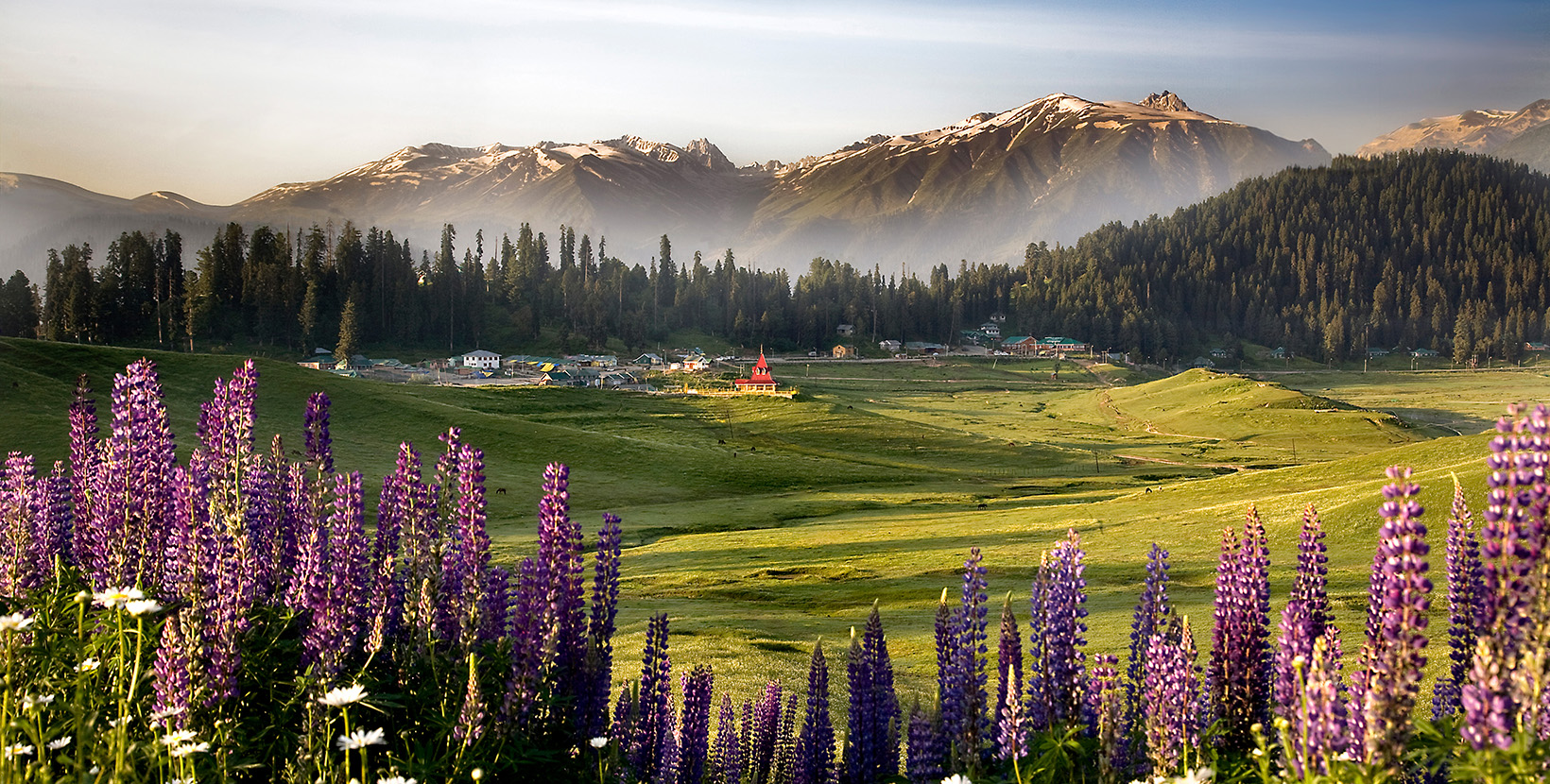
Yusmarg Kashmir: Meadow of Jesus, Route & Best Time
Plan your Yusmarg Kashmir trip with this practical guide covering best season, distance from Srinagar, things to do, trekking routes, and travel tips.
Never Miss an Adventure
Get the latest trekking guides, travel tips, and exclusive offers delivered straight to your inbox.
