

Why Kashmir is Called Heaven on Earth: Paradise Revealed

Rohan Malhotra
February 22, 2026
Discover why Kashmir is called Heaven on Earth. Explore the valley's legendary beauty, from Dal Lake and Mughal gardens to snow-capped peaks and meadows.
Introduction: The Legendary Paradise
Few places on Earth have captured the human imagination quite like Kashmir Valley. For centuries, poets, emperors, travelers, and artists have struggled to find words adequate enough to describe its mesmerizing beauty. The phrase "Heaven on Earth" is not mere marketing hyperbole when applied to Kashmir – it is a sentiment echoed across generations by those who have witnessed its ethereal landscapes firsthand. Nestled in the northernmost reaches of India, between the majestic Pir Panjal range and the Great Himalayas, Kashmir is a land where nature displays its most magnificent creations. Crystal-clear lakes mirror snow-capped peaks, lush green valleys stretch endlessly, cascading waterfalls sing eternal songs, and gardens that seem plucked from Persian fantasies bloom with extraordinary vibrancy. This is a place where every turn reveals a scene more beautiful than the last, where the air itself feels purer, and where time seems to slow down to allow visitors to fully absorb the splendor around them.What makes Kashmir truly special is its unique blend of natural wonders and cultural richness. The valley has been a crucible of civilizations, influenced by Hindu, Buddhist, and Islamic traditions, each leaving an indelible mark on its architecture, cuisine, arts, and way of life. But it is the unparalleled natural beauty – the perfect synthesis of mountains, lakes, valleys, gardens, and meadows – that has earned Kashmir its celestial reputation. This blog explores why this extraordinary valley is called Heaven on Earth, taking you through its legendary origins, breathtaking landscapes, seasonal transformations, cultural heritage, and the timeless allure that continues to captivate all who visit.

Origin of "Heaven on Earth" Phrase
The iconic description of Kashmir as "Heaven on Earth" traces back to one of history's most famous admirers of the valley – the Mughal Emperor Jahangir. Captivated by Kashmir's breathtaking beauty during his reign in the early 17th century, Jahangir composed a Persian couplet that would forever define how the world perceives this valley. The famous verse reads: "Agar firdaus bar roo-e-zamin ast, Hamin asto, hamin asto, hamin ast," which translates to: "If there is heaven on earth, it is here, it is here, it is here."This poetic declaration was not an exaggeration born of momentary enthusiasm, but the settled conviction of an emperor who had traveled extensively across his vast empire and beyond. Jahangir was so enamored with Kashmir that he visited the valley multiple times, eventually expressing his desire to be buried here. His grave, located in the Shahdara garden in Lahore, faces Kashmir – a final testament to his enduring love for the valley. The Mughal emperors who followed Jahangir shared his fascination, commissioning the magnificent Mughal gardens that still stand today as masterpieces of Persian garden architecture integrated perfectly with Kashmir's natural topography.
The acclaim for Kashmir's beauty extends far beyond Mughal admiration. Francois Bernier, a French physician and traveler who visited Kashmir in the 17th century during the reign of Aurangzeb, wrote extensively about the valley's unparalleled beauty in his travel memoirs. He described Kashmir as containing "more beauties than those of the Eden," comparing it favorably to the biblical paradise. Sir Walter Lawrence, a British colonial administrator who authored "The Valley of Kashmir" in 1895, wrote: "The valley is an emerald set in pearls; a land of lakes, clear streams, green turf, magnificent trees and mighty mountains." Across centuries, diverse voices have echoed the same sentiment – that Kashmir possesses a beauty that seems otherworldly, a perfection that feels divine.
What makes these historical testimonies particularly compelling is that they come from observers separated by centuries, cultures, and motivations, yet united in their awe of Kashmir. From Persian emperors to French travelers, from British administrators to modern tourists, the consensus remains unchanged. The phrase "Heaven on Earth" has endured not because of clever marketing, but because it captures a truth that visitors experience firsthand – that Kashmir's beauty is so extraordinary, so complete, that it transcends ordinary descriptions and approaches the celestial.
Natural Beauty That Defines Paradise
The Dal Lake: Mirror to the Mountains
Dal Lake is undoubtedly Kashmir's most iconic attraction, a 15-square-kilometer body of water that has become synonymous with the valley's image worldwide. Often called the "jewel in the crown of Kashmir," this lake is far more than a scenic attraction – it is a living, breathing ecosystem that supports a unique way of life. The lake's surface reflects the changing moods of the surrounding mountains like a mirror – shimmering gold at sunrise, crystal blue at midday, and painted in stunning hues of orange and pink during sunset.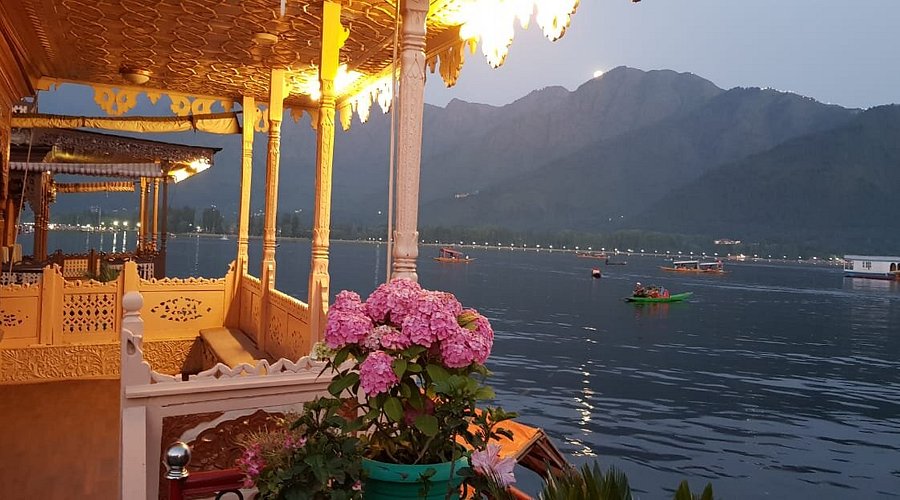
What makes Dal Lake extraordinary is its floating world. The lake houses hundreds of ornately carved wooden houseboats, originally built for British officials during the colonial era who were forbidden by the local Maharaja to own land. These floating palaces, equipped with modern amenities while maintaining traditional charm, offer one of India's most unique accommodation experiences. Waking up on a houseboat, watching the morning mist rise from the lake as the first rays of sunlight paint the surrounding mountains gold, is an experience that feels almost otherworldly.
Beyond houseboats, Dal Lake supports vibrant floating gardens made of weed and soil that rise and fall with water levels. These innovative gardens produce tomatoes, cucumbers, lotus flowers, and water lilies, creating a self-sustaining agricultural system unique to Kashmir. Shikaras – traditional wooden boats – glide across the lake's surface, transporting visitors through narrow canals, past floating markets where vendors sell everything from vegetables and flowers to handicrafts and souvenirs. The lake is also home to numerous bird species, making it a paradise for birdwatchers, especially during winter when migratory birds arrive from distant lands.
The Mughal Gardens: Terrestrial Paradise
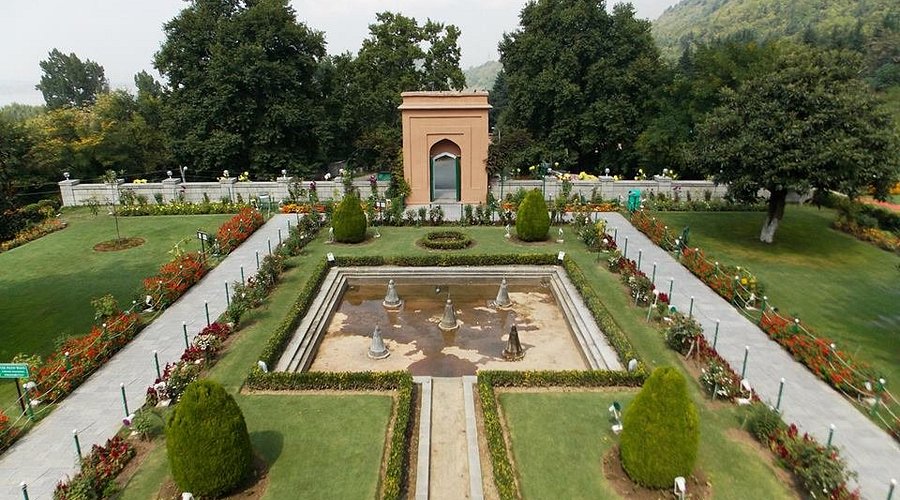
The Mughal gardens of Kashmir represent some of the finest Persian-style gardens in the world, masterfully integrating architectural beauty with Kashmir's natural landscape. Commissioned by Mughal emperors between the 16th and 17th centuries, these gardens were designed as terrestrial representations of Paradise, following the traditional charbagh (four-part garden) layout with water channels dividing the space into quadrants symbolizing the four rivers of Paradise described in Islamic theology.Shalimar Bagh, the largest and most elaborate, was built by Emperor Jahangir for his beloved wife Nur Jahan in 1619. The garden's name means "Abode of Love," and its layout follows three terraces corresponding to different stages of love – the public garden, the private garden, and the zenana (women's) garden. With over 400 fountains fed by natural springs, and lined with majestic chinar trees and vibrant flowerbeds, Shalimar Bagh creates an atmosphere of ethereal beauty, especially when illuminated during summer evenings.
Nishat Bagh, meaning "Garden of Joy," was built by Asif Khan, Nur Jahan's brother. Located on the eastern side of Dal Lake, this terraced garden offers stunning views of the lake and surrounding Zabarwan mountain range. Each of its twelve terraces represents a different zodiac sign, and the central water channel features numerous cascades that create a soothing sound as water flows from one level to the next. Chashme Shahi, the smallest but equally enchanting, was built by Shah Jahan in 1632 around a natural spring believed to have medicinal properties. Its name means "Royal Spring," and the garden is famous for its therapeutic waters and panoramic views of Dal Lake.
The Valley Floor: Lush Green Canvas
Beyond its famous lakes and gardens, the Kashmir valley floor itself presents a stunning natural tapestry that changes dramatically with seasons. In spring, the valley transforms into a colorful paradise as millions of flowers bloom simultaneously. The famous Tulip Garden in Srinagar – Asia's largest – bursts into color during March-April, creating a spectacular display of over a million tulips in dozens of varieties. Almond blossoms in the Badamwari garden paint the landscape white and pink, while cherry blossoms add delicate touches of color throughout Srinagar.Summer brings a different kind of beauty as the valley dons lush green robes. Rice paddies create emerald patchworks across the valley floor, while apple orchards bloom with delicate white and pink flowers. The saffron fields of Pampore, located just outside Srinagar, present a unique sight in autumn when the purple saffron flowers bloom, covering vast areas in a carpet of lavender-hued blossoms. These fields produce some of the finest saffron in the world, and watching the harvest is a fascinating cultural experience.
Autumn dresses Kashmir in perhaps its most spectacular colors. The chinar trees – native to Kashmir and symbols of the valley – turn brilliant shades of red, orange, and gold, creating landscapes that seem painted rather than real. The sight of a chinar leaf floating on Dal Lake's surface, surrounded by reflections of golden trees and snow-capped mountains, epitomizes Kashmir's autumnal beauty. This is the season when photographers flock to Kashmir, knowing that the light and colors combine to create images of extraordinary power.
Snow-Capped Mountains: Majestic Crown
The mountains surrounding Kashmir valley are not merely a backdrop – they are an integral part of what makes this region heavenly. The Pir Panjal range to the south and south-west, and the Great Himalayas to the east, create a natural amphitheater that cradles the valley. These mountains remain snow-capped even in summer, their white peaks gleaming against blue skies like sentinels watching over paradise.On clear days, Nanga Parbat (the Naked Mountain), the ninth highest mountain in the world at 8,126 meters, is visible from certain points in the valley. This proximity to one of the world's most formidable peaks adds to Kashmir's sense of being at the roof of the world, where earth touches heaven. The mountain passes that connect Kashmir to the outside world – Zoji La to Ladakh, Sinthan Top to Kishtwar, Pir Ki Gali to Rajouri – are themselves spectacular drives offering views that make every winding turn worthwhile.
These mountains are not just scenic – they offer opportunities for adventure and exploration. The Gulmarg Gondola, one of the highest cable car systems in the world, takes visitors to Apharwat Peak at 4,200 meters, offering panoramic views of the surrounding Himalayan ranges. In winter, these same mountains become a paradise for skiers, with Gulmarg receiving some of the best powder snow in Asia. Trekking routes lead from Kashmir valley into high-altitude meadows, glaciers, and lakes that few humans ever visit, preserving their pristine beauty for the adventurous few who reach them.
Pristine Lakes: Beyond Dal Lake
While Dal Lake is the most famous, Kashmir is blessed with numerous other lakes, each with its own character and charm. Nigeen Lake, connected to Dal Lake but quieter and less crowded, offers a more peaceful houseboat experience. Wular Lake, one of Asia's largest freshwater lakes, changes dramatically with seasons – vast and serene in summer, and reduced in size during winter. Manasbal Lake, believed to be the deepest lake in India, is surrounded by majestic lotus plants that bloom in summer, creating a stunning carpet of pink and white flowers.The high-altitude lakes accessible from Kashmir are perhaps even more spectacular. Vishansar Lake and Krishansar Lake, located in the Sonamarg region at altitudes around 4,000 meters, offer crystal-clear waters that perfectly reflect the surrounding peaks. These lakes remain frozen for much of the year, accessible only during summer months via challenging treks that take visitors through some of Kashmir's most beautiful high-altitude meadows. The trek to these lakes passes through terrain that seems untouched by time, with wildflowers, glaciers, and snow bridges creating a landscape of raw, unbridled beauty.
Waterfalls: Nature's Symphony
Kashmir's numerous waterfalls add another dimension to its heavenly landscape. Aharbal Waterfall, often called the "Niagara of Kashmir," is located in the Kulgam district and plummets 25 meters into a gorge surrounded by dense pine forests. The thundering sound of the water, the mist that rises continuously, and the verdant green surroundings create an atmosphere of raw natural power balanced by serene beauty.Sindh Waterfall near Sonamarg, Kheer Bhawani Temple waterfall, and the numerous smaller falls that cascade down mountain slopes throughout the valley add their music to Kashmir's natural symphony. These waterfalls are particularly spectacular during spring and early summer when melting snow feeds them with abundant water, creating displays of nature's power that leave visitors spellbound.
The Four Seasons of Kashmir
Spring: The Valley Awakens (March-May)
Spring in Kashmir is a season of rebirth and extraordinary beauty. As winter's grip loosens, the valley undergoes a magical transformation. Snow begins to melt, filling the streams and waterfalls with new energy. The famous Tulip Garden in Srinagar bursts into color, typically from late March to mid-April, creating one of India's most spectacular floral displays. Over a million tulips in dozens of varieties carpet the garden in reds, yellows, pinks, purples, and whites, attracting visitors from across the country and abroad.But tulips are just the beginning. Almond blossoms in the Badamwari garden create a delicate canopy of white and pink flowers. Cherry blossoms throughout Srinagar add touches of ethereal beauty to the city's landscape. Willow trees along Dal Lake's shores sprout fresh green leaves, creating a perfect frame for the lake's mirror-like surface. The weather during spring is ideal – mild daytime temperatures perfect for outdoor activities, crisp mornings that awaken the senses, and cool evenings perfect for sitting on houseboat decks watching the sunset.
This is also when Kashmir's famous saffron fields in Pampore begin their cycle. While the actual flowering happens in autumn, spring is when the saffron corms sprout, covering the fields in green shoots that promise the autumn harvest to come. Apple orchards throughout the valley bloom with delicate white and pink flowers, creating a stunning sight especially in Shopian and Kulgam districts known for their apple production.
Summer: Verdant Paradise (June-August)
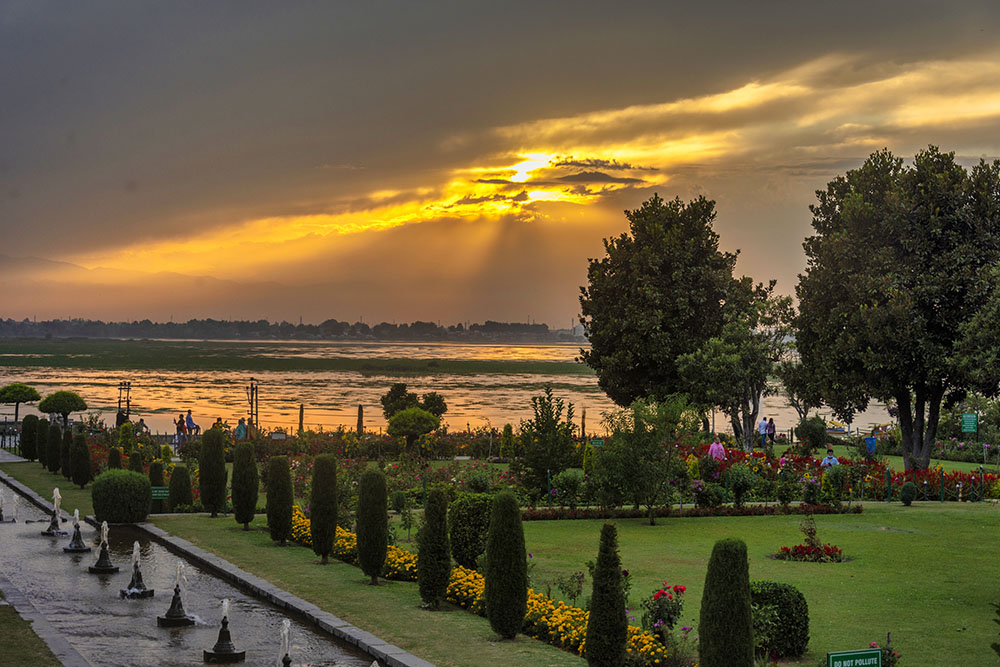
Summer transforms Kashmir into a lush green paradise that offers respite from scorching temperatures elsewhere in India. The valley floor becomes a carpet of emerald green as rice paddies, meadows, and forests reach their full splendor. Temperature in Srinagar typically ranges from 15°C to 30°C – pleasant enough for outdoor activities without the oppressive heat that characterizes much of India during these months.This is the peak season for tourism in Kashmir, and for good reason. All destinations – Gulmarg, Pahalgam, Sonamarg, Yusmarg – are easily accessible, with roads clear and weather generally predictable. The meadows in these destinations are lush and covered in wildflowers that attract countless butterflies, creating scenes of vibrant natural beauty. Gulmarg's meadows live up to their name (Meadow of Flowers), while Pahalgam's Betaab Valley and Aru Valley offer perfect picnic settings surrounded by snow-capped peaks.
Dal Lake is at its most inviting during summer, perfect for long shikara rides exploring its various sections, visiting floating gardens, and watching the unique water-based lifestyle of the people who live and work on the lake. The Mughal gardens are in full bloom, their fountains creating cooling mist, their flowerbeds displaying roses, dahlias, and countless other varieties. This is also the season for trekking, with routes ranging from easy walks through meadows to challenging expeditions to high-altitude lakes and glaciers.
Autumn: Golden Splendor (September-November)
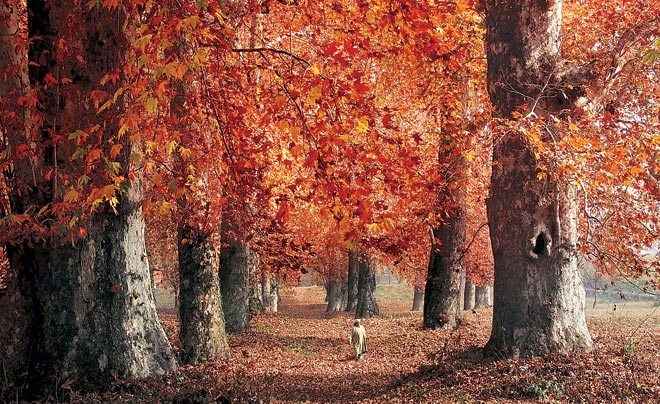
Many consider autumn the most beautiful season in Kashmir, and it's easy to understand why. As temperatures begin to cool, the valley undergoes a dramatic color transformation as chinar trees turn from green to brilliant shades of red, orange, and gold. These majestic trees, some centuries old, create a canopy of extraordinary beauty throughout Srinagar and the valley. The sight of golden chinar leaves reflected in Dal Lake's calm waters is one of Kashmir's most iconic images.Autumn is harvest season in Kashmir orchards. Apple trees in Shopian, Kulgam, and Anantnag districts hang heavy with red and golden apples. Walnut orchards throughout the valley produce their bounty. But most special is the saffron harvest in Pampore. The purple saffron flowers bloom across vast fields, and visitors can watch harvesters carefully picking the delicate crimson stigmas that become one of the world's most expensive spices. The air carries the distinctive fragrance of saffron drying in the sun, an aroma unique to this region.
The weather during autumn is particularly pleasant – crisp mornings and warm afternoons, perfect for exploring without the summer crowds. This is shoulder season, meaning fewer tourists and better prices, yet the scenery is at its most spectacular. Photographers particularly love autumn in Kashmir – the golden light, the colorful foliage, the clear mountain views – everything combines to create images of extraordinary power and beauty.
Winter: Snowy Wonderland (December-February)
Winter transforms Kashmir into a completely different kind of paradise. As snow begins to fall, usually starting in December, the valley is covered in a pristine white blanket that creates landscapes of ethereal beauty. Dal Lake partially freezes, and the sight of shikaras breaking through thin ice sheets is one of Kashmir's most iconic winter images. The Mughal gardens, their architectural elements outlined in white, present a stark, minimalist beauty very different from their summer splendor.For winter sports enthusiasts, Gulmarg becomes one of Asia's premier skiing destinations. The meadows that bloom with flowers in summer are now covered in deep powder snow that attracts skiers from around the world. The Gulmarg Gondola operates year-round, taking winter visitors to slopes that offer runs for all skill levels. The ski season typically runs from mid-December to mid-March, with January and February offering the best conditions and deepest snow.
Winter in Kashmir has a cozy, romantic atmosphere. Houseboats on Dal Lake have heating facilities, and there's something magical about watching snow fall from the comfort of a warm houseboat, sipping hot Kahwa (traditional Kashmiri tea with saffron and cardamom). The cuisine shifts to warming dishes – hot Rogan Josh, hearty Gushtaba, and other Kashmiri specialties that provide comfort against the cold. While some higher altitude destinations like Sonamarg may become inaccessible due to heavy snowfall, Srinagar, Gulmarg, and Pahalgam remain accessible, offering a completely different but equally beautiful Kashmir experience.
Cultural Richness
Kashmir's heavenly qualities extend beyond its physical beauty to encompass a rich cultural heritage that adds depth and meaning to the visitor experience. The valley has been a melting pot of civilizations for millennia, influenced by Hindu, Buddhist, and Islamic traditions, each leaving an indelible mark on its architecture, cuisine, arts, and way of life.
Kashmiri Cuisine: A Gastronomic Paradise
Kashmiri cuisine is a sophisticated culinary tradition that reflects the valley's history and geography. The most famous manifestation is Wazwan – a traditional multi-course feast featuring up to 36 dishes served on a large metal plate called a trami. This elaborate meal is more than just food – it's a cultural ritual, a symbol of Kashmiri hospitality that has been refined over centuries. Key dishes include Rogan Josh (mutton in aromatic red gravy), Gushtaba (velvety mutton meatballs in yogurt sauce), Rista (spiced mutton balls), and Tabakh Maaz (crispy fried ribs). The feast ends with Kahwa – green tea infused with saffron, cardamom, and sometimes almonds – the perfect digestive conclusion to a rich meal.Kashmir has a rich vegetarian tradition too, influenced by the Kashmiri Pandit community. Dum Aloo (potatoes cooked in spiced gravy), Haakh (collard greens prepared simply but perfectly), Nadru Yakhni (lotus stem in yogurt gravy), and Modur Pulao (sweetened rice) showcase the cuisine's versatility and depth. Noon Chai (pink salted tea) is another unique Kashmiri beverage, traditionally consumed in the morning with fresh bread.
Handicrafts: Artistic Excellence
Kashmir's artistic heritage is world-renowned, with handicraft traditions that have been passed down through generations. Pashmina shawls, made from the fine wool of Pashmina goats, are perhaps the most famous – lightweight yet incredibly warm, soft enough to pass through a finger ring, and priced according to quality and craftsmanship. Authentic Kashmiri Pashmina is among the finest luxury textiles in the world.Kashmiri carpets are another treasure – hand-knotted with silk or wool, featuring intricate patterns that can take months or even years to complete. Papier-mâché items, including boxes, trays, and decorative objects, feature hand-painted floral designs that require extraordinary skill and patience. Wooden carving, copperware with intricate engravings, and embroidered garments are other specialties that showcase Kashmir's artistic excellence.
Architecture: Stone and Wood Masterpieces
Kashmiri architecture is unique, adapted to the valley's climate and available materials. Traditional houses often feature wooden construction with intricate carvings, lattice-work windows, and sloped roofs designed to handle heavy snowfall. The Shankaracharya Temple, perched on a hill overlooking Srinagar, represents ancient Hindu architecture. The Hazratbal Shrine, with its white marble and blending of Mughal and Kashmiri styles, is an important Islamic religious site. Jamia Masjid in Srinagar's old city, with its 370 wooden pillars and beautiful courtyard, represents the excellence of Kashmir's wooden architectural tradition.Houseboats and Shikaras: Floating Heritage
The houseboats of Kashmir are not just accommodation – they're an important part of the valley's cultural heritage. These elaborately carved wooden boats were originally built in the 19th century when British officials, forbidden from owning land by the local Maharaja, commissioned them as floating residences. Today, they represent a unique way of life and offer visitors the chance to experience Kashmir from the water, surrounded by reflections of mountains and gardens.Shikaras – traditional wooden boats – are similarly iconic. These elegantly carved boats, with their canopied roofs and comfortable seating, are the primary mode of transportation on Dal Lake. Shikara wallahs (boatmen) are an integral part of Kashmir's tourism culture, their knowledge of the lake's history and ecosystem adding depth to every ride. Watching the sunset from a shikara, as the sky transforms behind mountains and the lake reflects every color, is one of Kashmir's quintessential experiences.
Warm Hospitality
What truly elevates Kashmir from merely beautiful to genuinely heavenly is its people. Kashmiris are renowned for their warm hospitality, treating guests with a generosity that feels almost sacred. "Mehman nawazi" (generosity to guests) is deeply ingrained in Kashmiri culture, and visitors often find themselves invited into homes for tea, offered help by strangers, and treated with genuine kindness that transcends transactional relationships.This warmth is particularly meaningful given the challenges the valley has faced. Despite difficult periods in its history, Kashmir's commitment to hospitality remains undiminished, and tourists consistently remark on feeling welcomed and safe. The combination of natural beauty and human warmth creates an atmosphere that indeed feels divine – a place where visitors are not just spectators but participants in Kashmir's ongoing story.
Famous Attractions: The Heavenly Portfolio
Srinagar: The Heart of Paradise
Srinagar, the summer capital of Jammu and Kashmir, serves as the gateway to the valley and a destination in its own right. The city's charm lies in its unique blend of natural beauty, historic architecture, and vibrant culture. Beyond Dal Lake and the Mughal gardens, Srinagar offers the old city's narrow lanes lined with centuries-old buildings, the famous Lal Chowk area, and numerous shrines and temples that reflect its religious diversity.The Shankaracharya Temple, perched on Takht-e-Suleiman hill, offers some of the best panoramic views of Srinagar and the surrounding valley. The Hazratbal Shrine, which houses a relic believed to be a hair of the Prophet Muhammad, is an important Islamic site with stunning white marble architecture overlooking Dal Lake. Jamia Masjid, one of the oldest mosques in Kashmir, features 370 wooden pillars and represents the pinnacle of Kashmiri wooden architecture.
Gulmarg: Meadow of Flowers
Located approximately 52 kilometers from Srinagar at an altitude of 2,650 meters, Gulmarg lives up to its name with spectacular meadows that bloom with wildflowers in summer. In winter, it transforms into one of Asia's premier ski resorts, attracting international skiers with its excellent powder snow and well-groomed slopes. The Gulmarg Gondola, one of the world's highest cable car systems, takes visitors to Apharwat Peak at 4,200 meters, offering breathtaking views of the surrounding Himalayan ranges.The Gulmarg Golf Club, established in 1911, is one of the highest golf courses in the world, featuring an 18-hole course surrounded by snow-capped mountains – a surreal combination that must be experienced to be appreciated. The Maharani Temple, built in a distinctive wooden pagoda style, offers another vantage point for spectacular valley views. For adventure enthusiasts, Gulmarg serves as a base for trekking expeditions to nearby glaciers and high-altitude lakes.
Pahalgam: Valley of Shepherds
Pahalgam, approximately 95 kilometers from Srinagar at the confluence of the Lidder and Sheshnag rivers, is a picturesque town that serves as a base camp for the famous Amarnath Yatra pilgrimage. Betaab Valley, named after the Bollywood film "Betaab" shot here, offers stunning landscapes that change dramatically with seasons. Aru Valley, 12 kilometers away, serves as a quieter alternative and starting point for several trekking expeditions.
Chandanwari, located 16 kilometers from Pahalgam, is the starting point for the Amarnath Yatra and offers scenic beauty with its snow bridges and waterfalls. The town offers excellent opportunities for river rafting on the Lidder River, with grades suitable for beginners and intermediate rafters. Pine forests, rolling meadows, and crystal-clear mountain streams create a serene environment perfect for relaxation and exploration.
Sonamarg: Meadow of Gold
Sonamarg, meaning "Meadow of Gold," is located 80 kilometers from Srinagar at an altitude of 2,730 meters. The name comes from the golden flowers that carpet the valley during spring and autumn. Thajiwas Glacier, accessible via a short trek or pony ride, offers stunning views of snow and ice even during summer months. Sonamarg serves as the base for several important treks, including the popular trek to Vishansar Lake and Krishansar Lake.The drive from Srinagar to Sonamarg is considered one of the most beautiful road journeys in India, passing through the Zoji La pass area and offering stunning views of the Sindh River valley, dense pine forests, and mountain peaks. Sonamarg remains relatively less developed than Gulmarg and Pahalgam, helping preserve its natural charm and offering a more authentic mountain experience.
Yusmarg: Hidden Gem
Located approximately 47 kilometers from Srinagar, Yusmarg is often called the "meadow of Jesus" and remains one of Kashmir's lesser-known treasures. This pristine destination offers unspoiled natural beauty away from the crowds. Rolling meadows, dense pine forests, and the Doodh Ganga River create a serene environment perfect for nature walks and relaxation. Tosa Maidan plateau offers some of the most breathtaking views in the valley, while Nilnag Lake provides a tranquil setting for picnics and photography.What Visitors Say: Testimonials from Paradise
The most compelling evidence of Kashmir's heavenly qualities comes from those who have experienced it firsthand. Visitors from across India and around the world consistently return with stories and memories that seem almost unreal – as if they've indeed visited paradise rather than a place on Earth.Indian tourists often struggle to find words adequate to describe Kashmir. "No words to describe the beauty," "Photos don't do justice," "A place that must be experienced firsthand" – these sentiments echo across countless travel reviews. Many describe their first glimpse of Dal Lake, their first shikara ride at sunset, or their first view of snow-capped peaks as moments that changed their understanding of natural beauty.
International travelers are equally effusive. Visitors from Europe, America, Southeast Asia, and elsewhere describe Kashmir as "truly heavenly," "beyond imagination," and "a spiritual experience." Photographers, in particular, find Kashmir extraordinary – every frame seems to capture something magical, and the challenge is not finding beautiful subjects but choosing among countless options.
Honeymooners consistently rate Kashmir among the most romantic destinations in India. The combination of stunning natural beauty, cozy houseboat stays, intimate shikara rides at sunset, and the general atmosphere of peace and tranquility creates the perfect setting for romance. Many couples return to Kashmir on anniversaries, finding that the valley's beauty hasn't dimmed and that it continues to hold special meaning in their lives.
Adventure enthusiasts praise Kashmir as a paradise for trekking, skiing, and outdoor activities. From the challenging treks to high-altitude lakes to the world-class skiing in Gulmarg, from river rafting in Pahalgam to camping in pristine meadows, Kashmir offers adventures that combine physical challenge with extraordinary scenery. The sense of achievement from reaching a high-altitude glacier or completing a difficult trek is enhanced by the reward of views that seem to stretch to infinity.
What unites all these diverse testimonials – from families, solo travelers, couples, adventurers, photographers, and spiritual seekers – is a sense of having experienced something extraordinary, something that transcends ordinary travel experiences. Kashmir doesn't just offer beautiful sights; it offers a feeling, an atmosphere, a sense of peace and wonder that visitors carry home with them and that draws them back, year after year.
Why You Must Visit: The Call of Paradise
Visiting Kashmir is more than just a vacation – it's a once-in-a-lifetime experience that has the power to change how you perceive beauty, nature, and perhaps even life itself. The valley offers something rare in our modern world – a place of extraordinary natural beauty that remains largely unspoiled, where nature still reigns supreme and human development has enhanced rather than diminished the landscape.
For nature lovers, Kashmir is paradise realized – a place where every element of natural beauty converges in perfect harmony. Mountains, lakes, valleys, gardens, meadows, waterfalls – Kashmir has it all, arranged in a composition that seems designed by divine hand. For cultural enthusiasts, the valley offers a rich tapestry of history, art, cuisine, and traditions that reflect millennia of civilization and cultural synthesis.
For adventure seekers, Kashmir provides diverse challenges and rewards – from skiing on world-class slopes to trekking to remote glaciers, from river rafting on mountain rivers to camping in pristine meadows under starlit skies. For photographers, every moment offers potential masterpieces – the light quality, the colors, the compositions are consistently extraordinary.
But perhaps most importantly, Kashmir offers something increasingly rare – a place of genuine peace and tranquility, where time seems to slow down, where the noise of modern life fades away, and where one can simply be present in the moment, absorbing the beauty around them without distraction. In a world of constant connectivity and endless stimulation, Kashmir provides a sanctuary where the soul can rest and rejuvenate.
The valley is safe for tourists, with strong police presence in tourist areas and locals who depend on and welcome visitors. The infrastructure is good – excellent accommodation options, reliable transportation, good food options. The cost is reasonable compared to many international destinations offering similar natural beauty. And most importantly, the experience is authentic – this is not a manufactured tourist destination but a living, breathing valley with a rich culture and proud heritage.
Emperor Jahangir's words from four centuries ago remain true today. If there is heaven on earth, it is here, it is here, it is here. The only way to truly understand these words is to experience Kashmir firsthand – to watch the sunrise over Dal Lake, to walk through Mughal gardens as fountains play, to ski down pristine slopes in Gulmarg, to trek through meadows that stretch to the horizon, to simply sit and absorb a beauty that seems almost too perfect to be real.
Kashmir is waiting – not as a destination to be checked off a list, but as an experience to be absorbed, cherished, and carried in your heart forever. Come to Kashmir, and discover why, for centuries, those who have witnessed its beauty have struggled to find words adequate enough to describe it. Discover why Kashmir is called Heaven on Earth.
Location
Frequently Asked Questions
Q1.Who said Kashmir is heaven on earth?
Q2.What is the famous quote about Kashmir?
Q3.Why is Kashmir called paradise?
Q4.What makes Kashmir so beautiful?
Q5.What are the main attractions in Kashmir?
Q6.What is the best time to visit Kashmir?
Q7.Is Kashmir really like heaven?
Q8.What should I not miss in Kashmir?
Recommended For You

Kashmir Trip Cost: Budget Breakdown for 3, 5 and 7 Days
Know Kashmir trip cost for couple, family & solo. Get breakdown of hotels, transport, food & sightseeing. Plan budget 3-7 days trip.

Pari Mahal Srinagar: History, Timings & Sunset Viewpoints
Visit Pari Mahal Kashmir - the 7-terraced Palace of Fairies overlooking Dal Lake. Complete guide with timings, entry fee, history & travel tips.

Shikara Ride Kashmir: Best Time, Rates, and Safety Tips
Plan your shikara ride in Kashmir with practical timing, fare clarity, and route-safety guidance.
Never Miss an Adventure
Get the latest trekking guides, travel tips, and exclusive offers delivered straight to your inbox.
