
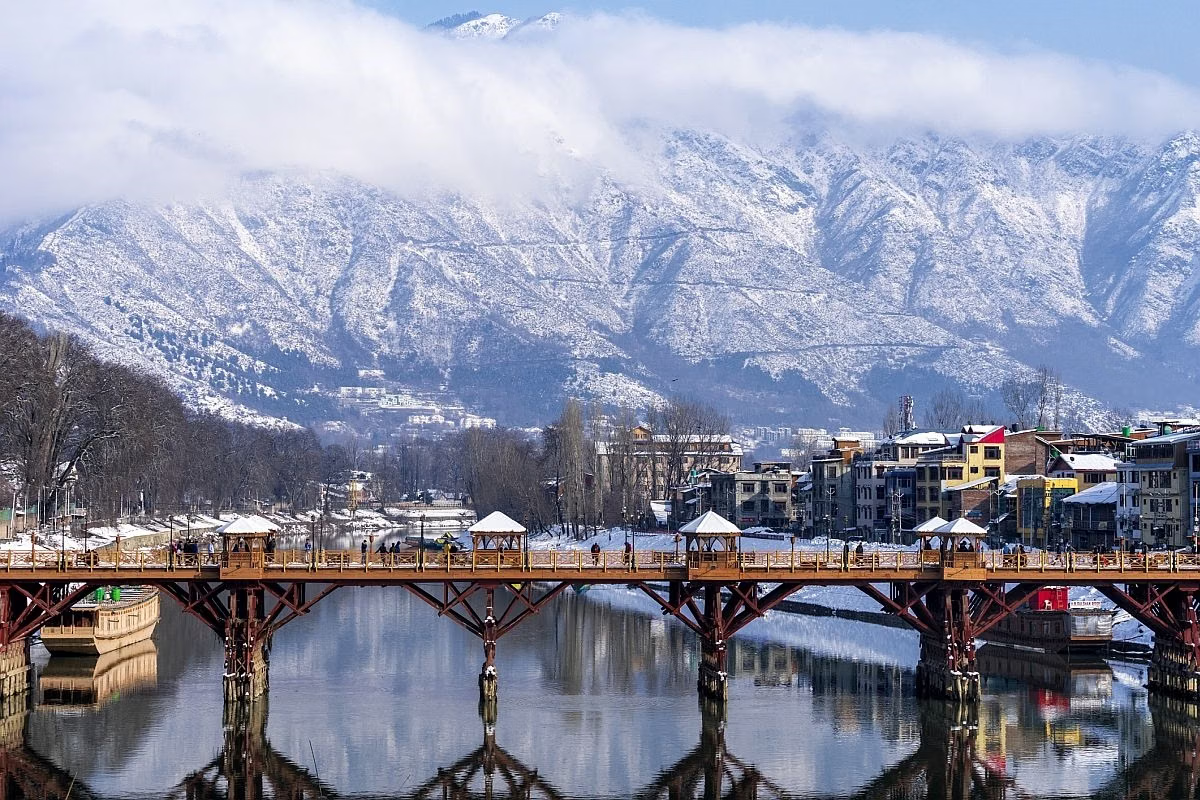
Zero Bridge Srinagar: History, Walk Route & Best Visiting Hours

Rohan Malhotra
February 9, 2026
Discover Zero Bridge Srinagar – the historic wooden bridge over Jhelum River. History, architecture, best time to visit, nearby attractions & complete travel guide.
The Historic Gateway to Old Srinagar
In the heart of Srinagar's old city, where the Jhelum River winds its way through centuries of Kashmiri history, stands Zero Bridge – one of the most iconic landmarks in Kashmir Valley. This historic wooden bridge, with its distinctive architecture and rich heritage, has been spanning the Jhelum River for generations, serving as both a vital connection and a beloved symbol of Srinagar's cultural identity. More than just a crossing point, Zero Bridge represents the timeless beauty of traditional Kashmiri craftsmanship and the enduring spirit of the region.
What makes Zero Bridge truly special is its perfect blend of functionality and aesthetics. Built entirely from wood and stone, this architectural marvel has withstood the test of time, surviving floods, renovations, and the changing tides of history while maintaining its essential character. For travelers exploring Kashmir, Zero Bridge offers not just a passage across the river but a journey into the heart of old Srinagar, where traditional Kashmiri life continues much as it has for centuries.
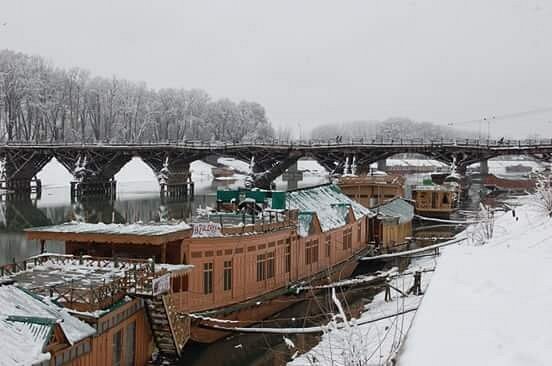
The bridge's strategic location connects the old city's vibrant markets and historic neighborhoods with newer areas of Srinagar, making it a vital artery in the city's urban fabric. But beyond its practical importance, Zero Bridge has become a beloved spot for locals and tourists alike – a place to pause and admire the view, to photograph the river's gentle flow, and to appreciate the masterful craftsmanship that went into creating this enduring structure.
About Zero Bridge
Zero Bridge is one of Srinagar's oldest and most historically significant bridges, spanning the Jhelum River in the heart of the old city. The bridge gets its unique name from its status as the starting point – or "zero point" – for measuring distances in old Srinagar. This naming convention reflects the bridge's historical importance as a central landmark and reference point for navigation in the city.
Historical Significance
The history of Zero Bridge is deeply intertwined with the development of Srinagar itself. While the exact date of its initial construction remains uncertain, historical records indicate that a bridge has existed at or near this location for several centuries. The current structure, with its distinctive wooden architecture, represents the evolution of bridge-building techniques in Kashmir, where local craftsmen developed ingenious methods to construct durable crossings over the sometimes-turbulent waters of the Jhelum.
During the British colonial period, Zero Bridge gained additional importance as it connected the old city's commercial centers with the administrative areas where British officials were stationed. The bridge became a crucial link in the trade routes that moved goods between different parts of the valley and beyond. Caravans carrying saffron, shawls, spices, and other Kashmiri products would cross this bridge on their way to markets in Punjab and northern India.
Architectural Heritage
What sets Zero Bridge apart from modern constructions is its traditional Kashmiri wooden architecture. The bridge is built using massive wooden planks and beams, supported by stone pillars that rise from the riverbed. The wooden elements are joined together using traditional joinery techniques that don't rely on modern metal fasteners – a testament to the sophisticated understanding of wood and structural engineering that Kashmiri craftsmen possessed.
The bridge's design incorporates several features that make it perfectly suited to its environment. The wooden components are treated with traditional preservatives that protect them from water damage, while the stone foundations provide stability even when the Jhelum River swells during spring snowmelt. This combination of materials – wood and stone working in harmony – is characteristic of traditional Kashmiri architecture and can be seen in temples, mosques, and homes throughout the valley.
Current Status
Today, Zero Bridge functions primarily as a pedestrian bridge, though it was originally designed to accommodate light vehicular traffic as well. Over the years, as vehicular traffic increased and modern bridges were built elsewhere in the city, Zero Bridge has been preserved as a heritage structure. This decision has helped protect its historical character while ensuring its continued usefulness to the community.
The bridge has undergone several renovations and repairs over the decades, with careful attention paid to maintaining its original architectural features. These preservation efforts reflect the bridge's status as a protected heritage site and its importance to Srinagar's cultural identity. Despite the passage of time and the challenges posed by weather, floods, and urban development, Zero Bridge continues to stand strong – a symbol of Kashmir's resilience and enduring beauty.
Surrounding Area
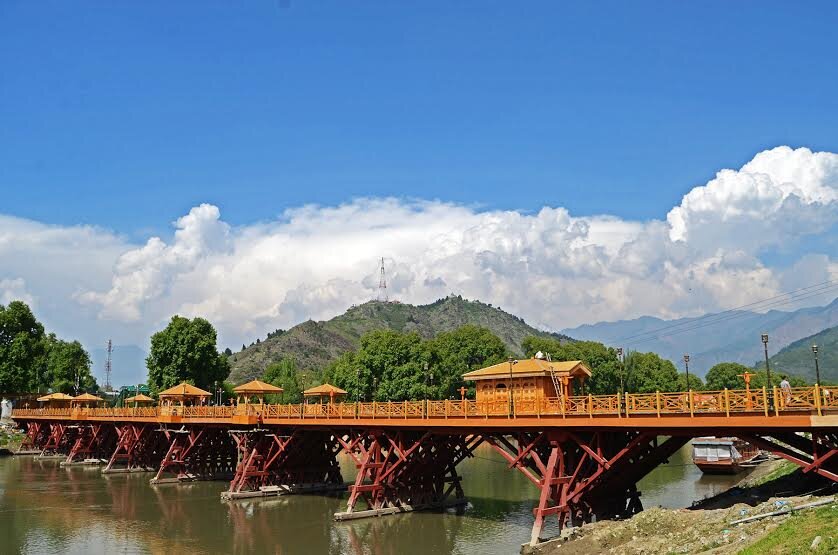
The area surrounding Zero Bridge offers a fascinating glimpse into old Srinagar's character. On both sides of the river, you'll find traditional Kashmiri homes with their distinctive wooden balconies, intricate carved windows, and sloping roofs designed to handle heavy snowfall. The narrow streets leading to the bridge are lined with small shops selling everything from spices and dry fruits to handicrafts and everyday necessities.
The Jhelum River itself is an integral part of the Zero Bridge experience. Flowing gently beneath the bridge, the river has been the lifeline of Srinagar for centuries, providing water for drinking, irrigation, and transportation. From Zero Bridge, you can watch shikaras (traditional wooden boats) gliding along the river, carrying passengers or goods, much as they have done for generations. The river's banks are often dotted with people going about their daily routines – washing clothes, fishing, or simply enjoying the peaceful flow of water.
Architecture & Design
The architectural brilliance of Zero Bridge lies in its simplicity and effectiveness. Unlike modern bridges that rely on steel and concrete, Zero Bridge showcases the genius of traditional Kashmiri engineering, where natural materials are transformed into durable, functional structures through expert craftsmanship and an intimate understanding of the local environment.
Traditional Construction Techniques
Zero Bridge is built using a combination of wooden planks and stone pillars – materials that have been used in Kashmiri construction for millennia. The wooden elements are typically made from deodar cedar, a tree native to the Himalayan region that's renowned for its durability and natural resistance to water and insects. These massive wooden beams and planks are carefully selected and treated before being incorporated into the bridge's structure.
The stone pillars that support the bridge are constructed from locally quarried stone, fitted together without mortar in a technique that allows the structure to flex and move slightly during earthquakes or floods – a crucial feature in a region that experiences both seismic activity and seasonal flooding. The combination of rigid stone supports and flexible wooden elements creates a structure that's both stable and resilient, able to withstand the various forces it encounters over its lifetime.
Design Features
The bridge's arched design is both aesthetic and functional. The gentle arch helps distribute weight evenly across the structure, while also providing sufficient clearance for boats and debris passing underneath during high water levels. This design principle has been used in bridge building for thousands of years, and its implementation at Zero Bridge shows how Kashmiri craftsmen mastered and adapted these techniques to suit local conditions.
One of the most impressive aspects of Zero Bridge's design is its traditional joinery system. Instead of using metal nails, bolts, or screws (which would rust and weaken over time), the wooden components are joined using intricate interlocking connections that rely on the natural properties of wood. These joints are designed to expand and contract with changes in temperature and humidity, maintaining the bridge's structural integrity through the seasons.
Aesthetic Considerations
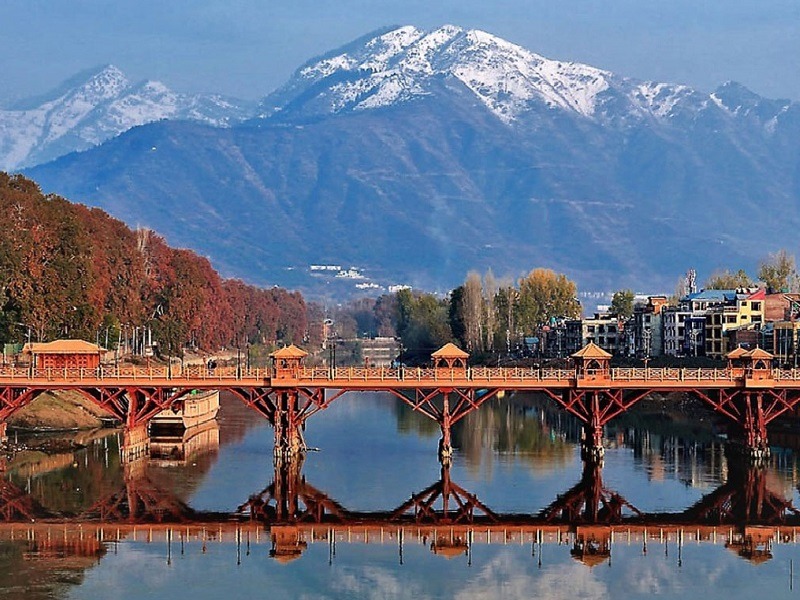
Beyond its functional requirements, Zero Bridge was designed with beauty in mind. The wooden elements feature subtle decorative carving, particularly on the railings and support beams. These carvings, while not overly ornate, reflect the Kashmiri tradition of incorporating art into everyday objects – turning a purely functional structure into something that pleases the eye as well as serves a purpose.
The bridge's proportions – its length, width, and height – were carefully calculated to create a harmonious relationship with the surrounding landscape. From certain angles, the bridge appears to float above the river, its wooden form complementing the natural beauty of the water and the traditional architecture lining the banks. This sensitivity to context and aesthetics is what makes Zero Bridge not just a crossing point, but a work of art in its own right.
Preservation and Maintenance
Maintaining a historic wooden bridge like Zero Bridge requires specialized knowledge and continuous care. The preservation process involves regular inspections to identify any signs of wear or damage, replacement of deteriorated wooden components, and application of traditional protective treatments to extend the life of the wood.
What's remarkable is that these maintenance efforts use largely the same materials and techniques that were used to build the bridge originally. This commitment to traditional preservation methods ensures that Zero Bridge retains its historical authenticity while remaining safe and functional for continued use. The craftsmen who work on the bridge today are often descendants of the families who built and maintained it generations ago – passing down specialized knowledge from one generation to the next.
Best Time to Visit Zero Bridge
Zero Bridge can be visited throughout the year, but each season offers a different experience. The bridge takes on a different character depending on the weather, the water level in the Jhelum, and the surrounding landscape. Choosing when to visit depends on what kind of experience you're looking for and what aspects of Kashmiri culture and nature you hope to witness.
Summer Season (April to October)
The period from April to October is generally considered the best time to visit Zero Bridge and Srinagar overall. During these months, the weather is pleasant and comfortable, with daytime temperatures typically ranging from 15°C to 25°C. The pleasant weather makes it ideal for walking around the old city, exploring the markets, and spending time on the bridge itself without being concerned about extreme temperatures.
April to June brings spring to the valley, with flowers blooming in gardens and the surrounding hills turning lush green. The Jhelum River flows calmly during this period, its crystal-clear waters reflecting the blue sky above. This is an excellent time for photography, as the soft spring light creates beautiful conditions for capturing both the bridge and the surrounding scenery.
July to August can be warmer, with temperatures occasionally reaching 30°C, but this is also when the valley is at its most vibrant. The river might be slightly higher due to snowmelt from the mountains, but still well within its banks. This is a great time to experience the bustle of daily life in old Srinagar, as locals go about their business and the streets are filled with activity.
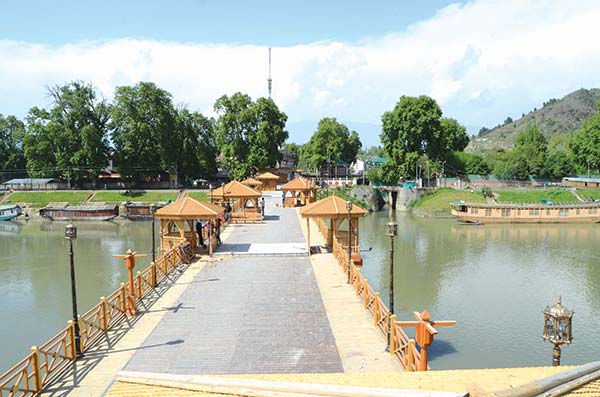
September to October brings autumn to Kashmir, perhaps the most beautiful season of all. The chinar trees for which Kashmir is famous turn brilliant shades of red, orange, and gold, creating a spectacular display of color. These autumn colors reflecting in the Jhelum River and framing Zero Bridge make for incredibly beautiful photographs. The weather during these months is crisp and comfortable – perfect for exploring.
Winter Season (November to March)
Winter transforms Zero Bridge and its surroundings into a completely different landscape. From November onwards, temperatures drop significantly, often reaching below freezing, and snow begins to fall in the valley. By December and January, the entire region is typically blanketed in white.
Visiting Zero Bridge in winter offers a magical, atmospheric experience. The wooden bridge, often dusted with snow, contrasts beautifully against the white landscape and the grey waters of the Jhelum. The surrounding rooftops covered in snow, the smoke rising from chimneys, and the occasional shikara braving the cold waters create scenes straight out of a Kashmiri folk tale.
However, winter visits come with challenges. The cold can be intense, especially in the mornings and evenings, so you'll need to dress warmly in layers. Some nearby shops and facilities might have limited hours or be closed temporarily. The days are shorter, giving you less daylight for exploration and photography.
Despite these challenges, winter can be a rewarding time to visit Zero Bridge, especially if you want to experience Kashmir at its most peaceful and avoid crowds. The bridge is often quieter in winter, allowing for contemplative moments and uninterrupted photography. The winter light, though limited, can be beautifully soft and diffuse – ideal for capturing the texture of the old wood and the stark beauty of the winter landscape.
Best Time of Day
Regardless of the season, the time of day you choose to visit Zero Bridge significantly affects your experience:
Morning (6 AM to 9 AM) – The early morning hours are perhaps the best time to experience Zero Bridge. The light is soft and golden, perfect for photography. The river is often calm, its surface like glass, creating beautiful reflections of the bridge and surrounding buildings. This is also when you'll see local life at its most authentic – fishermen setting out, people on their way to work or prayer, and the old city slowly waking up. The air is fresh and cool, even in summer, making it pleasant for walking and exploring.
Late Afternoon to Sunset (4 PM to 6 PM) – The hours leading up to sunset offer spectacular lighting conditions. As the sun begins its descent, the golden light bathes Zero Bridge in warm tones, highlighting the textures of the old wood and creating long, dramatic shadows. This is a favorite time for photographers. The bridge tends to be busier in the late afternoon and evening, with locals using it to commute home and tourists gathering to watch the sunset. Watching the sun go down behind the old city skyline, with the Jhelum flowing beneath your feet, is a memorable experience.
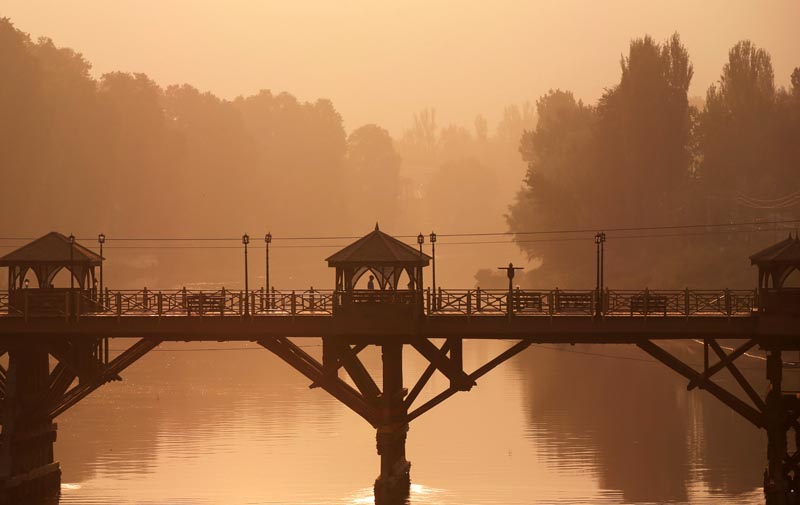
Night – While Zero Bridge itself doesn't have elaborate lighting, the surrounding area comes alive at night. The old city's streets are illuminated by a mix of street lights and traditional lanterns, creating a warm, inviting atmosphere. If you're in the area in the evening, it's worth visiting the bridge to see it in a different light – literally. The reflection of lights on the Jhelum's dark waters creates a beautiful scene, though it's important to exercise caution when walking on the bridge at night as the wooden planks can be uneven.
How to Reach Zero Bridge
Zero Bridge is located in the heart of old Srinagar, making it easily accessible from various parts of the city. Whether you're staying in a houseboat on Dal Lake, a hotel in the city center, or visiting from other parts of Kashmir, reaching Zero Bridge is straightforward.
From Lal Chowk
Lal Chowk, the commercial center of Srinagar, is approximately 2 kilometers from Zero Bridge. This is a good reference point if you're familiar with Srinagar, as most landmarks and hotels are described in relation to Lal Chowk. From here, you can take an auto-rickshaw (approximately ₹50-80) or a taxi (approximately ₹150-200) for the 10-15 minute ride to Zero Bridge.
If you prefer to walk, it's about a 20-25 minute walk through the old city's streets. This can be an interesting way to see the neighborhood, though the roads can be crowded and navigation might be challenging for first-time visitors. The walk takes you through some of old Srinagar's most characteristic areas, past traditional homes and small shops.
From Dal Lake
From the famous Dal Lake area, Zero Bridge is approximately 3 kilometers away. Most houseboats and hotels near Dal Lake can arrange transportation for you. A taxi or auto-rickshaw ride takes about 15-20 minutes depending on traffic. The route from Dal Lake to Zero Bridge passes through some interesting parts of the city, giving you a glimpse of urban Srinagar beyond the tourist zone.
From Srinagar Airport
Srinagar Airport (SXR) is approximately 15 kilometers from Zero Bridge. From the airport, you can take a pre-paid taxi (approximately ₹400-600) for the 30-40 minute ride to the bridge area. Most taxi drivers will know Zero Bridge by name, but it's helpful to have the location written down or saved on your phone, especially if there are any language barriers.
Navigation Tips
Once you're in the general area of old Srinagar, Zero Bridge is relatively easy to find. It's a well-known landmark, so asking locals for directions is usually effective. Most people in the area will know "Zero Bridge" by its English name, though knowing the local name and terms can be helpful.
For those using GPS navigation, searching for "Zero Bridge Srinagar" should take you to the correct location. However, keep in mind that GPS can sometimes be inaccurate in the old city's narrow, winding streets. Once you're close, following signs or asking locals might be more reliable than relying entirely on digital navigation.
Parking
There's no dedicated parking facility at Zero Bridge itself, as it's located in a densely populated, older part of the city with narrow streets. If you're driving or hiring a taxi, you'll likely need to park a short distance away and walk to the bridge. There are some informal parking areas in the vicinity where local residents and visitors park their vehicles.
For the most convenient experience, consider taking a taxi or auto-rickshaw to the area rather than driving yourself. This eliminates the need to find parking and allows you to focus on enjoying the experience rather than worrying about your vehicle. If you do drive, having your taxi wait while you explore might be worth the additional cost.
Nearby Attractions
One of the advantages of visiting Zero Bridge is its central location in old Srinagar, putting you within easy reach of several other important attractions. Many of these sites can be visited in the same day, making Zero Bridge an excellent starting point or stop on a tour of Srinagar's historic and cultural landmarks.
Jamia Masjid
Located approximately 500 meters from Zero Bridge, Jamia Masjid is one of Srinagar's most important mosques and a stunning example of Kashmiri Islamic architecture. Built in the 14th century by Sultan Sikandar, this magnificent structure has been destroyed and rebuilt several times due to fires, with the current structure dating largely from the Mughal period.
The mosque is famous for its beautiful courtyard, surrounded by 370 wooden pillars, each made from a single deodar tree. The prayer hall can accommodate thousands of worshippers and features impressive Indo-Saracenic architecture. The peaceful atmosphere and architectural beauty make Jamia Masjid a must-visit, regardless of your religious beliefs. Non-Muslim visitors are welcome outside prayer times, though modest dress is required.
Shah Hamdan Mosque
Also known as Khanqah-e-Moula, this beautiful mosque is situated on the banks of the Jhelum River, not far from Zero Bridge. Built in the 14th century, it's dedicated to Mir Syed Ali Hamdani, a Persian sufi who played a crucial role in spreading Islam in Kashmir.
What makes Shah Hamdan Mosque particularly special is its exquisite interior – every inch of the wooden interior is covered in intricate papier-mâché work and painted with elaborate designs in Kashmiri style. The exterior, with its pointed roof and beautiful location by the river, is equally impressive. Non-Muslims can typically visit the mosque when prayers aren't in progress, but it's important to be respectful and follow any guidelines provided.
Old City Markets
The area around Zero Bridge is home to some of Srinagar's most traditional markets, where you can experience authentic Kashmiri commercial culture. These markets have been operating for centuries and continue to serve the local community much as they have for generations.
In the Zaina Kadal and Fateh Kadal areas near Zero Bridge, you'll find narrow streets lined with shops selling spices, dry fruits, traditional Kashmiri clothing, handicrafts, and everyday items. This is where locals shop, so the atmosphere is authentic rather than tourist-oriented. Walking through these markets offers a fascinating glimpse into daily life in old Srinagar.
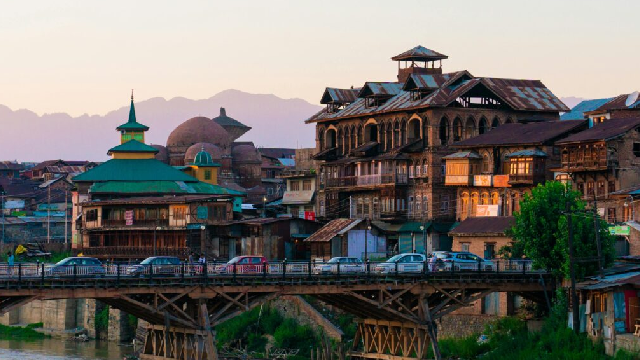
Jhelum River Riverside Walk
The banks of the Jhelum River near Zero Bridge offer pleasant walking opportunities, allowing you to experience the river from ground level. Walking along the riverside, you'll see traditional homes with their distinct architecture, small ghats (steps leading down to the water), and locals going about their daily routines.
The river plays a central role in life in Srinagar, and spending time walking its banks helps you understand this relationship. You might see people fishing, washing clothes, or simply enjoying the peaceful flow of water. In the mornings and evenings, the riverside is particularly lively, with people exercising, socializing, or performing religious rituals.
Shankaracharya Temple
Perched on a hilltop overlooking Srinagar, the Shankaracharya Temple is approximately 3 kilometers from Zero Bridge. This ancient Shiva temple, believed to date back to 200 BC, offers spectacular panoramic views of the entire city, including the Jhelum River and Zero Bridge itself.
The temple is located on Sulaiman Hill (also known as Takht-e-Sulaiman), and reaching it requires climbing approximately 100 steps. The climb is worth it for the view alone, which encompasses Dal Lake, the Jhelum River, the old city, and the surrounding mountains. On a clear day, you can even see the snow-capped peaks in the distance.
Dal Lake
While not immediately adjacent to Zero Bridge, Dal Lake is close enough to be easily visited in the same day. Approximately 3 kilometers away, Dal Lake is Srinagar's most famous attraction and can be reached by taxi or auto-rickshaw in about 15-20 minutes.
A visit to Dal Lake complements a visit to Zero Bridge perfectly – while Zero Bridge shows you the old city's historic character and traditional architecture, Dal Lake showcases the unique floating culture that makes Kashmir famous worldwide. You can combine both experiences in a half-day tour of Srinagar's highlights.
Mughal Gardens
Srinagar's famous Mughal Gardens – Shalimar Bagh, Nishat Bagh, and Chashme Shahi – are located on the eastern side of Dal Lake, approximately 5-7 kilometers from Zero Bridge. These terraced gardens, built by Mughal emperors in the 17th century, are among the finest examples of Mughal garden design in India.
The gardens feature cascading fountains, meticulously maintained lawns, beautiful flower beds, and pavilions offering views of Dal Lake and the surrounding mountains. They're particularly beautiful in spring when the flowers are in bloom and in autumn when the chinar leaves turn golden. Visiting these gardens provides a contrast to the old city's dense urban fabric and showcases another aspect of Kashmir's rich cultural heritage.
Hazratbal Shrine
Located on the northern shore of Dal Lake, approximately 4 kilometers from Zero Bridge, the Hazratbal Shrine is one of Kashmir's most important Muslim religious sites. The white marble mosque houses a relic believed to be a hair of the Prophet Muhammad, making it a significant pilgrimage destination.
The shrine's location, right on the banks of Dal Lake, makes it particularly scenic. The mosque's white marble dome reflects beautifully in the lake's waters, especially at sunset. While non-Muslims cannot enter the main prayer hall, the shrine's exterior and surrounding area are accessible and offer a peaceful atmosphere for contemplation and photography.
Photography Tips
Zero Bridge offers excellent opportunities for photography, whether you're a professional photographer or an enthusiastic amateur. The bridge's classic architecture, scenic location, and the rich cultural context of the surrounding old city provide endless possibilities for compelling images.
Best Angles and Perspectives
From the Riverbank: Positioning yourself on the riverbank, either upstream or downstream from Zero Bridge, allows you to capture the bridge in its entirety. From these angles, you can frame the bridge against the old city's skyline, with traditional buildings, minarets, and the distinctive rooftop architecture providing context. The reflections of the bridge in the Jhelum's waters add another dimension to these compositions.
On the Bridge: Walking onto Zero Bridge itself offers unique photographic opportunities. The view along the bridge's length, with the wooden planks receding into the distance, creates an interesting linear composition. From the middle of the bridge, you can capture both the river flowing beneath and the old city spreading out on either side. The bridge's wooden railings and structural elements can be used as framing devices or leading lines in your compositions.
Elevated Perspective: If possible, try to find a vantage point above the bridge – perhaps from a nearby rooftop or hillside. This elevated perspective allows you to capture the bridge in the context of the surrounding city, showing how it spans the river and connects different parts of old Srinagar. The Shankaracharya Temple hilltop offers one such elevated view, though it's some distance away.
Optimal Timing
Golden Hour: The hours around sunrise and sunset – known as golden hour – provide the most beautiful light for photographing Zero Bridge. The soft, warm light enhances the textures of the old wood and creates long, dramatic shadows that add depth to your images. During sunrise (approximately 6:30 AM in summer, 7:30 AM in winter), the light is particularly soft and the river is often calm, creating perfect reflections.
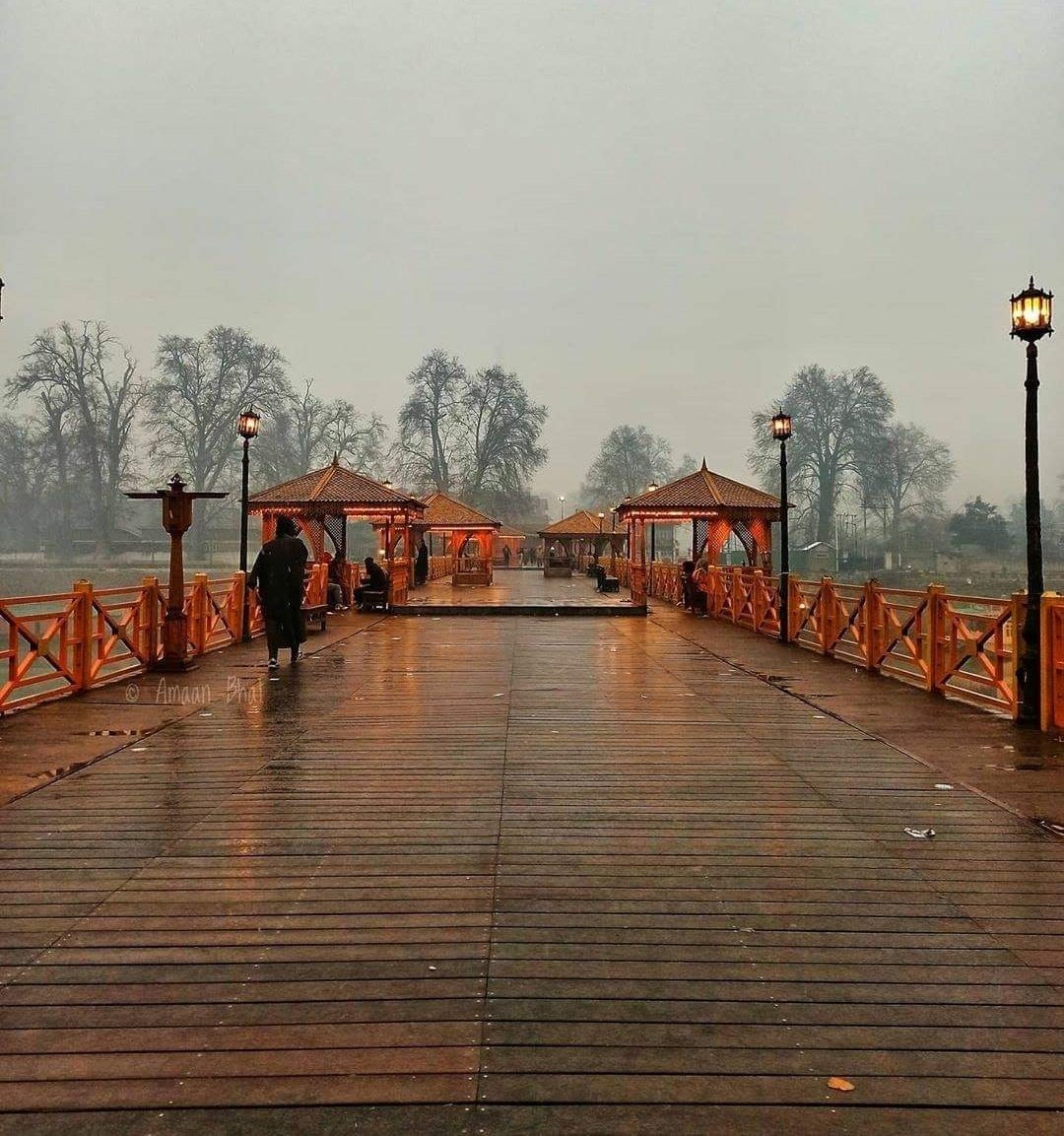
Sunset Photography: Sunset is perhaps the best time for photographing Zero Bridge. As the sun goes down, the bridge is bathed in golden light, and the sky behind the old city often turns spectacular shades of orange and pink. These colors reflect in the Jhelum River, creating beautiful mirror images in the water. The period just after sunset – during blue hour – can also yield stunning results, with the bridge silhouetted against the twilight sky.
Overcast Days: While bright sunshine is often preferred for landscape photography, overcast days can be excellent for photographing Zero Bridge. The soft, diffused light of cloudy days eliminates harsh shadows and brings out the rich textures and colors of the old wood. If you're visiting during the monsoon season or an overcast day, don't be discouraged – some of the most atmospheric images can be made under these conditions.
What to Photograph
Architectural Details: Zero Bridge's traditional construction offers plenty of interesting details to photograph. Focus on the wooden joinery, the texture of the aged planks, the decorative elements on the railings, and the way the wooden components meet the stone pillars. These detail shots can be as compelling as wide views of the entire bridge and tell the story of traditional Kashmiri craftsmanship.
River Reflections: The calm waters of the Jhelum, especially in the morning, create perfect reflections of Zero Bridge. Compositionally, you can create symmetrical images that include both the bridge and its reflection. The interplay between the actual structure and its mirror image adds visual interest and a sense of tranquility to your photographs.
Daily Life: Some of the most compelling photographs of Zero Bridge include people – locals crossing the bridge, fishermen on the river below, children playing nearby, or shopkeepers in the surrounding markets. Including human elements in your images gives them scale and tells the story of how this historic structure continues to function in contemporary Srinagar. Always ask permission before photographing people close-up, especially for portraits.
Seasonal Variations: Zero Bridge looks dramatically different in different seasons. In summer, it's surrounded by greenery and flows over clear water. In autumn, golden chinar leaves frame the bridge. In winter, snow covers the structure and surrounding landscape. In spring, flowers bloom in nearby gardens. If you have the opportunity, photograph the bridge in multiple seasons to document its changing character throughout the year.
Equipment Recommendations
Wide-Angle Lens: A wide-angle lens (24mm or wider on full-frame) is ideal for capturing the entire bridge and its surroundings. This allows you to include both the bridge and significant portions of the riverbanks in a single frame, showing the bridge in context. Wide-angle lenses are also useful for interior shots if you're able to access interesting spaces in nearby buildings.
Telephoto Lens: A telephoto lens (70mm or longer) is valuable for compressing perspective and isolating specific details. You can use it to capture architectural details of the bridge from a distance, to photograph people without being intrusive, or to create compressed landscapes that show the bridge against the old city skyline.
Tripod: For the best quality images, especially during low light conditions at sunrise or sunset, a tripod is essential. However, be aware that space on the bridge itself is limited, so a small, portable tripod is better than a large, heavy one. Alternatively, you can use the bridge railings or other stable surfaces to support your camera during longer exposures.
Respectful Photography
When photographing around Zero Bridge, it's important to be respectful of local customs and people's privacy. The area is a residential and commercial neighborhood where people live and work, not a tourist attraction created for photography.
Always ask permission before photographing people close-up, especially women and children. Some people may prefer not to be photographed, and it's important to respect their wishes. For wider street scenes that include people generally in the background, permission is less critical, but it's still considerate to be discreet and avoid being intrusive.
Be mindful of where you position yourself – don't block pedestrian traffic on the bridge or access to homes and businesses. If you're setting up a tripod, do so in a way that doesn't obstruct movement. Being considerate and respectful will not only result in better photographs but also ensure that photographers remain welcome in this beautiful area.
Essential Travel Tips
Visiting Zero Bridge is relatively straightforward, but a few practical tips can help you make the most of your visit and ensure a smooth, enjoyable experience. These suggestions cover logistics, timing, safety, and cultural considerations specific to visiting old Srinagar and Zero Bridge.
Timing and Duration
How Long to Spend: Most visitors spend 30 minutes to 1 hour at Zero Bridge itself, depending on their interest in photography and exploring the surrounding area. The bridge isn't large, so walking across it and back takes only a few minutes. However, if you're a photographer or particularly interested in architecture and history, you might spend longer capturing details or simply enjoying the atmosphere.
Combining with Other Attractions: Zero Bridge is ideally combined with other attractions in old Srinagar. You can easily visit Jamia Masjid, Shah Hamdan Mosque, and the old city markets in the same outing, spending 2-3 hours total in the area. Alternatively, combine Zero Bridge with a visit to Dal Lake and the Mughal Gardens for a broader tour of Srinagar's highlights, which would take a half-day or more.
Best Days to Visit: Zero Bridge can be visited any day of the week. However, if you're also planning to visit nearby mosques, it's worth noting that Friday is the holy day in Islam, and mosques may be closed to non-Muslims during prayer times. Visiting on weekdays generally means fewer crowds than weekends, though Zero Bridge is rarely overcrowded compared to more touristy destinations.
Weather and Clothing
Summer (April-October): During the warmer months, light, comfortable clothing is appropriate during the day. However, even in summer, mornings and evenings can be cool, especially near the water, so carrying a light jacket or sweater is advisable. The sun can be strong at Srinagar's altitude, so a hat, sunglasses, and sunscreen are recommended.
Winter (November-March): Winter in Kashmir is serious, with temperatures often dropping below freezing. If you're visiting Zero Bridge in winter, dress in layers – thermal underwear, wool sweaters, and a warm, windproof outer layer. A warm hat, gloves, and a scarf are essential. Comfortable, waterproof boots with good grip are important as wooden surfaces can be slippery when wet or icy.
Monsoon Season: If you're visiting during the rainy season (typically March-May and again in September), carry an umbrella or rain jacket. The wooden planks of the bridge can become slippery when wet, so wear footwear with good grip. Rain also adds a moody, atmospheric quality to photographs, so don't let wet weather deter you from visiting.
Footwear Considerations
The wooden planks of Zero Bridge, while generally well-maintained, can be uneven in places. Wear comfortable, sturdy footwear with good grip. Avoid high heels or very smooth-soled shoes that might be slippery on wood. If you're planning to explore the old city markets and narrow streets nearby, comfortable walking shoes are essential – you'll likely be doing a fair amount of walking on uneven surfaces.
In winter, when the bridge might be icy or snowy, waterproof boots with good traction are particularly important. The last thing you want is to slip on wet wood or ice, so invest in proper footwear if you're visiting during colder months.
Safety Considerations
Structural Safety: Zero Bridge is regularly maintained and is safe for pedestrian use. However, like any historic structure, it's important to exercise basic caution. Don't climb on railings or attempt to access restricted areas. If you're visiting with children, keep them close and supervise them carefully, especially near the bridge edges.
Personal Safety: The area around Zero Bridge is generally safe, and crime against tourists is relatively rare in Srinagar. However, as in any urban area, it's wise to take basic precautions – don't display expensive equipment or jewelry excessively, be aware of your surroundings, and keep valuables secure. The old city's narrow streets can be confusing, so it's a good idea to have your hotel's contact information and the location saved on your phone.
Political Situation: Kashmir's political situation has been complex historically, and it's important to check current travel advisories before planning your visit. The situation can change, and what's true at one time may not be true later. Generally speaking, tourist areas like Srinagar have remained accessible even during periods of political tension, but it's important to stay informed.
Cultural Respect
Old Srinagar is a conservative, traditional area, and it's important to dress and behave respectfully. Both men and women should avoid wearing shorts or very revealing clothing. When visiting religious sites like mosques or shrines near Zero Bridge, dress particularly modestly – women should cover their heads, and everyone should remove shoes before entering prayer spaces.
Ask permission before photographing people close-up, especially women and religious ceremonies. Some people may be uncomfortable being photographed, and it's important to respect their wishes. For wider shots that include people in the background, permission is less critical, but it's still considerate to be discreet.
The area around Zero Bridge is a living neighborhood where people go about their daily lives. Be mindful of noise levels, don't block pedestrian traffic, and be generally considerate of residents. Showing respect for local customs and people will be appreciated and will contribute to a more positive experience for everyone.
Practical Facilities
Restrooms: Public restrooms are limited in the old city area. It's a good idea to use facilities at your hotel before visiting, or plan to visit a restaurant or café in the area where you can use their facilities as a customer.
Food and Water: There are small shops and eateries in the vicinity where you can purchase snacks and water. However, if you have specific dietary requirements or preferences, it's advisable to carry what you need with you. Bottled water is widely available.
ATMs and Money: There are some ATMs in the general area, but they may not always be working or may have long lines. It's advisable to carry sufficient cash for your needs, as many smaller establishments may not accept cards. Indian currency is used, so if you're coming from outside India, exchange money beforehand.
Guides and Tours
While it's certainly possible to visit Zero Bridge independently without any issues, some travelers benefit from hiring a local guide. A knowledgeable guide can provide historical context, explain the significance of what you're seeing, and help navigate the old city's sometimes-confusing streets.
If you're interested in a guided experience, your hotel or houseboat can often recommend reliable guides. Alternatively, you can book tours through reputable travel agencies. A guide is particularly valuable if you're combining Zero Bridge with other attractions in old Srinagar, as they can help you get the most out of your time in the area.
Accessibility
It's worth noting that Zero Bridge, being a historic structure with wooden planks and some elevation changes, may present challenges for visitors with mobility issues. The bridge has stairs leading up to it from the riverbanks, and the wooden surface, while generally even, can be uneven in places. Visitors using wheelchairs or with significant mobility limitations may find accessing the bridge difficult.
That said, the bridge can be admired from the riverbanks if accessing it directly is challenging. The views from ground level are still impressive, and you can still appreciate the architecture and context of the bridge without actually walking on it.
Conclusion
Zero Bridge stands as a testament to Kashmir's rich architectural heritage and the enduring craftsmanship of its people. More than just a crossing point over the Jhelum River, this historic wooden bridge embodies the essence of old Srinagar – a place where tradition continues to thrive amidst the flow of modern life, where beauty and functionality exist in perfect harmony, and where the past lives on in the present.
For travelers exploring Kashmir, Zero Bridge offers a different kind of experience than the region's more famous attractions. While Dal Lake's houseboats and the Mughal Gardens' terraced lawns rightfully draw crowds, Zero Bridge provides a more intimate encounter with authentic Srinagar – a chance to see where locals live and work, to appreciate traditional architecture at its finest, and to connect with centuries of history in a tangible, meaningful way.
The bridge's beauty lies not just in its physical appearance – though the warm tones of aged wood, the graceful arch of its span, and the reflection of old city buildings in the river beneath are certainly beautiful – but in what it represents. Zero Bridge is the product of generations of knowledge passed down from master craftsmen to apprentices, a structure that has survived floods and seasons, wars and renovations, all while remaining essentially true to its original form.
Visiting Zero Bridge is about more than checking another attraction off your list – it's about slowing down, taking the time to appreciate details that might be easily missed, and understanding the relationship between the built environment and the natural world. Standing on this bridge, watching the Jhelum flow beneath your feet, you become part of a continuum that stretches back centuries and will continue long into the future.
Whether you're a history enthusiast, an architecture lover, a photographer seeking compelling subjects, or simply a traveler wanting to experience authentic Kashmir, Zero Bridge rewards those who take the time to visit with interest and attention. So add it to your Srinagar itinerary, combine it with nearby attractions, and discover why this simple wooden bridge has captured the hearts of locals and visitors for generations.
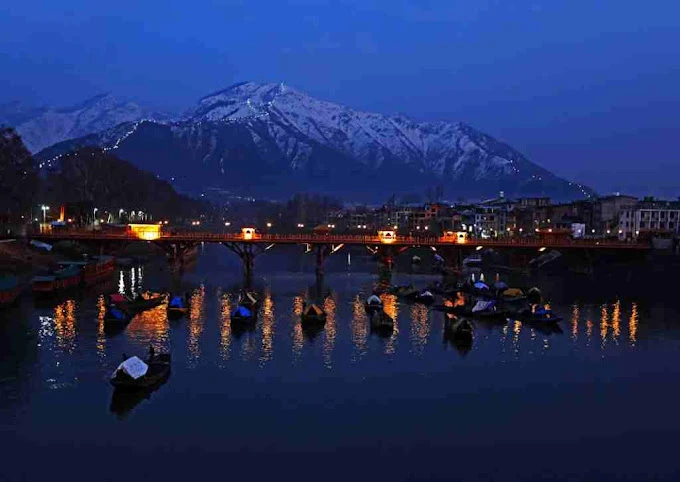
Zero Bridge is more than a landmark – it's a living piece of Kashmir's heritage, a bridge not just across water but across time, connecting the past to the present and the people of Srinagar to their rich cultural legacy. Cross it slowly, look carefully, and let yourself be transported by the beauty and history of this extraordinary structure.
Location
Frequently Asked Questions
Q1.What is Zero Bridge in Srinagar?
Q2.Why is it called Zero Bridge?
Q3.Where is Zero Bridge located?
Q4.What is the history of Zero Bridge?
Q5.Is Zero Bridge the oldest bridge in Srinagar?
Q6.Can vehicles cross Zero Bridge?
Q7.Is Zero Bridge worth visiting?
Q8.What are the timings to visit Zero Bridge?
Recommended For You
Hidden Places in Srinagar: Offbeat Gems & Local Experiences
Discover hidden places in Srinagar Kashmir with offbeat gardens, quiet lake corners, heritage sites, and practical tips for a calm local-style visit.
Kashmir Trip: How Many Days Needed?
Planning Kashmir trip? Learn how many days required - 3 to 10 days itineraries covering Srinagar, Gulmarg, Pahalgam & Sonamarg.
Best Places to Visit Kashmir: Complete Travel Guide 2026
Explore the best places to visit Kashmir including Srinagar Dal Lake, Gulmarg skiing, Pahalgam valleys, and complete travel guide.
Never Miss an Adventure
Get the latest trekking guides, travel tips, and exclusive offers delivered straight to your inbox.
