
Agra Fort Guide: Tickets, Timings, History and Tips

Ananya Sharma
February 20, 2026
Plan your Agra Fort visit with practical guidance on history, architecture, tickets, timings, and route planning for a smooth heritage day.
Introduction
Agra Fort is one of the most important Mughal-era landmarks in India, and it works best as a planned heritage visit rather than a quick photo stop. Many travelers reach Agra for the Taj and then underestimate how much time Agra Fort deserves. That usually leads to a rushed walk through major courts without understanding the political and architectural story of the site. If your goal is depth, treat Agra Fort as a core stop and allocate a dedicated block with buffer time.
As a practical city route, most visitors pair this monument with Taj Mahal Agra and market time in shopping in Agra. If you are extending your North India heritage circuit, you can compare design language with Qutub Minar in Delhi. This guide focuses on history, architecture, key areas, entry planning, and on-ground execution so your visit is efficient and meaningful.
Historical Background
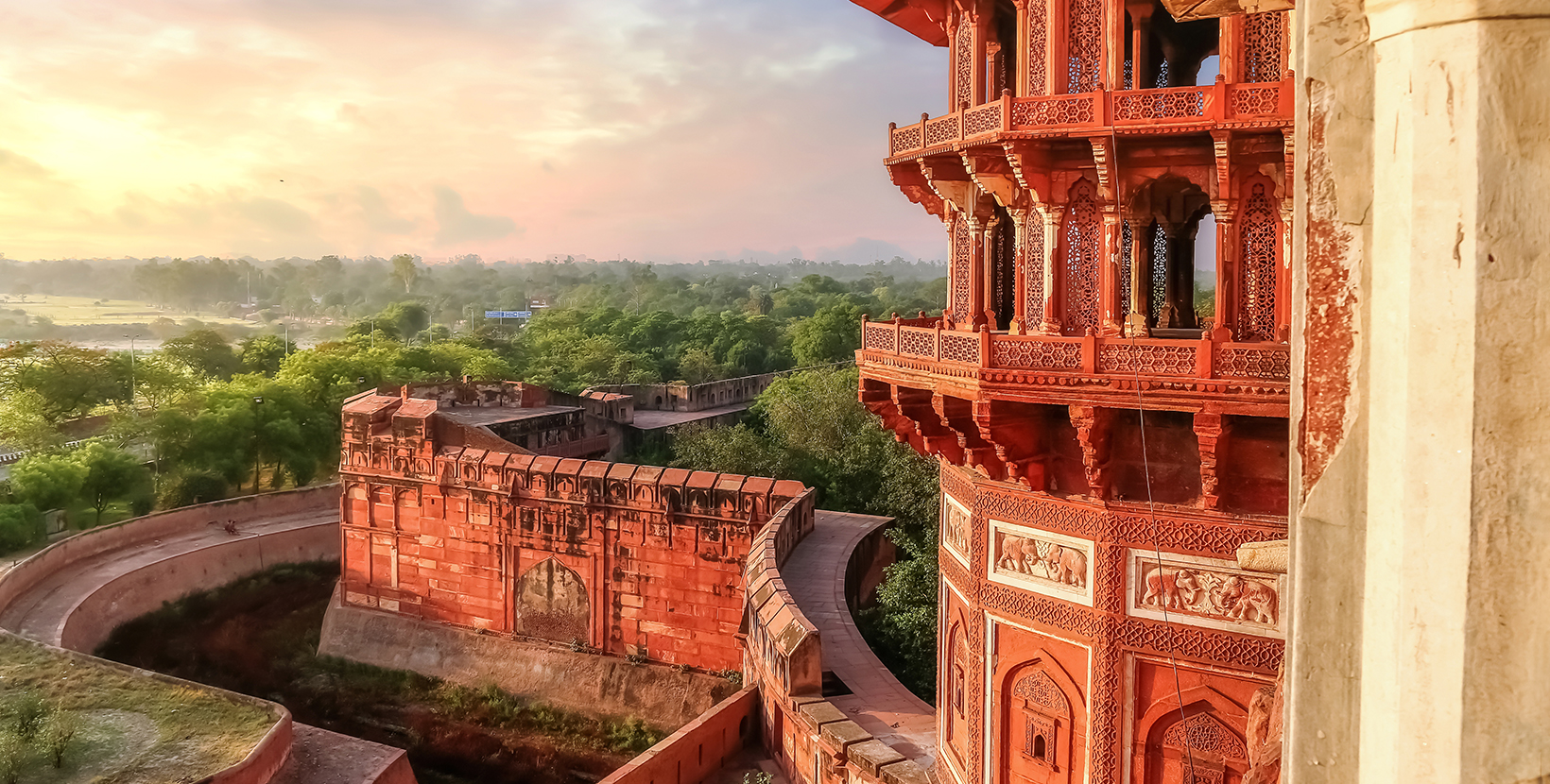
Agra Fort was commissioned by Emperor Akbar in the 16th century and then expanded by later Mughal rulers including Jahangir and Shah Jahan. The fort was not only a military structure; it was also a political seat where imperial decisions were made, court life was organized, and diplomatic activity was conducted. The strategic location near the Yamuna and major trade routes made it central to power management in North India.
Over time, the site shifted in architectural tone. Akbar favored robust red sandstone and defensive scale, while Shah Jahan introduced refined marble additions, delicate inlay work, and palace spaces with lighter visual rhythm. This layered construction history is why Agra Fort feels like multiple monuments inside one boundary. You are not seeing a single design moment but a sequence of imperial priorities captured in stone.
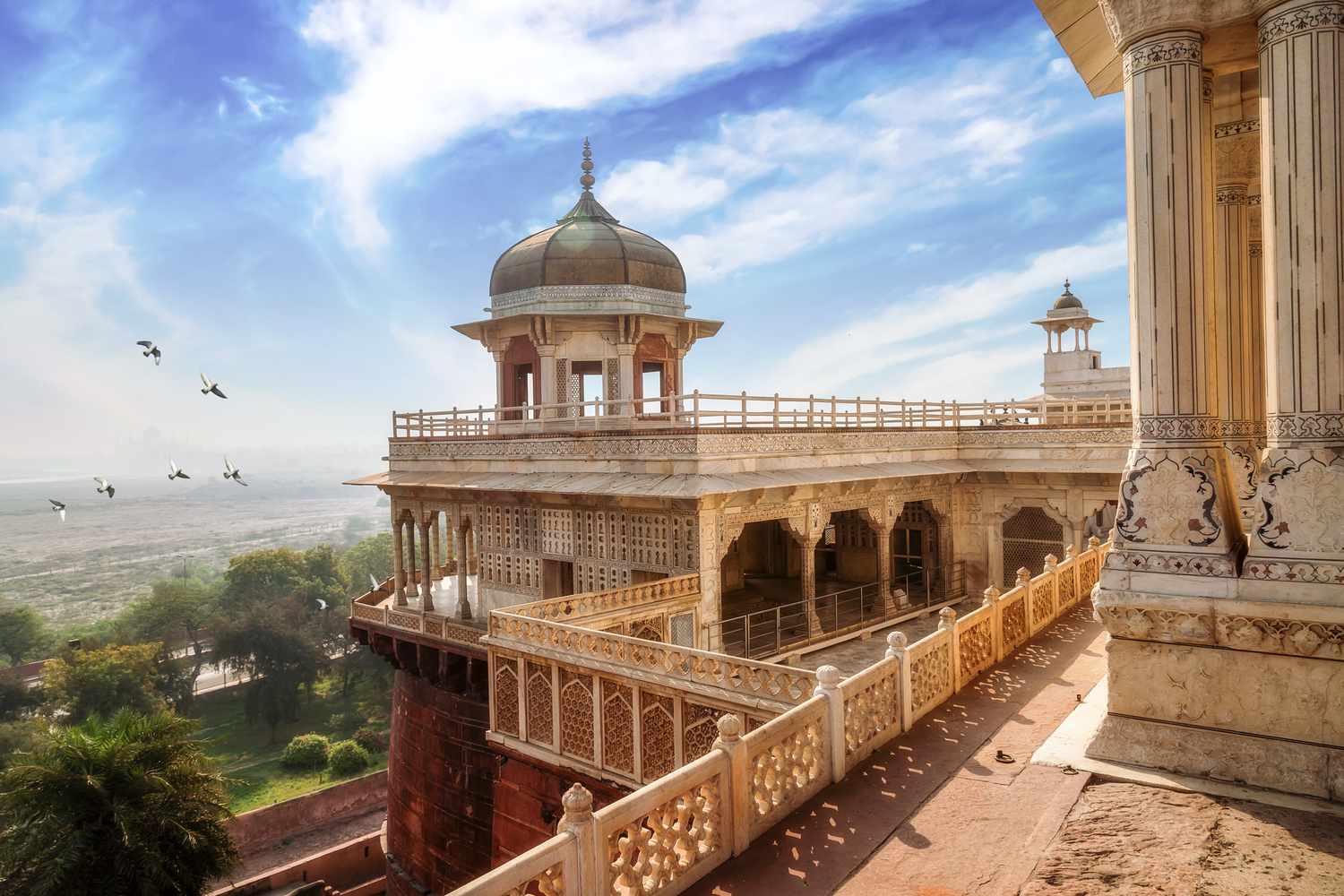
The fort also carries a strong emotional narrative in public memory because Shah Jahan is believed to have spent his final years confined here, with distant views of the Taj Mahal. Whether visitors focus on political history or personal stories, the site supports both. A good visit balances these perspectives instead of reducing Agra Fort to one anecdote.
Architecture Highlights
Agra Fort showcases a blend of military engineering and court architecture. Massive ramparts, strong gateways, and controlled movement corridors demonstrate defensive planning, while inner palaces, audience halls, and mosque spaces reveal ceremonial and residential priorities. The material transition from sandstone-heavy zones to marble-rich courts helps visitors read chronological shifts in Mughal patronage.
One of the strongest architectural lessons at Agra Fort is scale control. Outer structures communicate authority through height and thickness, but inner spaces rely on proportion, symmetry, and carved detail to communicate refinement. This contrast is intentional and helps explain how the Mughal court used built form for both protection and power signaling.
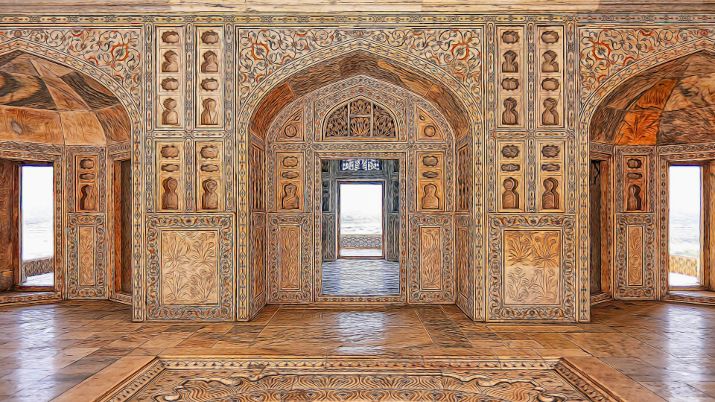
Details to observe closely include carved brackets, jali screens, decorative niches, and sightline planning from elevated terraces. If you pause at transitions between open courts and enclosed halls, you can better understand climatic design logic. Shade, airflow, and directional orientation all contribute to comfort in a hot climate context.
Key Areas to Explore
First-time visitors should prioritize a focused route across major interpretation points. Jahangiri Mahal is typically one of the earliest highlights and gives a strong sense of early Mughal palace planning. Khas Mahal and adjacent sections reveal later refinements, while open terraces provide contextual views toward the river axis.
Diwan-i-Am and Diwan-i-Khas are essential for understanding court function and audience hierarchy. These spaces are where governance performance becomes visible in architecture. Public audience format, controlled access, and ceremonial positioning all reflect institutional design choices.
Musamman Burj and connected zones are often emotionally resonant for visitors due to their association with Shah Jahan and distant Taj views. Spend time here when crowds thin slightly, because rushed movement can cause you to miss framing details that make this section memorable. Keep your visit adaptable: if one area is crowded, switch order and return later.
| Section | Why It Matters | Suggested Time |
|---|---|---|
| Jahangiri Mahal | Early Mughal palace planning and sandstone scale | 20 to 30 min |
| Diwan-i-Am / Diwan-i-Khas | Court rituals and imperial audience architecture | 25 to 35 min |
| Khas Mahal & Musamman Burj | Marble-era refinement and Yamuna-facing viewpoints | 25 to 40 min |
Timings, Tickets, Entry Gates
Travelers should verify live ticket and timing data from official sources before arrival, because policy and operating windows can change. In practical terms, early entry usually provides cleaner movement and better photography conditions, especially on weekends and holiday periods. Arriving without buffer is a common mistake, particularly for those combining Taj Mahal and Agra Fort in a single day.
Agra Fort is typically accessed via designated visitor gates, with security checks that require extra time during peak demand. Carry valid identification, keep prohibited items minimal, and avoid large bags unless necessary. If you are working with a fixed train departure later in the day, set a strict turnaround time and leave margin for city traffic.
Guide services are available on-site, and audio-based interpretation options may also be present depending on current arrangements. If historical context is a priority, a concise guided overview can improve comprehension significantly in the first 30 minutes. After that, continue independently at your own pace.
Best Time to Visit
October to March is generally preferred for weather comfort in Agra, especially for travelers planning long outdoor heritage blocks. Summer visits are still possible but require tighter heat management and shorter exposure windows. If you must travel in hotter months, prioritize early hours and carry hydration discipline into every movement block.
Weekday mornings are usually easier for crowd management than weekend mid-day slots. Festival periods and school-holiday windows can increase footfall, so morning entry becomes even more valuable in those phases. If photography is important, soft morning light often performs better than harsh mid-day contrast on sandstone and marble surfaces.
For combined itinerary planning with Taj Mahal, many visitors prefer sunrise Taj and later morning Agra Fort, or reverse order based on ticketing strategy and transport setup. The correct sequence depends on your hotel location, traffic expectations, and how much time you want to spend at each site.
Nearby Attractions in Agra
Agra works best when you build your day around one anchor monument and one or two support stops. Overloading the itinerary reduces depth and increases fatigue. A practical heritage-day structure is Taj Mahal plus Agra Fort plus a flexible cultural or market stop based on remaining energy and daylight.
Within the city, food, craft shopping, and short local experiences can be inserted after monument hours. Keep market visits focused with pre-decided objectives, especially if you have evening transport deadlines. For families and mixed-interest groups, this approach balances architecture-heavy time with lighter activity blocks.
If you are continuing to Delhi or Jaipur, keep departure timing realistic and avoid squeezing extra distant stops late in the day. Travel quality is usually higher when you finish one city with clarity rather than carrying schedule stress into onward transit.
Practical Tips
Carry capped water bottles, sun protection, and comfortable footwear with good grip. Even non-technical heritage routes can involve long walking segments, uneven surfaces, and repeated stair transitions. Pace yourself in phases instead of trying to cover every section at once.
Use a simple checkpoint method: orient, observe, capture, and move. At each major zone, first understand where you are in the fort layout, then observe key details, then take photos, then transition. This prevents random wandering and helps retain more context from the visit.
Respect monument rules and avoid touching fragile architectural surfaces. Keep noise levels moderate in denser corridors and allow movement space for other visitors. Responsible behavior improves everyone’s experience and protects long-term conservation outcomes.
Extended Planning Notes for Better Experience Quality
To make Agra Fort genuinely valuable, approach it as an interpretation project, not a checklist. Start with one learning objective such as military planning, court ceremony, or design transition between rulers. When you observe with one clear objective, details connect faster and the site becomes easier to understand.
Build route resilience with micro-buffers. Keep 10 to 15 minutes between major sections for crowd drift, rest, and reorientation. This small buffer strategy protects your timeline and reduces rushed decision-making. If one area is too crowded, move to a secondary section and return when the flow improves.
For couples and family groups, assign lightweight roles. One person tracks timing, one tracks navigation cues, and one handles bookings or digital confirmations. Shared responsibility reduces confusion and avoids repetitive stops. This is especially useful when combining multiple monuments in a single day.
Budget planning should emphasize certainty over impulse. Spend where it improves outcome directly: reliable transport, verified tickets, or quality interpretation support. Keep discretionary spending for later in the day after your primary monument blocks are complete. This protects both experience depth and cost discipline.
Finally, end the day with a short review: what section was most valuable, what felt rushed, and what to change for the next heritage stop. This simple reflection loop improves every subsequent day of travel and helps you move from random sightseeing to structured, high-quality exploration.
Location
Frequently Asked Questions
Q1.What is Agra Fort famous for?
Q2.How much is the Agra Fort ticket?
Q3.What are Agra Fort timings?
Q4.How much time is needed at Agra Fort?
Q5.Can Agra Fort and Taj Mahal be covered in one day?
Q6.Which gate is best to enter Agra Fort?
Q7.Is guide service available at Agra Fort?
Q8.What is the best season to visit Agra Fort?
Recommended For You
Best Places to Visit in Delhi: Monuments, Markets & Day Plans
Explore the best places to visit in Delhi including Red Fort, India Gate, Qutub Minar, Humayun's Tomb, Lotus Temple & Akshardham. Complete travel guide with timings, entry fees, and practical tips.
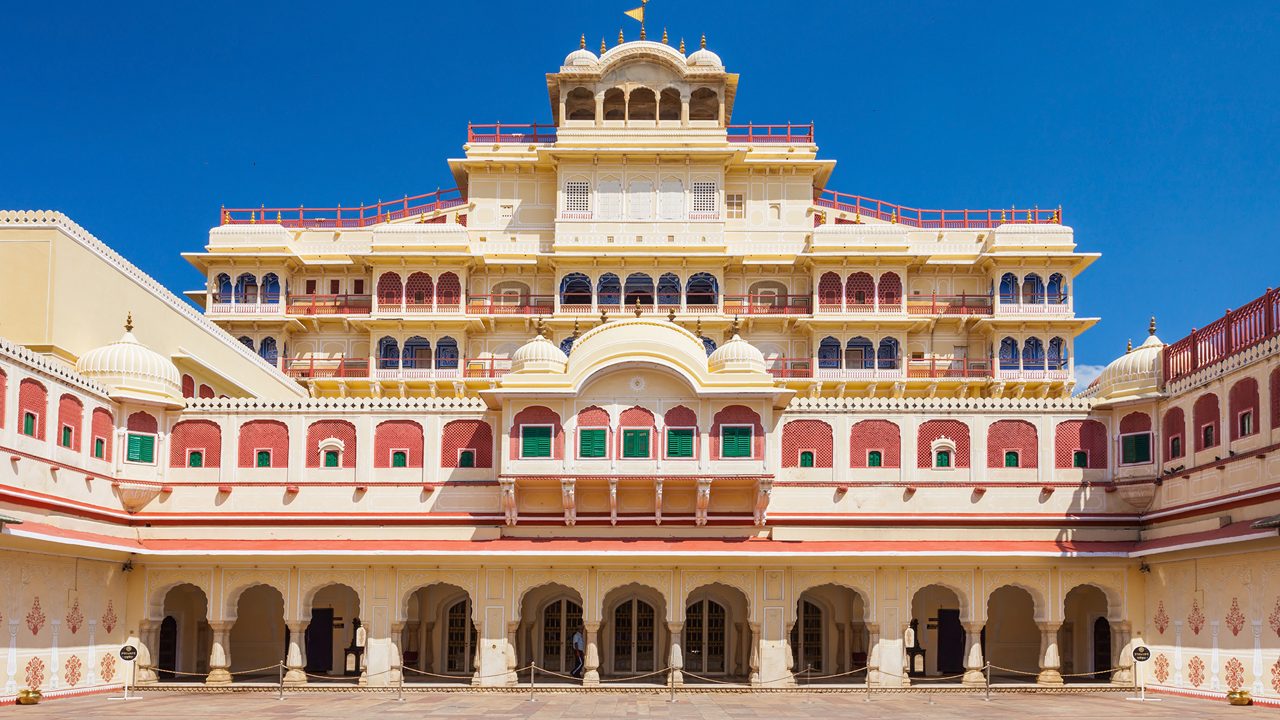
City Palace Jaipur: Ticket Options, Timings & Must-See Areas
Plan your City Palace Jaipur visit with practical tips on timings, tickets, routes, and combining with nearby attractions for a smooth heritage experience.
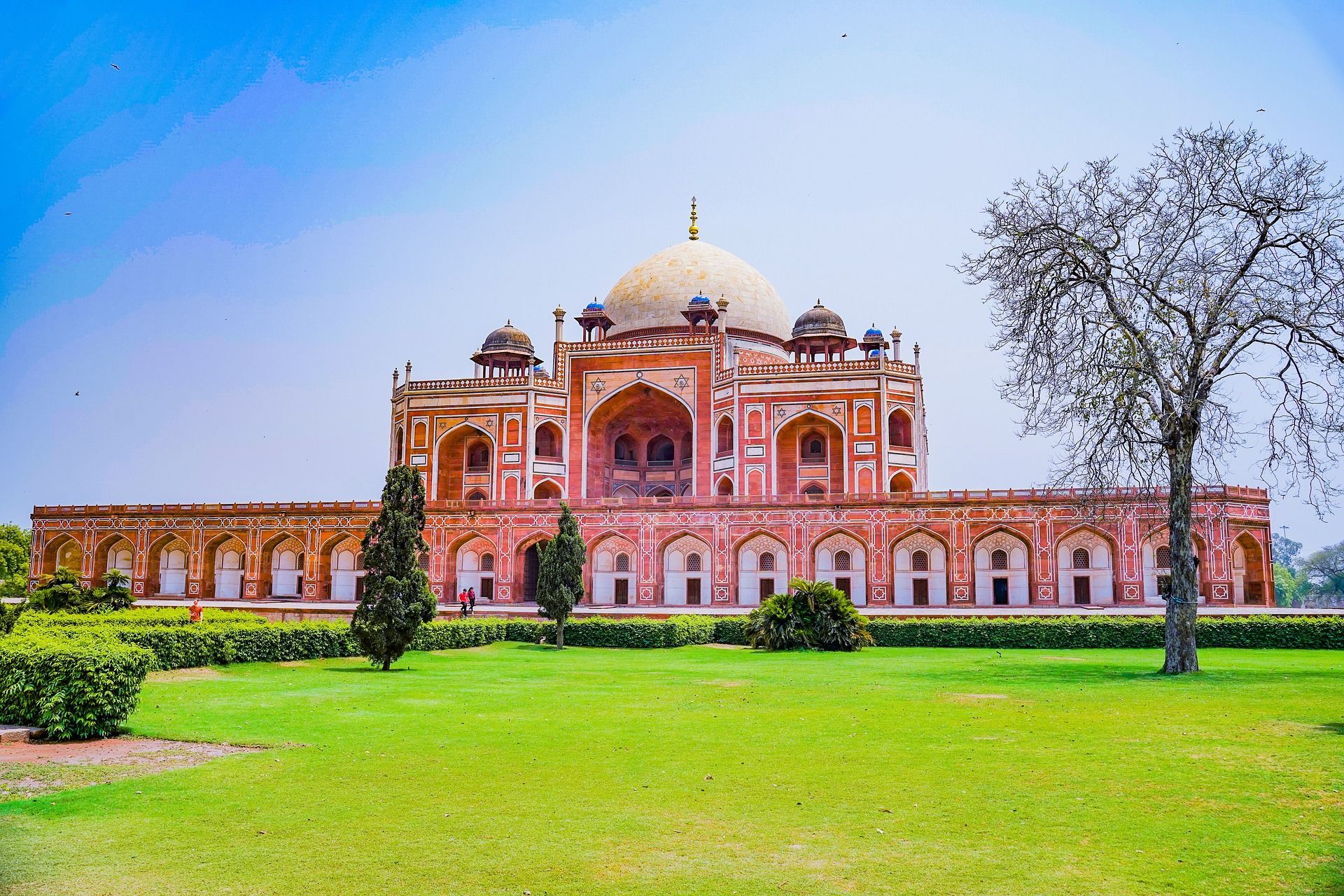
Historical Places in Delhi: Top 30 Heritage Monuments
Discover best historical places in Delhi! Find Red Fort, Qutub Minar, Humayun's Tomb, and complete travel guide to India's capital heritage monuments.
Never Miss an Adventure
Get the latest trekking guides, travel tips, and exclusive offers delivered straight to your inbox.
