
Martand Sun Temple Kashmir: Ancient History, Route & Visitor Info

Rohit Verma
December 19, 2025
Complete Martand Sun Temple Kashmir guide with history, architecture, timings, route planning, best season, nearby attractions, and practical travel tips.
Introduction: The Ancient Sun Temple of Kashmir
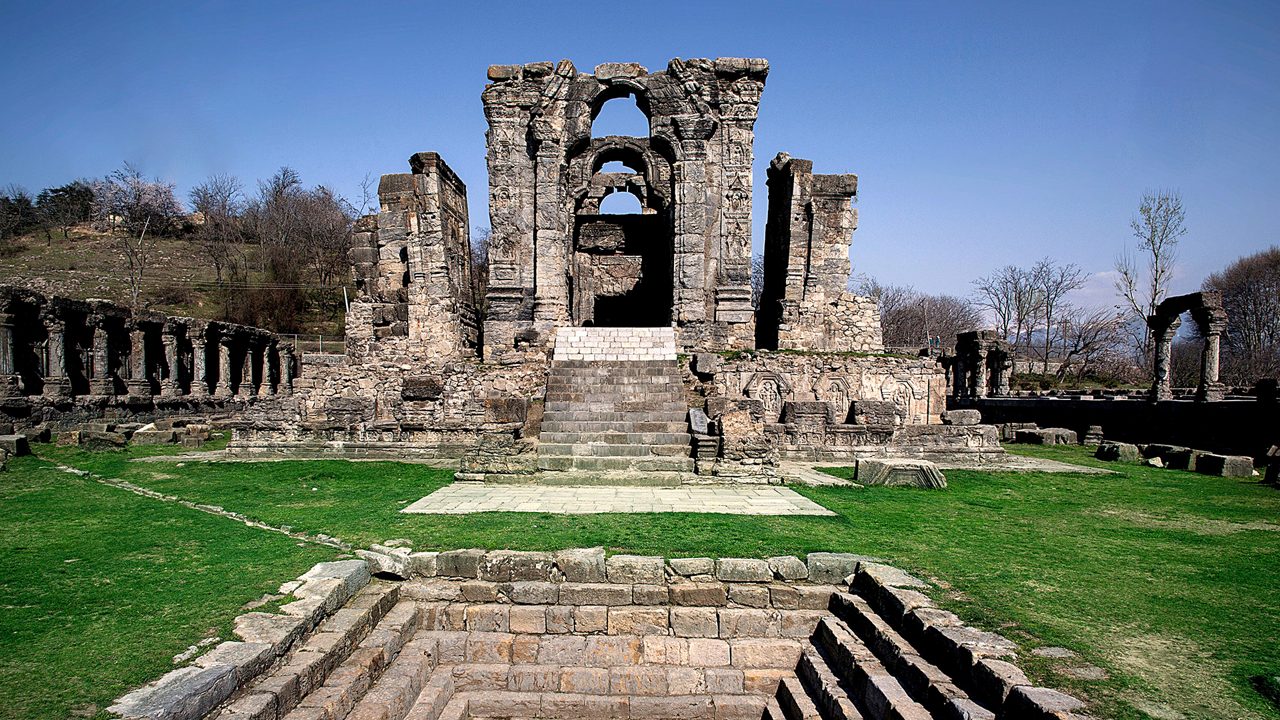
Martand Sun Temple is one of the most significant ancient temple ruins in Kashmir and among the most compelling heritage sites in northern India. Located near Anantnag, the temple stands on an elevated plateau with wide valley views, giving visitors both historical depth and visual drama. Even in its ruined state, the structure communicates the scale and architectural sophistication of early medieval Kashmir.
Travelers often visit Martand for photography, archaeology interest, or spiritual heritage context, but the site deserves slower exploration than a quick photo stop. The geometry of the ruined columns, the central shrine footprint, and the mountain-backed setting all tell the story of a once-grand Sun temple complex. If you are planning a wider route, pair this with Kashmir travel guide, nearby planning from best places to visit Kashmir, and local add-ons like Kokernag in Kashmir.
History of Martand Sun Temple
Martand Sun Temple is widely associated with King Lalitaditya Muktapida of the Karkota dynasty, and it is considered a major expression of Kashmir's early temple-building tradition. Historical accounts and archaeological interpretation connect the monument to a period of political and artistic expansion in the region. The temple was dedicated to Surya, the Sun deity, and appears to have been an important religious and ceremonial center in its time.
Over centuries, the monument suffered extensive damage and now survives as a monumental ruin. Despite that, the surviving plan and stone remains are substantial enough to communicate its original scale and structural ambition. Today it is recognized as a protected heritage site and remains a key reference point for understanding Kashmiri temple architecture and regional history.
| Historical Aspect | Key Context | Why It Matters |
|---|---|---|
| Dynastic era | Karkota period association | Links temple to Kashmir's cultural high phase |
| Primary deity | Sun worship tradition | Positions site in early Surya temple legacy |
| Current state | Ruins with major structural remains | High value for archaeology and heritage travel |
| Protection | Recognized historical monument | Supports long-term preservation efforts |
Architecture and Design Language
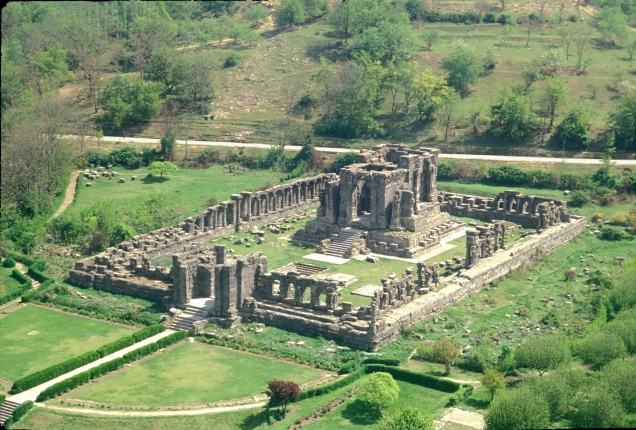
The architecture of Martand Sun Temple is one of the strongest reasons serious heritage travelers include it in Kashmir itineraries. The complex is known for its axial planning, elevated platform effect, and large courtyard-like organization. Even after centuries of damage, you can still read the monument's spatial hierarchy clearly: central sacred zone, perimeter structural rhythm, and commanding orientation toward the surrounding landscape.
The surviving column fragments and wall alignments suggest a monumental temple scheme with disciplined stone engineering. Scholars and travelers often discuss the blend of local Kashmiri style with broader classical influences in detailing and composition. Whether or not you are an architecture specialist, the site feels structurally powerful and distinct from many other temple ruins in the subcontinent.
What Still Stands Out
- Central sanctuary footprint: Helps visualize original ritual core.
- Perimeter column rhythm: Indicates former scale and symmetry.
- Raised setting: Creates dramatic visual authority across the valley.
- Stone craftsmanship: Reveals precision despite weathering and loss.
Ruins and On-Ground Experience
Martand is not a reconstructed monument; it is a ruin complex, and that is exactly what makes the experience meaningful. You walk through open-air remains where outlines, fragments, and surviving elevations combine into a strong sense of lost grandeur. For many visitors, the emotional impact comes from imagining the original temple form against the same mountains and sky visible today.
The site is generally best explored slowly. Instead of rushing to one photo angle, move around the perimeter and observe the layout from multiple points. Different positions reveal different relationships between the central remains, side alignments, and surrounding landscape. This is also one of the best ways to understand how architecture and terrain were intentionally linked.
Photography Notes
Morning and late afternoon light are usually best for texture and depth. The stone surface responds well to angled sunlight, making carvings and edges easier to capture. Wide shots work for scale; tighter frames work for detail and ruin geometry.
Religious and Cultural Significance
Martand Sun Temple holds deep religious-cultural importance as a major historical Sun temple of Kashmir. Even though active worship in the original medieval sense no longer defines the site today, its sacred identity remains central in collective memory and heritage discourse. For many visitors, it represents an important chapter of Kashmiri Hindu tradition and regional continuity.
The site also functions as a bridge between faith history and public heritage education. Travelers from different backgrounds visit it for archaeology, architecture, spiritual reflection, and historical learning. That layered meaning is part of what makes Martand unique in Kashmir's heritage landscape.
Best Time to Visit Martand Sun Temple
Martand can be visited in multiple seasons, but overall comfort and visibility vary. Spring through autumn generally offers easier movement and clearer views. Winter visits are possible but can be colder and less comfortable for longer outdoor exploration.
Spring and Early Summer
Pleasant weather and clearer daylight conditions make this a practical period for longer site walks and photography.
Autumn
Autumn light often improves visual contrast between ruins and landscape. It is a strong period for heritage-focused photography.
Winter
The setting can look dramatic, but low temperatures and shorter comfortable outdoor windows should be factored into planning.
| Season | Conditions | Visit Suitability |
|---|---|---|
| Spring to early summer | Pleasant and walkable | Best for first-time visitors |
| Autumn | Clear visuals and cool weather | Strong for heritage photography |
| Winter | Cold and variable comfort | Suitable with proper layering |
Timings, Entry, and Practical Information
Martand is usually approached as a daylight heritage visit. Exact operational details can vary by on-ground administration, local conditions, and seasonality. It is best to keep a flexible schedule and verify local access conditions while planning your day route in Kashmir.
Typical Visit Window
Most travelers allocate a morning-to-afternoon slot and keep 60 to 120 minutes at the site depending on interest level and photography pace.
Entry and Local Services
Heritage sites of this type may have basic visitor infrastructure rather than full museum-style amenities. Carry water, sun protection, and weather-appropriate layers.
How to Reach Martand Sun Temple
The temple is located near Anantnag and is commonly visited by road from Srinagar and nearby Kashmir towns. Private taxi and local vehicle arrangements are the most practical for flexible same-day travel.
From Srinagar
Srinagar to Martand is typically done by road with a route through south Kashmir corridors. Keep buffer time for traffic and road conditions.
From Anantnag Side
Anantnag is the nearest major town area for local approach. Many travelers combine Martand with surrounding attractions in a single circuit.
Route Planning Tip
Visit Martand earlier in the day, then continue to nearby nature or town points. This sequencing usually gives better light and smoother pacing.
Archaeological Importance and Conservation Reality
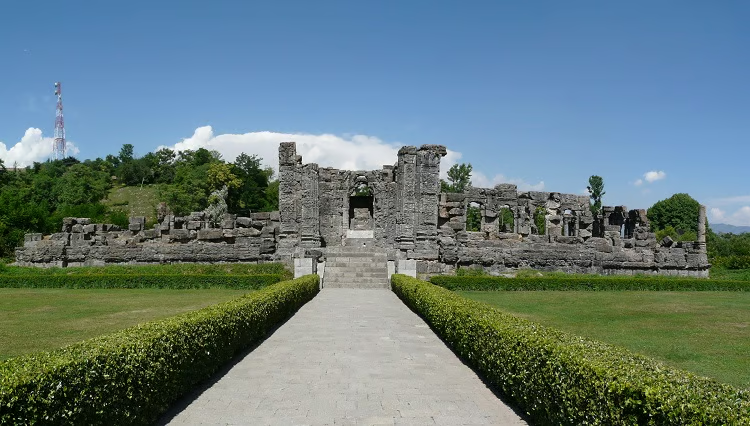
One of the most valuable parts of a Martand visit is understanding that this is an active heritage-conservation context, not a restored theme-like monument. The remaining structure helps researchers and heritage enthusiasts study early Kashmiri temple engineering, stone alignment systems, and regional stylistic transitions over time. Even fragmented remains contain important clues about scale, ritual directionality, and construction logic.
Visitors can support preservation simply by following designated movement paths and avoiding direct contact with fragile structural edges. Do not climb broken walls or stand on unstable stone elements for photos. Responsible tourism helps ensure the site remains accessible and interpretable for future generations.
Suggested Half-Day Heritage Plan
A practical half-day plan is to start from Srinagar or nearby base early, reach Martand in comfortable daylight, spend at least 90 minutes exploring the full ruin perimeter, then continue toward one nearby nature or town stop. This allows a balanced rhythm without crowding your route. Heritage sites are best experienced when you leave enough time for observation rather than checklist-style movement.
If your itinerary includes more than one historical stop on the same day, keep transit buffers and meal breaks realistic. Overpacked scheduling reduces attention quality at each location. Martand rewards slower pacing and repeated visual reading from different points in the complex.
Nearby Attractions to Combine
Martand works best as part of a regional day plan rather than a stand-alone long stop. Depending on your schedule, you can combine nearby locations for a balanced heritage-nature route.
Kokernag and Valley Add-ons
For a relaxed day, many travelers include Kokernag in Kashmir after Martand.
Broader Kashmir Circuits
If this is part of a larger trip, use best places to visit Kashmir to structure multi-day movement efficiently.
Heritage Context in Kashmir
You can compare Martand with other heritage experiences through Sun Temple Kashmir and region-specific architecture routes.
Travel Tips and Common Mistakes
- Do not rush: The site reveals more when explored from multiple angles.
- Carry essentials: Water, sun protection, and layered clothing are important.
- Respect heritage boundaries: Avoid climbing unstable sections for photos.
- Plan light windows: Morning/late afternoon usually offer better visuals.
- Add route buffer: Kashmir road movement may vary by day and season.
Final Takeaway
Martand Sun Temple Kashmir is one of the most important historical ruins in the region and a must-visit for travelers interested in architecture, heritage, and the deeper civilizational history of Kashmir. With thoughtful timing, practical transport planning, and respectful on-ground behavior, the visit can be both visually powerful and intellectually rewarding.
Location
Frequently Asked Questions
Q1.Where is Martand Sun Temple located?
Q2.What are the timings of Martand Sun Temple?
Q3.How far is Martand Sun Temple from Srinagar?
Q4.Who built Martand Sun Temple?
Q5.What is the history of Martand Temple?
Q6.What remains of Martand Sun Temple today?
Q7.Is there an entry fee for Martand Sun Temple?
Q8.What is the best time to visit Martand Sun Temple?
Recommended For You
Mughal Gardens Kashmir: Complete Guide to 5 Gardens
Explore Mughal Gardens in Srinagar - Shalimar, Nishat, Chashme Shahi & more. Timings, entry fee, best time & travel guide.
Apple Town of Kashmir: Complete Guide to Sopore's Famous Orchards
Discover Sopore, the apple town of Kashmir, with orchard highlights, best season to visit, and practical travel tips.
Kokernag Kashmir: Best Time, Gardens & Day Trip Plan
Complete Kokernag Kashmir travel guide with famous springs, botanical garden, trout fishing, how to reach from Srinagar, accommodation & best time to visit.
Never Miss an Adventure
Get the latest trekking guides, travel tips, and exclusive offers delivered straight to your inbox.
