
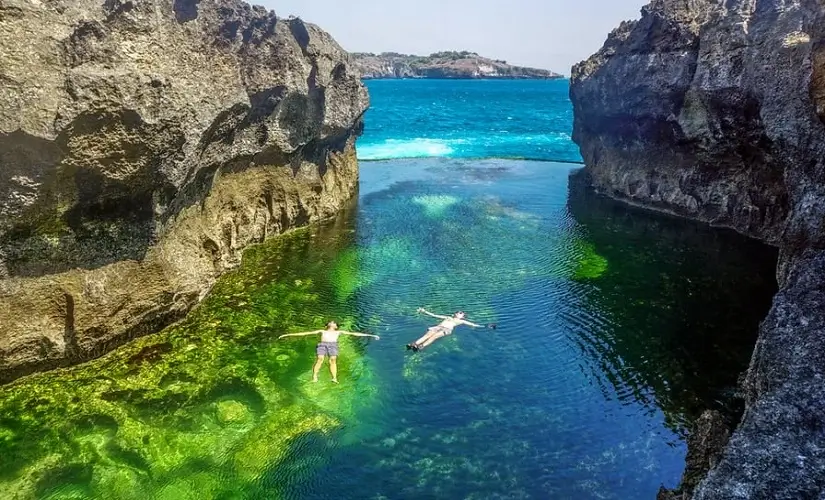
Angel's Billabong Nusa Penida: Route, Safety, Best Time
Rohit Verma
February 20, 2026
Plan Angel’s Billabong Nusa Penida with route logic, tide-aware safety guidance, nearby stop sequencing, and practical day-trip execution tips.
Introduction
Angel's Billabong Nusa Penida is one of the most photographed coastal stops in Bali-region itineraries, but it is also one of the most misunderstood. Many travelers arrive with social-media expectations and underestimate site safety dynamics, especially wave behavior and tide-dependent risk. The location can be visually stunning, but safe enjoyment depends on timing discipline, movement control, and realistic day planning.
If you are building a west-side Penida route, this stop is often paired with Broken Beach and then expanded toward other viewpoints. For itinerary context, combine this guide with Nusa Penida Island, regional planning from Bali travel guide, and beach sequencing ideas in Atuh Beach Bali. This article focuses on access, safety, best season logic, nearby stops, and day-trip execution quality.
What Makes Angel's Billabong Special
Angel’s Billabong is a natural rock-edge pool formation shaped by coastal erosion and exposed to the open ocean environment around Nusa Penida. In stable conditions, clear water and dramatic cliff texture create strong visual contrast that attracts photographers and day-tour groups. The visual appeal is highest when light, water clarity, and crowd flow align.
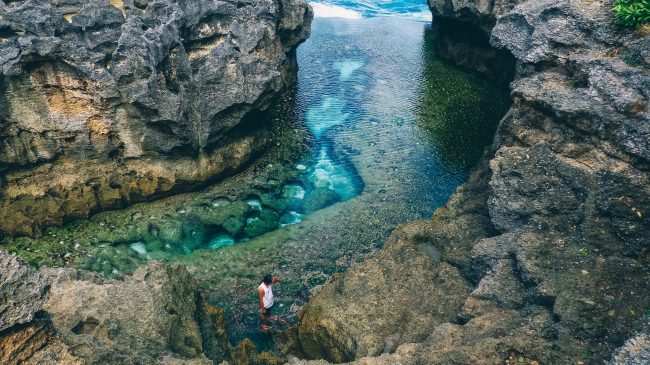
What makes the spot unique is not only the pool itself but the surrounding geological frame. The transition between shallow-looking rock sections and abrupt ocean force zones is immediate, and this contrast explains both the beauty and the risk profile of the site.
Treat the location as a controlled viewpoint first and a water-access zone only when conditions and local advisories clearly support it. A conservative approach is the best way to preserve both safety and experience quality.
How to Reach Nusa Penida and the Spot
Most travelers begin in Bali, cross by fast boat to Nusa Penida, and continue by road to west-side attractions including Angel’s Billabong. Transfer reliability depends on weather, sea conditions, and departure punctuality. Build realistic buffers into both outbound and return segments because delays can cascade quickly.
Within Penida, road sections may vary in quality and travel pace. Use experienced local drivers when possible, especially if you are unfamiliar with island routes. Self-riding can be done by confident riders, but road condition changes and traffic patterns make it unsuitable for many first-time visitors.
If your return boat is fixed, lock a hard turnaround time for the final sightseeing stop. Missing the return transfer is one of the most avoidable planning failures in Penida day trips.
| Segment | Typical Approach | Planning Priority |
|---|---|---|
| Bali to Penida | Fast boat from common departure points | Check weather, reporting time, return slot |
| Harbor to West Route | Private driver or local transport | Road-time buffer and route sequencing |
| Angel's Billabong Stop | Short walk to viewpoint zones | Safety-first movement and crowd awareness |
Safety Advisory and Tide Considerations
Safety is the most important planning layer for Angel’s Billabong. Ocean surges can be sudden and stronger than they appear from photo angles. Always follow local warnings and avoid entering water zones when tide or wave conditions are uncertain. Even when water appears calm for short periods, conditions can change rapidly.
Use non-slip footwear and keep your center of movement low and controlled near wet rock surfaces. Avoid risky edge poses for photos, especially during crowd pressure moments when people may move unpredictably around you. If one section feels unstable, step back and choose a safer viewing point.
Families with children should maintain close supervision and avoid unnecessary movement near exposed edges. Group leaders should set simple rules before approaching the viewpoint: no running, no overtaking on narrow steps, and no unsafe selfie positioning.
Best Time to Visit
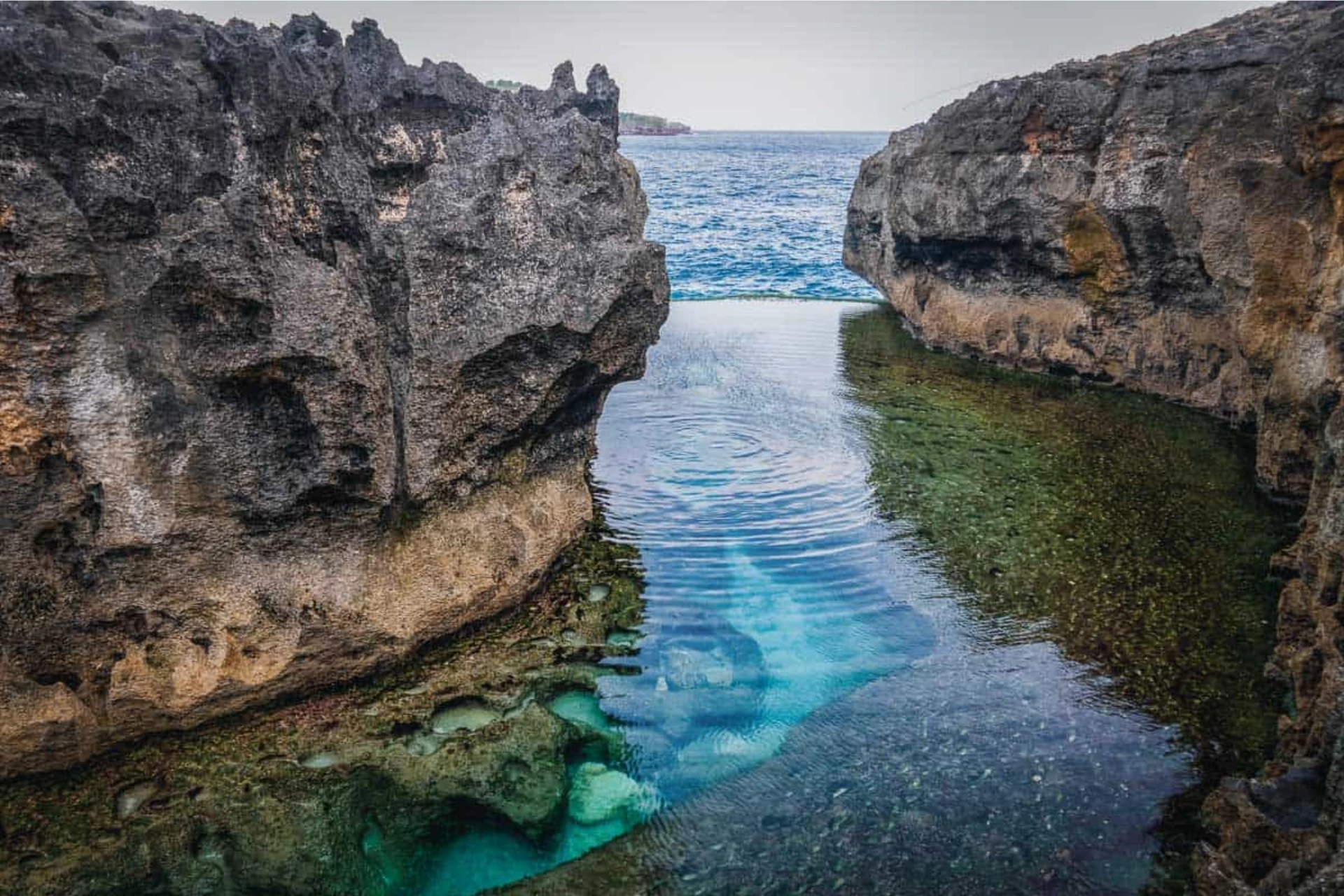
Dry-season windows are often preferred for visibility and route reliability, but day-level timing matters more than seasonal labels alone. Morning entry generally provides better movement conditions and can reduce crowd stress at narrow viewpoints. Late peak windows can become busy, increasing wait times and reducing photo flexibility.
If your plan includes multiple west Penida stops, begin early and keep your site sequence short. Rushed late-day attempts to cover too many points usually create poor decisions, especially when return boat deadlines are near.
Cloud cover and light angle influence visual quality at the site. For balanced photography and safer pacing, prioritize conditions where you can move calmly and still retain adequate natural light.
Nearby Attractions (Broken Beach, Kelingking and Route Logic)
Angel’s Billabong is commonly paired with Broken Beach due to proximity and route efficiency. This combination works well for most day trips because transfer time between the two is manageable. Kelingking can also be included, but only if your schedule and energy can support added movement without compromising return timing.
The correct strategy is to choose one anchor scenic stop and two supporting points. Trying to force four or five major viewpoints into a single day increases fatigue and reduces safety margins. Penida routes reward selective depth, not checklist speed.
If photography is your priority, allocate more time at fewer spots and reduce transit churn. If first-time coverage is your goal, keep each stop time-boxed and follow a strict turnaround plan.
Day-Trip Itinerary Tips
Start with transfer certainty. Confirm boat schedule, meeting point, and return policy before departure day. On arrival, brief your driver on the exact order of stops and your final return deadline. Clear communication early prevents route confusion later.
Carry light essentials: water, sun layer, grip footwear, power bank, and minimal baggage. Penida day trips involve repeated transitions between vehicle and viewpoint paths, so mobility matters more than carrying extra items.
Budget should include hidden variables: harbor transfers, local entry fees where applicable, snacks, and contingency spend for schedule changes. Keep a small reserve for flexibility rather than running a zero-buffer budget.
Extended Execution Layer for Safer High-Quality Visits
Strong Penida trips follow a risk-aware framework: verify conditions, prioritize anchor stop, and protect return certainty. Condition verification includes weather, sea state, and road practicality. Anchor prioritization ensures one meaningful highlight even if delays occur. Return certainty prevents end-of-day panic and missed transfers.
Use a decision ladder for each stop. First question: is movement safe right now? Second question: does this stop still fit timeline? Third question: does energy level support one more transfer? If any answer is no, skip the next optional stop. Controlled reduction is better than forced completion.
In group travel, designate roles: one person tracks time, one tracks route communication, one tracks safety checks before movement. This removes ambiguity and helps everyone align under changing conditions.
Financially, spend for reliability. Experienced drivers, punctual transfers, and clear communication usually improve outcomes more than impulse upgrades. Avoid adding low-value detours once your return window tightens.
Finally, end with a short review: what made the day smooth, where pressure increased, and what to change for future island trips. This reflection improves all subsequent coastal itineraries and builds safer travel habits.
Entry Fees, Timing, and On-Ground Flow
Travelers often ask if Angel's Billabong has a separate ticket. In practice, fee structures in Nusa Penida can be linked to area access, parking, or local checkpoint collection depending on current local arrangements. The safest approach is to carry small cash change and confirm site-level charges on the day through your driver or local coordinator.
Beyond fees, timing flow matters more than many visitors expect. At busy hours, short walking sections can become congested, and quick photo attempts near exposed edges become unsafe. Build a patient viewing flow: first safety scan, then movement, then photography. This reduces crowd-pressure mistakes and helps you enjoy the stop properly.
| Planning Element | What to Do | Why It Helps |
|---|---|---|
| Local fees | Carry small cash and verify at entry points | Faster movement, fewer payment delays |
| Visit window | Prioritize morning or controlled mid-window | Lower crowd stress and better pacing |
| Stop duration | 30-60 minutes with safety-first behavior | Enough for views without route overrun |
| Return deadline | Set hard cut-off before final stop | Prevents missed fast-boat risk |
Photography Without Risky Positioning
Angel's Billabong is visually striking, but image quality should never come from unsafe edge behavior. Use stable stance points and wider angles instead of leaning near wet cliff edges. If surface grip feels uncertain, step back and reframe. Better composition from safe positions usually outperforms rushed close-edge shots.
For creators and group travelers, assign one person to monitor movement space while others shoot. This small coordination habit prevents accidental collisions on narrow paths and keeps your group safer during peak crowd windows.
Family and Mixed-Group Suitability
Families can include Angel's Billabong in a west Penida itinerary if supervision is strict and movement is conservative. Keep children hand-held near exposed zones and avoid wet edge areas entirely. Seniors or low-mobility travelers may still enjoy the viewpoint with shorter walking segments, provided timing avoids crowd bottlenecks.
Mixed groups work best when activity expectations are pre-aligned: one scenic anchor stop, one nearby supporting stop, and one optional segment based on energy. Overloading scenic points usually increases stress and decreases experience quality.
One-Day vs Overnight Penida Planning
One-day model: works for travelers with disciplined fast-boat schedules and clear route sequence. Keep stop count limited and return buffer strong.
Overnight model: better for relaxed pacing, sunrise/sunset flexibility, and lower transfer pressure.
If you are also covering east-side highlights, overnight usually provides better safety and lower fatigue. For broader Bali-region sequencing, combine this stop logically with existing route anchors instead of chasing maximum viewpoint count in one day.
It also helps to read up on Nusa Penida Island before you finalize your plans. Many visitors combine this with Atuh Beach Bali while in the region. For more on the area, check out our guide to Bali. If you're extending this trip, Suluban Beach Bali is worth adding to your plan.
Location
Frequently Asked Questions
Q1.Where is Angel's Billabong located?
Q2.Is it safe to swim at Angel's Billabong?
Q3.What is the best time to visit Angel's Billabong?
Q4.Can Angel's Billabong and Broken Beach be covered together?
Q5.How do I reach Nusa Penida from Bali?
Q6.Is there an entry fee for Angel's Billabong?
Q7.How much time is needed for this stop?
Q8.Is this spot suitable for families?
Recommended For You
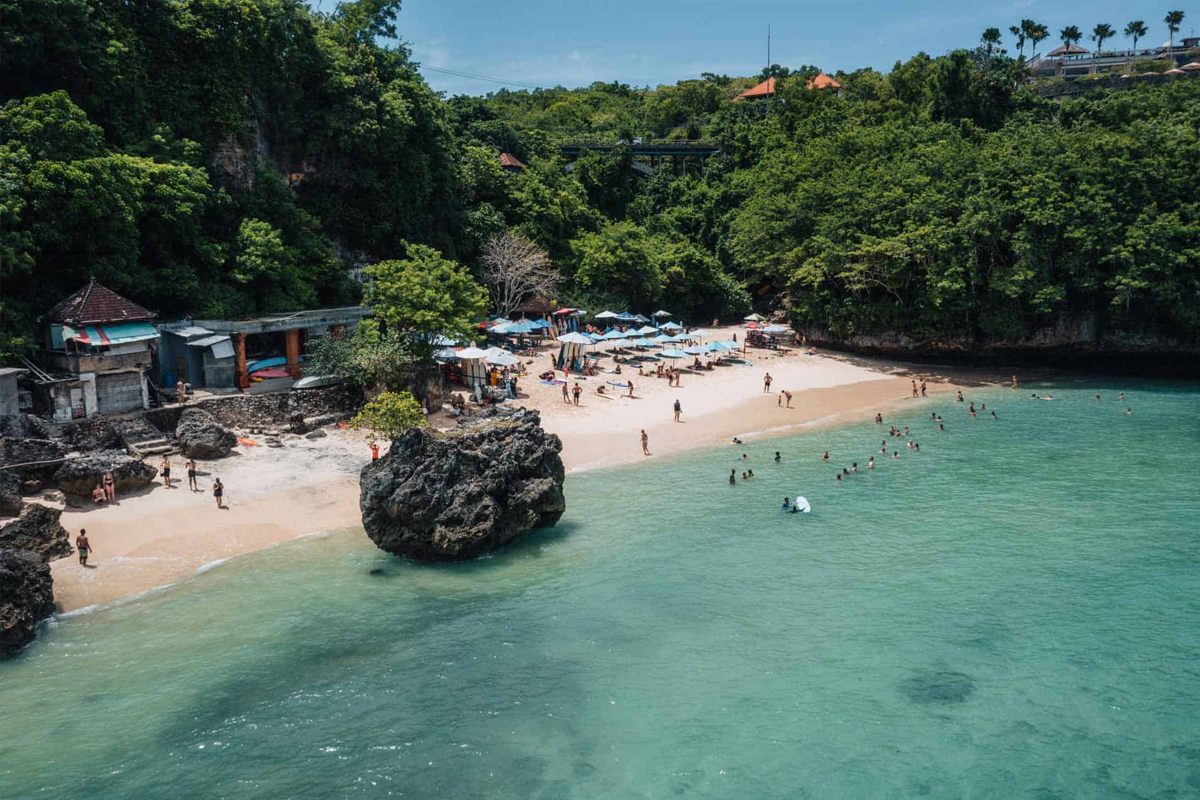
Padang Padang Beach Bali: Surf Conditions, Entry & Visitor Tips
Complete Padang Padang Beach Bali guide with world-class surfing, Eat Pray Love fame, entrance fee, how to reach, best time & practical tips.
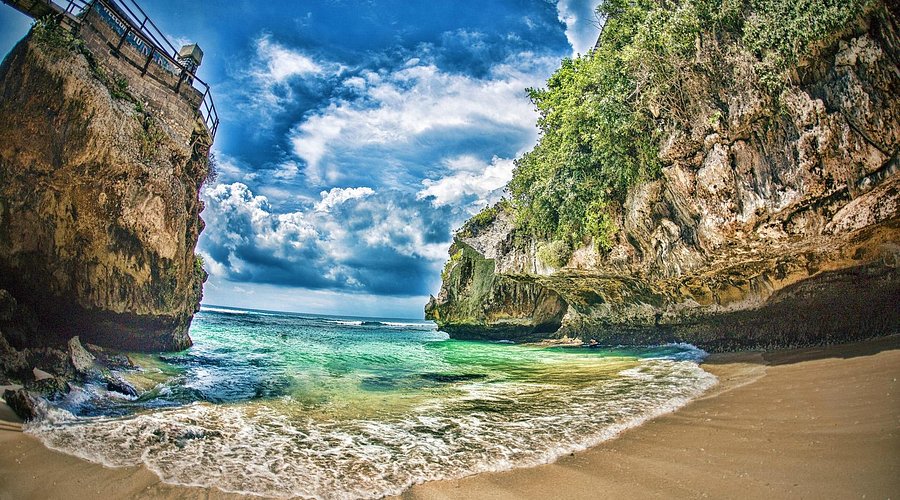
Suluban Beach Bali: Surf Access, Tides & Cave Beach Entry
Plan Suluban Beach Bali with tide checks, access tips, and surf-zone awareness for a safer coastal visit.
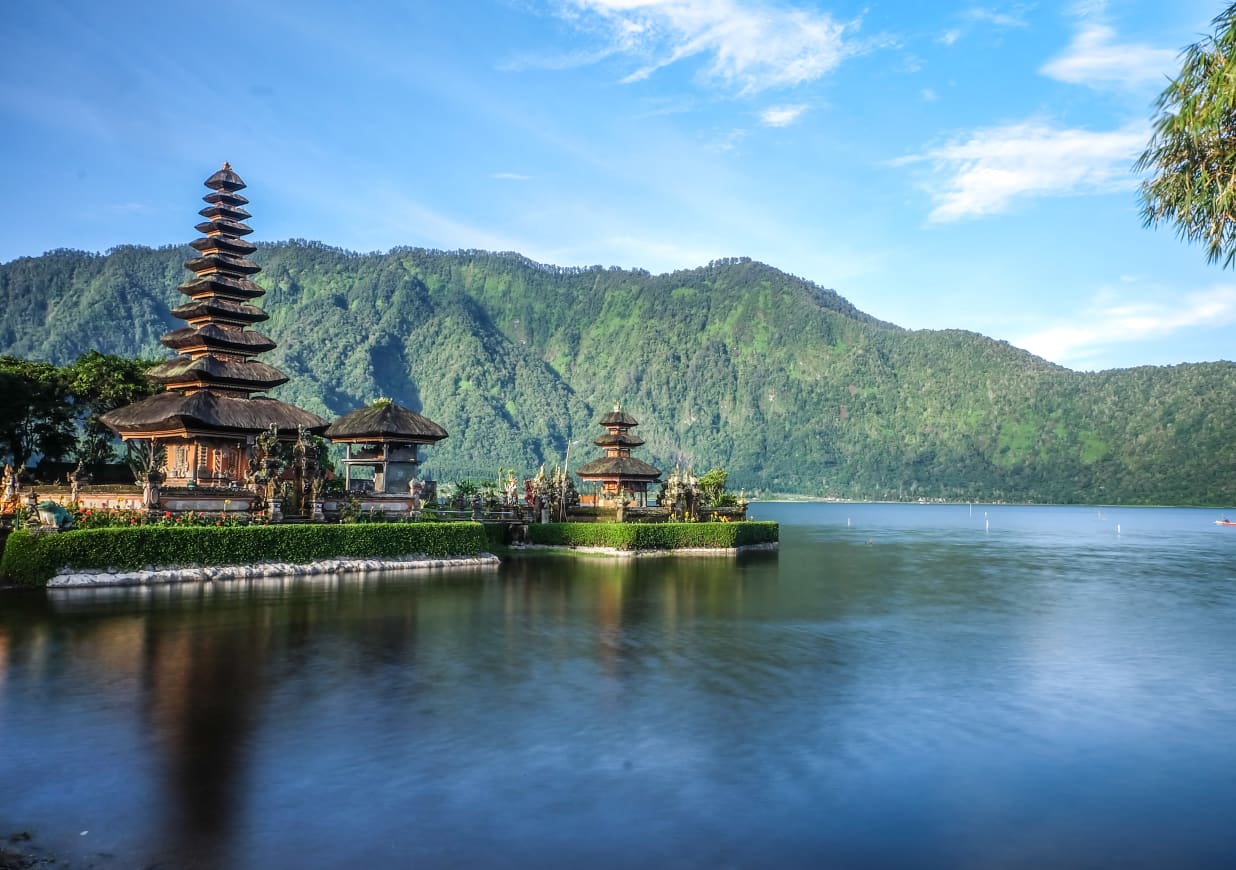
Bali Indonesia: Best Time To Visit And Things To Do
Essential Bali travel tips covering visa, transport, SIM cards, currency, temple etiquette, bargaining, safety, best areas, beach safety, scooter rental, food safety and cultural respect.
Never Miss an Adventure
Get the latest trekking guides, travel tips, and exclusive offers delivered straight to your inbox.
