
Atuh Beach Bali: Cliff Views, Access Route & Visit Timing

Rohan Malhotra
February 19, 2026
Discover Atuh Beach Bali, a hidden paradise on Nusa Penida with dramatic cliffs, turquoise waters, white sand, and Instagram-worthy rock formations.
Introduction
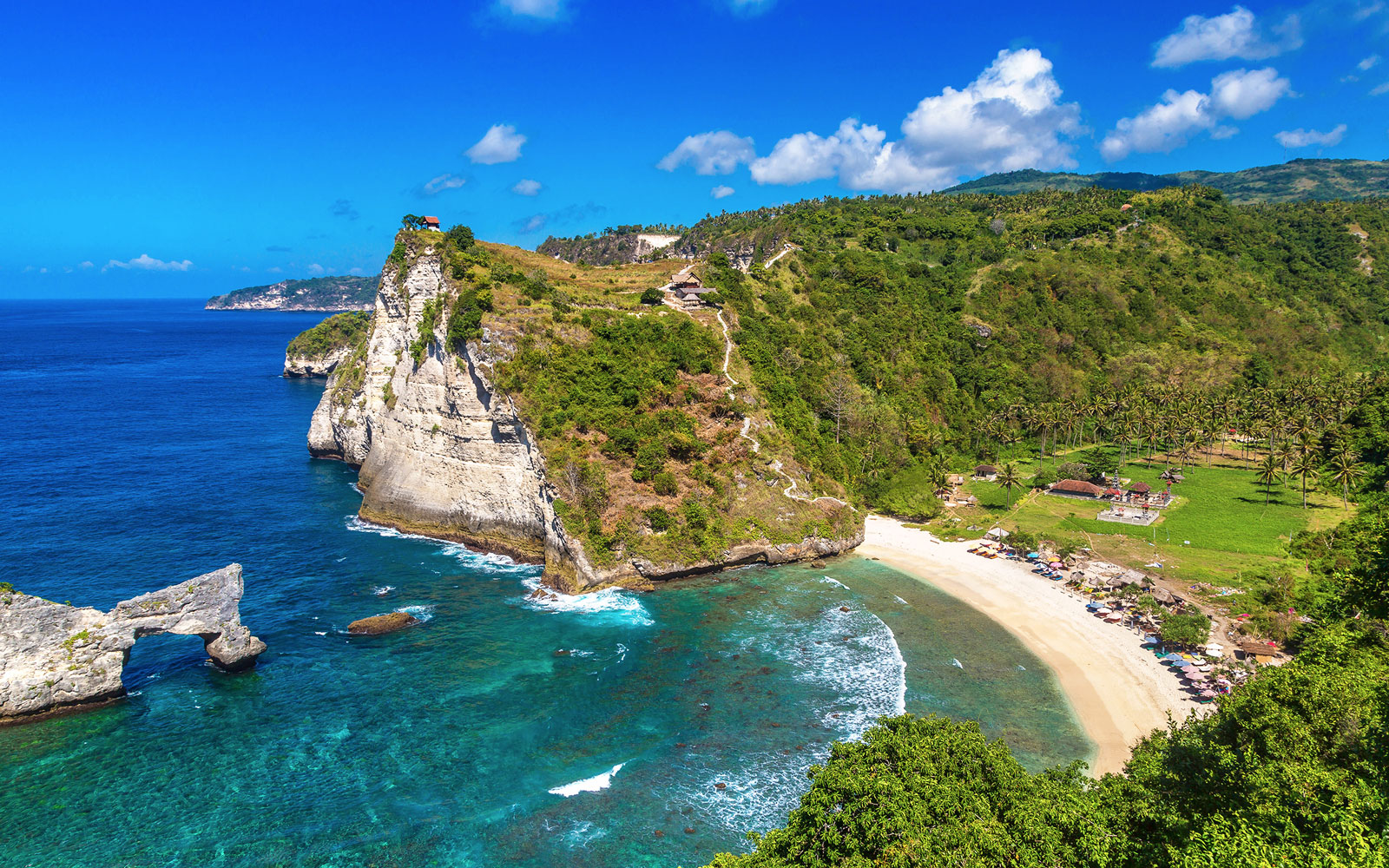
Atuh Beach Bali represents one of Nusa Penida's most spectacular hidden gems, a pristine stretch of white sand framed by towering limestone cliffs and turquoise waters that seem almost unreal in their intensity. This remote beach on the southeastern coast of Nusa Penida has gained fame among adventurous travelers seeking Bali's untouched coastal beauty away from the crowded shores of the mainland.
What makes Atuh Beach truly extraordinary is its dramatic setting. The beach sits beneath massive cliff formations that create a natural amphitheater, with rock formations rising dramatically from the crystal-clear Indian Ocean. The journey to reach Atuh is an adventure in itself, involving winding roads through Nusa Penida's rugged terrain and a final descent down steep stairs to the paradise below.
This comprehensive guide covers everything you need to know about visiting Atuh Beach, from reaching this remote paradise from Sanur to understanding swimming conditions, discovering nearby attractions, and capturing those perfect Instagram moments. Pair this adventure with Kelingking Beach and Angel's Billabong for the ultimate Nusa Penida experience.
Why Atuh Beach Captivates Travelers
The raw, untouched beauty of Atuh Beach hits you the moment you complete the final stair descent and step onto its powdery white sand. Unlike many of Bali's more accessible beaches, Atuh has maintained its pristine character, largely due to its remote location on Nusa Penida island. The beach is relatively small but incredibly scenic, with calm turquoise waters contrasting against dark limestone cliffs and vibrant green vegetation clinging to the rock faces.
The geological formations surrounding Atuh Beach are genuinely remarkable. Massive rock pillars rise from the ocean just offshore, creating a dramatic seascape that photographers dream about. These formations, combined with the cliffs framing the beach, create a natural sanctuary that feels completely removed from the modern world. The water color ranges from pale turquoise near shore to deep blue further out, creating a stunning gradient that changes with the light throughout the day.
What truly sets Atuh apart is the sense of discovery that comes with reaching it. This isn't a beach you stumble upon accidentally; it requires planning, effort, and determination to visit. This natural filtering means that while Atuh has gained popularity, it never feels overrun like some of Bali's mainland beaches. The visitors who make the journey are genuinely appreciative of the experience, creating a respectful and appreciative atmosphere.
| Experience Element | What to Expect | Best Time |
|---|---|---|
| Beach Conditions | White sand, calm turquoise water | Morning for smoothest conditions |
| Photography | Dramatic cliffs, rock formations | Golden hour for best light |
| Swimming | Calm areas, some currents | Low tide, calm weather days |
| Crowds | Moderate, respectful travelers | Weekday mornings are quietest |
Location on Nusa Penida's Southeastern Coast
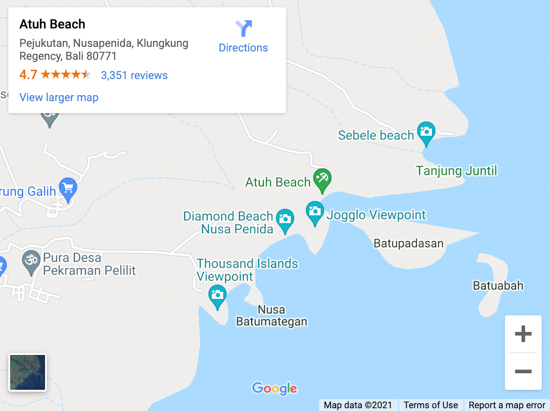
Atuh Beach occupies a privileged position on Nusa Penida's southeastern tip, in the region known as Pejukutan. This area represents some of the island's most dramatic coastal scenery, with cliffs plunging directly into the ocean and hidden beaches tucked into small coves. The remote location is precisely what has preserved Atuh's natural beauty, protecting it from mass development while making it a must-visit destination for those willing to make the journey.
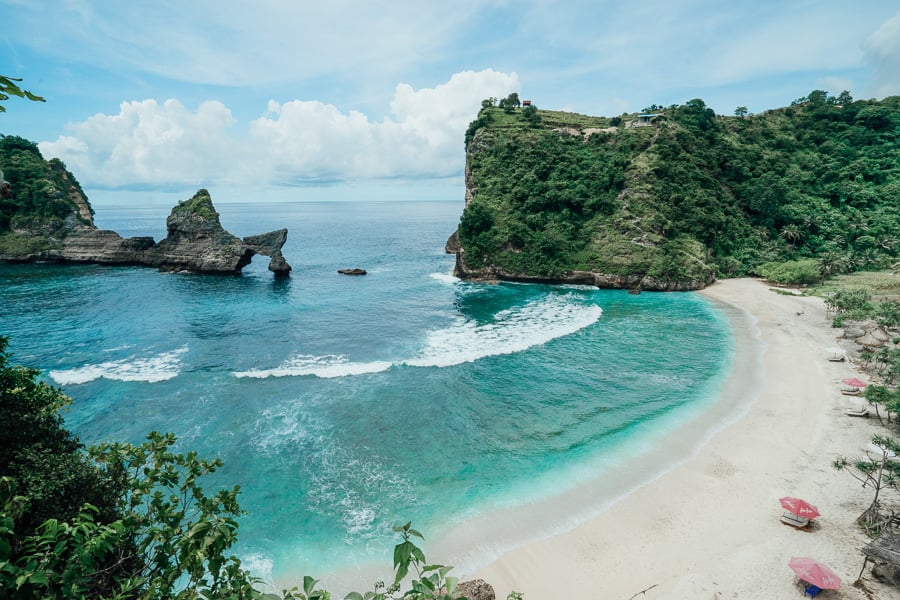
The beach sits at the base of steep cliffs that rise dramatically from the shoreline, creating a natural bowl that shelters the sand from the strongest ocean swells. This geographical positioning is what gives Atuh its characteristic calm waters, making it one of the more swimmable beaches on Nusa Penida's otherwise wild coastline. The surrounding cliffs are covered in lush vegetation, with small shrubs and trees somehow finding purchase in the rocky terrain.
From the beach, you can see several small rocky islands just offshore, including the distinctive batu molenteng rock formation that has become one of Atuh's most photographed features. These islets add to the beach's isolated atmosphere and create a stunning backdrop for photos. On clear days, the views extend across the Badung Strait toward Bali's mainland, with Mount Agung sometimes visible on the horizon.
The region around Atuh Beach remains predominantly rural, with small villages clinging to the cliffs and traditional farming continuing on the plateau above. This agricultural and fishing community has maintained its traditional way of life despite growing tourism, adding cultural authenticity to the natural beauty of the area.
Rocky Coastline and Dramatic Cliff Formations
The geological drama of Atuh Beach begins before you even reach the sand. The access road follows Nusa Penida's rugged coastline, offering breathtaking views of limestone cliffs dropping straight into the ocean. These cliffs, carved by millions of years of wave action and tectonic activity, create a landscape that feels almost otherworldly in its stark beauty.
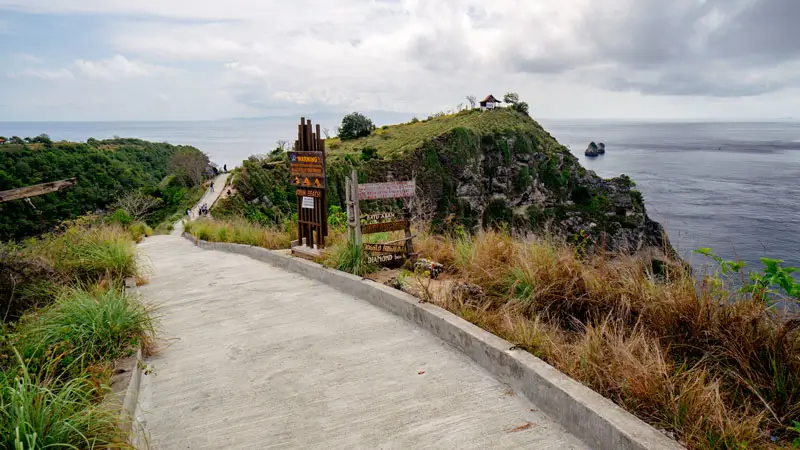
The descent to Atuh Beach involves navigating a steep staircase carved into the cliff face. This journey takes you through different layers of rock, revealing the geological history of the region in the strata visible in the cliff walls. The stairs, while well-maintained, require careful footing and can be challenging for those with mobility issues. However, the effort is rewarded with increasingly spectacular views as you descend toward the beach.
Once on the beach, the scale of the surrounding cliffs becomes even more apparent. Towering rock walls rise on both sides, creating a natural amphitheater that focuses your attention on the beautiful bay. The contrast between the white sand, turquoise water, dark limestone cliffs, and green vegetation creates a visual palette that seems almost too perfect to be real.
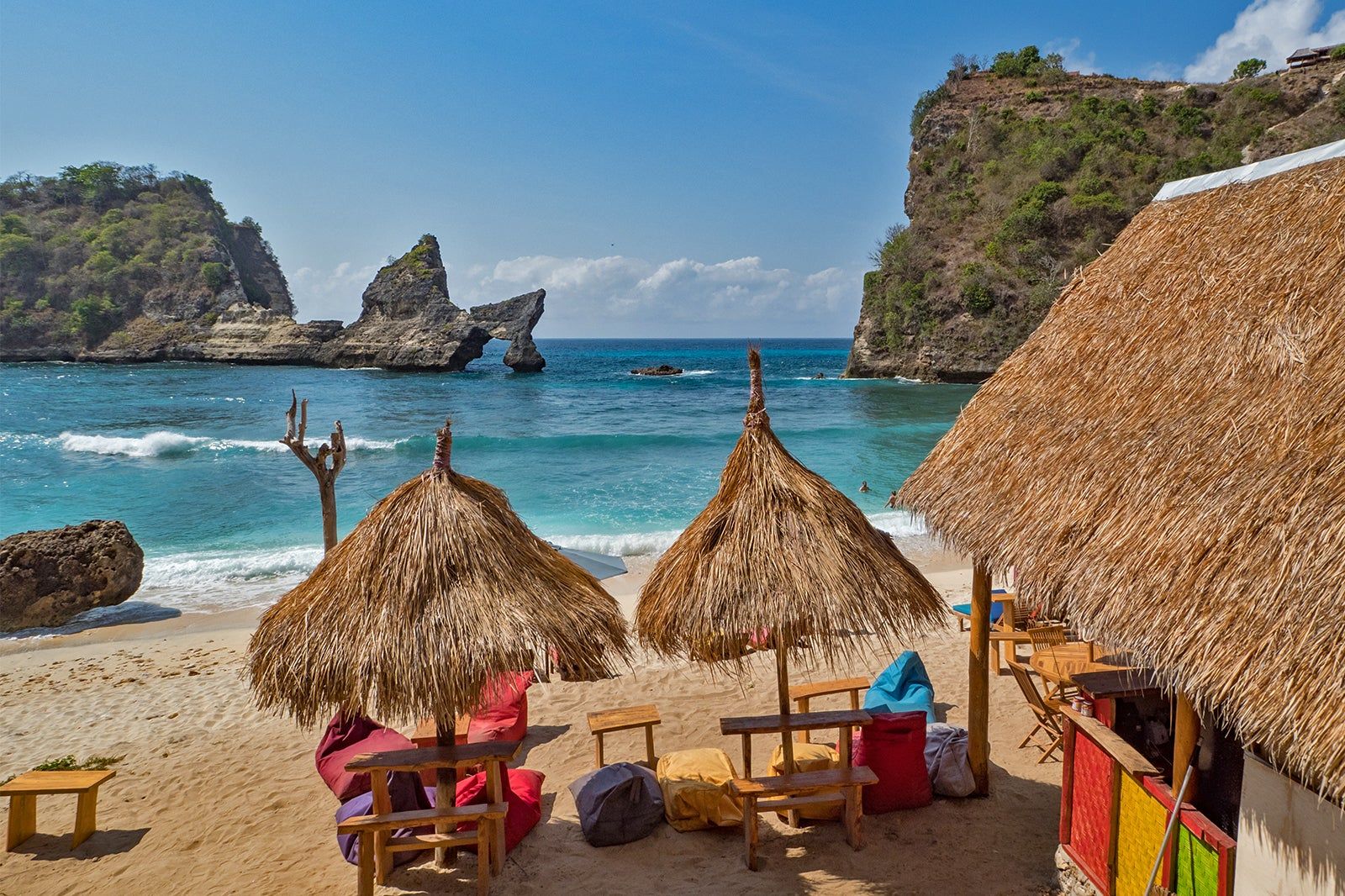
The most famous rock formation at Atuh is the batu molenteng, a towering pillar that rises from the ocean just offshore. This formation has become an Instagram icon, with photographers lining up to capture the perfect shot of the rock against the backdrop of turquoise water and cliffs. At low tide, you can sometimes walk out to explore the base of these formations and discover small tide pools teeming with marine life.
Swimming Conditions and Safety Considerations
Swimming at Atuh Beach can be a wonderful experience, but it requires careful attention to conditions and respect for the ocean's power. While the bay is relatively protected, this is still the open Indian Ocean, and conditions can change quickly. Understanding when and where it's safe to swim is essential for a enjoyable visit.
The beach has two main swimming areas. The central section of the beach typically offers the calmest conditions, with a sandy bottom and gentle slope into the water. This area is usually suitable for confident swimmers during good weather, though waves can still pick up depending on the swell. The water near the rocky outcrops on either side of the beach should be avoided for swimming due to stronger currents and hidden rocks.
Weather and swell conditions are the most important factors to consider. During calm weather, particularly from April to October, the bay is often placid and perfect for swimming. However, during the rainy season or when there's a strong swell running, currents can develop even in this protected bay. Always take time to observe the water conditions before entering, and if in doubt, stay out.
Tide awareness is also important. At high tide, the sandy beach area shrinks significantly, and water comes right up to the base of the cliffs. Low tide reveals more sand and exposes some interesting rock formations, but also creates shallower water that might be less appealing for swimming. The mid-tide period often offers the best combination of beach space and swimming depth.
Safety guidelines for Atuh Beach include never swimming alone, staying within the designated safe areas, and being cautious about currents even in calm conditions. There are no lifeguards at Atuh, so you're responsible for your own safety. If you're not a confident swimmer, it's perfectly fine to simply wade in the shallow water or relax on the beautiful sand. Children should always be closely supervised, as conditions can change quickly.
The water temperature at Atuh is comfortably warm year-round, typically around 27-29°C, making it pleasant for swimming without a wetsuit. However, the combination of sun and salt can be dehydrating, so make sure to drink plenty of water and take breaks from the sun. Snorkeling can be good around the rocky areas, but be extremely cautious of currents and never turn your back on the ocean.
Atuh Beach Club and Dining Options
While Atuh Beach retains its natural character, a beach club has opened on the cliff above, offering amenities and dining options for visitors who want more than just a beach experience. The Atuh Beach Club provides a comfortable base from which to enjoy the area, with stunning views, food and drinks, and facilities that make it easier to spend a full day in this remote location.
The beach club occupies a prime position on the cliff edge, offering panoramic views of the beach and ocean below. This elevated perspective gives you a completely different appreciation of Atuh's beauty, allowing you to see the full sweep of the bay and the relationship between the beach, cliffs, and offshore islands. It's an excellent spot for photography, particularly during golden hour when the light transforms the landscape.
Dining options at the beach club include both Indonesian and international cuisine. Fresh seafood is a specialty, caught by local fishermen and prepared simply to let the quality shine through. Indonesian classics like nasi goreng (fried rice) and mie goreng (fried noodles) are available, along with fresh fruit juices, cold drinks, and coffee. The prices are higher than on mainland Bali due to the remote location and the logistics of transporting supplies to Nusa Penida.
Facilities include restrooms, showers, and comfortable seating areas. These amenities make it possible to spend a full day at Atuh without discomfort, particularly important if you're traveling with family or prefer not to rough it. The beach club also rents sun loungers and umbrellas, allowing you to relax in comfort between beach sessions.
It's worth noting that the beach club's presence doesn't detract from Atuh's natural beauty. The development has been done relatively sensitively, and the beach itself remains free of commercial structures. You can easily ignore the beach club if you prefer a completely natural experience, bringing your own food and water and enjoying the beach in its pure state.
For those wanting to support the local community, there are also small warungs (basic eateries) run by local villagers near the parking area at the top of the cliff. These simple establishments offer basic Indonesian food at very reasonable prices, and eating there is a great way to contribute directly to the local economy.
Instagram Photo Spots and Photography Tips
Atuh Beach has become one of Nusa Penida's most Instagrammed locations, and for good reason. The combination of dramatic cliffs, turquoise water, white sand, and unique rock formations creates endless opportunities for stunning photographs. Whether you're shooting with a professional camera or just your phone, Atuh delivers frame-worthy images at every turn.
The classic Atuh shot captures the view from the middle of the beach toward the batu molenteng rock formation. This composition includes the white sand beach in the foreground, the turquoise water, the towering rock pillar, and the cliffs framing the scene. This perspective works best during the golden hours shortly after sunrise or before sunset when the light is soft and warm. Midday sun can be harsh, creating strong shadows that make capturing the full dynamic range difficult.
Cliff perspective shots from above the beach are equally spectacular. The stairs leading down to the beach create a leading line that draws the eye through the frame, while the elevated position shows the relationship between beach, cliffs, and ocean. These shots are particularly effective if you can include a person for scale, demonstrating the massive size of the cliffs and the tiny humans who come to admire them.
Drone photography is popular at Atuh, and the aerial perspective reveals the full beauty of the bay. From above, you can appreciate the circular arrangement of cliffs around the beach, the varying shades of turquoise in the water, and the dramatic way the limestone formations rise from the ocean. However, be aware that drone use may be restricted during certain times, and always fly responsibly, respecting other visitors' peace and quiet.
Beach detail shots can be just as compelling as the grand landscapes. Close-ups of wave patterns on the sand, small shells washed up on the shore, or the texture of weathered rocks tell the story of Atuh on an intimate scale. These macro shots often work well in the harsh midday light when landscape photography is challenging.
For the best results, bring a polarizing filter to cut glare from the water and enhance the turquoise colors. A wide-angle lens is essential for capturing the scale of the cliffs, while a telephoto lens can help compress the perspective and make the offshore rock formations appear closer to the beach. Most importantly, take time to simply enjoy the view with your eyes, not just through a lens.
How to Reach Atuh Beach from Sanur
Reaching Atuh Beach is a journey that requires planning and involves multiple stages, but the reward makes every step worthwhile. Most travelers begin their adventure from Sanur Beach on Bali's mainland, which serves as the primary departure point for Nusa Penida. Understanding the logistics of this journey helps you plan your time and budget effectively.
Step 1: Ferry from Sanur to Nusa Penida
The journey begins with a fast boat ferry from Sanur Beach to Nusa Penida. Multiple companies operate this route, with boats departing throughout the morning. The crossing takes approximately 30-45 minutes depending on sea conditions and which harbor you're heading to on Nusa Penida. Most boats to Nusa Penida arrive at Toyapakeh Harbor in the northwest of the island, though some services go to Banjar Nyuh harbor.
Book your ferry tickets in advance during peak season, as boats can fill up. The earliest ferries typically depart around 7:30 AM, and catching one of these gives you the best chance of reaching Atuh Beach before the crowds arrive. Ferry tickets cost approximately 200,000-300,000 IDR ($15-20) for a round trip. Be prepared for potentially rough conditions during the crossing, particularly if you're prone to seasickness.
Step 2: Transportation across Nusa Penida
Once you arrive at Nusa Penida, you'll need to travel to the southeastern side of the island where Atuh Beach is located. The journey from the harbor to Atuh takes approximately 45-60 minutes by scooter or 60-75 minutes by car, depending on road conditions and your chosen route. The roads on Nusa Penida are improving but can still be challenging, with steep sections, sharp turns, and varying surface quality.
You have several options for this transportation. Renting a scooter gives you maximum flexibility and costs approximately 75,000-100,000 IDR ($5-7) per day, but only choose this option if you're an experienced rider comfortable with challenging road conditions. Hiring a private car with driver costs approximately 500,000-700,000 IDR ($35-50) for the day and includes pickup from the harbor, transportation to Atuh and other sites, and return to your hotel or the ferry terminal.
Step 3: Final approach to Atuh Beach
The final leg of the journey involves driving to the parking area at the top of the cliffs above Atuh Beach. From there, you'll descend the stairs to the beach itself. The walk takes approximately 10-15 minutes and requires moderate fitness due to the steepness of the stairs. Wear proper footwear with good grip, as the stairs can be slippery, particularly if it has rained recently.
Many visitors combine Atuh Beach with other Nusa Penida attractions in a single day trip. Popular combinations include Kelingking Beach, Angel's Billabong, and Crystal Bay. However, this makes for a very long day, and you'll spend considerable time driving between locations. For a more relaxed experience, consider staying overnight on Nusa Penida and spreading your sightseeing over two days.
Best Time to Visit Atuh Beach
Timing your visit to Atuh Beach carefully can significantly impact your experience. Nusa Penida's weather patterns are somewhat different from mainland Bali, and understanding these patterns helps you choose the optimal time for your visit. Additionally, tide and crowd levels vary throughout the day, affecting both the beach's appearance and your enjoyment.
Dry season (April to October) generally offers the best conditions for visiting Atuh Beach. During these months, rainfall is minimal, seas are calmer, and visibility is excellent for photography. August and September are particularly beautiful, with the ocean at its calmest and clearest. However, these are also the busiest months, so expect to share the beach with more visitors.
Wet season (November to March) brings more rainfall to Nusa Penida, though less than mainland Bali. While the rain typically comes in short, intense bursts, it can make the road conditions more challenging and create rougher sea conditions. However, visiting during the wet season means fewer crowds and a more contemplative experience. If you visit during these months, build extra buffer time into your transportation plans in case rain delays your journey.
Time of day significantly affects your Atuh Beach experience. Early morning visits (arriving by 8-9 AM) offer the calmest conditions for swimming, the best light for photography, and the smallest crowds. The ocean is often glassy in the morning, creating perfect reflections of the cliffs and rock formations. As the day progresses, winds typically pick up, creating some chop on the water and potentially affecting swimming conditions.
Tide timing is another consideration. Low tide reveals more beach area and creates interesting tide pools around the rocky formations, but can also make swimming less appealing due to shallow water. High tide brings the water right up to the cliffs, reducing the sandy area but creating deeper water for swimming. Mid-tide often offers a good compromise, with adequate beach space and sufficient water depth for comfortable swimming.
For photographers, the golden hours shortly after sunrise and before sunset offer the most beautiful light. The soft, warm light enhances the natural colors of the landscape and creates dramatic shadows that emphasize the texture of the cliffs. Sunrise can be particularly magical, with the first light catching the tops of the cliffs and creating a stunning glow over the ocean.
Nearby Nusa Penida Attractions
While Atuh Beach is certainly worth the journey in itself, Nusa Penida offers numerous other spectacular attractions that you can combine with your visit. The island has become famous for its dramatic coastal scenery, unique natural formations, and excellent diving and snorkeling opportunities. Planning your route to include multiple attractions allows you to make the most of your time on this beautiful island.
Kelingking Beach is perhaps Nusa Penida's most iconic attraction, famous for the T-Rex shaped cliff formation that overlooks a stunning white sand beach. The viewpoint offers one of the most photographed scenes in all of Bali, but the real reward comes if you hike down to the beach itself. This strenuous hike takes approximately 45 minutes each way and requires a good level of fitness. Kelingking is located on the western side of the island, approximately 45 minutes from Atuh by car.
Angel's Billabong is a natural infinity pool formed by volcanic rock, creating a beautiful swimming spot on the ocean's edge. Located near Kelingking Beach on the island's west coast, this natural wonder is best visited at low tide when the pool is calm and clear. The adjacent Broken Beach (Pasih Uug) features a spectacular natural arch in the coastal cliff, with waves crashing through the opening. Both sites are easily accessible and can be visited together.
Crystal Bay on the northwest coast offers some of the best snorkeling and diving on Nusa Penida. The bay features crystal clear water (hence the name), healthy coral reefs, and the chance to see manta rays during the right season. It's also an excellent spot for sunset, with a small island offshore creating a perfect silhouette. Crystal Bay makes for a relaxing end to a day of sightseeing, with calm swimming and beachside warungs serving cold drinks and simple meals.
Manta Point on the southwest coast is world-renowned for its manta ray cleaning stations. Snorkelers and divers come here to swim with these gentle giants, which can have wingspans of up to 7 meters. The site requires a boat trip and is weather-dependent, as conditions can be rough. If you're visiting between April and October and have the budget, adding a Manta Point visit can be a life-changing experience.
Tembeling Beach and Forest on the north coast offers a completely different landscape, featuring a natural swimming hole surrounded by lush forest. A short hike through the jungle leads to this hidden oasis, which includes both a freshwater pool and a saltwater beach. The contrast between the dense tropical forest and the blue ocean is striking, and the lack of crowds adds to the peaceful atmosphere.
When planning your Nusa Penida itinerary, be realistic about travel times between attractions. The island's roads, while improving, can be slow and challenging. Trying to see too much in one day will leave you rushed and exhausted. Instead, choose 2-3 attractions per day maximum, and allow time to simply enjoy each location without constantly watching the clock.
Where to Stay on Nusa Penida
While day trips to Nusa Penida from Bali are possible, staying overnight allows you to experience the island at a more relaxed pace and potentially have Atuh Beach to yourself early in the morning before day-trippers arrive. Nusa Penida's accommodation options range from basic homestays to comfortable resorts, spread across different areas of the island.
West Nusa Penida (around the harbor area) offers the most accommodation options and convenient access to the ferry terminal. This area is well-positioned for visiting Kelingking Beach, Angel's Billabong, and Crystal Bay. However, it's approximately an hour's drive from Atuh Beach, so you'll need to start early if you want to reach Atuh before the crowds. The west coast has the most developed tourist infrastructure, with multiple restaurants and tour operators.
East Nusa Penida (around Atuh Beach) offers more basic accommodation but puts you closest to Atuh and other eastern attractions like Diamond Beach. Staying in this area allows you to visit Atuh early in the morning or during sunset when day-trippers have left. The accommodation here is simpler, mostly homestays and basic guesthouses, but the authentic village atmosphere and proximity to the attractions compensate for the lack of luxury.
Central Nusa Penida offers a compromise between the two coastal areas. From the central highlands, you can reach both east and west coasts in approximately 45 minutes. This area is cooler and less humid than the coasts, offering pleasant temperatures and views over the island. Accommodation here ranges from simple homestays to mid-range hotels, and you'll get a more authentic experience of daily island life.
Prices on Nusa Penida are generally lower than on mainland Bali. A basic homestay might cost 150,000-250,000 IDR ($10-17) per night, while a mid-range hotel with air conditioning and hot water might cost 400,000-700,000 IDR ($27-47). Luxury options are limited but available, with a few high-end villas and resorts offering premium amenities and stunning views.
When choosing where to stay, consider your priorities. If convenience and access to restaurants is important, stay on the west coast near the harbor. If you want to focus on Atuh Beach and the eastern attractions and don't mind basic facilities, stay on the east coast. And if you want a central location with a cooler climate and don't mind driving to all attractions, stay in the central highlands.
Practical Tips for Visiting Atuh Beach
Cash is king on Nusa Penida. While some upscale establishments accept cards, most warungs, entrance fees, and local services are cash-only. There are ATMs on the island, but they can run out of cash and may not accept foreign cards. Bring sufficient Indonesian Rupiah from Bali to cover your expenses, including ferry tickets, transportation, food, and any entrance fees.
Sun protection is essential. Nusa Penida is closer to the equator than many visitors realize, and the combination of tropical sun and reflection off the water can lead to severe sunburn quickly. Bring high SPF sunscreen, a wide-brimmed hat, sunglasses, and lightweight clothing that covers your skin. Reapply sunscreen frequently, especially after swimming, and seek shade during the midday hours.
Water and snacks should be carried with you. While there are some small warungs near Atuh Beach, options are limited and prices are higher due to the remote location. Bring plenty of water to stay hydrated, particularly if you're visiting during the hot season. Energy snacks, fruit, and simple sandwiches make for good beach picnic food.
Appropriate footwear is important for the stairs and rocky areas. The descent to Atuh involves steep stairs that can be slippery. Wear proper shoes with good grip, not flip-flops. Once on the beach, you can switch to sandals or water shoes, particularly if you plan to explore the rocky areas or tide pools.
Responsible tourism practices help preserve Atuh's natural beauty. Take all trash with you when you leave, respect local customs and dress modestly when away from the beach, and avoid disturbing wildlife or damaging coral. The beach is becoming more popular, and our collective actions will determine whether it retains its pristine character or becomes degraded like so many other beautiful places.
Conclusion
Atuh Beach Bali represents everything that makes Nusa Penida special: dramatic natural beauty, remote untouched landscapes, crystal-clear waters, and a sense of discovery that comes from reaching places that require effort to visit. The journey to Atuh, involving ferries, winding roads, and steep stairs, only enhances the reward of stepping onto that perfect white sand beach surrounded by towering cliffs.
What makes Atuh truly memorable is not just its visual beauty, though that is extraordinary, but the feeling of being somewhere special and slightly secret. The beach has gained fame in recent years, yet it retains an atmosphere of adventure and discovery. Standing on the sand, looking up at the towering cliffs and out at the offshore rock formations, you feel connected to the raw power and beauty of nature.
Whether you're a serious photographer chasing the perfect shot, a couple seeking a romantic escape, or simply a traveler who appreciates natural beauty away from the crowds, Atuh Beach delivers an experience that stays with you long after you've returned to Bali's mainland or continued your journey through Indonesia.
Plan your visit carefully, respect the fragile environment, and allow yourself time to simply be present in this beautiful place. Combine Atuh with Nusa Penida's other spectacular attractions like Kelingking Beach and Angel's Billabong for a complete exploration of this remarkable island. Atuh Beach is more than just a beautiful place to visit—it's a reminder of the incredible diversity and beauty of our planet's coastal landscapes.
Many visitors combine this with Padang Padang Beach Bali while in the region. For more on the area, check out our guide to Blue Point Beach Bali.
Location
Frequently Asked Questions
Q1.Where is Atuh Beach located?
Q2.How do I reach Atuh Beach from Sanur?
Q3.Is it safe to swim at Atuh Beach?
Q4.What is the best time to visit Atuh Beach?
Q5.Are there facilities at Atuh Beach?
Q6.How long does it take to visit Atuh Beach?
Q7.Is there an entrance fee for Atuh Beach?
Q8.Can I combine Atuh Beach with other Nusa Penida attractions?
Recommended For You
Bali: Complete Travel Plan Places And Weather
Complete Bali travel guide with 7-day itinerary, best time to visit, cost breakdown, top attractions, transport options & insider tips for first-time visitors to Indonesia's Island of Gods.

Best Places to Visit Bali: Region Guide and Tips
Plan the best places to visit in Bali with region-wise route strategy, timing guidance, and practical travel tips for smoother itineraries.
Best Time to Visit Bali: Season Guide and Travel Tips
Plan the best time to visit Bali with weather-wise strategy, route planning, and practical tips for smoother island travel.
Never Miss an Adventure
Get the latest trekking guides, travel tips, and exclusive offers delivered straight to your inbox.
