
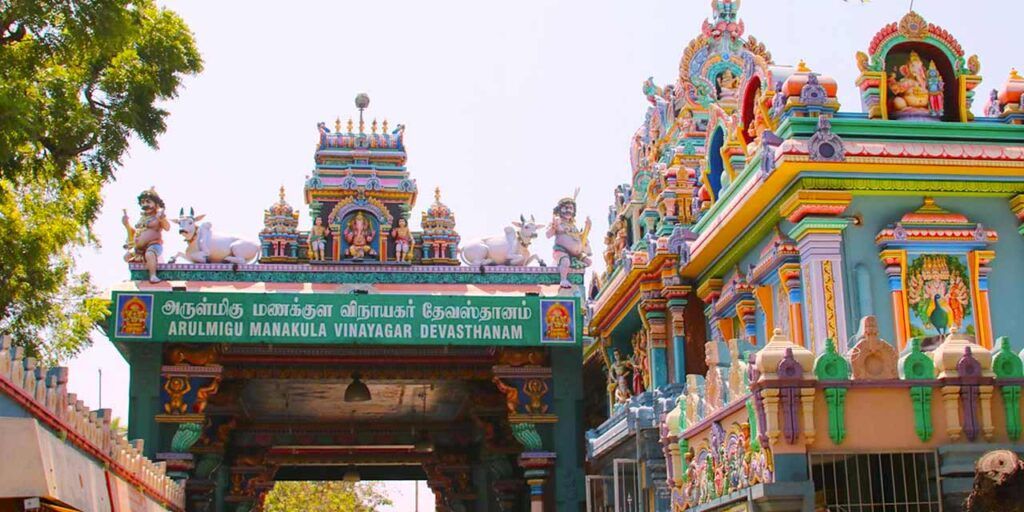
Manakula Vinayagar Temple Pondicherry: Timings, Rituals & History

Neha Kapoor
December 7, 2025
Explore the sacred Arulmigu Manakula Vinayagar Temple in Pondicherry. Discover 500 years of history, Lord Ganesha worship, temple architecture, rituals, festivals, and travel tips.
The Sacred Abode of Lord Ganesha in Pondicherry
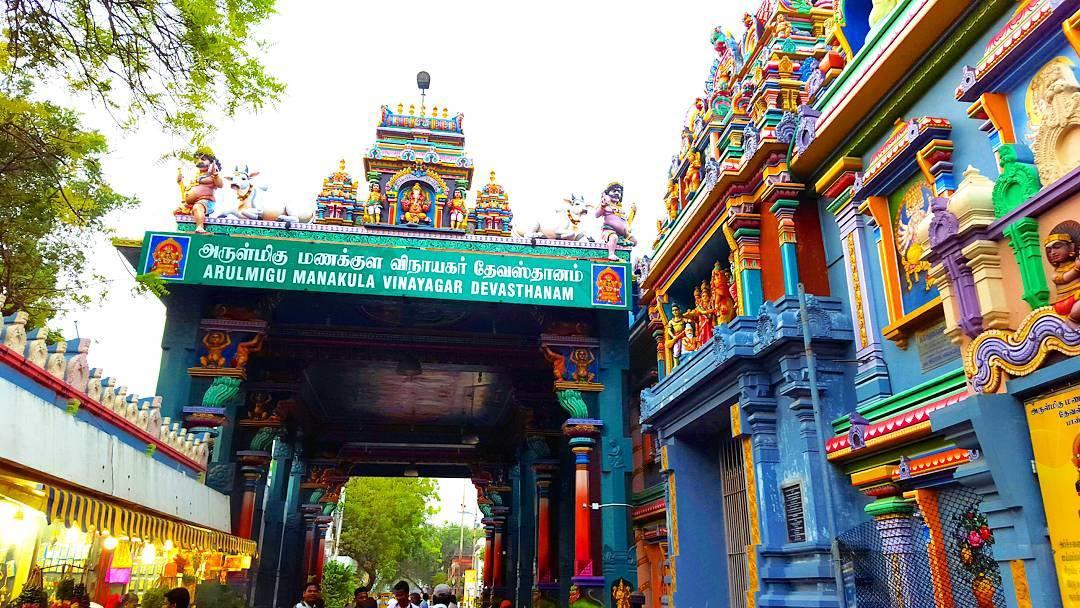
Nestled in the heart of Pondicherry's French Quarter, the Arulmigu Manakula Vinayagar Temple stands as a testament to the enduring spiritual heritage of this coastal Union Territory. Dedicated to Lord Ganesha, the elephant-headed deity who removes obstacles and blesses new beginnings, this ancient temple has been a beacon of devotion for over five centuries. Unlike many temples that were destroyed during foreign invasions, Manakula Vinayagar Temple miraculously survived multiple attempts by French colonizers to demolish it, earning its revered status among locals and visitors alike.
The temple's name itself carries deep significance - 'Manal' meaning sand and 'Kulam' meaning pond, referring to the sand pond that once existed near the temple before the French filled it. Today, this vibrant temple draws thousands of devotees daily, who come to seek blessings from the majestic gold-plated idol of Lord Ganesha. The temple's location just 100 meters from the famous Rock Beach makes it a perfect spiritual stop during your Pondicherry exploration, offering a divine contrast to the colonial architecture that surrounds it.
History and Spiritual Legacy
The Manakula Vinayagar Temple's history spans more than 500 years, with its origins traced back to before the French established their colonial settlement in Pondicherry in 1674. Historical records suggest that the temple existed in its current form since 1666, though oral traditions indicate an even older presence. The temple has witnessed the tumultuous history of Pondicherry, changing hands between the French, British, and Dutch, yet remaining a constant symbol of Hindu resilience and faith.
One of the most fascinating chapters in the temple's history involves the attempts by French missionaries to destroy it. On at least three occasions, French authorities tried to demolish the temple and remove the sacred idol. However, according to local legend, each time they attempted to take the idol away, they encountered mysterious obstacles - the elephants refused to move the statue, or the idol would mysteriously return to its original position. The French eventually abandoned their efforts, and the temple was allowed to stand. This divine intervention narrative has become an integral part of the temple's lore and continues to be shared with visitors.
The temple has undergone several renovations over the centuries. The most significant renovation in recent times was carried out in 1998, when the entire temple complex was refurbished while maintaining its traditional architectural elements. The temple is currently managed by the Hindu Religious and Charitable Endowments Department of the Government of Puducherry, ensuring proper maintenance and conduct of daily rituals.
The Divine Deity and Iconography
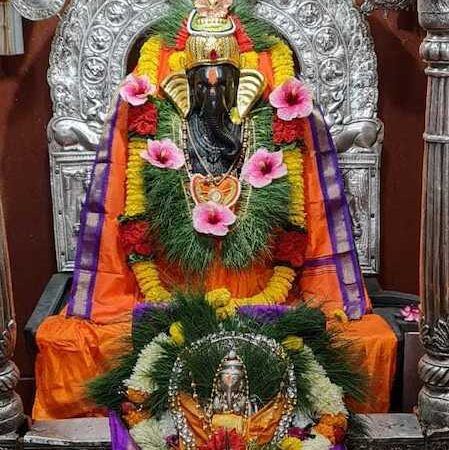
The presiding deity of the temple is Lord Ganesha, known as Vinayagar in Tamil, worshipped in the form of a magnificent gold-plated idol standing approximately 1.5 meters tall. The idol depicts Lord Ganesha in a standing posture, facing east, which is considered highly auspicious in Hindu temple architecture. What makes this idol particularly special is the detailed iconography - the deity holds his usual attributes including the noose (pasha), elephant goad (ankusha), broken tusk, and modak (sweet dumpling) in his four arms, each symbolizing different aspects of divine power.
Lord Ganesha is worshipped as the remover of obstacles (Vighnaharta) and the lord of beginnings (Vighneshvara). Devotees believe that seeking his blessings before starting any new venture - whether business, marriage, education, or travel - ensures success and removes all hurdles. The temple is particularly popular among entrepreneurs and students who come to pray for success in their respective fields. The deity's gentle yet powerful presence is said to instill confidence, wisdom, and prosperity in devotees who worship with sincere devotion.
The temple also houses several smaller shrines dedicated to other deities including Lord Murugan (Ganesha's brother), Goddess Lakshmi, and various Navagrahas (nine planetary deities). However, Lord Ganesha remains the central focus of worship, with all rituals and offerings primarily directed towards him.
Temple Architecture and Layout
The Manakula Vinayagar Temple exemplifies traditional South Indian temple architecture with its distinctive gopuram (tower), mandapams (halls), and sanctum sanctorum (garbhagriha). The temple's eastern-facing main gopuram rises to approximately 18 meters and is adorned with intricate sculptures depicting various forms of Lord Ganesha, mythological scenes, and decorative motifs. The tower features five tiers (kalasams), each decorated with colorful stucco figures that narrate stories from Hindu mythology, particularly those associated with Lord Ganesha.
The temple complex includes a spacious outer prakaram (circumambulatory path) where devotees circumambulate the main shrine. The inner sanctum houses the main idol, accessible through a series of mandapams with beautifully carved pillars. The pillars feature traditional South Indian architectural elements including yalis (mythical lion-like creatures), dancers, and religious scenes. The temple's flooring is made of polished stone, keeping it cool even during hot summer months.
One of the architectural highlights is the temple's golden chariot, made entirely of pure gold and used during special festivals. This ornate chariot, weighing several kilograms, is a masterpiece of traditional craftsmanship and can be viewed by visitors in the temple premises. The temple also features a beautiful temple tank (now non-functional) and a small shrine dedicated to the temple elephant, who participates in rituals and blesses devotees.
The Famous Temple Elephant
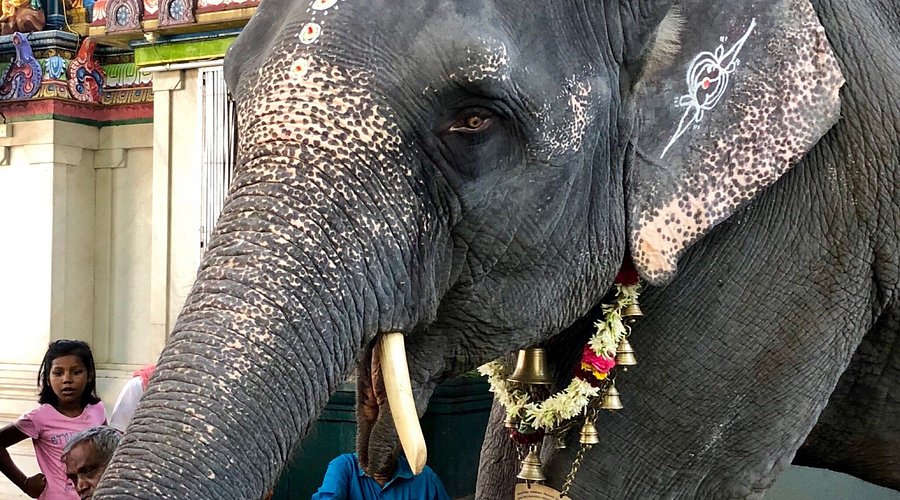
One of the most endearing features of the Manakula Vinayagar Temple is its resident temple elephant, who has become an integral part of the temple experience for decades. The elephant, considered a sacred animal in Hinduism and closely associated with Lord Ganesha himself, resides within the temple complex and participates in daily rituals. The elephant blesses devotees by placing its trunk on their heads in exchange for offerings, typically bananas or coins.
This tradition of temple elephants dates back centuries in South Indian temples, and Manakula Vinayagar Temple has maintained this custom with great care and respect for the animal's welfare. The elephant is bathed, fed, and looked after by dedicated mahouts (caretakers) employed by the temple. Many visitors consider receiving the elephant's blessing as a highlight of their temple visit, believing it brings special blessings from Lord Ganesha himself.
However, it's important to note that animal welfare regulations have led to changes in how temple elephants are managed. Visitors should respect the elephant's space and follow the mahout's instructions when seeking blessings. The temple authorities ensure that the elephant is not overworked and receives proper care, including regular veterinary check-ups, appropriate diet, and rest periods.
Daily Puja Timings and Rituals
The Manakula Vinayagar Temple follows a strict schedule of daily rituals and pujas (worship ceremonies), maintaining the traditional Agamic practices prescribed in ancient Tamil temple scriptures. The temple opens early morning at 5:45 AM with the Suprabhatham ceremony, awakening the deity with sacred hymns and prayers. The first major puja, known as Kalasandhi Puja, is performed at 8:00 AM, followed by the Uchikala Puja (midday ceremony) at 12:00 PM.
The evening rituals begin with the Sayaratchai Puja at 6:00 PM, during which the deity is adorned with special decorations and offerings. The final ceremony of the day, the Irandam Kala Puja, takes place at 8:30 PM, after which the temple closes for the night. Each puja involves elaborate rituals including abhishekam (ritual bathing of the idol with sacred substances like milk, honey, yogurt, and sandalwood paste), alankaram (decoration with flowers, garlands, and ornaments), and naivedyam (offering of food).
Devotees can sponsor these pujas by paying a nominal fee to the temple office. Special pujas like Sahasranama Archana (recitation of 1008 names of Lord Ganesha), Ashtothra Archana (108 names), and Maha Abhishekam are particularly popular among devotees seeking specific blessings. The temple also conducts special rituals on Tuesdays and Fridays, days considered especially auspicious for Lord Ganesha worship, attracting larger crowds of devotees.
Festivals Celebrated at the Temple
The Manakula Vinayagar Temple comes alive during various Hindu festivals, with celebrations that transform the temple into a vibrant center of devotion and cultural activity. The most important festival is Vinayaka Chaturthi (also known as Ganesh Chaturthi), which celebrates Lord Ganesha's birthday. During this 10-day festival, usually occurring in August or September, the temple is elaborately decorated, and special pujas are conducted throughout the day. The culmination involves a grand procession where the temple's golden chariot carries the deity around the temple streets, accompanied by traditional music and devotees chanting prayers.
Other major festivals celebrated with great fervor include Pongal (the Tamil harvest festival in January), Thai Poosam (celebrated in January-February), Panguni Uthiram (March-April), and Navratri (the nine-night festival dedicated to the Divine Mother, usually in October). During Brahmotsavam, the annual temple festival, the deity is taken out in various vahanas (sacred vehicles) including the golden chariot, silver chariot, and other traditional mounts, providing devotees with opportunities to seek blessings from the Lord in different forms.
The temple also observes special full moon days (Pournami), new moon days (Amavasya), and pradosham (the 13th day of the lunar fortnight) with additional rituals. These days are considered especially powerful for spiritual practices, and many devotees observe fasts and visit the temple to participate in the special ceremonies. The temple management ensures that festival details are announced in advance through local media and the temple's notice board.
Visitor Guidelines and Dress Code
Like all Hindu temples, the Manakula Vinayagar Temple has certain guidelines that visitors are expected to follow as a mark of respect to the sacred space and the deity. The dress code is modest - men should wear trousers or dhotis with shirts or kurta, while women should wear sarees, salwar kameez, or long skirts with tops that cover the shoulders. Shorts, short skirts, sleeveless tops, and revealing clothing are not permitted. Footwear must be removed before entering the temple premises - shoe racks are available near the entrance for safe storage.
Devotees are expected to maintain silence and decorum within the temple complex. Photography is generally permitted in the outer areas but may be restricted inside the sanctum sanctorum and during certain rituals. It's always best to ask the temple authorities or priests before taking photographs. Mobile phones should be kept on silent mode. The temple is a non-smoking zone, and consumption of alcohol or non-vegetarian food before visiting is considered inappropriate.
Traditional temple etiquette involves circumambulating the main shrine (pradakshina) in a clockwise direction, usually three or nine times. Devotees typically offer coconut, bananas, flowers, or modaks (Lord Ganesha's favorite sweet) as offerings. These can be purchased from shops just outside the temple. The temple also has a system where devotees can make donations towards the temple maintenance, annadanam (free food distribution), or other charitable activities. Receipts are issued for all donations, which may be tax-deductible.
Best Time to Visit Manakula Vinayagar Temple
The temple is open throughout the year, but the best time to visit depends on your preferences for weather and crowd levels. The winter months from November to February offer pleasant weather with temperatures ranging from 20°C to 30°C, making it ideal for exploring Pondicherry comfortably. This period also coincides with several important festivals including Pongal in January, providing an opportunity to witness the temple in its festive glory.
In terms of daily timing, early mornings (6:00 AM to 8:00 AM) and evenings (6:00 PM to 8:00 PM) are the best times to visit if you prefer a peaceful atmosphere with fewer crowds. The temple is particularly bustling during the midday puja (12:00 PM) and on Tuesdays and Fridays, which are considered auspicious days for Lord Ganesha worship. If you wish to avoid long queues, plan your visit on weekdays rather than weekends.
The summer months (March to June) can be hot and humid with temperatures reaching up to 40°C, though the temple's stone interiors remain relatively cool. The monsoon season (October to December) brings moderate rainfall, which adds to the coastal charm of Pondicherry but may affect outdoor exploration plans. Regardless of when you visit, the temple's spiritual ambiance remains constant, offering a serene retreat from the bustling streets outside.
How to Reach Manakula Vinayagar Temple
By Air
The nearest airport is Puducherry Airport, a domestic airport located approximately 6 kilometres from the temple, with limited connectivity to major Indian cities. The nearest international airport is Chennai International Airport, about 150 kilometres away, which is well-connected to domestic and international destinations. From Chennai, you can hire a taxi (₹2,500-₹3,500) or take a bus (₹100-₹300) to reach Pondicherry. The journey takes approximately 3-4 hours by road.
By Train
Puducherry Railway Station is well-connected to Chennai, Villupuram, and other major towns in Tamil Nadu. The Pondicherry Express, Chalukya Express, and various passenger trains connect Pondicherry to Chennai and other cities. The railway station is located just 2 kilometres from the temple, making it easily accessible by auto-rickshaw (₹50-₹80) or taxi. From Villupuram Junction (the nearest major railway junction, about 38 kilometres away), you can take a connecting train or hire a taxi to reach Pondicherry.
By Road
Pondicherry is well-connected by road to Chennai, Bangalore, and other major cities in South India. The East Coast Road (ECR) from Chennai to Pondicherry is a scenic coastal route popular with travelers. Several private bus operators and state-run buses (Tamil Nadu State Transport Corporation and Puducherry Road Transport Corporation) ply between Pondicherry and major cities. The temple is located in the French Quarter (White Town), easily accessible by auto-rickshaw, taxi, or even on foot if you're staying nearby.
Nearby Attractions in Pondicherry
Sri Aurobindo Ashram
Located just 200 meters from the Manakula Vinayagar Temple, the Sri Aurobindo Ashram is one of Pondicherry's most famous spiritual centers. Founded in 1926 by Sri Aurobindo and continued by the Mother (Mirra Alfassa), this ashram attracts spiritual seekers from around the world. The ashram's peaceful atmosphere, beautiful gardens, and the samadhi (final resting place) of Sri Aurobindo and the Mother make it a must-visit. The ashram also operates various educational and cultural activities, and visitors can participate in meditation sessions or simply soak in the serene environment.
Promenade Beach
Just 100 meters from the temple, the Promenade Beach (also known as Rock Beach) is a 1.5-kilometer-long beachfront that's perfect for morning walks, sunset viewing, and people-watching. The beach is lined with iconic landmarks including the French War Memorial, the Mahatma Gandhi Statue, Old Lighthouse, and the Dupleix Statue. Unlike many beaches, this rocky coastline doesn't have sand but offers stunning views of the Bay of Bengal. The evening atmosphere is particularly lively with street vendors, performers, and locals enjoying the sea breeze.
French Quarter Heritage Walk
The temple is situated in the heart of Pondicherry's French Quarter, making it the perfect starting point for a heritage walk through the charming colonial streets. The area is characterized by colorful colonial buildings with bougainvillea-draped walls, arched gateways, and well-maintained gardens. Notable buildings include the French Consulate, Raj Nivas (the Lieutenant Governor's residence), and various cafes and boutiques housed in historic French villas. Walking tours are available, or you can explore on your own using heritage walk maps available at tourist information centers.
Basilica of the Sacred Heart of Jesus
Located about 1.5 kilometres from the temple, this beautiful Gothic-style Catholic church was built in 1908 and features stunning stained glass windows depicting the life of Jesus Christ. The church's striking red and white exterior, serene interior, and peaceful atmosphere make it worth a visit. Evening services are particularly beautiful with illuminated interiors. The church is an example of Pondicherry's religious diversity and the peaceful coexistence of different faiths in the territory.
Auroville
Located about 12 kilometres from the temple, Auroville is an experimental township founded in 1968 with the vision of creating a universal town where people from all countries could live in peace and harmony. The centerpiece of Auroville is the Matrimandir, a golden spherical meditation chamber set in peaceful gardens. Visitors can view the Matrimandir from a viewing point and explore the township's various sustainable living projects, artisan workshops, and organic farms. A day trip to Auroville offers a fascinating contrast to traditional temple visits.
Botanical Garden
Established in 1826 by the French, the Botanical Garden is located about 2 kilometres from the temple and houses a diverse collection of over 1500 plant species. The garden features fountains, an aquarium, and rare plants including bonsai, cacti, and medicinal plants. It's a pleasant spot for a morning or evening stroll, especially for families with children. The garden also has a toy train that runs through the premises, which is popular with young visitors.
Chunnambar Boat House
For a different kind of experience, head to the Chunnambar Boat House, about 7 kilometres from the temple. Here you can enjoy boat rides on the backwaters where the Chunnambar River meets the Bay of Bengal. The boat house offers motorboats, rowboats, and even a unique floating restaurant. You can also take a boat to the Paradise Beach, a secluded sandy beach accessible only by boat, perfect for swimming and relaxation.
Accommodation Options Near the Temple
Being located in the heart of Pondicherry's French Quarter, the Manakula Vinayagar Temple has numerous accommodation options in its vicinity catering to different budgets. Heritage hotels like the Grand Hotel d'Europe, Hotel de l'Orient, and Maison Perumal are housed in restored French colonial buildings, offering a blend of historical charm and modern comforts. These hotels typically cost between ₹4,000 to ₹8,000 per night and provide an authentic Pondicherry experience.
For mid-range travelers, options include The Sunway Manor, Atithi Hotel, and Hotel Annamalai International, priced between ₹2,500 to ₹4,000 per night. Budget travelers can choose from numerous guest houses and homestays in the surrounding areas, with prices ranging from ₹800 to ₹2,000 per night. Many of these are walking distance from the temple and other major attractions. International chains like Accor (Novotel) and Taj (Taj Villa or Resort) offer luxury options for those preferring familiar brands, with prices starting from ₹8,000 per night.
For a unique experience, consider staying at an Auroville guest house if you plan to spend time there, or opt for a beach-facing property on the Promenade for stunning sea views. It's advisable to book in advance, especially during peak tourist season (December to February) and festival periods, as Pondicherry sees high tourist footfall during these times.
Dining and Local Cuisine
Pondicherry's unique blend of Tamil and French culinary influences extends to its food scene, offering something for everyone. Near the temple, you'll find numerous cafes serving French pastries, crepes, and quiches alongside traditional South Indian breakfast items like idli, dosa, and pongal. Popular cafes in the French Quarter include Cafe des Arts, Baker's Street, and the famous Cafe Basilique, all within walking distance of the temple.
For authentic Tamil cuisine, head to the Heritage Town area where you'll find traditional vegetarian restaurants serving thalis (platter meals) with local specialties like sambar, rasam, kootu, and curd rice. Non-vegetarian options include fresh seafood like fish curry, prawn masala, and crab preparations, reflecting Pondicherry's coastal location. Don't miss trying local snacks like murukku, thattai, and banana chips, available at street vendors and small shops near the temple.
The temple area also has several sweet shops where you can purchase modaks (Lord Ganesha's favorite sweet), Mysore pak, and other traditional Indian sweets as prasadam (offering) to take home after your temple visit. Many restaurants in Pondicherry also serve French wines and seafood, reflecting the territory's colonial heritage and coastal abundance.
Shopping in Pondicherry
A visit to Pondicherry isn't complete without exploring its unique shopping scene, and the temple's central location makes it convenient for shopping excursions. The French Quarter has numerous boutiques selling everything from handmade paper products and perfumes to clothing and home decor. Popular shopping spots near the temple include Anokhi, for block-printed textiles; Casablanca, for designer clothing; and various antique shops selling colonial-era furniture and artifacts.
Pondicherry is famous for its perfumes, handmade paper products, and incense - all available at the Aurobindo Ashram's outlets. These make excellent gifts and souvenirs. The mission run by the ashram produces high-quality products, and the proceeds support the ashram's charitable activities. For traditional Tamil shopping, head to the Heritage Town bazaars where you'll find silk sarees, temple jewelry, bronze statues, and traditional handicrafts.
Don't forget to pick up some Puducherry's famous pickles, spices, and coffee blends, available at local markets and specialty stores. The Sunday Market on Gandhi Street (about 1 kilometre from the temple) is a bustling affair where you can find everything from fresh produce to clothes and household items at bargain prices. Bargaining is expected and part of the experience!
Travel Tips for Temple Visitors
Plan to spend about 45 minutes to 1 hour at the temple for a peaceful visit. This allows time for darshan (viewing the deity), circumambulation, and absorbing the temple's spiritual atmosphere. The best time to visit is early morning when the temple is less crowded and the morning aarti (worship ceremony) creates a divine ambiance. However, if you wish to see the golden chariot or participate in special rituals, check the temple's festival calendar and plan accordingly.
Photography is permitted in the outer areas but be respectful and avoid using flash during ceremonies. The temple can get quite crowded on weekends and festival days, so be prepared for longer queues and waiting times. Carrying a small bag for offerings and footwear is convenient, as you'll need to remove your shoes before entering. If you're visiting during summer, carry water and wear sun protection, as you may have to wait outdoors.
Combine your temple visit with exploration of the French Quarter's colonial architecture and a walk along the Promenade Beach, all within easy walking distance. The temple is very accessible, but those with mobility issues should note that there are stairs to climb and the temple premises may be crowded. It's best to visit during weekdays for a more peaceful experience.
Consider making a donation at the temple office - contributions are used for temple maintenance, annadanam (free food distribution to devotees), and various charitable activities. The temple offers receipts for all donations. If you wish to sponsor a special puja or abhishekam, inquire at the temple office where the staff will guide you through the process and suggest appropriate rituals based on your specific needs.
The Spiritual Significance and Legacy
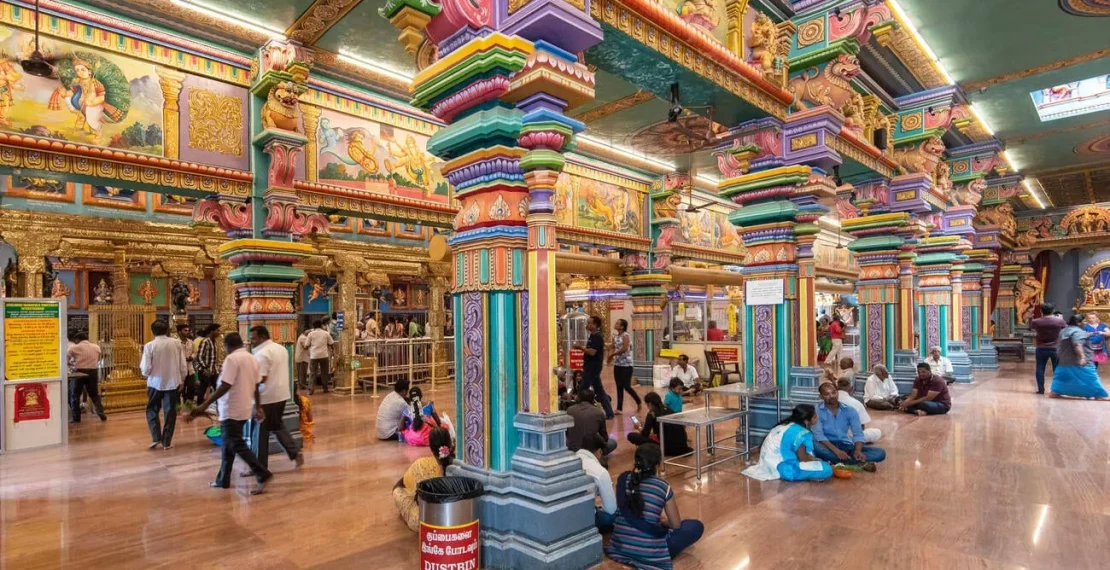
The Arulmigu Manakula Vinayagar Temple represents more than just a religious site - it embodies the spiritual resilience and cultural continuity of Pondicherry's Hindu community through centuries of colonial rule and political change. The temple's survival against attempts to demolish it has elevated it to a symbol of faith and perseverance. For devotees, the temple represents a direct connection to the divine through Lord Ganesha, who is believed to be present and responsive to sincere prayers.
The temple's location in the French Quarter, surrounded by colonial architecture and Christian churches, is a powerful reminder of Pondicherry's unique identity as a place where different cultures and religions have coexisted peacefully for centuries. This harmonious coexistence is one of Pondicherry's most endearing qualities, and the Manakula Vinayagar Temple stands as a proud representative of the Hindu tradition in this multicultural landscape.
The spiritual practices conducted at the temple follow ancient Agamic traditions passed down through generations of priests, ensuring the authenticity and purity of the rituals. The daily pujas, festivals, and ceremonies create a rhythmic cycle of worship that has continued uninterrupted for hundreds of years. For the modern visitor, whether a devotee or a cultural tourist, the temple offers a glimpse into a living tradition that balances faith, culture, and community.
Whether you're seeking blessings for a new venture, looking to experience traditional South Indian temple culture, or simply exploring Pondicherry's rich heritage, the Arulmigu Manakula Vinayagar Temple offers a profound and enriching experience. The temple's enduring popularity is a testament to its spiritual power and the devotion it inspires. As you stand before the golden idol of Lord Ganesha, listening to the chanting of priests and the ringing of bells, you become part of a centuries-old tradition of devotion that continues to bless and guide devotees from all walks of life.
Location
Frequently Asked Questions
Q1.What is the best time to visit Manakula Vinayagar Temple?
Q2.Is there a dress code for visiting Manakula Vinayagar Temple?
Q3.What are the temple timings and daily puja schedule?
Q4.Is photography allowed inside Manakula Vinayagar Temple?
Q5.How can I reach Manakula Vinayagar Temple from Chennai?
Q6.What is special about the temple elephant at Manakula Vinayagar Temple?
Q7.What offerings can I make at Manakula Vinayagar Temple?
Q8.What are the major festivals celebrated at Manakula Vinayagar Temple?
Recommended For You
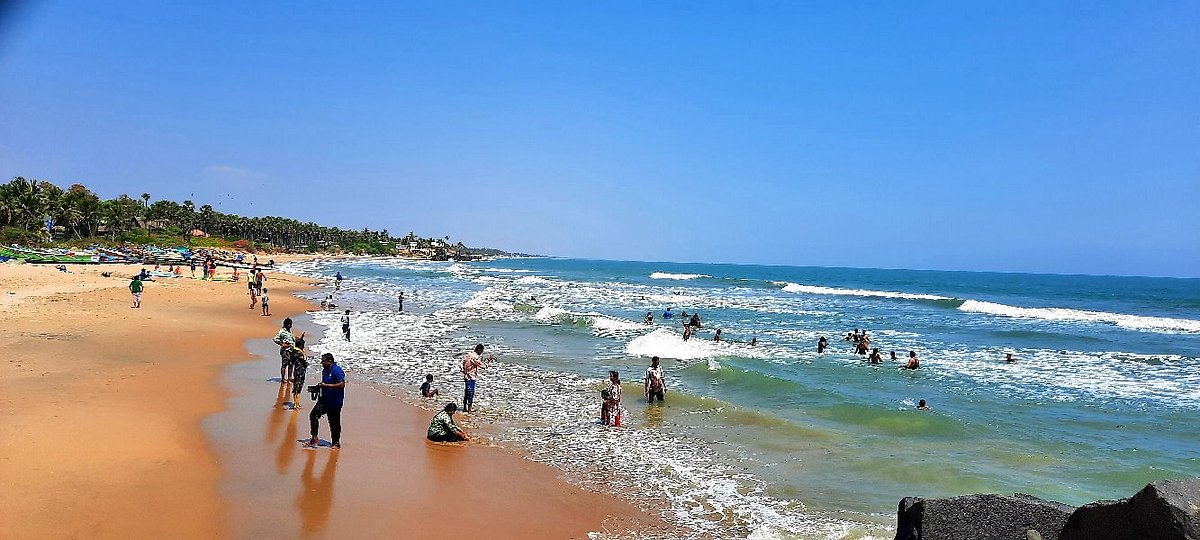
Best Beaches in Puducherry: Activities, Nearby Cafes & Stay Areas
Complete guide to the best beaches in Puducherry including Promenade, Serenity, Auroville, Paradise, and more. Discover surfing spots, timings, activities, and travel tips.
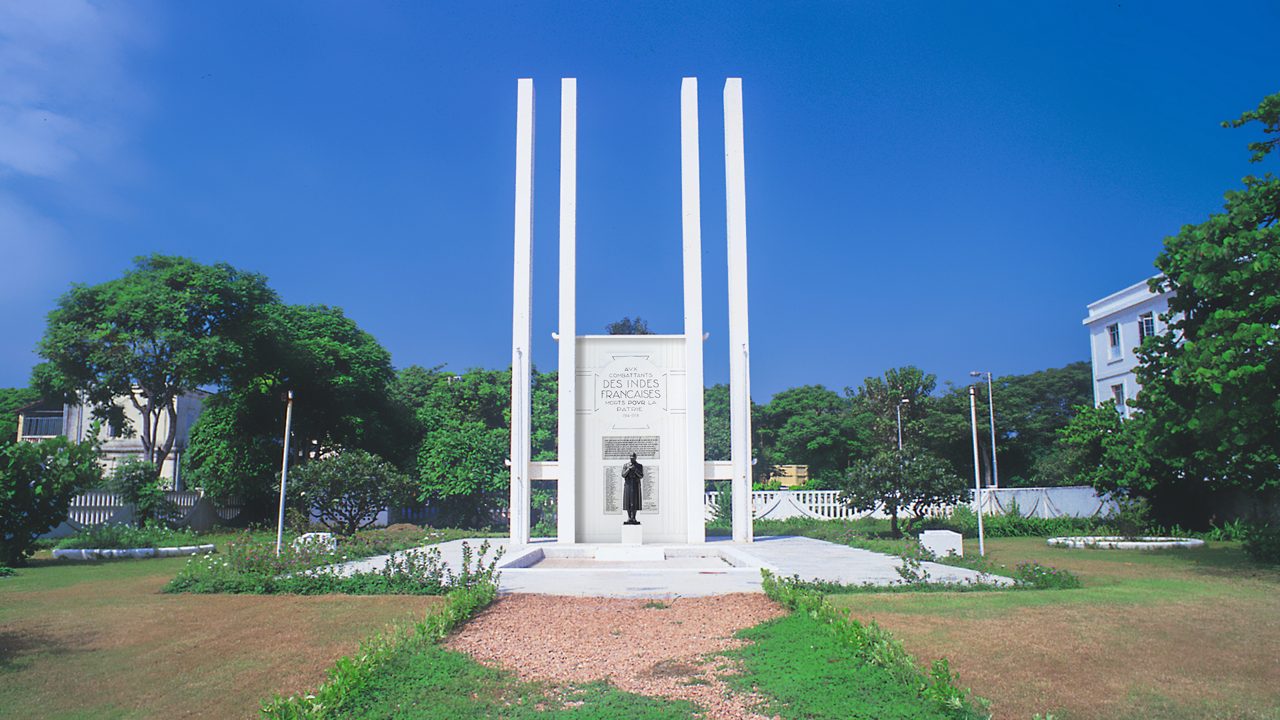
French War Memorial Pondicherry: History, Location & Best Time to Visit
Complete guide to French War Memorial Pondicherry with history, architecture, visiting tips, and promenade-route planning for heritage travelers.
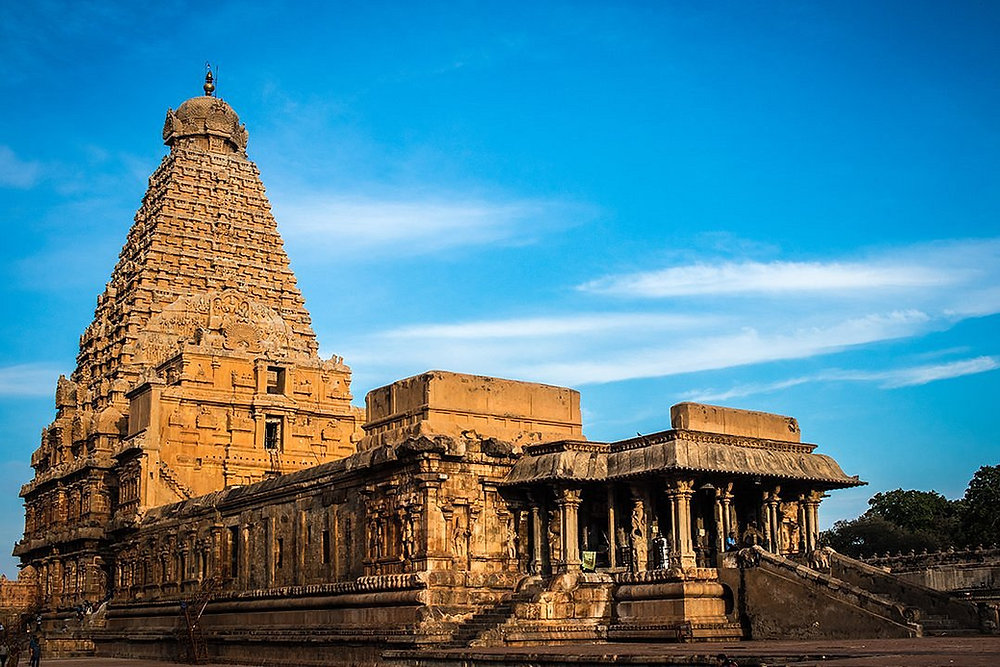
Temples in Thanjavur: The Great Living Chola Heritage
Explore Thanjavur's magnificent Brihadeeswara Temple & UNESCO-listed Chola temples. Discover architecture, history, rituals and travel guide.
Never Miss an Adventure
Get the latest trekking guides, travel tips, and exclusive offers delivered straight to your inbox.
