

Sri Aurobindo Ashram Pondicherry Guide: Timings, Etiquette, and Meaningful Visit Planning

Priya Mehta
February 25, 2026
Plan a meaningful Sri Aurobindo Ashram visit with timing, etiquette, and practical Pondicherry route integration tips.
Why Sri Aurobindo Ashram Is Different from a Typical Sightseeing Stop
Sri Aurobindo Ashram in Pondicherry is one of India’s most respected spiritual spaces, known for silence, discipline, and contemplative atmosphere. It is not a tourist attraction in the usual sense. Visitors who come only for quick photos often miss the core experience, while those who approach with calm intent usually find the visit deeply grounding. The Ashram works best as a reflective anchor in a Pondicherry itinerary.
Plan it with enough quiet time before and after entry. If you are covering the city, combine this with Pondicherry route planning, a seafront pause at Promenade Beach, and a slow-day extension to Auroville. For heritage contrast, add Arikamedu on a separate half-day.

What to Expect at the Ashram
The Ashram experience is centered on silence, respectful movement, and inward attention. Visitors typically spend time in designated quiet areas and maintain decorum in line with Ashram guidelines. The atmosphere is minimal and disciplined, and that simplicity is the spiritual strength of the place.
Do not expect loud rituals or festival-style crowd dynamics in the same format as many other temple circuits. This is a contemplative environment first.
Best Time to Visit and How Long to Keep
Early hours are generally better for calmer flow and easier reflective time. A focused 45-90 minute block is usually enough for a meaningful visit. If your purpose is spiritual practice rather than quick travel, keep more time for post-visit stillness in nearby quiet spaces.
Avoid rushing this visit between two high-noise city activities. The value is in mental transition and presence.
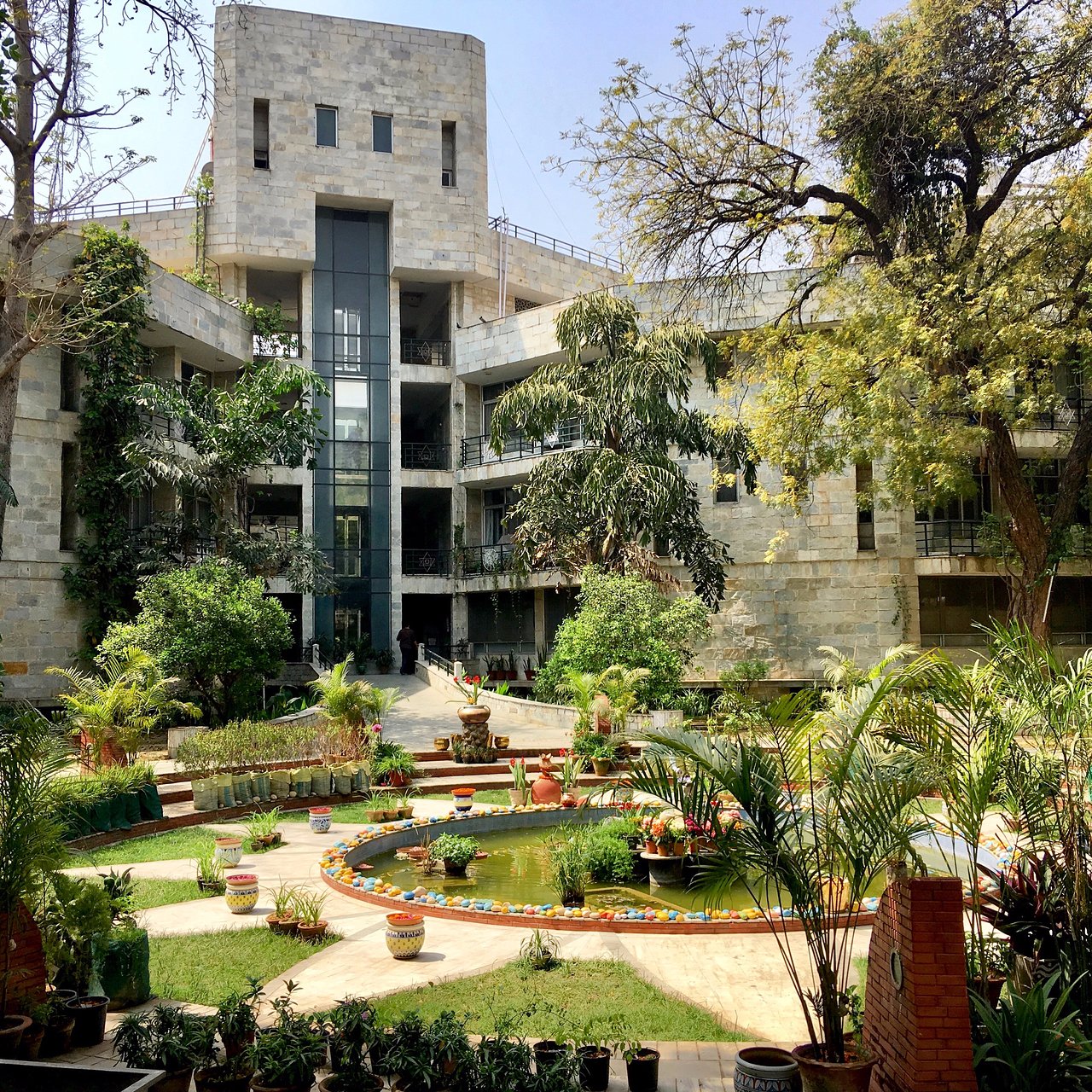
Visitor Etiquette and Practical Discipline
Dress modestly, maintain silence, and follow all on-site guidance. Avoid phone usage and photography in restricted zones. The Ashram is a shared spiritual space, so individual behavior directly affects everyone’s experience.
If traveling with group members, align expectations before entering so no one breaks the silence flow unintentionally.
How to Integrate Ashram Visit in a Pondicherry Day
A practical sequence is: morning Ashram session, light breakfast, heritage or neighborhood walk, midday rest, and evening seafront. This gives both reflection and city engagement without emotional overload. For travelers on short schedules, Ashram plus Promenade can still create a complete half-day spiritual-urban experience.
Do not combine this with too many back-to-back sightseeing stops. Keep the day intentionally sparse.
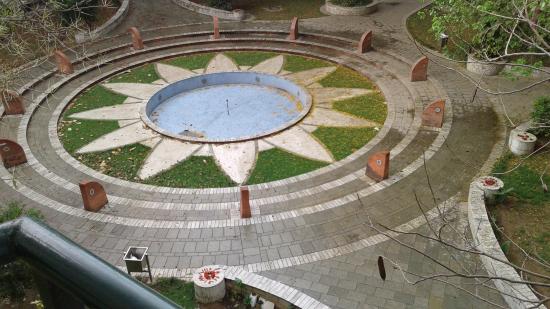
Common Mistakes to Avoid
Arriving with noisy group behavior, treating the space as a quick photo point, and planning no mental transition around the visit are common mistakes. Another issue is stacking it with high-energy tourist blocks immediately before and after.
Sri Aurobindo Ashram is best approached as a practice in presence, not a checklist location.
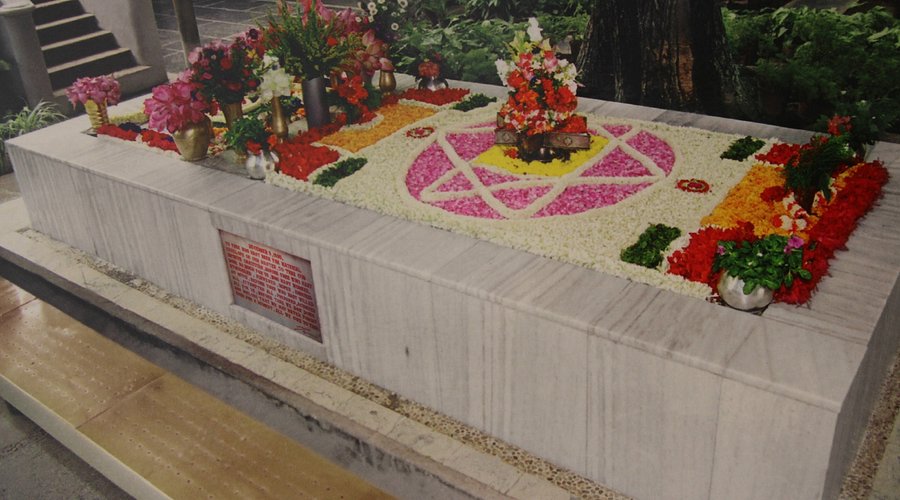
How to Prepare for a Reflective Ashram Visit
A meaningful Ashram visit begins before arrival. Keep your morning low-noise, avoid rushed scheduling, and enter with clear intent. Visitors who come directly from high-activity blocks often take longer to settle into the Ashram’s contemplative rhythm. A simple transition ritual helps: a short quiet walk, device minimization, and intentional breathing before entry.
Group visitors should align expectations in advance. If some members want a quick stop and others seek deeper reflection, conflict can reduce the quality for everyone. Decide duration and conduct beforehand so the visit remains respectful and coherent.
Integrating the Ashram with a Multi-Day Pondicherry Stay
For a two-day trip, schedule the Ashram in an early morning slot on day one, then keep the rest of the day culturally light. Day two can hold broader exploration such as Auroville or heritage routes. For a three-day trip, consider a second short Ashram visit at a different time window. Repeat visits often feel deeper because familiarity reduces mental distraction.
This layered approach prevents the Ashram from becoming a token stop and lets it shape the emotional tone of your trip.
Common Questions First-Time Visitors Ask
Many visitors ask whether they need to follow a strict ritual format. In most cases, respectful silence and adherence to on-site instructions are sufficient. Others ask if short visits are worthwhile. Even a brief visit can be meaningful if your attention is present and behavior aligns with Ashram ethos.
Another frequent concern is whether the Ashram can be combined with family travel. Yes, but group discipline is essential. Teach children and first-time travelers about silence and respectful movement before entering.
What Makes This Visit Lasting
The most lasting Ashram visits are those that continue after departure. Keep 15-20 minutes of post-visit reflection in your day plan. A quiet tea break, short journaling note, or reflective walk can preserve the inner clarity from your visit. Without this, the transition back into busy travel can dilute the experience quickly.
Sri Aurobindo Ashram is less about activity and more about quality of attention. If you plan for that, the visit can become one of the most memorable spiritual pauses in south India travel.
How to Structure a Deeper Ashram Visit in One Day
Many travelers ask whether Sri Aurobindo Ashram can be understood in under an hour. Technically you can enter, sit briefly, and leave, but that usually creates an incomplete experience. A better approach is to design a one-day rhythm around silence, reading, walking, and reflection breaks. Start with a simple morning routine: reach the area early, keep your phone usage minimal, and enter with a clear intention. This intention does not need to be religious. It can be as practical as mental reset, emotional clarity, or focused self-observation.
After your first quiet sitting period, avoid rushing immediately to nearby cafes. Instead, take a short mindful walk around the White Town streets and observe how your attention changes when you carry the same quiet pace outside the Ashram compound. This transition step is useful because it shows whether the calm you experienced was location-dependent or whether you can sustain it while moving through regular urban activity. Returning for a second silent session later often feels more grounded than the first.
Reading also adds depth. Even a small amount of contextual reading about Sri Aurobindo and The Mother can improve how you interpret the discipline and atmosphere around you. Without context, visitors may view the rules only as restrictions; with context, the same rules can feel like design choices that protect shared silence. Keep your reading goals modest. One focused passage and ten minutes of reflection are usually better than scrolling through multiple summaries.
If you are combining this with broader Pondicherry sightseeing, keep transitions gentle. For example, if you plan to explore architecture and seafront routes, sequence your day so that high-energy activities happen after your main Ashram hours. This keeps the spiritual segment from becoming a rushed stop between food and shopping. Travelers who want more contemplative continuity can pair the day with slower experiences such as Auroville planning basics on the next morning, while those looking for temple-historic balance can compare spiritual spaces through Meenakshi Temple travel context and Rameshwaram temple planning to understand how different sacred environments shape visitor behavior.
Another practical layer is emotional pacing. Quiet spaces can surface mental fatigue that remains hidden during fast travel. If that happens, do not force a long stay just to satisfy an itinerary target. Instead, step out, hydrate, walk slowly, and return when you feel centered. Respectful short sessions are better than restless long sessions. Also, if you are traveling with friends, align expectations before entering. One person may want longer meditation while another prefers brief visits. A shared plan prevents friction and preserves the Ashram environment for everyone.
By evening, conclude with a written reflection: what felt different, what felt difficult, and what you want to carry into the rest of your trip. This simple practice turns the visit from a memory into a usable travel insight. In that sense, Sri Aurobindo Ashram is not only a destination in Pondicherry; it can become a method for traveling with more attention, lower noise, and better internal balance.
Conclusion
Sri Aurobindo Ashram Pondicherry can be one of the most meaningful stops in south India when visited with calm intent and practical planning. Keep your route simple, respect Ashram discipline, and allow reflection time. With that approach, the visit can become a genuine spiritual pause within a broader travel journey.
Location
Frequently Asked Questions
Q1.How much time should I keep for Sri Aurobindo Ashram?
Q2.Is photography allowed inside the Ashram?
Q3.What should I wear for an Ashram visit?
Q4.Can I combine Ashram with city sightseeing the same day?
Q5.What is the most important etiquette rule?
Recommended For You

Arikamedu Pondicherry: Ancient Roman Port
Explore Arikamedu in Pondicherry with a clear guide to its Indo-Roman history, excavation findings, visitor tips, and practical travel planning.

Rama Temples in India: Sacred Circuits, Best Visit Windows, and Pilgrimage Planning
Plan Rama temples in India with practical pilgrimage circuits, season guidance, temple etiquette, and balanced devotional travel tips.
Spiritual Trips in India: Practical Pilgrimage Routes, Temple Circuits, and Inner-Travel Planning
Plan spiritual trips in India with practical pilgrimage route frameworks, temple-circuit strategy, and balanced devotional travel guidance.
Never Miss an Adventure
Get the latest trekking guides, travel tips, and exclusive offers delivered straight to your inbox.
