
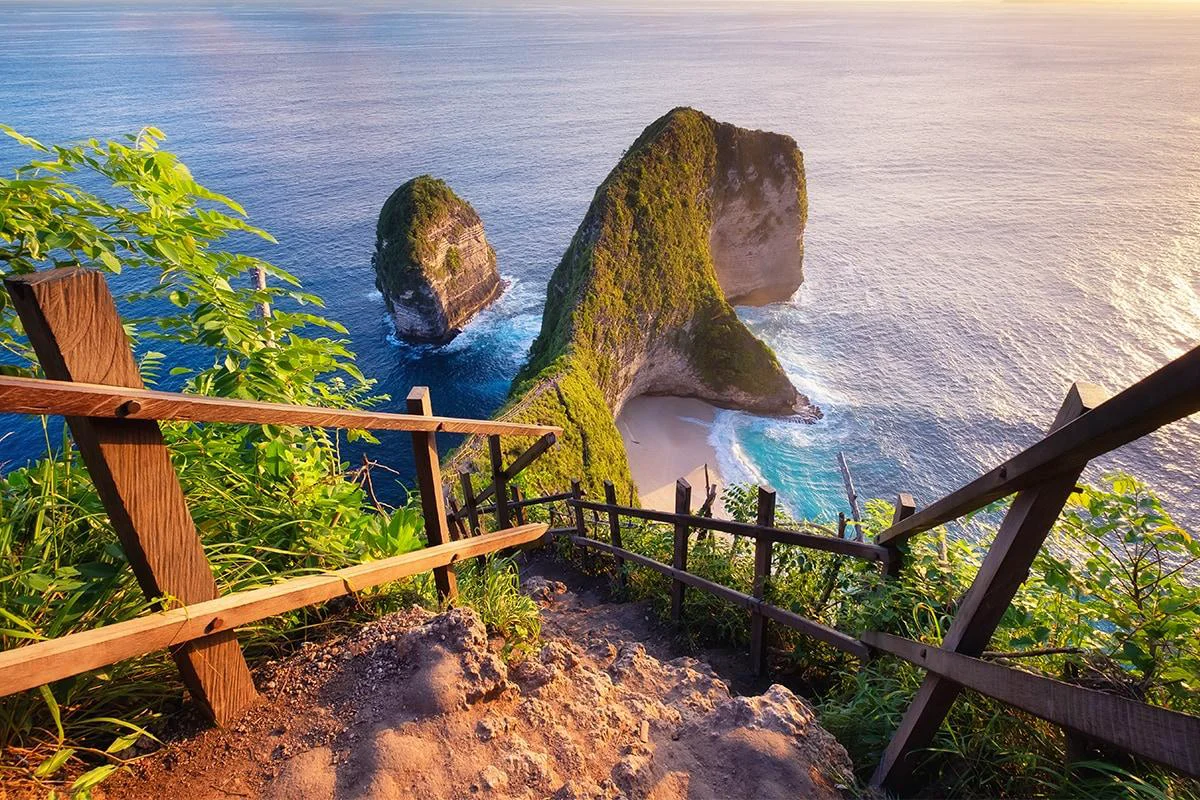
Kelingking Beach Nusa Penida: Access Route, Timing & Safety

Rohan Malhotra
February 5, 2026
Plan your Kelingking Beach Nusa Penida visit with practical route tips, timing strategy, safety guidance, and a realistic day itinerary.
Kelingking Beach overview
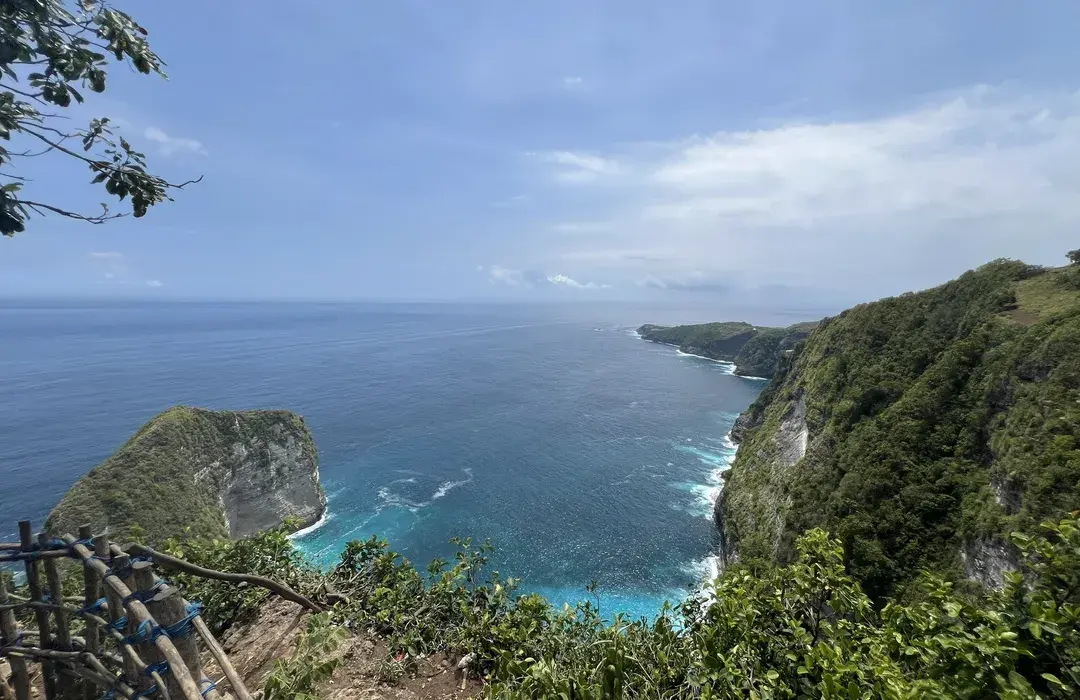
Kelingking Beach in Nusa Penida is one of Indonesia's most recognized cliff viewpoints, known for the dramatic headland shape and deep blue coastline. For most travelers, the main experience is the viewpoint, not the beach below. The famous descent trail is steep, exposed, and physically demanding, so trip quality depends on planning more than spontaneity. Many visitors arrive with a photo-first mindset and underestimate heat, crowd pressure, and return-climb fatigue. The safest approach is to decide in advance whether your goal is viewpoint-only or viewpoint-plus-descent. Both are valid. A controlled viewpoint visit can still be a complete and memorable stop.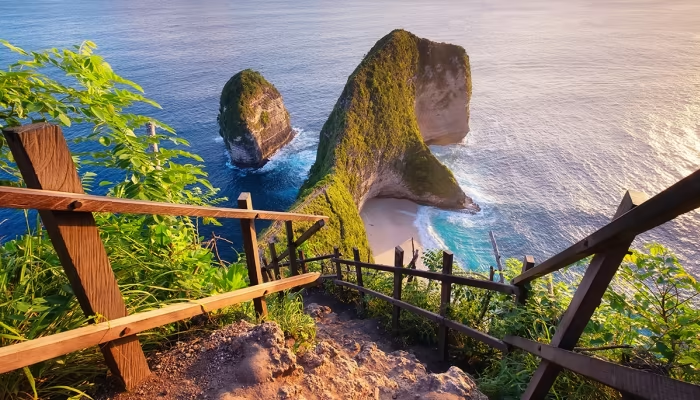
Viewpoint vs beach descent expectations
The biggest planning mistake is treating both experiences as equally easy. They are not. The upper viewpoint is accessible for most travelers with normal care. The descent requires grip, balance, hydration planning, and honest fitness assessment.| Experience Type | Effort Level | Time Needed | Who It Fits |
|---|---|---|---|
| Viewpoint-only visit | Low to moderate | 30 to 60 minutes | Most first-time and family travelers |
| Partial descent | Moderate to high | 60 to 120 minutes total | Travelers testing comfort before full attempt |
| Full descent and return | High | 2 to 3+ hours depending on conditions | Fit travelers with proper gear and pacing |
Key expectation for first-time visitors
1. The climb back is often harder than the way down. 2. Midday heat increases fatigue quickly. 3. Trail condition can change with recent weather. 4. Social-media speed comparisons are not useful for planning. For broader island context, connect this stop with Nusa Penida Island before you lock your day route.Best season and timing strategy
Dry-season windows generally improve visibility and transfer reliability, but day-level timing matters more than month labels. Early arrivals typically reduce queue time and help avoid peak heat exposure on steps and exposed edges.| Timing Window | Typical Conditions | Planning Use |
|---|---|---|
| Before 8:30 AM | Lower crowd density, softer light | Best for viewpoint photos and controlled descent start |
| Midday | Higher heat and crowd pressure | Use only if you are doing viewpoint-only flow |
| Late afternoon | Potentially thinner crowds but tighter return schedule | Avoid late descent if return boat is fixed |
How to reach and route planning
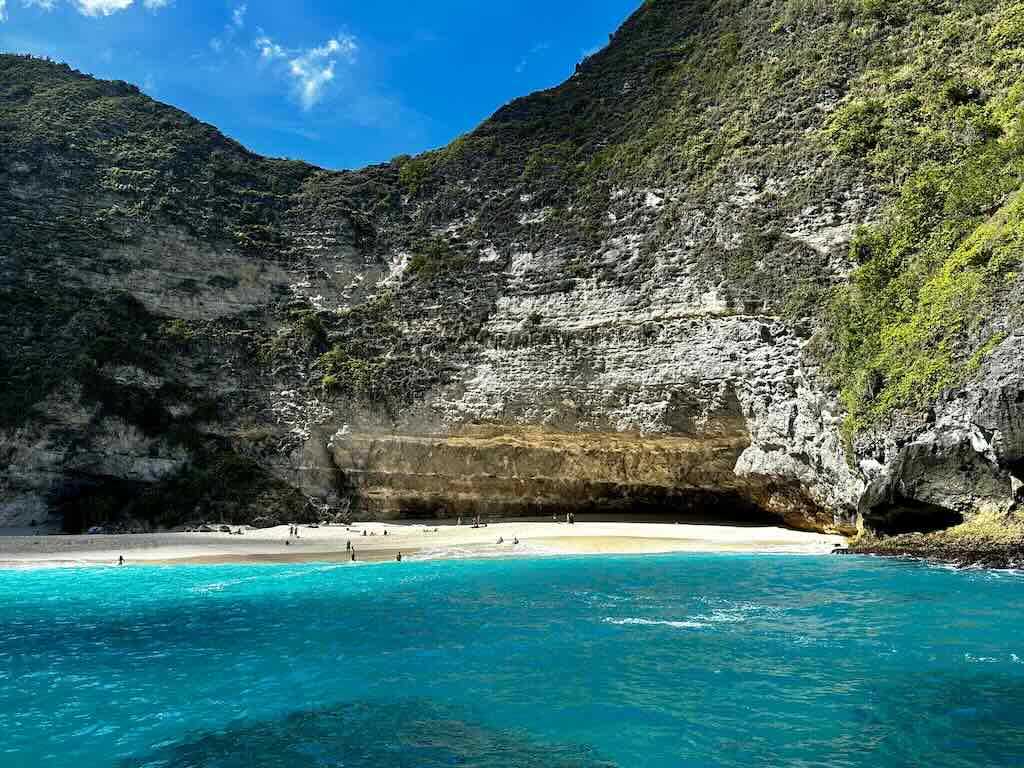
Most travelers access Nusa Penida by fast boat from Bali and then continue by road to west-side attractions. Kelingking is usually best treated as an anchor stop, not a quick add-on. Road segments and traffic flow can stretch timing more than maps suggest.| Route Stage | Common Option | Practical Priority | Tip |
|---|---|---|---|
| Bali to Penida | Fast boat transfer | Departure punctuality | Arrive at boarding point early with buffer |
| Harbor to Kelingking | Private driver / local transport | Road-time realism | Avoid overloading same-day attractions |
| Kelingking site movement | Walk route and queue-based flow | Crowd and edge awareness | Keep hydration and shade breaks planned |
| Return connection | Back to harbor for boat | Hard turnaround discipline | Set a no-compromise departure cutoff |
Safety checklist and gear tips
Kelingking is a location where safety choices directly shape outcome. Trail sections can be narrow and uneven, and sea conditions at the beach are often strong. A conservative decision is always acceptable.| Safety Layer | Minimum Standard | Why It Matters |
|---|---|---|
| Footwear | Closed shoes with grip | Improves control on steep or dusty sections |
| Hydration | Carry adequate water per person | Heat and ascent effort can cause rapid fatigue |
| Sun protection | Hat, sunscreen, lightweight cover | Reduces heat stress during exposed movement |
| Movement discipline | No edge-risk posing, no rushing on steps | Most incidents come from preventable risk behavior |
| Decision rule | Turn back if unstable, crowded, or exhausted | Safe withdrawal is better than forced completion |
Important beach-level caution
1. Ocean conditions can be dangerous even for strong swimmers. 2. Do not assume safe swim conditions from visual calm alone. 3. Follow local warnings and current site advisories.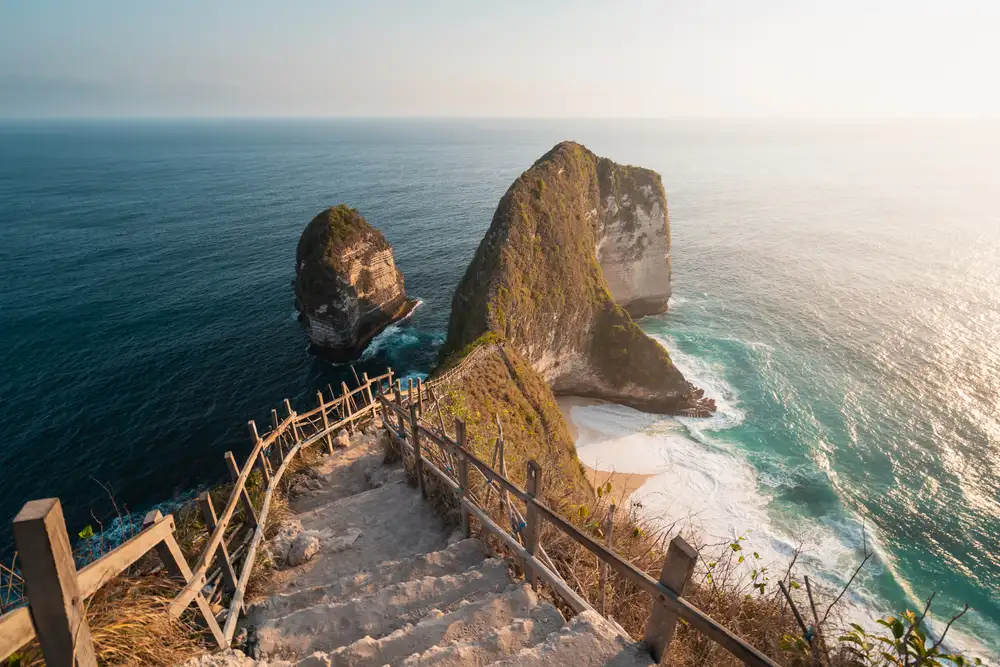
Nusa Penida itinerary combinations
A better Penida day is built around one anchor viewpoint and two supporting stops, not maximum count. Kelingking combines well with nearby west-side highlights when timing is realistic.| Trip Format | Suggested Pairing | Best For |
|---|---|---|
| Viewpoint-focused day | Kelingking + Angel's Billabong + Broken Beach zone | First-time day-trippers |
| Photo-priority route | Early Kelingking + one secondary viewpoint + return buffer | Content and photography travelers |
| Balanced island plan | West Penida day + separate east-side day | 2-day or slower itineraries |
Common mistakes to avoid
1. Attempting full descent without grip shoes and hydration. 2. Starting descent too late with fixed return boat deadlines. 3. Planning too many major spots on a one-day itinerary. 4. Ignoring heat and recovery needs after climb-back effort. 5. Copying social-media timing without personal fitness assessment. 6. Treating beach swim conditions as automatically safe. 7. Skipping contingency time for road and queue delays. 8. Forcing completion when trail conditions feel unstable.Photography Tips and What Gear to Bring
Kelingking's cliff silhouette photographs best in the two hours after sunrise, when the light rakes across the T-rex-shaped headland without the harsh glare that builds up by midday. Most professional and semi-professional shots you see online are taken from the main viewpoint platform using a wide-angle lens, since the scale of the cliff drop is hard to capture with a standard phone camera unless you step back onto the higher ground near the parking area. If you plan to descend to the beach itself, carry your camera in a dry bag or a sealed pouch; the trail kicks up dust in the dry season and sea spray near the shoreline in the wet season, and both can damage lenses over a full day out.
Drone flights are technically restricted in parts of Nusa Penida, and enforcement varies by season and by which local operators are managing the viewpoint that week, so check current rules before flying rather than assuming last year's policy still applies. A polarizing filter helps cut glare off the water if you're shooting the turquoise shallows from the upper viewpoint, and a lens cloth is worth keeping in an easy-to-reach pocket, since salt residue builds up fast in the humid coastal air.
Where to Stay Near Kelingking
Most travelers base themselves in the Toya Pakeh or Sampalan area on Nusa Penida's north side rather than staying right next to Kelingking, since accommodation options near the cliff itself are limited to a handful of basic homestays without much infrastructure. Staying near the port area gives easier access to restaurants, ATMs, and scooter rental shops, while still being a manageable thirty-to-forty-minute ride to the viewpoint. Booking a scooter with good tires and working brakes matters more here than at most other destinations, since the road to Kelingking has steep, poorly marked sections that catch inexperienced riders off guard.
Conclusion
Kelingking Beach is best planned as a safety-first viewpoint destination with an optional descent only for prepared travelers. Set realistic expectations, arrive early, and protect your transfer buffers. With that structure, you can enjoy the iconic landscape without compromising safety or overall Nusa Penida itinerary quality.Location
Frequently Asked Questions
Q1.What is the best time to visit Kelingking Beach?
Q2.Is it safe to descend to the beach at Kelingking?
Q3.How much time is needed for a Kelingking visit?
Q4.Can Kelingking be combined with other Nusa Penida spots in one day?
Q5.Is Kelingking Beach suitable for family travelers?
Q6.What is a practical budget for a Nusa Penida day trip?
Q7.What should visitors carry for a safe Kelingking trip?
Q8.What common planning mistakes should travelers avoid?
Recommended For You
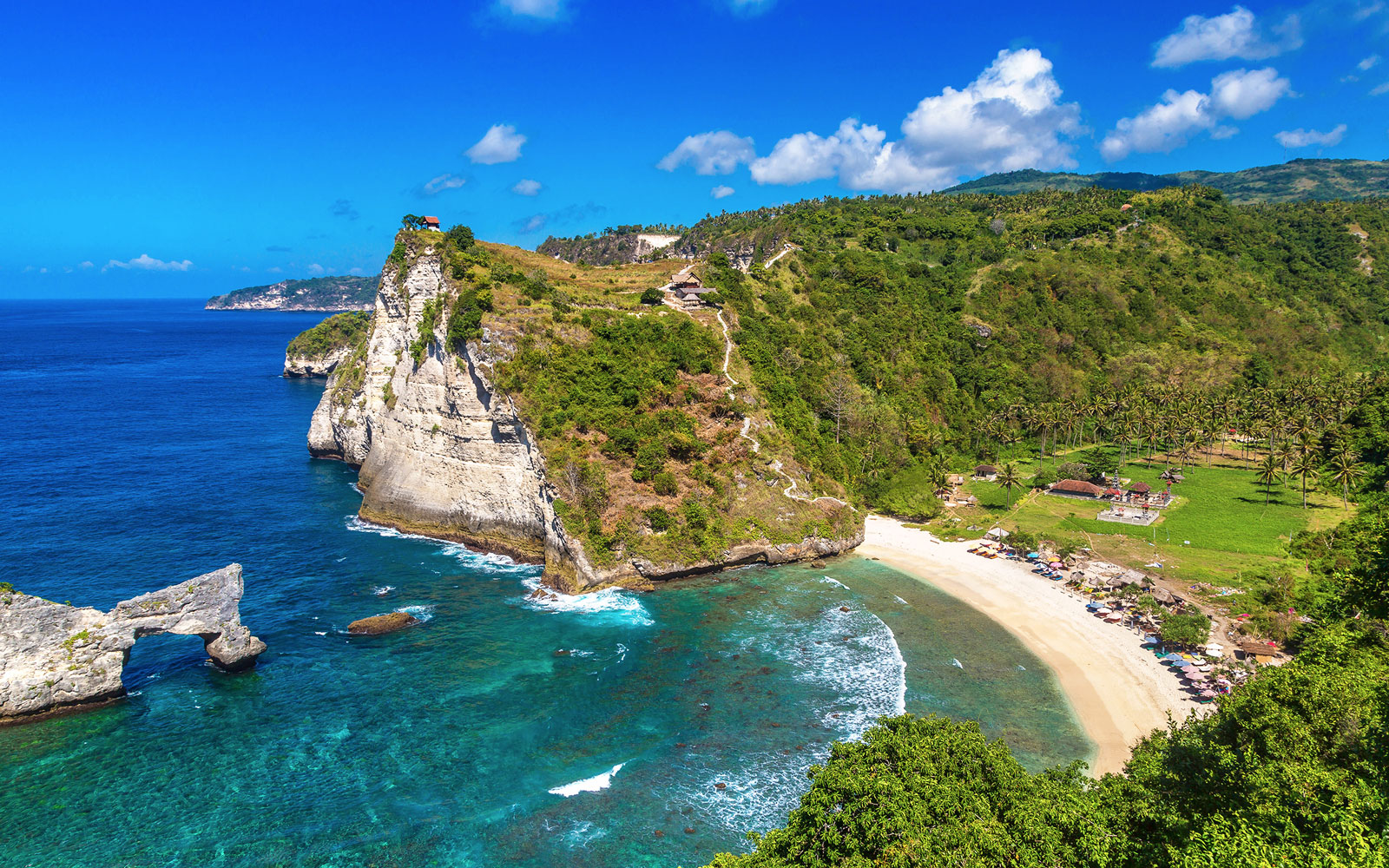
Atuh Beach Bali: Cliff Views, Access Route & Visit Timing
Discover Atuh Beach Bali, a hidden paradise on Nusa Penida with dramatic cliffs, turquoise waters, white sand, and Instagram-worthy rock formations.
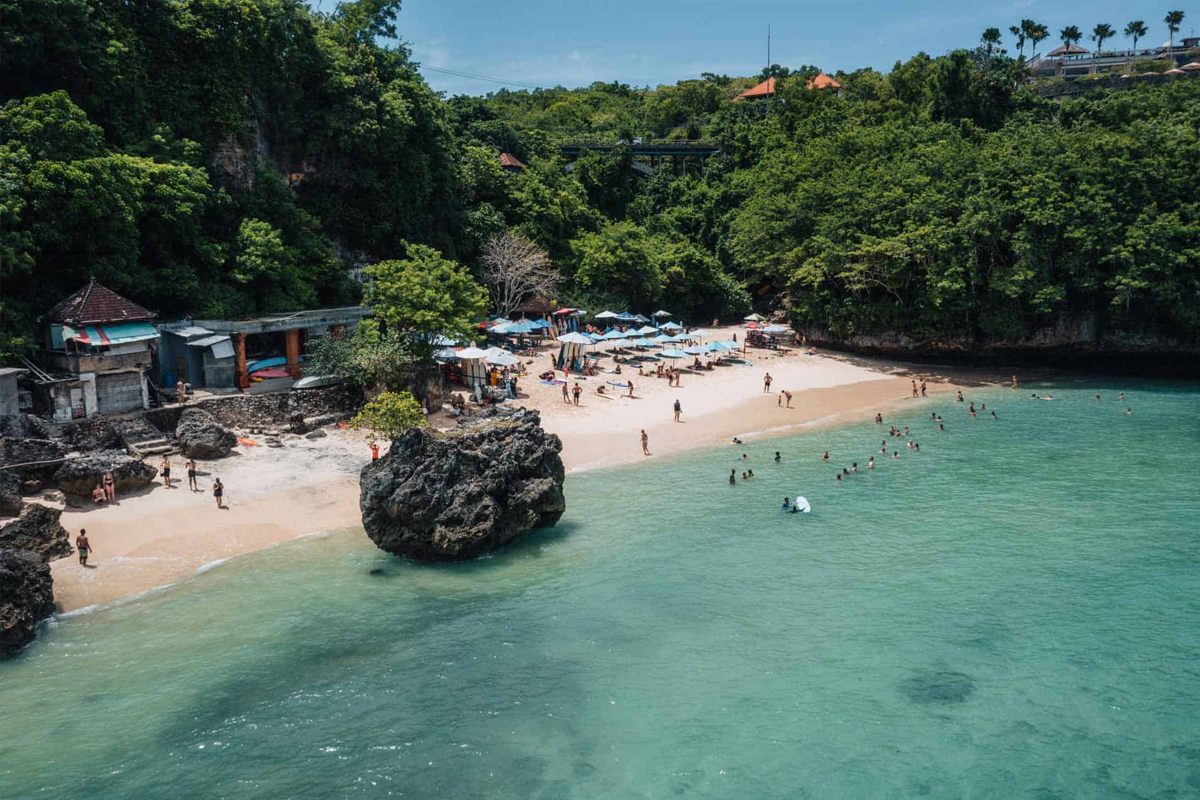
Padang Padang Beach Bali: Surf Conditions, Entry & Visitor Tips
Complete Padang Padang Beach Bali guide with world-class surfing, Eat Pray Love fame, entrance fee, how to reach, best time & practical tips.

Best Time to Visit Bali: Season Guide and Travel Tips
Plan the best time to visit Bali with weather-wise strategy, route planning, and practical tips for smoother island travel.
Never Miss an Adventure
Get the latest trekking guides, travel tips, and exclusive offers delivered straight to your inbox.
