
Heritage
Bagore Ki Haveli Udaipur: Museum, Puppet Show Timings & Tickets

Neha Kapoor
December 8, 2025
18 min read4,220 views
Discover Bagore Ki Haveli Udaipur: 18th-century mansion turned museum with Dharohar dance, puppet shows, turban gallery & stunning Lake Pichola views.
A Living Museum of Rajasthani Culture on Lake Pichola
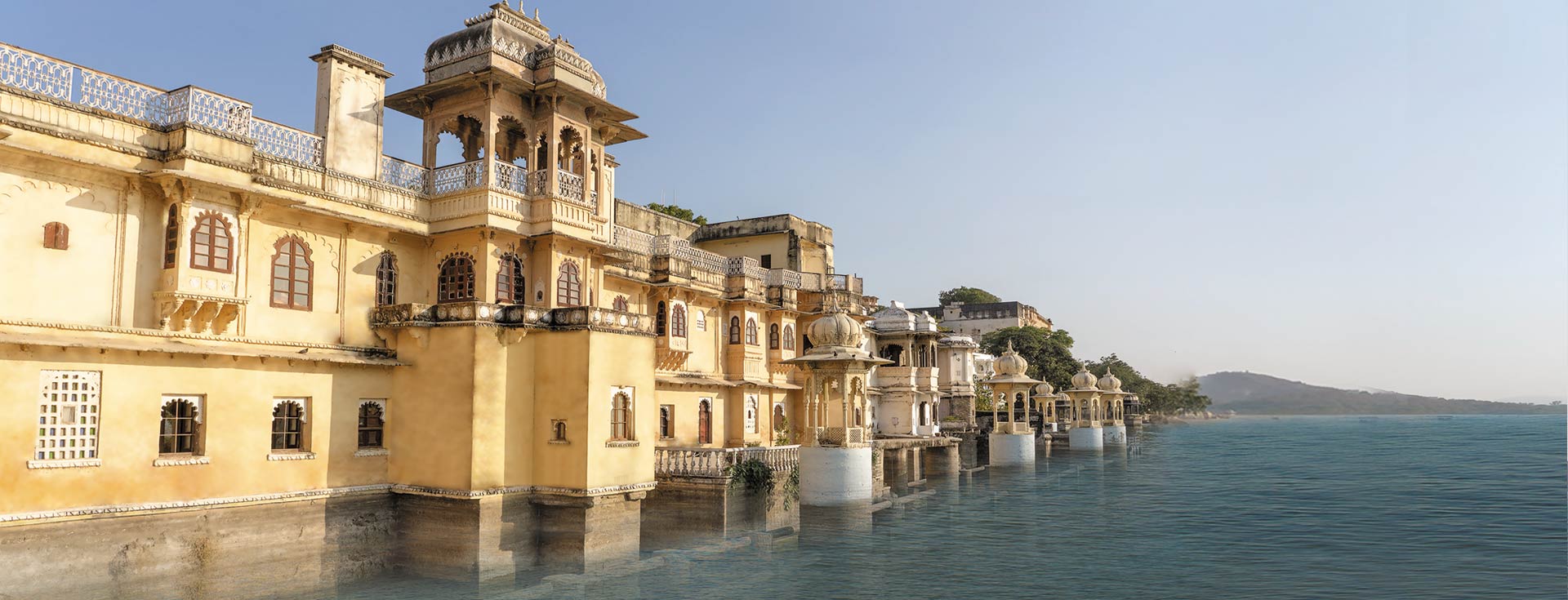
Standing gracefully on the waterfront of Lake Pichola, Bagore Ki Haveli represents one of Udaipur's finest examples of Rajputana architecture and serves as a vibrant museum celebrating Rajasthan's rich cultural heritage. This magnificent 18th-century mansion, with its over 100 rooms, intricate balconies, and stunning courtyards, offers visitors an immersive journey into the royal lifestyle of Mewar's nobility. Unlike many museums that feel frozen in time, Bagore Ki Haveli pulses with life through its famous evening cultural performances featuring traditional Rajasthani dance, puppet shows, and folk music. The haveli has been meticulously restored and transformed into a museum that showcases an impressive collection of royal artifacts, costumes, weapons, and everyday objects that once belonged to the Mewar royal family.
What makes Bagore Ki Haveli particularly special is its prime location on Gangaur Ghat, offering breathtaking views of Lake Pichola and the surrounding City Palace complex. As you wander through its beautifully preserved rooms and corridors, you're not just seeing exhibits—you're experiencing the grandeur of a bygone era where art, culture, and royalty intertwined seamlessly.
Unlike many museums that feel frozen in time, Bagore Ki Haveli pulses with life through its famous evening cultural performances featuring traditional Rajasthani dance, puppet shows, and folk music. The haveli has been meticulously restored and transformed into a museum that showcases an impressive collection of royal artifacts, costumes, weapons, and everyday objects that once belonged to the Mewar royal family.
What makes Bagore Ki Haveli particularly special is its prime location on Gangaur Ghat, offering breathtaking views of Lake Pichola and the surrounding City Palace complex. As you wander through its beautifully preserved rooms and corridors, you're not just seeing exhibits—you're experiencing the grandeur of a bygone era where art, culture, and royalty intertwined seamlessly.
The Glorious History of Bagore Ki Haveli
The story of Bagore Ki Haveli begins in 1751, when Maharana Jagat Singh II commissioned Prime Minister Amar Chand Badwa to construct this magnificent mansion. Built over nearly three decades, the haveli served as the residence of the royal Prime Minister and his family for over a century. The haveli derives its name from the village of Bagore, from which Amar Chand Badwa's family originally hailed. As Prime Minister of Mewar, Badwa held considerable influence in the royal court, and this was reflected in the grandeur of his residence—which rivaled many royal palaces in its architectural sophistication and artistic detail. Following Badwa's death, the haveli passed through several hands before eventually being abandoned in the mid-20th century. For years, this architectural gem lay neglected, falling prey to decay and vandalism. By the 1980s, what was once a symbol of Mewar's nobility had become a shadow of its former glory. In a remarkable restoration effort beginning in 1986, the West Zone Cultural Centre took on the task of transforming this crumbling structure into a museum and cultural center. The restoration, which spanned several years, carefully preserved the original architectural elements while reinforcing the structure and preparing it to house a remarkable collection of artifacts.
Today, Bagore Ki Haveli stands as a testament to the vision of those who recognized its cultural value and worked tirelessly to restore it to its former splendor. The haveli was awarded the UNESCO Asia-Pacific Heritage Award for Cultural Heritage Conservation in 2006, recognizing the excellence of its restoration and its importance as a cultural treasure.
In a remarkable restoration effort beginning in 1986, the West Zone Cultural Centre took on the task of transforming this crumbling structure into a museum and cultural center. The restoration, which spanned several years, carefully preserved the original architectural elements while reinforcing the structure and preparing it to house a remarkable collection of artifacts.
Today, Bagore Ki Haveli stands as a testament to the vision of those who recognized its cultural value and worked tirelessly to restore it to its former splendor. The haveli was awarded the UNESCO Asia-Pacific Heritage Award for Cultural Heritage Conservation in 2006, recognizing the excellence of its restoration and its importance as a cultural treasure.
Architectural Marvel: A Palace Within a Palace
Bagore Ki Haveli showcases the quintessential architecture of aristocratic Rajasthani homes, designed to balance royal grandeur with practical functionality. The haveli spreads over multiple levels, with each floor serving specific purposes—from public reception areas to private family quarters. The exterior features impressive jharokhas (ornate balconies) with delicate stone carvings that allowed royal women to observe street life and processions on Lake Pichola without being seen. These balconies, with their intricate latticework, are masterpieces of craftsmanship and create beautiful patterns of light and shadow throughout the day.| Architectural Feature | Description |
|---|---|
| Jharokhas | Intricate balconies with lattice work for royal women |
| Courtyards | Open spaces providing light and ventilation |
| Murals | Traditional paintings depicting royal life |
| Mirror Work | Intricate glass inlay in private chambers |
| Pillared Halls | Grand spaces for ceremonies and gatherings |
Exploring the Museum Collections
The Turban Gallery: A Headgear Extravaganza
One of the most fascinating sections of Bagore Ki Haveli is the Turban Gallery, which houses an remarkable collection of over 200 different types of turbans from various regions of Rajasthan. In Rajasthani culture, turbans were far more than just headgear—they were symbols of caste, profession, region, and occasion. The gallery showcases turbans worn by royalty, farmers, merchants, priests, and warriors, each with its distinct style of tying, color, and embellishment. The collection demonstrates how a single piece of clothing could communicate so much about a person's identity and social standing in traditional Rajasthani society.
Information panels explain the significance of different turbans—the Pagri for royalty, the Safa for special occasions, the Pencha for everyday wear. The collection also includes turbans from different seasons—lighter cotton ones for summer and heavier woolen ones for winter.
The gallery showcases turbans worn by royalty, farmers, merchants, priests, and warriors, each with its distinct style of tying, color, and embellishment. The collection demonstrates how a single piece of clothing could communicate so much about a person's identity and social standing in traditional Rajasthani society.
Information panels explain the significance of different turbans—the Pagri for royalty, the Safa for special occasions, the Pencha for everyday wear. The collection also includes turbans from different seasons—lighter cotton ones for summer and heavier woolen ones for winter.
Jewelry and Personal Artifacts
The jewelry collection at Bagore Ki Haveli offers a glimpse into the opulent lifestyle of Mewar's nobility. Elaborate necklaces, earrings, nose rings, anklets, and armbands crafted in gold, silver, and precious stones showcase the exceptional craftsmanship of Rajasthani artisans. Particularly interesting are the ceremonial pieces worn by royal women during important occasions—heavy, ornate sets that would have taken hours to put on. The collection also includes personal grooming items like silver kajal containers, ivory combs, and beautifully crafted perfume bottles. Also on display are household items that reveal the daily life of the haveli's inhabitants—brass and copper utensils, ornate betel nut boxes, silver thalis (plates), and beautifully embroidered textiles. These objects tell stories of royal domesticity, of rituals and routines that filled the days of those who lived within these walls.
Weapons and Armory
The weapons collection reflects the martial traditions of Rajputana, with an impressive array of swords, daggers, shields, and guns. Many of these weapons are not just functional implements of war but works of art in their own right, with intricately carved hilts and inlaid precious metals. The collection includes ceremonial swords used by the Mewar royalty, as well as practical weapons from various periods of Rajasthan's turbulent history. Information panels provide context about when and how these weapons were used, bringing to life the military aspects of Rajput culture.Paintings and Photographs
Throughout the haveli, you'll find a collection of miniature paintings and historical photographs that provide visual context to the artifacts. Miniature paintings depicting royal processions, hunting expeditions, and court scenes offer insights into the artistic traditions of the Mewar school of painting. Old photographs of Udaipur from the late 19th and early 20th centuries show how much the city has changed—and how much it has remained the same. Images of Lake Pichola, the City Palace, and the surrounding hills from a century ago help visitors appreciate the historical continuity of this magical city.The Famous Dharohar Dance Performance
Undoubtedly the highlight of any visit to Bagore Ki Haveli is the Dharohar dance performance, held every evening in the central courtyard. This spectacular 60-minute show showcases the rich folk dance traditions of Rajasthan, performed by artists who have dedicated their lives to preserving these ancient art forms. The performance begins at 7:00 PM and runs until 8:00 PM, creating a magical atmosphere as the courtyard comes alive with color, music, and movement. The traditional costumes, with their vibrant colors and intricate embroidery, are themselves works of art, and the energy of the performers is infectious.| Performance Detail | Information |
|---|---|
| Show Timings | 7:00 PM to 8:00 PM daily |
| Duration | 60 minutes approximately |
| Ticket Price | ₹90-150 depending on seating |
| Venue | Central Courtyard, Bagore Ki Haveli |
| Best Seats | Front rows for closest view |
- Ghoomar: The iconic Rajasthani dance performed by women in swirling skirts, creating mesmerizing circular patterns
- Kalbeliya: The dance of the snake charmers, with fluid, serpentine movements and incredible flexibility
- Chari: The fire dance where performers balance flaming pots on their heads with remarkable grace
- Bhavai: A dramatic dance form where women balance up to seven pitchers on their heads while dancing
- Terah Taali: A percussion dance with thirteen cymbals tied to various parts of the performer's body
Puppet Show: A Delight for All Ages
Rajasthan's puppetry tradition is one of the oldest and most respected in India, and Bagore Ki Haveli provides a wonderful platform for keeping this art form alive. The puppet shows typically feature stories from the epic Ramayana and Mahabharata, as well as tales of Rajput valor and romance. What makes these performances special is not just the skill of the puppeteers but also the accompanying folk music and singing. The puppeteers themselves provide the narration and voices, creating a complete theatrical experience that transports audiences to village fairs and royal darbars of centuries past. The puppets themselves are works of art—carved from wood, dressed in elaborate costumes, and painted with expressive faces. The intricate mechanisms that control the puppets' movements have been refined over generations, allowing for remarkably lifelike gestures and expressions. For children, the puppet show is often the most memorable part of their visit to Udaipur. For adults, it offers a connection to storytelling traditions that have entertained and educated Rajasthani communities for centuries.Bagore Ki Haveli Timings and Entry Fees
Museum Timings: The museum is open daily from 9:30 AM to 5:30 PM. Last entry is at 5:00 PM, allowing one hour to explore before closing. The museum is open every day of the week, including weekends and holidays.| Category | Entry Fee |
|---|---|
| Indian Adults | ₹50 per person |
| Indian Children | ₹25 per person |
| Foreign Adults | ₹100 per person |
| Foreign Children | ₹50 per person |
| Still Camera | ₹50 |
| Video Camera | ₹100 |
| Dharohar Show | ₹90-150 (Indian), ₹200-300 (Foreign) |
Best Time to Visit Bagore Ki Haveli
The ideal time to visit Bagore Ki Haveli follows the general pattern for Udaipur tourism. The winter months from October to March offer the most pleasant weather, with daytime temperatures ranging from 15°C to 28°C—perfect for exploring the haveli and attending the evening performance.| Season | Months | Temperature | Pros | Cons |
|---|---|---|---|---|
| Winter | Oct - Mar | 15°C - 28°C | Ideal weather, perfect for evening shows | Peak season, more crowds |
| Summer | Apr - Jun | Up to 40°C | Fewer tourists | Extremely hot, uncomfortable |
| Monsoon | Jul - Sep | 25°C - 30°C | Lush surroundings, pleasant | High humidity, occasional rain |
Lake Pichola Views from Bagore Ki Haveli
One of the haveli's greatest assets is its prime location on Gangaur Ghat, directly overlooking Lake Pichola. The views from the upper balconies and terraces are simply spectacular, offering some of the best photo opportunities in Udaipur. From the haveli's balconies, you can see the magnificent City Palace complex rising from the water's edge, the Lake Palace gleaming white in the middle of the lake, and the Jag Mandir island palace in the distance. The Aravalli hills form a dramatic backdrop, their color changing with the light throughout the day. Sunset views from Bagore Ki Haveli are particularly magical. As the sun begins its descent behind the hills, the lake takes on golden hues, and the City Palace glows in the warm light. The silhouette of the haveli's own jharokhas against the colorful sky creates perfect photo compositions. The evening performance timing (7:00 PM) is perfectly chosen to capture the transition from day to night. If you're seated in the courtyard, look up between dance numbers to see the sky changing colors as the sun sets and the first stars appear over the lake.
For the complete Lake Pichola experience, consider combining your visit to Bagore Ki Haveli with a boat ride (₹400-600 per person for a 45-minute ride). Boats depart from various ghats including Gangaur Ghat right outside the haveli. The boat provides a different perspective on the haveli, showing you its full grandeur from the water—a view that must have been even more impressive when it was first built and could be approached by royal boats.
The evening performance timing (7:00 PM) is perfectly chosen to capture the transition from day to night. If you're seated in the courtyard, look up between dance numbers to see the sky changing colors as the sun sets and the first stars appear over the lake.
For the complete Lake Pichola experience, consider combining your visit to Bagore Ki Haveli with a boat ride (₹400-600 per person for a 45-minute ride). Boats depart from various ghats including Gangaur Ghat right outside the haveli. The boat provides a different perspective on the haveli, showing you its full grandeur from the water—a view that must have been even more impressive when it was first built and could be approached by royal boats.
How to Reach Bagore Ki Haveli
Bagore Ki Haveli is conveniently located in the heart of Udaipur's old city on Gangaur Ghat, making it easily accessible from various parts of the city. By Air: Maharana Pratap Airport (UDR) is approximately 25 kilometers away. Taxis and app-based cabs (Uber, Ola) take 45-50 minutes and cost ₹500-700. The airport connects Udaipur to major Indian cities including Delhi, Mumbai, Jaipur, and Bangalore. By Train: Udaipur City Railway Station is just 4 kilometers away. Auto-rickshaws cost ₹60-80 and take 15-20 minutes depending on traffic. From the railway station, you can also walk through the old city in about 40-45 minutes if you're traveling light and enjoy exploring. By Road: Udaipur is well-connected by National Highways 48 and 58. Regular buses operate from Delhi (11-12 hours), Jaipur (6 hours), Ahmedabad (4 hours), and other Rajasthan cities. The main bus stand is about 3 kilometers from the haveli. Local Transport: Within Udaipur, auto-rickshaws are the most convenient way to reach Bagore Ki Haveli. Most auto-rickshaw drivers know it simply as "Bagore Ki Haveli" or "the museum near Gangaur Ghat." Taxis and app-based cabs are also available but may have difficulty navigating the narrow lanes of the old city—you may need to walk the final few hundred meters.Tips for Visiting Bagore Ki Haveli
Museum Visit Tips
- Hire a guide: The stories behind artifacts bring them alive—guides cost ₹200-300 for a 1-hour tour
- Start early: Visit the museum at 9:30 AM when it opens for a quieter experience
- Allow time: Plan 1.5-2 hours to explore the museum thoroughly
- Wear comfortable shoes: You'll be walking on uneven surfaces and climbing stairs
- Carry cash: Not all payment methods may be accepted at smaller counters
- Respect rules: Don't touch artifacts or frescoes—oils from hands damage them
Evening Performance Tips
- Arrive early: Reach by 6:30 PM to get the best seats for the 7:00 PM show
- Bring layers: Winter evenings can be cool, especially after sunset
- Charge your phone: You'll want to photograph the colorful costumes and performances
- Be respectful: Don't use flash photography during the performance
- Stay hydrated: Carry water, especially in summer months
- Combine visits: Explore the museum in the afternoon and attend the show in the evening
Photography Tips
The best photographs of the haveli exterior are taken from Lake Pichola—consider taking a boat ride for these shots. The golden hour (just before sunset) provides the most beautiful light for exterior shots, with the warm colors complementing the sandstone architecture. Inside the museum, available light photography works best—turn off your flash to avoid glare on glass cases and damage to delicate frescoes. The mirror work rooms are challenging to photograph; try different angles and perhaps include yourself in the reflection for an interesting composition. During the evening performance, photography is restricted and flash is definitely not allowed. However, you can take some amazing shots during the final group performance when artists pose for photographs with the audience. These make for wonderful memories of your visit.Combining with Nearby Attractions
Bagore Ki Haveli's location makes it easy to combine with other Udaipur attractions:- City Palace: A 10-minute walk through the old city—explore both in one day
- Jagdish Temple: 5-minute walk, dedicated to Lord Vishnu with beautiful architecture
- Gangaur Ghat: Right outside the haveli—perfect for sunset views over Lake Pichola
- Lake Palace: Visible from the haveli—take a boat ride to get closer
- Old city markets: Great shopping for handicrafts, miniature paintings, and textiles
Responsible Tourism at Bagore Ki Haveli
As you explore this beautifully restored heritage building, remember that you're walking through a space that has been carefully preserved for future generations. The restoration work was extensive and expensive, and ongoing maintenance requires significant resources. Help preserve the haveli by not touching the frescoes, murals, or artifacts. The oils and moisture from our hands can cause long-term damage to these delicate artworks. If you're visiting with children, please supervise them to ensure they don't climb on railings or touch exhibits. Photography should be done respectfully—don't block pathways or disturb other visitors. During the evening performance, remember that the artists are professionals who have trained for years. Give them your full attention and refrain from talking loudly or using your phone for non-essential activities. Support the haveli's preservation efforts by purchasing tickets legitimately rather than trying to avoid fees. The revenue from tickets helps maintain the building and supports the artists who perform every evening. Consider purchasing souvenirs from the gift shop, as proceeds often go toward conservation and supporting local artisans. Dispose of trash in designated bins. The haveli is working to reduce plastic use, so carry a reusable water bottle rather than buying plastic bottles. The old city of Udaipur is grappling with waste management issues, and as responsible tourists, we should do our part to minimize our environmental impact.Conclusion: A Cultural Gem of Udaipur
Bagore Ki Haveli offers visitors a complete cultural experience that goes beyond what most museums provide. It's not just a building filled with artifacts—it's a living, breathing space where Rajasthan's artistic traditions continue to thrive through the daily Dharohar performances. What makes Bagore Ki Haveli special is the way it combines different aspects of Rajasthani culture under one roof. The museum collections provide insight into the material culture of Mewar's nobility, from the turbans they wore to the weapons they carried to the jewelry that adorned them. The architectural elements reveal the sophisticated aesthetic sensibilities and engineering knowledge of 18th-century Rajasthan. And the evening performances showcase the intangible cultural heritage—the music, dance, and storytelling traditions that have been passed down through generations. Whether you're marveling at the intricate mirror work in the private chambers, learning about the significance of different turbans in Rajasthani society, or being captivated by the graceful movements of the Ghoomar dancers in the courtyard, Bagore Ki Haveli offers something for every kind of traveler. For history enthusiasts, it's a meticulously preserved window into the past. For culture lovers, it's an opportunity to witness living traditions. For photographers, it's a visual feast of architecture, artifacts, and performances. And for families traveling with children, it's an educational experience that's also genuinely entertaining. The next time you're in Udaipur, make sure Bagore Ki Haveli is on your itinerary. Arrive with time to explore the museum slowly, perhaps with a guide who can bring the artifacts to life with stories. Stay for the evening performance, and let yourself be transported by the music, colors, and movements of traditional Rajasthan. And take a moment from the balconies to appreciate the view of Lake Pichola—a view that has remained largely unchanged for centuries, connecting you to all those who have stood in that same spot and looked out over the magical city of Udaipur.Location
Frequently Asked Questions
Q1.What are Bagore Ki Haveli Udaipur timings?
Bagore Ki Haveli museum is open daily from 9:30 AM to 5:30 PM, with last entry at 5:00 PM. The famous Dharohar dance performance takes place every evening from 7:00 PM to 8:00 PM. The museum and show are open every day of the week, including weekends and holidays. It's recommended to visit the museum in the morning or afternoon and stay for the evening performance to experience both aspects of this cultural attraction.
Q2.What is the ticket price for Bagore Ki Haveli?
Museum entry fees are ₹50 for Indian adults, ₹25 for Indian children, ₹100 for foreign adults, and ₹50 for foreign children. Photography charges are additional: ₹50 for still cameras and ₹100 for video cameras. The Dharohar dance performance tickets are sold separately at ₹90-150 for Indians and ₹200-300 for foreigners, depending on seating. Combined tickets covering both museum entry and the performance may be available at discounted rates.
Q3.How long is the Dharohar dance performance at Bagore Ki Haveli?
The Dharohar dance performance lasts approximately 60 minutes, running from 7:00 PM to 8:00 PM daily. The show features multiple traditional Rajasthani dance forms including Ghoomar, Kalbeliya, Chari, and Bhavai, culminating with a puppet show. Arrive at least 30 minutes early (by 6:30 PM) to secure good seats, especially during peak tourist season from October to March when the courtyard fills up quickly.
Q4.What is the Turban Gallery at Bagore Ki Haveli?
The Turban Gallery is one of the most fascinating sections of Bagore Ki Haveli's museum, housing over 200 different types of turbans from various regions of Rajasthan. In Rajasthani culture, turbans symbolized caste, profession, region, and occasion. The collection includes turbans worn by royalty, farmers, merchants, priests, and warriors, each with distinct styles, colors, and tying methods. Information panels explain the cultural significance of each turban type, offering insights into traditional Rajasthani society.
Q5.Is photography allowed inside Bagore Ki Haveli?
Photography is allowed inside Bagore Ki Haveli museum for an additional fee: ₹50 for still cameras and ₹100 for video cameras. However, flash photography is generally prohibited to protect delicate frescoes and artifacts. During the evening Dharohar performance, photography is restricted and flash is not allowed to avoid disturbing the performers. Some areas may have specific photography restrictions—always follow the instructions of museum staff and respect 'no photography' signs.
Q6.How do I reach Bagore Ki Haveli from Udaipur railway station?
Bagore Ki Haveli is located just 4 kilometers from Udaipur City Railway Station. You can easily reach it by auto-rickshaw (₹60-80, 15-20 minutes depending on traffic), taxi, or app-based cab services. The distance is also walkable in about 40-45 minutes through the old city's interesting streets if you're traveling light. The haveli is situated on Gangaur Ghat in the heart of Udaipur's old city, near the famous City Palace.
Q7.What's the best time to visit Bagore Ki Haveli?
The best time to visit Bagore Ki Haveli is during winter months from October to March when temperatures are pleasant (15-28°C). For the museum, visit early morning (9:30 AM) to avoid crowds. For the Dharohar performance, arrive by 6:30 PM for good seats. Carry a light jacket for winter evenings as the courtyard can get cool after sunset. Summer (April-June) is extremely hot, making the outdoor evening performance uncomfortable. Monsoon offers lush greenery but occasional rain may interrupt the outdoor show.
Q8.What dance forms are performed in the Dharohar show?
The Dharohar dance performance showcases several traditional Rajasthani dance forms: Ghoomar (the iconic circular dance by women in swirling skirts), Kalbeliya (the serpent-like dance of snake charmers), Chari (the fire dance balancing flaming pots), Bhavai (women balancing multiple pitchers on their heads), and Terah Taali (a percussion dance with thirteen cymbals). The show concludes with a captivating puppet performance featuring traditional wooden puppets telling stories from Rajput history and Hindu mythology.
Recommended For You
Adventure
Things to Do in Rajasthan: Desert, Heritage & Cultural Experiences
Discover 50 amazing things to do in Rajasthan - explore forts, palaces, deserts, culture & cuisine. Complete guide with timings, fees & tips for 2026.
Feb 20Read More
City Guides
Places to Visit in Udaipur: Lakes, Palaces & Sunset Points
Explore best places to visit in Udaipur. City Palace, Lake Pichola, Jag Mandir & more. Complete guide to timings, entry fee & boat rides.
Nov 23Read More
Travel
Best Time to Visit Udaipur: Weather, Festivals & Best Travel Months
Find the best time to visit Udaipur with a season-by-season weather guide, monthly breakdown, festival context, and practical planning tips.
Feb 18Read More
Never Miss an Adventure
Get the latest trekking guides, travel tips, and exclusive offers delivered straight to your inbox.
