
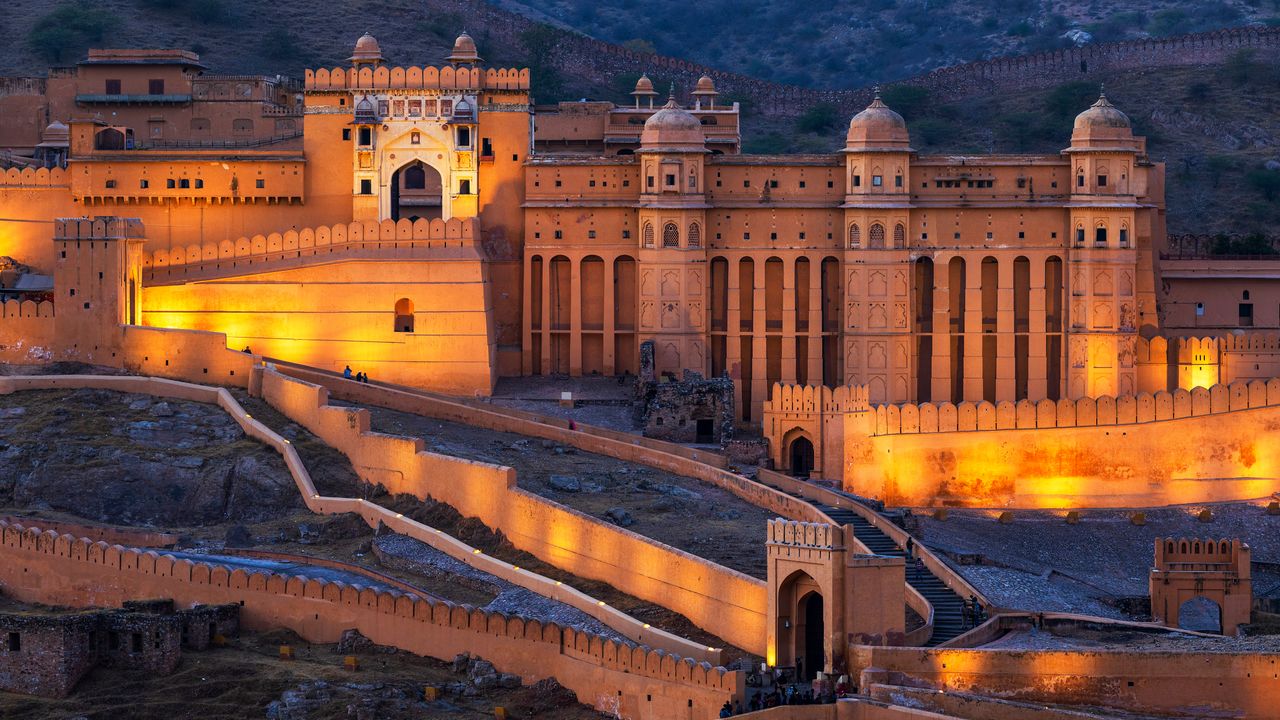
Amber Fort Jaipur: Complete Guide with Timings, Entry Fee & Tips

Rohan Malhotra
January 30, 2026
Explore Amber Fort Jaipur: UNESCO World Heritage Site featuring Sheesh Mahal, royal palaces, and stunning architecture. Complete guide with timings, entry fees, and travel tips.
Introduction: The Crown Jewel of Jaipur
Standing majestically atop a hill overlooking Maota Lake, Amber Fort (also known as Amer Fort) is Jaipur's most iconic attraction and a testament to Rajasthan's royal heritage. This UNESCO World Heritage Site represents the pinnacle of Rajputana architecture, blending Hindu and Mughal styles in a stunning display of artistic grandeur.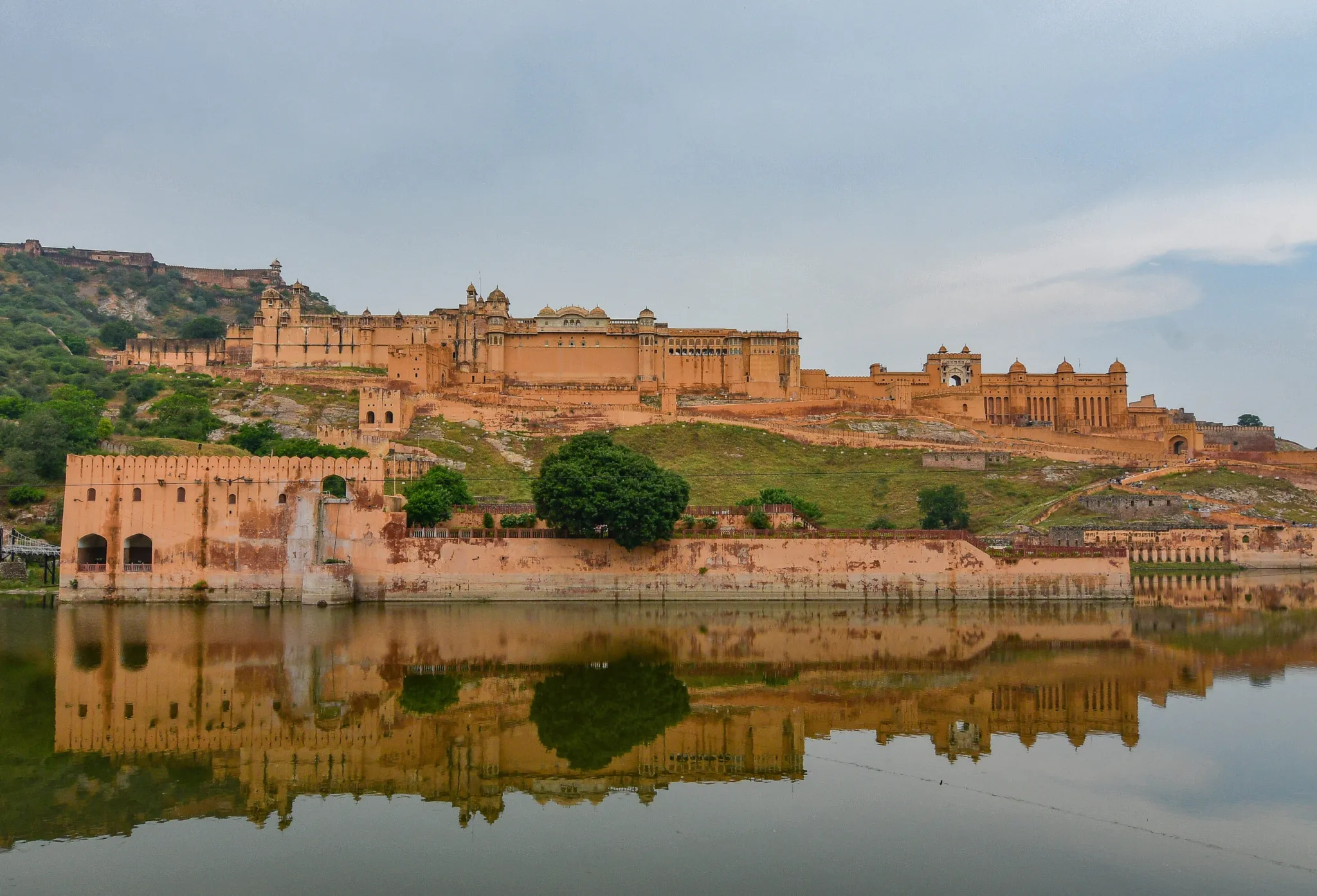 As you approach the fort, its towering sandstone walls and intricate marble work create an awe-inspiring silhouette against the Rajasthani sky, inviting travelers to step back into an era of Maharajas and royal splendor. Built over 100 years starting in 1592 AD by Raja Man Singh I, Amber Fort served as the capital of the Kachwaha Rajputs before Jaipur was established.
Today, it remains one of India's most visited monuments, drawing millions of tourists who come to marvel at its mirror palace, intricate frescoes, and panoramic views of the surrounding Aravalli hills. Whether you're a history enthusiast, architecture lover, or simply seeking to experience Rajasthan's royal legacy, Amber Fort offers an unforgettable journey through time.
As you approach the fort, its towering sandstone walls and intricate marble work create an awe-inspiring silhouette against the Rajasthani sky, inviting travelers to step back into an era of Maharajas and royal splendor. Built over 100 years starting in 1592 AD by Raja Man Singh I, Amber Fort served as the capital of the Kachwaha Rajputs before Jaipur was established.
Today, it remains one of India's most visited monuments, drawing millions of tourists who come to marvel at its mirror palace, intricate frescoes, and panoramic views of the surrounding Aravalli hills. Whether you're a history enthusiast, architecture lover, or simply seeking to experience Rajasthan's royal legacy, Amber Fort offers an unforgettable journey through time.
About Amber Fort: History & Architecture
Amber Fort's story begins in the 16th century when Raja Man Singh I, a trusted general of Emperor Akbar, commissioned this magnificent structure. The fort's construction spanned nearly a century, with successive rulers adding their own architectural touches. What makes Amber Fort particularly remarkable is its strategic location. Perched on a hilltop, it offered both defensive advantages and breathtaking views of the surrounding landscape. The architecture represents a harmonious blend of Rajputana and Mughal styles, creating a unique aesthetic that's distinctly Rajasthani.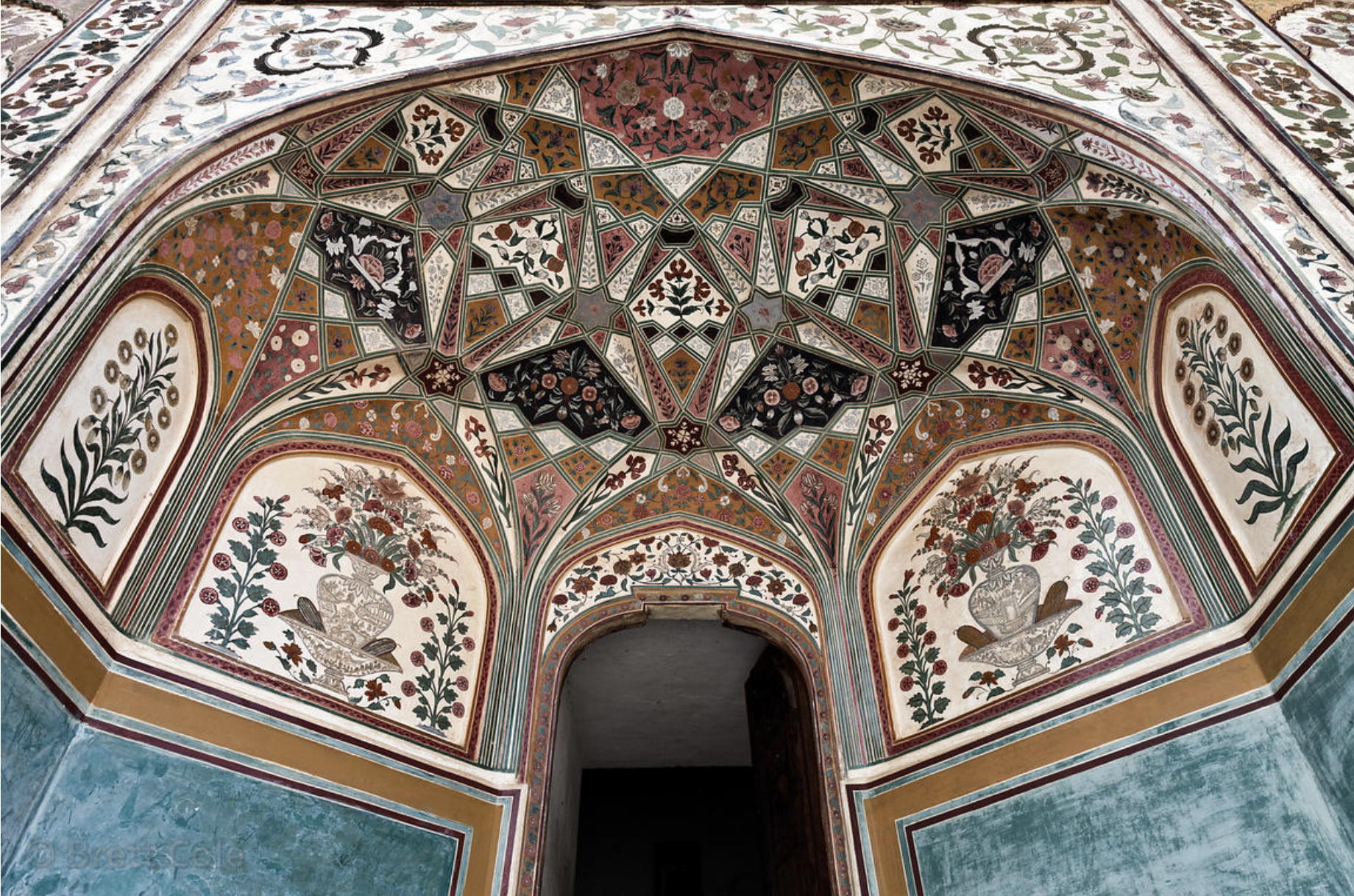 Built primarily from red sandstone and white marble, the fort complex spreads over four levels, each with its own courtyard and distinct architectural elements. The walls are adorned with intricate carvings, frescoes, and mirror work that showcase the exceptional craftsmanship of artisans from that era.
In 2013, Amber Fort was designated as a UNESCO World Heritage Site as part of the "Hill Forts of Rajasthan," recognizing its outstanding universal value as a cultural treasure. The fort's significance extends beyond its architectural beauty—it served as the seat of power for the Kachwaha dynasty and played a crucial role in Rajasthan's history.
Built primarily from red sandstone and white marble, the fort complex spreads over four levels, each with its own courtyard and distinct architectural elements. The walls are adorned with intricate carvings, frescoes, and mirror work that showcase the exceptional craftsmanship of artisans from that era.
In 2013, Amber Fort was designated as a UNESCO World Heritage Site as part of the "Hill Forts of Rajasthan," recognizing its outstanding universal value as a cultural treasure. The fort's significance extends beyond its architectural beauty—it served as the seat of power for the Kachwaha dynasty and played a crucial role in Rajasthan's history.
Best Time to Visit Amber Fort
Timing your visit to Amber Fort can significantly enhance your experience. The best time to explore this magnificent fort is during the winter months, from October to March, when the weather is pleasant and ideal for walking through the expansive complex.| Season | Months | Temperature | Pros | Cons |
|---|---|---|---|---|
| Winter | Oct - Mar | 15°C - 25°C | Ideal weather, perfect for photography | Peak tourist season, more crowds |
| Summer | Apr - Jun | 30°C - 40°C | Fewer tourists, lower prices | Extremely hot, not ideal for exploration |
| Monsoon | Jul - Sep | 25°C - 30°C | Lush green surroundings, pleasant evenings | Humidity, occasional heavy rain |
How to Reach Amber Fort from Jaipur
Amber Fort is located approximately 11 kilometers from Jaipur city center in the town of Amer. Getting there is relatively straightforward, with several transportation options available to suit different budgets and preferences.| Transport Mode | Time | Cost (Approx.) | Best For |
|---|---|---|---|
| Taxi/Cab | 30 minutes | ₹300-500 | Families, convenience |
| Auto-rickshaw | 35-40 minutes | ₹150-250 | Budget travelers |
| RSRTC Bus | 45-50 minutes | ₹20-30 | Most economical option |
| Private Car | 30 minutes | Parking + Fuel | Flexibility and comfort |
Top Attractions Inside Amber Fort
Diwan-e-Aam (Hall of Public Audience)
The Diwan-e-Aam, or Hall of Public Audience, is where the Maharaja would meet common citizens and address their grievances. This impressive hall features a double row of columns with elephant-shaped brackets and a raised platform where the ruler sat.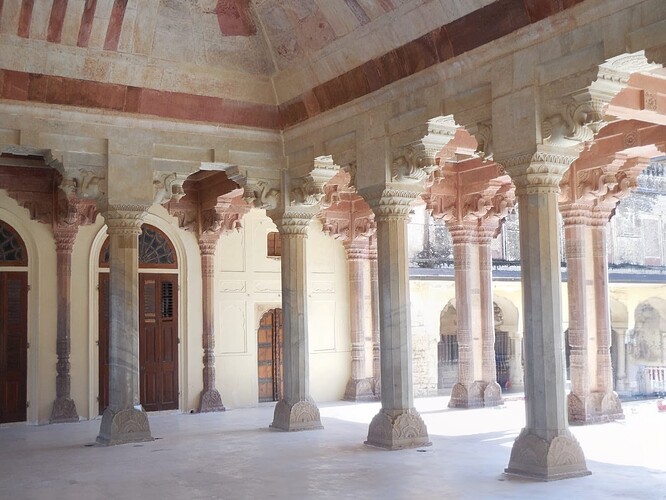 The hall's architecture exemplifies the Mughal influence, with its large open space allowing for public gatherings. The intricate frescoes on the walls depict scenes from royal processions and battles, offering insights into the era's cultural and political life.
Diwan-e-Khas (Hall of Private Audience)
Unlike the public hall, the Diwan-e-Khas was reserved for private meetings with dignitaries, ministers, and special guests. This smaller, more intimate space showcases exquisite marble work and delicate frescoes. The hall's elegant architecture and ornate decorations reflect its importance as a space for confidential discussions and decision-making. The beautiful mosaic work and glass inlay here demonstrate the exceptional craftsmanship of Rajasthani artisans.Sheesh Mahal (Mirror Palace) – The Crown Jewel
The Sheesh Mahal, or Mirror Palace, is undoubtedly Amber Fort's most spectacular attraction and a highlight for every visitor. Built by Raja Man Singh, this breathtaking hall is adorned with thousands of tiny mirrors arranged in intricate patterns, covering the walls and ceiling.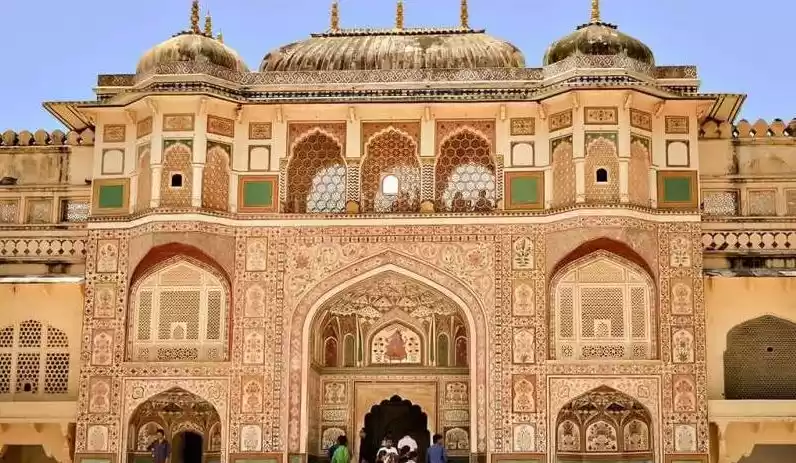 The craftsmanship is so precise that even a single flame's reflection can multiply into a thousand glittering stars, creating a magical atmosphere that's impossible to capture fully in photographs. The Sheesh Mahal served as the queen's quarters and was designed for private moments and relaxation.
Legend has it that the Maharaja would light just two candles, and the mirrors would reflect the light to illuminate the entire hall, creating a dazzling effect reminiscent of a starlit sky. The mirrors are set in beautiful floral and geometric patterns, showcasing the artistic genius of the craftsmen who created this masterpiece.
The craftsmanship is so precise that even a single flame's reflection can multiply into a thousand glittering stars, creating a magical atmosphere that's impossible to capture fully in photographs. The Sheesh Mahal served as the queen's quarters and was designed for private moments and relaxation.
Legend has it that the Maharaja would light just two candles, and the mirrors would reflect the light to illuminate the entire hall, creating a dazzling effect reminiscent of a starlit sky. The mirrors are set in beautiful floral and geometric patterns, showcasing the artistic genius of the craftsmen who created this masterpiece.
Sukh Mandir (Hall of Pleasure)
The Sukh Mandir, or Hall of Pleasure, was designed for the royal family's relaxation and entertainment. This elegant space features a unique air-conditioning system—water channels running through the hall kept it cool during Rajasthan's scorching summers. The doors are made of sandalwood and ivory, and the walls are decorated with beautiful frescoes depicting scenes from the royal court and mythology. The hall's serene atmosphere and ingenious design offer a glimpse into the luxurious lifestyle of the Maharajas.Ganesh Pol
Ganesh Pol is the imposing entrance gate to the private palaces within the fort complex. Named after Lord Ganesha, the remover of obstacles, this beautifully painted gateway features stunning frescoes and mosaic work. The gate's upper section houses a small temple dedicated to Lord Ganesha, and the entire structure is adorned with paintings of floral designs and scenes from Hindu mythology. Passing through Ganesh Pol feels like stepping into a different world—from the public courtyards to the private royal quarters.Jaleb Chowk
Jaleb Chowk is the main courtyard of Amber Fort and the first area you encounter after entering through the Suraj Pol (Sun Gate). This vast rectangular space was used for military parades and public assemblies. The courtyard's architecture is imposing, with two-story buildings on three sides and the main palace structures on the fourth. Today, it serves as a gathering point for tourists and offers impressive views of the fort's architectural elements. The sound and light show also uses this space as part of its performance area.Siladevi Temple
Located within the fort complex, the Siladevi Temple is dedicated to Goddess Sila and features exquisite silver doors. The temple's architecture is simple yet elegant, and the silver doors are particularly noteworthy for their intricate carvings depicting scenes from Hindu mythology. This temple was of great importance to the royal family, who would offer prayers here before important undertakings. The temple's peaceful atmosphere provides a quiet contrast to the bustling courtyards of the fort.Maota Lake
Maota Lake is the primary water source for Amber Fort and adds to the complex's stunning visual appeal. The lake's reflection creates beautiful mirror images of the fort, especially during sunrise and sunset. You can get spectacular views of the lake from various vantage points within the fort, particularly from the ramparts and upper levels. The lake also served a strategic purpose, acting as a natural moat and water source for the fort's residents.Light & Sound Show at Amber Fort
The light and sound show at Amber Fort is a spectacular evening experience that brings the fort's rich history to life through dramatic narration, music, and illuminated visuals. Held at the Kesar Kyari garden within the fort complex, the show narrates the story of Rajasthan's royal heritage. The show is presented in two languages—Hindi at 6:30 PM and English at 7:30 PM—and lasts approximately 50 minutes. The English version is particularly recommended for international visitors, while the Hindi version offers a more culturally immersive experience for those who understand the language.| Show Detail | Information |
|---|---|
| Hindi Show | 6:30 PM daily |
| English Show | 7:30 PM daily |
| Duration | 50 minutes approximately |
| Ticket Price | ₹200-500 depending on seating |
| Venue | Kesar Kyari Garden |
Elephant Ride & Alternatives
One of the most iconic experiences at Amber Fort is the elephant ride that takes visitors from the base of the hill to the main fort entrance. Following in the footsteps of royalty, tourists can ascend the hill atop these majestic animals, just as the Maharajas and their queens would have done centuries ago. The elephant rides operate from 7:00 AM to 11:30 AM, when the animals are not required to work during the heat of the day. Each elephant can carry two people (plus the mahout), and the cost is approximately ₹1000 per elephant for the 15-20 minute journey. However, it's important to note that elephant rides have become increasingly controversial due to animal welfare concerns. In recent years, regulations have been tightened, and the number of rides has been significantly reduced. Many tourists and animal rights organizations now recommend opting for the jeep ride instead.| Option | Cost | Duration | Pros | Cons |
|---|---|---|---|---|
| Elephant Ride | ₹1000/elephant | 15-20 min | Royal experience, memorable | Animal welfare concerns |
| Jeep Ride | ₹100-200/person | 5 min | Fast, ethical, affordable | Less romantic |
| Walk | Free | 15-20 min | Exercise, photos on the way | Can be tiring in heat |
Visitor Tips & Facilities
What to Wear and Carry
Wear comfortable walking shoes with good grip—the fort complex is vast and involves walking on uneven surfaces, inclines, and stairs. Light, breathable clothing is recommended, especially if you're visiting during summer months. In winter, carry a light jacket as early mornings can be chilly. Don't forget sunglasses, a hat, and sunscreen to protect yourself from the harsh Rajasthani sun. Carry a water bottle to stay hydrated, though you'll find plenty of vendors selling water and refreshments within the complex.Essential Items Checklist
- Comfortable shoes with good grip for walking on uneven surfaces
- Sunscreen (SPF 30+) and sunglasses for sun protection
- Water bottle to stay hydrated during exploration
- Camera with fully charged battery for stunning photography
- Light jacket for winter months (Oct-Mar)
- Cash for tips, guides, and small purchases
Hiring a Guide
While it's possible to explore Amber Fort on your own, hiring an authorized guide can significantly enhance your experience. Guides charge between ₹200-500 depending on the duration and whether you want a private or group tour. A knowledgeable guide can provide historical context, explain the significance of various structures, point out architectural details you might otherwise miss, and share fascinating stories and legends associated with the fort. Look for guides approved by the Rajasthan Tourism Department—they wear identification badges and are trained to provide accurate information.Photography Tips
Photography is allowed inside Amber Fort, but tripods are not permitted without special permission. The best time for photography is early morning or late afternoon when the light is soft and golden. The Sheesh Mahal presents a particular challenge—its magic is best experienced in person, as cameras struggle to capture the intricate mirror work properly. Don't rush through the complex—give yourself time to frame shots carefully and appreciate the architectural details. From the fort's ramparts, you can get stunning panoramic shots of Maota Lake and the surrounding Aravalli hills. Consider visiting Hawa Mahal in the afternoon for golden hour photography at both locations.Time Management
Plan to spend at least 2-3 hours exploring Amber Fort thoroughly. If you're interested in photography or want to hire a guide, budget for 3-4 hours. The complex is large, and rushing through it means missing many of its intricate details. Combine your visit with nearby Jaigarh Fort, which is connected to Amber Fort through an underground passage—both forts can be visited in a single day if you start early. Combined tickets for multiple Jaipur monuments are available and offer significant savings if you plan to visit several sites. If you're exploring other royal destinations in Rajasthan, the stunning FatehSagar Lake in Udaipur offers a perfect blend of natural beauty and royal heritage. For architecture enthusiasts, Hawa Mahal in Jaipur showcases another facet of Rajputana architectural brilliance.Best Approach
Consider visiting Amber Fort as part of a larger Jaipur sightseeing itinerary that includes other attractions like Hawa Mahal, City Palace, and Jantar Mantar. Starting with Amber Fort early in the morning (when you're fresh and the weather is cool) works well, followed by other monuments in the city later in the day. Many tourists also combine Amber Fort with a visit to the Anokhi Museum of Hand Printing nearby, which showcases Rajasthan's famous block printing tradition. If you have time, Nahargarh Fort offers excellent sunset views over Jaipur.Facilities Available
Amber Fort has basic facilities for tourists including restrooms, drinking water stations, and small shops selling souvenirs and refreshments. However, facilities can be crowded and basic, so it's best to carry essentials with you. The complex is wheelchair accessible to some extent, though not all areas can be reached due to the fort's architectural design. There's a parking area at the base of the fort for both two-wheelers and four-wheelers, with nominal parking charges.Responsible Tourism
As a responsible tourist, help preserve this heritage site by not touching or damaging the frescoes and architectural elements. Dispose of trash in designated bins, and avoid using plastic within the complex. Be respectful when taking photographs—don't block pathways or disturb other visitors. If visiting during religious festivals or ceremonies, maintain appropriate decorum. Remember that Amber Fort is not just a tourist attraction but a significant cultural site that deserves our respect and care.Conclusion
Amber Fort stands as a magnificent testament to Rajasthan's royal heritage and architectural brilliance. Whether you're marveling at the thousands of mirrors in Sheesh Mahal, walking through the grand courtyards where Maharajas once held court, or simply gazing at the stunning views of Maota Lake and the Aravalli hills, a visit to Amber Fort is an experience that stays with you long after you've left its sandstone walls. The fort's unique blend of Hindu and Mughal architecture, its rich history, and its status as a UNESCO World Heritage Site make it one of India's most precious cultural treasures. As you explore its palaces, temples, and gardens, you're not just seeing monuments—you're stepping into the pages of Rajasthan's glorious past, where every corner has a story to tell and every structure speaks of the grandeur of a bygone era.Location
Frequently Asked Questions
Q1.What are Amber Fort Jaipur timings?
Q2.What is the entry fee for Amber Fort?
Q3.How much time is needed to explore Amber Fort?
Q4.Is elephant ride available at Amber Fort?
Q5.What's the timing of Amber Fort light and sound show?
Q6.How do I reach Amber Fort from Jaipur city?
Q7.Is there parking at Amber Fort?
Q8.What's the best time to visit Amber Fort?
Q9.Is Amber Fort wheelchair accessible?
Q10.Can we hire a guide at Amber Fort?
Recommended For You
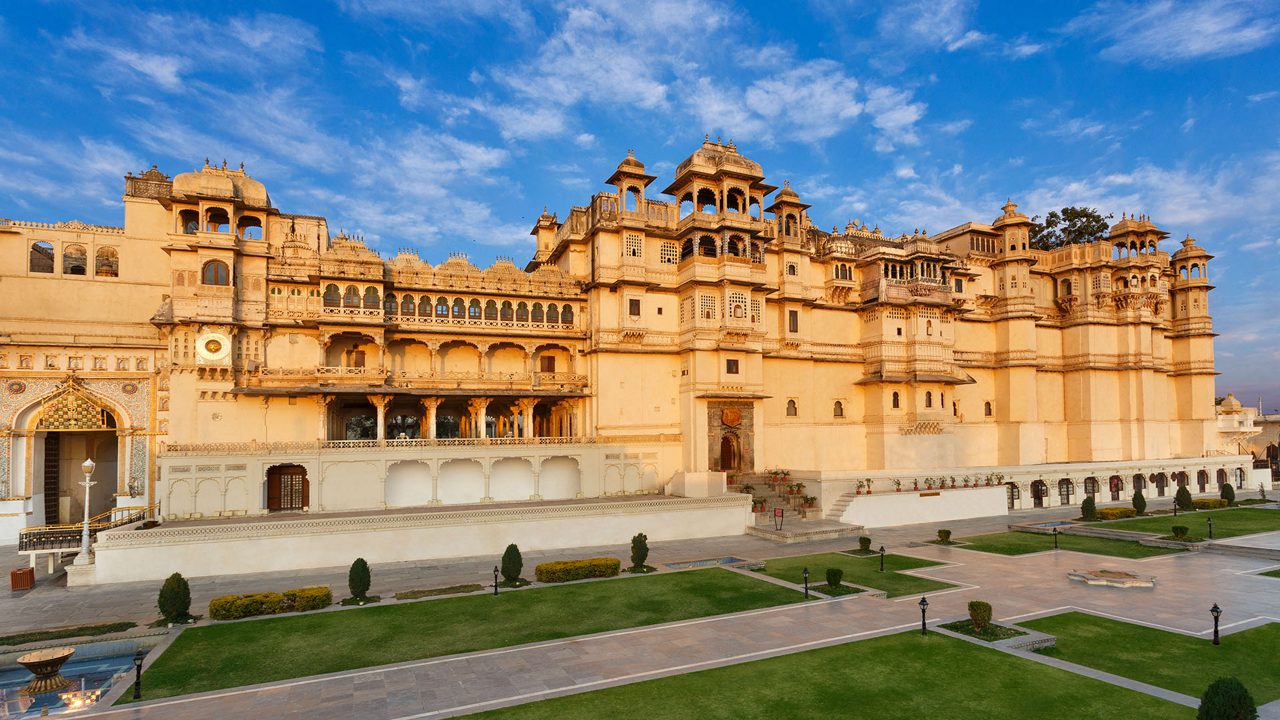
City Palace Udaipur: Complete Guide to Mewar's Royal Heritage
Discover City Palace Udaipur, Rajasthan's largest palace overlooking Lake Pichola. Explore Mewar dynasty's heritage, museums & stunning Rajput architecture in this complete guide.
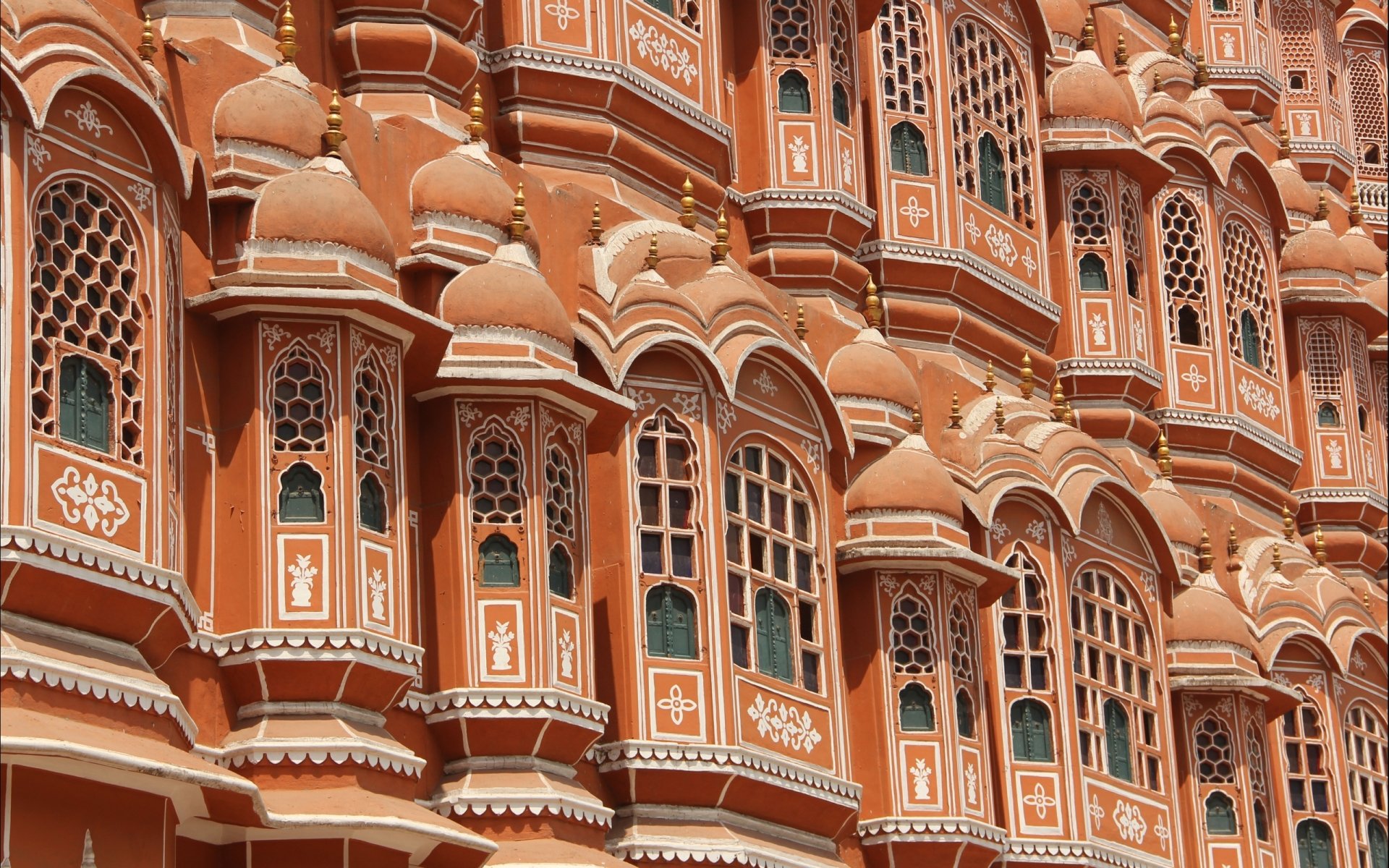
Hawa Mahal Jaipur: Complete Guide to Palace of Winds
Discover Hawa Mahal, Jaipur's iconic Palace of Winds with 953 windows. Explore its history, unique architecture inspired by Lord Krishna's crown, and practical visitor information.
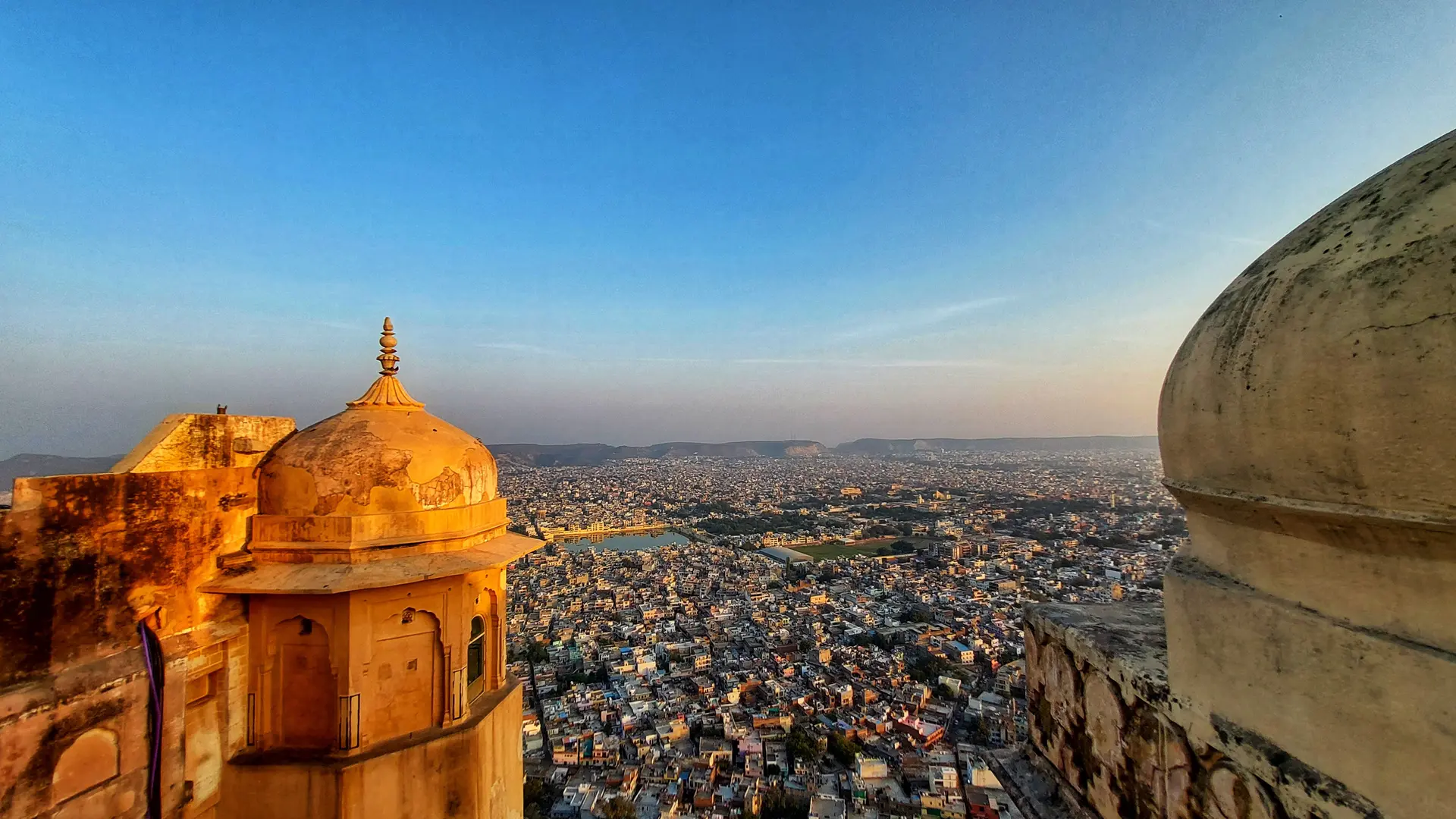
Nahargarh Fort Jaipur: Ticket Price, Timings & Sunset Views
Visit Nahargarh Fort in Jaipur. Entry fee, timing, history, sunset point & complete guide to the Tiger Fort of Pink City.
Never Miss an Adventure
Get the latest trekking guides, travel tips, and exclusive offers delivered straight to your inbox.
