
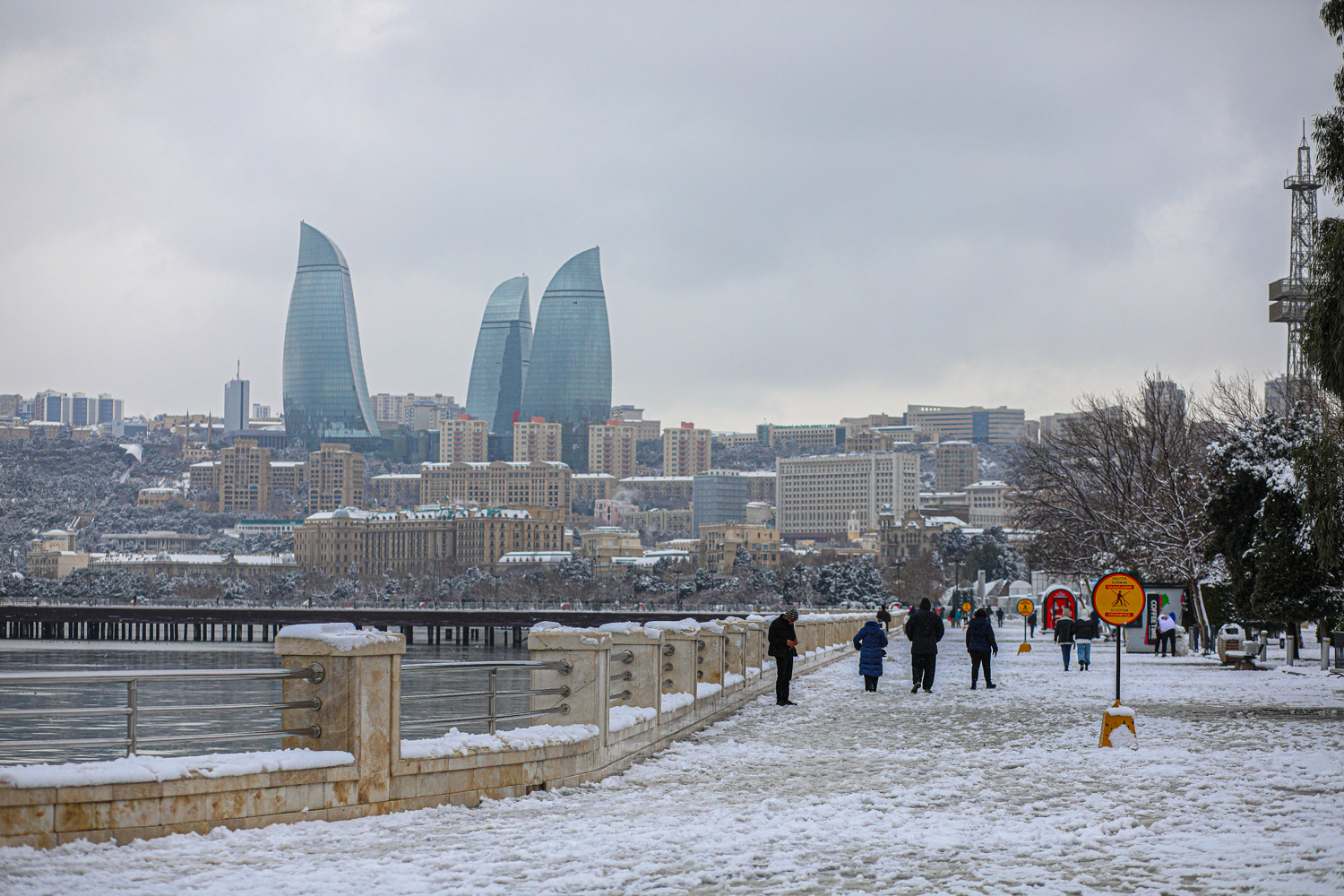
Baku January: Winter Travel Guide & Complete Itinerary

Rohit Verma
February 19, 2026
Discover Baku in January: winter weather, indoor attractions, Flame Towers, Old City, museums, thermal springs & travel tips for Azerbaijan winter.
Baku in January: Realistic Winter Guide for Travelers
Baku in January gives a very different experience from the summer city images most travelers see online. The weather is cooler, the air can be windy, and your daily plan needs stronger indoor-outdoor balance. If you prepare correctly, January can be one of the best months for slow urban exploration: fewer crowds, cleaner monument access, and easier photo sessions in heritage zones.
This guide is written for travelers who want practical answers: what weather feels like on ground, what to wear, what to do on windy days, how to budget in off-season, and how to avoid common winter planning mistakes. For complete planning, combine this with the Baku weather guide and a city-level starter from Baku Azerbaijan guide.

What January Weather Feels Like in Baku
January temperatures in Baku are usually cool rather than extreme, but wind is the key factor. The city’s coastal position and open stretches can make mild temperatures feel colder than expected. Some days are bright and comfortable for daytime walking, while others are gusty enough to shorten outdoor sessions.
The practical takeaway: plan by weather blocks, not by fixed attraction lists. Keep indoor museums, cafes, and malls as backup modules for windy windows. On clearer mornings, prioritize walking-heavy areas first. This flexible approach is the difference between a smooth January trip and a frustrating one.
Is January a Good Time to Visit Baku?
Yes, if your expectations match the season. January is good for travelers who enjoy city texture, architecture, and winter atmosphere rather than beach-style outdoor travel. Heritage lanes are easier to explore without peak crowd pressure, and accommodation rates can be better than high-demand months.
If your trip depends on long outdoor sessions every day, shoulder seasons may suit you better. But if you are open to mixed-mode travel, January offers value, calmer movement, and a more local-paced city rhythm.
Top Things to Do in Baku in January
Old City Walks: Icherisheher is one of the best January experiences because historic stone lanes remain walkable even in cooler weather. Short walking loops work well between indoor breaks.
Architecture and Skyline Stops: Winter light can be excellent for cityscape frames. Keep windproof layers and do quick photo windows instead of long static sessions.
Museum Time: January is ideal for deeper museum and cultural site visits when midday wind picks up.
Urban Food Evenings: Winter evenings pair well with local dining plans and short neighborhood exploration.
You can align this with heritage references from Old City Baku and shopping-friendly indoor windows through shopping in Baku.
Indoor Activity Plan for Windy Days
January travelers should always maintain an indoor fallback map. Good categories include museums, cultural centers, covered markets, cafes, and premium retail spaces where you can reset before evening outings. This prevents wasted time when sudden gusty conditions make long walks uncomfortable.
A practical pattern is to keep one major indoor anchor every day, then add outdoor stops around it based on live weather. This structure protects your itinerary and keeps daily flow stable.

What to Wear in Baku in January
Layering is more important than heavy winter bulk. A thermal base or warm inner layer, mid-layer knitwear, and a wind-resistant outer jacket usually works for most days. Add gloves, scarf, and a cap for evening or waterfront movement. Footwear should be closed and comfortable for mixed walking surfaces.
Do not pack only for temperature numbers. Wind chill makes the difference. Many first-time visitors underpack wind protection and overpack fashion layers that do not work in open-air zones.
January Costs and Budget Strategy
January can be cost-efficient compared with high tourist periods, especially for stays and selected tours. Flights depend on route and booking window, so early booking still matters. Dining and local transport usually remain manageable if you avoid last-minute premium choices in top zones.
Split your daily budget into transport, meals, attractions, and buffer. Keep a small reserve for weather-led plan changes like extra cab use or indoor activity upgrades. This keeps spending controlled without reducing comfort.
Transport Tips in Winter
City movement is straightforward when planned in clusters. Group nearby attractions and avoid frequent cross-city zigzag. Windy days can make longer outdoor transfer walks less pleasant, so use cabs or app rides for efficiency. Keep offline maps and destination names ready in case of network dips.
If you are doing evening plans, pre-check return options and estimated fares. Winter comfort improves when your late return is already planned instead of improvised in cold conditions.
Food and Evening Atmosphere
January evenings in Baku are great for warm meals and shorter neighborhood walks. Local cuisine feels especially rewarding in cold weather, and many travelers prefer food-focused evenings over long open-air schedules. Choose restaurants with good ratings and advance reservations for weekend nights.
After dinner, keep your walk segments compact. Wind conditions can change quickly after sunset, so avoid overcommitting to long outdoor stretches.
Sample 4-Day January Plan
Day 1: Old City orientation + indoor cultural site + relaxed evening meal.
Day 2: Architecture and boulevard photo windows + museum fallback block.
Day 3: City shopping and cafe route + heritage revisit for better light.
Day 4: Flexible weather day for pending points and departure.
This framework works because it allows weather adaptation without collapsing the itinerary.

Pros and Cons of Visiting in January
Pros: Lower crowd pressure, potentially better hotel rates, easier monument access, atmospheric winter visuals, and comfortable cultural exploration if layered well.
Cons: Wind-dependent outdoor comfort, shorter daylight windows, and need for flexible day planning.
For most city travelers, pros outweigh cons when planning is practical and weather-aware.
Common Planning Mistakes to Avoid
Top mistakes include ignoring wind forecasts, overloading outdoor points, underpacking for wind chill, and skipping indoor backups. Another common issue is rigid scheduling with no flex windows. January travel works best when you plan in modules and switch smoothly between indoor and outdoor activities.
Also avoid booking every slot in advance without weather consideration. Keep some open blocks for same-day adjustments.
Quick Packing Checklist
Carry one windproof jacket, one warm inner layer, comfortable closed shoes, and compact accessories like scarf and gloves. Add a small day bag for water, power bank, and on-the-go layers. This setup is enough for most January city plans without overpacking.
For photographers, keep lens cloth and protective covers because windy conditions can carry dust in exposed areas. For regular travelers, keep one spare evening layer in your bag so unplanned late returns stay comfortable.
Final Advice for January Travelers
Baku in January is rewarding for travelers who value rhythm and realism over perfect-weather expectations. If you dress right, plan flexibly, and structure your days around weather windows, the city is comfortable and memorable. Winter brings a quieter, more textured side of Baku that many visitors actually prefer after experiencing peak-season crowding elsewhere.
Use weather-informed planning, cluster your routes, and keep one indoor anchor daily. With these basics, your January trip can be efficient, scenic, and genuinely enjoyable. Keep one flexible half-day in your itinerary, and you will handle unexpected wind changes without losing key experiences. This one decision improves both comfort and trip quality in winter Baku with less stress and better flow overall.
Location
Frequently Asked Questions
Q1.What is the weather like in Baku in January?
Q2.Does it snow in Baku during January?
Q3.What are the best indoor attractions to visit in Baku in January?
Q4.Are hotels in Baku heated in January?
Q5.What should I pack for Baku in January?
Q6.What are the Flame Towers and when can I see them?
Q7.Is January a good time to visit thermal springs near Baku?
Q8.Can I explore the Old City in Baku during January?
Recommended For You

Beaches Baku: Best Time, Locations and Travel Tips
Explore Baku beaches with practical timing, location selection, and coastal day-planning tips for smoother Caspian shoreline experiences.
Old City Baku (Icherisheher): Walking Route, Gates & Heritage Sites
Explore Old City Baku (Icheri Sheher) with a complete walking guide covering Maiden Tower, Shirvanshahs Palace, route planning, photo spots, and practical travel tips.
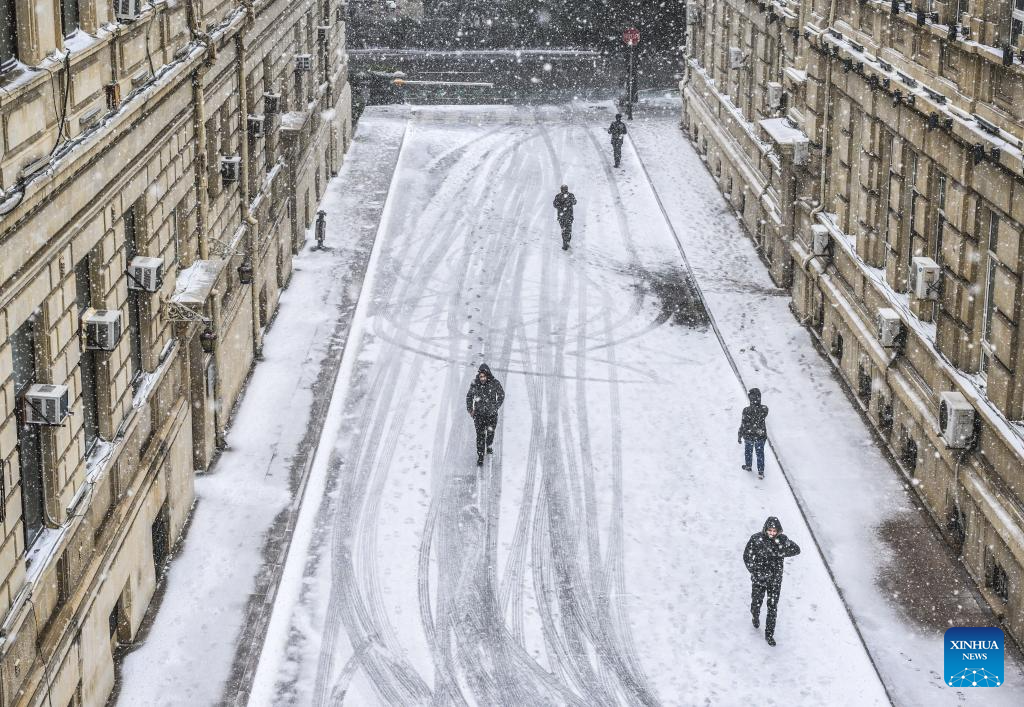
Snowfall in Baku: Winter Weather, Snow Locations & Travel Plan
Complete guide to snowfall in Baku Azerbaijan. Learn when it snows, winter weather patterns, best activities, and travel tips for winter in Baku.
Never Miss an Adventure
Get the latest trekking guides, travel tips, and exclusive offers delivered straight to your inbox.
