
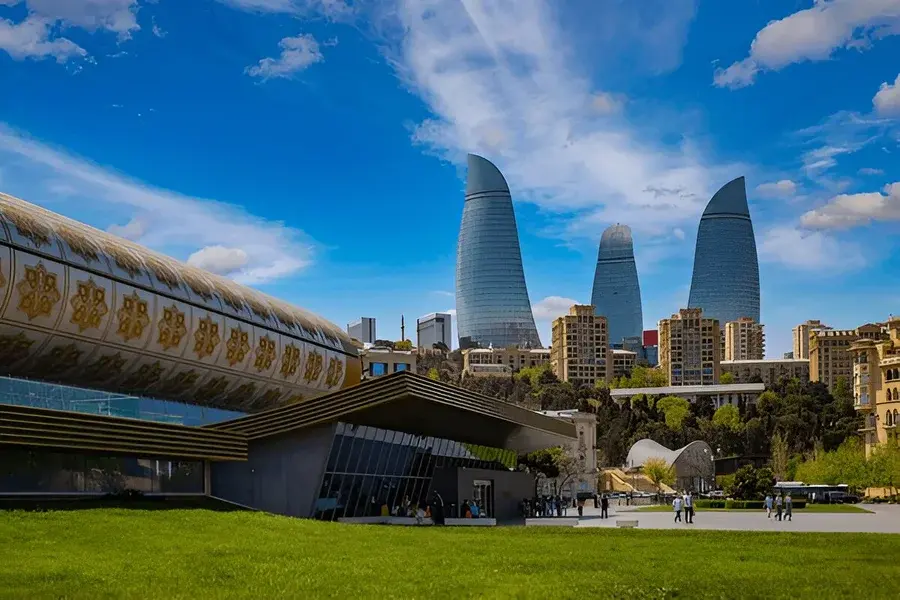
Baku Weather Guide: Climate, Seasons & Best Time to Visit

Neha Kapoor
February 19, 2026
Discover Baku weather patterns through seasons: summer heat, winter cold, spring/autumn mildness, wind phenomenon, and the best time to visit for beach activities or cultural exploration.
Baku Weather Guide: Month-by-Month Planning for Smart Travelers
Baku’s weather is one of the biggest factors that shapes your daily experience in the city. Many first-time travelers only check temperature and miss the real variable: wind. Because Baku sits by the Caspian Sea, conditions can feel very different from what forecast numbers suggest. A day that looks mild on paper can feel colder outdoors due to wind chill, while sunny windows can make city walks very comfortable.
This guide helps you plan practically across seasons with fewer planning errors overall, every season. not just by generic “summer vs winter” advice. You will find what to expect month by month, when to schedule outdoor-heavy routes, when to prioritize indoor plans, and how to pack without overloading your luggage. Combine this guide with Baku Azerbaijan guide and seasonal detail from Baku in January for trip-level planning.
Understanding Baku’s Climate Pattern
Baku has a semi-arid coastal climate with notable seasonal contrast and strong wind influence. Summers can be hot and dry, winters are cool with variable wind intensity, and spring-autumn months often provide the best balance for mixed itineraries. Rainfall is generally moderate, but sudden weather shifts can still affect comfort and planning.
For travelers, this means the city is visitable year-round, but itinerary style should change by season. In hotter months, you plan around midday heat. In cooler months, you plan around wind windows and daylight limits. Weather-smart planning gives better trip quality than trying to run one fixed schedule across all months.
Season-by-Season Overview
Spring (March to May): Gradual warming, variable wind, and good walking conditions on many days. This is a strong season for city exploration and moderate day trips.
Summer (June to August): Warmer temperatures and long daylight windows. Great for evening outings, but midday outdoor plans need hydration and sun management.
Autumn (September to November): Comfortable transition period with relatively pleasant urban movement. Often considered one of the easiest seasons for first-time visitors.
Winter (December to February): Cooler weather with wind impact. Indoor-outdoor mixed planning works best.
If you prefer calm urban travel with flexible activity choices, shoulder months (spring and autumn) are usually the safest picks.
Monthly Weather Snapshot for Planning
January: Cool and often windy. Keep layered clothing and indoor backup plans.
February: Similar to January with occasional milder breaks.
March: Transition month; mixed days, useful for city routes with flexibility.
April: More stable and comfortable for sightseeing walks.
May: Pleasant conditions, good for broad city coverage.
June: Warmer but manageable with early starts.
July: Hotter days; prioritize evening outdoor plans.
August: Warm season continues; hydration and shade planning are essential.
September: Cooler transition starts, often very travel-friendly.
October: One of the most balanced months for mixed itineraries.
November: Gradual cooling; keep a light outer layer.
December: Winter setup begins; wind-aware daily structuring is useful.
The Wind Factor: Why Baku Feels Different
Baku is often called the “City of Winds,” and this is not just branding. Wind can change comfort level more than temperature itself. On exposed coastal stretches and open plazas, wind can reduce outdoor comfort quickly even on moderate days. This is why local travelers often plan short outdoor windows and return indoors between activity blocks.
Practical advice: keep one wind-resistant outer layer in your day bag regardless of season. This single habit solves many comfort problems without overpacking. For photography, wind can affect tripod use, drone stability, and long static shots, so plan quick framing cycles instead of extended exposed sessions.

Best Time to Visit Baku by Travel Style
City Walkers and Heritage Travelers: Spring and autumn usually offer better comfort for long walking plans in heritage districts.
Photo-Focused Travelers: Autumn and selective winter days can give strong light contrast and atmospheric city frames.
Budget-Focused Travelers: Winter months may provide better stay deals, but require weather-aware planning.
Event and Evening Travelers: Summer and shoulder months are easier for extended evening movement.
No single month is universally best. The right time depends on your activity priority and comfort tolerance.
Packing Guide by Season
Spring/Autumn: Layered tops, light jacket, comfortable walking shoes, sunglasses, and optional scarf for windy windows.
Summer: Breathable clothing, sun protection, hydration support, and one thin wind layer for evenings.
Winter: Warm inner layer, windproof jacket, gloves/scarf for evening movement, and stable footwear for long walks.
Avoid overpacking heavy items you may not use. Smart layering works better than bulky single-purpose clothing in Baku’s changing conditions.
Weather-Based Itinerary Strategy
Build each day with one major indoor anchor and two weather-flexible outdoor blocks. This gives stability when conditions shift. Example: morning heritage walk, midday museum, evening food district. If weather improves, extend walk segments. If wind rises, shift to indoor modules without losing day value.
Do not cluster all outdoor-heavy attractions in one day unless conditions are clearly stable. Spread exposed-route items across multiple days so one poor-weather window does not damage your whole itinerary.
Rain, Humidity, and Practical Comfort
Baku is not a high-rainfall city by global standards, but occasional rain and damp wind can still affect comfort. Keep a compact umbrella or lightweight rain shell in transitional months. For footwear, choose pairs with decent grip and avoid overly flat soles for long walking days after rain.
Humidity impact is generally manageable, but coastal air plus wind can make evenings feel cooler than expected. Small comfort gear—scarf, lip balm, light gloves in cold months—improves day-end energy significantly.
Activities by Season
Cooler Months: Heritage lanes, indoor museums, cultural centers, cafe routes, selective short outdoor photo walks.
Warmer Months: Evening boulevard walks, architecture loops, food-driven neighborhood plans, and coastal sunsets.
All Year: Old City exploration, curated shopping zones, and flexible indoor-outdoor combinations.
To convert this weather view into practical city plans, pair it with Old City Baku and indoor backup options from shopping in Baku.

Common Planning Mistakes
Most mistakes are simple: checking only temperature, ignoring wind, overloading one day with exposed routes, and underpacking practical layers. Another common issue is rigid scheduling that leaves no room for weather adjustments. In Baku, flexibility is not optional in winter and shoulder periods.
A good rule: keep one adaptable half-day every two travel days. This protects your itinerary from weather disruptions and reduces rushed movement.
Quick Monthly Decision Framework
If your priority is walk-heavy city discovery, aim for spring or autumn and keep one windproof layer ready. If your priority is budget and lower crowd pressure, winter can work well with stronger indoor planning. If your priority is long evening movement and outdoor dining, warmer months are easier as long as you avoid midday heat intensity.
This simple framework helps you choose dates based on behavior, not generic rankings. Match your month to your travel style, and Baku becomes much easier to plan, execute, and enjoy across seasons.
Final Takeaway
Baku weather is manageable in every season if you plan by conditions, not assumptions. Wind-aware packing, modular day design, and realistic outdoor timing are the three habits that improve most trips. With this approach, you can enjoy the city year-round without overcomplicating your itinerary.
Choose your season based on travel style, keep one indoor anchor daily, and stay flexible with route blocks. That is the practical formula for a smooth Baku experience in any month.
Location
Frequently Asked Questions
Q1.What is the best time to visit Baku for weather?
Q2.How hot does Baku get in summer?
Q3.Does it snow in Baku?
Q4.Why is Baku called the City of Winds?
Q5.What is the weather like in Baku during winter?
Q6.When is the best time for beach activities in Baku?
Q7.What should I pack for Baku?
Q8.How windy is Baku throughout the year?
Recommended For You
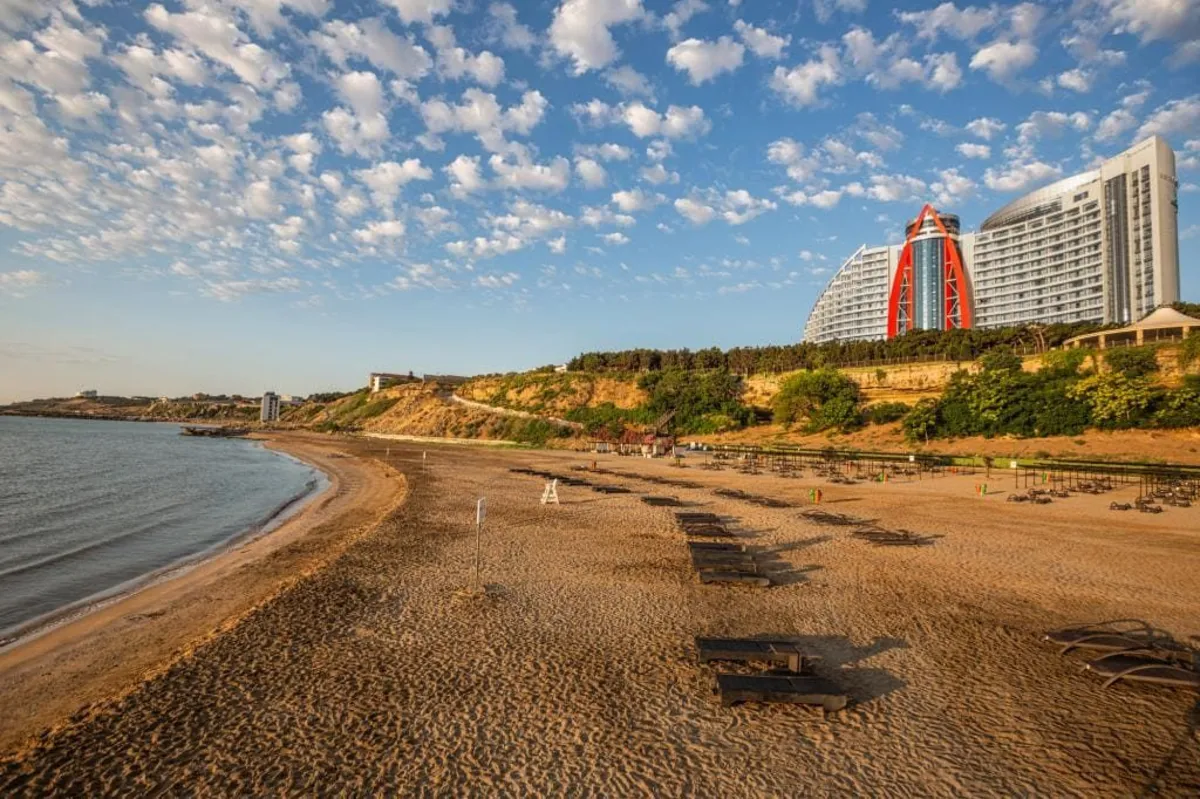
Beaches Baku: Best Time, Locations and Travel Tips
Explore Baku beaches with practical timing, location selection, and coastal day-planning tips for smoother Caspian shoreline experiences.
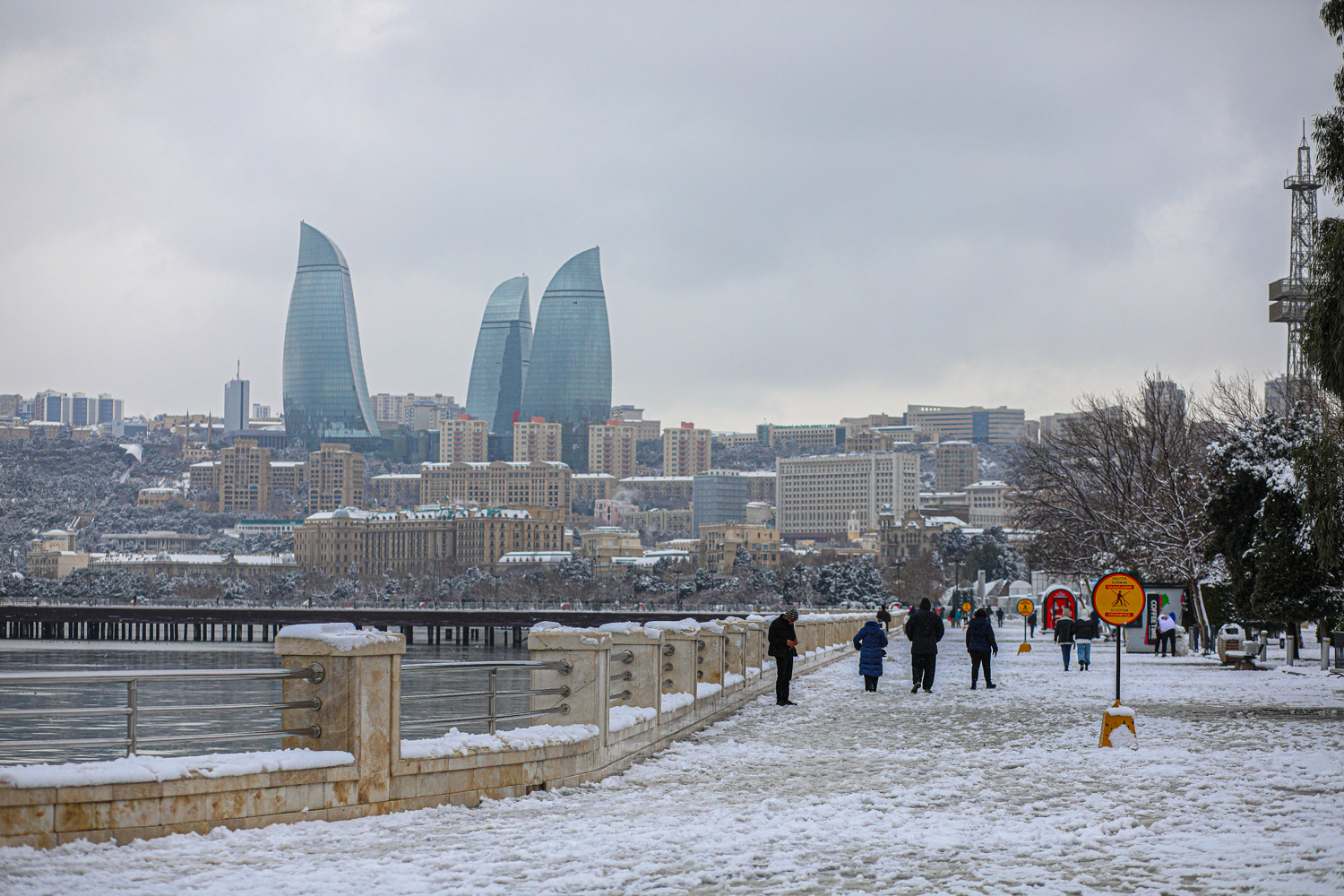
Baku January: Winter Travel Guide & Complete Itinerary
Discover Baku in January: winter weather, indoor attractions, Flame Towers, Old City, museums, thermal springs & travel tips for Azerbaijan winter.
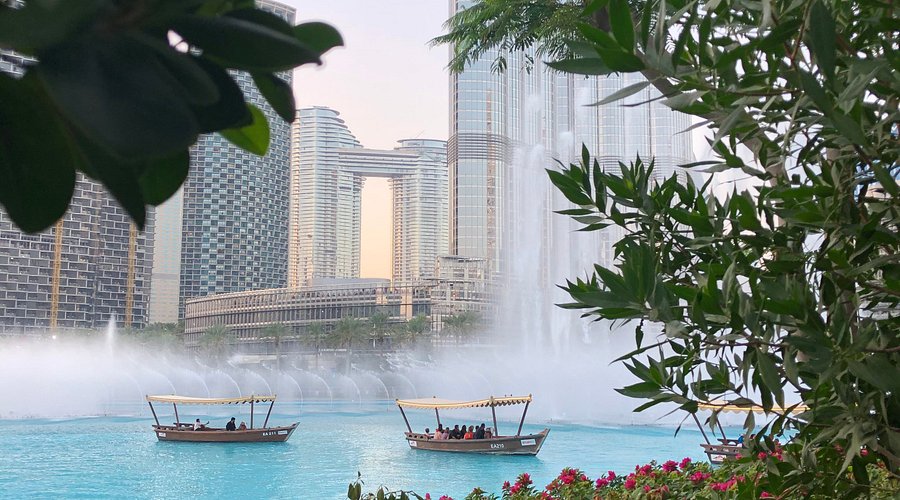
Dubai Fountain: Show Timings, Best Viewing Spots & Entry Tips
Complete Dubai Fountain guide with show timings, best viewing spots, nearby attractions, and practical visitor tips for an unforgettable experience.
Never Miss an Adventure
Get the latest trekking guides, travel tips, and exclusive offers delivered straight to your inbox.
