
International
Snowfall in Baku: Winter Weather, Snow Locations & Travel Plan

Neha Kapoor
February 10, 2026
10 min read4,754 views
Complete guide to snowfall in Baku Azerbaijan. Learn when it snows, winter weather patterns, best activities, and travel tips for winter in Baku.
Snowfall in Baku: A Winter Wonderland on the Caspian
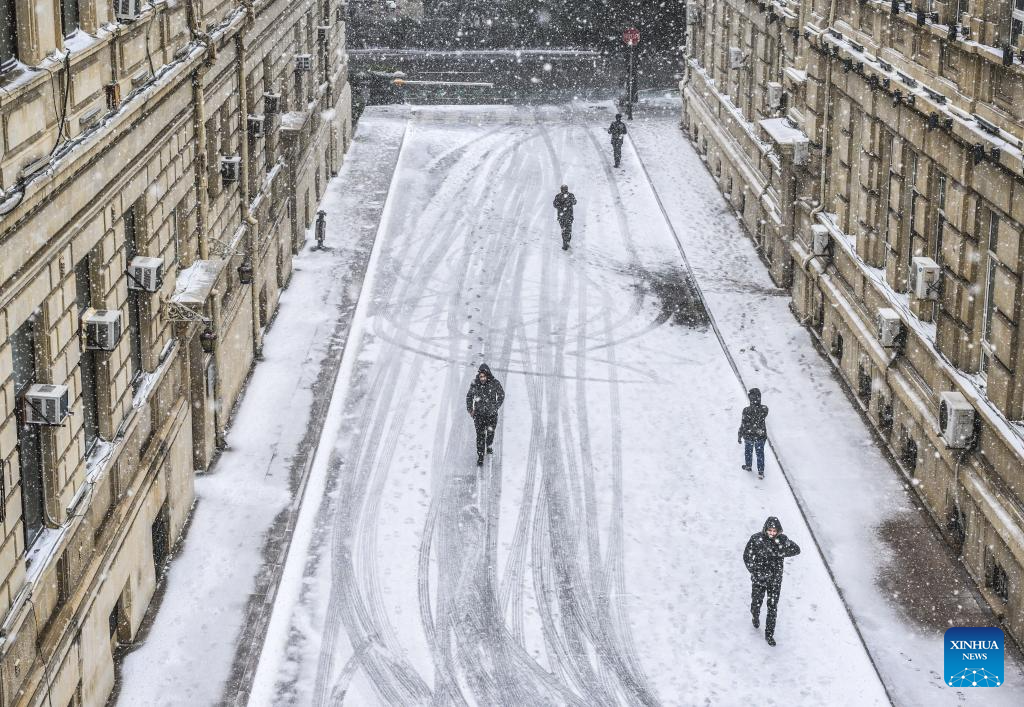
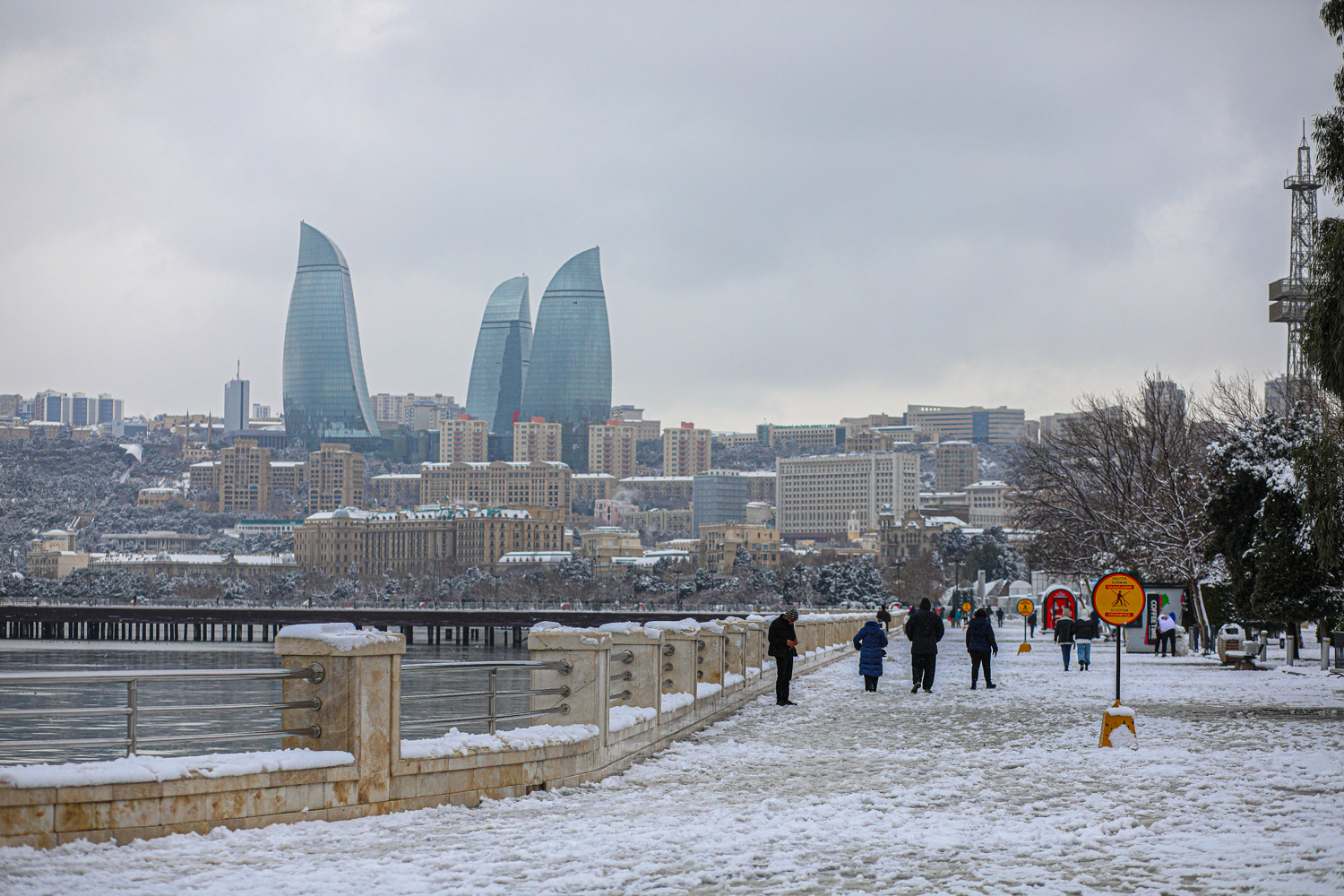
Baku, the vibrant capital of Azerbaijan situated along the Caspian Sea, transforms into a magical winter wonderland when snowfall graces its streets. While snow in Baku is relatively rare compared to other European capitals at similar latitudes, the city's unique location between the Caspian Sea and the Caucasus Mountains creates special winter conditions that occasionally bring beautiful snowfall. The sight of snowflakes falling on Baku's iconic Flame Towers, cobblestone streets of the Old City, and the modern Caspian Sea promenade creates a striking contrast between ancient and contemporary architecture. Winter visitors who are lucky enough to experience snowfall in Baku witness the city in its most romantic and photogenic state.
Does It Snow in Baku?
Yes, Baku does receive snowfall, but it's not an annual certainty. Snowfall in Baku is considered a special weather event rather than a regular winter occurrence. The city experiences snow approximately once every 2-3 years, with some winters seeing no snow at all, while others might witness multiple snowfall events. When snow does fall, it's usually light to moderate, rarely creating the heavy snowdrifts common in more northern cities. The snow typically doesn't last long on the ground, melting within 1-3 days due to Baku's moderate winter temperatures and the moderating influence of the Caspian Sea. Recent snowfall patterns show variability. Some recent winters have seen memorable snowfall events, while others have remained snow-free. Climate change has also contributed to increasingly unpredictable winter patterns, making each snowfall event even more special for residents and visitors alike.| Month | Snow Probability | Average Snow Days | Typical Snow Depth |
|---|---|---|---|
| December | Low (20%) | 0-1 day | 1-2 cm (if it falls) |
| January | Moderate (35%) | 1-2 days | 2-5 cm |
| February | Moderate (30%) | 1-2 days | 2-4 cm |
| March | Low (15%) | 0-1 day | 1 cm (if it falls) |
When Does It Snow in Baku?
The prime snowfall months in Baku are January and February. These months represent the coldest period of the year and offer the highest probability of witnessing snowfall. For specific weather patterns during January in Baku, visitors can expect the most consistent cold temperatures. January, being the coldest month, statistically has the best chances for snow, with February following closely behind. December snowfall is possible but less common. When snow does fall in December, it creates a beautiful festive atmosphere, especially around the New Year celebrations when the city is decorated with lights and Christmas trees. The combination of holiday decorations and snow creates a magical ambiance that's perfect for winter photography. Late winter snowfall can occur in March and occasionally even in early April. These late snowfalls, while rarer, often take residents by surprise and create spectacular views as spring flowers attempt to bloom beneath a light dusting of snow. Best timing for snow seekers would be planning a visit between January 10th and February 20th. This window historically offers the highest probability of snowfall based on weather patterns. However, it's essential to understand that snowfall cannot be guaranteed, regardless of the timing.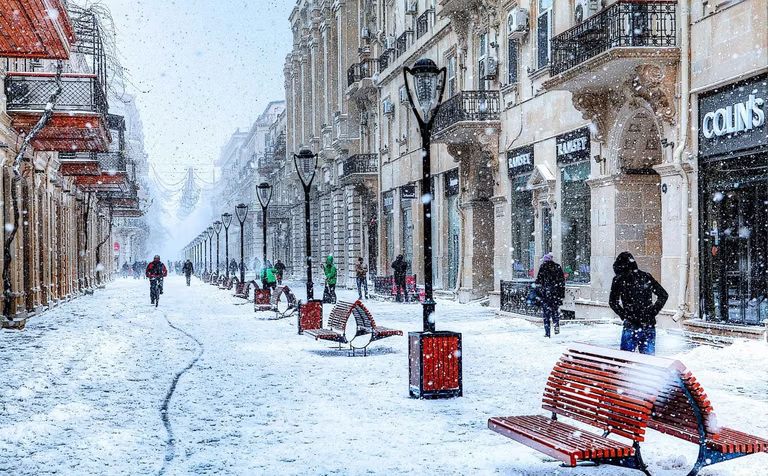
Winter Weather in Baku
Baku's winter climate is characterized by cool temperatures, high humidity, and frequent overcast skies. The Caspian Sea plays a crucial role in moderating the city's temperatures, preventing extreme cold while also contributing to the damp, raw feeling that can make winter days feel colder than the thermometer suggests. Temperature range typically hovers between 2°C and 8°C during winter days. For detailed Baku weather patterns throughout the year, understanding seasonal variations helps in trip planning. Nighttime temperatures can drop to around -2°C to 2°C. While these temperatures aren't extreme, the combination of wind and humidity can create significant wind chill, making it feel much colder. Wind is a significant factor in Baku's winter experience. The Khazri wind, a cold northern wind, can bring sudden temperature drops and make already cool days feel biting. When planning outdoor activities, it's essential to account for wind chill, which can make a 5°C day feel like -2°C. Daylight hours are considerably shorter in winter, with sunrise around 8:00 AM and sunset as early as 5:30 PM in December. This limited daylight requires careful planning of outdoor activities and sightseeing. Precipitation is common during winter months, though it usually falls as rain rather than snow. The city experiences gray, overcast skies for much of the winter, which adds to the cozy, atmospheric feeling of the season. When snow does fall, it often replaces what would otherwise be a rainy day.Best Winter Activities in Baku During Snowfall
When snow graces Baku, the city takes on a completely different character. Winter activities during snowfall focus on enjoying the unique atmosphere and capturing the rare beauty of the snow-covered capital. Old City exploration becomes magical during snowfall. The ancient stone walls, narrow cobblestone streets, and historic mosques of Icherisheher take on an ethereal quality under a blanket of white. The Maiden Tower and Palace of the Shirvanshahs are particularly photogenic against the snowy backdrop. The contrast between the ancient architecture and falling snowflakes creates scenes reminiscent of fairy tales. Flame Towers viewpoints offer spectacular perspectives of the snow-covered city. From various vantage points, you can see the snow falling against the modern skyline and Caspian Sea backdrop. The towers themselves, when dusted with snow, create a striking visual with their flame-shaped design softened by white winter coating. Caspian Sea promenade (Baku Boulevard) provides a beautiful winter walk during snowfall. The contrast between the dark sea waters and white snow creates dramatic scenery. The promenade's trees, fountains, and pathways look enchanting covered in snow, making it perfect for winter photography and romantic strolls. Cafe hopping is a favorite winter activity in Baku. The city's cafe culture comes alive during cold weather, with establishments offering warm Azerbaijani tea, aromatic coffee, and delicious pastries. Watching snowfall through cafe windows while sipping saffron-infused tea is a quintessential Baku winter experience. Museums and indoor attractions provide excellent options when the weather becomes too cold or when snow turns to rain. The Heydar Aliyev Center, Carpet Museum, and Maiden Tower offer cultural exploration away from the winter elements. These attractions are particularly appealing on gray, snowy winter days. Shahdag Mountain Resort offers guaranteed snow for winter sports enthusiasts. While not in Baku itself (it's a 3-4 hour drive), this modern ski resort in the Caucasus Mountains provides reliable snow coverage for skiing, snowboarding, and winter activities when Baku itself remains snow-free. Many visitors combine a Baku city break with a few days at Shahdag for a complete Azerbaijani winter experience.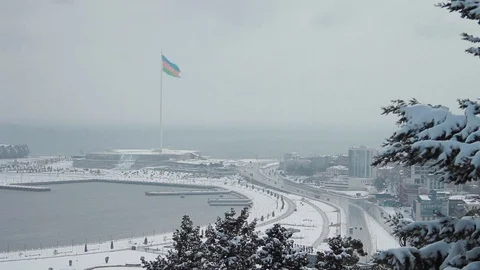
What to Pack for Baku in Winter
Packing for Baku's winter requires careful consideration of the city's unique climate conditions. Even when snowfall isn't in the forecast, proper winter clothing is essential for comfort. Layering system is crucial. Bring thermal underwear as a base layer, followed by sweaters or fleece mid-layers, topped with a waterproof and windproof outer jacket. This layering approach allows you to adjust to varying temperatures, from heated buildings to cold outdoor conditions. Waterproof jacket is essential, not just for potential snow but for the more frequent rain. A medium-weight waterproof jacket with a hood provides protection against winter precipitation and wind. It doesn't need to be extremely heavy, but it should be fully waterproof and wind-resistant. Insulated boots with good grip are important, especially during snowfall. The city's cobblestone streets can become slippery when wet or snowy. Waterproof boots with non-slip soles will keep your feet dry and provide stability on slick surfaces. Accessories significantly impact comfort. Pack warm gloves, a scarf, and a hat that covers your ears. These items are particularly important when the Khazri wind is blowing, as it can make even moderately cool days feel quite cold. Consider bringing earmuffs for extra wind protection. Thermal wear including long-sleeve thermal tops and bottoms provides an extra layer of warmth without adding bulk. This is particularly valuable if you plan spending extended periods outdoors exploring the city or walking along the Caspian promenade. Umbrella is a practical item for Baku's winter. While many winter visitors focus on snow, rain is far more common. A compact, sturdy umbrella that can withstand wind will prove useful throughout your winter visit. Formal wear considerations are worth noting if you plan upscale dining or cultural events. Baku is a cosmopolitan city with a sophisticated dining scene. Pack one nice outfit that's suitable for fine dining or theater performances, keeping in mind that you can always wear thermal layers underneath for added warmth.Winter Travel Tips for Baku
Successful winter travel to Baku requires strategic planning and flexibility. These tips will help you make the most of your winter visit, whether or not snowfall occurs. Check weather forecasts regularly before and during your trip. Winter weather in Baku can change quickly, with sudden cold snaps bringing unexpected snowfall. Reliable weather apps and Azerbaijan's meteorological service provide up-to-date information that can help you plan daily activities. Book heated accommodations with reliable central heating. While most Baku hotels have excellent heating systems, some budget accommodations or apartment rentals may have less efficient heating. Read reviews specifically mentioning winter comfort and heating before booking. Plan indoor alternatives for days when weather conditions are less favorable. Create a list of museums, indoor markets, covered bazaars, and shopping malls that you can explore when outdoor sightseeing becomes uncomfortable. This ensures your itinerary isn't completely derailed by poor weather. Transportation considerations are important during winter. Baku's public transportation system (buses and metro) is heated and reliable during winter. Taxis and ride-hailing services (like Uber or local alternatives) provide door-to-door comfort. Walking is pleasant for short distances, but be prepared for slippery conditions during snowfall. Shorter daylight planning is essential. With sunset around 5:30 PM in winter, you'll need to adjust your sightseeing schedule accordingly. Plan outdoor activities for the middle part of the day when temperatures are mildest, and save indoor attractions for earlier mornings or evenings. Seasonal closures may affect some attractions. While most of Baku's major sights remain open year-round, some outdoor attractions or promenade facilities may have reduced hours or seasonal closures. Verify operating hours for specific attractions you're interested in visiting. Health considerations include packing any necessary medications and considering travel insurance that covers weather-related disruptions. The damp, cold weather can aggravate certain health conditions, so take necessary precautions. Photography preparation is important if you hope to capture snowfall scenes. Keep your camera equipment protected from moisture, carry spare batteries (cold weather drains batteries faster), and have a weatherproof bag or case. The rare snowfall moments are fleeting, so be ready to capture them quickly.Conclusion
Snowfall in Baku represents a special, ephemeral beauty that transforms this Caspian Sea capital into a winter wonderland. While snow cannot be guaranteed, the possibility of experiencing snowfall adds an element of excitement to winter visits. The city's moderate winter temperatures, fascinating blend of ancient and modern architecture, and rich cultural offerings make it an appealing destination even when snow doesn't materialize. For travelers seeking a different perspective on Baku, winter offers fewer crowds, atmospheric cloudy skies, and the magical possibility of snowfall creating unforgettable memories. Pack warmly, stay flexible with your plans, and you might just be rewarded with the rare privilege of seeing snow fall on the Flame Towers.Location
Frequently Asked Questions
Q1.Does it snow in Baku?
Yes, Baku does receive snowfall, but it's relatively rare and occurs approximately once every 2-3 years. Snowfall is light to moderate when it does occur, typically lasting only 1-3 days on the ground due to moderate winter temperatures and Caspian Sea influence.
Q2.When is the best time to see snow in Baku?
January and February offer the highest probability of snowfall in Baku, with January statistically being the most likely month. For the best chances, plan your visit between January 10th and February 20th, though snowfall cannot be guaranteed.
Q3.How cold does Baku get in winter?
Baku's winter temperatures typically range from 2°C to 8°C during the day, with nighttime temperatures dropping to -2°C to 2°C. Wind chill can make it feel significantly colder, especially when the Khazri wind blows from the north.
Q4.Is Baku worth visiting in winter?
Yes, Baku is worth visiting in winter despite the cooler weather. The city offers fewer crowds, lower accommodation prices, atmospheric gray skies, and the magical possibility of snowfall. Indoor attractions like museums and cafes provide cozy alternatives to outdoor sightseeing.
Q5.Does Baku have a white Christmas?
A white Christmas in Baku is rare but possible. December has a lower probability of snowfall (around 20%) compared to January and February. When snow does fall in December, it creates a beautiful festive atmosphere during New Year celebrations.
Q6.What should I pack for Baku in winter?
Pack warm layers including thermal underwear, sweaters, and a waterproof windproof jacket. Bring insulated boots with good grip for potentially slippery cobblestone streets, gloves, scarf, hat, and an umbrella for rain. Layering is key for comfort in varying temperatures.
Q7.How long does snow last in Baku?
Snow in Baku typically doesn't last long, usually melting within 1-3 days due to the moderating influence of the Caspian Sea and moderate winter temperatures. The snow creates beautiful scenes while it lasts, so quick photography is essential.
Q8.Can I see snow in Baku city center?
Yes, when snowfall occurs in Baku, it affects the entire city including the city center. Iconic locations like Flame Towers, Old City (Icherisheher), and Baku Boulevard are particularly beautiful when covered in snow and offer excellent photography opportunities.
Recommended For You
International
Lake Issyk Almaty: The Tragic Lake of Kazakhstan
Visit Lake Issyk near Almaty, Kazakhstan. Discover 1963 tragedy, how to reach, best time & travel guide.
Jan 1Read More
Travel
Baku January: Winter Travel Guide & Complete Itinerary
Discover Baku in January: winter weather, indoor attractions, Flame Towers, Old City, museums, thermal springs & travel tips for Azerbaijan winter.
Feb 19Read More
Travel
Winter in Australia: The Ultimate Travel Guide for Indian Tourists
Complete guide to winter in Australia for Indian tourists covering June-August travel, snow destinations, tropical Queensland escapes, skiing, wildlife, and practical travel tips.
Dec 12Read More
Never Miss an Adventure
Get the latest trekking guides, travel tips, and exclusive offers delivered straight to your inbox.
