
Son Doong Cave Vietnam: World's Largest Cave Expedition

Rohan Malhotra
February 7, 2026
Complete guide to Son Doong Cave, the world's largest cave in Vietnam. Tour prices, booking process, difficulty level, best time to visit, and expedition details.
Son Doong Cave Vietnam: Complete Expedition Planning Guide
Son Doong Cave in Quang Binh is not just another cave attraction in Vietnam. It is a high-commitment expedition destination, known globally for its enormous chambers, underground river passages, and jungle-filled dolines. Travelers often search for photos first, then discover that access is highly controlled and physically demanding. That is exactly why planning quality matters. If your Vietnam trip includes both culture and adventure, use Son Doong as the anchor, then connect lighter segments like best places to visit in Vietnam, heritage-focused city time at Temple of Literature, and broader planning context from Vietnam culture. For travelers comparing intensity, Sun World Ba Na Hills is far easier and family-oriented.
Why Son Doong Is Considered the World’s Largest Cave
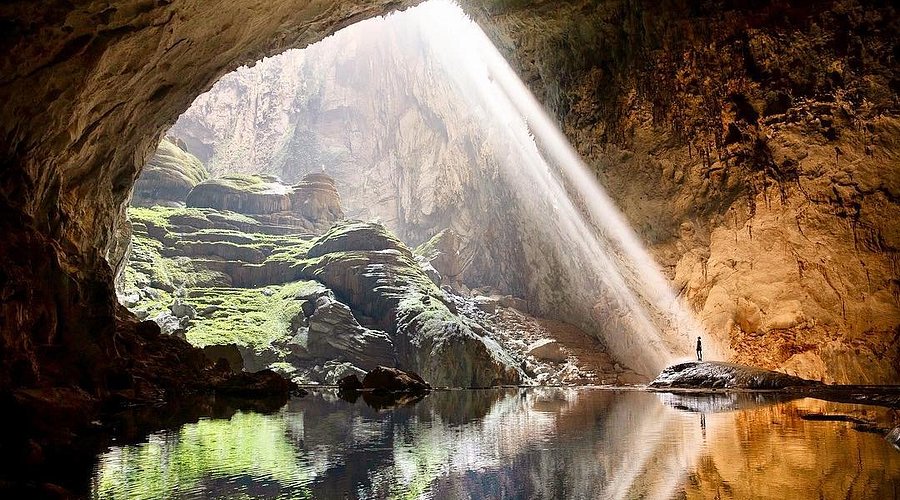
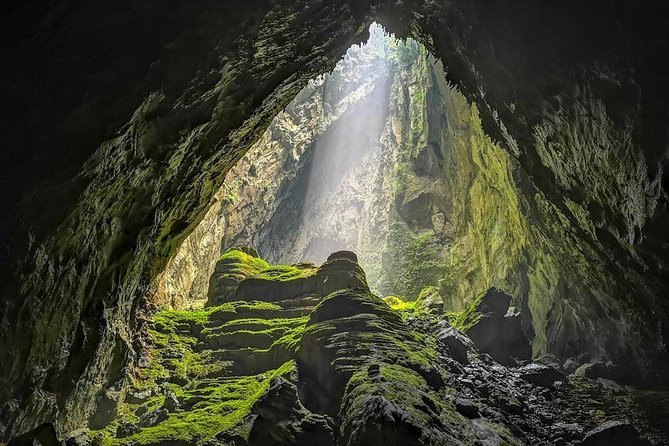
Son Doong is described as the largest cave by volume because of the massive scale of its chambers. In practical terms, this means the interior feels like an underground landscape rather than a narrow cave corridor. You pass through zones with cathedral-like ceilings, giant formations, and sections where sunlight enters through collapsed sinkholes. These dolines support vegetation and create micro-ecosystems, which is why Son Doong imagery looks dramatically different from regular cave tourism shots.
For most visitors, the more useful interpretation is this: Son Doong is not “hard because it is technical caving,” but hard because of cumulative load. You trek for hours, move on wet uneven surfaces, manage humidity, camp in remote conditions, and stay physically switched on for multiple days.
Tour Access, Permits, and Why You Cannot DIY It
Access is regulated and limited. You cannot independently enter Son Doong as a standard walk-in attraction. Licensed operators coordinate permits, expedition staff, logistics, and route safety. This controlled model protects both visitors and the cave ecosystem. It also means dates can fill quickly, and flexibility with travel windows improves booking chances.
- Entry model: Permit-controlled expedition format.
- Group structure: Fixed-size departures with guides and support team.
- Key constraint: Limited seasonal capacity.
- Planning implication: Book early and keep fallback dates.
If you are comparing budget line-by-line with normal day tours, results will look expensive. The better comparison is multi-day wilderness operations with professional support and environmental controls.
Difficulty Level: Honest Fitness Expectations
Most travelers can complete Son Doong if they prepare honestly. You do not need elite climbing ability, but you need consistent trekking stamina, stable balance, and mental comfort in remote environments. Prior hill-trek experience helps because you already understand pacing and fatigue management.
A practical 6-week pre-trip routine should include incline walking, stair sessions, core stability, and loaded day hikes. Break footwear well in advance. Expedition week is not the time to test new shoes, new socks, or untrained legs.
- Train with 6-10 kg daypack simulation.
- Build knee and ankle stability before departure.
- Practice movement in wet conditions where possible.
- Prioritize recovery sleep in the week before expedition start.
What the Multi-Day Experience Feels Like
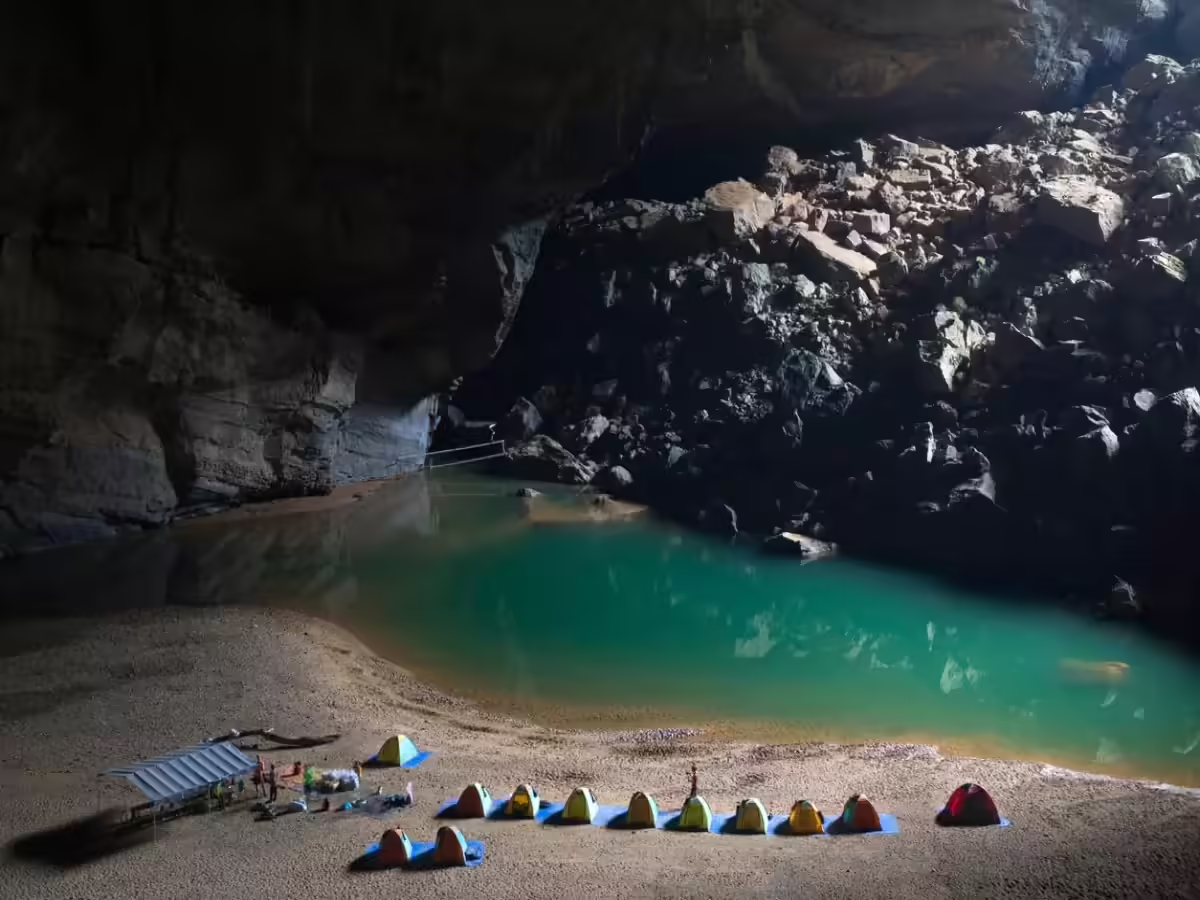
The trip rhythm is usually briefing, approach trek, cave-entry movement phases, camp setup, and long walking windows. You move as a team, with support staff handling critical logistics. Camps are functional, not luxury. Conditions are wet, humid, and physically engaging. People who enjoy this style usually value silence, terrain focus, and the sense of scale over comfort amenities.
The biggest mistake first-time participants make is rushing early sections. Conservative pacing in day one and day two protects energy for later movement. Hydration discipline matters as much as leg strength in cave-humidity environments.
Best Time to Visit Son Doong
Season selection affects both safety and quality of experience. Lower flood-risk windows and stable trail conditions are preferred. If you have only one fixed leave period, build schedule buffer around the expedition because weather disruption is always possible in cave-and-jungle systems.
| Period | Typical Conditions | Planning Advice |
|---|---|---|
| Feb-Apr | Cooler and more stable | Best first-choice window |
| May-Aug | Warmer, more humid | Good access but tougher physically |
| Heavy rain windows | Flood-prone and unstable | Avoid for primary Son Doong plans |
Do not overstack your itinerary after Son Doong. Keep at least one recovery day before long transit or high-activity add-ons.
How to Reach the Starting Region
Most travelers reach Dong Hoi first, then transfer to Phong Nha, which functions as the practical expedition base. From there, operators handle formal pre-departure steps, fitness checks, and final instructions. Arrive a day early at minimum. Last-minute arrival increases risk if transport delays occur.
- Nearest aviation hub: Dong Hoi.
- Base town: Phong Nha.
- Pre-night stay: Strongly recommended.
- Post-expedition: Keep one recovery day if possible.
Packing Checklist That Actually Works
Pack for wet movement and long active days. Prioritize quick-dry layers, reliable trail shoes, sock rotation, personal blister kit, and waterproof organization for electronics. Keep bag weight realistic. Overpacking destroys comfort and speed on expedition terrain.
- Moisture-managing base layers
- Trail footwear with tested grip
- Waterproof pouches for documents and devices
- Headlamp backup and battery discipline
- Personal medications and compact first-aid essentials
Safety, Conduct, and Conservation
Son Doong is globally significant ecological terrain. Follow route instructions, avoid touching formations, and do not deviate from guided movement lines. Leave-no-trace behavior is mandatory. Cave damage is usually irreversible, so conservation rules are strict for good reason.
Photography is part of the experience, but never prioritize camera angles over team movement safety. Wet surfaces, low light, and uneven footing can create avoidable accidents when focus drops.
Cost Planning and Value Interpretation
Son Doong pricing appears high if compared to city attractions, but this is a specialist expedition product. Budget with full context: permits, support team, wilderness logistics, compliance, and equipment handling. Trying to “cut cost” by skipping preparation or compressing travel windows usually creates worse outcomes than saving money.
A better strategy is spending more on readiness and reducing avoidable friction: good footwear, buffer transit day, and balanced itinerary design.
Final Verdict
Son Doong is worth it for travelers who actively want a physically involved, high-scale natural expedition. It is not built for passive sightseeing. If you prepare well, book early, and plan supporting days around it, the experience can become the strongest segment of a Vietnam journey. If your preference is low-effort attractions, choose lighter alternatives and keep Son Doong for a future trip when training and schedule flexibility are better.
Common Questions Before Booking
Is Son Doong suitable for first-time trekkers? Yes, if baseline fitness is strong and you are comfortable with long walking days. It is not ideal for travelers who have never completed a full-day hike or who struggle with humidity.
Can I do Son Doong on a short Vietnam trip? Only if you dedicate buffer days around the expedition. Compressing flights, transfers, and cave days into a tight schedule increases stress and lowers safety margins.
What is the biggest non-fitness risk? Logistics. Late arrivals, poor gear choices, and unrealistic pacing create more issues than technical trail difficulty for most participants.
Suggested Itinerary Structure
A robust plan is: one day arrival in Phong Nha, one expedition block, one recovery day, then onward travel. Onward segments can include city culture, food trails, or easier nature attractions. This sequencing reduces burnout and improves memory quality from the expedition itself.
If you travel with a mixed group, consider splitting plans. Adventure-focused travelers can do Son Doong while others use lighter options near Da Nang or Hanoi, then reunite for the next leg. This avoids forcing one itinerary style on everyone and usually produces better trip satisfaction across the group.
Location
Frequently Asked Questions
Q1.Where is Son Doong Cave located?
Q2.How much does Son Doong Cave tour cost?
Q3.How to book Son Doong Cave tour?
Q4.How difficult is Son Doong Cave expedition?
Q5.How long does Son Doong Cave tour take?
Q6.What is inside Son Doong Cave?
Q7.What is the best time to visit Son Doong Cave?
Q8.Is Son Doong Cave worth the money?
Recommended For You
Perhentian Islands Malaysia: Transfers, Budget & Island Planning
Plan your Perhentian Islands trip with practical transfer workflow, season-smart timing, activity planning, and realistic budget guidance.
Phra Nang Cave Thailand: Complete Travel Guide 2026
Complete Phra Nang Cave Thailand guide - access, boat tour, best time, legend of Princess Phra Nang, activities & tips. Stunning sea cave on Railay Beach Krabi.
Redang Island Malaysia: Best Season, Transfers & Budget Plan
Plan your Redang Island trip with practical transfer guidance, season-smart activity planning, budget control, and first-time itinerary tips.
Never Miss an Adventure
Get the latest trekking guides, travel tips, and exclusive offers delivered straight to your inbox.
