
Adventure Activities in Vietnam: Caves, Mountains & Coastal Sports

Ananya Sharma
February 18, 2026
Discover Vietnam's top adventure activities: caving in Phong Nha, trekking Sapa's rice terraces, kayaking Ha Long Bay, motorbiking the Ho Chi Minh Road, and more with expert tips.
Introduction: Vietnam - Southeast Asia's Adventure Paradise
Vietnam has emerged as one of Southeast Asia's most thrilling adventure destinations, offering an incredible diversity of landscapes that cater to every type of adventurer. From the world's largest cave systems to terraced rice fields, from towering limestone karsts to pristine coastline, Vietnam presents an unparalleled playground for those seeking excitement beyond the ordinary tourist trail. What makes Vietnam truly special for adventure enthusiasts is the remarkable accessibility of these experiences. Unlike many adventure destinations that require extreme fitness or specialized skills, Vietnam offers adventures ranging from easy nature walks to challenging multi-day expeditions, all set against a backdrop of stunning natural beauty and rich cultural heritage. The country's affordable pricing, excellent infrastructure, and well-developed tourism industry make it possible to experience world-class adventures without breaking the bank. The sheer variety of adventures available in Vietnam is staggering. You can explore underground rivers in colossal caves, trek through minority villages in the highlands, kayak between limestone islands, motorbike along coastal roads with dramatic ocean views, or even sandboard down desert dunes. Each region of Vietnam offers its own unique adventure identity, shaped by distinctive geography and local traditions.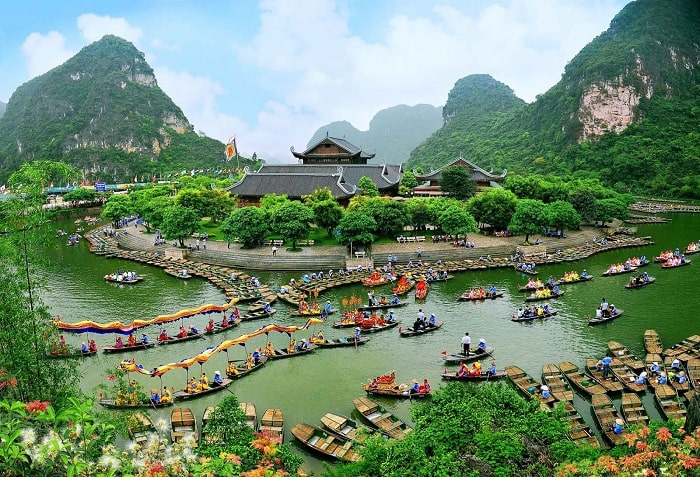 Vietnam's adventure tourism industry has matured significantly over the past decade, with professional operators offering international safety standards while maintaining authentic local experiences. Whether you're a solo traveler seeking challenging expeditions or a family looking for gentle adventures, Vietnam has something that will push your boundaries and create unforgettable memories.
Caving Adventures: Exploring the World's Largest Cave Systems
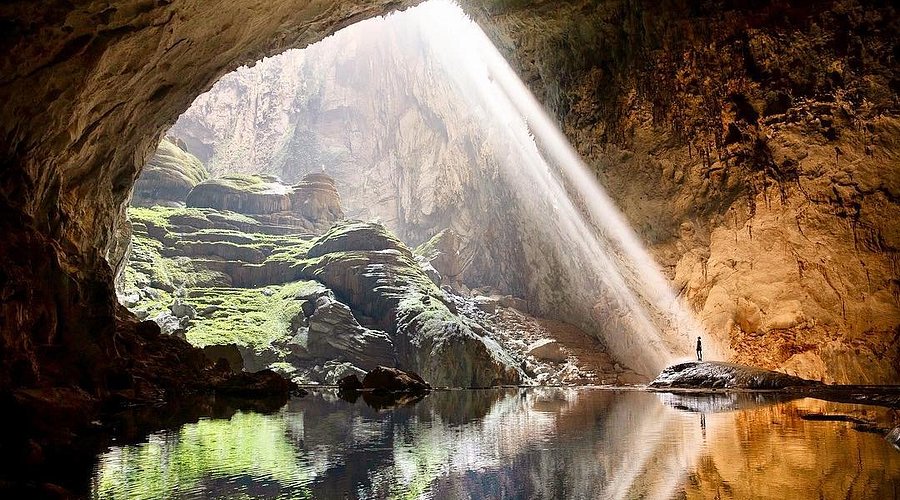
Vietnam's Phong Nha-Ke Bang National Park has revolutionized the world of caving adventures, home to what is undoubtedly the planet's most spectacular cave systems. This UNESCO World Heritage Site contains over 300 caves, including Son Doong - the world's largest cave - discovered only in 1991 and opened to tourists in 2013. Similar to cave systems in India, these natural wonders offer unique exploration opportunities. The scale of these caves is difficult to comprehend; Son Doong is so large that it has its own weather system, jungle, and river flowing through it.Son Doong Cave Expedition
The Son Doong expedition represents the pinnacle of adventure caving. This four-day, three-night journey takes you through a cavern large enough to house a 747 aircraft comfortably. The adventure begins with a challenging jungle trek to the cave entrance, followed by days of exploring massive chambers, swimming in underground rivers, and camping in locations that seem otherworldly. The highlight is undoubtedly the doline - a collapsed section of the cave ceiling where sunlight streams in, creating a surreal underground jungle. Due to its exclusivity and environmental protection requirements, only a limited number of permits are issued annually for Son Doong expeditions. These sell out months in advance and cost approximately $3,000-3,500 USD, but for serious adventurers, this represents the experience of a lifetime. The expedition requires good physical fitness, as you'll be trekking, swimming, scrambling over rocks, and rappelling through challenging terrain.Hang En Cave Overnight Trek
For those seeking extraordinary caving experiences without the extreme requirements of Son Doong, Hang En Cave offers an incredible alternative. This two-day, one-night expedition takes you to the third-largest cave in the world, featuring an enormous exit arch that frames the jungle perfectly. The trek to Hang En includes hiking through pristine valleys, visiting minority villages, and camping on a beach inside the cave beside an underground river. What makes Hang En particularly special is its accessibility - you don't need prior caving experience, just reasonable fitness. The campsite inside the cave is one of the most spectacular camping locations on Earth, with bioluminescent fungi lighting up the cave walls at night. Waking up to sunrise streaming through the cave entrance is an experience that stays with adventurers forever.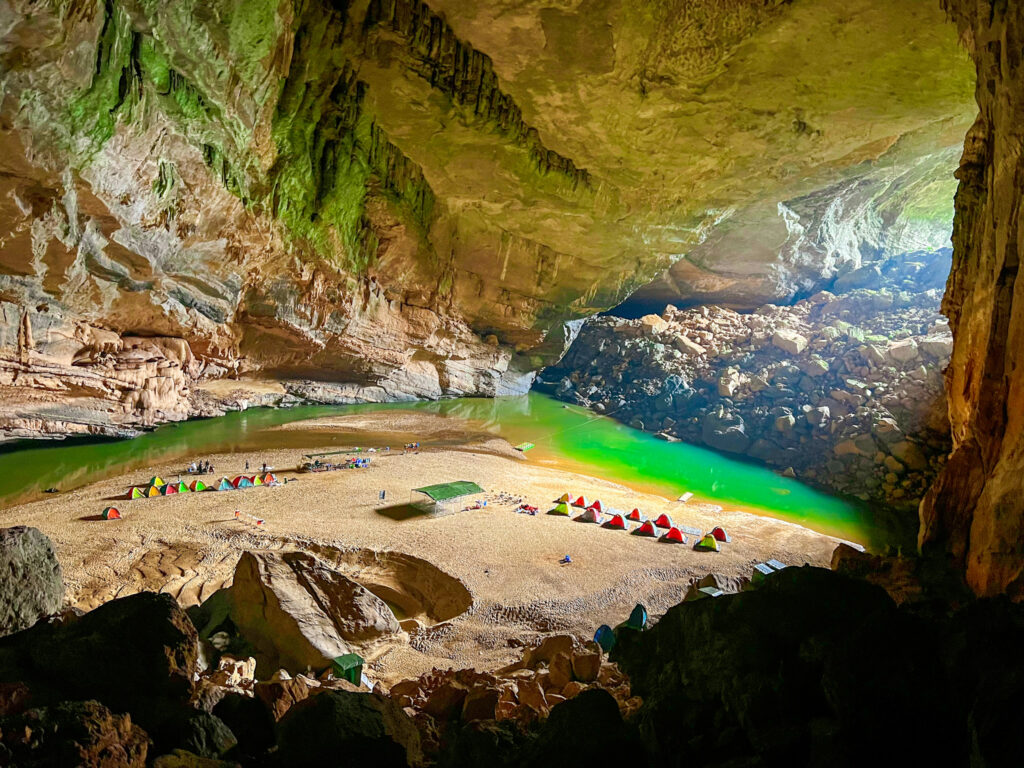
Paradise Cave and Dark Cave Adventures
Phong Nha offers caves for every adventure level. Paradise Cave (Thien Duong) features a wooden walkway extending 1 kilometer into what feels like a subterranean palace. With dimensions even larger than Son Doong in sections and spectacular stalactite formations illuminated by atmospheric lighting, this cave offers a more accessible but still awe-inspiring experience. For thrill-seekers, Dark Cave (Hang Toi) delivers pure adventure. This experience begins with a thrilling zipline across the river to the cave entrance, followed by exploration into darkness with only headlamps. Inside, you'll wade through mud, swim in underground rivers, and experience the unique sensation of a natural mud bath that's incredibly fun and surprisingly therapeutic. The cave's name comes from its complete darkness - turn off your headlamp, and you cannot see your hand in front of your face.Phong Nha Region Overview
The Phong Nha-Ke Bang region itself is worth exploring beyond its famous caves. This karst mountain landscape features endless opportunities for adventure, from jungle trekking to river kayaking. The region has developed excellent eco-tourism infrastructure with local guides offering authentic experiences that directly benefit conservation efforts and local communities. Access to Phong Nha requires planning - most visitors fly to Dong Hoi or take the overnight train from Hanoi. The adventure season runs from February to August, with the dry season (February-May) offering the best conditions for caving. During wetter months, some caves become inaccessible due to flooding, so always check conditions and book well in advance, especially for Son Doong and Hang En expeditions.Trekking & Hiking: Northern Highlands and Rice Terraces
Northern Vietnam contains some of Southeast Asia's most rewarding trekking territory, centered around the town of Sapa and the surrounding Hoang Lien Son mountain range. This region offers everything from challenging multi-day expeditions to Fansipan - Vietnam's highest peak at 3,143 meters - to gentle day walks through stunning rice terraces and traditional minority villages.Sapa Valley Rice Terrace Treks
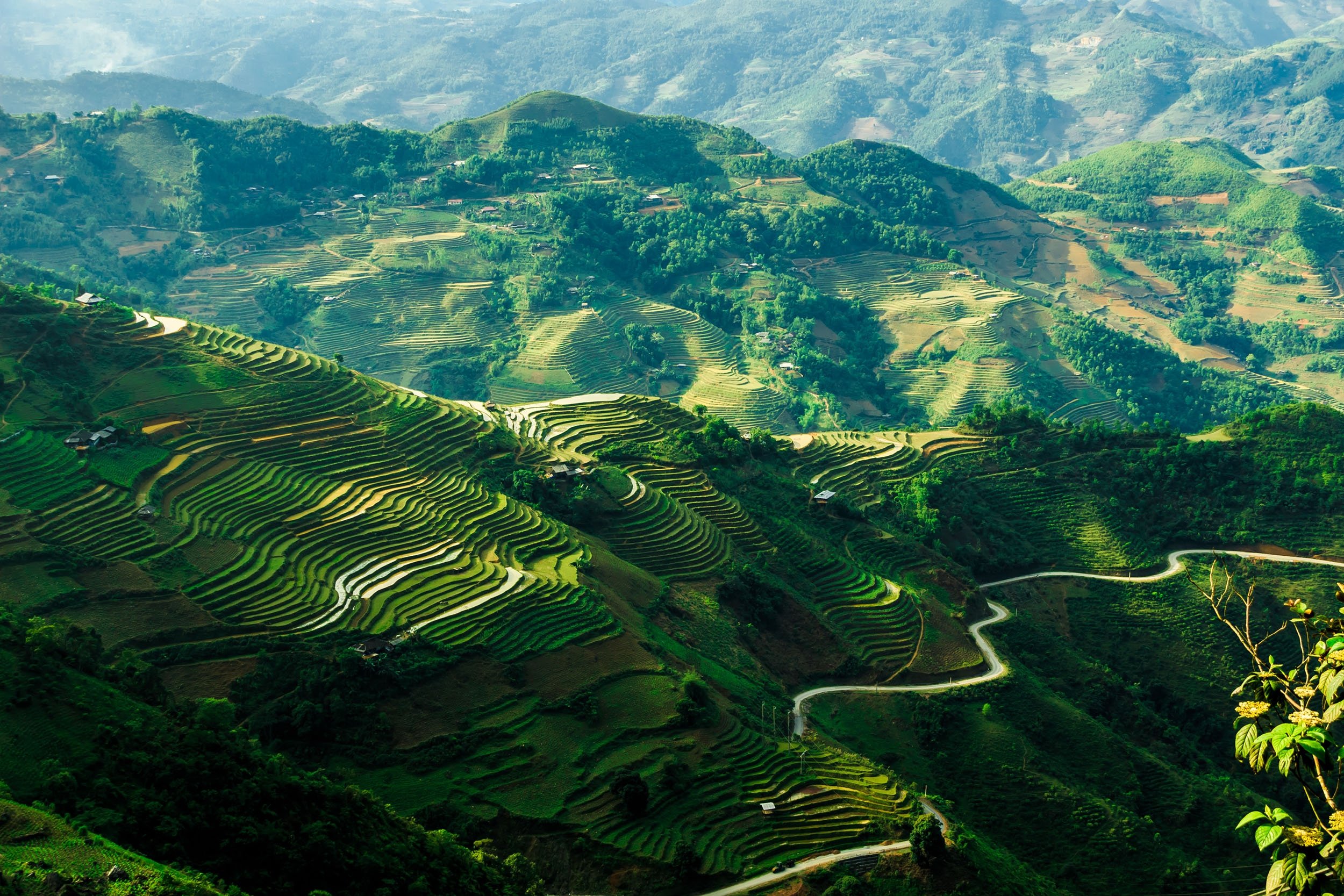
The quintessential Vietnamese trekking experience takes you through the Sapa region's magnificent rice terraces, recognized as some of the most beautiful agricultural landscapes in the world. These terraces cascade down mountainsides in shades of vibrant green (growing season) or golden yellow (harvest season), creating an otherworldly landscape that seems too perfect to be natural. Day treks from Sapa typically range from 10-15 kilometers, taking you through valleys that are home to several of Vietnam's ethnic minority groups, including the Black Hmong, Red Dao, and Giay people. What makes these treks special is not just the scenery but the cultural encounters along the way. You'll walk through villages where traditional dress is still worn daily, see traditional weaving and craftsmanship, and often be invited into local homes for tea. The most popular trekking routes include the Muong Hoa Valley trek, which follows ancient paths through terraced fields and past mysterious rock carvings that archaeologists still don't fully understand. Another excellent option is the Cat Cat Village trek, which combines cultural encounters with waterfalls and traditional textile demonstrations.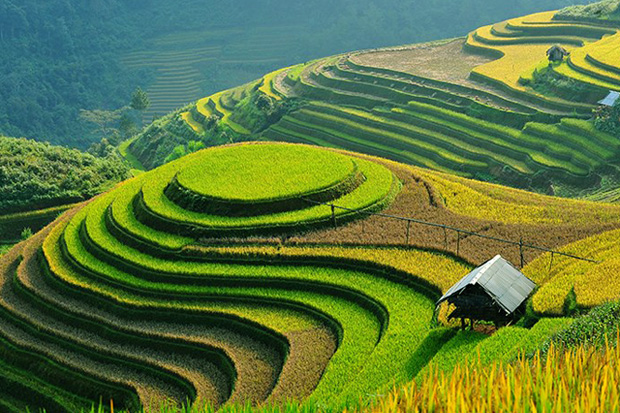
Fansipan Mountain Ascent
For serious trekkers, conquering "Indochina's Roof" - Fansipan Mountain - represents the ultimate challenge in northern Vietnam. The traditional trekking route to the summit requires two to three days, camping overnight on the mountain slopes and pushing through challenging terrain that includes steep climbs, potentially muddy conditions, and rapidly changing weather. The ascent takes you through distinct ecosystems as you climb higher, starting with agricultural valley floors, passing through dense montane forests, and finally reaching above the treeline where only hardy vegetation survives. The summit offers spectacular views across the mountain ranges of Vietnam, Laos, and China on clear days. In recent years, a cable car has been built to within 600 meters of the summit, making Fansipan accessible to less experienced hikers. However, serious adventurers should consider the traditional trekking route for a more rewarding experience. The challenge of earning those summit views through physical effort makes them far more meaningful.Remote Northern Highlands Treks
Beyond Sapa, the northern highlands offer increasingly remote trekking opportunities for adventurers seeking to get off the beaten path. The Ha Giang province, near the Chinese border, features some of Vietnam's most dramatic mountain scenery and is best explored by motorbike or on multi-day trekking expeditions. The Dong Van Karst Plateau Geopark offers unique trekking through limestone mountains and traditional villages that see very few tourists. This region requires more planning and often special permits due to its proximity to the border, but rewards adventurers with genuinely untouched landscapes and authentic cultural experiences. Other excellent trekking destinations include Bach Ma National Park in central Vietnam, which offers trails through pristine cloud forests to waterfalls, and Cuc Phuong National Park, home to ancient trees, endangered primates, and excellent birdwatching opportunities. These national parks typically offer easier trekking with well-marked trails, making them ideal for families or less experienced hikers.Water Sports: Kayaking, Snorkeling and Island Adventures
Vietnam's extraordinarily long coastline, stretching over 3,400 kilometers, provides endless opportunities for water-based adventures. The country's most famous water playground is undoubtedly Ha Long Bay, but savvy travelers are increasingly discovering its less crowded alternatives and southern coastal gems.Ha Long Bay and Lan Ha Bay Kayaking
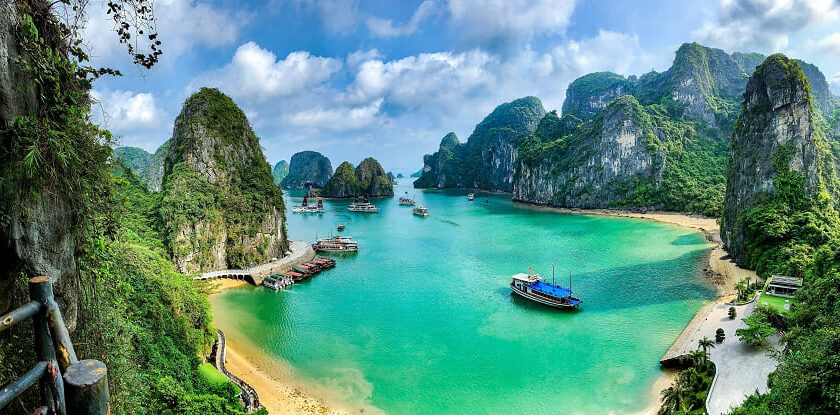
Ha Long Bay's iconic limestone karsts rising dramatically from emerald waters create a seascape that's genuinely one of the world's most spectacular natural wonders. While most visitors experience it from large cruise boats, the real adventure happens in kayaks. Similar to kayaking experiences in Andaman Islands, you can explore hidden lagoons, sea caves, and floating fishing villages that larger vessels cannot access. Overnight kayaking expeditions in Ha Long Bay represent one of Vietnam's premier adventures. You'll paddle during the day, exploring remote corners of the bay, then sleep on a support boat or on a beach under the stars. The highlights include exploring Luon Cave by kayak (accessible only at low tide), paddling through the Three Peaches lagoon system, and visiting floating fishing communities where entire families live their entire lives on the water. For a less crowded experience with equally spectacular scenery, Lan Ha Bay - located just to the south but accessed from Cat Ba Island - offers the same limestone karst landscape with a fraction of the tourist boats. The kayaking here is arguably better, with more hidden lagoons and beaches to discover.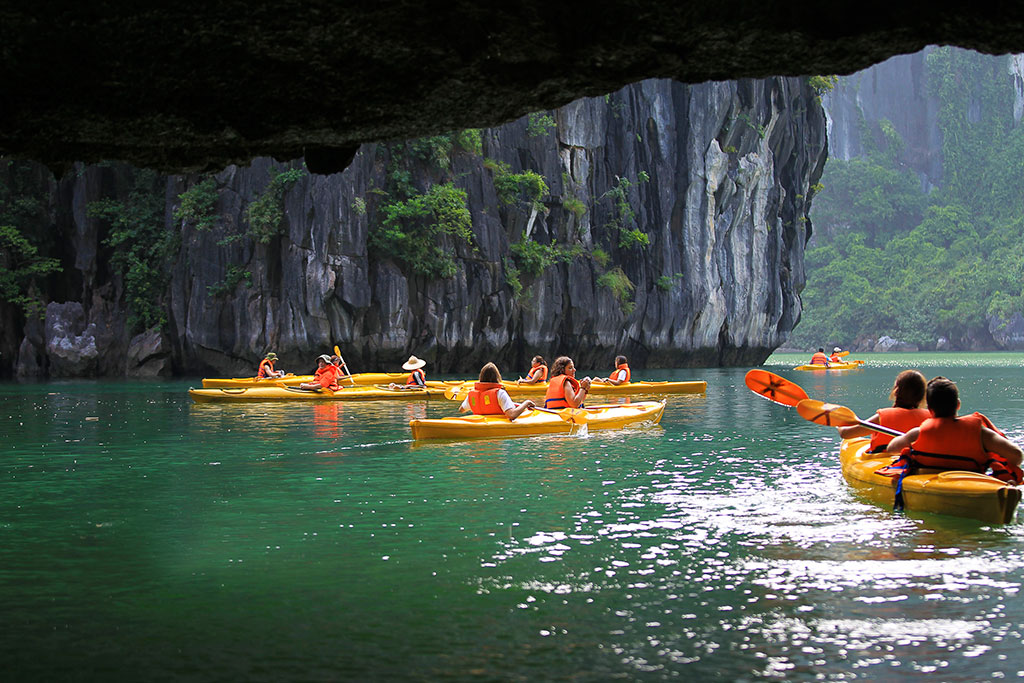
Phu Quoc Island Snorkeling and Diving
Vietnam's largest island, located in the Gulf of Thailand near the Cambodian border, has emerged as the country's premier snorkeling and diving destination. Phu Quoc's waters feature healthy coral reefs, diverse marine life, and excellent visibility that rivals better-known diving destinations in Thailand and Indonesia. The best snorkeling spots around Phu Quoc include the An Thoi archipelago in the south, where you can visit multiple islands and reefs in a single day trip. Turtle Island (Hon Doi Moi) offers particularly good snorkeling with frequent sea turtle sightings, while May Rut Island features beautiful coral gardens and an excellent beach for relaxing between snorkeling sessions. For certified divers, Phu Quoc offers several dive sites with chances to see reef sharks, rays, nudibranchs, and countless tropical fish species. The diving is not world-class compared to destinations like Indonesia or the Philippines, but it's improving and offers a great underwater adventure in a beautiful setting.Nha Trang and Da Nang Water Adventures
Nha Trang, on Vietnam's south-central coast, has long been the country's most developed beach destination and offers the most comprehensive range of water sports. In addition to diving and snorkeling, you'll find jet skiing, wakeboarding, parasailing, and windsurfing. The city also serves as a base for trips to nearby islands with excellent snorkeling and beach camping opportunities. Da Nang, positioned between Nha Trang and the northern coastline, has developed into Vietnam's surfing capital. While the waves aren't world-class, the combination of decent surf during the winter monsoon season, beautiful beaches, and the spectacular Son Tra peninsula as a backdrop creates a unique surfing destination. Surf schools and board rentals are readily available, making it accessible for beginners.Mekong Delta Rowing Boat Adventures
A different kind of water adventure awaits in the Mekong Delta, where you can explore the incredible network of rivers, canals, and waterways that define this region. Traditional sampans (small wooden boats) rowed by local women take you through narrow canals shaded by palm trees, past floating markets, and into remote villages where life revolves entirely around the water. While these adventures are gentle rather than thrilling, they offer an authentic experience of traditional Vietnamese riverine life. The delta's labyrinthine waterways feel like a different world, and exploring them by small boat is the only way to properly access many areas. Multi-day trips can be arranged, staying in homestays or on converted barges, allowing for deep exploration of this fascinating region.Motorbiking Adventures: The Ultimate Vietnamese Road Trip
Perhaps no adventure captures the spirit of travel in Vietnam quite like exploring the country by motorbike. Vietnam has become legendary among adventure motorcyclists for its spectacular roads, stunning scenery, and unique motorbike culture. Similar to Ladakh bike trips in India, motorbike adventures here offer unparalleled freedom and stunning views. The phrase "easy rider" originated here, referring to local motorbike drivers who guide foreign travelers on customized adventures.Ho Chi Minh Road: The Epic North-South Route
The Ho Chi Minh Road, running parallel to the better-known Highway 1 but through the mountainous interior, has become one of the world's great motorcycle adventures. This road takes you through the spine of Vietnam, passing remote villages, minority communities, and some of the country's most spectacular scenery. The full route from Hanoi to Ho Chi Minh City requires 10-14 days and covers over 1,800 kilometers of incredible riding. Highlights include the Hai Van Pass (made famous by the TV show Top Gear), the mountainous Central Highlands region, and sections that run along the borders with Laos and Cambodia. Along the way, you'll experience the incredible diversity of Vietnam's landscapes and cultures, from the northern mountains to the central highlands to the tropical south. Most travelers break this journey into segments, riding for 5-7 days and then exploring a region thoroughly before continuing. The most popular section runs from Hoi An to Hue via the Hai Van Pass, which can be done in a day but is worth taking slowly with stops at beaches, viewpoints, and the former American combat bases that dot this historic region.North Vietnam Loop: Mountains and Minority Villages
The North Vietnam Loop represents the perfect introduction to Vietnamese motorbike adventures. This circular route starts and ends in Hanoi, typically lasting 5-7 days, and takes you through the country's most spectacular mountain scenery. The standard route includes Mai Chau, Son La, Dien Bien Phu (site of the famous battle), Lai Chau, and Sapa before returning to Hanoi. This route offers everything a rider could want: winding mountain roads with excellent views, challenging passes, authentic cultural experiences in minority villages, and the satisfaction of navigating some of Southeast Asia's most dramatic terrain. The roads are generally in good condition, though traffic in some mountain towns can be chaotic. For experienced riders seeking maximum challenge, the Ha Giang Loop in the far north offers even more spectacular riding with fewer tourists. This region near the Chinese border features the Ma Pi Leng Pass - one of Vietnam's most spectacular drives - and genuinely remote mountain landscapes. However, the riding here is more challenging, and special permits are required for some areas near the border.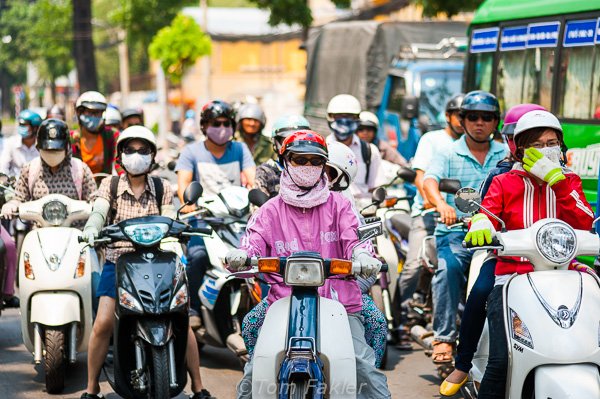
Motorbike Rental and Safety Considerations
Renting a motorbike in Vietnam is straightforward - major cities and tourist towns have countless rental shops offering everything from small scooters to larger touring bikes. Expect to pay $5-15 per day for a scooter, more for larger motorcycles. Most travelers use automatic scooters (110-150cc), which are perfectly adequate for Vietnam's roads and much easier to handle for less experienced riders. The critical question is whether your home driving license is valid in Vietnam. Technically, you need an International Driving Permit with a motorcycle endorsement, but in practice, police rarely stop foreign tourists on short-term rentals unless you're involved in an accident. However, always check current regulations, as enforcement has been increasing. Safety should be your top priority. Vietnamese traffic is chaotic and follows different rules than Western countries. Always wear a helmet (required by law and just good sense), drive defensively, and take time to get comfortable with local driving patterns before tackling challenging routes. Consider taking a rider training course if you're new to motorbike travel.Rock Climbing and Canyoning: Vertical Adventures
Vietnam has developed a surprisingly strong adventure sports scene centered around rock climbing and canyoning. The country's limestone karsts provide excellent climbing opportunities, while its mountain waterfalls create perfect canyoning terrain.Da Lat: Vietnam's Canyoning Capital
The mountain city of Da Lat has emerged as Southeast Asia's premier canyoning destination, and for good reason. The surrounding mountains contain numerous waterfalls and gorges that have been developed into professional canyoning adventures suitable for everyone from beginners to experienced canyoners. A typical canyoning day in Da Lat involves abseiling down waterfalls, natural water slides, jumping into pools, and scrambling through beautiful forested gorges. The most popular canyons include the "Hang Nga" canyon with its series of waterfall rappels up to 25 meters, and more advanced canyons for those seeking bigger challenges. What makes Da Lit's canyoning scene particularly good is the professional standard of operations. Companies provide full wet suits, harnesses, and safety equipment, and guides are well-trained in canyoning techniques and rescue procedures. The season runs year-round, though water levels vary significantly between wet and dry seasons, affecting the difficulty and character of the canyons.Cat Ba Island and Phong Nha Rock Climbing
Cat Ba Island in Ha Long Bay has developed excellent sport climbing on its limestone cliffs, with routes for all ability levels. The climbing here is spectacular - you're literally climbing on the iconic limestone karst formations that make Ha Long Bay famous, with views across the bay from many routes. The cliff faces are generally solid limestone with good friction, and routes are well-bolted. Climbing in Phong Nha has also developed rapidly, with several companies now offering both sport climbing and via ferrata routes (protected climbing routes using fixed cables and rungs). The via ferrata experience is particularly unique, allowing climbers without technical skills to access exposed positions high on cliff faces with spectacular views of the national park. For beginners, both locations offer excellent instruction and beginner routes. More experienced climbers will find challenging routes up to 7a+ (French grading) and the satisfaction of climbing in spectacular settings that few adventure destinations can match.Unique Adventures: Sandboarding, Canopy Walks and More
Beyond the major adventure categories, Vietnam offers unique experiences that you'll find in few other destinations. These adventures often combine natural features with creative approaches to outdoor fun.Mui Ne Sandboarding
The coastal town of Mui Ne is famous for its massive sand dunes that seem incongruous with Vietnam's tropical landscape. The White Sand Dunes (Bau Trang) and Red Sand Dunes (Bau Trac) provide excellent sandboarding opportunities - essentially snowboarding on sand. The White Sand Dunes are the larger and more impressive of the two sites, featuring dunes up to 30 meters high that stretch endlessly toward the horizon. Board rental costs just a few dollars, and you can spend hours sliding down the dunes, admiring the surreal landscape, and watching the colors change as the sun moves across the sky. The best time for sandboarding is early morning or late afternoon when the sand is cooler and the lighting is spectacular for photography. Sunrise at the White Sand Dunes is particularly magical, with the first light painting the dunes in shades of gold and pink.Bach Ma National Park Canopy Walks
Bach Ma National Park in central Vietnam features one of the country's best canopy walk experiences. This elevated walkway takes you through the forest canopy at heights up to 30 meters, offering a unique perspective on the rainforest ecosystem and spectacular views across the mountains and toward the coast. The park also offers excellent hiking to waterfalls, including the spectacular Do Quyen Waterfall, which drops 300 meters through a series of cascades. For adventure seekers, the park's summit provides challenging hiking and the chance to see some of Vietnam's most diverse birdlife - over 1,400 species have been recorded here.Con Dao Islands Snorkeling Pristine Reefs
The Con Dao archipelago, located off Vietnam's south coast, has remained surprisingly undeveloped given its extraordinary natural beauty. These islands offer some of Vietnam's best snorkeling and diving on pristine coral reefs that see far fewer visitors than reefs elsewhere in the country. Beyond underwater adventures, Con Dao offers excellent hiking through national park terrain, sea turtle watching (the islands are an important nesting site), and the chance to experience island life that has changed little in decades. The journey there (by flight from Ho Chi Minh City or by overnight ferry) adds to the remote adventure feel.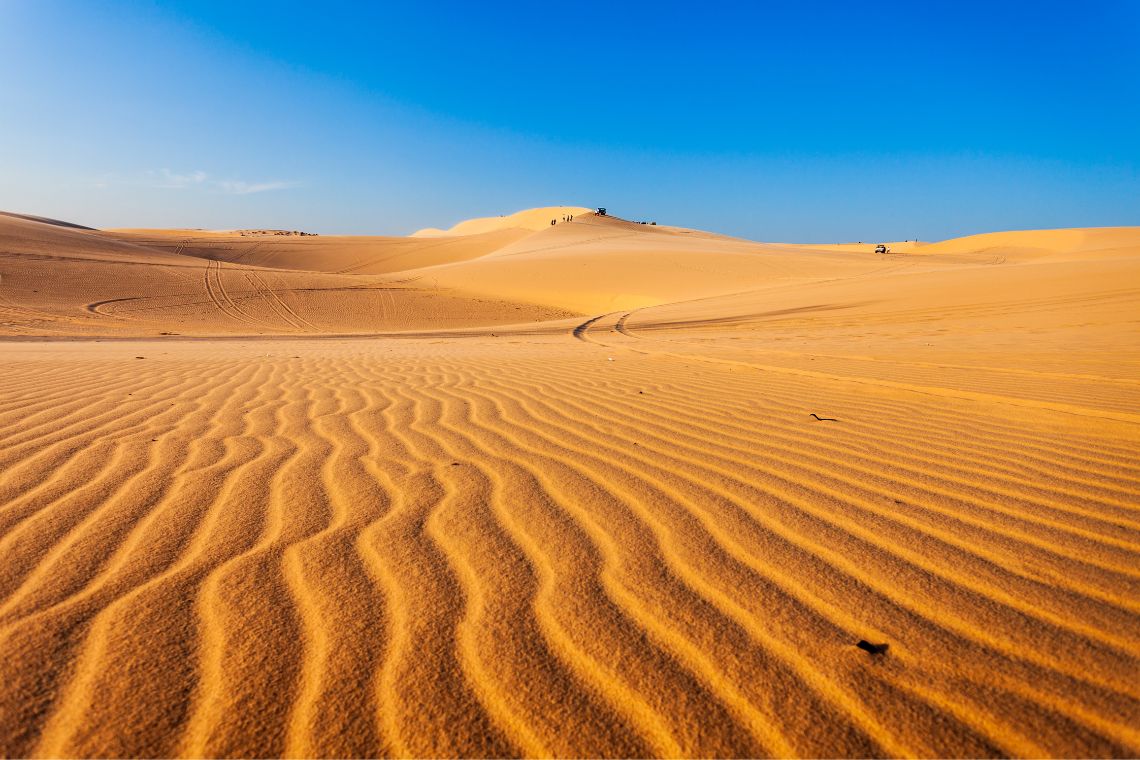
Best Time for Adventure Activities and Practical Tips
Vietnam's elongated shape means it spans multiple climate zones, making weather considerations crucial for adventure planning. The country's weather patterns are complex, but understanding them can make the difference between an amazing adventure and a washed-out disappointment.Regional Weather Patterns
Northern Vietnam (including Sapa, Hanoi, Halong Bay) has four distinct seasons. The best adventure season is September-November and March-May, when temperatures are pleasant and rainfall is minimal. Winter (December-February) can be cold and misty in the mountains, sometimes even snowing on Fansipan's summit. Summer (June-August) is hot and wet, though this is rice terraces at their greenest. Central Vietnam (including Da Nang, Hoi An, Hue) has a different pattern, with wet season from September-December and dry season from January-August. However, the central region can experience unpredictable weather year-round, including spectacular storms that roll in off the South China Sea. Southern Vietnam (including Ho Chi Minh City, Mekong Delta, Phu Quoc) has a tropical climate with a wet season from May-November and dry season from December-April. However, the wet season doesn't mean constant rain - typically you'll get intense afternoon downpours followed by sunshine.Booking and Planning Considerations
For popular adventures like Son Doong Cave, Hang En Cave, and Fansipan treks, booking months in advance is essential, especially if traveling during peak season (December-January and June-July). These expeditions have limited capacity and sell out quickly. For most other adventures, booking a few days to a week in advance is sufficient. However, always have a backup plan, as weather can cause cancellations, especially for caving, kayaking, and motorbiking adventures. Travel insurance that covers adventure activities is strongly recommended.Budget Considerations
Vietnam remains one of the world's most affordable adventure destinations. Day tours typically cost $30-80 USD, multi-day adventures range from $150-500 USD, and premium experiences like Son Doong cost $3,000+ USD. Accommodation, food, and transportation are all very reasonably priced, allowing for excellent adventure value compared to other destinations.Health and Safety
While Vietnam's adventure operators generally maintain good safety standards, always verify equipment condition and guide certifications, especially for activities like canyoning, rock climbing, and motorbike tours. For remote adventures, carry a basic first aid kit and any personal medications you might need. Tap water is not safe to drink anywhere in Vietnam - stick to bottled or filtered water. For food adventures, street food is generally safe if it's freshly cooked and busy with locals, but give yourself a few days to adjust to local bacteria before trying the most adventurous dishes.Conclusion
Vietnam has established itself as one of Southeast Asia's premier adventure destinations, offering an incredible diversity of experiences that few countries can match. From world-class caving in Phong Nha to ethnic minority village treks in Sapa, from motorbike adventures through the Central Highlands to kayaking Ha Long Bay's limestone karsts, Vietnam delivers adventures that create lifelong memories. What sets Vietnam apart is not just the quality of adventures but their accessibility and authenticity. Unlike many adventure destinations where experiences feel packaged for tourists, Vietnam's adventures connect you with genuine local culture, stunning natural environments, and activities that Vietnamese people themselves enjoy. The combination of spectacular scenery, rich culture, and excellent value makes Vietnam an unbeatable adventure destination. Whether you're a hardened adventurer seeking extreme challenges or a casual traveler looking to step outside your comfort zone, Vietnam has adventures perfectly suited to your interests and abilities. The country's adventure tourism industry continues to develop, with new experiences and destinations being discovered and opened to visitors each year, meaning that even repeat visitors will find fresh adventures awaiting them. For anyone seeking excitement, cultural immersion, and natural beauty in one destination, Vietnam's adventure offerings are difficult to beat. The memories you create exploring Vietnam's mountains, caves, rivers, and coastlines will stay with you long after you've returned home, calling you back to this remarkable country for your next adventure.Location
Frequently Asked Questions
Q1.What are the most popular adventure activities in Vietnam?
Q2.Is Vietnam good for adventure tourism?
Q3.What is the best time for adventure activities in Vietnam?
Q4.Can anyone explore Son Doong Cave?
Q5.How much does Son Doong cave expedition cost?
Q6.Are there easier caves in Phong Nha for beginners?
Q7.Where is the best trekking in Vietnam?
Q8.Is motorbiking in Vietnam safe?
Recommended For You
Best Time to Visit Vietnam: Regional Weather by North, Central & South
Plan the best time to visit Vietnam with month-wise weather, dry and wet season differences, regional timing tips, and practical advice for beaches and Halong Bay.
Son Doong Cave Vietnam: World's Largest Cave Expedition
Complete guide to Son Doong Cave, the world's largest cave in Vietnam. Tour prices, booking process, difficulty level, best time to visit, and expedition details.
Best Things to Do in Vietnam: Top Activities
Discover the best things to do in Vietnam with practical city, nature, food, and adventure ideas for a balanced trip.
Never Miss an Adventure
Get the latest trekking guides, travel tips, and exclusive offers delivered straight to your inbox.
