
Spiritual
Swami Vivekanand Sarovar Raipur: Complete Guide with Timings & Boating
Rohit Verma
February 18, 2026
17 min read2,008 views
Visit Swami Vivekanand Sarovar (Budha Talab) in Raipur. Discover the 37-foot bronze statue, enjoy boating, and explore the historical significance of Chhattisgarh's oldest lake.
Introduction: Raipur's Serene Urban Oasis
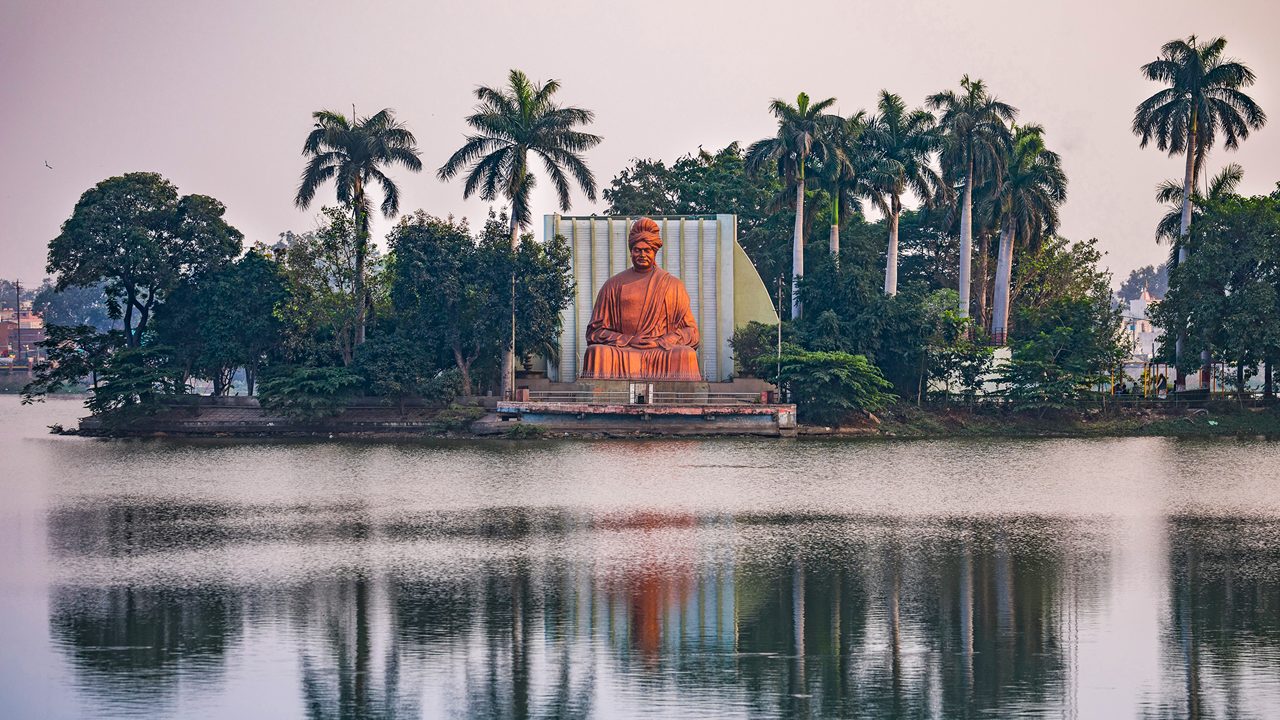
In the heart of Raipur, where the bustle of city life never seems to pause, lies a tranquil retreat that has witnessed centuries of history unfold. Swami Vivekanand Sarovar, formerly known as Budha Talab, stands as one of the oldest and most beloved landmarks in Chhattisgarh's capital city. This historic lake, dating back to the Kalchuri dynasty, has evolved from being a crucial water source for the region to becoming a modern recreational hub that draws locals and tourists alike.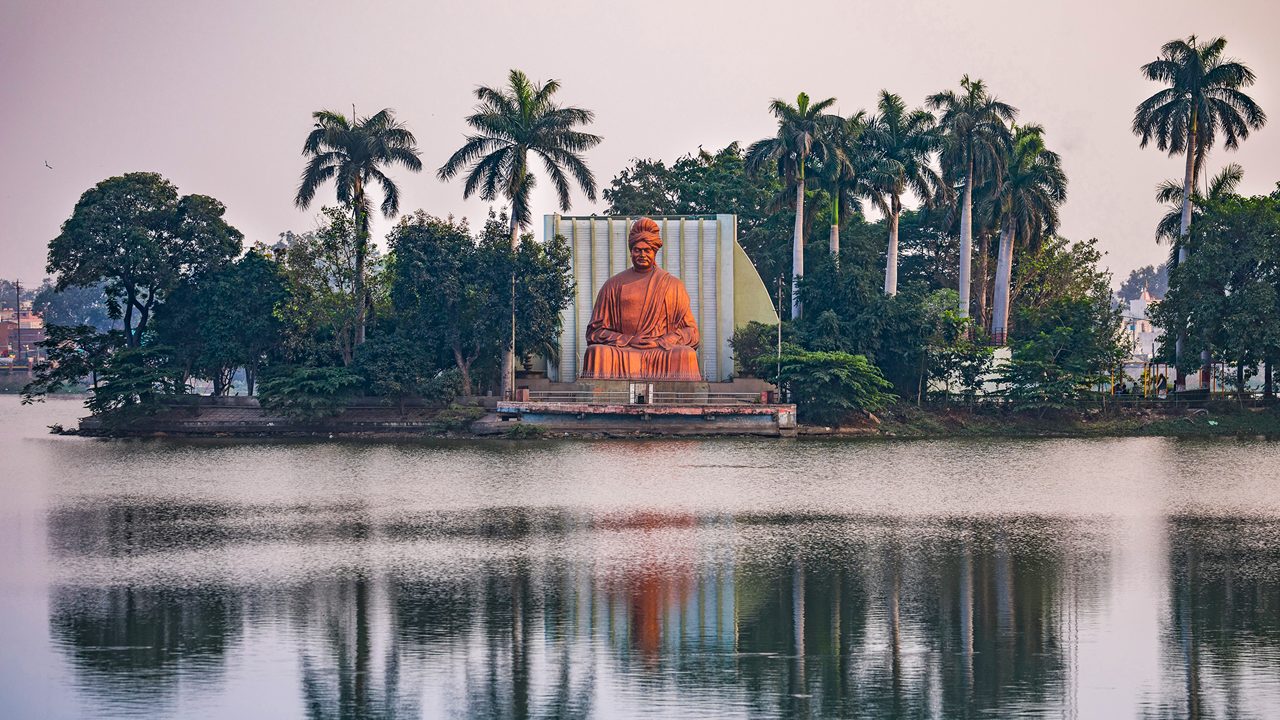 What makes this destination truly special is its seamless blend of historical significance and contemporary leisure. The sarovar (lake) serves as a perfect escape for those seeking peace amidst urban chaos, offering a unique combination of natural beauty, spiritual resonance, and recreational activities. Whether you're a history enthusiast eager to explore the region's heritage, a nature lover looking for a quiet spot to unwind, or simply someone wanting to enjoy a peaceful evening by the water, Swami Vivekanand Sarovar caters to all.
The centerpiece of this attraction is undoubtedly the magnificent bronze statue of Swami Vivekananda that stands tall in the middle of the lake. As the sun sets and the statue illuminates, creating a stunning reflection on the water, visitors understand why this has become Raipur's most iconic landmark. Let's delve deeper into what makes this place a must-visit when exploring Chhattisgarh.
What makes this destination truly special is its seamless blend of historical significance and contemporary leisure. The sarovar (lake) serves as a perfect escape for those seeking peace amidst urban chaos, offering a unique combination of natural beauty, spiritual resonance, and recreational activities. Whether you're a history enthusiast eager to explore the region's heritage, a nature lover looking for a quiet spot to unwind, or simply someone wanting to enjoy a peaceful evening by the water, Swami Vivekanand Sarovar caters to all.
The centerpiece of this attraction is undoubtedly the magnificent bronze statue of Swami Vivekananda that stands tall in the middle of the lake. As the sun sets and the statue illuminates, creating a stunning reflection on the water, visitors understand why this has become Raipur's most iconic landmark. Let's delve deeper into what makes this place a must-visit when exploring Chhattisgarh.
History of Budha Talab: From Royal Water Source to Modern Landmark
The story of Swami Vivekanand Sarovar is deeply intertwined with the history of Raipur itself. Historical records suggest that this ancient lake, originally known as Budha Talab (meaning "old lake"), was constructed during the reign of the Kalchuri kings, who ruled this region from their capital in Ratanpur. King Rai Brahmdeo is often credited with the creation of this water body, which was designed to serve as a sustainable water source for the surrounding areas.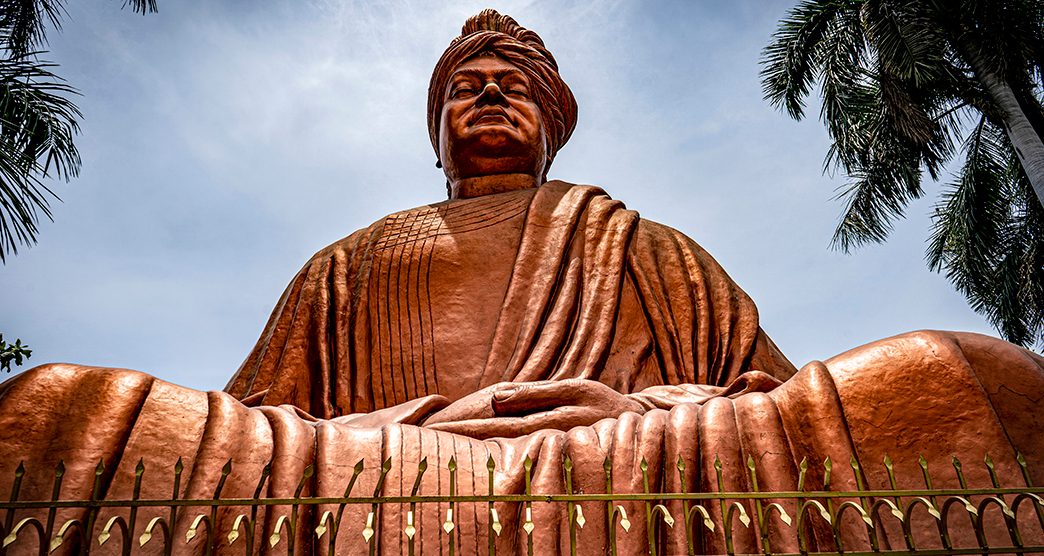 For centuries, Budha Talab played a crucial role in the agricultural and daily life of Raipur's residents. The lake's water was used for irrigation, and its banks served as a gathering place for the community. During the monsoon season, the lake would replenish itself, ensuring water availability throughout the year. This sustainable water management system was a testament to the advanced engineering and foresight of the Kalchuri dynasty.
The transformation from Budha Talab to Swami Vivekanand Sarovar occurred as part of a modernization initiative aimed at developing urban recreational spaces while preserving the city's heritage. The renaming honors one of India's most influential spiritual leaders and philosophers, Swami Vivekananda, whose teachings continue to inspire millions. This renaming symbolizes the connection between Raipur's historical past and its aspirations for a progressive future.
Today, the lake stands as a reminder of Raipur's rich history while embracing modernity. It has been carefully developed with landscaped gardens, walking tracks, and boating facilities, making it a perfect example of how heritage sites can be revitalized for contemporary use without losing their historical essence. If you're interested in exploring more historical places in Chhattisgarh, Ghatarani Waterfalls offers another glimpse into the region's natural and cultural heritage.
For centuries, Budha Talab played a crucial role in the agricultural and daily life of Raipur's residents. The lake's water was used for irrigation, and its banks served as a gathering place for the community. During the monsoon season, the lake would replenish itself, ensuring water availability throughout the year. This sustainable water management system was a testament to the advanced engineering and foresight of the Kalchuri dynasty.
The transformation from Budha Talab to Swami Vivekanand Sarovar occurred as part of a modernization initiative aimed at developing urban recreational spaces while preserving the city's heritage. The renaming honors one of India's most influential spiritual leaders and philosophers, Swami Vivekananda, whose teachings continue to inspire millions. This renaming symbolizes the connection between Raipur's historical past and its aspirations for a progressive future.
Today, the lake stands as a reminder of Raipur's rich history while embracing modernity. It has been carefully developed with landscaped gardens, walking tracks, and boating facilities, making it a perfect example of how heritage sites can be revitalized for contemporary use without losing their historical essence. If you're interested in exploring more historical places in Chhattisgarh, Ghatarani Waterfalls offers another glimpse into the region's natural and cultural heritage.
The Statue of Swami Vivekananda: A Monument of Inspiration
The crown jewel of Swami Vivekanand Sarovar is undoubtedly the impressive bronze statue of the spiritual leader it's named after. Standing approximately 37 feet tall, this magnificent sculpture commands attention from every corner of the lake. The statue depicts Swami Vivekananda in his iconic meditative pose, dressed in his characteristic saffron robes, with an expression of profound serenity and determination that captured the essence of his personality.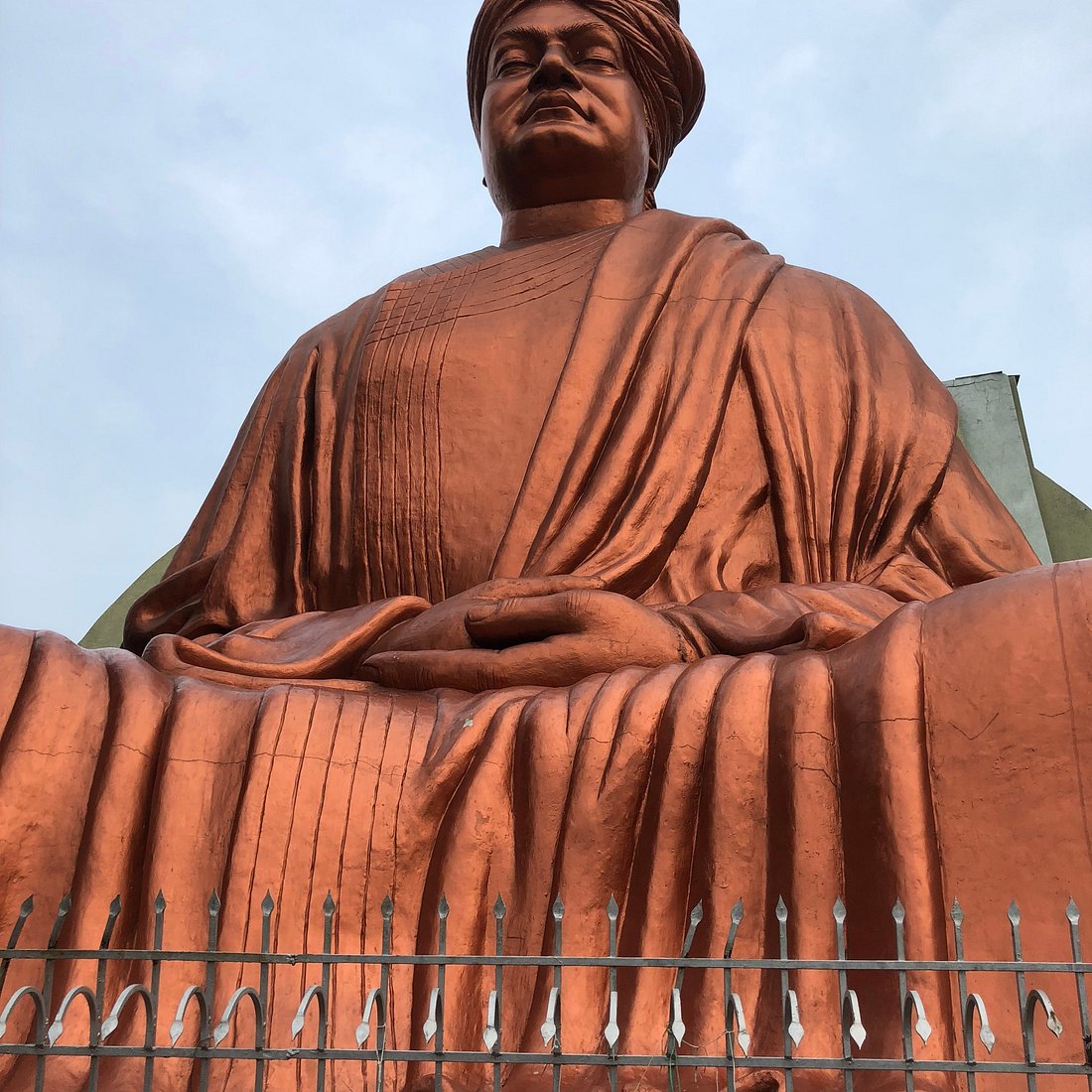 What makes this statue particularly remarkable is its location. Situated on an island within the lake, it creates a breathtaking visual effect, especially during the evening when the entire structure is illuminated. The reflection of the illuminated statue on the calm waters of the sarovar creates a mirror image that is nothing short of magical. This visual spectacle has become one of the most photographed scenes in Raipur and draws visitors specifically during sunset hours.
The statue is not merely an architectural marvel but also serves as a symbol of inspiration. Swami Vivekananda's message of youth empowerment, spiritual awakening, and national pride resonates deeply in this region. Many visitors come to the sarovar specifically to spend a few quiet moments in contemplation by the statue, finding peace and motivation in the presence of this iconic figure's representation.
For those interested in spiritual destinations across India, the Golden Temple in Amritsar offers another profound spiritual experience. Similarly, Gurudwara Bangla Sahib in Delhi is a must-visit for those seeking spiritual solace in urban settings.
What makes this statue particularly remarkable is its location. Situated on an island within the lake, it creates a breathtaking visual effect, especially during the evening when the entire structure is illuminated. The reflection of the illuminated statue on the calm waters of the sarovar creates a mirror image that is nothing short of magical. This visual spectacle has become one of the most photographed scenes in Raipur and draws visitors specifically during sunset hours.
The statue is not merely an architectural marvel but also serves as a symbol of inspiration. Swami Vivekananda's message of youth empowerment, spiritual awakening, and national pride resonates deeply in this region. Many visitors come to the sarovar specifically to spend a few quiet moments in contemplation by the statue, finding peace and motivation in the presence of this iconic figure's representation.
For those interested in spiritual destinations across India, the Golden Temple in Amritsar offers another profound spiritual experience. Similarly, Gurudwara Bangla Sahib in Delhi is a must-visit for those seeking spiritual solace in urban settings.
Boating and Activities at Swami Vivekanand Sarovar
One of the primary attractions that draws families, couples, and groups of friends to Swami Vivekanand Sarovar is the boating facility. The well-maintained boating infrastructure offers visitors a chance to experience the lake from a unique perspective. Gliding across the water in a boat, with the statue of Swami Vivekananda as your backdrop and the city skyline in the distance, creates memories that last a lifetime.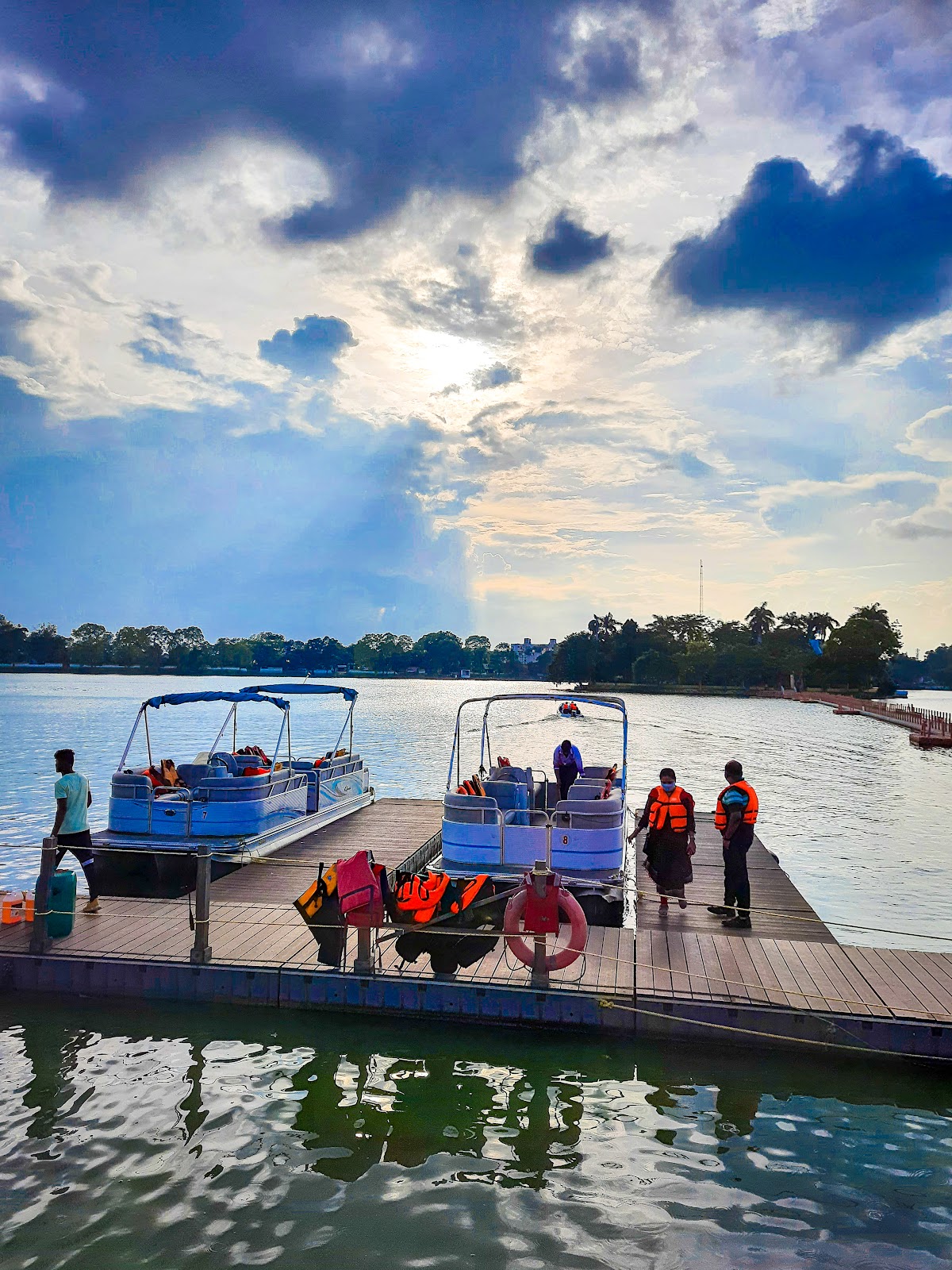 The boating facilities typically include both pedal boats and motor boats. Pedal boats are perfect for those who want to enjoy a leisurely pace while getting some light exercise. These boats are especially popular among couples and families who want to spend quality time together. The motor boats, on the other hand, are ideal for those who want to cover more distance quickly or prefer a more relaxed experience without the physical effort of pedaling.
Boating charges are quite reasonable, making this an accessible activity for most visitors. The rates typically vary depending on the type of boat and the duration of the ride. It's advisable to check the current rates at the ticket counter before planning your boating experience. The best time for boating is during the early morning hours when the lake is calm and misty, or during sunset when the sky paints itself in hues of orange and pink.
Apart from boating, the sarovar complex offers various other activities. The well-maintained gardens surrounding the lake are perfect for morning walks or evening strolls. Many locals come here for their daily exercise routine, utilizing the walking track that circles the entire perimeter of the lake. The track is well-paved and marked, making it safe for joggers, walkers, and even children learning to cycle.
For those interested in exploring more water bodies and recreational activities in India, Kankaria Lake in Ahmedabad and Hussain Sagar Lake in Hyderabad offer excellent boating and recreational experiences similar to Swami Vivekanand Sarovar.
The boating facilities typically include both pedal boats and motor boats. Pedal boats are perfect for those who want to enjoy a leisurely pace while getting some light exercise. These boats are especially popular among couples and families who want to spend quality time together. The motor boats, on the other hand, are ideal for those who want to cover more distance quickly or prefer a more relaxed experience without the physical effort of pedaling.
Boating charges are quite reasonable, making this an accessible activity for most visitors. The rates typically vary depending on the type of boat and the duration of the ride. It's advisable to check the current rates at the ticket counter before planning your boating experience. The best time for boating is during the early morning hours when the lake is calm and misty, or during sunset when the sky paints itself in hues of orange and pink.
Apart from boating, the sarovar complex offers various other activities. The well-maintained gardens surrounding the lake are perfect for morning walks or evening strolls. Many locals come here for their daily exercise routine, utilizing the walking track that circles the entire perimeter of the lake. The track is well-paved and marked, making it safe for joggers, walkers, and even children learning to cycle.
For those interested in exploring more water bodies and recreational activities in India, Kankaria Lake in Ahmedabad and Hussain Sagar Lake in Hyderabad offer excellent boating and recreational experiences similar to Swami Vivekanand Sarovar.
Gardens, Ambiance, and Evening Vibes
The landscape architecture around Swami Vivekanand Sarovar deserves special mention. The carefully designed gardens surrounding the lake transform what could have been just another water body into a complete recreational destination. Lush green lawns, well-trimmed hedges, and strategically placed seating areas create pockets of tranquility where visitors can sit and enjoy the scenery.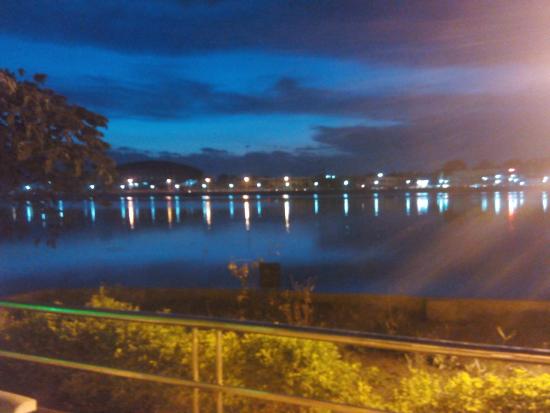 The ambiance at the sarovar changes dramatically throughout the day, each phase offering its own charm. Early mornings see fitness enthusiasts making use of the jogging track. The lake is often shrouded in a light mist, and the air is crisp and fresh. This is when many locals come for their yoga sessions or morning walks, finding peace in the serene surroundings before the day's hustle begins.
As the day progresses, families with children visit, making use of the open spaces for picnics and casual gatherings. The evenings, however, are when the sarovar truly comes alive. As the sun begins to set, people start arriving after work, looking to unwind. The illumination of the Swami Vivekananda statue creates a stunning focal point, and the entire area takes on a festive yet peaceful atmosphere.
Food vendors and small stalls around the periphery offer local snacks and refreshments, adding to the evening experience. However, the administration has been careful to maintain the cleanliness and ecological balance of the area, ensuring that commercial activities don't detract from the natural beauty of the place.
The sarovar has become a popular spot for couples as well, offering a safe and peaceful environment to spend quality time together. The well-lit pathways and presence of other visitors make it a secure choice for evening outings. If you're looking for more romantic spots in Indian cities, Gandhi Udyan Park in Raipur is another green space worth exploring.
The ambiance at the sarovar changes dramatically throughout the day, each phase offering its own charm. Early mornings see fitness enthusiasts making use of the jogging track. The lake is often shrouded in a light mist, and the air is crisp and fresh. This is when many locals come for their yoga sessions or morning walks, finding peace in the serene surroundings before the day's hustle begins.
As the day progresses, families with children visit, making use of the open spaces for picnics and casual gatherings. The evenings, however, are when the sarovar truly comes alive. As the sun begins to set, people start arriving after work, looking to unwind. The illumination of the Swami Vivekananda statue creates a stunning focal point, and the entire area takes on a festive yet peaceful atmosphere.
Food vendors and small stalls around the periphery offer local snacks and refreshments, adding to the evening experience. However, the administration has been careful to maintain the cleanliness and ecological balance of the area, ensuring that commercial activities don't detract from the natural beauty of the place.
The sarovar has become a popular spot for couples as well, offering a safe and peaceful environment to spend quality time together. The well-lit pathways and presence of other visitors make it a secure choice for evening outings. If you're looking for more romantic spots in Indian cities, Gandhi Udyan Park in Raipur is another green space worth exploring.
Best Time to Visit Swami Vivekanand Sarovar
Timing your visit to Swami Vivekanand Sarovar can significantly enhance your experience. Like most outdoor destinations in central India, the best time to visit depends on what you're looking for and your tolerance for different weather conditions.| Season | Months | Temperature | Pros | Cons |
|---|---|---|---|---|
| Winter | Oct - Feb | 12°C - 25°C | Pleasant weather, perfect for outdoor activities | Evenings can get quite chilly |
| Summer | Mar - Jun | 30°C - 42°C | Less crowded, cooler mornings | Extremely hot during the day |
| Monsoon | Jul - Sep | 24°C - 30°C | Lush greenery, pleasant temperature | Humidity, occasional heavy rain |
Visitor Information: Timings, Entry Fee, and Facilities
Planning a visit to Swami Vivekanand Sarovar requires some basic information about timings, entry fees, and available facilities. Being well-informed ensures a smooth and enjoyable experience without any unexpected surprises.Timings
Swami Vivekanand Sarovar is typically open to visitors from early morning until late evening. The standard timings are:- Morning: 6:00 AM to 12:00 PM
- Evening: 3:00 PM to 8:30 PM
Entry Fee
One of the best aspects of Swami Vivekanand Sarovar is that entry to the park area surrounding the lake is generally free. This makes it accessible to everyone, regardless of budget. However, specific activities within the complex do have charges:- Park Entry: Free
- Boating Charges: Vary by boat type and duration (typically ₹50-200 per person)
- Parking: Nominal fee for two-wheelers and four-wheelers
Facilities Available
The sarovar complex is equipped with several facilities to ensure visitor comfort:- Parking: Designated parking areas for both two-wheelers and four-wheelers
- Restrooms: Clean and well-maintained public restrooms
- Seating Areas: Multiple benches and seating areas around the lake
- Food Stalls: Small vendors selling snacks and refreshments
- Drinking Water: Water stations available at strategic points
- Walking Track: Well-paved track for walking and jogging
Nearby Attractions in Raipur
While Swami Vivekanand Sarovar is undoubtedly a highlight of any visit to Raipur, the city offers several other attractions that can be combined for a comprehensive sightseeing experience. Planning to visit nearby places can help you make the most of your trip to Chhattisgarh's capital.Mahant Ghasidas Memorial Museum
Located just a few kilometers from Swami Vivekanand Sarovar, the Mahant Ghasidas Memorial Museum is one of the most important cultural institutions in Chhattisgarh. Established in 1875, this museum houses an impressive collection of artifacts, sculptures, paintings, and inscriptions that showcase the region's rich history and cultural heritage. The museum building itself is an architectural marvel, featuring a unique blend of British and Indian architectural styles.Purkhouti Muktangan
For those interested in experiencing the traditional culture of Chhattisgarh, Purkhouti Muktangan is a must-visit. This open-air museum and cultural center showcases traditional tribal houses, art forms, and lifestyle from various tribes of the state. It's an excellent place to learn about the indigenous communities that call Chhattisgarh home and appreciate their rich cultural traditions.Banjaris Temple
Also known as the Banjari Mata Mandir, this ancient temple dedicated to Goddess Durga is another significant spiritual site in Raipur. Located approximately 7 kilometers from the city center, the temple attracts devotees throughout the year, especially during Navratri. The temple's serene surroundings make it a perfect complement to a visit to Swami Vivekanand Sarovar for those on a spiritual tour of the city.Gandhi Udyan Park
For those who enjoy green spaces, Gandhi Udyan Park offers another peaceful retreat in the city. This well-maintained park is perfect for morning walks, evening strolls, or simply spending some quiet time in nature. Combined with a visit to Swami Vivekanand Sarovar, it provides a full day of nature and relaxation within the city. If you're planning to explore more of Chhattisgarh beyond Raipur, consider visiting Champaran, known for its religious significance and historical temples. The state is also home to beautiful natural attractions like Hajra Waterfall, perfect for nature lovers.Photography Tips and Best Spots
Swami Vivekanand Sarovar offers excellent opportunities for photography, whether you're a professional photographer or someone who enjoys capturing memories with your smartphone. Here are some tips to help you make the most of your photography session at the sarovar.Golden Hour Photography
The hour after sunrise and the hour before sunset are known as the "golden hours" for photography. During these times, the light is soft and warm, creating a beautiful, almost magical quality in photographs. At Swami Vivekanand Sarovar, the golden hour before sunset is particularly special. As the sun goes down, the statue of Swami Vivekananda begins to illuminate, creating a stunning contrast against the darkening sky.Reflection Shots
One of the most classic shots at the sarovar is the reflection of the Swami Vivekananda statue on the water. To get the best reflection shot, visit when the water is calm, typically in the early morning or late evening. Look for a position where you can frame both the statue and its reflection in the same composition. Using a polarizing filter can help reduce glare and enhance the reflection.Long Exposure Photography
If you're interested in long exposure photography, the sarovar offers several opportunities. You can create smooth, silky effects on the water surface or capture light trails from the illuminated statue. For these shots, you'll need a tripod and a camera that allows manual control over shutter speed. Early evening, when there's still some ambient light but the statue has been illuminated, is the best time for long exposure shots.People and Culture
Beyond the landscape and architectural shots, Swami Vivekanand Sarovar offers opportunities to capture the daily life and culture of Raipur. Families enjoying a boat ride, children playing in the gardens, or elderly residents on their morning walk—all these moments tell the story of how this lake is integrated into the fabric of city life. Always be respectful when photographing people and seek permission before taking close-up shots. For more photography inspiration in India, photography spots in Shimla and Varanasi photography spots offer excellent opportunities to capture diverse Indian landscapes and culture.Responsible Tourism and Conservation
As visitors to this beautiful urban oasis, it's our responsibility to ensure that we practice responsible tourism to help conserve Swami Vivekanand Sarovar for future generations. The lake is not just a tourist attraction but an important part of Raipur's ecological system and cultural heritage.Keeping the Lake Clean
One of the biggest challenges faced by urban water bodies in India is pollution. As visitors, we can contribute to keeping the sarovar clean by ensuring we don't litter. Use the dustbins provided for disposing of trash, and if you don't find one nearby, carry your waste with you until you do. Plastic is particularly harmful to aquatic ecosystems, so avoid bringing single-use plastics to the lake.Respecting Wildlife
The lake and its surroundings support a variety of bird species and small aquatic life. While boating, maintain a safe distance from bird nests and breeding areas. Avoid making loud noises that might disturb the wildlife. If you're lucky enough to spot birds during your visit, observe them quietly from a distance without attempting to feed or touch them.Following Rules and Guidelines
The administration has established rules for the safety and conservation of the sarovar. These include speed limits for boats, designated areas for boating, and restrictions on certain activities. Following these rules isn't just about avoiding penalties—it's about being a responsible visitor who respects the site's ecological and cultural significance.Sustainable Practices
Whenever possible, choose sustainable options. This could mean using public transportation or carpooling to reach the sarovar, carrying your own water bottle instead of buying plastic ones, or choosing to walk around the lake instead of taking motorized boats. Small individual actions, when multiplied by thousands of visitors, can make a significant difference.Conclusion
Swami Vivekanand Sarovar represents everything that makes urban public spaces valuable—it's a place where history comes alive, where nature provides respite from concrete jungles, where families create memories, and where solitude seekers find peace. This historic lake, with its towering statue of one of India's greatest spiritual leaders, serves as a reminder of Raipur's rich past while embracing its present as a bustling modern city. Whether you're a tourist exploring Chhattisgarh for the first time or a resident who has lived in Raipur for years, Swami Vivekanand Sarovar has something to offer everyone. The early morning mist rising from the lake, the golden rays of sunset reflecting off the water, the illuminated statue standing tall against the night sky—these are experiences that stay with you long after you've left. As you walk around the lake, pedal across its waters, or simply sit on one of its benches watching the world go by, you're participating in a tradition that has continued for centuries. The Kalchuri kings who created this lake could never have imagined that their water source would one day become a modern recreational hub, but they would surely be pleased to see how their creation continues to serve the people of Raipur. In an age where urbanization often comes at the cost of natural spaces, Swami Vivekanand Sarovar stands as a testament to how development and conservation can go hand in hand. It's a living example of how heritage sites can be revitalized for contemporary use without losing their historical essence. For anyone visiting Raipur or looking to understand the heart of this vibrant city, a visit to Swami Vivekanand Sarovar is not just recommended—it's essential.Location
Frequently Asked Questions
Q1.What is the entry fee for Swami Vivekanand Sarovar?
Entry to the park area surrounding Swami Vivekanand Sarovar is free for all visitors. However, boating activities have separate charges. Pedal boats typically cost ₹50-150 per person, while motor boats range from ₹100-200 per person, depending on the duration and type of boat. Parking for vehicles is available at a nominal fee. Prices may vary on weekends and holidays.
Q2.What are the timings of Budha Talab?
Swami Vivekanand Sarovar is open in two shifts: morning from 6:00 AM to 12:00 PM, and evening from 3:00 PM to 8:30 PM. The sarovar remains closed during the afternoon hours, especially during summer months. These timings can vary slightly during different seasons and weather conditions, so it's advisable to check locally for the most current schedule.
Q3.Is boating available at the lake?
Yes, boating is one of the main attractions at Swami Vivekanand Sarovar. Both pedal boats and motor boats are available for visitors. The boating facilities are well-maintained with proper safety equipment. Boating offers a unique perspective of the lake and allows you to get closer to the Swami Vivekananda statue situated in the center. Boating may be suspended during heavy rain or adverse weather conditions.
Q4.What is the height of the Swami Vivekananda statue?
The bronze statue of Swami Vivekananda at Swami Vivekanand Sarovar stands approximately 37 feet tall. It's one of the largest statues of Swami Vivekananda in India and serves as the centerpiece of the entire complex. The statue is situated on an island within the lake and is beautifully illuminated in the evenings, creating a stunning reflection on the water.
Q5.Is photography allowed inside?
Yes, photography is allowed and encouraged at Swami Vivekanand Sarovar. The site offers excellent photography opportunities, especially during sunrise and sunset. The illuminated statue in the evening creates spectacular photo opportunities. However, drone photography may require special permission from the authorities. Always be respectful of other visitors and maintain decorum when taking photographs.
Q6.What is the best time to visit Swami Vivekanand Sarovar?
The best time to visit is during the winter months (October to February) when the weather is pleasant (12°C-25°C). Within the day, early morning (6-8 AM) and late afternoon (4-7 PM) are ideal. The golden hour before sunset offers spectacular views with the illuminated statue. Summer visits are best planned for early morning or late evening to avoid the harsh midday sun.
Q7.How far is it from Raipur Airport?
Swami Vivekanand Sarovar is located approximately 12-15 kilometers from Raipur's Swami Vivekawand International Airport. The drive typically takes 25-35 minutes depending on traffic conditions. Taxis, auto-rickshaws, and ride-sharing services are readily available at the airport. The sarovar is located in the heart of the city and is easily accessible from any part of Raipur.
Q8.Are there food stalls nearby?
Yes, there are several small food stalls and vendors around the periphery of Swami Vivekanand Sarovar that sell local snacks, tea, cold drinks, and light refreshments. However, for a complete meal, you may want to visit restaurants in the nearby areas of the city. The administration maintains cleanliness, and visitors are encouraged to dispose of waste properly in designated bins.
Q9.Is it safe for couples?
Yes, Swami Vivekanand Sarovar is considered safe for couples. The area is well-lit in the evenings and sees a steady flow of visitors throughout the day, including families and local residents. The presence of other visitors and security personnel makes it a secure choice for evening outings. As with any public place, it's advisable to be respectful and maintain appropriate public behavior.
Q10.Can we go for a morning walk there?
Absolutely! Swami Vivekanand Sarovar is one of the most popular spots for morning walks in Raipur. The well-paved walking track that circles the entire perimeter of the lake is perfect for jogging, walking, or even cycling. Many locals start their day here with exercise routines, yoga sessions, or simply a peaceful walk around the lake. The early morning ambiance, with the mist over the lake and birds chirping, makes it a refreshing experience.
Recommended For You
Adventure
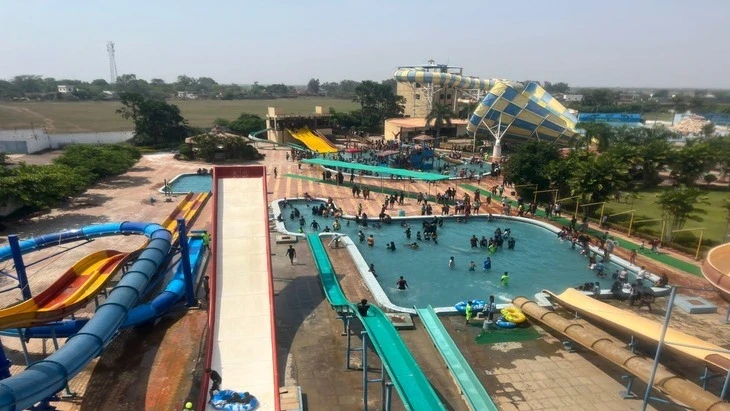
MM Fun City Raipur: Water Park & Adventure
Visit MM Fun City Raipur - Chhattisgarh's largest water park with slides, wave pool & rafting.
Jan 12Read More
Spiritual
Champaran near Raipur: Riverside Retreat, Temples & Day Trip Plan
Explore Champaran near Raipur, birthplace of Saint Vallabhacharya. Discover temples, Mahanadi riverside ghats, best time to visit & how to reach guide.
Feb 19Read More
Waterfalls
Ghatarani Waterfalls Chhattisgarh: Best Time, Route & Visitor Tips
Plan your Ghatarani Waterfalls trip with best time to visit, route details, trek difficulty, safety tips, and practical guidance for a smooth Chhattisgarh outing.
Dec 11Read More
Never Miss an Adventure
Get the latest trekking guides, travel tips, and exclusive offers delivered straight to your inbox.
