
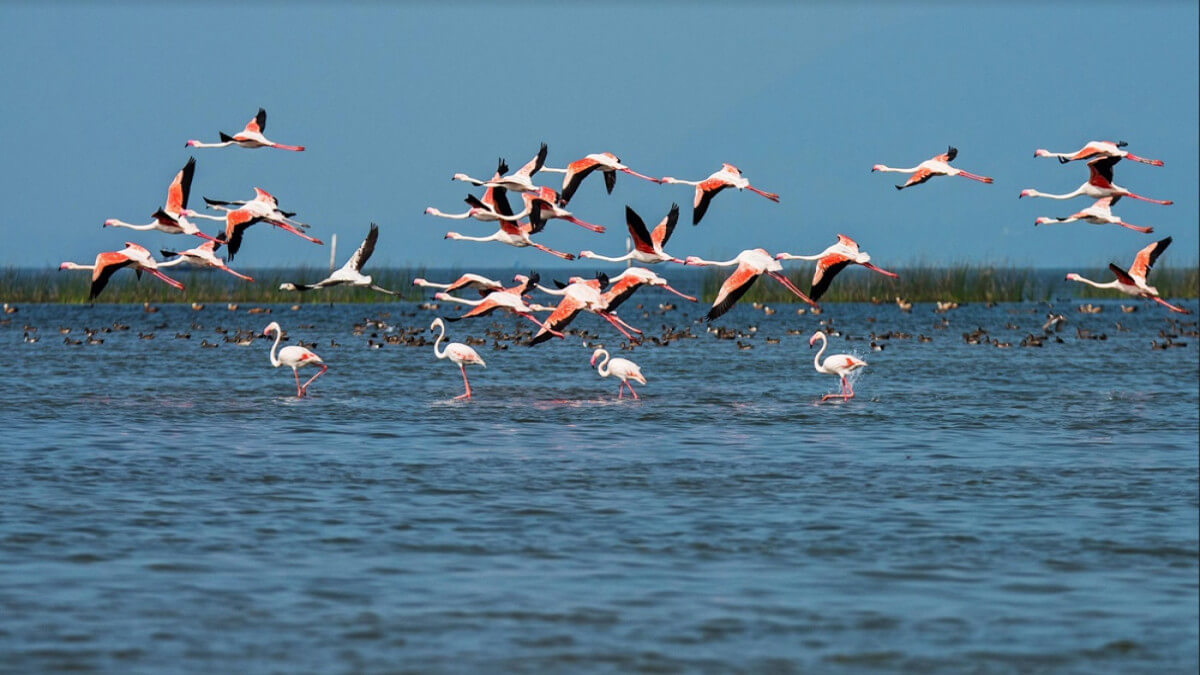
Best Bird Sanctuaries in the World: Global Birdwatching Destinations

Neha Kapoor
February 18, 2026
Discover best bird sanctuaries in the world with season-aware planning, ethical wildlife practices, and practical field-travel tips.
Best Bird Sanctuaries in the World: A Practical Global Birding Guide
Bird sanctuaries are among the few travel spaces where tourism, science, and conservation can work together when visitors behave responsibly. The best bird sanctuaries in the world are not only about long species checklists; they are about intact habitats, migration corridors, and patient observation. Whether you are a beginner carrying your first binoculars or a regular birder planning international trips, your outcomes depend on timing, habitat fit, and field behavior more than destination fame.
This guide gives a practical framework: how to choose sanctuaries, where India fits in the global map, what international locations are worth planning, and how to travel with low ecological impact. For India-focused planning, connect this article with bird-sanctuaries-in-delhi and nalsarovar-bird-sanctuary-ahmedabad before you build a wider route.
How to Choose the Right Bird Sanctuary
Most travelers start with popularity lists, but strong birding trips begin with species goals and seasonal windows. Ask three questions first: what habitat do you want to observe, what migration phase are you targeting, and how much field time can you realistically give each day? A wetland-heavy route needs different planning than a rainforest or estuary route.
Also evaluate access model. Some sanctuaries are easy to navigate with boardwalks and hides, while others need boat permits, local guides, or strict trail timings. If your trip has mixed travelers, choose sanctuaries with predictable infrastructure and shorter movement blocks. This increases comfort without reducing sighting quality.
A practical approach is to select two sanctuaries per trip: one high-diversity flagship site and one quieter specialist habitat. That mix gives you both broad species exposure and deeper ecological learning.
Top Bird Sanctuaries in India with Global Relevance
India remains one of the strongest birding countries because it combines wetlands, grasslands, mangroves, forests, and high-altitude routes in one geography. For global travelers, these sites are high-value entries:
- Keoladeo National Park (Bharatpur): a benchmark wetland system with strong winter migration activity and excellent walking access.
- Sultanpur National Park: near Delhi and useful for short-duration birding with good educational value.
- Nalsarovar Bird Sanctuary: expansive wetland habitat in Gujarat with excellent winter waterbird movement.
- Chilika ecosystem routes: a major migratory zone where timing and local guidance are crucial.
- Thattekad and Western Ghats circuits: ideal for endemic-focused forest birding.
If you are extending Kashmir-side wildlife plans, salim-ali-national-park-srinagar can be a relevant add-on depending on season and route.
International Bird Sanctuaries Worth Planning
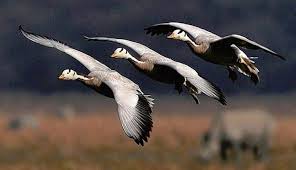
Beyond India, several global sanctuaries stand out for habitat quality and species richness. The right choice depends on budget, travel season, and your experience level.
Pantanal (Brazil): one of the richest wetland systems for birdlife, with broad open views and high photographic potential. Logistics can be complex, so pre-booking local operators is important.
Everglades region (USA): excellent for wetland and marsh species with strong interpretation infrastructure. Good for first-time international birders.
Danube Delta (Romania): major European bird zone with diverse water habitats and boat-based exploration opportunities.
Lake Nakuru region (Kenya): famous for large congregations and dynamic seasonal movement. Combine with broader wildlife circuits if time allows.
Camargue (France): strong for European wetland birding and accessible route planning.
Kakadu-linked routes (Australia): excellent for region-specific species and mixed wetland-woodland observation.
The common principle across all of these is the same: choose fewer sites, spend more time per site, and align your travel dates with ecological windows rather than holiday convenience alone.
Best Time for Bird Sanctuary Travel
Timing is the single most important variable in bird sanctuary success. Many sites peak during migration months, but exact dates vary by geography, rainfall, and local hydrology. For much of India, October to March is a strong period for wetland diversity. Tropical sites may perform better with shoulder-season windows when access remains good but crowd pressure is lower.
| Travel Window | Typical Strength | Use Case |
|---|---|---|
| October to March | High migratory activity in many wetlands | Best for broad species checklists |
| Breeding months by region | Behavioral observation and calls | Useful for focused natural history sessions |
| Peak monsoon periods | Variable visibility and access | Only for flexible travelers with backup plans |
Within a day, early morning remains the highest-value slot. Start before sunrise, keep movement slow, and revisit productive micro-habitats instead of constantly changing locations.
Essential Birdwatching Gear for Sanctuary Trips
You do not need heavy equipment to begin, but you do need consistent basics. A practical kit includes 8x42 or 10x42 binoculars, neutral clothing, hydration support, and a simple checklist workflow. If you carry a camera, keep field observation priority over constant shooting.
- Binoculars with comfortable strap and lens cleaning cloth.
- Light rain layer and sun protection based on region.
- Notebook or digital checklist with habitat notes.
- Power bank and offline map access.
- Insect protection for marsh and forest zones.
Field discipline improves sightings more than expensive upgrades. Quiet approach, patient scanning, and repeated sessions in one habitat can transform your results.
Bird Photography and Ethics
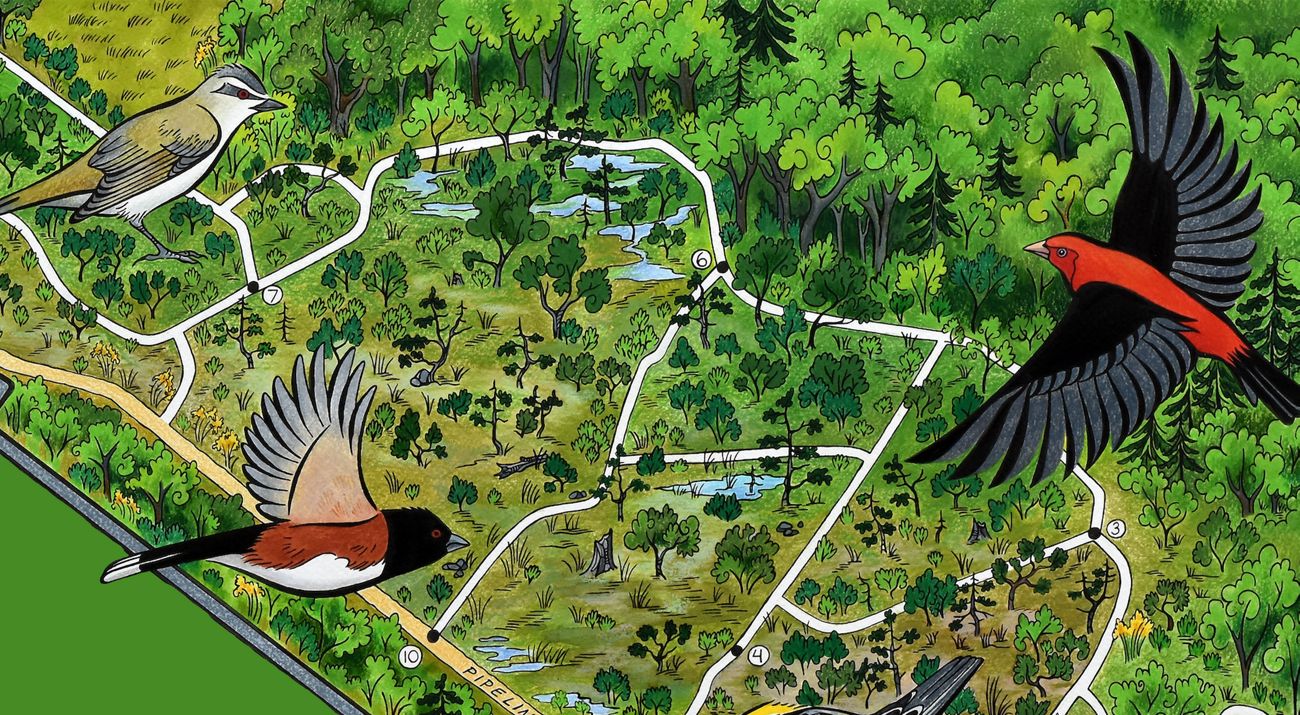
Good bird photography starts with ethical distance. Avoid crowding perches, avoid repeated playback, and never pressure guides to push into nesting zones. In sensitive habitats, your movement has direct impact on breeding and feeding behavior.
For better photographs without disturbance, use morning light, stable stance, and predictable observation angles from allowed trails or hides. Long waits are normal; avoid chasing every movement. If a bird changes behavior because of your presence, you are too close.
Respecting ethics is not only a conservation rule, it also improves long-term travel quality because sanctuaries remain healthier and less restricted for everyone.
Conservation and Responsible Tourism
Sanctuaries protect habitat under pressure from urban growth, pollution, and water stress. Tourism can help when it supports local guides, legal entry systems, and habitat-friendly operations. It can harm when visitors ignore rules and treat wildlife like a staged attraction.
Choose operators with clear compliance, follow trail rules, avoid plastic litter, and report irresponsible behavior to local staff when needed. Even small actions, like staying on designated paths, reduce habitat stress over time.
Final Takeaway
The best bird sanctuaries in the world are not a fixed top-10 list; they are places where timing, habitat understanding, and responsible behavior come together. Build your route around ecology, not only popularity. Choose fewer sites, start early, move quietly, and give each sanctuary enough field time. That method will consistently deliver better sightings, stronger learning, and more meaningful wildlife travel outcomes.
Location
Frequently Asked Questions
Q1.What is the best time for bird sanctuary travel?
Q2.How can I improve bird sightings?
Q3.What gear should I carry?
Q4.Why is ethical behavior important?
Q5.Can beginners do global birding trips?
Q6.Should I use local guides?
Q7.How to pick sanctuaries?
Q8.Can family travelers enjoy bird sanctuaries?
Recommended For You
Bird Sanctuaries in Delhi: Guide, Timing and Tips
Explore bird sanctuaries in Delhi with season-aware planning, ethical birding tips, and practical route guidance for better sightings.

National Parks in Kashmir: Wildlife, Trek Routes & Seasonal Access
Complete guide to national parks in Kashmir including Dachigam, Gulmarg Wildlife Sanctuary, wildlife viewing tips, Hangul deer, snow leopard, entry fees, and best visiting times.
Wildlife of Ladakh: Rare Animals, Birds & Best Sighting Season
Discover Ladakh's incredible wildlife - from elusive snow leopards to Himalayan brown bears, golden eagles, and black-necked cranes. Complete guide to wildlife species, best sanctuaries, and when to visit.
Never Miss an Adventure
Get the latest trekking guides, travel tips, and exclusive offers delivered straight to your inbox.
