

Benaulim Beach Goa: Best Time, Activities & Local Stays

Priya Mehta
February 20, 2026
Plan Benaulm Beach Goa with practical timing, activity choices, route control, and South Goa beach-day execution tips.
Introduction
Benaulm Beach Goa is a South Goa option for travelers who want a calmer shoreline than high-density party belts. The beach works well for relaxed walks, slower sunset sessions, and family-friendly pacing. First-time visitors often lose quality by arriving without a time-slot plan and then moving too much between distant beaches. A better strategy is to keep Benaulm as your anchor and add one nearby support stop only if time allows.
For stronger route context, pair this with beaches in Goa, nearby planning through Dona Paula Beach Goa, and season logic from places to visit Goa in August. This guide covers timing, activities, transfers, budget control, and common first-visit mistakes.
Benaulm Beach Overview and Vibe
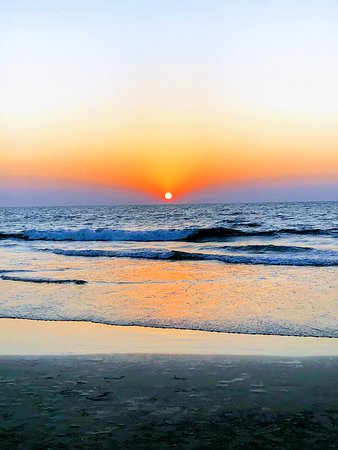
Benaulm generally offers a slower coastal rhythm with wider relaxation windows than busier North Goa strips. The atmosphere is suitable for couples, families, and travelers who value unhurried beach time. It is not a no-activity beach, but activity pressure is usually lower if you choose smart timing windows.
The beach can support both short and long sessions. Early windows work for quiet walks and light photography, while sunset windows deliver atmosphere and social movement. The key is to pick one style for the day and avoid constant mode-switching.
Best Time and Ideal Visit Windows
Cooler months generally provide better comfort for extended shoreline plans, while monsoon periods require more flexibility around rain and sea conditions. On any date, early arrival improves parking and movement quality. Sunset is popular, so arriving just in time can reduce your best viewing window.
If your goal is quiet observation, choose early morning or late-morning shoulder slots. If your goal is social sunset mood, arrive ahead of crowd build-up and keep return transport confirmed.
| Time Slot | Best For | Planning Note |
|---|---|---|
| Morning | Walks and calm frames | Lower crowd and easier movement |
| Afternoon | Rest and short sessions | Use shade and hydration discipline |
| Sunset | Atmosphere and social vibe | Arrive early and lock return plan |
Things to Do at Benaulm
Most visitors enjoy simple high-value activities: shoreline walk, relaxed seating, controlled photo session, and nearby food transition. If conditions allow, short local boating or water-adjacent experiences may be available through local operators. Always verify safety standards and avoid impulsive add-ons late in the day.
For couples and families, one stable beach session usually performs better than multi-stop hopping. Too many transitions reduce comfort and increase costs without improving experience quality.

How to Reach and Commute Tips
Benaulm is typically reached by rental vehicle, taxi, or pre-arranged transfer from major Goa hubs. Transfer time can vary with traffic and season peaks, so add realistic buffers. If you are depending on app-based pickups, define clear landmarks for smoother coordination.
Parking and lane navigation can slow peak entries. Arrive before your target light window to prevent stress and rushed setup.
Nearby South Goa Combinations
A practical South Goa plan keeps one anchor beach and one nearby complement. You can combine Benaulm with a short heritage or cafe stop without overloading movement. Avoid long cross-zone jumps during late afternoon unless absolutely necessary.
If weather turns unstable, shift to low-risk shoreline observation and food-led experiences rather than forcing exposed activities.
Budget and Food Planning
Set budget categories before arrival: transport, beach snacks, meal stop, and optional extras. This simple split helps prevent impulse spending during sunset rush. Travelers who pre-decide spend ranges usually maintain better control without feeling restricted.
Keep hydration and sun cover as non-negotiables. Basic preparation improves energy and makes the beach block more enjoyable.
Common Mistakes to Avoid
Top mistakes include arriving too late for sunset setup, combining too many distant beaches, and ignoring weather/tide dynamics. Another common issue is starting without a return transport plan. Correcting these four points usually transforms first-time experience quality.
Operational Planning Layer
High-performing travel days are built through operational clarity, not destination count. Start with one anchor objective for each half-day and keep all secondary stops optional. This protects trip quality when weather changes, queues expand, or transport slows. The anchor-first model is especially effective in mixed-interest groups where pace and priorities differ. If one delay appears, simplify early and preserve the most meaningful experience instead of forcing checklist completion.
Use zone clustering to control movement fatigue. Keep activities within one geographic cluster per time block and avoid repeated cross-zone jumps. This lowers transfer stress and gives more time for actual on-ground depth. Most rushed itineraries fail because transitions consume energy that travelers expected to spend at destinations. Clustering is the easiest upgrade for better outcomes without increasing budget.
Build two buffers into every day. A micro-buffer of 10 to 15 minutes between transitions handles minor delays. A macro-buffer near end of day protects return logistics and allows reflective closure. If conditions remain favorable, convert spare buffer into deeper time at one high-value stop. Depth usually creates better memories than adding one extra low-value location.
In group trips, assign simple roles: navigator, timekeeper, and confirmations lead. Role clarity cuts repetitive discussion and keeps movement smooth. If someone needs extra time, use pre-decided regroup points rather than ad hoc waiting patterns. This reduces confusion in crowded environments and improves safety for families with children or elders.
Budget discipline should prioritize certainty. Spend first on reliable transport, verified bookings, and essentials that directly affect comfort and safety. Keep a contingency reserve for route changes or unexpected costs. Travelers who protect certainty generally finish trips with stronger outcomes and fewer stressful compromises. Impulse spending is easiest to avoid when priorities are set before departure.
End each day with a short retrospective: what worked, what delayed, and what to adjust tomorrow. This five-minute habit compounds quickly and improves every subsequent day. With this method, even dynamic destinations become easier to navigate, and your itinerary evolves from reactive movement to intentional, high-quality travel execution.
Extended South Goa Execution Notes
If you have only one evening in South Goa, keep Benaulm as fixed anchor and skip optional detours once transfer delays begin. Controlled simplification gives better outcomes than forced completion. One well-paced sunset session, clear dinner transition, and calm return usually outperform overpacked schedules.
Keep an offline note with pickup points, emergency contacts, and nearest major landmark. Small preparation improves confidence when networks fluctuate.
Deep Execution Framework
Strong outcomes in destination travel come from disciplined execution loops. Start by defining one non-negotiable anchor for the day and two optional support points. Keep all optional points removable without emotional loss. This helps when real conditions diverge from plan, which is common in live travel. Weather, queue behavior, local events, and transfer delays can each change your best move within minutes. When your plan is modular, adaptation is fast and calm.
Use a three-check rule before every transition. Check one: condition status (weather, crowd, safety). Check two: timing status (remaining daylight, next commitment, transfer estimate). Check three: energy status (group comfort, hydration, attention level). If any check is weak, reduce complexity immediately. Travelers often delay simplification and then lose quality across the full day. Early simplification preserves the experiences that matter most.
For group travelers, establish simple coordination protocols: one lead for navigation, one for timekeeping, one for booking and payment confirmations. Define regroup points before splitting for photos or short exploration. In mixed-age groups, add fixed rest checkpoints at predictable intervals. These small systems prevent confusion and reduce the hidden stress that often appears late in the day when people are tired and decisions become reactive.
Budget control is easier when mapped to outcomes. Allocate spend bands for transport reliability, core entry/experience, meals, and contingency. Keep discretionary spending in a separate flexible band. This protects essential quality even if costs rise unexpectedly. A contingency reserve is not optional in dynamic destinations; it is the tool that allows safe and timely route corrections.
Documentation discipline also improves execution. Keep tickets, IDs, addresses, and contact numbers available offline. Save at least one screenshot per key booking and one fallback transport option per major zone. Connectivity can fail at inconvenient times, and offline readiness turns potential delays into minor adjustments.
Close the day with a five-minute debrief: identify one decision that improved quality and one that reduced it. Then adjust tomorrow’s plan using those insights. This daily feedback loop compounds quickly and creates consistently better travel days, regardless of destination style.
Applied Planning Examples
Example one: if your first stop overruns by thirty minutes, drop the lowest-value optional stop rather than compressing every subsequent block. Example two: if crowd pressure rises unexpectedly, shift from multi-point movement to one-depth mode and hold position until flow improves. Example three: if weather worsens, switch to conservative, low-risk experiences and preserve timely return. These examples seem simple, but using them consistently is what separates stressful days from stable and meaningful travel experiences.
The final principle is intent alignment. Reconfirm what the day is for: devotion, photography, leisure, or activity. When decisions get difficult, choose the action that best protects that intent. This keeps travel coherent and helps every time, budget, and energy choice move in the same direction.
Practical execution improves when you confirm one final fallback option before starting your last transition of the day. A fallback may be a nearby alternate stop, an earlier return, or a simplified closure plan. This single backup decision protects both safety and experience quality when conditions shift unexpectedly. Keep communication clear with your group and ensure everyone understands the next checkpoint and timeline.
It also helps to read up on Beaches Goa before you finalize your plans. Many visitors combine this with Dona Paula Beach Goa while in the region. Travelers often pair this with Beaches Alleppey for a fuller itinerary. For more on the area, check out our guide to Goa in August.
Location
Frequently Asked Questions
Q1.What is the best time to visit Benaulm Beach Goa?
Q2.Is Benaulm Beach suitable for family trips?
Q3.What activities are popular at Benaulm Beach?
Q4.Can Benaulm be combined with other South Goa beaches in one day?
Q5.What is the average budget for a half-day beach plan?
Q6.Is parking easily available near Benaulm Beach?
Q7.Which season is best for a relaxed beach experience?
Q8.What common mistakes should first-time visitors avoid?
Recommended For You
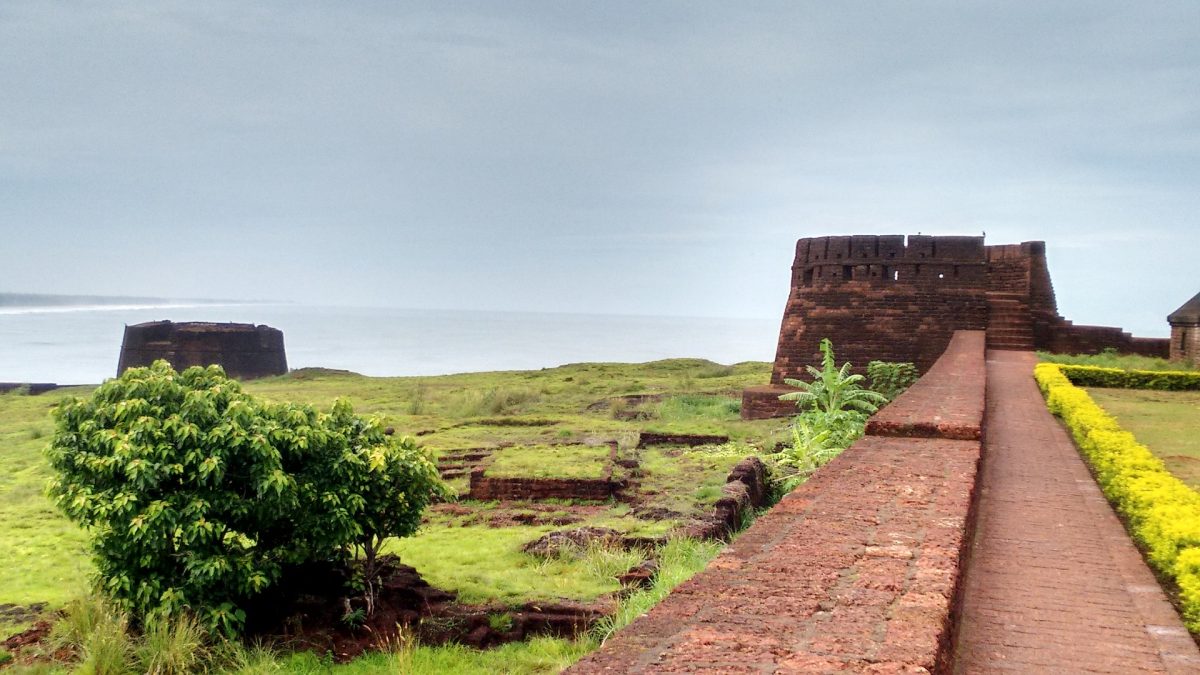
Chapora Fort Goa: Sunset Views, Route & Filming Spot Details
Explore Chapora Fort in North Goa, the iconic 'Dil Chahta Hai' location offering breathtaking sunset views over Vagator Beach and a rich Portuguese-Maratha history.

Goa in August: Weather, Best Places & Monsoon Experiences
Discover the best places to visit in Goa in August with monsoon-safe plans, Dudhsagar tips, heritage circuits, weather guidance, and practical travel advice.
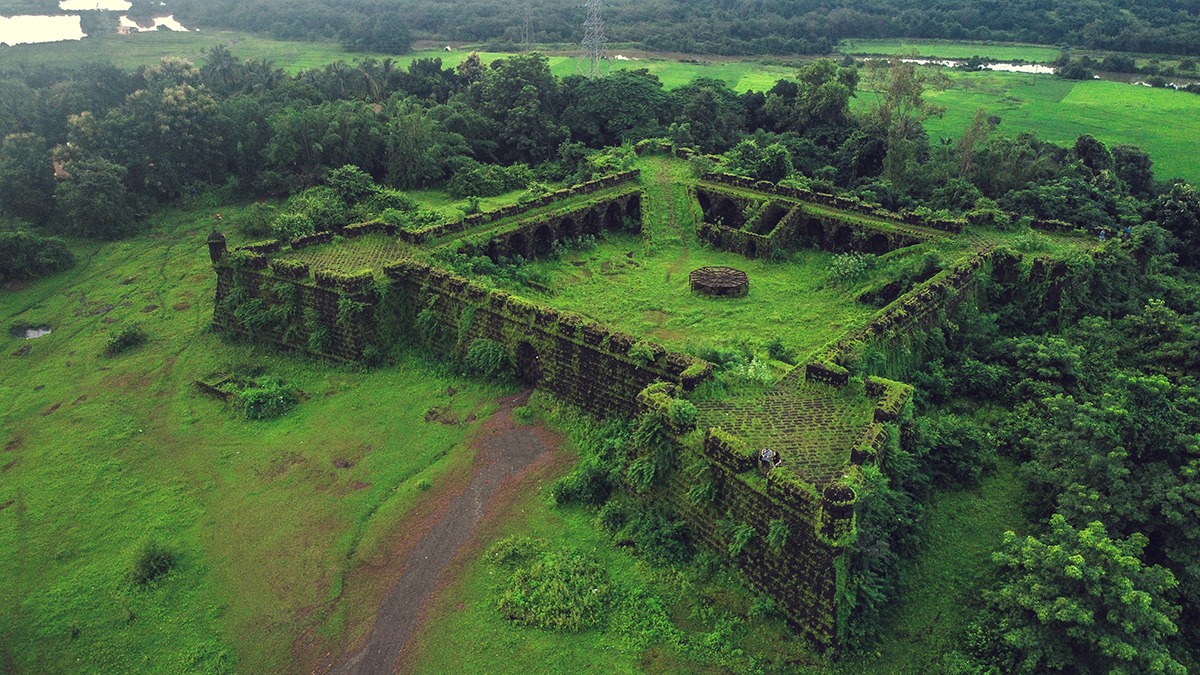
Goa in June: 12 Best Places to Visit in Monsoon
Explore Goa in June monsoon! Discover Dudhsagar Falls, spice plantations, historic forts, wildlife sanctuaries & Old Goa's heritage with complete travel guide.
Never Miss an Adventure
Get the latest trekking guides, travel tips, and exclusive offers delivered straight to your inbox.
