
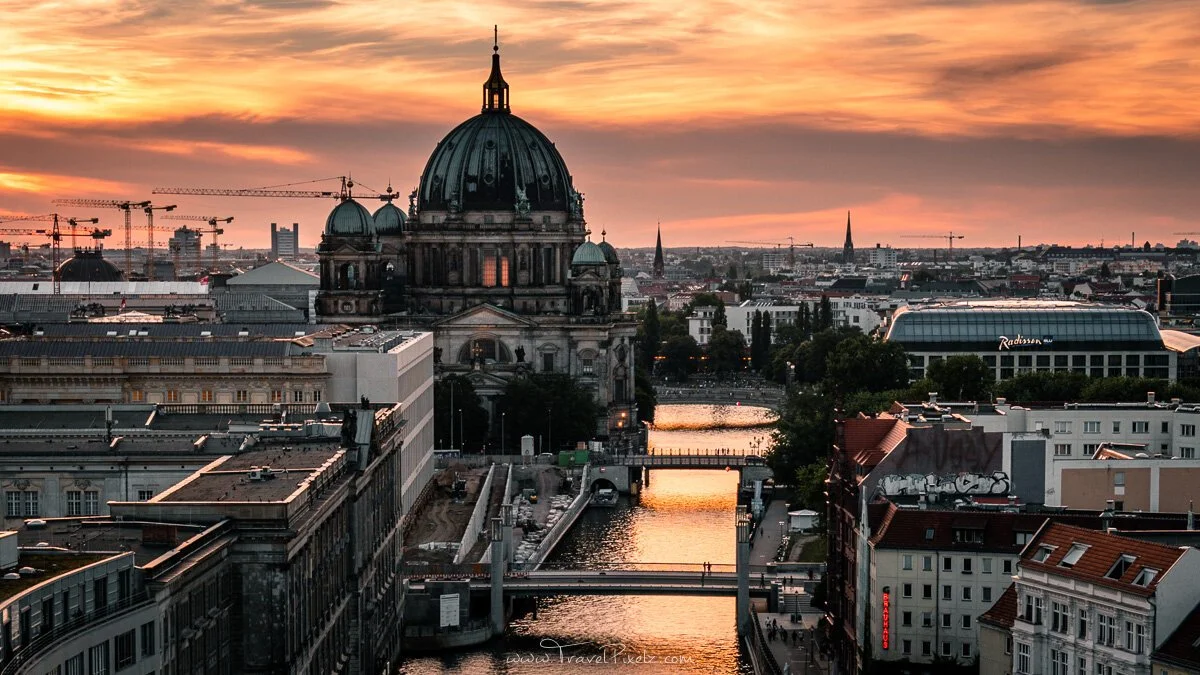
Berlin Cathedral: History, Timings and Visitor Tips

Priya Mehta
February 18, 2026
Plan your Berlin Cathedral visit with history, dome strategy, architecture focus, and practical Museum Island route guidance.
Berlin Cathedral Visit Guide: History, Dome, and Practical Planning
Berlin Cathedral, often called Berliner Dom, is one of the most recognizable landmarks in central Berlin. It combines monumental architecture, political-era history, and one of the best elevated city viewpoints from the dome area. Travelers who plan this stop properly get far more value than those who treat it as a quick photo location on Museum Island.
The cathedral should be integrated into a central Berlin cluster. A practical route can include Brandenburg Gate, one major museum or public square, and optional Europe-planning context through cheapest countries in Europe. If your trip includes multi-city movement, references like Eiffel Tower Paris updates help with realistic expectations about access and queues.
Historical Background and Reconstruction Story
The cathedral as seen today reflects late 19th to early 20th century ambition, with subsequent damage and restoration phases that shaped its present form. Reading this monument through both glory and repair gives a more accurate understanding than viewing it only as imperial architecture. Its history is tied to Berlin's larger political transitions and urban rebuilding narratives.
Visitors benefit from thinking in timelines: original construction intent, war-era disruption, and modern conservation decisions. That sequence makes the cathedral experience richer and more grounded.
Architecture: What Makes Berliner Dom Stand Out
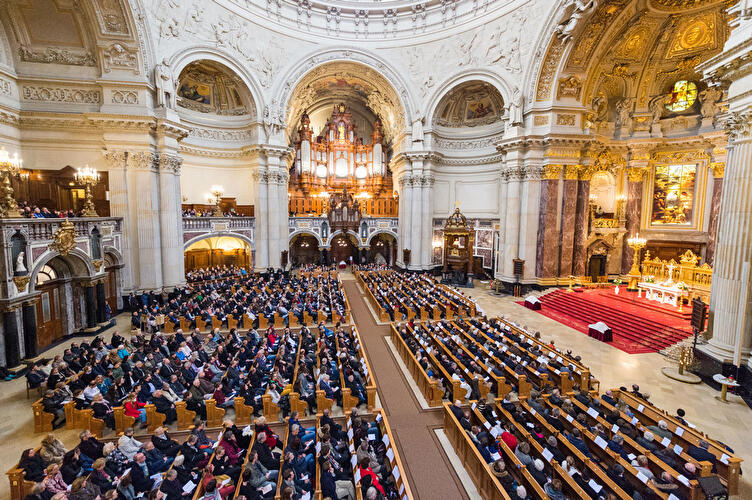
Berlin Cathedral is known for its commanding dome, layered facade treatment, and interior scale that balances ceremonial grandness with liturgical function. The exterior works best from diagonal viewpoints rather than only frontal framing. Inside, vertical composition and decorative detail create the strongest impression.
Use a structured viewing method instead of random movement. First read the exterior massing, then interior spatial hierarchy, then dome climb or crypt section depending on your energy and timing.
| Zone | Focus Point | Execution Tip |
|---|---|---|
| Exterior | Dome profile and facade layering | Shoot wide angles before midday glare |
| Interior | Altar axis and decorative depth | Pause centrally for full perspective |
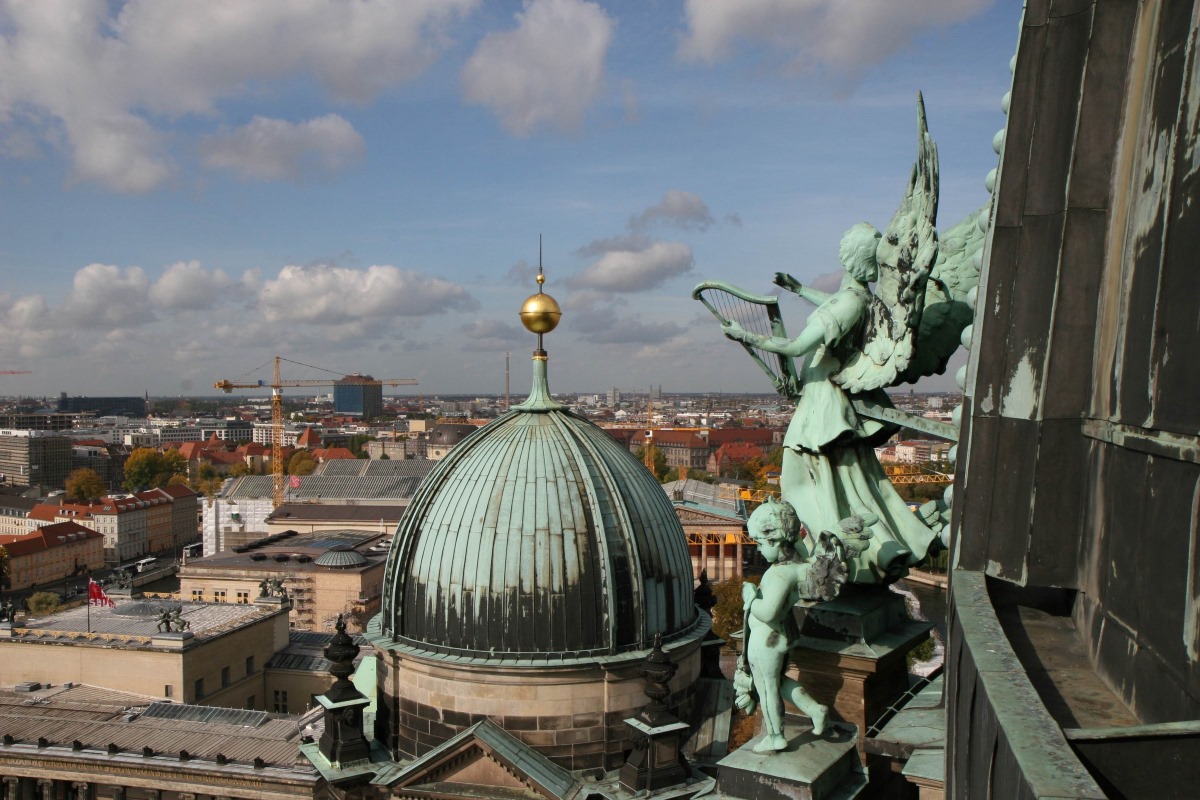
| Dome Level | City panorama and river context | Keep time buffer for stair movement |
This approach helps first-time visitors avoid missing key architectural moments.
Dome Climb and Visitor Readiness
The dome climb is a highlight for many travelers because of the panoramic views across Berlin Mitte. However, it requires pacing. If your itinerary is already heavy on walking, treat the climb as optional but planned, not automatic. Comfortable footwear and hydration make a noticeable difference.
During peak periods, queue variation can affect your overall day. Keep a fallback plan: if climb waits are too long, prioritize interior and exterior interpretation, then continue to your next stop. This protects schedule quality without reducing heritage value.
Museum Island Context and Route Strategy
Berlin Cathedral sits in a location where overplanning is common. Travelers often try to pack too many museums, memorials, and city landmarks into one day, which reduces concentration and enjoyment. Better strategy: one major museum experience, one cathedral block, and one open-air city landmark.
- Use timed entries where possible.
- Keep lunch close to your next attraction to save transfer time.
- Avoid distant evening bookings after intensive museum circuits.
- Maintain one 30-minute schedule buffer for queues or weather shifts.
Cluster logic is the strongest improvement you can make to a Berlin heritage day.
Best Time to Visit Berlin Cathedral
Morning windows generally offer better flow for interior viewing and photography. Midday can bring stronger visitor density depending on season. Late-afternoon sessions can be pleasant for exterior shots, but always verify same-day visitor timings because access windows may differ from general assumptions.
Season affects comfort and visibility. In colder months, plan shorter outdoor blocks and longer interior sessions. In warmer months, include shade and hydration breaks between open-air city walks.
Photography and Etiquette Guidelines
Great cathedral photography comes from patience and framing discipline. Capture one full exterior composition, then focus on select interior details instead of photographing every corner. Respect designated restrictions and avoid obstructing pathways, especially near active prayer or guided-tour groups.
If you are traveling with a group, designate one photo block and one observation block. This keeps everyone aligned and prevents constant stop-start delays that weaken the visit rhythm.
Common Mistakes and How to Avoid Them
The most common mistake is scheduling Berlin Cathedral as a rushed add-on between far-apart attractions. Another is assuming the dome climb will always fit without queue impact. Better alternatives are central-area clustering, realistic stop count, and early-day entry planning.
Also avoid comparing every cathedral to another city in real time. Berlin Cathedral has its own context and narrative, and it is best appreciated through local history, not only scale comparisons.
Ticketing and Time-Buffer Discipline
Even when entry appears straightforward, Berlin Cathedral visits run smoother with buffer discipline. Keep 20-30 minutes of slack around planned entry to absorb queue variance, security flow, and dome-access delays. This protects the rest of your Berlin route and avoids forced cancellations of later stops.
If you are combining Museum Island attractions, avoid stacking back-to-back timed entries without transit and rest margins. A slightly lighter schedule usually gives better quality than an over-optimized timeline that fails after one delay.
Who Should Prioritize the Dome Climb
The dome is a strong add-on for travelers who enjoy city panoramas and are comfortable with stair-based movement. If your group includes members with mobility constraints or low-energy travel days, prioritize interior interpretation and exterior framing instead. You do not need to complete every component to have a meaningful cathedral visit.
Purpose-fit decisions improve trip satisfaction. Berlin Cathedral offers value through architecture, history, and setting, so tailor the visit to your group's energy rather than chasing a fixed checklist.
Short Practical Checklist Before Arrival
Carry water, check same-day visitor timings, and keep weather-appropriate layers ready for dome-level exposure. Confirm your next destination before leaving the cathedral zone so your transition remains efficient. These small checks reduce decision fatigue during a busy city day.
For international travelers, keep offline maps downloaded and payment options ready. Smooth logistics preserve more time for interpretation and less time for avoidable friction.
Conclusion
Berlin Cathedral is one of the most rewarding heritage stops in Berlin when approached with structure and patience. Focus on timeline context, architectural reading, and realistic route planning around Museum Island. Keep your day clustered, protect buffers, and prioritize depth over excessive stop count. With that approach, Berliner Dom becomes a clear highlight of your Berlin itinerary rather than just another crowded checkpoint.
Location
Frequently Asked Questions
Q1.Why is Berlin Cathedral popular?
Q2.How much time should I keep?
Q3.Is this suitable for first-time Berlin travelers?
Q4.Can I combine it with nearby landmarks?
Q5.When should I visit?
Q6.Is entry flow crowded in peak season?
Q7.What should I carry?
Q8.How to improve visit quality?
Recommended For You
Buckingham Palace London: Tickets, Tour Options & Best Time
Plan your Buckingham Palace London visit with tickets, opening times, guard ceremony tips, photography rules, and nearby attractions for a smooth itinerary.
Cheapest Countries to Visit in Europe from India: Budget Breakdown
Discover Europe's most affordable destinations! Complete budget guide covering Albania, Bosnia, Bulgaria, Hungary & more. Daily costs, accommodation, food, and money-saving tips.

Disneyland Paris: Complete Guide for Magical Experience
Discover the magic of Disneyland Paris with our complete guide! Learn about tickets, best rides, hotels, ideal visiting times, and insider tips for Europe's most enchanting theme park.
Never Miss an Adventure
Get the latest trekking guides, travel tips, and exclusive offers delivered straight to your inbox.
