
Brandenburg Gate Berlin: History, Best Time & Visitor Tips

Ananya Sharma
February 19, 2026
Plan your Brandenburg Gate Berlin visit with history context, opening access details, transport tips, nearby attractions, and practical timing for the best experience.
Introduction
Brandenburg Gate is the most recognizable landmark in Berlin and one of the strongest historical symbols in modern Europe. It has stood through monarchy, occupation, war, division, and reunification. Today it is a public monument where tourists, locals, and political memory all meet in one place.
For first-time visitors, Brandenburg Gate seems simple at first glance: a neoclassical gate in a large square. But the reason it matters is what happened around it. It was once a royal city gate, later a nationalist symbol, then a front-line Cold War marker near the Berlin Wall, and finally a global image of German reunification in 1989.
This guide covers its history, architecture, opening access, best visiting hours, transport routes, nearby attractions, and practical photography tips. For additional planning, also see Reichstag Building, Berlin Cathedral, and best time to visit London if you are doing a multi-city Europe route.
What Is Brandenburg Gate?
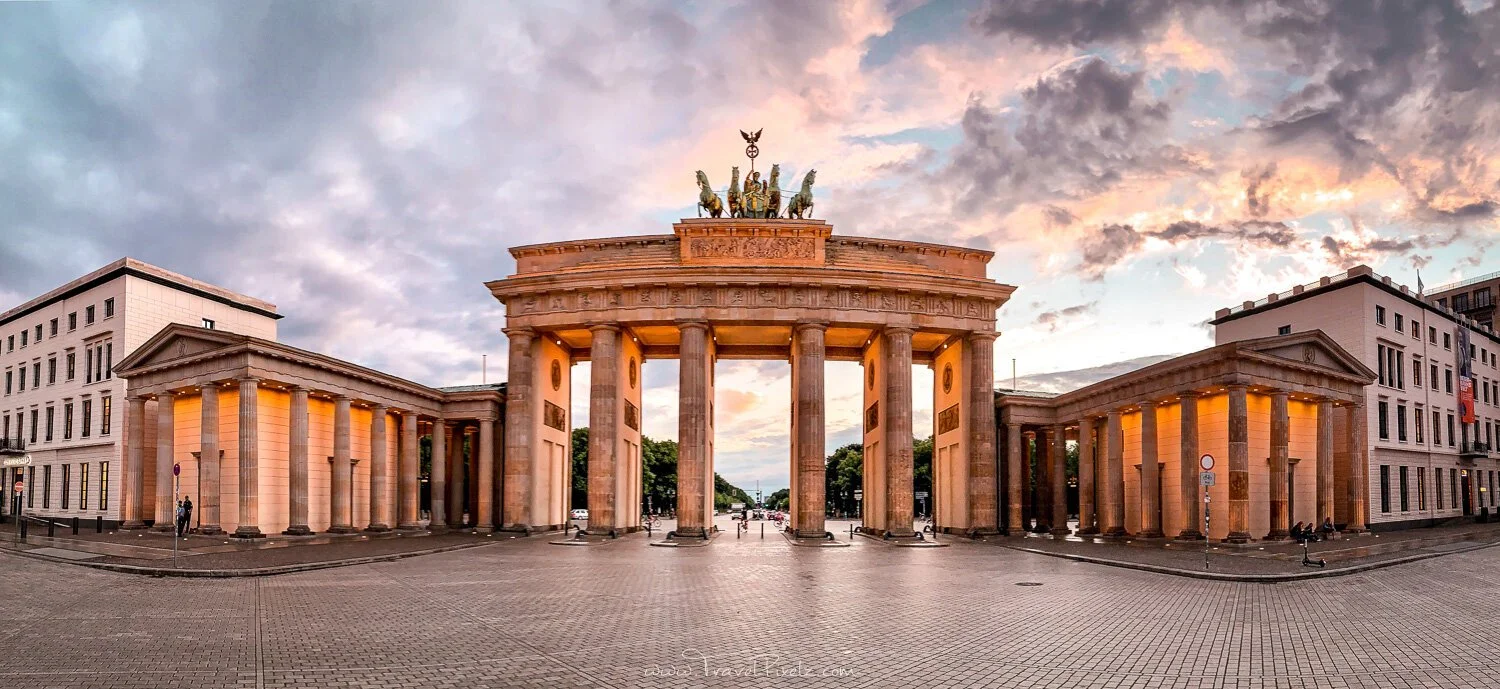
Brandenburg Gate, known locally as Brandenburger Tor, is an 18th-century neoclassical monument at Pariser Platz in central Berlin. It was commissioned in the late 1700s and designed to represent peace. Over time, that meaning shifted as political forces used the structure for very different narratives.
| Quick Fact | Details |
|---|---|
| Name | Brandenburger Tor (Brandenburg Gate) |
| Location | Pariser Platz, Mitte, Berlin |
| Built | 1788-1791 |
| Architect | Carl Gotthard Langhans |
| Style | Neoclassical |
| Top sculpture | Quadriga (chariot with four horses) |
History and Historical Significance
Prussian origin
The gate was commissioned by King Frederick William II of Prussia as part of a monumental urban statement and was designed with references to classical Greek architecture. It originally signaled peace and ceremonial passage.
Napoleonic era
In the early 1800s, Napoleon's forces occupied Berlin and took the Quadriga to Paris. It was later returned, becoming a symbol of political reversal and Prussian pride.
20th century turmoil
The gate witnessed imperial decline, Weimar instability, Nazi propaganda processions, and severe damage during World War II. After the war, it stood in a deeply contested city.
Cold War and Berlin Wall period
When Berlin was divided, Brandenburg Gate became one of the most powerful visual symbols of separation. It sat near the border line and was inaccessible as an everyday public crossing. Global speeches and media coverage repeatedly framed it as a metaphor of division.
Reunification symbol
In 1989, after the fall of the Berlin Wall, Brandenburg Gate became a celebrated icon of German unity. Since then, it has represented democratic openness and modern Berlin identity.

Architecture and Design Details
The monument is built in sandstone and follows neoclassical proportion logic. Its columns and passageway rhythm create a monumental but balanced visual language.
Major features
- Twelve Doric columns creating five passageways
- Large entablature and classical frieze elements
- Quadriga sculpture on top with a chariot and four horses
- Strong axial alignment with surrounding urban space
The central passage had ceremonial significance in earlier periods. Today, visitors move around and through the gate area as part of an open public square experience.
Opening Hours, Entry, and Access
Brandenburg Gate is an outdoor landmark and can be viewed at all hours. There is no standard ticket for simply visiting the gate from public space. Because it is central and open, access is straightforward for most travelers.
| Visitor Info | Status |
|---|---|
| General entry fee | No fee for outdoor viewing |
| Typical access | Open public square, day and night viewing |
| Security checks | May vary during events/high-alert periods |
| Best comfort hours | Early morning or late evening |
Event days, marathons, political gatherings, and New Year celebrations can affect movement and crowd density.
Best Time to Visit Brandenburg Gate
Best time of day
- Early morning: fewer tourists, clean photos
- Golden hour/sunset: warm light on sandstone
- Night: dramatic illumination and city atmosphere
Best season
Spring and autumn are often ideal for walking comfort and photography. Summer brings long daylight but more crowds. Winter can be atmospheric, especially near holiday periods, but requires cold-weather preparation.
If your goal is photography without heavy foot traffic, sunrise windows are typically strongest.

How to Reach Brandenburg Gate
The gate is centrally located and very easy to reach by Berlin public transport.
By S-Bahn/U-Bahn
Brandenburger Tor station is the most direct access point. From there, the walk is short and straightforward.
By bus
Central bus lines crossing Mitte and government districts stop within practical walking distance.
By foot from nearby landmarks
- Reichstag area: short walk
- Unter den Linden corridor: easy linear approach
- Memorial and government quarter zones: connected walk route
For first-time visitors, public transport plus walking is often faster than car-based access in busy windows.
Nearby Attractions to Combine in One Route
| Attraction | Distance/Access | Why Combine |
|---|---|---|
| Reichstag Building | Short walk | Political history and modern architecture contrast |
| Berlin Cathedral | Transit/walk combo | Religious architecture and museum district context |
| Tiergarten area | Nearby walk | Green-space break after central sightseeing |
| Unter den Linden axis | Direct route | Classic Berlin boulevard experience |
A half-day central-Berlin route usually works well when Brandenburg Gate is used as the anchor point.
Photography Tips
- Use wide-angle framing from Pariser Platz for full gate symmetry.
- Try low-angle shots to emphasize columns and Quadriga silhouette.
- For cleaner compositions, shoot early morning.
- At night, stabilize your camera/phone for crisp light detail.
Weather shifts in Berlin can be fast, so carry light rain protection for gear in shoulder seasons.
Cultural and Visitor Etiquette
Brandenburg Gate is a public civic space with historical sensitivity. Treat the area with the same respect you would give to a memorial district. Avoid obstructing pathways during peak tourist flow and be mindful during official events or remembrance gatherings.
If you are combining nearby war-memory sites and political landmarks, maintain context-aware behavior and avoid disruptive content creation styles in sensitive zones.
Sample 3-Hour Brandenburg Gate Circuit
Hour 1: Gate overview, history context, photo pass.
Hour 2: Walk to nearby government and memorial corridor points.
Hour 3: Return for alternate-angle photography or move to next central landmark.
This compact format works well for travelers with limited city time and can expand into a full-day route with museum or cathedral add-ons.
Common Mistakes to Avoid
- Arriving only at midday and expecting low crowd photos.
- Skipping historical context and treating it as only a photo stop.
- Ignoring event calendars that affect access and crowd patterns.
- Underplanning nearby route combinations in central Berlin.
Detailed Planning Tips for First-Time Visitors
If this is your first Berlin trip, treat Brandenburg Gate as a navigation anchor rather than a standalone stop. Many major attractions spread across central Berlin can be planned around this point, reducing transit friction and helping you avoid backtracking. Travelers often lose time in Berlin by overloading museums and landmarks without grouping by neighborhood. A gate-first plan keeps your day structured.
Start by checking weather, event notices, and any transport changes for the day. Berlin frequently hosts runs, protests, and state events in central areas, so route flexibility matters. Keep one short indoor backup option in case of rain and one outdoor loop for clear weather. This approach prevents time loss and keeps your itinerary resilient.
- Keep a 20 to 30 minute buffer between major stops in central Berlin.
- Prioritize one morning photo window and one evening revisit if possible.
- Use Brandenburg Gate as your orientation reset point before shifting zones.
Accessibility and Family Travel Notes
Brandenburg Gate's surrounding public space is generally manageable for families, older travelers, and visitors with mobility constraints, especially compared with uneven old-town areas in some European cities. Flat walkways and wide open sections make it practical for strollers and slower-paced travel groups.
Still, comfort depends on timing. Peak afternoon windows can feel congested, which may reduce maneuverability around popular photo spots. If you're traveling with children or seniors, prefer early hours and plan periodic breaks in nearby green or seated areas.
| Traveler Type | Practical Tip | Best Time Window |
|---|---|---|
| Families with kids | Visit before heavy midday crowds and carry light snacks | 08:00 to 10:00 |
| Senior travelers | Use slower walking loops with short rest points | Morning or early evening |
| Wheelchair/stroller users | Approach via broader paved routes around Pariser Platz | Low-crowd hours |
Food and Cafe Options Nearby
Most travelers do not need a full meal directly at the gate area. Instead, use nearby streets for better value and calmer seating options. If your schedule includes Reichstag, Unter den Linden, or museum-zone movement, slot lunch between landmarks instead of during peak sightseeing hours.
A simple strategy works well: coffee before your first photo pass, proper meal after your second landmark, and a short evening snack if you revisit the gate for night shots. This keeps energy stable and avoids overpriced impulse stops in the busiest strip.
Seasonal Packing Checklist
Berlin weather can shift quickly. Even in warmer months, wind and light rain can appear without warning. Carrying small utility items improves comfort more than most travelers expect.
- Spring/Autumn: light jacket, compact umbrella, water-resistant shoes.
- Summer: water bottle, sunglasses, breathable layer for long walks.
- Winter: thermal layers, gloves, insulated footwear, phone power backup.
For photographers, a microfiber cloth and weather-safe pouch are practical additions in damp conditions.
If you're still finalizing your trip, it's worth comparing fares first—our guide to the cheapest flights to Europe from India can help you time your Berlin booking around the best deals.
Conclusion
Brandenburg Gate is not just Berlin's postcard landmark; it is a living historical symbol of Europe's political transitions and modern unity. With smart timing, route planning, and context awareness, a visit here becomes much more than a quick photo stop. Combine it with nearby central sites and you get one of the strongest short historical circuits in Berlin.
Location
Frequently Asked Questions
Q1.What are Brandenburg Gate opening hours?
Q2.Is there an entry fee for Brandenburg Gate?
Q3.When was Brandenburg Gate built?
Q4.What is Brandenburg Gate famous for?
Q5.How do I reach Brandenburg Gate in Berlin?
Q6.What is the best time to visit Brandenburg Gate?
Q7.Can you go inside Brandenburg Gate?
Q8.Is Brandenburg Gate lit at night?
Recommended For You
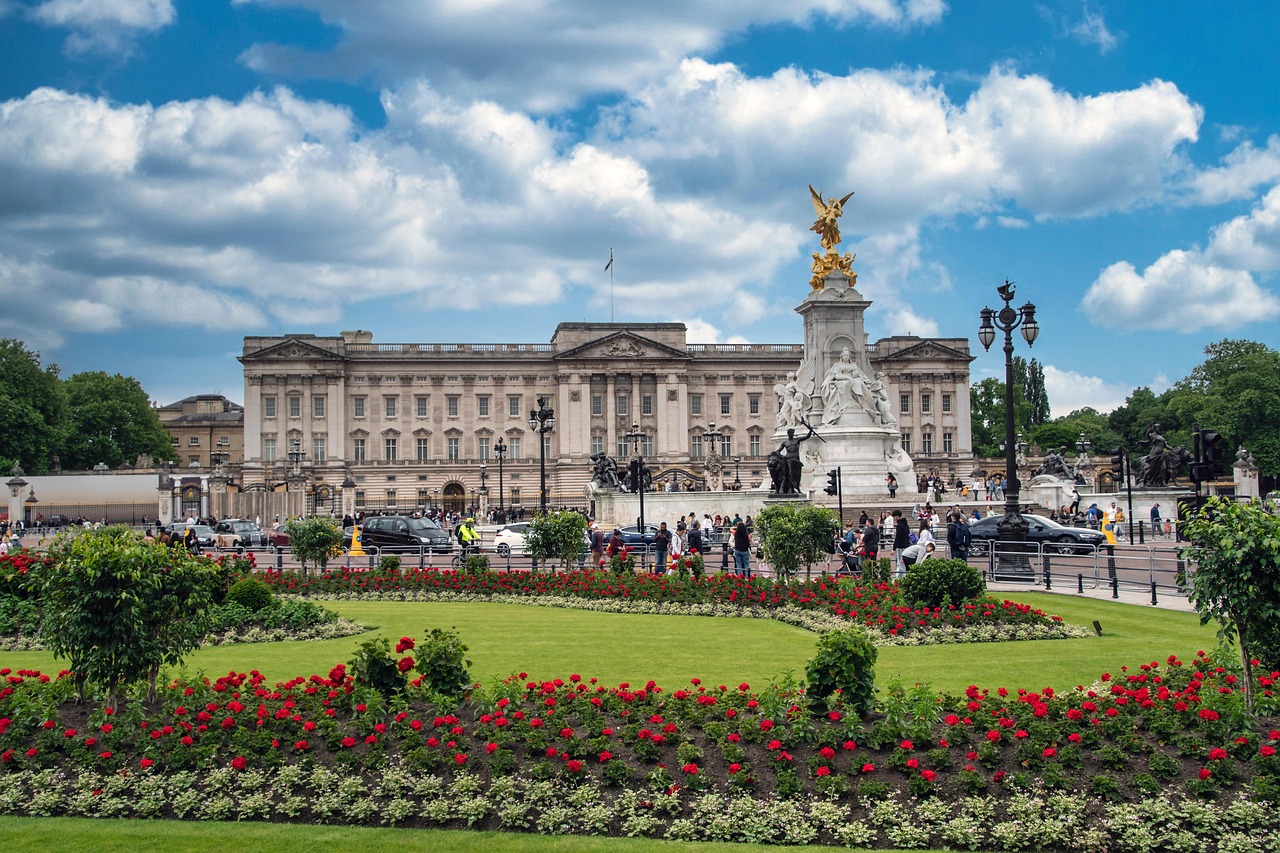
Buckingham Palace London: Tickets, Tour Options & Best Time
Plan your Buckingham Palace London visit with tickets, opening times, guard ceremony tips, photography rules, and nearby attractions for a smooth itinerary.
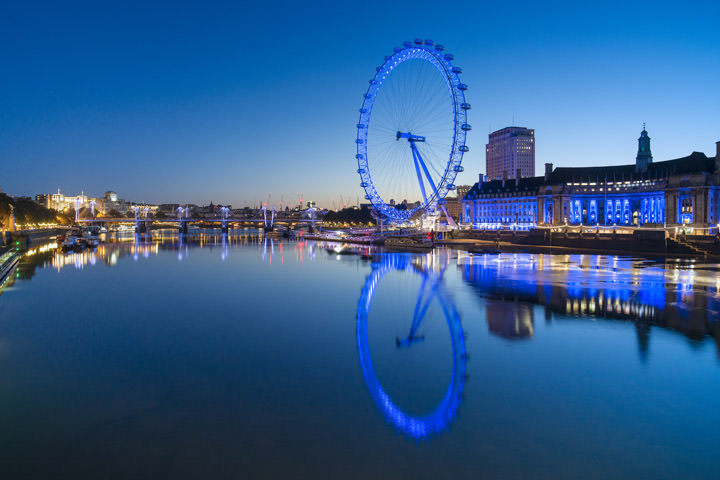
The London Eye: Ticket Options, Timings & Best Ride Time
Complete London Eye guide with ticket types, timings, best visit windows, transport options, and practical tips for a smoother skyline experience.
7 Best Theme Parks in London & Near London
Discover the 7 best theme parks in London and near London, including Thorpe Park, LEGOLAND Windsor, Chessington, and Alton Towers. Complete guide with attractions, tips, and how to get there.
Never Miss an Adventure
Get the latest trekking guides, travel tips, and exclusive offers delivered straight to your inbox.
