
Best Hindu Temples in Vietnam: Heritage Guide and Tips

Priya Mehta
February 18, 2026
Explore Hindu temples in Vietnam with cultural context, route planning, and practical travel tips for meaningful heritage visits.
Best Hindu Temples in Vietnam: Cham Heritage Travel Guide
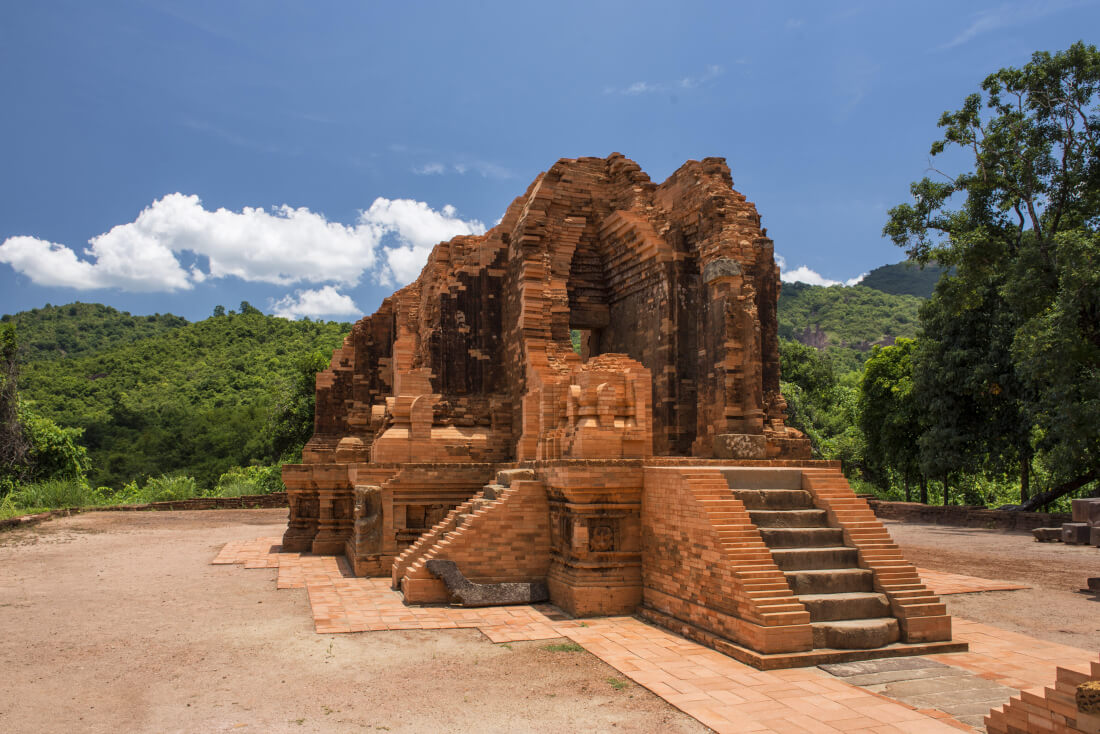
The best Hindu temples in Vietnam are linked to the historical Cham civilization, whose sacred architecture reflects deep cultural exchange with Indian traditions. These sites are not concentrated in one city, so successful visits require route planning, historical context, and realistic timing. Travelers who approach them as heritage journeys rather than quick checklists usually have a far richer experience.
Vietnam’s Hindu temple legacy is most visible in central regions, with key examples such as My Son Sanctuary and Po Nagar Towers. Each site has different preservation status, scale, and access conditions. This guide covers what to expect, how to plan, and how to combine temple visits with nearby city routes. For broader travel context, pair this with things to do in Vietnam, destination planning from best places to visit Vietnam, and urban-cultural balance at Temple of Literature Vietnam.
Why Hindu Temple Heritage Exists in Vietnam
Ancient maritime trade networks and cultural exchange shaped the rise of Hindu influence in parts of historic Champa regions. Over centuries, temple complexes were built with symbolic motifs, tower architecture, and deity iconography connected to Shaivite and related traditions. Today, these sites stand as evidence of layered regional history rather than isolated monuments.
Understanding this background helps visitors appreciate why temple layouts, carvings, and restoration efforts vary across locations. Some structures are partly ruined, some are actively maintained, and others function mainly as archaeological heritage sites. Respectful interpretation and slower pacing are key to meaningful visits.
My Son Sanctuary: Core Site for First-Time Visitors
My Son Sanctuary is usually the top recommendation for travelers exploring Hindu temple heritage in Vietnam. The site includes multiple tower groups in a green valley setting and carries strong archaeological significance. A guided visit can help decode inscriptions, structural patterns, and wartime impact on the complex.

Start early to avoid heat and crowd peaks. Keep footwear suitable for uneven pathways, and carry water. Photography conditions are best in softer morning light. If you are based in Da Nang or Hoi An, plan transport with a buffer so you are not rushing through the site.
| My Son Planning Factor | What to Expect | Tip |
|---|---|---|
| Site scale | Multiple temple clusters | Keep 2 to 3 hours minimum |
| Weather exposure | Warm and humid periods | Visit early morning |
| Interpretation depth | Rich historical context | Use a guide or prepared notes |
Po Nagar Towers and Other Cham Sites
Po Nagar Towers in Nha Trang provide a different experience: active spiritual context with historical architecture in an urban-accessible setting. The site is often easier to combine with city plans compared with longer transfer destinations. Visitors should still observe temple etiquette and local worship norms.
Beyond these major points, smaller Cham heritage sites across central Vietnam offer additional historical perspective, though accessibility and preservation vary. If your schedule is short, prioritize one major heritage complex and one secondary site rather than attempting too many transfers in a single day.

Architecture Highlights to Notice
Cham temple architecture often uses fired brick construction with decorative details that differ from many modern temple forms. Look for tower geometry, deity-related motifs, and surviving sculptural fragments. Even damaged structures carry important design clues that connect ritual function, regional artistry, and historical patronage.
Travelers interested in technical heritage can focus on brick alignment, weathering patterns, and restoration boundaries. Casual visitors can still gain value by observing how sacred structures integrate with surrounding landscape and local settlement patterns.
How to Build a Practical Temple Itinerary
Temple travel in Vietnam works best when grouped regionally. For central Vietnam plans, combine My Son with nearby cultural routes and avoid late starts. For Nha Trang-based travel, pair Po Nagar with one additional city attraction. Keep transit realistic and avoid stacking too many temple stops in one day.

- Prioritize one major site each day for better interpretation quality.
- Use early starts for heat comfort and clearer photography.
- Carry modest clothing and water for long heritage walks.
- Respect worship activity and local rules at active temple spaces.
For cultural balance, many travelers combine temple routes with city food and social evenings. Helpful references include Indian restaurants in Vietnam, guide to Vietnam nightlife, and timing choices from best time to visit Vietnam.
Common Mistakes and How to Avoid Them
The most common mistake is treating temple heritage stops as quick photo points. Without context, much of the historical value is lost. Another mistake is overplanning transfers, which leaves too little time at core sites. Finally, travelers often underestimate weather exposure and arrive without hydration or sun protection.
Better outcomes come from fewer sites, deeper engagement, and clear transit plans. Allocate rest windows and keep expectations realistic. A well-paced heritage day is always more memorable than an overloaded itinerary.
Conclusion
The best hindu temples in vietnam reveal a powerful layer of Cham history, sacred continuity, and architectural intelligence. With thoughtful route design and respectful behavior, these sites can become a highlight of your Vietnam trip. Use this guide to prioritize quality over quantity, and build a temple journey that is historically informed and practically smooth.
Preservation Awareness for Heritage Travelers
Many Cham temple sites in Vietnam face long-term preservation challenges from weathering, vegetation growth, and past conflict damage. Travelers can support conservation indirectly by staying on marked paths, avoiding physical contact with fragile carvings, and following local site instructions. Responsible tourism protects the remaining structures and improves conditions for future restoration work.
Heritage-focused visitors also benefit from reading brief site context before arrival. Even ten minutes of preparation can transform the visit from visual browsing into meaningful interpretation. When you understand which sections are original, restored, or partially reconstructed, the temple complex becomes easier to read historically. Preservation-aware travel is not restrictive; it simply aligns curiosity with respect, which is exactly what sacred-heritage destinations need.
If you have only one heritage day in central Vietnam, choose depth over distance. Spending more time at one major temple site with proper interpretation usually gives stronger cultural understanding than rushing across multiple locations.
Location
Frequently Asked Questions
Q1.Are there Hindu temples in Vietnam?
Q2.What is the most known site?
Q3.Is historical context important?
Q4.What is best time to visit?
Q5.Can I combine temple visits with city travel?
Q6.Is this suitable for first-time Vietnam travelers?
Q7.How much time should I allocate?
Q8.What should I carry?
Recommended For You
Best Time to Visit Vietnam: Regional Weather by North, Central & South
Plan the best time to visit Vietnam with month-wise weather, dry and wet season differences, regional timing tips, and practical advice for beaches and Halong Bay.
Indian Restaurants in Vietnam: Best Places for Food
Discover best Indian restaurants in Vietnam! Find authentic Indian food in Hanoi, Ho Chi Minh City, Da Nang & complete guide to Indian cuisine in Vietnam.

Vietnam Nightlife Guide: Bars, Clubs, Cities & Safety
Explore Vietnam nightlife city by city with practical bar, club, market, budget, legal-age, and safety guidance for Hanoi, HCMC, Da Nang, Hoi An, and beyond.
Never Miss an Adventure
Get the latest trekking guides, travel tips, and exclusive offers delivered straight to your inbox.
