
Top 50 Tourist Attractions in India: Bucket List by Region

Rohan Malhotra
November 23, 2025
Discover India's top 50 tourist attractions from Taj Mahal to Kerala backwaters. Comprehensive guide covering heritage sites, natural wonders, spiritual destinations & wildlife.
India: A Continent of Wonders in One Country
How do you capture the essence of a land that houses snow-capped peaks and tropical beaches, ancient temples and modern metropolises, tiger reserves and desert expanses—all within one nation's borders? India isn't just a country; it's a world unto itself, a kaleidoscope of cultures, landscapes, and experiences that could fill multiple lifetimes of exploration. From the marble masterpiece that is the Taj Mahal to the misty tea gardens of Munnar, from the spiritual ghats of Varanasi to the pristine beaches of the Andamans, India offers attractions for every type of traveler. History buffs, nature lovers, spiritual seekers, adventure enthusiasts—everyone finds their calling here. This guide compiles 50 of India's most iconic tourist attractions, organized by category to help you plan based on your interests. Whether it's your first visit or your tenth, these destinations capture the extraordinary diversity that makes India incomparable.Iconic Monuments & UNESCO World Heritage Sites
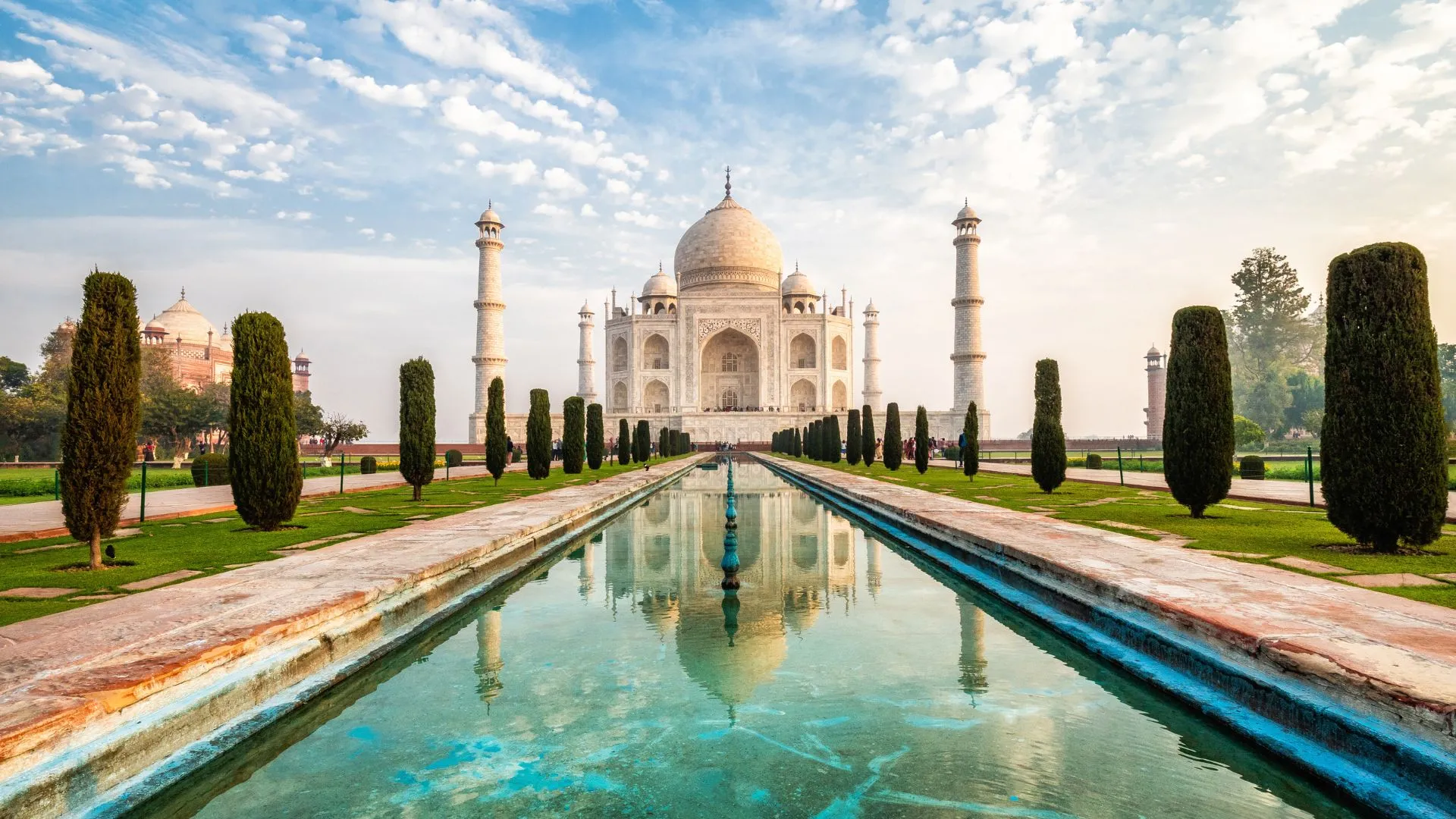
1. Taj Mahal, Agra
 The world's most famous symbol of love needs no introduction. Built by Mughal Emperor Shah Jahan in memory of his beloved wife Mumtaz Mahal, this white marble mausoleum took 22,000 workers and 22 years to complete (1632-1653).
Why Visit: The marble changes color with the sun—pinkish at dawn, white during the day, golden at sunset. The intricate pietra dura (stone inlay) work features 28 types of precious and semi-precious stones.
Timings: Sunrise to sunset (closed Fridays). Night viewing allowed on full moon nights and two days before/after.
Entry: ₹50 (Indians), ₹1,100 (foreigners)
The world's most famous symbol of love needs no introduction. Built by Mughal Emperor Shah Jahan in memory of his beloved wife Mumtaz Mahal, this white marble mausoleum took 22,000 workers and 22 years to complete (1632-1653).
Why Visit: The marble changes color with the sun—pinkish at dawn, white during the day, golden at sunset. The intricate pietra dura (stone inlay) work features 28 types of precious and semi-precious stones.
Timings: Sunrise to sunset (closed Fridays). Night viewing allowed on full moon nights and two days before/after.
Entry: ₹50 (Indians), ₹1,100 (foreigners)
2. Qutub Minar, Delhi
 At 73 meters, this is the world's tallest brick minaret. Built in 1193 by Qutub-ud-din Aibak, the first Muslim ruler of Delhi, it marks the beginning of Islamic rule in India.
Highlights: Quwwat-ul-Islam Mosque (first mosque in India), Iron Pillar (1,600 years old, hasn't rusted), intricate carvings from Hindu temples.
At 73 meters, this is the world's tallest brick minaret. Built in 1193 by Qutub-ud-din Aibak, the first Muslim ruler of Delhi, it marks the beginning of Islamic rule in India.
Highlights: Quwwat-ul-Islam Mosque (first mosque in India), Iron Pillar (1,600 years old, hasn't rusted), intricate carvings from Hindu temples.
3. India Gate, Delhi
 Delhi's iconic war memorial honors 70,000 Indian soldiers who died in World War I. Inspired by Paris's Arc de Triomphe, this 42-meter arch is surrounded by lush lawns perfect for evening picnics.
Don't Miss: Amar Jawan Jyoti (eternal flame) beneath the arch, evening illumination, street food vendors nearby.
Delhi's iconic war memorial honors 70,000 Indian soldiers who died in World War I. Inspired by Paris's Arc de Triomphe, this 42-meter arch is surrounded by lush lawns perfect for evening picnics.
Don't Miss: Amar Jawan Jyoti (eternal flame) beneath the arch, evening illumination, street food vendors nearby.
4. Gateway of India, Mumbai
Standing 26 meters tall overlooking the Arabian Sea, this yellow basalt arch was built in 1924 to commemorate King George V and Queen Mary's visit. It witnessed the end of British rule when the last British troops left through it in 1948. Experience: Take a boat to Elephanta Island, watch the sunset, and explore nearby Colaba Causeway market.5. Chhatrapati Shivaji Terminus, Mumbai
A UNESCO World Heritage Site, this Victorian Gothic railway station features stone domes, turrets, and pointed arches. Over 3 million passengers pass through daily—it's living heritage, not a museum.6. Amber Fort, Jaipur
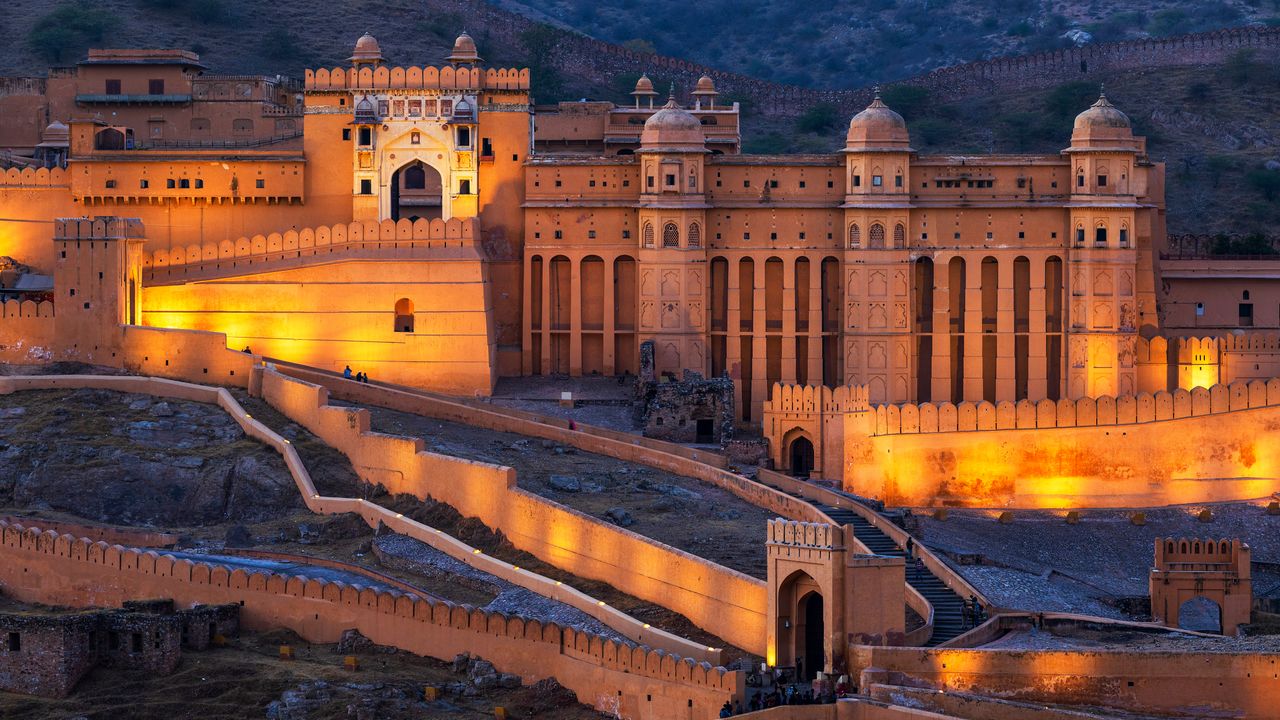
 Perched on a hill 11 km from Jaipur, this fort-palace combines Hindu and Mughal architecture. The Sheesh Mahal (Hall of Mirrors) is breathtaking—a single candle illuminates the entire room through multiple mirror reflections.
How to Reach: Walk up the hill (30 minutes) or take an elephant ride (now restricted due to animal welfare concerns—jeep available instead).
Perched on a hill 11 km from Jaipur, this fort-palace combines Hindu and Mughal architecture. The Sheesh Mahal (Hall of Mirrors) is breathtaking—a single candle illuminates the entire room through multiple mirror reflections.
How to Reach: Walk up the hill (30 minutes) or take an elephant ride (now restricted due to animal welfare concerns—jeep available instead).
7. Hawa Mahal, Jaipur
 This five-story pink sandstone palace with 953 windows was built in 1799 so royal women could watch street festivals without being seen. The honeycomb facade is Jaipur's most photographed landmark.
8. City Palace, Udaipur
 Overlooking Lake Pichola, this palace complex blends Mughal and Rajasthani architecture. It's still the residence of Udaipur's royal family—part is open to visitors.
9. Khajuraho Temples, Madhya Pradesh
 Built between 950-1050 AD by the Chandela dynasty, these 22 temples are famous for their erotic sculptures. The intricate carvings depict gods, goddesses, dancers, musicians, and celestial beings.
10. Ajanta & Ellora Caves, Maharashtra
 These rock-cut cave complexes date from the 2nd century BC to 11th century AD. Ajanta (30 caves) features Buddhist paintings; Ellora (34 caves) has Buddhist, Hindu, and Jain temples.
Highlight: The Kailasa Temple at Ellora—a massive structure carved out of a single rock from the top down.
These rock-cut cave complexes date from the 2nd century BC to 11th century AD. Ajanta (30 caves) features Buddhist paintings; Ellora (34 caves) has Buddhist, Hindu, and Jain temples.
Highlight: The Kailasa Temple at Ellora—a massive structure carved out of a single rock from the top down.
11. Konark Sun Temple, Odisha
Shaped like a colossal chariot with 12 wheels (representing months), this 13th-century temple to the Sun God features exquisite erotic carvings and is a UNESCO World Heritage Site.12. Mahabalipuram, Tamil Nadu
 This 7th-century port city features rock-cut temples, cave sanctuaries, and the famous Shore Temple—overlooking the Bay of Bengal. The Five Rathas (chariots) are monolithic structures carved from single rocks.
Spiritual & Sacred Destinations
13. Golden Temple, Amritsar
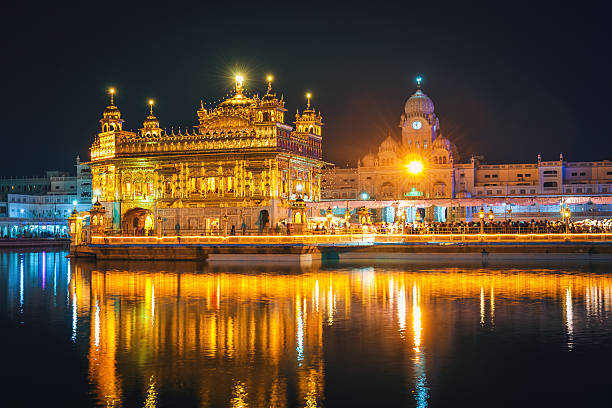
 The holiest shrine of Sikhism, this golden-domed gurudwara sits in the middle of a sacred pool. What makes it special? The langar (community kitchen) serves 100,000 people daily—free of charge.
Experience: Volunteer in the langar, listen to Gurbani (hymns), and witness the Palki ceremony (evening procession).
The holiest shrine of Sikhism, this golden-domed gurudwara sits in the middle of a sacred pool. What makes it special? The langar (community kitchen) serves 100,000 people daily—free of charge.
Experience: Volunteer in the langar, listen to Gurbani (hymns), and witness the Palki ceremony (evening procession).
14. Varanasi Ghats, Uttar Pradesh
 One of the world's oldest continuously inhabited cities, Varanasi is where Hindus come to die (liberation from the cycle of rebirth). The ghats (riverfront steps) are where life and death happen simultaneously—prayers, cremations, rituals, and daily life.
Must-Do: Ganga Aarti at Dashashwamedh Ghat (sunset), boat ride at dawn, walk through the old city's labyrinthine lanes.
One of the world's oldest continuously inhabited cities, Varanasi is where Hindus come to die (liberation from the cycle of rebirth). The ghats (riverfront steps) are where life and death happen simultaneously—prayers, cremations, rituals, and daily life.
Must-Do: Ganga Aarti at Dashashwamedh Ghat (sunset), boat ride at dawn, walk through the old city's labyrinthine lanes.
15. Bodh Gaya, Bihar
 Where Prince Siddhartha became the Buddha. The Mahabodhi Temple marks the spot where he attained enlightenment under the Bodhi tree. A UNESCO World Heritage Site and pilgrimage center for Buddhists worldwide.
16. Somnath Temple, Gujarat
One of the 12 Jyotirlingas (most sacred Shiva shrines), this temple has been destroyed and rebuilt 17 times throughout history. The current structure stands on the same site as the original, which existed before the Christian era.17. Tirupati, Andhra Pradesh
The world's second-richest temple (after the Vatican), Tirupati draws 50,000 pilgrims daily. Devotees tonsure their heads as offering, and donations include gold, diamonds, and cash—running into millions.18. Rishikesh, Uttarakhand
 The "Yoga Capital of the World" at the foothills of the Himalayas. Famous for the Lakshman Jhula (suspension bridge), ashrams, meditation centers, and the Ganges River (ideal for white-water rafting).
19. Hemis Monastery, Ladakh
 Ladakh's largest and wealthiest monastery, belonging to the Drukpa lineage. The annual Hemis Festival (June) features masked cham dances— rituals depicting Buddhist legends.
Natural Wonders & Landscapes
20. Kerala Backwaters, Alleppey/Kumarakom
 A network of 900 km of canals, lakes, and rivers lined with palm trees, paddy fields, and villages. The best way to experience: stay overnight on a kettuvallam (traditional houseboat).
21. Rann of Kutch, Gujarat
 The world's largest salt desert—a pristine white expanse that becomes a magical mirror during the monsoon. The Rann Utsav (December-February) is a cultural festival with tent cities, camel safaris, and folk performances.
22. Living Root Bridges, Meghalaya
 The Khasi tribe has trained aerial roots of rubber fig trees to bridge rivers—these bridges strengthen over time (50+ years). Double-decker bridges exist in Cherrapunji's Nongriat village.
23. Valley of Flowers, Uttarakhand
 A UNESCO World Heritage Site, this alpine valley blooms with 600+ flower species (37 endemic) during monsoon (July-September). Discovered by British mountaineer Frank Smythe in 1931.
24. Lonavala, Maharashtra
Famous hill stations near Mumbai/Pune, known for: For more travel inspiration, see our guide on Odisha's coastline. For more travel inspiration, see our guide on West Bengal's tourist circuit. For more travel inspiration, see our guide on Goa's beaches.- Bhaja & Karla Caves (ancient Buddhist rock-cut caves)
- Tikona Fort (trapezoidal hill fort)
- Lonavala Lake (scenic picnic spot)
- Chikki (famous sweet made of jaggery and nuts)
Hill Stations & Mountain Retreats
25. Manali, Himachal Pradesh
 Nestled in the Kullu Valley, Manali offers:
- Solang Valley (paragliding, zorbing, skiing in winter)
- Old Manali (hippie cafes, apple orchards)
- Rohtang Pass (snowfall, scenic drives)
- Hadimba Temple (unique pagoda-style architecture)
- Gateway to Spiti Valley
26. Shimla, Himachal Pradesh
 The summer capital of British India, Shimla features:
- The Mall (pedestrian-only promenade with colonial buildings)
- Jakhoo Temple (Hanuman statue atop the highest peak)
- Kalka-Shimla Toy Train (UNESCO World Heritage Site)
- Viceregal Lodge (formerly British residence)
27. Darjeeling, West Bengal
 Famous for:
- Toy Train (Darjeeling Himalayan Railway)
- Tiger Hill (sunrise over Kangchenjunga, world's third-highest peak)
- Tea gardens (world-famous Darjeeling tea)
- Mountaineering Institute (Tenzing Norgay trained here)
28. Munnar, Kerala
 South India's most famous hill station, featuring:
- Tea plantations (visit Tata Tea Museum)
- Eravikulam National Park (endangered Nilgiri Tahr)
- Attukal & Lakkam Waterfalls
- Top Station (highest point, panoramic views)
29. Ooty (Udhagamandalam), Tamil Nadu
 Queen of Hill Stations, offering:
- Botanical Gardens (55-acre, fossilized tree trunk)
- Ooty Lake (boating, horse riding)
- Doddabetta Peak (highest point in Nilgiris)
- Toy Train (Nilgiri Mountain Railway from Mettupalayam)
30. Mount Abu, Rajasthan
Rajasthan's only hill station, featuring:- Dilwara Jain Temples (exquisite marble carvings)
- Nakki Lake (sacred lake, boating)
- Sunset Point (spectacular views)
- Guru Shikhar (highest peak in Aravalli Range)
Wildlife & National Parks
31. Jim Corbett National Park, Uttarakhand
 India's first national park (1936), named after hunter-conservationist Jim Corbett. Project Tiger's first reserve. Famous for:
- Bengal tigers (safari sightings common)
- Elephants, leopards, deer
- River rafting in Kosi River
32. Kaziranga National Park, Assam
 UNESCO World Heritage Site, home to:
- Two-thirds of world's one-horned rhinoceros population
- Tigers, elephants, wild water buffalo
- Swamp deer (barasingha)
- Birdwatching paradise
33. Ranthambore National Park, Rajasthan
 Former royal hunting ground, now tiger reserve featuring:
- Bengal tigers (sightings among best in India)
- Ranthambore Fort (10th-century ruins within park)
- Padam Talao (largest lake, lotus flowers)
- Jogi Mahal (hunting lodge ruins)
34. Sundarbans, West Bengal
 World's largest mangrove forest, spanning India & Bangladesh. Unique for:
- Sundarbans tigers (excellent swimmers, man-eaters)
- Estuarine crocodiles
- Saltwater dolphins
- Boat safaris only (no jeep safaris)
35. Gir National Park, Gujarat
 The only place outside Africa where lions roam in the wild. Home to:
- Asiatic lions (approx. 600 individuals)
- Leopards, hyenas, deer
- Maldhari tribe (lion-watching communities)
Beach Destinations
36. Goa Beaches
 India's most famous beach destination, offering:
- Baga Beach (water sports, nightlife)
- Anjuna Beach (hippie vibe, flea market)
- Palolem Beach (relaxed, scenic)
- Chapora Fort (Dil Chahta Hai fame)
- Portuguese heritage (Basilica of Bom Jesus)
37. Varkala Beach, Kerala
 Unique cliff-top beach offering:
- Cliffs overlooking the Arabian Sea
- Natural springs (believed medicinal)
- Sivagiri Mutt (spiritual site)
- Beach shacks with sunset views
38. Radhanagar Beach, Andaman
 Consistently voted "Asia's Best Beach" by Time Magazine:
- Pristine white sand
- Turquoise water
- Endless solitude (no commercialization)
- Best sunset views in Andamans
39. Marina Beach, Chennai
India's longest urban beach (13 km):- Aquarium (nearby)
- Lighthouse (southern end)
- Food stalls (local snacks)
- Evening promenade
40. Om Beach, Gokarna
 Named for its Om (ॐ) shape:
- Shiva temples (important pilgrimage)
- Beach huts
- Trekking to Kudle, Half Moon, Paradise beaches
Forts, Palaces & Heritage Cities
41. Mehrangarh Fort, Jodhpur
 One of India's largest forts, towering 400 feet above Jodhpur:
- Impregnable ramparts (never conquered)
- Stunning views of Blue City
- Museum (royal cradles, palanquins, weapons)
- Chamunda Devi Temple
42. Mysore Palace, Karnataka
 India's second-most-visited monument (after Taj Mahal):
- Indo-Saracenic architecture
- Darbar Hall (paintings of Dasara procession)
- Sunday illumination (7-7:30 PM, 97,000 bulbs)
- Doll Pavilion (traditional dolls from worldwide)
43. Lohagad Fort, Lonavala
 Historical fort famous for:
- Vinchu Kata (scorpion's tail—steep cliff edge)
- Easy trek (1 hour to top)
- Panoramic views of Pawna Lake
44. Bekal Fort, Kerala
 Largest fort in Kerala:
- Keyhole-shaped observation tower
- Beach views from ramparts
- Less crowded than most forts
45. Red Fort, Delhi
 UNESCO World Heritage Site:
- Prime Minister's Independence Day speech venue
- Diwan-e-Aam & Diwan-e-Khas (halls of public/private audience)
- Sound & Light Show (evenings)
- Museum (paintings, artifacts)
Unique Experiences
46. Wagah Border, Punjab
 Daily border closing ceremony between India & Pakistan:
- Aggressive yet choreographed parade by both sides' soldiers
- Flag lowering ceremony (sunset)
- Patriotic crowds chanting "Bharat Mata ki Jai"
- Intense atmosphere, worth experiencing once
47. Hemis National Park, Ladakh
 High-altitude national park (3,500-7,000 m):
- Snow leopards (rare, best spotted in winter)
- Tibetan wolves, blue sheep
- Rumbak Valley trek
- Hemis Monastery nearby
48. Pangong Tso Lake, Ladakh
 134 km long lake at 4,350 m:
- Changing colors (blue to green to red)
- 3 Idiots shooting location
- Camping by the lakeside
- Changla Pass en route
49. Ladakh Monasteries Circuit
 Spiritual journey featuring:
- Thiksey (resembles Potala Palace, Lhasa)
- Hemis (largest, richest)
- Diskit (largest in Nubra, giant Maitreya Buddha statue)
- Spituk (ancient monastery, Kali temple)
50. Tawang Monastery, Arunachal Pradesh
 India's largest monastery (second-largest in world after Potala Palace, Lhasa):
- Birthplace of 6th Dalai Lama
- Three-story tall Buddha statue
- Stunning Himalayan backdrop
- Sela Pass en route (13,700 ft)
Best Time to Visit Different Regions
| Region | Best Time | Weather |
|---|---|---|
| North India (Delhi, Agra, Rajasthan) | October - March | Pleasant (10-25°C) |
| Himalayas (Ladakh, Himachal) | May - June (access), September - October (roads open) | Cool days, cold nights |
| South India (Kerala, Tamil Nadu) | October - February (winter), March - May (hill stations) | Tropical beaches, cool hills |
| West India (Goa, Mumbai) | November - February | Pleasant, humid but bearable |
| East India (Kolkata, Sikkim) | October - March | Mild winter |
| Central India (Madhya Pradesh) | October - March | Pleasant, perfect for safaris |
| Andaman & Nicobar | October - May | Tropical paradise |
| Northeast India | October - May | Pleasant, monsoon (June-Sept) creates landslides |
Planning Your India Trip: Practical Tips
Visa: Apply for e-Visa online (₹500 processing fee, takes 3-4 days). Valid for 60 days, double entry. Transport:- Trains: Book on IRCTC in advance (tatkal available for last-minute). AC classes recommended.
- Flights: IndiGo, SpiceJet, Air India connect major cities. Book early for discounts.
- Roads: Hire cars (with driver) through Savaari or local rentals. Self-drive possible with Zoomcar/Revv.
- Drink bottled water (Bisleri, Aquafina) or use RO filters
- Avoid street food during first few days (let stomach adjust)
- Vegetarian food is safer and widely available
- Freshly cooked food > buffet/leftover food
- Carry basic medications (antibiotics, antidiarrheals, antacids)
- Use mosquito repellent (dengue risk in cities)
- Get travel insurance covering medical evacuation
Conclusion: The India Experience Awaits
India is not for the faint-hearted. It's chaotic, loud, overwhelming—and absolutely magical. It's a place where ox carts share highways with Mercedes-Benzes, where billionaires and sadhus walk the same streets, where spirituality and materialism coexist in fascinating balance. The 50 attractions listed here are merely the highlights—the tip of an iceberg that runs deep. But they're an excellent starting point. Visit them, and you'll begin to understand why travelers return to India again and again. Some come for the Taj Mahal and stay for the warmth of its people. Others come for the backwaters and leave addicted to chai. A few come for spirituality and find themselves returning for the food. What will India offer you? There's only one way to find out. Pack your bags, bring an open mind, and prepare for the journey of a lifetime. For deeper exploration, check out our Rajasthan forts and palaces guide, Kerala's complete tourism guide, or Ladakh road trip itinerary. And if you're planning a first-time Golden Triangle tour, we have a dedicated guide covering Delhi-Agra-Jaipur in depth.Location
Frequently Asked Questions
Q1.What is the number 1 tourist attraction in India?
The Taj Mahal in Agra is universally considered India's number one tourist attraction.
Here's why it holds this distinction:
- UNESCO World Heritage Site: One of the Seven Wonders of the Modern World
- Iconic Symbol: Recognized globally as India's most enduring image
- Visitor Numbers: 7-8 million visitors annually (highest for any single monument in India)
- Architectural Marvel: Perfect symmetry, intricate pietra dura inlay work, 28 types of precious stones
- Universal Appeal: Attracts everyone—history buffs, romantics, architects, photographers
Practical Details: Open sunrise to sunset (closed Fridays). Entry: ₹50 (Indians), ₹1,100 (foreigners). Best viewed at dawn (fewer crowds, magical light) or during full moon nights (special viewing available).
Q2.Which state has the most tourist attractions in India?
Multiple states compete for this title, each offering different attractions:
Rajasthan: Most forts & palaces
- Amber Fort (Jaipur), Mehrangarh Fort (Jodhpur), City Palace (Udaipur)
- Thar Desert, camel safaris, colorful culture
- Most visited by international tourists for heritage
Kerala: Best diversity
- Backwaters (Alleppey), hill stations (Munnar), beaches (Varkada)
- Ayurveda, houseboats, tea plantations
- Highest return-visitor rate
Goa: Most popular beach destination
- 30+ beaches (Baga, Anjuna, Palolem)
- Portuguese heritage, nightlife, water sports
- India's most visited coastal state
Tamil Nadu: Most temples
- Meenakshi Temple (Madurai), Brihadeeswarar Temple (Thanjavur)
- Temple towns, Dravidian architecture
- Major pilgrimage destination
Recommendation: Choose based on your interest—Rajasthan for heritage, Kerala for nature, Goa for beaches, Tamil Nadu for spirituality.
Q3.Is India safe for tourists?
Yes, India is generally safe for tourists, including solo female travelers, but standard precautions are necessary.
Safety Overview:
- Violent Crime: Low against tourists (statistically safer than many Western countries)
- Petty Crime: Pickpocketing in crowded markets, tourist sites—common but preventable
- Scams: Overcharging, fake guides—common at tourist attractions
- Women Travelers: Exercise extra caution, dress modestly, avoid isolated areas at night
Precautions:
- Keep valuables secure, use hotel safes
- Avoid isolated areas after dark, especially in cities
- Use registered taxis/Uber rather than random cabs
- Dress modestly in religious sites and smaller towns
- Drink bottled water, avoid questionable street food initially
- Respect local customs (ask before photographing people, especially women)
Emergency Numbers: Police: 100, Ambulance: 102, Women's Helpline: 1091
Bottom Line: Millions visit annually without incident. Stay alert, trust your instincts, and you'll likely have a safe, memorable trip.
Q4.What is the Golden Triangle tour?
The Golden Triangle is India's most popular tourist circuit, connecting three iconic cities:
- Delhi (India's capital, political hub)
- Agra (Taj Mahal)
- Jaipur (Rajasthan's Pink City)
Why Called "Golden Triangle":
- When mapped, these three cities form a triangle on India's northern map
- Represents India's golden trio of heritage, culture, and royalty
- The circuit takes 6-7 days by road (220-250 km between cities)
Typical Itinerary (6-7 Days):
Delhi (2 days): India Gate, Qutub Minar, Red Fort, Lotus Temple
Agra (1 day): Taj Mahal, Agra Fort, Fatehpur Sikri (optional)
Jaipur (2 days): Amber Fort, Hawa Mahal, City Palace, Jantar Mantar
Return to Delhi (1 day)
Why Perfect for First-Timers:
- Covers India's biggest attractions (Taj Mahal, forts, palaces)
- Good road connectivity (NH48 expressway)
- Safe, tourist-friendly infrastructure
- Manageable duration (week-long trip)
- Introduction to North Indian culture, food, history
Best Time: October to March (pleasant weather)
Q5.What is the best time to visit India?
October to March is the best time to visit most of India, though ideal timing varies by region:
Winter (October-February): BEST OVERALL
- Pleasant weather across India (10-25°C in most places)
- Ideal for sightseeing, safaris, beaches, hill stations
- Peak tourist season—book accommodation in advance
- Festivals: Diwali (Oct/Nov), Pushkar Fair (Nov), Christmas/New Year
Summer (March-May): GOOD FOR HILLS/WILDLIFE
- Hot in plains (35-45°C)—avoid heritage sites, beaches
- Excellent for hill stations (Manali, Shimla, Munnar, Ooty)
- Best time for wildlife safaris (animals congregate at water sources)
- Ladakh accessible (Manali-Leh highway opens)
Monsoon (June-September): MIXED
- Heavy rain in West Coast, Northeast, parts of North India
- Lush greenery everywhere
- Waterfalls at peak flow (Jog Falls, Shivanasamudra, Hogenakkal)
- Ladakh accessible (roads dry, no rain)
- Leh-Ladakh, Spiti valleys best visited July-September
- Avoid: Goa, beaches, Kerala backwaters (flooding, humidity)
Recommendation: First-time visitors should come October-March. Return in different seasons to experience varied India.
Q6.How many days are enough for India?
India's size means "enough" depends entirely on your interests and priorities:
Minimum Duration (7-10 days):
- Golden Triangle (Delhi-Agra-Jaipur)
- Delhi (2) + Agra (1) + Jaipur (2) + Varanasi (2) or Rishikesh (2)
- Covers major highlights but rushed
Recommended Duration (14-21 days):
- Golden Triangle + Rajasthan (Jodhpur, Udaipur)
- Golden Triangle + Kerala (backwaters, Munnar)
- Golden Triangle + Varanasi + Khajuraho
- Allows 2-3 weeks exploring one region comprehensively
Extended Duration (30+ days):
- North India (Delhi, Agra, Rajasthan, Varanasi) + South India (Kerala, Tamil Nadu temples)
- North India + Goa + Kerala (classic first-timer route)
- Golden Triangle + Ladakh (fly to Leh) + Kerala
- Allows experiencing India's diversity (mountains, beaches, heritage, spirituality)
Reality Check: You could spend years and not see everything. Most travelers make 2-3 trips, focusing on different regions each time. Don't try to cover too much—you'll spend more time traveling than experiencing.
First Trip Recommendation: 14 days covering Golden Triangle + either Rajasthan OR Kerala (choose heritage vs nature based on preference).
Q7.What is famous in India for shopping?
India offers incredible shopping diversity, from luxury handicrafts to street bargains:
Textiles & Clothing:
- Sarees: Kanjeevaram (Tamil Nadu), Banarasi (Varanasi), Patola (Gujarat), Bandhani (Rajasthan)
- Pashmina Shawls: Kashmir ( ₹2,000-10,000 depending on quality)
- Block Prints: Jaipur, Jodhpur (bedspreads, garments)
- Chikankari: Lucknow (embroidered kurtas)
Jewelry & Gemstones:
- Gold: Kerala, Tamil Nadu (traditional designs)
- Silver: Jaipur, Rajasthan (tribal jewelry, chunky pieces)
- Gemstones: Jaipur, Hyderabad (pearls, diamonds)
Handicrafts & Art:
- Carpets: Kashmir, Mirzapur (UP)
- Wood Carvings: Saharanpur (UP), Karnataka (sandalwood)
- Brassware: Moradabad (UP)
- Blue Pottery: Jaipur
Leather:
- Shoes, bags, jackets: Kanpur, Kolkata
- Exports-quality at fraction of Western prices
Shopping Cities:
- Jaipur: Textiles, jewelry, handicrafts ( Johari Bazaar, Bapu Bazaar)
- Delhi: Central Cottage Industries Emporium (authentic handicrafts), Dilli Haat (state-wise crafts)
- Kolkata: Cotton sarees, terracotta, Baluchari silk
- Mumbai: Fashion (Colaba Causeway), Zaveri Bazaar (gold)
Bargaining: Expected in markets, fixed in showrooms. Start at 40-50% of quoted price.
Q8.What should I avoid in India as a tourist?
To have a safe, enjoyable trip, avoid these common mistakes:
Scams to Avoid:
- Fake "Guides": Only use official guides with ID badges (available at monuments)
- Overpriced Souvenirs: Shop at government emporiums (Cottage Industries, Central Cottage Industries Emporium) for authentic, fixed-price items
- "Gemstone Scams": Strangers offering "once-in-a-lifetime" deals on gems (common in Jaipur, Agra)
- Unauthorized Agents: Book trains/flights/hotels directly or through reputed platforms (IRCTC, Makemytrip, Booking.com)
Health & Food:
- Tap Water: NEVER drink it, even for brushing teeth in smaller towns
- Questionable Street Food: Avoid during first few days (let stomach adjust); prefer freshly cooked, piping hot food
- Ice in Drinks: Avoid unless certain it's made from purified water
- Raw Salads: Avoid in street restaurants (washed in tap water)
Cultural Sensitivity:
- Inappropriate Dress: Shorts, sleeveless tops, tight clothing in temples, mosques, gurudwaras, rural areas
- Photographing People: ALWAYS ask first, especially women, religious ceremonies, sadhus (holy men)
- Public Displays of Affection: Kissing, hugging in public is taboo (hand-holding acceptable for couples)
- Disrespecting Customs: Entering sacred sites intoxicated, touching religious icons, feet pointed toward deities
Safety:
- Walking Alone at Night: Avoid in isolated areas, especially as a solo female traveler
- Unregistered Taxis: Use Uber, Ola, or pre-paid taxis from airports/stations
- Overland Travel at Night: Roads can be poorly lit, stray animals, unsafe driving conditions
Packing Mistakes:
- Overpacking (Laundry services available everywhere)
- Not carrying cash (many places, especially rural, don't accept cards)
- Not bringing basic medications (stomach issues common)
Recommended For You
Beaches Alleppey: Complete Guide to Alappuzha's Coastal Paradise
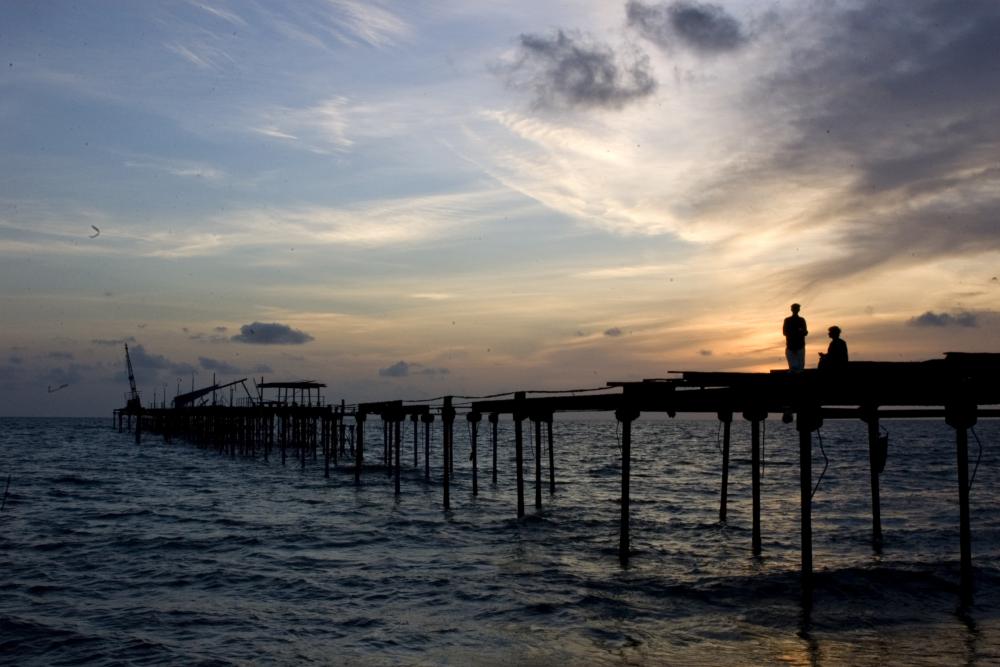
Discover the best beaches in Alleppey (Alappuzha), from the historic Alappuzha Beach to pristine Marari Beach. Enjoy the unique combination of Kerala's backwaters and Arabian Sea coastline with houseboat experiences, fresh seafood, water sports, and stunning sunsets in this comprehensive coastal paradise guide.
Amber Fort Jaipur: Complete Guide with Timings, Entry Fee & Tips
Explore Amber Fort Jaipur: UNESCO World Heritage Site featuring Sheesh Mahal, royal palaces, and stunning architecture. Complete guide with timings, entry fees, and travel tips.
Golden Temple Amritsar: Darshan Timings, Langar & Travel Tips
Experience divine serenity at Golden Temple Amritsar. Discover its rich history, sacred rituals, and the world's largest langar serving 100,000 daily. Complete guide with timings, dress code, and travel tips.
Never Miss an Adventure
Get the latest trekking guides, travel tips, and exclusive offers delivered straight to your inbox.
