
Kerala Complete: Plan Backwaters Weather And Places

Priya Mehta
February 20, 2026
Complete Kerala travel guide featuring Munnar, Alleppey backwaters, Thekkady, Kochi, houseboats, Ayurveda, best time to visit & practical tips.
Introduction to Kerala
Kerala, often called 'God's Own Country,' is one of India's most beautiful and culturally rich states. Located on the Malabar Coast in southwestern India, Kerala offers an incredible diversity of experiences - from pristine beaches and serene backwaters to misty hill stations, wildlife sanctuaries, ancient temples, and vibrant cultural traditions. What makes Kerala truly special is its unique blend of natural beauty, rich cultural heritage, high quality of life, and warm, hospitable people.
The state's geography is remarkably varied. You can relax on golden beaches like Kovalam and Varkala, cruise through the tranquil backwaters of Alleppey and Kumarakom on a houseboat, explore tea and spice plantations in Munnar and Thekkady, spot wildlife in Periyar National Park, and experience the unique culture of cities like Kochi and Thiruvananthapuram. All of this exists within a relatively compact area, making it possible to experience multiple facets of Kerala in a single trip.
Kerala's history as a major spice trade center brought Portuguese, Dutch, and British influences, which are visible in the architecture, cuisine, and customs. The state has India's highest literacy rate, impressive healthcare indicators, and a unique matrilineal tradition in some communities. Kerala is also known for its Ayurvedic treatments, classical arts like Kathakali and Theyyam, and delicious cuisine that's distinctly different from other parts of India.
Whether you're seeking relaxation on a houseboat, adventure in wildlife sanctuaries, cultural experiences in historic cities, or rejuvenation through Ayurveda, Kerala delivers experiences that stay with travelers long after they've returned home. This guide will help you discover the many wonders of Kerala and plan a memorable journey through God's Own Country.
Best Time to Visit Kerala
Kerala enjoys a tropical climate with relatively consistent temperatures throughout the year, but distinct seasons offer different experiences. The timing of your visit depends on what you want to do - explore hill stations, cruise backwaters, visit wildlife sanctuaries, or enjoy beaches.
October to February is considered the best time to visit Kerala. The weather is pleasant and relatively dry with daytime temperatures ranging from 24°C to 32°C in coastal areas and cooler temperatures in the hills. This is peak tourist season, so expect crowds and higher prices, especially during December and January. The humidity is lower, making sightseeing and outdoor activities comfortable. This is an excellent time for backwater cruises, hill station visits, and cultural exploration.
March to May brings summer to Kerala with temperatures reaching 32°C-36°C and high humidity, especially in coastal areas. However, the hill stations like Munnar and Thekkady remain pleasant with temperatures around 20°C-25°C. This is the off-season with fewer tourists and better prices on accommodations and houseboats. If you can handle the heat in the lowlands, summer is actually a great time to visit - the hills are beautiful, wildlife sightings increase as animals congregate around water sources, and you'll have popular sites mostly to yourself.
June to September is the monsoon season when Kerala receives heavy rainfall, especially in the months of June and July. While many travelers avoid monsoon, it has its own charm. The entire state transforms into a lush green paradise, waterfalls are at their spectacular best, and the Ayurvedic treatments are believed to be most effective during this season. Houseboat operations continue during monsoon (weather permitting), and many travelers find the romance of rain on the backwaters magical. Note that some activities like trekking and boat safaris may be limited due to rain. If you don't mind getting wet, monsoon offers a unique, romantic, and crowd-free Kerala experience.
Top Destinations in Kerala
Munnar
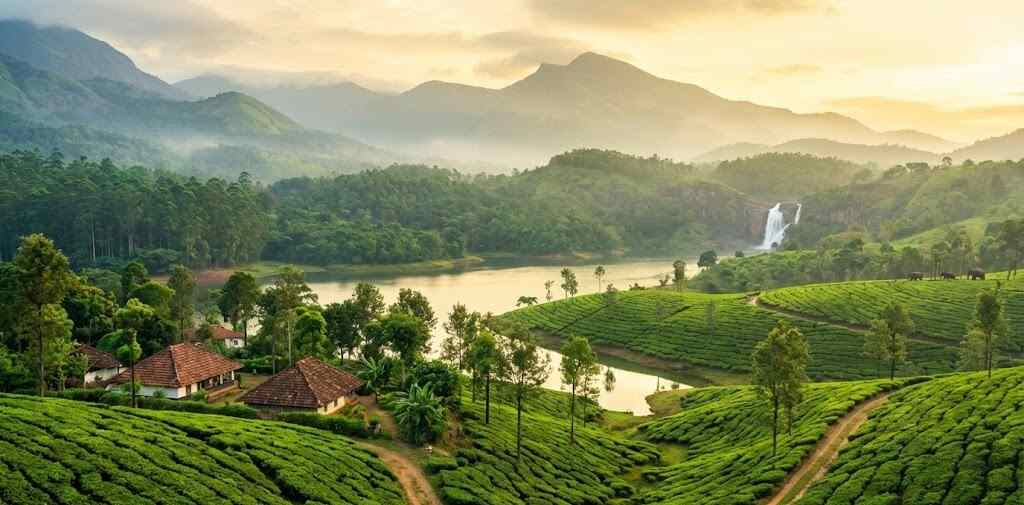
Munnar, located in the Western Ghats at an altitude of 1,600 meters above sea level, is Kerala's most famous hill station. The region is known for its sprawling tea plantations that carpet the hills in brilliant green, misty mountains, cool climate, and stunning scenery. Munnar was once a summer resort for the British, and colonial-era bungalows still dot the landscape.
The main attractions in Munnar include the tea plantations - several estates offer guided tours where you can learn about tea cultivation and processing. Eravikulam National Park, home to the endangered Nilgiri Tahr, offers scenic treks and mountain views. Mattupetty Dam and its surroundings are perfect for boating and picnics. Top Station, the highest point in Munnar, offers panoramic views of the Western Ghats and is famous for the Neelakurinji flowers that bloom once every 12 years, carpeting the hills in blue.
Munnar is perfect for those seeking cool weather, natural beauty, and relaxation. The town has numerous accommodation options ranging from budget guesthouses to luxury plantation resorts. The best time to visit is from October to March when the weather is pleasant, though monsoon brings its own ethereal beauty with misty mountains and greenery.
Alleppey (Alappuzha)
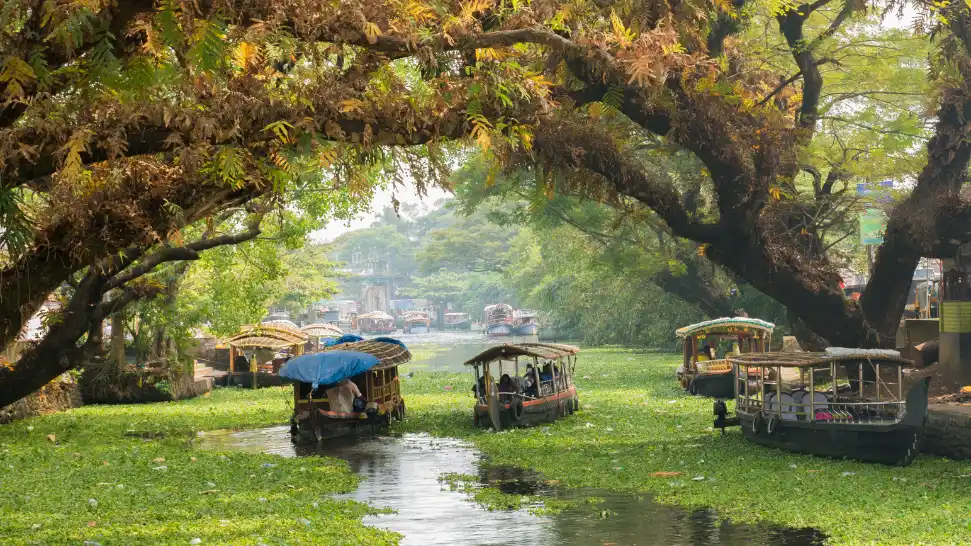
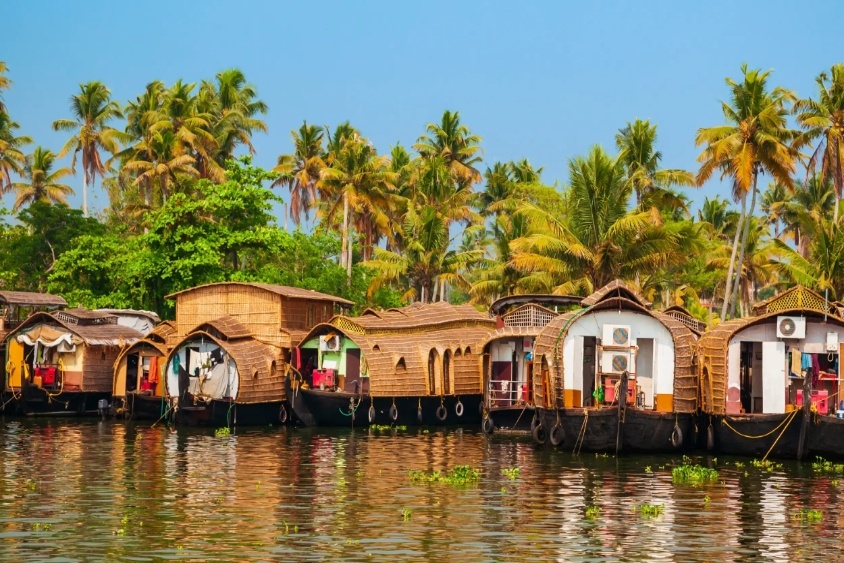
Alleppey, also known as Alappuzha, is famous for its backwaters, houseboats, and the annual Nehru Trophy Boat Race. The backwaters are a network of lagoons, lakes, canals, and rivers that run parallel to the Arabian Sea coast. Cruising these tranquil waterways on a traditional houseboat (kettuvallam) is one of Kerala's most iconic experiences.
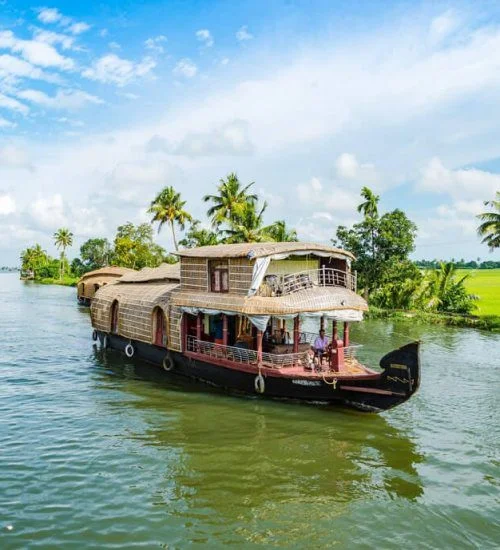
Houseboats come in various categories from basic to luxury, with most including overnight stays, all meals, and a crew including a chef. Drifting through the backwaters, watching village life along the banks, spotting birds, and enjoying delicious Kerala cuisine prepared on board is a magical experience. Alleppey also has beautiful beaches like the Alleppey Beach with its pier and lighthouse.
The best time for backwater cruises is from October to May. August is particularly special if you can catch the Nehru Trophy Boat Race, held on the second Saturday of August. Alleppey is easily accessible from Kochi (approximately 60 kilometers) and is a must-visit destination in Kerala.
Kumarakom
Located on Vembanad Lake, Kerala's largest lake, Kumarakom is another backwater destination known for its houseboats, luxury resorts, and the Kumarakom Bird Sanctuary. While similar to Alleppey, Kumarakom is more upscale with several luxury resorts including the Taj Kumarakom Resort & Spa, Coconut Lagoon, and others.
The Kumarakom Bird Sanctuary, spread across 14 acres, is home to numerous migratory birds including Siberian storks, egrets, herons, and darters. The best time to visit the sanctuary is from November to February when migratory birds arrive. A boat ride through the sanctuary's canals is the best way to spot birds.
Kumarakom is perfect for those seeking a luxurious backwater experience. Many resorts offer traditional Kerala architecture, Ayurvedic treatments, excellent cuisine, and stunning lake views. The village atmosphere, combined with luxury accommodation, makes Kumarakom ideal for honeymooners and those seeking relaxation. Like Alleppey, houseboat cruises are popular here, and you can start or end your backwater journey in Kumarakom.
Thekkady (Periyar)
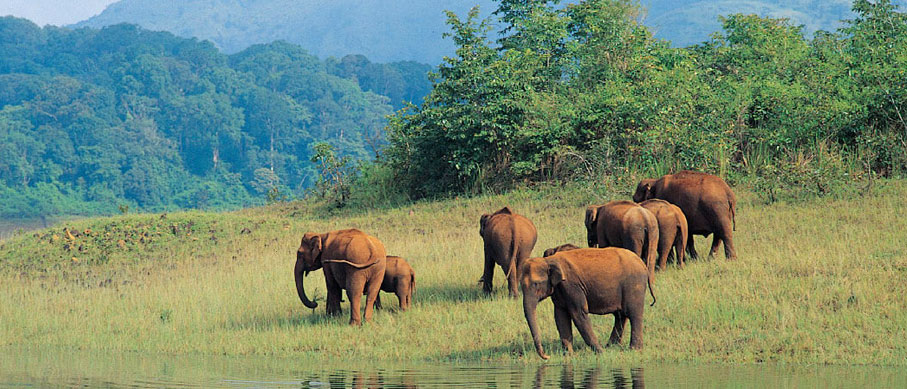
Thekkady, located in the Idukki district, is famous for the Periyar National Park and Tiger Reserve. One of South India's most popular wildlife sanctuaries, Periyar is known for its elephant population, though it's also home to tigers, leopards, bison, sambar deer, and numerous bird species. The park is centered around Periyar Lake, formed by the Mullaperiyar Dam.
The most popular activity in Thekkady is the boat safari on Periyar Lake. These early morning or late afternoon boat rides take visitors across the lake, offering opportunities to spot wildlife coming to the water's edge. The sightings are not guaranteed, but elephants are commonly seen. Other activities include nature walks, bamboo rafting, border hiking, and tribal village visits.
Beyond wildlife, Thekkady is known for its spice plantations. Several plantations offer tours where you can see pepper, cardamom, cinnamon, cloves, and other spices growing. The region also has numerous elephant parks where you can bathe and interact with elephants ethically. The best time to visit Thekkady is from October to April, though wildlife sightings are good year-round. The weather is pleasant throughout the year due to the altitude.
Kochi (Cochin)
Kochi, also known as Cochin, is a major port city and the commercial capital of Kerala. What makes Kochi special is its fascinating mix of history, culture, and modernity. The city has been a port for centuries, attracting traders including Chinese, Arabs, Portuguese, Dutch, and British, all of whom left their mark.
Fort Kochi is the historic heart of the city. Here you'll find the St. Francis Church, India's oldest European church, where Vasco da Gama was originally buried. The Santa Cruz Basilica, with its beautiful Gothic architecture, is another must-visit. The famous Chinese fishing nets along the Fort Kochi beach are iconic and are believed to have been introduced by Chinese traders in the 14th century.
The Mattancherry Palace, also known as the Dutch Palace, features beautiful murals depicting scenes from Hindu epics. The adjacent Jew Town and Paradesi Synagogue (the oldest active synagogue in the Commonwealth) offer insight into Kochi's once-thriving Jewish community. The area is famous for its antique shops and spice markets.
Kochi also has a vibrant art scene, with galleries like the Kerala Folklore Museum and the Kochi-Muziris Biennale, a contemporary art festival held every two years. The city's food scene is excellent, with numerous restaurants serving Kerala, Indian, and international cuisine. Kochi is also the entry point for most visitors to Kerala, with the international airport located here.
Varkala
Varkala, located approximately 50 kilometers north of Thiruvananthapuram, is unique among Kerala's beach destinations. Unlike other beaches in Kerala, Varkala has cliffs running parallel to the Arabian Sea, creating a dramatic and beautiful setting. The Papanasam Beach in Varkala is believed to have holy waters, and many come here to perform rituals for deceased ancestors.
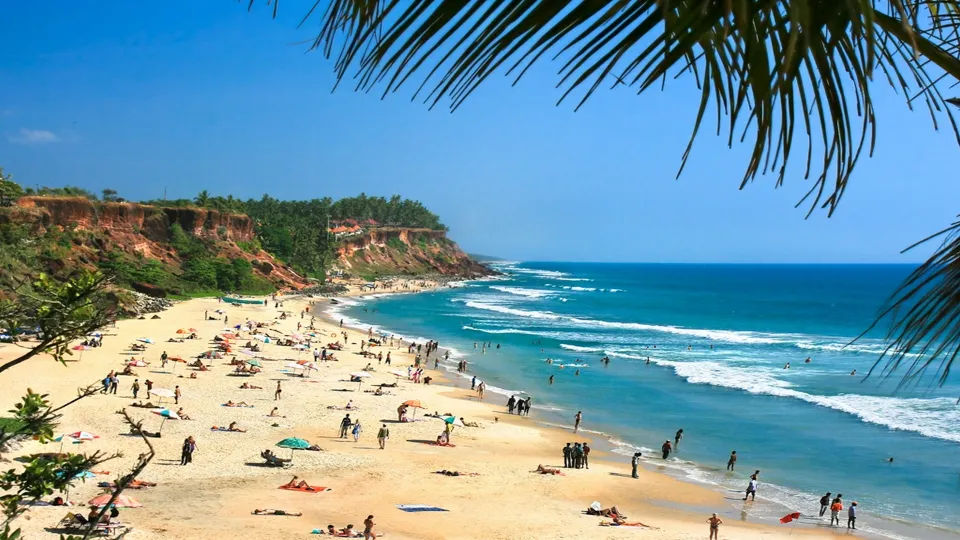
The cliff top is lined with cafes, restaurants, shops, and accommodations, offering stunning sea views. The vibe in Varkala is relaxed and bohemian, attracting both domestic and international travelers. The beach is excellent for swimming when the sea is calm, and surfing is becoming increasingly popular. The Janardanaswamy Temple, a 2,000-year-old temple dedicated to Lord Vishnu, is located near the beach.
Varkala is perfect for those seeking a beach destination with a unique character. The sunsets from the cliff are spectacular, with many cafes offering the perfect viewing spots. The best time to visit Varkala is from October to March when the weather is pleasant and the sea is calm. The Sivagiri Mutt, founded by the social reformer Sree Narayana Guru, is located nearby and attracts pilgrims.
Wayanad
Wayanad, located in northeastern Kerala, is a district known for its lush forests, wildlife, spice plantations, and ancient history. Unlike many other parts of Kerala, Wayanad has remained relatively uncommercialized, offering a more authentic and less touristy experience. The region is part of the Western Ghats and has a significant tribal population.
Wayanad's attractions include the Edakkal Caves, with prehistoric petroglyphs believed to be from the Neolithic era. The caves require a short trek to reach and offer panoramic views of the surrounding countryside. The Wayanad Wildlife Sanctuary, part of the Nilgiri Biosphere Reserve, is home to elephants, tigers, leopards, and various species of deer and birds.
Other attractions include the Soochipara Falls, a stunning three-tiered waterfall; Banasura Sagar Dam, India's largest earth dam; and Pookote Lake, a scenic freshwater lake ideal for boating. Wayanad is also famous for its spice plantations, and several tours are available. The region has numerous homestays and resorts, many located amidst plantations or forests. The best time to visit Wayanad is from October to May, though monsoon brings lush greenery and cascading waterfalls.
Unique Experiences in Kerala
Houseboat Stay
A houseboat stay in the Kerala backwaters is one of India's most unique travel experiences. The traditional kettuvallam (rice boat) has been converted into floating accommodation with bedrooms, attached bathrooms, a living area, and a kitchen. Most houseboats come with a crew including a cook who prepares delicious Kerala meals on board.
Houseboats typically start from Alleppey or Kumarakom and cruise through the narrow canals and wider lakes of the backwater network. The experience is incredibly relaxing - watching village life along the banks (fishermen, people washing clothes, children playing), spotting birds, eating delicious food, and sleeping on the water under the stars. Houseboats range from one-bedroom to multiple-bedroom configurations, and from basic to luxury categories.
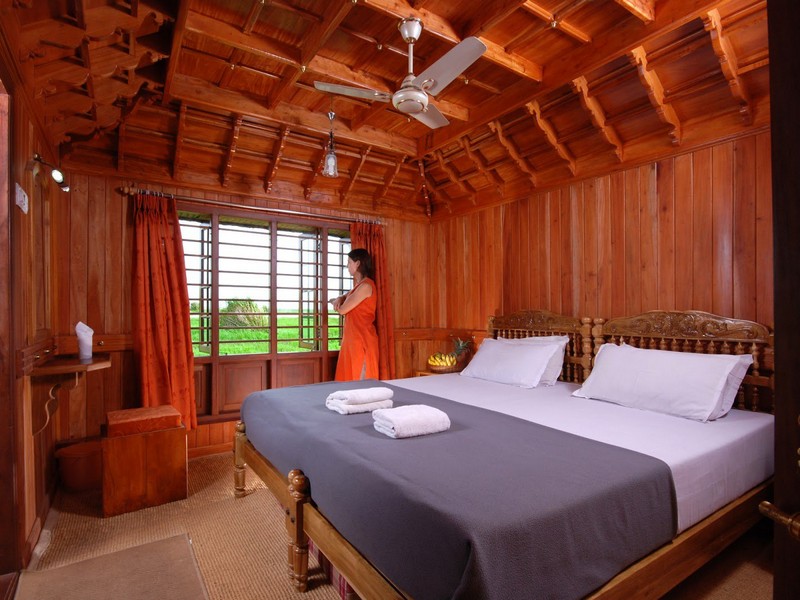
Most houseboat packages include overnight stay, all meals (typically Kerala cuisine including karimeen (pearl spot) fry, appam, stew, and more), and a cruise through the backwaters. The boats usually anchor at night, and you wake up to beautiful sunrise over the water. Book in advance, especially during peak season (December-January), as the best houseboats get booked early.
Ayurveda and Wellness
Kerala is the home of Ayurveda, India's ancient system of medicine, and the state is famous for its Ayurvedic treatments and wellness programs. Numerous resorts and dedicated Ayurveda centers offer treatments ranging from relaxing massages to intensive therapeutic programs lasting weeks.
Popular treatments include abhyanga (full body massage with medicated oils), shirodhara (pouring of medicated oil on the forehead), and various panchakarma (detoxification) treatments. Ayurveda is believed to be most effective during the monsoon season (June-September) when the atmosphere is cool and moist, and the body's pores are more open to treatment.
Many resorts in Kerala, especially in Kumarakom and the hill stations, have Ayurveda centers offering consultations and treatments. Dedicated Ayurveda hospitals like the Kottakkal Ayurveda hospital and Somatheeram offer more intensive therapeutic programs. Treatments range from short sessions to multi-week programs. Always choose certified Ayurveda centers and consult with the Ayurvedic doctor before starting any treatment.
Kathakali and Theyyam
Kerala has a rich tradition of classical and folk arts, and experiencing these performances is a highlight for many travelers. Kathakali, the classical dance-drama of Kerala, is known for its elaborate costumes, colorful makeup, and dramatic performances. The Kathakali centers in Kochi (the Kerala Kathakali Center) and elsewhere offer daily performances. Many shows start with a demonstration of the makeup process, which is fascinating in itself.
Theyam, a ritual dance form unique to northern Kerala, is more intense and spiritual. Performed in temples and sacred groves, Theyam performances involve elaborate costumes, body painting, and sometimes fire-walking. The performer is believed to transform into the deity being represented. Theyam season is from November to May, with performances taking place in various temples in the Kannur and Kasaragod districts.
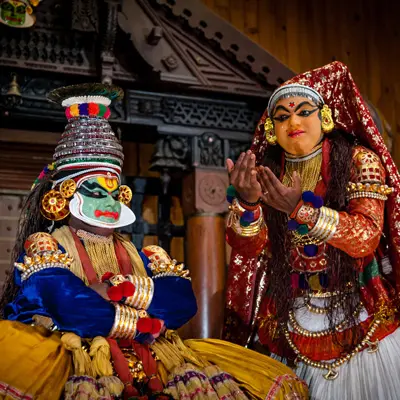
Other classical arts of Kerala include Mohiniyattam (a graceful feminine dance form), Kalaripayattu (Kerala's martial art), and various percussion ensembles like chendamelam. Many cultural centers in Kochi, Thrissur, and elsewhere offer regular performances. Experiencing these art forms gives insight into Kerala's rich cultural heritage.
Kerala Cuisine
Kerala's cuisine is diverse and delicious, reflecting the state's geography and history. Being a coastal state, seafood is prominent - try the karimeen (pearl spot) fry or masala, prawn fry, and various fish curries. The Kerala sadya, a traditional vegetarian feast served on a banana leaf, is a must-try. It includes numerous dishes like avial (mixed vegetables), olan (pumpkin and cowpeas), thoran (dry vegetable dish), sambar, rasam, and payasam (dessert).
Breakfast in Kerala is special - try appam with stew (fermented rice pancake with vegetable or meat stew), puttu and kadala (steamed rice cake with black chickpea curry), idiyappam (string hoppers), or the ubiquitous dosa. For non-vegetarians, Kerala's beef fry and roast are legendary, as are the chicken and mutton dishes.
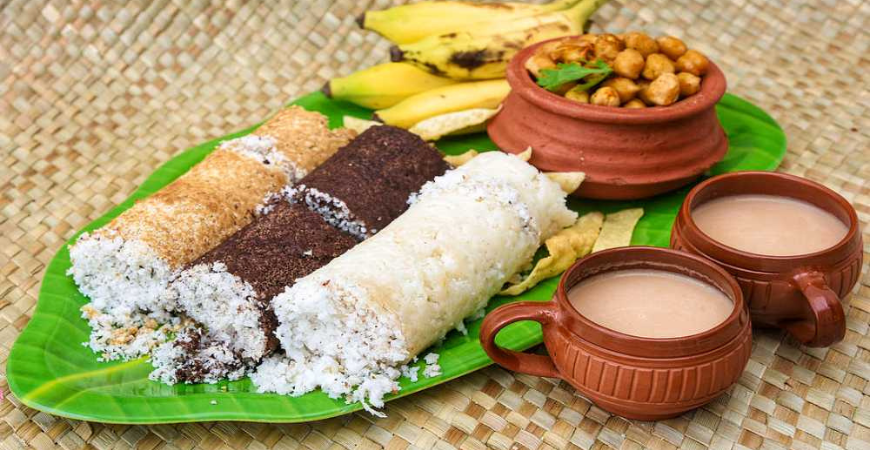
Don't forget to try Kerala's snacks like banana chips, jackfruit chips, and various sweets. Toddy, fermented palm sap, is a local alcoholic beverage. Kerala also produces excellent tea (from Munnar) and coffee (from Wayanad). The cuisine varies by region - the Malabar region in the north has distinct dishes influenced by Arab and Mughal cuisine.
Adventure and Nature in Kerala
Wildlife Sanctuaries
Beyond Periyar in Thekkady, Kerala has several other wildlife sanctuaries worth visiting. Wayanad Wildlife Sanctuary, part of the Nilgiri Biosphere Reserve, offers excellent elephant sightings and beautiful forest landscapes. Parambikulam Tiger Reserve in Palakkad district is less visited but offers excellent wildlife experiences and the largest population of gaurs (Indian bison) in Kerala.
The Silent Valley National Park in Palakkad district is one of the last undisturbed tracts of South Western Ghats mountain rain forests. It's home to numerous endangered species and requires special permission to visit. The Thattekad Bird Sanctuary near Kochi is a paradise for birdwatchers, home to over 280 species of birds including the rare Sri Lanka frogmouth and Malabar trogon.
Most wildlife sanctuaries offer jeep safaris, boat safaris, or trekking options. The best time for wildlife sightings is generally in the summer (March-May) when animals congregate around water sources, though the weather can be hot. Carry binoculars, wear neutral-colored clothing, and maintain silence during safaris to increase your chances of sightings.
Trekking
Kerala's Western Ghats offer excellent trekking opportunities for various fitness levels. In Munnar, trek to Anamudi Peak (South India's highest peak at 2,695 meters) requires permission from the Forest Department. The trek through the Eravikulam National Park offers stunning views and opportunities to spot Nilgiri Tahr. The trek to Meesapulimala, the second-highest peak in Kerala, takes you through tea plantations, shola forests, and grasslands.
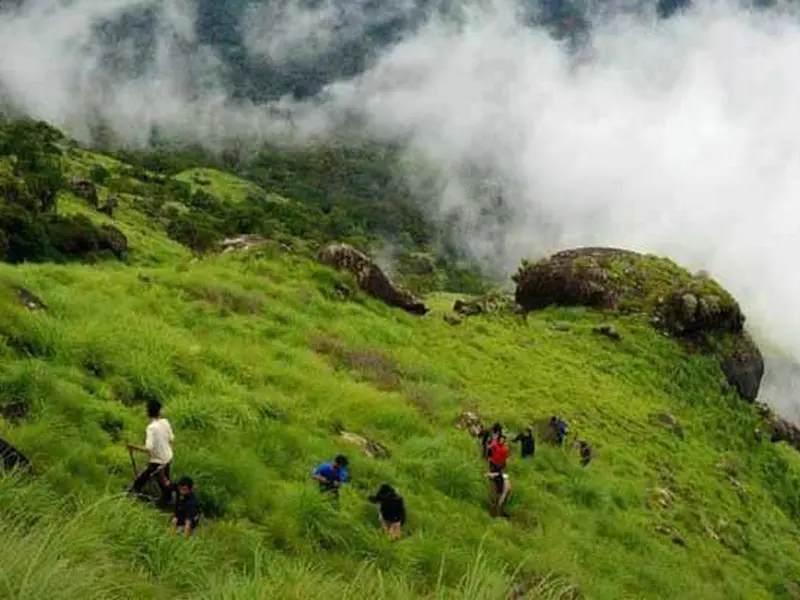
In Wayanad, the trek to Chembra Peak includes passing through a heart-shaped lake on the way to the summit. The Pakshipathalam trek in Wayanad takes you through caves where birds nest. The trek to Nelliyampathy in Palakkad district offers stunning views of the Western Ghats and the surrounding plains.
Most treks in Kerala require permission from the Forest Department, especially those passing through protected areas. The best trekking season is from October to March when the weather is pleasant. Always go with a licensed guide, carry adequate water, wear good trekking shoes, and be prepared for changing weather conditions in the mountains.
Water Activities
Beyond backwater cruises, Kerala offers various water activities. Varkala is becoming a popular surfing destination, with several surf schools offering lessons. The beaches in Kovalam are good for swimming when the sea is calm, and various water sports including parasailing and banana boat rides are available.
Bekal Beach in northern Kerala, with its historic Bekal Fort, offers beautiful sunsets and excellent photography opportunities. The beaches in Kannur, including the Payyambalam Beach, are less commercialized and perfect for those seeking tranquility. The Theyyam performances in Kannur and Kasaragod districts can be combined with beach visits.
How to Reach Kerala
By Air
Kerala has four international airports making it easily accessible by air. Cochin International Airport (COK) in Kochi is the busiest and best connected, with flights from major Indian cities and several international destinations including Dubai, Singapore, and Kuala Lumpur. Trivandrum International Airport (TRV) in Thiruvananthapuram also has good domestic and international connections.
Calicut International Airport (CCJ) in Kozhikode serves northern Kerala, while Kannur International Airport (CNN) is the newest airport, serving northern Kerala and the Malabar region. All airports have prepaid taxi counters offering reliable transportation to various parts of Kerala. Domestic flights to Kerala are available from all major Indian cities and are reasonably priced, especially if booked in advance.
By Train
Kerala is well connected by rail, with trains running along the coast from Mumbai in the north to Thiruvananthapuram in the south, and eastwards to Tamil Nadu and Karnataka. Major railway stations include Ernakulam Junction (Kochi), Thiruvananthapuram Central, Kozhikode, and Shoranur Junction (a major railway junction).
Several express trains connect Kerala to major cities including the Kerala Express (from Delhi), the Netravati Express (from Mumbai), and the Chennai Mail (from Chennai). Train travel to Kerala is scenic, especially the routes that pass through the Western Ghats. However, trains can be crowded and journeys long - from Mumbai it takes approximately 24 hours by train. Book tickets well in advance, especially for travel in peak tourist seasons.
By Road
Kerala is well connected by road to neighboring states. National Highway 66 runs along the coast from Mumbai in the north to Thiruvananthapuram in the south. The road journey from Bangalore to Kochi is approximately 550 kilometers and takes 10-12 hours. From Chennai to Kochi is approximately 700 kilometers and takes 12-14 hours.
Several private bus operators run comfortable sleeper, semi-sleeper, and Volvo buses to Kerala from cities including Bangalore, Chennai, and Coimbatore. State-run KSRTC buses also connect Kerala to neighboring states. Self-driving is an option, giving you the flexibility to explore at your own pace. However, be prepared for traffic in cities and towns, and road conditions can vary. The roads through the Western Ghats, especially those to Munnar and Wayanad, are scenic but winding and require careful driving.
Getting Around Kerala
Kerala's destinations are spread out, and getting around requires some planning. The most convenient option is to hire a private car with a driver for the duration of your trip. This gives you flexibility, comfort, and local expertise. Most hotels and tour operators can arrange this. Rates typically range from ₹2000-2500 per day for a small car with driver, excluding fuel and tolls.
For those on a budget, Kerala's extensive bus network connects all major towns and cities. State-run KSRTC buses are inexpensive but can be crowded and uncomfortable for long journeys. Private buses are also available but vary in quality. Trains connect major cities and towns along the coast, but not all tourist destinations (like Munnar or Wayanad) are on the rail network.
Taxis and auto-rickshaws are available in all cities and towns. For short trips within cities, auto-rickshaws are convenient and inexpensive. For inter-city travel, taxis can be hired for the day or for point-to-point transfers. Ride-hailing apps like Uber and Ola operate in Kochi and Trivandrum but not in smaller towns or tourist destinations.
Where to Stay in Kerala
Kerala offers accommodation options for every budget and preference, from budget guesthouses and homestays to luxury resorts and heritage properties. The type of accommodation you choose depends on your destination and the kind of experience you want.
In Munnar and the hill stations, numerous plantation resorts offer the experience of staying amidst tea, coffee, or spice plantations. These range from budget options to luxury properties. The colonial-era planter's bungalows have been converted into heritage hotels offering a glimpse into the colonial past. Budget guesthouses and homestays are also available for those seeking more affordable options.
In the backwaters regions of Alleppey and Kumarakom, houseboats are the most unique accommodation option. Besides houseboats, numerous resorts and homestays along the backwaters offer the experience of staying by the water. Kumarakom in particular has several luxury resorts including the Taj Kumarakom Resort & Spa and Coconut Lagoon, offering traditional Kerala architecture with modern luxuries.
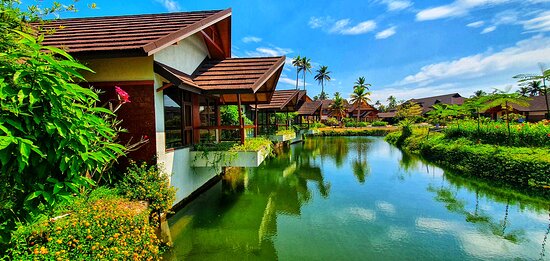
In Kochi, accommodation options range from budget hotels and hostels in Ernakulam to boutique heritage hotels in Fort Kochi. The historic Fort Kochi area has several heritage properties and boutique hotels in converted colonial buildings. In beach destinations like Kovalam and Varkala, numerous beach resorts and guesthouses offer sea views and easy beach access.
Homestays are an excellent option in Kerala, especially in destinations like Wayanad, Thekkady, and the backwaters. Staying with a local family gives you insight into Kerala's culture, traditions, and cuisine. Most homestays offer comfortable rooms, home-cooked meals, and warm hospitality. They're also more affordable than resorts and often provide a more authentic experience.
Travel Tips for Kerala
Kerala's climate can be hot and humid, especially in coastal areas. Pack light, breathable clothing - cotton and linen work best. Carry an umbrella or rain gear if visiting during the monsoon. If visiting hill stations, pack a light jacket or sweater as temperatures can drop, especially at night. Comfortable walking shoes are essential, especially if you plan to do any trekking or extensive sightseeing.
Respect local customs, especially when visiting religious sites. Temples require modest dress - cover your shoulders and knees, and remove shoes before entering. Some temples have strict dress codes and may not allow non-Hindus into the inner sanctum. Churches and mosques in Kerala generally welcome visitors but require modest dress.
Try the local cuisine - Kerala's food is delicious and distinct from other parts of India. If you're not used to spicy food, request your food to be prepared mildly. Coconut is used generously in Kerala cuisine, so be aware if you have allergies. The seafood is excellent, especially in coastal areas. Don't leave Kerala without trying a sadya, the traditional feast served on a banana leaf.
Book houseboats and popular accommodations well in advance, especially if visiting during peak season (December-January). The best houseboats and resorts get booked months in advance. For Ayurvedic treatments, arrive a few days early for consultation with the Ayurvedic doctor who will recommend treatments based on your body constitution and health needs.
Conclusion
Kerala truly deserves its title of 'God's Own Country.' The state offers an incredible diversity of experiences - from the tranquil backwaters and misty hill stations to wildlife sanctuaries, pristine beaches, and rich cultural heritage. What makes Kerala special is not just its natural beauty but the warmth of its people, the richness of its culture, and the quality of experiences it offers.
Whether you're cruising the backwaters on a houseboat, sipping tea in a Munnar plantation, spotting elephants in Thekkady, watching the sunset from a cliff in Varkala, experiencing a Kathakali performance, or rejuvenating through Ayurveda, Kerala touches something deep within. It's a destination that appeals to all types of travelers - families, couples, solo travelers, adventure seekers, and those seeking spiritual or wellness experiences.
This guide should help you plan a trip that covers the aspects of Kerala that most interest you. But the best way to experience Kerala is to arrive with an open mind and let the state reveal its many wonders to you. Whether you stay for a week or a month, Kerala will leave you with memories and experiences that last a lifetime. Many travelers find themselves returning to Kerala year after year, drawn back by its beauty, culture, and the unique sense of peace that the state instills.
Location
Frequently Asked Questions
Q1.What is the best time to visit Kerala?
Q2.How many days are enough for Kerala?
Q3.Is Kerala safe for solo female travelers?
Q4.How much does a houseboat cost in Kerala?
Q5.Which is better - Alleppey or Kumarakom for backwaters?
Q6.What should I pack for Kerala?
Q7.Is Kerala expensive?
Q8.Can I see elephants in Kerala? Where?
Recommended For You
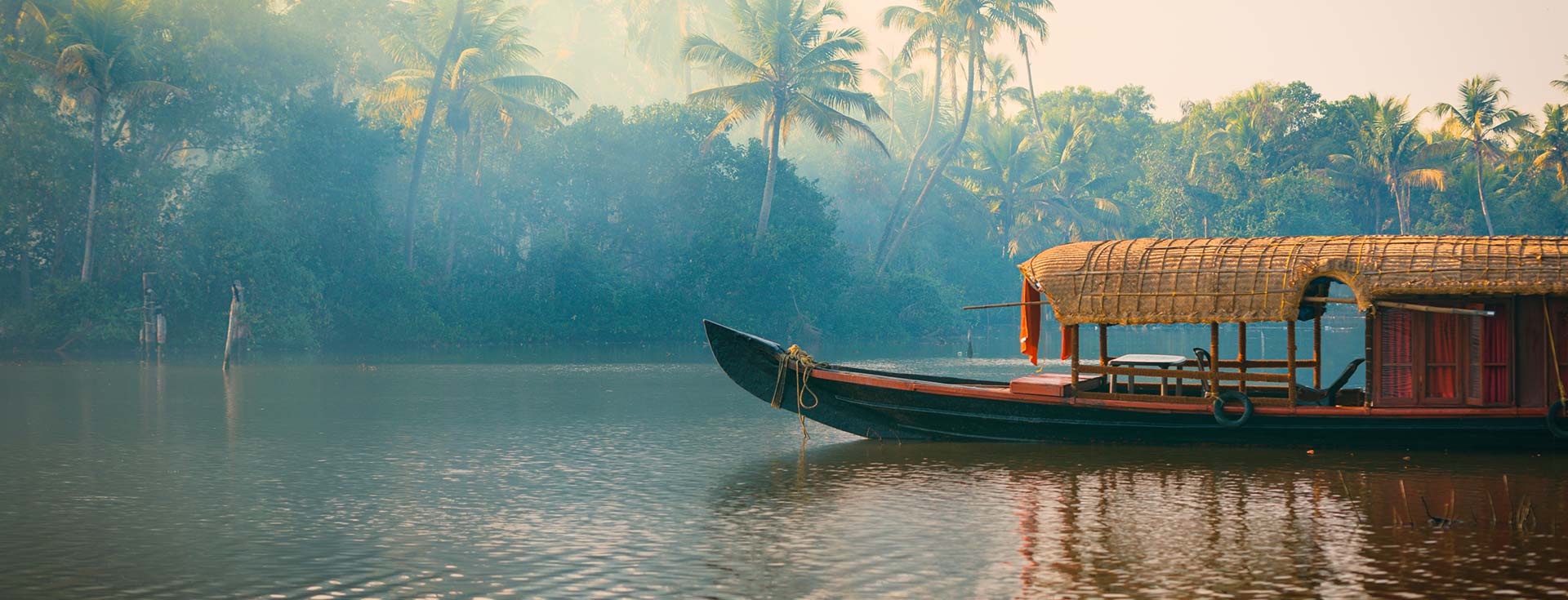
Best Alleppey Houseboats: Types, Prices & Booking Tips
Compare Alleppey houseboats by type, budget, route, and booking quality filters so you can plan a smoother and better-value backwater stay.
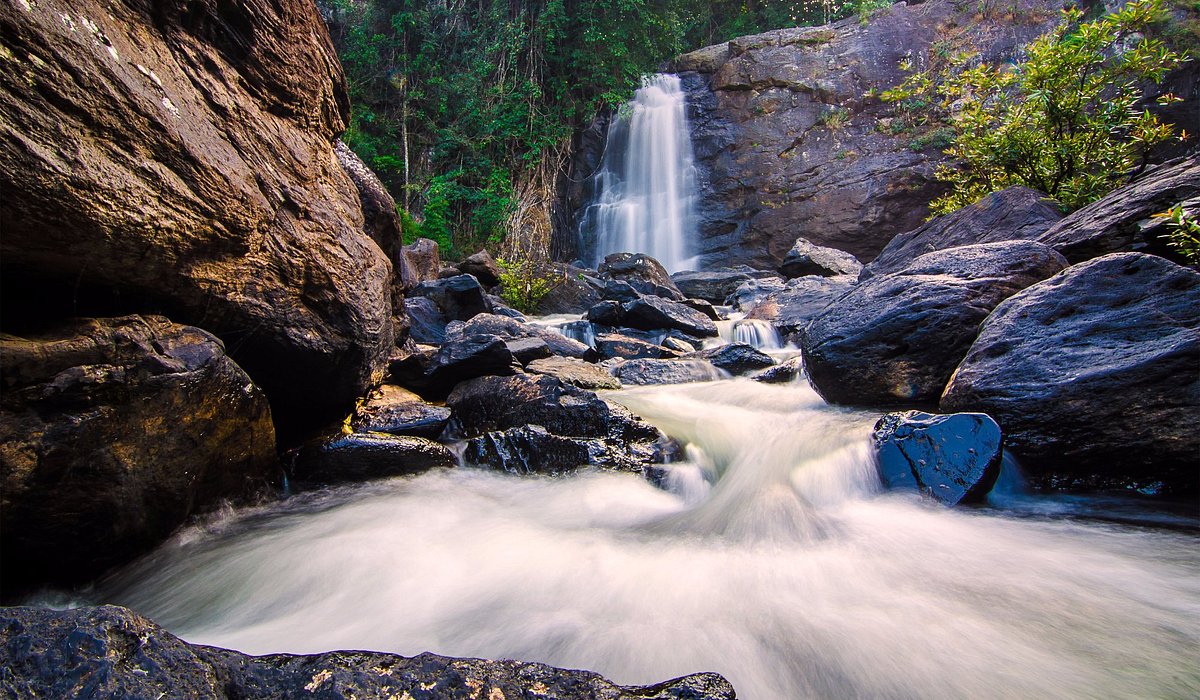
Places to Visit in Wayanad: Waterfalls, Lakes & Forest Trails
Explore top places to visit in Wayanad including Edakkal Caves, Chembra Peak, wildlife sanctuary, waterfalls, and practical route-planning tips.
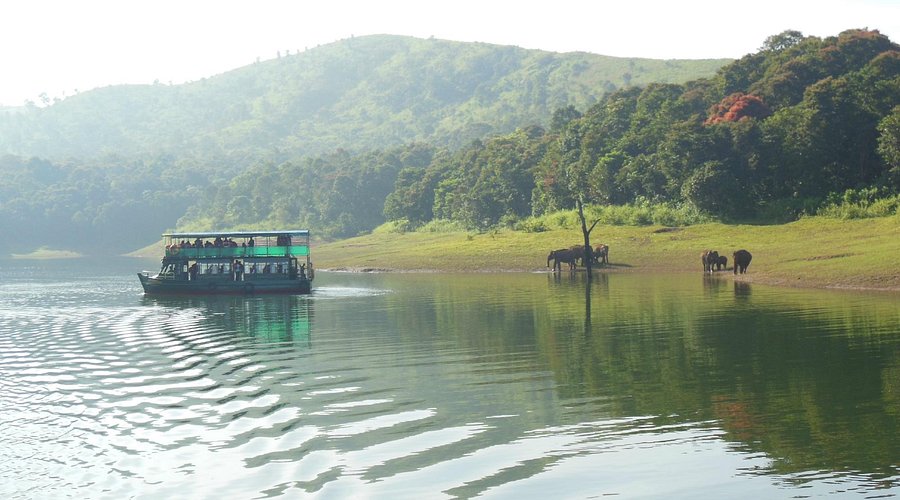
Thekkady Wildlife Sanctuary: Periyar Safari, Boating & Travel Plan
Complete Thekkady Wildlife Sanctuary guide. Periyar Tiger Reserve safaris, best time to visit, wildlife to spot, bamboo rafting & 2-day itinerary.
Never Miss an Adventure
Get the latest trekking guides, travel tips, and exclusive offers delivered straight to your inbox.
