
Gangtok: Complete Travel Plan Places And Weather
Neha Kapoor
February 18, 2026
Complete Gangtok travel guide with top attractions, best time to visit, 3-5 day itineraries, budget breakdown, transport options, and practical travel tips for exploring Sikkim's capital.
Introduction to Gangtok
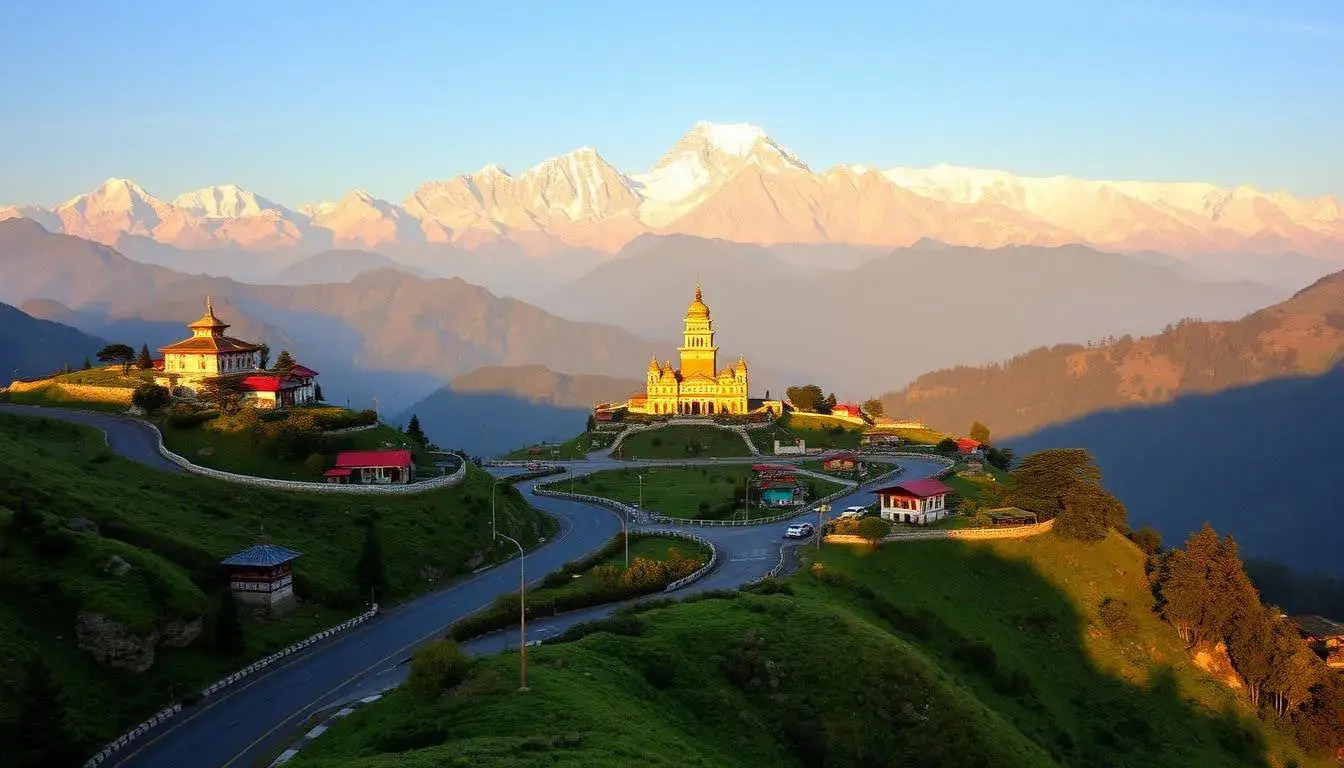
Gangtok, the capital of Sikkim, is one of India's most enchanting hill stations, nestled in the Eastern Himalayas at an altitude of 5,410 feet. This vibrant city seamlessly blends Buddhist spirituality, natural beauty, and modern urban amenities, making it a perfect destination for all types of travelers. From the sacred Enchey Monastery to the breathtaking views of Mount Kanchenjunga, Gangtok offers experiences that linger in your memory long after you leave. What makes Gangtok truly special is its unique character - clean streets, friendly locals, delicious Tibetan cuisine, and a laid-back atmosphere that instantly puts you at ease. Whether you're seeking spiritual enlightenment at ancient monasteries, adventure on mountain roads, or simply want to unwind amidst stunning Himalayan views, Gangtok delivers on all fronts. This comprehensive Gangtok travel guide covers everything you need to plan your perfect trip - from the best time to visit and top attractions to detailed itineraries, budget breakdowns, and practical tips that will help you make the most of your Sikkim adventure.
Quick Facts About Gangtok
| Item | Gangtok Snapshot |
|---|---|
| Location | Capital of Sikkim, Eastern Himalayas |
| Altitude | 5,410 feet (1,650 meters) |
| Population | Approximately 100,000 |
| Best Time to Visit | March to June, September to November |
| Ideal Duration | 3-5 days |
| Nearest Airport | Pakyong Airport (22 km) / Bagdogra (125 km) |
| Nearest Railway | New Jalpaiguri (120 km) |
| Famous For | Monasteries, Kanchenjunga views, Tibetan culture |
| Average Budget | ₹2,500-6,000 per day |
Best Time to Visit Gangtok
Gangtok enjoys a pleasant climate throughout the year, but choosing the right season depends on what you want to experience. The city has five distinct seasons, each offering unique advantages for travelers.Spring (March - June)
Spring is arguably the best time to visit Gangtok. The weather is pleasant with temperatures ranging from 10°C to 20°C, making it perfect for sightseeing and outdoor activities. March and April bring blooming rhododendrons and orchids, painting the hills in vibrant colors. This is also the ideal time for trekking and exploring Nathula Pass and Tsomgo Lake, as these areas remain accessible before the monsoon arrives. May and June can get slightly warmer but still offer excellent travel conditions. The skies are generally clear, providing stunning views of Mount Kanchenjunga. This is peak tourist season, so book accommodations and transportation in advance.Monsoon (July - August)
The monsoon season brings heavy rainfall to Gangtok, with landslides occasionally affecting road connectivity, especially to Nathula and Tsomgo Lake. While the region becomes lush and green, outdoor activities can be challenging. If you visit during monsoon, keep buffer days for weather-related delays and carry rain gear. Hotel rates are lower, and crowds are thinner, making it a good option for budget travelers who don't mind the rain.Autumn (September - November)
Autumn is another excellent time to visit Gangtok. The monsoon has washed away the dust, leaving everything fresh and green. September and October offer crystal-clear skies and spectacular mountain views. The weather is comfortable, and festivals like Dasain and Tihar add cultural vibrancy to your visit. November starts getting colder but rewards with the clearest views of Kanchenjunga. This is the second peak season, so expect higher prices and more tourists. Book early, especially if you plan to visit during Durga Puja or Diwali.Winter (December - February)
Winter in Gangtok is cold, with temperatures dropping to 4°C or lower. December and January can even bring snowfall to higher areas like Tsomgo Lake and Nathula Pass. While the city itself rarely sees heavy snow, the surrounding mountains turn into a winter wonderland. This is the perfect time for snow lovers and those seeking a cozy hill station experience. Winter rewards with the clearest mountain views and the fewest crowds. However, some high-altitude areas may be inaccessible due to snow. Pack warm clothing if you're visiting during these months.Top Attractions in Gangtok
Tsomgo Lake (Changu Lake)
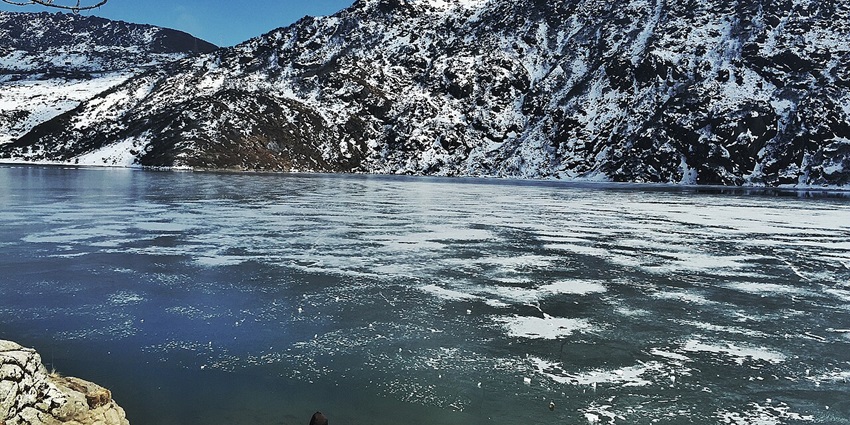
Located at 12,310 feet, Tsomgo Lake is undoubtedly Gangtok's most famous attraction. This glacial lake remains frozen in winter and transforms into a beautiful blue water body in summer. The name "Tsomgo" means "source of water" in the Bhutia language, and the lake holds deep spiritual significance for locals. The yak ride around the lake is a popular experience. The 40-kilometer drive from Gangtok to Tsomgo Lake is an adventure in itself, with winding roads offering spectacular valley views. Note that you'll need a Protected Area Permit (PAP) to visit, which can be arranged through local tour operators.Nathula Pass
Nathula Pass, located at 14,140 feet, is one of the highest motorable roads in the world and a historic Indo-China border crossing. The journey offers breathtaking Himalayan vistas and a chance to experience the harsh beauty of high-altitude landscapes. The pass is open to Indian tourists on specific days of the week (Wednesday to Sunday), and weather conditions dictate accessibility. The Harbhajan Singh Memorial here honors the Indian army soldier who is believed to still protect the border. Dress warmly, as temperatures can drop dramatically even in summer.Rumtek Monastery
Rumtek Monastery is the largest in Sikkim and the seat of the Karma Kagyu lineage of Tibetan Buddhism. Located 24 kilometers from Gangtok, this magnificent monastery features traditional Tibetan architecture, intricate murals, and precious Buddhist relics. The monastery comes alive during festivals like Losar (Tibetan New Year) and the Cham dances. Even if you're not spiritually inclined, the peaceful atmosphere and cultural insights make Rumtek worth visiting. Photography is restricted in certain areas, so respect the guidelines.Enchey Monastery
Enchey Monastery, dating back to 1909, is one of Gangtok's oldest and most important Buddhist monasteries. Located on a hill overlooking the city, it offers panoramic views and a serene atmosphere perfect for meditation and reflection. The monastery follows the Nyingma tradition of Tibetan Buddhism and houses several sacred texts and artifacts. The annual Cham dance festival here attracts devotees from across Sikkim. Sunrise and sunset are particularly beautiful times to visit.MG Marg (Mahatma Gandhi Marg)
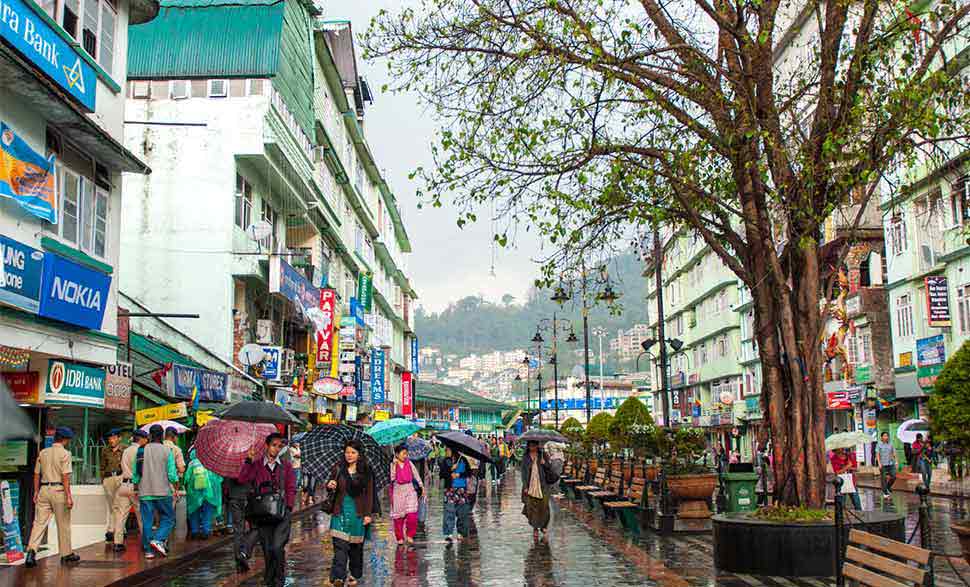
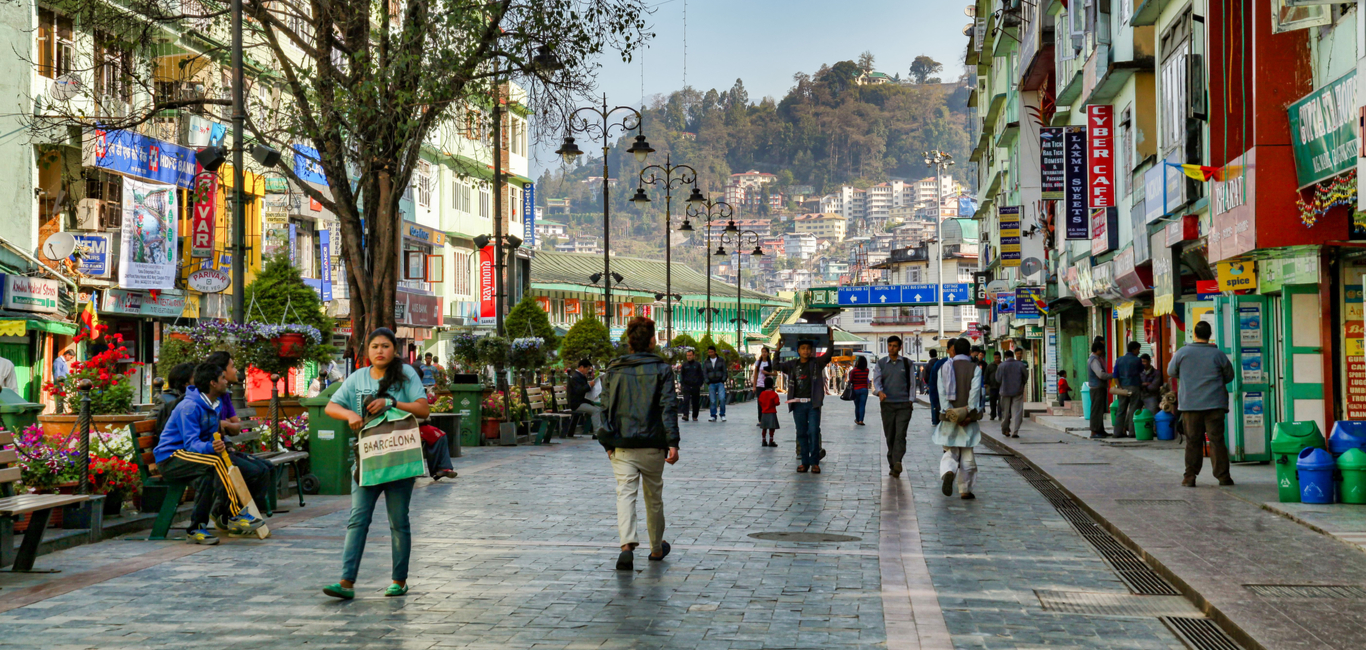
MG Marg is Gangtok's heart and soul - a pedestrian-only street that's clean, vibrant, and perfect for leisurely strolls. Lined with cafes, restaurants, shops, and hotels, this is where locals and tourists alike gather to socialize and soak in the city's relaxed vibe. The street is beautifully maintained, with no vehicular traffic allowed during the day. It's the perfect place to try momos, thukpa, and other local delicacies, shop for Tibetan handicrafts, or simply people-watch over a cup of butter tea. The evenings are especially lively, with the street illuminated and bustling with energy.Tashi View Point
Located just 8 kilometers from Gangtok, Tashi View Point offers spectacular sunrise and sunset views. On clear days, you can see Mount Kanchenjunga and surrounding peaks bathed in golden light. The view point is particularly popular among photographers and early risers. The facility includes a small cafeteria and viewing deck. Arrive early (before 5 AM) for the best chance of clear views, as clouds can roll in later. This is also a great spot to acclimatize before heading to higher altitudes.Ban Jhakri Falls
Ban Jhakri Falls is a scenic waterfall located about 10 kilometers from Gangtok. The falls are surrounded by a well-maintained park that showcases local tribal architecture and culture. According to local folklore, Ban Jhakri was a forest shaman who possessed magical powers. The park features traditional tribal huts, a suspension bridge, and walking paths that make it a pleasant place to spend a few hours. The falls are particularly impressive during and after the monsoon when water flow is at its peak. There's also an energy park nearby with adventure activities.Ganesh Tok
Ganesh Tok is a small temple dedicated to Lord Ganesha, located on a hillock offering panoramic views of Gangtok town and the surrounding hills. At 6,500 feet, it's one of the highest points in the city and provides excellent photo opportunities. The temple is small but significant, and the viewing deck offers 360-degree views. On a clear day, you can see all the way to the Nathula range. It's particularly beautiful at sunset when the city lights begin to twinkle below.Sikkim Himalayan Zoological Park
Spread over 230 hectares, the Sikkim Himalayan Zoological Park is home to the endangered red panda, Himalayan black bear, snow leopard, and various Himalayan bird species. Unlike traditional zoos, this park allows animals to roam in large natural enclosures that mimic their wild habitat. The park requires considerable walking, so wear comfortable shoes. The red panda breeding center is a highlight, and spotting these elusive creatures in their natural habitat is a memorable experience. The park also offers stunning views of Gangtok and Mount Kanchenjunga.Do-Drul Chorten
Do-Drul Chorten is one of the most important stupas in Sikkim, built in 1945 under the guidance of Trulshi Rinpoche. The stupa contains 108 prayer wheels, holy texts, and other sacred relics. It's a place of pilgrimage for Buddhists and a site of cultural interest for visitors. The golden spire of the chorten is visible from various parts of Gangtok. The complex also houses a small religious school. Spin the prayer wheels clockwise for good fortune, and observe devotees circumambulating the stupa in devotion.Sample Gangtok Itineraries
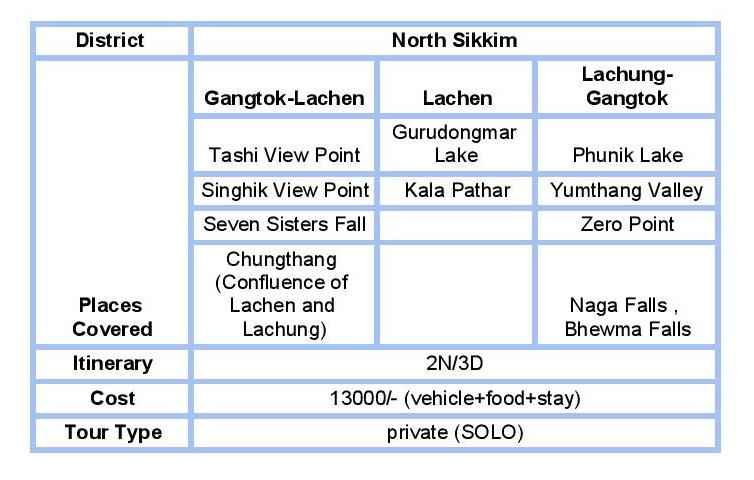
3-Day Gangtok Itinerary
Day 1: Arrival & City Exploration
Arrive in Gangtok and check into your hotel. Spend the afternoon exploring MG Marg, sampling local snacks at the cafes, and visiting the Enchey Monastery nearby. In the evening, witness the sunset at Tashi View Point. Enjoy dinner at one of the local restaurants serving Sikkimese and Tibetan cuisine.
Day 2: Tsomgo Lake & Nathula Pass
Start early (around 8 AM) for your trip to Tsomgo Lake and Nathula Pass. The journey takes about 2-3 hours each way. Spend time at the lake, enjoy a yak ride, and proceed to Nathula Pass if it's open. Visit the Harbhajan Singh Memorial and the Baba Mandir on your return. Return to Gangtok by evening, tired but with incredible memories.
Day 3: Monasteries & Departure
Visit Rumtek Monastery in the morning, exploring its beautiful premises and museum. On your way back, stop at the Institute of Tibetology to learn about Tibetan culture and history. Spend your final hours shopping for souvenirs on MG Marg before departing.
5-Day Gangtok Itinerary
Day 1-2: Follow the 3-day itinerary for the first two days.
Day 3: Cultural Deep Dive
Visit the Sikkim Himalayan Zoological Park in the morning to spot red pandas. Then explore the Do-Drul Chorten and the adjacent Namgyal Institute of Tibetology, which houses an impressive collection of Tibetan artifacts, thangkas, and manuscripts. Spend the evening at Ganesh Tok for sunset views.
Day 4: Nature & Relaxation
Visit Ban Jhakri Falls and spend a relaxing morning in the park. In the afternoon, take a cable car ride (ropeway) for aerial views of Gangtok and the surrounding valleys. The evening can be spent at a local spa or enjoying a traditional Sikkimese hot stone bath.
Day 5: Final Exploration & Departure
Use your final hours for any activities you may have missed - perhaps a visit to a local handicraft center or a last walk through MG Marg. Collect souvenirs like Tibetan masks, prayer flags, and local teas before heading to the airport or railway station.
Gangtok Travel Cost Breakdown
Budget Traveler: ₹2,000-3,000 Per Day
Accommodation: ₹600-1,000 per night for budget hotels, guesthouses, or homestays. Many offer basic amenities and stunning views.
Food: ₹700-1,000 per day eating at local eateries and street food stalls. Try momos, thukpa, and wai-wai at small restaurants.
Transport: ₹500 per day using shared taxis and local buses. Walking is also a great way to explore Gangtok.
Activities: ₹200-500 for entry fees to monasteries, viewpoints, and the zoological park.
Mid-Range Traveler: ₹4,000-6,000 Per Day
Accommodation: ₹2,000-3,000 per night for 3-star hotels and boutique properties. These offer comfortable rooms, often with mountain views.
Food: ₹1,200-1,800 per day at mid-range restaurants and cafes. MG Marg has excellent options.
Transport: ₹800-1,200 per day for private taxis for local sightseeing and day trips.
Activities: ₹800-1,500 including permit fees, guide charges, and activity costs.
Luxury Traveler: ₹10,000+ Per Day
Accommodation: ₹6,000+ per night for luxury hotels like The Elgin, Mayfair, or premium resorts with stunning views and excellent service.
Food: ₹2,500+ per day at fine dining restaurants and hotel restaurants.
Transport: ₹2,000+ for private SUVs and premium transport options.
Activities: ₹2,000+ including exclusive experiences, private tours, and premium activities.
Additional Costs to Consider
- Protected Area Permit: ₹200-500 per person for Nathula and Tsomgo Lake
- Vehicle entry fees for restricted areas
- Photography fees at certain monasteries
- Tips for guides and drivers (10% of service cost is standard)
- Travel insurance (highly recommended)
How to Reach Gangtok
By Air
Pakyong Airport, located just 22 kilometers from Gangtok, is the closest airport. However, weather conditions often affect flight operations, and services are limited. Bagdogra Airport in West Bengal, 125 kilometers away, is the most practical option with regular flights from major Indian cities including Delhi, Mumbai, Kolkata, and Bangalore. From Bagdogra, you can hire a taxi (₹2,500-4,000, 4-5 hours) or take a shared helicopter service (weather permitting,₹3,000+ per person) to Gangtok. The helicopter ride takes just 20 minutes and offers spectacular aerial views.By Train
New Jalpaiguri (NJP) Railway Station, 120 kilometers from Gangtok, is the nearest major railhead. NJP is well-connected to all major Indian cities. From NJP, taxis take 4-5 hours to reach Gangtok (₹2,500-3,500). Shared jeeps are also available and more budget-friendly (₹500-700 per person).By Road
Gangtok is connected by road to Siliguri and Darjeeling. The journey from Siliguri via National Highway 10 takes about 4 hours. The road is scenic but winding, so if you're prone to motion sickness, carry medication. Self-driving is possible but challenging due to the terrain; hiring a local driver is recommended.Getting Around Gangtok
- Walking: Gangtok's city center is very walkable, especially around MG Marg.
- Taxis: Easily available for local sightseeing and day trips.
- Shared Jeeps: Budget-friendly option for nearby destinations.
- Ropeway: The cable car offers panoramic views and connects different parts of the city.
What to Eat in Gangtok
Local Dishes to Try
- Momos: Steamed or fried dumplings filled with vegetables or meat. Available everywhere and delicious.
- Thukpa: Noodle soup with vegetables or meat - perfect for Gangtok's cool weather.
- Phagshapa: Pork strips cooked with radishes and chilies.
- Gya Thuk: Noodle dish with meat and vegetables.
- Sel Roti: Traditional bread made during festivals.
- Chang: Local millet beer - try it if you're adventurous.
Best Places to Eat
- Taste of Tibet: Authentic Tibetan cuisine on MG Marg.
- Parivar Restaurant: Local Sikkimese dishes.
- The Roll House: Great for rolls and fast food.
- Baker's Cafe: Excellent coffee and baked goods.
- MG Marg Cafes: Multiple options for all budgets.
Shopping in Gangtok
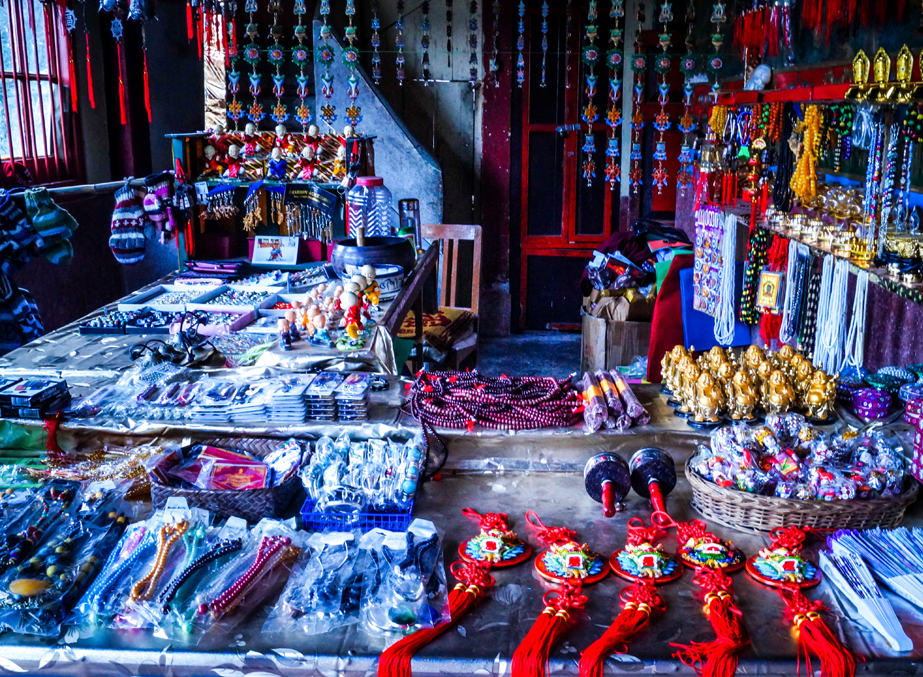
- Tibetan Refugee Market: Handicrafts, artifacts, and woolens.
- MG Marg: Souvenirs, books, clothing, and local products.
- Lal Bazaar: Local market for traditional Sikkimese goods.
- Old Market: Traditional vegetables, local food items, and everyday needs.
What to Buy
- Tibetan prayer flags and singing bowls
- Local teas (Temi tea is famous)
- Handwoven carpets and textiles
- Buddhist thangkas and paintings
- Sikkimese handicrafts and masks
- Cardamom and other spices
Practical Travel Tips
Permit Requirements
Indian citizens need a Protected Area Permit (PAP) to visit Nathula, Tsomgo Lake, and other restricted areas. This can be obtained through registered tour operators or at the Sikkim Tourism Office in Gangtok. Carry multiple passport-sized photographs and ID proof. Foreigners have different permit requirements and should check current regulations.Health & Safety
- Acclimatize properly - Gangtok's altitude can cause AMS in some people.
- Drink only bottled or boiled water.
- Carry basic medicines and a first-aid kit.
- Respect local customs, especially at monasteries (dress modestly, speak softly).
- Don't photograph monks or religious ceremonies without permission.
- Be prepared for sudden weather changes in higher altitudes.
Best Accommodation Areas
- MG Marg Area: Most convenient, close to everything, slightly pricier.
- Deorali: Quiet area with good mid-range options.
- Tadong: Budget-friendly area with several guesthouses.
Money & Connectivity
- ATMs are available but can run out of cash - carry sufficient cash.
- Digital payments are widely accepted in MG Marg establishments.
- BSNL and Jio have the best network coverage.
- Airtel and Vodafone work well in the city but may be spotty in remote areas.
Conclusion
Gangtok is more than just a hill station - it's an experience that combines natural beauty, spiritual depth, and warm hospitality in a way few places can. Whether you're watching the sunrise paint Mount Kanchenjunga in gold, spinning prayer wheels at an ancient monastery, or sipping butter tea on MG Marg, Gangtok has a way of touching your soul. The city's cleanliness, safety, and welcoming atmosphere make it perfect for solo travelers, families, and couples alike. The food is delicious, the scenery is spectacular, and the cultural experiences are profound. Plan well, respect local customs, and keep your schedule flexible for weather-related changes. For more specific experiences, check out things to do in Sikkim for broader exploration, best restaurants in Gangtok for dining recommendations, or explore shopping in Gangtok for souvenir ideas. Nature lovers might also enjoy combining their Gangtok trip with visits to nearby destinations like Darjeeling or exploring the larger Northeast region. Most importantly, travel with an open heart and respect for this beautiful land and its people. The warmth of Sikkimese hospitality will ensure that Gangtok remains etched in your memory long after you've returned home. Safe travels!Location
Frequently Asked Questions
Q1.How many days are sufficient for a Gangtok trip?
Q2.What is the best time to visit Gangtok?
Q3.Is Nathula Pass open throughout the year?
Q4.Do I need a permit to visit Gangtok?
Q5.What is the ideal budget for a Gangtok trip?
Q6.How do I reach Gangtok from Bagdogra Airport?
Q7.Is Gangtok safe for solo female travelers?
Q8.What should I pack for a Gangtok trip?
Q9.Can I see Mount Kanchenjunga from Gangtok?
Q10.Are there any restrictions at monasteries?
Recommended For You
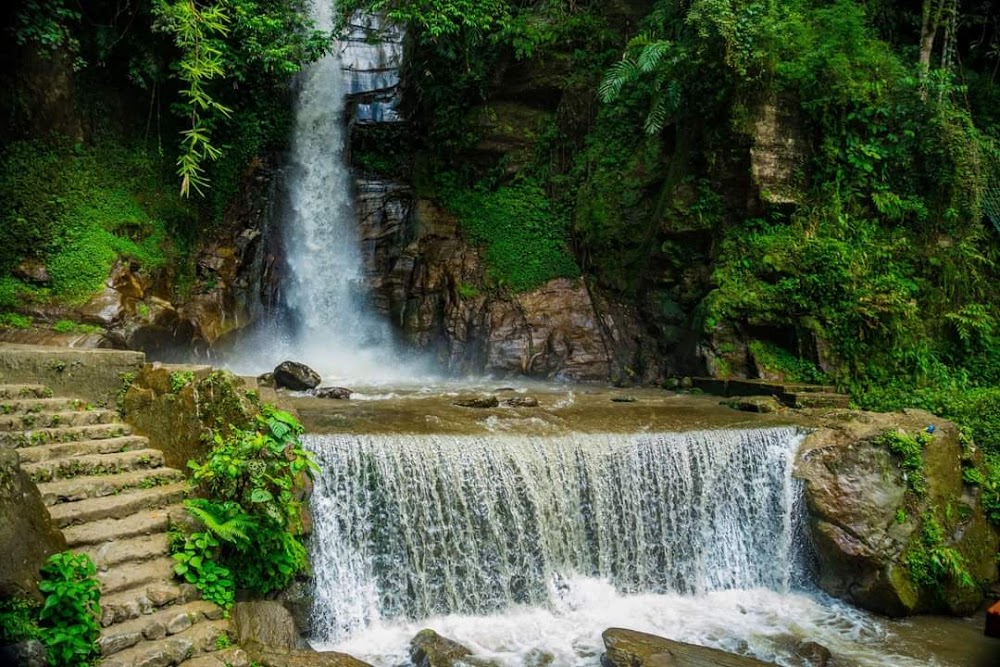
Banjhakri Falls Gangtok: Waterfall Park, Timings & Entry Fee
Explore Banjhakri Falls and Energy Park Gangtok: discover the mythical waterfall, energy park activities, kids play area, picnic spots, and complete travel guide.
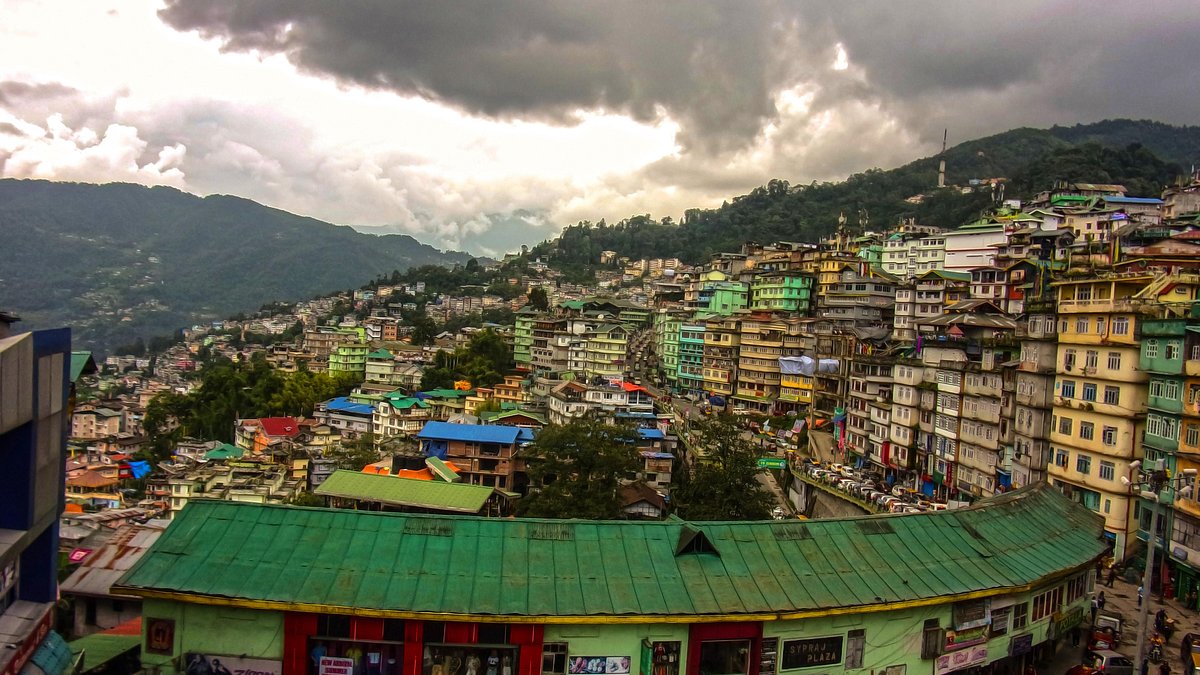
Lal Bazaar Gangtok: Shopping Guide, Timings, and Tips
Detailed Lal Bazaar Gangtok guide with what to buy, best timings, section-wise navigation, local food tips, and practical shopping advice.
Old Market Sikkim: Gangtok Traditional Shopping
Explore Old Market Sikkim in Gangtok. Traditional handicrafts, Tibetan artifacts, local food & authentic shopping guide beyond MG Marg.
Never Miss an Adventure
Get the latest trekking guides, travel tips, and exclusive offers delivered straight to your inbox.
