
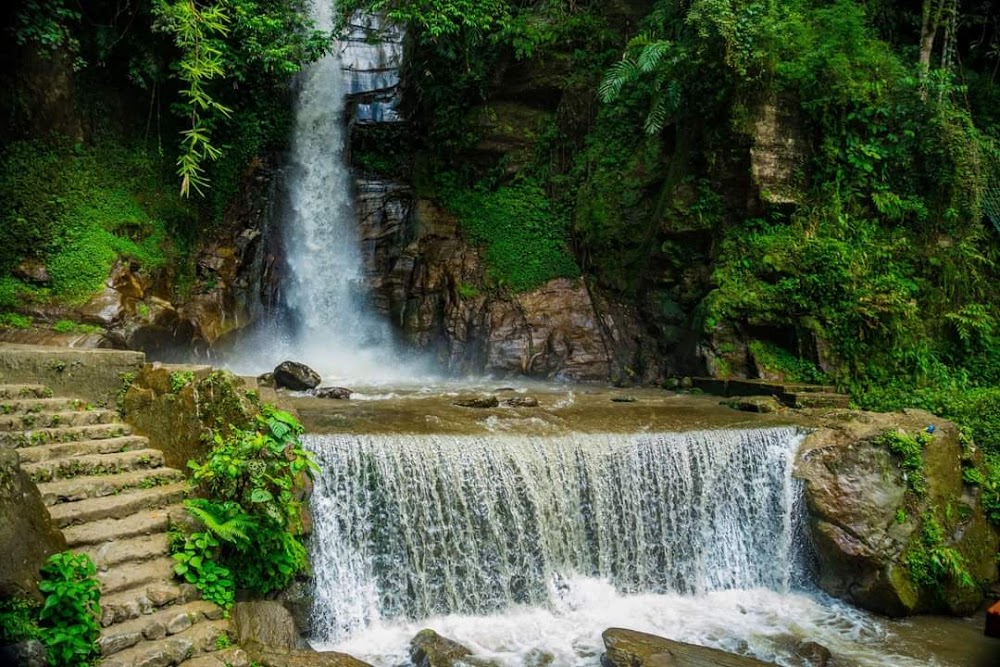
Banjhakri Falls Gangtok: Waterfall Park, Timings & Entry Fee
Rahul Garg
February 19, 2026
Explore Banjhakri Falls and Energy Park Gangtok: discover the mythical waterfall, energy park activities, kids play area, picnic spots, and complete travel guide.
Banjhakri Falls Gangtok: Waterfall, Folklore, and Energy Park in One Visit
Banjhakri Falls is one of the most accessible nature-and-culture attractions near Gangtok. The site combines a scenic waterfall with a themed energy park and local folklore references, which makes it work for families, first-time Sikkim visitors, and travelers with limited time. Unlike remote trekking destinations, Banjhakri does not demand intense physical effort, but it still delivers a strong visual and cultural experience when planned well. If you are designing a wider city circuit, combine it with places to visit in Gangtok, practical planning from Gangtok travel guide, and broader route ideas from Sikkim itineraries. For nature-focused extensions, you can also look at other waterfalls in Sikkim. This guide shows how to time your visit, what to prioritize, and how to avoid common rush-hour mistakes.
What Makes Banjhakri Falls Different
Most waterfall spots offer a viewpoint and little context. Banjhakri adds a curated park environment with statues, pathways, and educational energy-themed elements, creating a blended experience rather than a single photo stop. The waterfall itself remains the headline attraction, but the surrounding design makes the destination more interactive for children and casual travelers. This mixed format also helps during variable weather, because even if mist reduces waterfall visibility for short periods, the rest of the park still has enough to explore.
The Legend Behind the Name
In local tradition, "Banjhakri" refers to a forest shaman figure connected with healing and spiritual teaching. The themed sections around the park interpret this lore through sculptures and symbolic motifs. You do not need deep cultural background to appreciate the setting, but reading these references adds depth to the visit. It turns the experience from pure sightseeing into a short cultural introduction to Sikkimese storytelling traditions.
Best Time to Visit Banjhakri Falls
Morning to early afternoon is generally comfortable for movement and photography. Monsoon months increase water flow and greenery, but paths can be slippery and rain interruptions are common. Post-monsoon and spring periods often offer balanced weather and clearer frames. If you are combining multiple Gangtok attractions in one day, place Banjhakri in the first half to avoid fatigue and changing mountain weather later.
| Visit Window | Advantages | Trade-offs |
|---|---|---|
| Morning | Lower crowd, softer light | Cooler weather; carry a light layer |
| Late Morning | Good visibility and active park atmosphere | Can get busier on weekends |
| Monsoon | Stronger waterfall flow | Slippery surfaces and rain breaks |
| Peak Holiday Hours | Lively environment | Crowds and longer queue times |

How to Reach from Gangtok
The site is a short road trip from central Gangtok and is usually covered by local taxi circuits. Shared cabs and full-day hired vehicles both work depending on how many places you are combining. The key is to lock sequence and duration in advance, not while en route. In mountain towns, short distance does not always mean short time, especially when roads are busy or weather slows movement.
- Confirm pickup and return timing before starting.
- Carry offline maps in case of network fluctuation.
- Keep buffer time for entry queues and photos.
- Avoid overpacking the day with too many distant points.
What to Do Inside the Park
1. Waterfall viewpoint sessions
Spend unhurried time at the core waterfall decks first. Mist and light change quickly, so short waiting windows can produce better photos than immediate snapshots.
2. Themed cultural walkthrough
Explore statue zones and signage to understand folklore references. This part is especially engaging for families and first-time visitors.
3. Easy walking and rest stops
Pathways are suitable for most visitors, but surfaces can be wet. Good shoes improve safety and confidence.
4. Short educational pause
The energy park elements provide a light educational dimension, useful for children and school-group style travel.

Sample Half-Day Itinerary
A practical plan looks like this: depart Gangtok after breakfast, reach before crowd build-up, start with waterfall viewing, continue with themed park walk, then finish with a relaxed break before moving to your next city stop. If you are doing a longer route from Gangtok attraction lists, keep only one additional major point after Banjhakri to avoid rushed movement.
What to Carry
Pack for mixed mountain conditions: water bottle, rain layer, grippy footwear, and a small towel for misty sections. Carry a phone power bank and light snacks, especially if traveling with children. Keep your bag compact so moving through stairs and pathways remains comfortable. During rainy periods, waterproof pouches for electronics are very useful.
Photography Tips for Better Frames
Use three shot types: a wide frame for landscape context, a medium frame for waterfall texture, and a close frame for water motion or carved details. If mist is heavy, reduce exposure slightly to preserve highlights. For people shots, position subjects at side angles with the cascade in the background instead of blocking the central viewpoint. This creates cleaner compositions and reduces crowd interference.
Common Mistakes Travelers Make
- Treating Banjhakri as a 15-minute stop and missing the park experience.
- Wearing smooth-soled shoes in wet months.
- Planning too many far-apart attractions on the same day.
- Ignoring weather buffers in mountain traffic.
- Skipping cultural sections and focusing only on one selfie point.
How to Combine Banjhakri with a Gangtok Day
The most efficient model is one natural attraction + one city attraction + one evening market zone. Start with Banjhakri in the morning, then shift to a city museum or monastery stop, and end with market time around central Gangtok. For broader travel days, use the structure from Gangtok guide plans and connect to higher-level routes in Sikkim travel planning. This sequencing protects your energy and improves experience quality.
Final Takeaway
Banjhakri Falls and Energy Park is a high-value stop for travelers who want nature, local storytelling, and easy accessibility in one place. The destination becomes far better when you allocate enough time, wear the right footwear, and plan with weather buffers. If you approach it as more than a quick photo stop, Banjhakri can be one of the most balanced half-day experiences in a Gangtok itinerary.
Good Visit Behavior Inside Theme-Nature Parks
Banjhakri works best when visitors treat it as a shared public space, not just a personal content backdrop. Avoid loud audio playback, keep pathways clear for family groups, and let children use safer walking zones instead of slippery edge spots. If you are filming, complete shots quickly so others are not blocked from viewpoints. These small etiquette choices reduce friction and make the site comfortable for everyone.
Also remember that themed statues and folklore installations are cultural references, not props for disruptive behavior. Respectful engagement improves your own experience and supports long-term tourism quality in the area.
Suggested Duration by Traveler Type
Families usually enjoy 2 to 2.5 hours, casual travelers can finish in 90 minutes, and photographers may want up to 3 hours depending on weather and crowd flow.
Use a measured pace inside the park and prioritize safety on wet pathways. A steady two-hour visit usually delivers a better experience than rushing through every corner for quick photos.
If you are planning this stop with children, keep at least one snack break and one rest pause between activity zones. A steady pace keeps the visit pleasant and safer on wet surfaces.
Plan for weather variation and keep flexibility in your schedule. Even a small time buffer helps you enjoy the park without rushing between sections.
Location
Frequently Asked Questions
Q1.Where is Banjhakri Falls located in Gangtok?
Q2.What is the best time to visit Banjhakri Falls?
Q3.What is the entry fee for Banjhakri Falls and Energy Park?
Q4.What are the opening timings of Banjhakri Falls?
Q5.How do I reach Banjhakri Falls from Gangtok?
Q6.What activities are available for children at Banjhakri Falls?
Q7.Is there food available at Banjhakri Falls?
Q8.What is the mythology behind Banjhakri Falls?
Recommended For You
Top 25 Things to Do in Sikkim: Monasteries, Lakes & Adventure Picks
Discover the best things to do in Sikkim from Tsomgo Lake to Nathula Pass. Complete travel guide with trekking, monasteries, and adventure activities.
Gangtok: Complete Travel Plan Places And Weather
Complete Gangtok travel guide with top attractions, best time to visit, 3-5 day itineraries, budget breakdown, transport options, and practical travel tips for exploring Sikkim's capital.
15 Best Places to Visit in Gangtok: Monasteries, Lakes & Ropeways
Explore the best places to visit in Gangtok including Tsomgo Lake, Nathula Pass, Rumtek Monastery, MG Marg, and practical permit-aware travel tips.
Never Miss an Adventure
Get the latest trekking guides, travel tips, and exclusive offers delivered straight to your inbox.
