
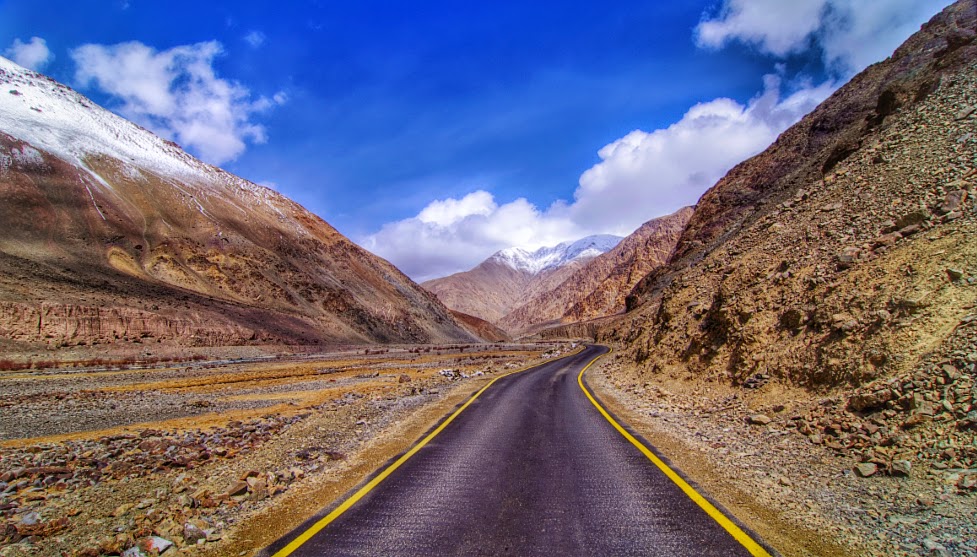
Best Time to Visit Ladakh: Season, Road Openings & Temperature
Rohit Verma
February 19, 2026
Find the best time to visit Ladakh with season-wise weather, road opening windows, monthly travel insights, and practical tips for road trips, trekking, and Chadar plans.
Introduction
Ladakh is not a one-season destination. It behaves like two different worlds across the year: a high-altitude summer road-trip landscape from late spring to autumn, and an extreme winter region where temperatures drop sharply and travel options narrow. That is why choosing the best time to visit Ladakh should always begin with your purpose: scenic road trip, bike expedition, monastery circuit, high-altitude trekking, photography, or Chadar Trek.
For most first-time travelers, June to September is the easiest and most reliable window. Roads are generally open, weather is comparatively stable, and major attractions around Leh become easier to access. Winter, on the other hand, is for snow-focused and cold-tolerant travelers who are prepared for serious conditions.
This guide breaks down Ladakh season by season and month by month so you can plan the right trip with fewer surprises. If you are planning route specifics, also check road trip from Delhi to Leh Ladakh guide, guide to Pangong Lake, and best time for Leh Ladakh bike trip.
Best Time to Visit Ladakh: Quick Overview
If your priority is a smooth first trip, the best time to visit Ladakh is usually June to September. This is when both tourism infrastructure and road connectivity are strongest. If your goal is winter adventure, frozen landscapes, and Chadar Trek, January to February is the core period.
| Travel Goal | Best Months | Why It Works |
|---|---|---|
| First-time Leh sightseeing | June to September | Balanced weather, broader access, better comfort |
| Leh-Ladakh road trip | June to early October | Main highway season with clearer route windows |
| Bike expedition | June to September | Passes open and safer riding conditions |
| Chadar Trek | Mid-January to early February | Most stable frozen-river conditions |
| Low-crowd shoulder trip | May or late September | Fewer tourists with manageable conditions |
Ladakh Summer Season (May to September)
Summer is the main tourism season in Ladakh and the most practical choice for a majority of travelers. Daytime weather is far more comfortable than winter, and this is when you can combine monasteries, lakes, mountain passes, and local villages in one itinerary. By June, most travelers experience a good balance of accessibility and scenery, while July and August remain busy due to school holidays and group departures.
May is often a transition month. Some routes open, others open gradually, and conditions at higher passes can still be rough. September is a favorite among experienced travelers because skies are often clear, the landscape remains dramatic, and crowd pressure can be lower than peak summer weeks.
Summer Snapshot
- Typical daytime range in Leh region: around 15 to 25 degree C (can vary by altitude)
- Nights can still be cold, especially in exposed high-altitude areas
- Best for first-time visitors, family trips, and mixed-activity itineraries
- Higher hotel demand and pricing during core peak weeks

Ladakh Winter Season (October to April)
Winter in Ladakh is intense and beautiful, but it is not beginner-friendly in the same way as summer. Temperatures can drop to severe lows in many sectors, road movement becomes restricted, and several tourism services scale down. If you are visiting in winter, you should plan around air access to Leh and keep extra buffer days for weather-related disruptions.
October and early November are transitional, with a mix of autumn light and rapidly cooling nights. Deep winter sets in from December onward. January and February are the core months for the Chadar Trek window, while March and April begin gradual transition but still remain cold.
Winter travel rewards you with dramatic landscapes, low crowd density, and unique cultural atmosphere, but only if you are properly equipped for altitude and cold stress.
Winter Snapshot
- Temperature can drop well below freezing, especially at night
- Road access from plains is generally not dependable in peak winter
- Best for snow seekers, photographers, and Chadar-focused travelers
- Requires stronger acclimatization discipline and packing prep

Month-by-Month Ladakh Guide
May: Early season transition. Snow walls can remain near high passes and some sections may open in phases. Suitable for flexible travelers.
June: One of the strongest months for first-time visits. Better route reliability, active tourism services, and comfortable daytime exploration.
July: Peak movement month with high traveler volume. Good weather for most circuits, but book stays and transport in advance.
August: Similar to July in demand. Landscapes are vivid and routes remain active, though weather variability can still affect mountain roads.
September: Clearer skies and excellent photography conditions in many areas. Often considered one of the best-balanced months.
October: Late road season. Crisp weather and thinner crowds, but risk of early snow at high passes rises as month progresses.
November: Transition into winter. Many overland plans become unreliable; air-based Leh access becomes more practical.
December: Winter mode. Very cold, low tourist density, and limited movement windows.
January: Deep winter and Chadar period starts in earnest. Harsh but iconic.
February: Continued Chadar window in many seasons; still severe cold and logistics-sensitive.
March: Late winter feel. Gradual shift begins but not yet summer-access friendly.
April: Pre-summer transition. Conditions improve slowly, though complete overland confidence usually needs more time.

Best Time for Leh Ladakh Road Trips
For most travelers, June to early October is the practical road-trip window. This period aligns with the broader opening cycle of high-altitude highways and better fuel, accommodation, and support availability on popular routes. The Manali-Leh and Srinagar-Leh corridors do not always open or close on identical dates every year, so final movement should depend on official updates and local advisories near departure.
A useful planning approach is to prioritize Srinagar-side entry earlier in the season and keep Manali-side transit for windows when high-pass stability improves. By September, many road-trippers enjoy stronger visibility and lower chaos compared to peak summer rush.
If your itinerary includes multiple high passes, avoid aggressive same-day long transfers. Ladakh rewards slower pacing and acclimatization-aware movement more than rushed checklist travel.
Best Time for Trekking in Ladakh
Classic summer treks in Ladakh generally align with June to September. During this period, trail movement is more manageable and camping conditions are less extreme than deep winter. Popular multi-day options around Leh and adjoining valleys are usually planned in this span, with route-specific variation by altitude and snowline behavior.
If you are new to high-altitude trekking, avoid the earliest opening window and select a more stable phase in late June onward. Keep at least two acclimatization days in Leh before starting strenuous trail movement. This is a non-negotiable safety buffer, not an optional comfort add-on.
Winter trekking exists but belongs to experienced or guided formats only, especially when involving frozen terrain or technical exposure.
Best Time for Chadar Trek
The best time for Chadar Trek is typically mid-January to early February, when frozen-river conditions are usually most stable. Exact dates vary by annual temperature behavior, river flow, and safety assessments by local operators and authorities. Late-season warming can reduce surface reliability in some years.
Chadar is physically and mentally demanding. Temperatures can be extreme, and itinerary changes are common due to terrain behavior. Anyone attempting this should be well-prepared, adequately acclimatized, and guided by a reputable operator with active safety protocols.
If your primary dream is Chadar, plan the entire trip around it rather than adding it casually to a regular Ladakh holiday.
When to Visit Ladakh for Different Travelers
First-Time Travelers
Choose June, July, August, or September. These months offer the easiest combination of access, services, and manageable weather.
Bike Riders
June to September is usually best for road confidence and pass availability. Always keep weather buffers.
Couples and Scenic Travelers
June and September are excellent for balanced weather, dramatic landscapes, and smoother experience quality.
Adventure and Extreme Experience Seekers
January-February for Chadar-focused plans; late season road months for long overland circuits.
Crowds, Budget, and Season Trade-offs
Peak summer (especially June to August) brings best accessibility but also higher prices and heavier tourist load. Shoulder windows like May and September can offer better value and calmer pacing, but conditions can be less predictable at the edges of season transitions. Winter may reduce crowd pressure significantly, but logistics, comfort, and safety demands rise sharply.
The smartest planning choice is rarely the cheapest date in isolation. Instead, match your budget to the season that can realistically deliver your intended experience.
Essential Seasonal Planning Tips
- Acclimatize in Leh for 48 hours before heavy activity.
- Keep 1-2 buffer days for weather-related route changes.
- Do not assume all highways open on fixed calendar dates every year.
- Pack layered clothing even in summer because nights remain cold.
- In winter, prioritize thermal systems, hydration, and conservative daily movement.
- Check route status and local advisories close to departure, not only at booking time.
Common Mistakes to Avoid
- Planning tight itineraries in a high-altitude region with volatile weather.
- Ignoring acclimatization and pushing long drives immediately after arrival.
- Choosing deep winter dates without cold-readiness and contingency plans.
- Assuming internet-era road updates from old posts are still valid.
- Booking peak-season travel too late and overpaying for compromised options.
Conclusion
The best time to visit Ladakh depends on your purpose, but for most travelers the safest answer is June to September. This is when access, comfort, and itinerary flexibility align best. Choose January to February only if you are intentionally planning a winter-specific adventure such as Chadar Trek. Build your itinerary around acclimatization, route realities, and seasonal trade-offs, and Ladakh will feel far more rewarding than a rushed checklist trip.
Location
Frequently Asked Questions
Q1.What is the best month to visit Ladakh?
Q2.When do roads to Ladakh open?
Q3.Can we visit Ladakh in winter?
Q4.When is the best time for Leh Ladakh road trip?
Q5.Is May a good time to visit Ladakh?
Q6.When is Manali-Leh road open?
Q7.Is Chadar Trek worth it in winter?
Q8.How cold does Ladakh get in winter?
Recommended For You
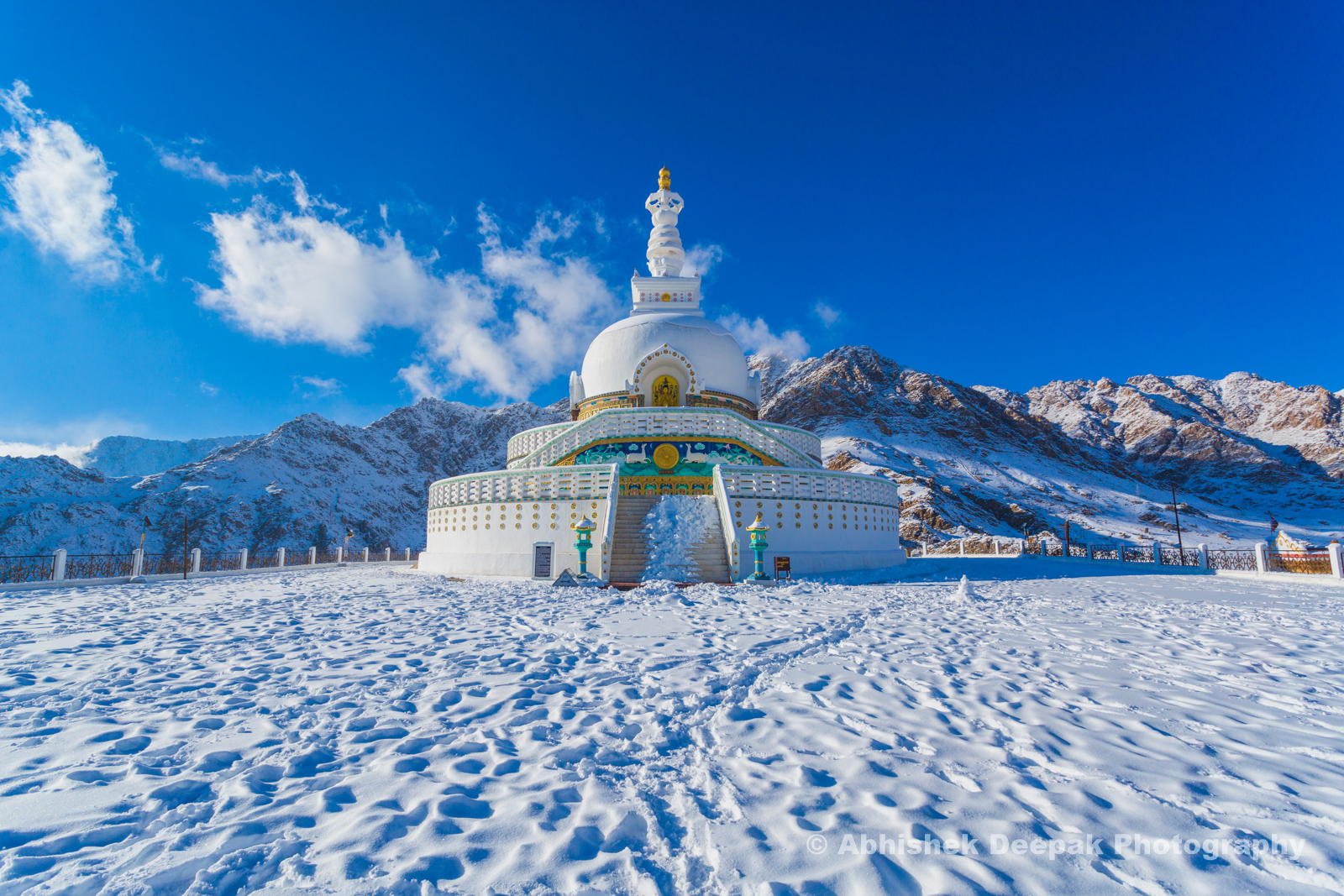
Ladakh in Winter: Weather, Access, Places & Travel Tips
Ladakh in winter guide with real temperature ranges, transport reality, places to visit, packing checklist, and safety-first itinerary tips.
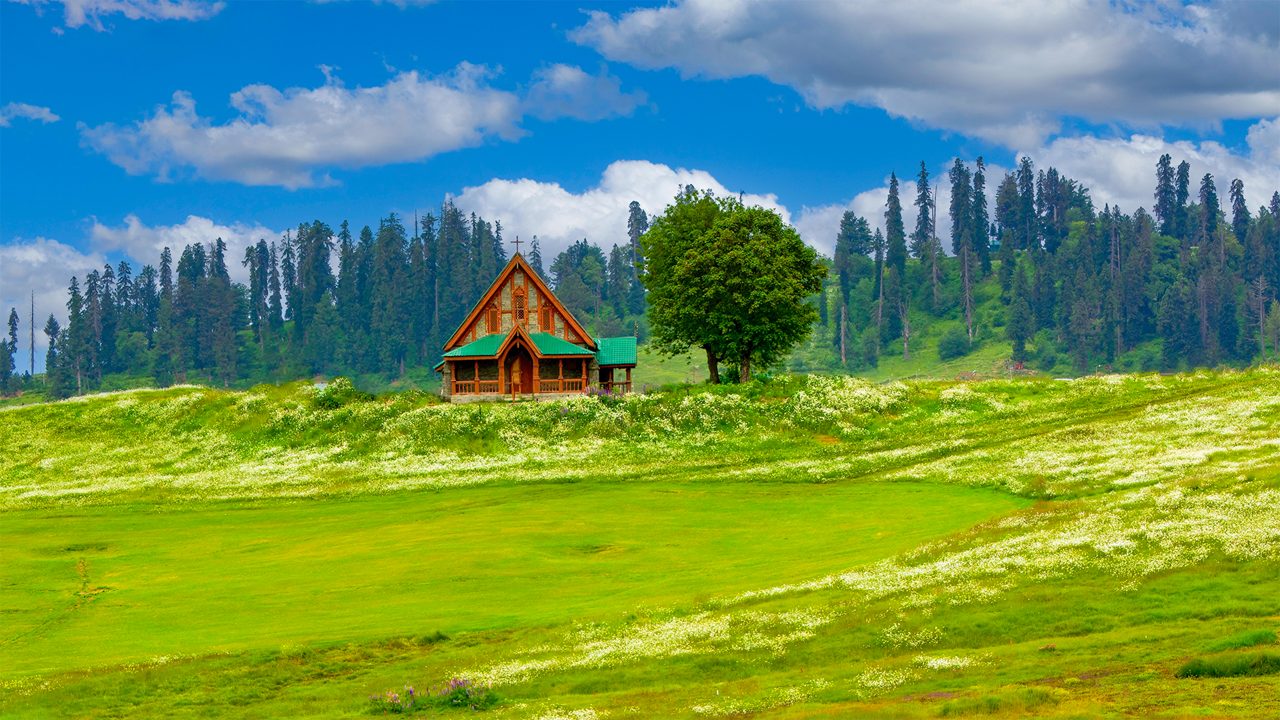
Best Time to Visit Kashmir: Month-by-Month Weather & Activities
Plan the best time to visit Kashmir with month-by-month weather, snow and bloom seasons, and practical guidance for sightseeing, honeymoon, and family travel.
Best Time to Visit Spiti Valley: Road Status, Season & Itinerary Fit
Discover the best time to visit Spiti Valley with season-wise weather, road status windows, and month-by-month planning tips for road trips, treks, and Chandratal.
Never Miss an Adventure
Get the latest trekking guides, travel tips, and exclusive offers delivered straight to your inbox.
