
Ladakh in Winter: Weather, Access, Places & Travel Tips

Priya Mehta
November 30, 2025
Ladakh in winter guide with real temperature ranges, transport reality, places to visit, packing checklist, and safety-first itinerary tips.
Introduction: Winter in the Land of High Passes
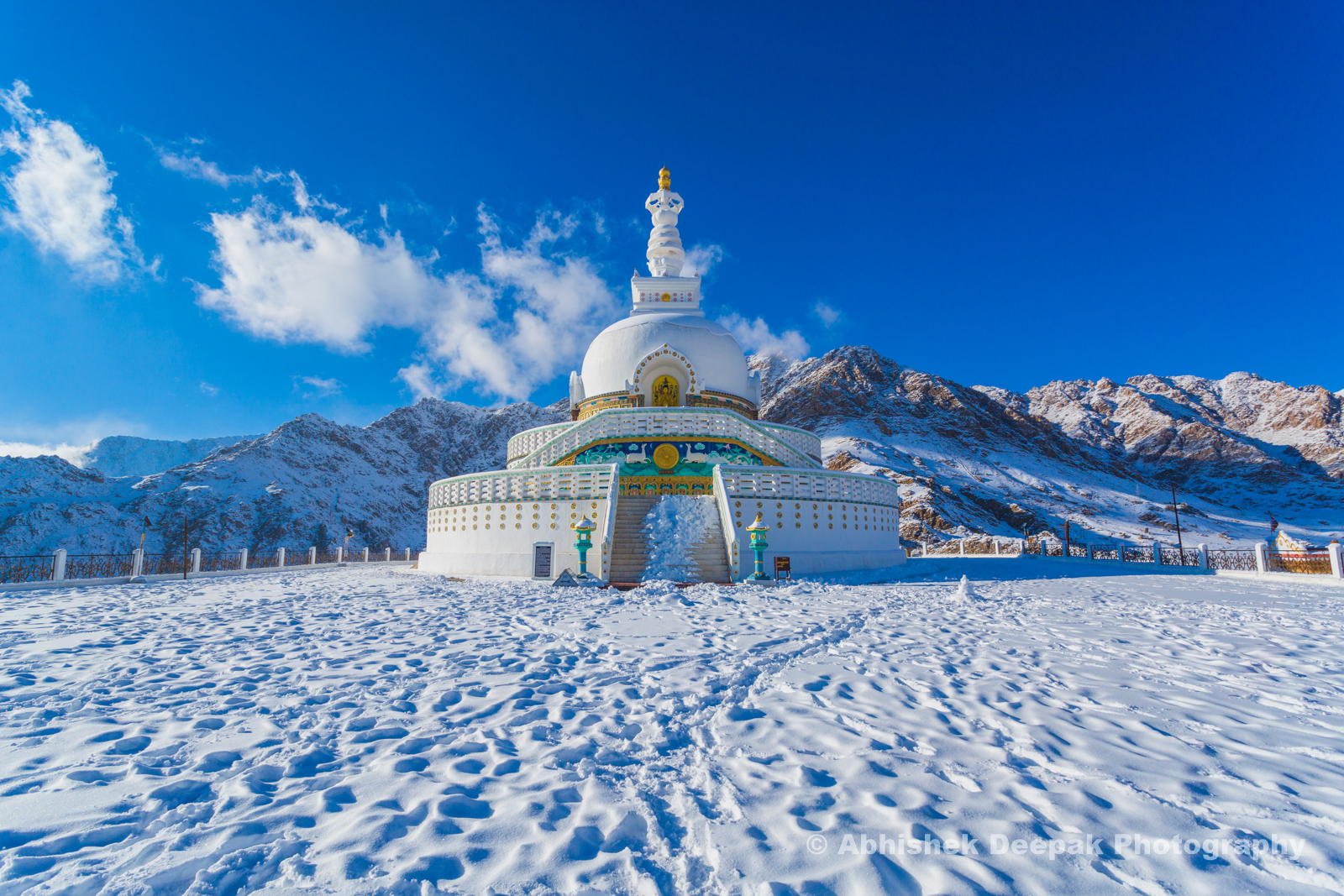
Ladakh in winter is a completely different destination from the summer version most travelers know. The same valleys that look dry and brown in warmer months become icy, silent, and dramatically photogenic. Lakes freeze at the edges, mountain passes shut down, and Leh turns into the operational base for most visitors. This season is less about fast sightseeing and more about preparation, patience, and high-altitude awareness.
If you want a winter Ladakh trip, the first truth is simple: this is not a casual vacation. Temperatures can drop below -20°C at night, road options are limited, and plans must stay flexible. But for travelers who prepare well, winter rewards are exceptional—clear skies, fewer crowds, stronger monastery experiences, and unforgettable frozen landscapes.
Use this guide with Ladakh in December, best time to visit Ladakh, and Chandratal trek in Spiti to compare winter mountain travel conditions across routes.
Winter Season in Ladakh: What Months Really Mean
Ladakh's winter season broadly runs from November to March, but each month behaves differently. November and March are shoulder windows with mixed conditions, while December to February is core winter with stronger cold, shorter daylight, and tighter travel logistics.
| Month Window | Condition Type | Planning Note |
|---|---|---|
| November | Transition to winter | Cold begins, roads start restricting |
| December | Established winter | Air travel dominant, deep cold nights |
| January | Peak winter | Coldest period, toughest conditions |
| February | Severe but stable | Still very cold, selective movement possible |
| March | Late winter transition | Improving daylight but still freezing nights |
Travelers often ask if Ladakh is open in winter. The accurate answer is: Ladakh is open, but access and movement are constrained. Leh remains active, yet many overland routes and remote sectors are not reliably accessible.
Ladakh Winter Temperature and Weather Reality
Weather in Ladakh winter is dry, cold, and strongly influenced by altitude. Daytime sun can feel manageable, but shadows, wind exposure, and evenings can become harsh quickly.
| Region | Day Temperature | Night Temperature | Condition Summary |
|---|---|---|---|
| Leh | -5°C to 5°C | -15°C to -25°C | Most manageable winter base |
| Pangong Side | -10°C to 2°C | -20°C to -30°C | Stronger exposure and wind chill |
| Nubra Sector | -8°C to 4°C | -18°C to -28°C | Access-dependent in peak winter |
| Zanskar Belt | -12°C to 0°C | -20°C to -35°C | High difficulty winter terrain |
Three weather factors matter most: low humidity, strong UV during clear days, and high wind chill. Travelers often underestimate dehydration in cold weather, so hydration discipline is essential even when you do not feel thirsty.
Road Connectivity and Transport in Winter
The major highways to Ladakh usually close in winter due to snowfall at high passes. This changes how you should plan arrival, backup days, and budget.
External Access
- Srinagar-Leh highway: Usually closed in deep winter.
- Manali-Leh highway: Usually closed in deep winter.
- Leh airport: Primary access route for most travelers.
Internal Movement
Leh town and several nearby monastery routes stay manageable depending on daily conditions. Long-distance winter drives require experienced local drivers and conservative timing. Even when roads are nominally open, early starts and weather buffers are non-negotiable.
| Transport Choice | Pros | Risk/Limit |
|---|---|---|
| Flights to Leh | Fast and practical access | Weather delays/cancellations possible |
| Local taxi | Driver familiarity with winter roads | Higher day cost in difficult weather |
| Self-drive rental | Control over pacing | Not ideal for first-time winter visitors |
| Shared options | Budget benefit | Lower flexibility for itinerary changes |
Places to Visit in Ladakh in Winter
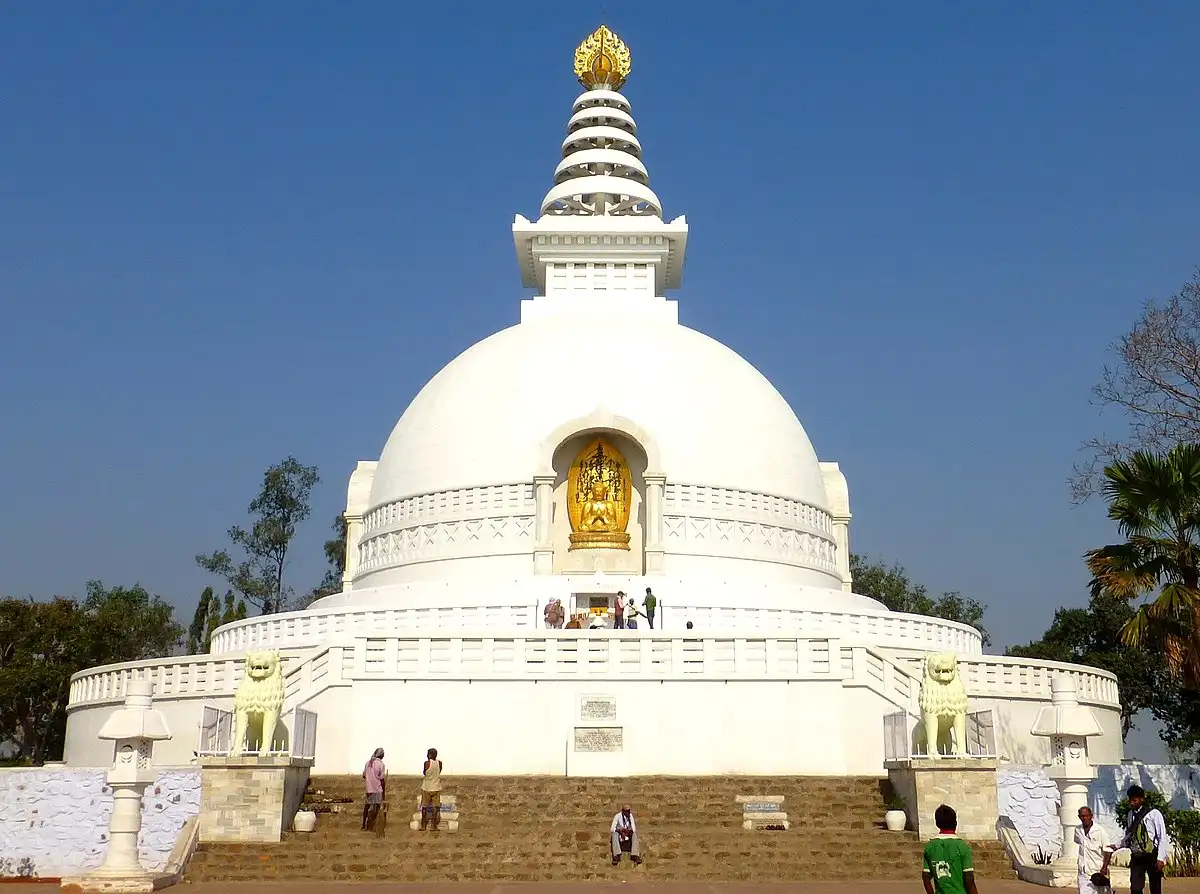
Winter sightseeing should focus on realistic, weather-safe options rather than aggressive route coverage. Leh-centered circuits usually work best.
Leh Town Core
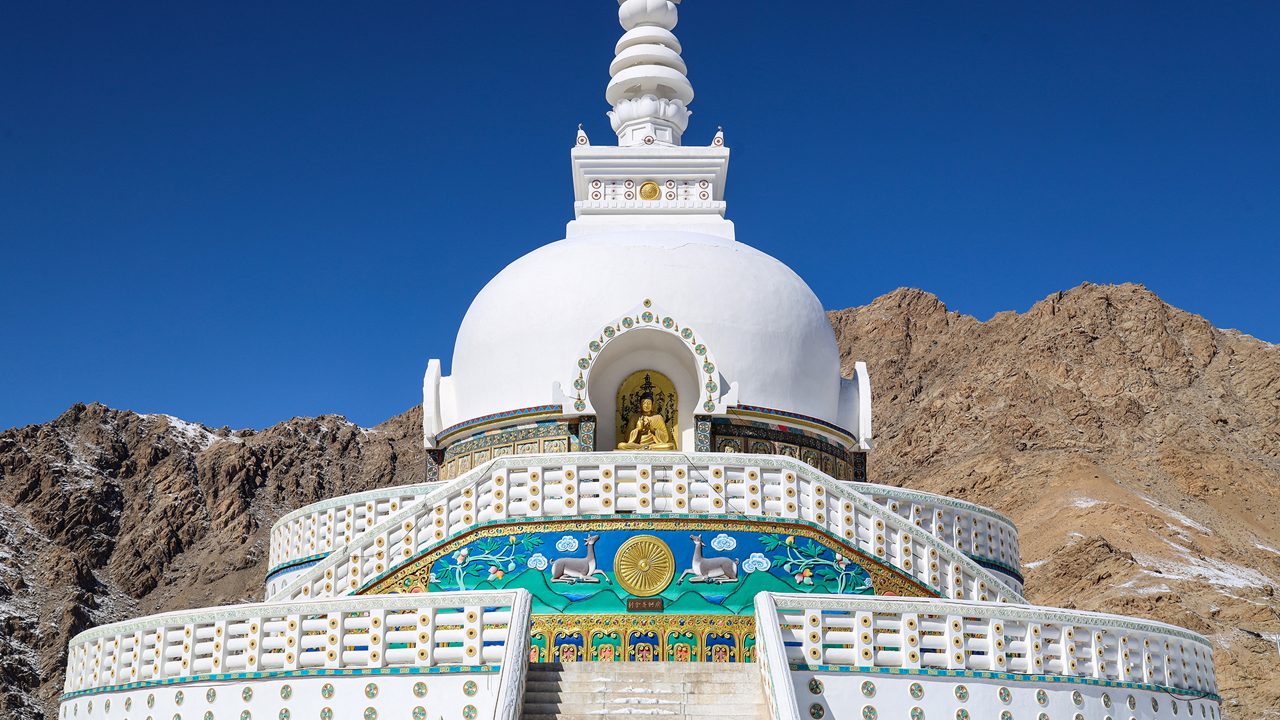
- Shanti Stupa Ladakh for panoramic snow-season views.
- Leh Palace for architecture and winter skyline frames.
- Hall of Fame in Leh for cultural and military context.
Monastery Circuit (Condition Dependent)
These locations are ideal for travelers interested in quiet cultural experiences, contemplative spaces, and winter photography without peak-season crowd pressure.
Things to Do in Ladakh in Winter
1) Winter Monastery Visits
Winter gives a calmer environment for monastery exploration. Ritual spaces feel less crowded, and you can spend more time observing architecture, murals, and monastic rhythm respectfully.
2) Frozen-Landscape Photography
Clear skies, snow contrast, and low winter sun create excellent visual depth. Carry spare batteries inside inner jacket pockets, because cold weather drains charge quickly.
3) Cultural Food Trail in Leh
Use winter evenings to experience local cuisine. Warm soups, butter tea, and traditional dishes are practical for acclimatization and energy.
4) Chadar Trek Planning Window
For adventure travelers, winter is the season linked with frozen-river trekking in the Zanskar region. This should be attempted only with reputed operators, full gear checks, and realistic fitness preparation.
5) Slow-Travel Urban Walks
Leh market and nearby neighborhoods in winter reveal local adaptation patterns, architecture, and daily routines that many summer itineraries miss.
Packing Essentials for Ladakh Winter Trip
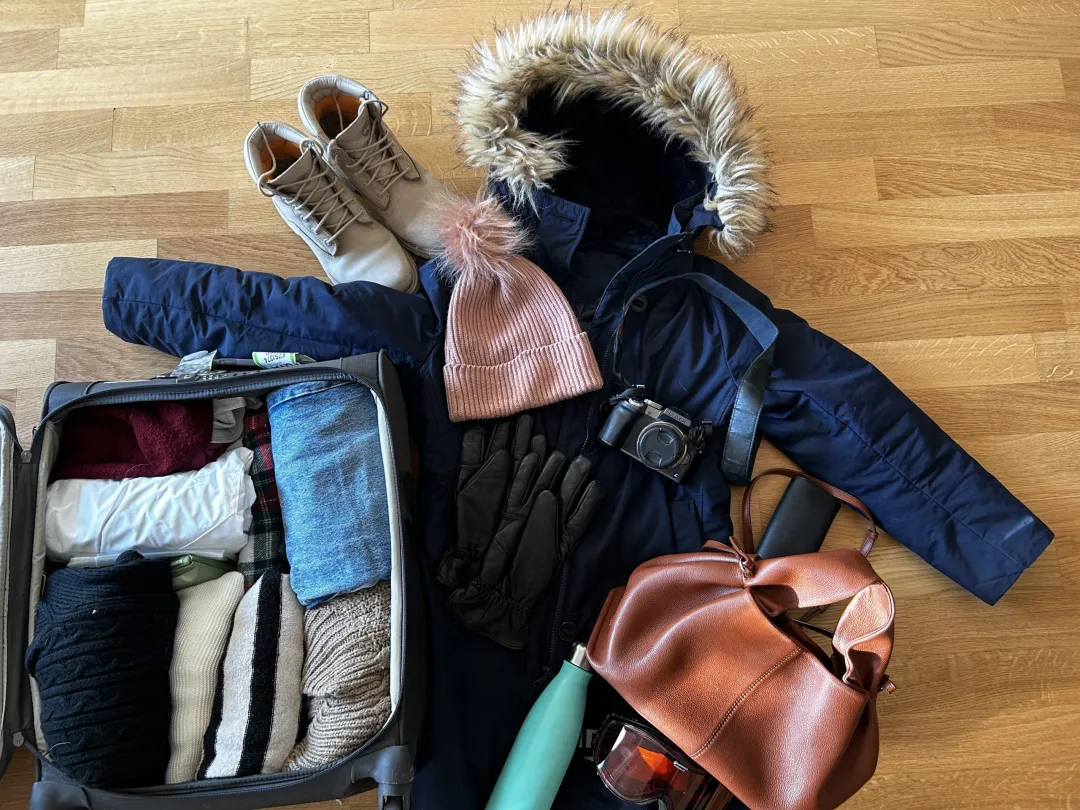
Packing errors are the most common reason winter trips feel difficult. Layering and protection for extremities should be prioritized over fashion or minimal-bag goals.
| Category | Must-Carry Items |
|---|---|
| Base Layers | Thermal top and bottom sets (multiple) |
| Insulation | Fleece/wool mid-layers and heavy down jacket |
| Outer Protection | Windproof and water-resistant shell |
| Footwear | Insulated boots with grip, wool socks |
| Hands/Head | Insulated gloves, cap, neck gaiter, face cover |
| Skin/Health | Sunscreen, lip balm, moisturizer, basic meds |
| Electronics | Power banks, extra batteries, charging cables |
Carry a small medical kit with doctor-advised altitude support medicines. Keep all medication in hand baggage, not check-in luggage.
Pros and Cons of Visiting Ladakh in Winter
| Pros | Cons |
|---|---|
| Exceptional frozen scenery and clean light | Extreme cold and high physical stress |
| Lower crowd density at key landmarks | Limited access beyond core routes |
| Quieter monastery and local cultural experience | Weather-related flight uncertainty |
| Strong photography conditions | Requires expensive cold-weather gear |
| Unique adventure-season opportunities | Not suitable for all health profiles |
Winter Ladakh is worth it when your expectations are aligned with conditions. Travelers looking for comfort-first tourism may prefer shoulder or summer windows.
Sample 5-Day Ladakh Winter Itinerary
| Day | Plan Focus | Goal |
|---|---|---|
| Day 1 | Arrival in Leh + rest | Acclimatization and hydration |
| Day 2 | Leh local circuit + Shanti Stupa | Low-intensity exploration |
| Day 3 | Monastery route (condition dependent) | Cultural immersion |
| Day 4 | Flexible day for weather-based activity | Buffer against delays |
| Day 5 | Departure with contingency margin | Stress-free exit planning |
This pattern protects health and reduces itinerary collapse from weather disruptions. Add extra days if you want longer drives or adventure components.
Where to Stay in Ladakh During Winter
Accommodation in winter is available but reduced compared to peak season. Leh remains the most practical base because hotels, guesthouses, and homestays with heating support are concentrated there. Some properties offer room heaters, while others rely on heavy winter bedding and common heated spaces. Confirm heating type before booking and avoid assumptions.
Homestays can be a strong option for travelers who want cultural depth and local food. They also help you understand how residents adapt to long winters through insulation methods, daily routines, and winter meal planning. If you are traveling with family, prioritize reliable heating and easy market access over ultra-budget choices.
| Stay Type | Strength | Watch-Out |
|---|---|---|
| Hotel in Leh | Comfort and service consistency | Can be expensive on high-demand dates |
| Guesthouse | Budget flexibility | Heating standards vary widely |
| Homestay | Authentic local winter experience | Facilities can be basic for some travelers |
Winter Budget and Planning Buffers
Ladakh in winter can be cost-efficient in some categories, but flight costs and weather contingencies can increase total spend. Build your budget in three layers: fixed transport, daily local expenses, and emergency buffer. The emergency part is essential because weather delays may extend your stay by one or two days.
A practical budget model includes flexible return tickets where possible, one reserve amount for unexpected local transport, and backup spending for additional accommodation nights. This planning style prevents rushed decisions when weather conditions change. Winter success in Ladakh is usually less about finding the cheapest plan and more about creating a resilient plan.
Before finalizing bookings, create a written pre-departure checklist with your flight buffer plan, stay contact numbers, local taxi backup, and daily weather checks for Leh and your intended day-trip zone. This simple step reduces on-ground decision fatigue and helps you react quickly when winter conditions shift. Travelers who maintain this checklist approach usually report smoother and safer winter execution.
Safety Rules You Should Not Ignore
- Give your body 24-48 hours to acclimatize after landing.
- Avoid overexertion on the first two days.
- Keep hydration and warm-fluid intake consistent.
- Do not rely on one fixed return-day plan; keep buffer.
- Use only experienced winter drivers for outstation routes.
- Respect local guidance when weather worsens.
In Ladakh winter, good decisions matter more than aggressive travel goals.
Conclusion
Ladakh in winter offers one of India's most distinctive seasonal travel experiences: frozen landscapes, quiet monasteries, intense weather, and deeply memorable high-altitude atmosphere. It is not the easiest time to visit, but it can be the most rewarding for travelers who plan responsibly.
Prioritize acclimatization, keep realistic route expectations, and build your itinerary around weather flexibility. With that approach, winter in Ladakh becomes a powerful journey in both landscape and mindset and confidence always.
Location
Frequently Asked Questions
Q1.Can we visit Ladakh in winter?
Q2.Is Ladakh open in January?
Q3.What is Ladakh winter temperature range?
Q4.Are roads to Ladakh open in winter?
Q5.What are the best places to visit in Ladakh in winter?
Q6.What should I pack for a Ladakh winter trip?
Q7.Is Chadar Trek possible in winter?
Q8.How many days are ideal for Ladakh in winter?
Recommended For You
Leh Ladakh Bike Trip: Complete Route And Itinerary Plan
Plan Leh Ladakh bike trip with route choices, itinerary, cost, permits, acclimatization tips, and practical riding prep for a safer high-altitude ride.
Shanti Stupa Leh: Timings, History & Sunrise-Sunset Views
Explore Shanti Stupa Ladakh with history, timings, sunset views, route guidance from Leh, and practical tips for a smooth and meaningful visit.
Chandratal Trek Spiti: Difficulty, Route and Itinerary
Plan Chandratal Trek in Spiti with route options, difficulty level, itinerary, packing list, camping rules, and altitude safety guidance for a reliable trip.
Never Miss an Adventure
Get the latest trekking guides, travel tips, and exclusive offers delivered straight to your inbox.
