
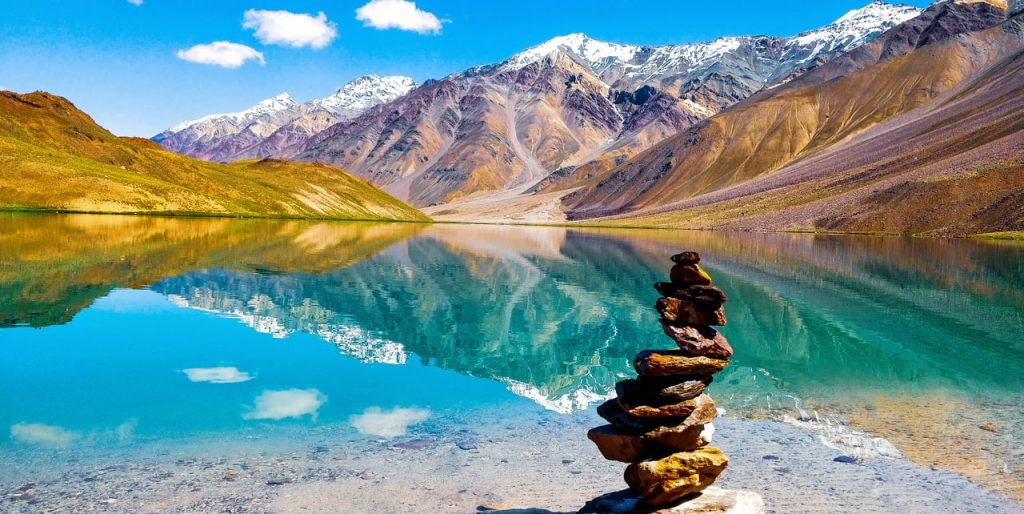
Best Time to Visit Spiti Valley: Road Status, Season & Itinerary Fit

Neha Kapoor
February 19, 2026
Discover the best time to visit Spiti Valley with season-wise weather, road status windows, and month-by-month planning tips for road trips, treks, and Chandratal.
Introduction
Spiti Valley is not a standard hill destination. It is a high-altitude cold desert in Himachal Pradesh where travel depends heavily on season, road status, and weather windows. The landscape is dramatic throughout the year, but your actual experience can differ sharply between summer accessibility, autumn clarity, and winter extremes. That is why the best time to visit Spiti Valley should be chosen by travel purpose, not just calendar convenience.
If you want a first trip with maximum route flexibility, monastery visits, and easier sightseeing, summer is usually the best choice. If you prefer fewer crowds and crisp views, autumn can be excellent. If you are intentionally chasing snow and remote winter mood, you need a tougher plan with backup days. This guide breaks down season-by-season and month-by-month planning so you can choose realistic dates and avoid common route mistakes.
For route and itinerary depth, also read Spiti Valley road trip, Spiti Valley in summer, and Chandratal Lake travel guide.
Best Time to Visit Spiti Valley: Quick Answer
For most travelers, the best time to visit Spiti Valley is June to September. This is when major sightseeing circuits are most practical, the weather is comparatively stable during the day, and road-trip planning is easier than winter months. October can still work for experienced travelers seeking fewer crowds, while winter travel is best for those who are prepared for severe cold and limited mobility.
| Travel Goal | Best Months | Why It Works |
|---|---|---|
| First-time Spiti trip | June to September | Best balance of weather, roads, and services |
| Road trip circuit | June to early October | Wider route access and higher planning confidence |
| Photography and clear skies | September to October | Sharp landscapes, thinner crowds |
| Snow and winter mood | December to March | Extreme cold-desert winter experience |
| Budget shoulder travel | May or October | Potential value with higher weather variability |
Summer in Spiti Valley (June to September): Peak Travel Season
Summer is the strongest season for Spiti planning, especially for first-time visitors. Daytime weather is generally comfortable for sightseeing and long drives compared with the rest of the year. Villages, monasteries, and valley viewpoints are easier to include in one itinerary, and tourism services operate more consistently.
June and July are popular for road-trippers and bikers. August remains active, though weather behavior can still affect approach routes in the wider Himalayan region. September often becomes a favorite month for experienced travelers because skies can be clearer, crowd density may reduce, and photography conditions improve.
Summer Snapshot
- Typical daytime feel: cool to pleasant in most valley sectors
- Best for: road trips, monastery circuits, village stays, first-time travelers
- Challenges: peak demand in core weeks, early booking needed
- Packing: layered clothing because nights remain cold at altitude

Autumn in Spiti Valley (October to November): Clear Views and Fewer Crowds
Autumn is short but rewarding. Early October can be excellent for those who want cleaner skies, quieter routes, and slower travel rhythm. Landscape contrast becomes stronger, and the valley can feel more open than in peak-season traffic windows.
By late October and November, temperatures drop sharply and route uncertainty increases. This period demands tighter planning around weather and road updates. If you choose autumn, prioritize conservative transfer days and avoid overloading the itinerary with long cross-valley movement.
For photographers and repeat visitors, early autumn is often one of the most satisfying times to experience Spiti.
Winter in Spiti Valley (December to March): Extreme, Remote, and Demanding
Winter transforms Spiti into a high-altitude extreme environment. Temperatures drop far below freezing in many areas, snow conditions intensify, and movement can become difficult. This is not the ideal season for casual first-time trips, but it attracts adventure-focused travelers who want raw winter landscapes and minimal crowds.
Winter plans usually require more buffers, robust clothing systems, and realistic expectations around transport delays. Services are available in limited form depending on location and weather. If you are visiting in this season, health preparedness and acclimatization discipline become even more important than in summer.
Winter Snapshot
- Best for: cold-desert winter experience, snow landscapes, serious adventure travel
- Main challenge: extreme cold and route unpredictability
- Planning rule: keep backup days and avoid fixed tight schedules

Spring in Spiti Valley (April to May): Transition and Gradual Opening
Spring is a transition period when conditions improve gradually but not uniformly. Some sections become easier while higher routes may still face snow-related constraints. This is a good time for travelers who prefer lower crowd pressure and can handle flexible planning.
May often marks the early build-up toward main-season movement. However, road confidence can vary each year depending on snowfall and clearance progress. If you choose spring, stay alert to route advisories and avoid tightly packed multi-destination plans.
Spring can deliver a quieter Spiti experience, but only with realistic expectations.
Best Time for Spiti Valley Road Trip
The core road-trip window for Spiti is usually June to early October. Within that period, route reliability is generally higher and stopover planning is easier. Many travelers use a circuit approach by entering and exiting through different routes based on current road status and comfort level.
As a broad pattern, the Shimla-Kinnaur side can become usable earlier than the high-pass Manali side in many seasons, while the Manali-Kunzum approach typically performs best in summer windows after clearance. Exact opening and closing timelines can shift every year, so final travel decisions should always be based on current updates near departure.
If you are driving your own vehicle, avoid aggressive daily distances at altitude. Build rest and acclimatization into the route. For bikers, weather-proof gear and conservative mountain-riding windows are essential for safety and trip continuity.
Best Time for Treks in Spiti Valley
For most popular high-altitude Spiti trekking routes, July to September is generally the best period. Trails are relatively more workable, day temperatures are manageable, and logistics are easier than shoulder or deep winter phases. June can also work on select routes depending on snow conditions and local guidance.
Valley-level walks and shorter hikes can be planned from late spring through autumn, but serious multi-day treks should be scheduled with weather windows in mind. Always include acclimatization time before demanding trail days, especially if you have arrived from lower altitude recently.
Winter trekking in and around Spiti is for experienced, well-supported teams. Do not treat it as a normal extension of summer travel planning.
Best Time for Chandratal Lake
Chandratal is strongly seasonal and is most practical in the main summer-autumn window, usually from around June through September and sometimes into early October depending on weather and road condition. In peak winter and heavy snow phases, direct access is generally not feasible.
If Chandratal is a key goal of your trip, place it in the middle of your itinerary rather than at the very end. This gives you flexibility in case weather or road movement changes unexpectedly.
Spiti Valley Weather by Month and Road Outlook
| Month | Travel Character | Road/Route Outlook |
|---|---|---|
| January | Deep winter, severe cold | Highly restricted and weather-sensitive |
| February | Extreme winter continues | Limited movement; expedition mindset needed |
| March | Late winter transition | Still constrained; keep conservative plans |
| April | Early thaw phase | Gradual improvement on select sections |
| May | Shoulder month | Access improves, but higher sectors remain variable |
| June | Main season starts | Road-trip viability rises significantly |
| July | Peak season | Strong route usability with active tourism flow |
| August | High activity month | Good access; monitor weather-driven changes |
| September | Clear and scenic | Excellent for road and photography plans |
| October | Late season window | Good early month, increasing cold later |
| November | Transition to winter | Route confidence drops sharply |
| December | Winter setup complete | Restricted, cold-intensive travel phase |

Crowd and Budget Strategy
Peak months can bring better route confidence but higher prices and earlier sell-outs for stays in key hubs like Kaza. Shoulder periods may offer better value, yet require flexibility and tolerance for weather uncertainty. The best strategy is to pick your target experience first, then optimize budget inside that seasonal window.
Travelers who plan in advance usually get better room selection, smarter transport timing, and less stress in high-altitude transitions.
Packing and Practical Planning Tips
- Carry thermal layers in every season, including summer nights.
- Keep one or two buffer days for weather and road variability.
- Hydrate consistently and include acclimatization days before intense activity.
- Do not rely on one old road-status source; cross-check close to departure.
- In shoulder and winter months, prioritize safety over itinerary speed.
Since road access changes drastically by season, it is worth reading our dedicated breakdown of Spiti Valley road conditions before finalizing your route and travel window.
Common Mistakes to Avoid
- Treating Spiti like a normal weekend hill station itinerary.
- Skipping acclimatization and pushing long drives immediately.
- Planning fixed road circuits without seasonal backup routes.
- Underestimating night temperatures in non-winter months.
- Adding Chandratal without checking current route feasibility.
Conclusion
The best time to visit Spiti Valley for most travelers is June to September, when roads, weather, and itinerary flexibility align best. Choose October for clearer skies and thinner crowds if you can handle colder transitions. Choose winter only for intentional extreme travel with full preparation. Match your dates to your travel goal, keep road-aware buffers, and Spiti will reward you with one of the most distinctive mountain experiences in India.
Location
Frequently Asked Questions
Q1.What is the best month to visit Spiti Valley?
Q2.Can we visit Spiti Valley in winter?
Q3.When is the road to Spiti Valley open?
Q4.Does it snow in Spiti Valley?
Q5.How cold is Spiti in December?
Q6.When is the best time for Chandratal Lake?
Q7.Can we do a Spiti road trip in July?
Q8.Which route is better for Spiti planning?
Recommended For You
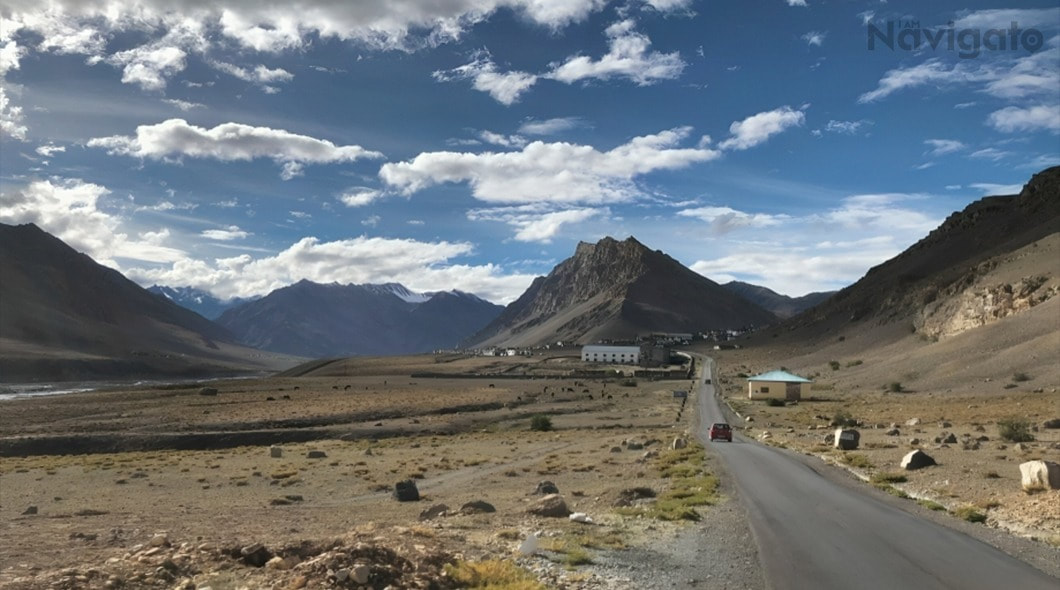
Spiti Valley Road Condition: Status
Latest practical guide to Spiti Valley road conditions with route-wise status, pass updates, monthly travel windows, and vehicle readiness tips.
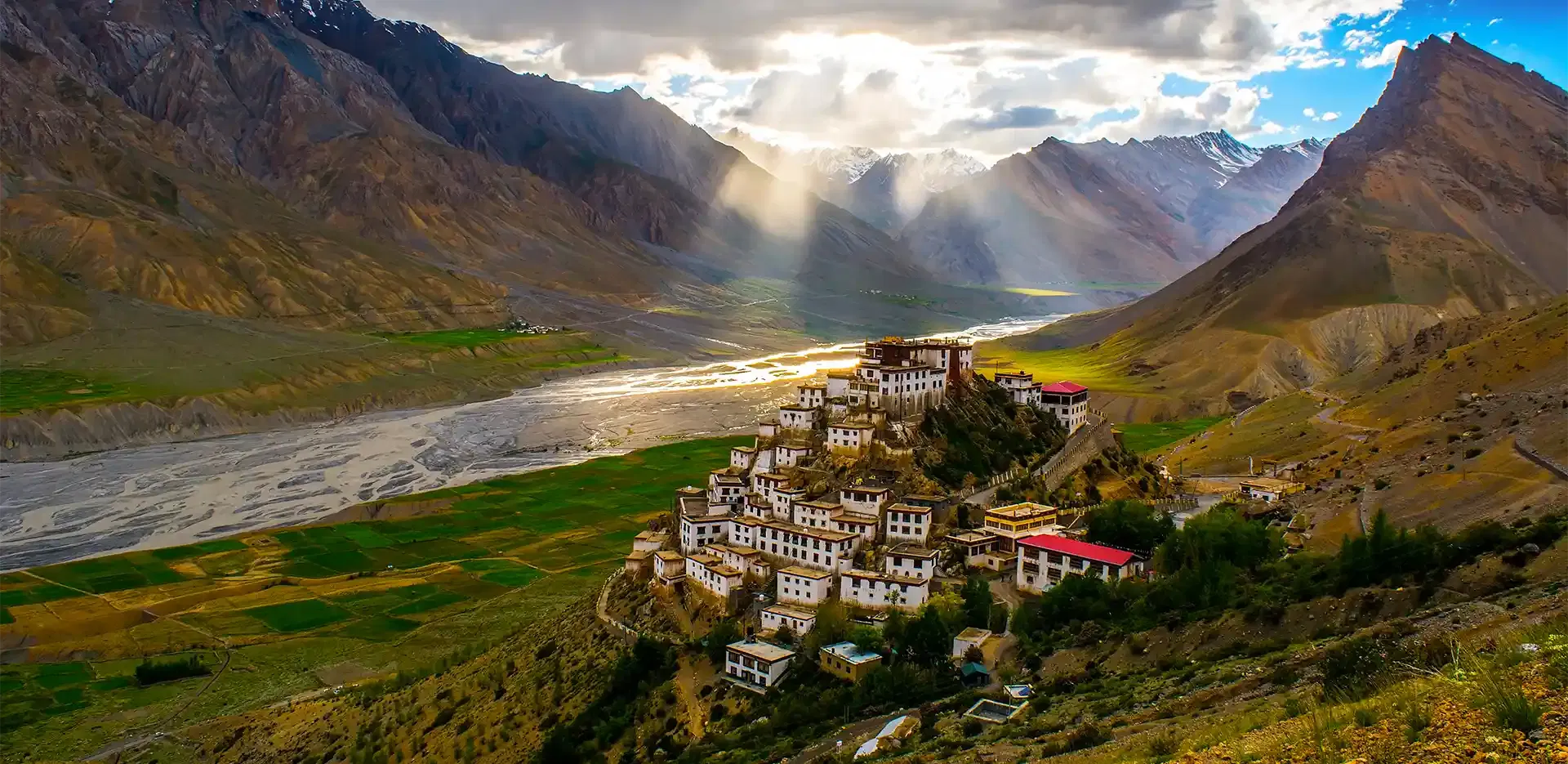
Spiti Valley Weather: Best Time To Visit And Conditions
Complete Spiti Valley weather guide with month-wise temperature, rainfall, and snowfall details. Best time to visit plus essential weather travel tips.
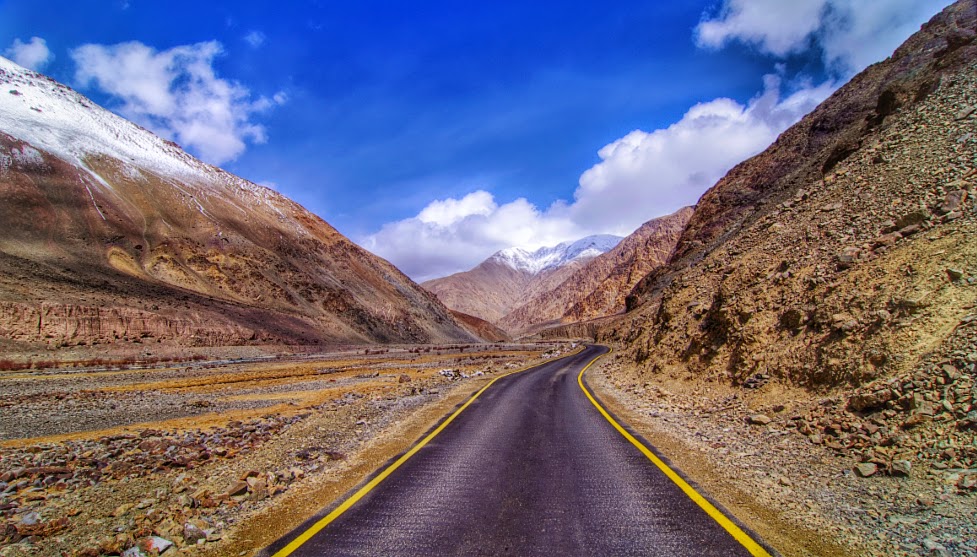
Best Time to Visit Ladakh: Season, Road Openings & Temperature
Find the best time to visit Ladakh with season-wise weather, road opening windows, monthly travel insights, and practical tips for road trips, trekking, and Chadar plans.
Never Miss an Adventure
Get the latest trekking guides, travel tips, and exclusive offers delivered straight to your inbox.
