
Best Time to Visit Ujjain: Season, Temple Crowd & Darshan Windows

Rohan Malhotra
February 19, 2026
Find the best time to visit Ujjain with month-wise weather, Mahakaleshwar darshan timing guidance, festival crowd tips, and practical planning advice.
Introduction
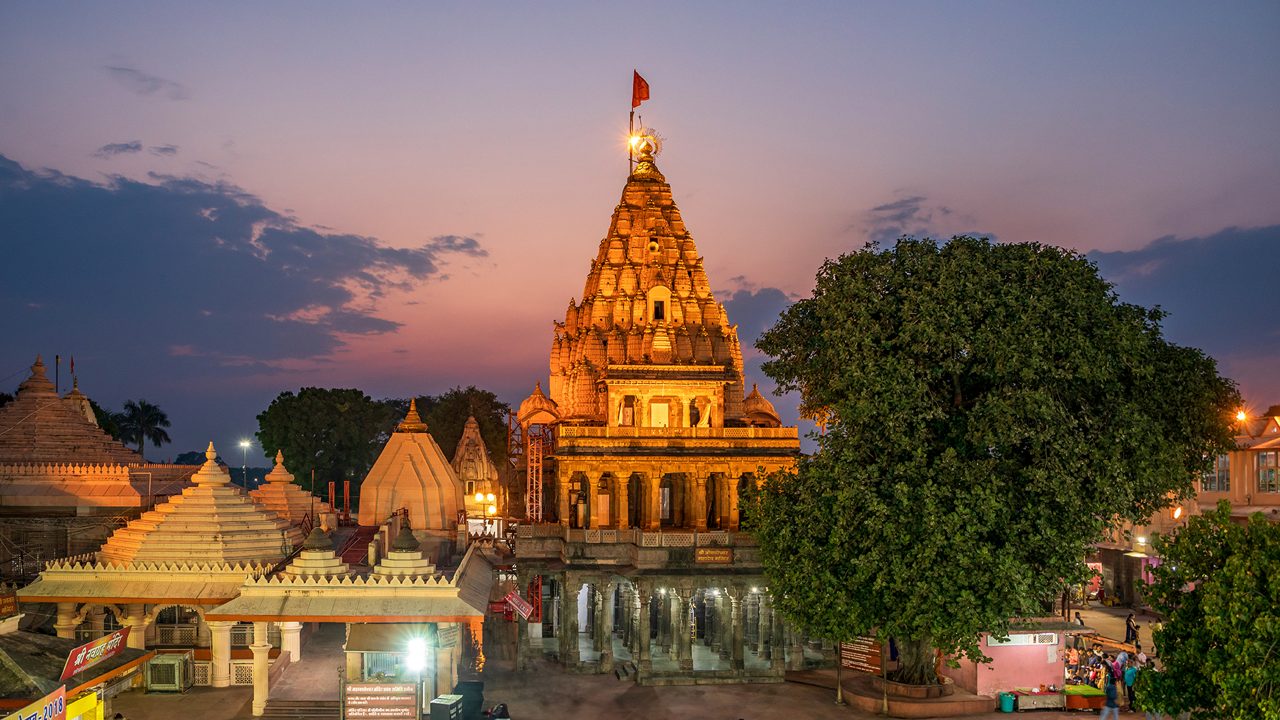
Ujjain is one of India's most important spiritual cities and one of the Sapta Puri pilgrimage destinations. For most travelers, the city is centered around Shri Mahakaleshwar Jyotirlinga, Shipra river ghats, and temple circuits that can become extremely busy during specific festivals. Because the local climate shifts from pleasant winter to intense summer heat, choosing the right month has a major impact on comfort, crowd level, and darshan experience.
The best time to visit Ujjain depends on your priority. If your focus is comfortable temple visits and city exploration, winter and early spring are usually best. If your priority is fewer crowds and lower stay prices, shoulder-season travel may suit you with heat or rain trade-offs. If you are planning around Mahashivratri or Simhastha-related interest, expect heavy demand and book early.
This guide gives a season-by-season and month-by-month planning framework for pilgrims, families, and first-time visitors. For broader planning, also read places to visit in Ujjain, places to visit near Mahakal Temple, and how to reach Ujjain temple.
Best Time to Visit Ujjain: Quick Answer
For most travelers, the best time to visit Ujjain is October to March. This period usually offers pleasant weather, easier temple movement, and better daytime comfort for darshan plus sightseeing. April to June can be very hot, while July to September brings monsoon humidity and occasional rain interruptions. Festival dates can alter crowd intensity in any season.
| Travel Goal | Best Months | Why It Works |
|---|---|---|
| General pilgrimage and sightseeing | October to March | Pleasant weather and better daytime mobility |
| Mahakaleshwar darshan comfort | November to February | Cooler mornings and easier waiting conditions |
| Lower-crowd shoulder travel | July to September, early April | Potentially lighter crowd density outside major festivals |
| Festival-focused visit | Mahashivratri period, Kartik season | Strong spiritual atmosphere and rituals |
| Budget-oriented travel | Summer and monsoon non-festival weeks | Possible hotel value with weather trade-offs |
Winter in Ujjain (October to February): Peak Season for Comfortable Darshan
Winter and post-monsoon months are generally the most recommended period for Ujjain travel. Temperatures are more manageable, temple queues feel less physically exhausting, and city movement during daytime is easier. Morning darshan, including early temple schedules, becomes more comfortable compared with peak summer heat.
October and November are popular for family travel and pilgrim groups. December and January can be cool in the morning and night but are usually pleasant for full-day temple circuits. February remains favorable, though crowd levels can rise around specific religious dates.
Winter Snapshot
- Typical range: around 12 degree C to 28 degree C
- Best for: darshan comfort, temple hopping, family pilgrimage
- Watch for: festival-day surges and holiday-week queues
- Planning tip: reserve stay near key temple zone if morning rituals are priority

Summer in Ujjain (March to June): Hot but Less Crowded
Summer in Ujjain can be intense, with high daytime temperatures, especially from April through June. Pilgrimage is still possible, but itinerary planning must adapt to heat. Early morning darshan and evening visits are far more practical than mid-afternoon temple movement in this season.
The upside is that non-festival weeks may feel less crowded compared with winter peaks. Travelers who are flexible with timing and can handle heat often find easier accommodation availability. Hydration, light cotton clothing, and sun protection are essential in this window.
If you are traveling with elders or children, summer should be planned carefully with shorter outdoor blocks and rest periods.
Monsoon in Ujjain (July to September): Moderate Weather and Spiritual Calm
Monsoon brings relief from peak summer heat, but humidity and periodic rain become part of the travel experience. Temple visits remain feasible, and some travelers prefer this season for a calmer city rhythm outside major festive peaks. Rain can briefly affect local movement, so buffer time is useful.
The monsoon period can work for devotees who want a quieter darshan-focused trip and can tolerate wet-weather logistics. Road and city mobility are usually manageable, but umbrellas, waterproof footwear, and flexible day plans help avoid discomfort.
If your priority is climate comfort plus low crowd intensity, monsoon shoulder windows may provide a practical middle path.

Best Time for Mahakaleshwar Darshan and Bhasma Aarti
Mahakaleshwar darshan is possible year-round, but comfort and queue experience vary strongly by month and date. For many pilgrims, November to February offers the best combination of weather and manageable physical strain during early-morning schedules. This is especially relevant for devotees planning Bhasma Aarti attendance, which requires early arrival and strict process adherence.
Festival periods can see heavy crowds regardless of weather, so advance planning is critical. If your trip is centered on peaceful darshan rather than festival participation, pick non-festival weekdays in cooler months. If your trip is festival-driven, plan with additional buffer time and realistic expectations for queue durations.
Always verify current temple procedures, dress requirements, and entry guidelines close to departure, as operational protocols can change.
Festival Calendar and Crowd Planning
| Festival/Event | Typical Timing | Travel Impact |
|---|---|---|
| Mahashivratri | February or March | Very high temple footfall and extended waiting times |
| Navratri | September or October | Strong devotional activity and local demand spikes |
| Kartik Purnima period | October or November | Pilgrim movement rises around religious observances |
| Shravan month observances | Monsoon period | Increased religious visits in Shiva-focused circuits |
Festival travel can be spiritually rewarding, but accommodation and local transport should be booked early. If comfort is your main goal, avoid peak ritual days and choose quieter slots around the same season.
Best Time for Simhastha and Kumbh-Related Planning
Ujjain's Simhastha Kumbh is a major cyclical pilgrimage event held at long intervals, and crowd scale during Kumbh-related windows is very different from regular tourism months. If your plan is specifically Kumbh-focused, travel strategy should prioritize security advisories, zone-based accommodation planning, and controlled local movement rather than casual city touring.
For most travelers not attending Simhastha, regular non-Kumbh years provide a far smoother experience for darshan and heritage exploration. If you are interested in Kumbh culture but not full-scale crowds, consider visiting Ujjain in a non-Kumbh season and focusing on temple heritage, riverfront rituals, and local spiritual circuits.
Ujjain Weather by Month: Quick Guide
| Month | Travel Character | Planning Note |
|---|---|---|
| January | Cool and pleasant | Excellent for long darshan days |
| February | Mild winter end | Great for pilgrimage with festival watch |
| March | Warming begins | Start early in day for temple visits |
| April | Hot conditions | Heat-aware itinerary required |
| May | Very hot | Limit afternoon outdoor movement |
| June | Hot with transition signs | Hydration and shade planning essential |
| July | Monsoon onset | Carry rain gear and flexible schedule |
| August | Humid monsoon | Useful for calmer darshan windows |
| September | Late monsoon | Mixed weather, manageable with buffers |
| October | Post-monsoon pleasant | One of the best times to visit |
| November | Comfortable and clear | Strong month for temple + sightseeing |
| December | Cool season | Ideal for family spiritual travel |

Crowd and Budget Strategy
Ujjain crowd levels are shaped more by religious calendar than weather alone. A cooler month can still be highly crowded around major observances. For better comfort, pick weekdays in winter shoulder windows instead of festival peaks. For better value, consider summer or monsoon non-festival weeks with weather-aware planning.
A practical approach is to decide your priority first: spiritual event participation, peaceful darshan, or budget travel. Then select dates that match that objective rather than choosing by temperature only.
Sample 2-Day Ujjain Timing Plan
If you are visiting for the first time, a two-day structure works better than a rushed same-day pilgrimage. Keep Day 1 focused on Mahakaleshwar-related darshan and nearby temples with a long afternoon rest in summer months. Use early morning and evening windows for major temple movement, as these are usually more comfortable and better aligned with devotional rhythm.
On Day 2, cover Shipra river ghats, heritage points, and secondary shrines such as the Chintaman Ganesh Temple at a moderate pace. During winter, you can stretch sightseeing hours. During summer and monsoon, avoid tightly packed transfer slots and maintain buffer time between rituals and transport. This approach reduces fatigue and helps keep the spiritual experience calm rather than hurried.
Travelers arriving by train in the morning should avoid locking immediate back-to-back rituals on arrival day. Keep check-in, refresh time, and local transport margins so darshan timing stays realistic. Even a small two-hour buffer can prevent missed slots and reduce stress during high-footfall periods.
Packing and Practical Tips
- Winter: light woolen layer for early mornings and nights.
- Summer: cotton clothing, cap, sunscreen, and hydration focus.
- Monsoon: umbrella, waterproof footwear, and quick-dry clothing.
- All seasons: keep darshan timing buffers and local transport margins.
- Temple visits: verify current dress and entry requirements before travel day.
Common Timing Mistakes to Avoid
- Planning temple-heavy days in peak afternoon summer heat.
- Assuming non-winter months are always uncrowded during festival dates.
- Ignoring early-arrival requirements for important rituals.
- Booking near festival periods at the last minute.
- Skipping buffer time between darshan slots and local travel.
Conclusion
The best time to visit Ujjain for most travelers is October to March, with November to February being especially comfortable for Mahakaleshwar-focused trips. Summer and monsoon can still work for budget or low-crowd travelers if you plan around heat and rain. Match your dates with darshan goals, festival intensity, and personal comfort level to get a smoother and more meaningful Ujjain journey.
Location
Frequently Asked Questions
Q1.What is the best month to visit Ujjain?
Q2.When is the best time for Mahakaleshwar darshan?
Q3.Is Ujjain worth visiting in summer?
Q4.Does Ujjain get very hot in April and May?
Q5.When is monsoon in Ujjain?
Q6.Can we attend Bhasma Aarti year-round?
Q7.Is Ujjain crowded during festivals?
Q8.When is Ujjain less crowded?
Recommended For You
Ujjain History: Ancient City Timeline, Temples & Cultural Legacy
Explore Ujjain's 3000-year history. Ancient Avanti, Vikramaditya capital, Mahakaleshwar temple, mythological significance & historical sites in Madhya Pradesh.
12 Jyotirlingas in India: Temple List, States, Route & Darshan Tips
Explore all 12 Jyotirlingas in India - sacred shrines of Lord Shiva. Complete guide with locations, significance, darshan timings, best time to visit, pilgrimage routes & travel tips.
12 Jyotirlinga Tour Package: Cost, Route & Itinerary
Planning a 12 Jyotirlinga tour package? Compare costs, routes, itinerary duration, best season, and practical booking tips for a smooth and spiritual yatra.
Never Miss an Adventure
Get the latest trekking guides, travel tips, and exclusive offers delivered straight to your inbox.
