
Best Time to Visit Varanasi: Weather, Ganga Aarti Season & Crowd Levels

Rohan Malhotra
February 19, 2026
Discover the best time to visit Varanasi with month-wise weather, Ganga Aarti comfort windows, festival crowd insights, and practical planning tips.
Introduction
Varanasi, also known as Kashi and Banaras, is one of the world's oldest continuously inhabited spiritual cities. Travelers come for the Ganga ghats, the Kashi Vishwanath Temple, sunrise boat rides, and the evening Ganga Aarti atmosphere at Dashashwamedh Ghat. But the city experience changes significantly across seasons. Winter feels comfortable for long temple and ghat walks, summer can be intense and hot, and monsoon brings humidity, rain interruptions, and changing river conditions.
Choosing the best time to visit Varanasi is less about one perfect month and more about matching your purpose. If your trip is centered on darshan, ghat exploration, and spiritual immersion, cooler months are usually better. If you want fewer crowds and lower pricing, off-season windows may work with weather trade-offs. If your priority is festival energy like Dev Deepawali, plan early because demand rises quickly.
This guide breaks down each season, festival windows, and month-by-month planning so your Varanasi trip is more meaningful and less rushed. For route and stay planning, also see Airbnbs in Varanasi, Chandrakoop Well in Varanasi, and sunrise experiences in Varanasi.
Best Time to Visit Varanasi: Quick Answer
For most travelers, the best time to visit Varanasi is October to March. These months usually offer pleasant weather for temple visits, riverfront walks, early-morning boat rides, and evening Aarti attendance. April to June can be very hot and physically demanding. July to September sees monsoon rain and humid conditions, which can affect day plans but may offer relatively lighter non-festival crowd windows.
| Travel Goal | Best Months | Why It Works |
|---|---|---|
| General spiritual travel | October to March | Pleasant weather for temples and ghats |
| Comfortable Ganga Aarti experience | November to February | Cooler evenings and better standing comfort |
| Festival-focused visit | October to November, February to March | Major religious celebrations and rituals |
| Budget-leaning travel | April to September (non-festival dates) | Potentially lower stay rates with weather trade-offs |
| Sunrise boat ride priority | November to February | Comfortable mornings and strong spiritual ambience |
Winter in Varanasi (October to February): Peak Season
Winter and post-monsoon months are generally the most recommended period for Varanasi. The weather is easier for long hours outdoors, and you can comfortably combine temple circuits, old-city lanes, ghat walks, and evening riverfront rituals in the same day. October and November usually bring pleasant conditions and festive momentum. December and January can be cold in the morning, but are still preferred by most pilgrims and first-time visitors.
This season is ideal for those planning early morning activities, including boat rides and temple darshan queues. Because demand is high, early booking for stays near key ghats or temple-access routes is useful. If your goal is a full spiritual itinerary without heat stress, winter is the best overall season.
Winter Snapshot
- Typical temperature range: about 12 degree C to 28 degree C
- Best for: pilgrimage, ghat exploration, cultural immersion
- Watch for: higher crowds around major festival dates
- Planning tip: start early each day for smoother darshan flow

Summer in Varanasi (March to June): Hot and Intense
Summer in Varanasi can be very hot, especially from April onward. Temple visits remain possible, but schedules should be adjusted. Early morning and late evening are better for outdoor movement, while mid-day hours are best reserved for indoor rest, meals, or short local transfers. Travelers who prefer cooler weather may find this season physically demanding.
The advantage is that some non-festival weeks can feel less crowded compared to winter peaks. If you are traveling on a tight budget and can manage heat, summer can still work with careful planning. Carry water, sun protection, and breathable clothing, and avoid overloading daily plans. For families with elders, conservative pacing is essential.
Monsoon in Varanasi (July to September): Rain and River Mood
Monsoon changes the mood of Varanasi. The city feels greener and more atmospheric, while rain and humidity become regular factors. Ghats and lanes remain active, but day plans need flexibility due to periodic showers and wet pathways. This season can be rewarding for travelers who prefer a quieter spiritual pace and do not mind weather unpredictability.
River conditions and steps at the ghats can vary, so it is wise to confirm local guidance before fixed boat schedules. If you plan monsoon travel, keep spare time in your itinerary and avoid strict back-to-back bookings. With practical preparation, this season can still deliver a meaningful Varanasi experience.

Best Time for Ganga Aarti in Varanasi
Ganga Aarti is one of Varanasi's most recognized spiritual experiences. While the ritual runs throughout the year, comfort and viewing quality vary by season and crowd levels. For most travelers, November to February offers the most comfortable evening conditions for standing, waiting, and absorbing the full atmosphere.
If your trip is centered around Aarti, plan to reach early for better viewing positions, especially on weekends and festival periods. During high-demand dates, crowd pressure rises quickly at major ghats. In summer, heat can make pre-Aarti waiting difficult; in monsoon, rain can affect visibility and movement. The best strategy is to combine cooler-season dates with weekday attendance where possible.
Many travelers also pair evening Aarti with a sunrise boat ride on another day to experience both spiritual moods of the river.
Festival Calendar and Crowd Peaks
| Festival/Event | Typical Timing | Travel Impact |
|---|---|---|
| Dev Deepawali / Kartik period | October or November | Extremely high demand and strong ritual atmosphere |
| Maha Shivratri | February or March | Heavy temple footfall and devotional processions |
| Holi period | March | Crowd surge with festive city activity |
| Shravan month observances | Monsoon period | Increased pilgrim movement in Shiva circuits |
Festival travel can be deeply rewarding but needs early bookings and realistic movement buffers. If your priority is calm darshan and unhurried exploration, avoid peak ritual dates in high-demand windows.
Best Time for Ghats Exploration and Boat Rides
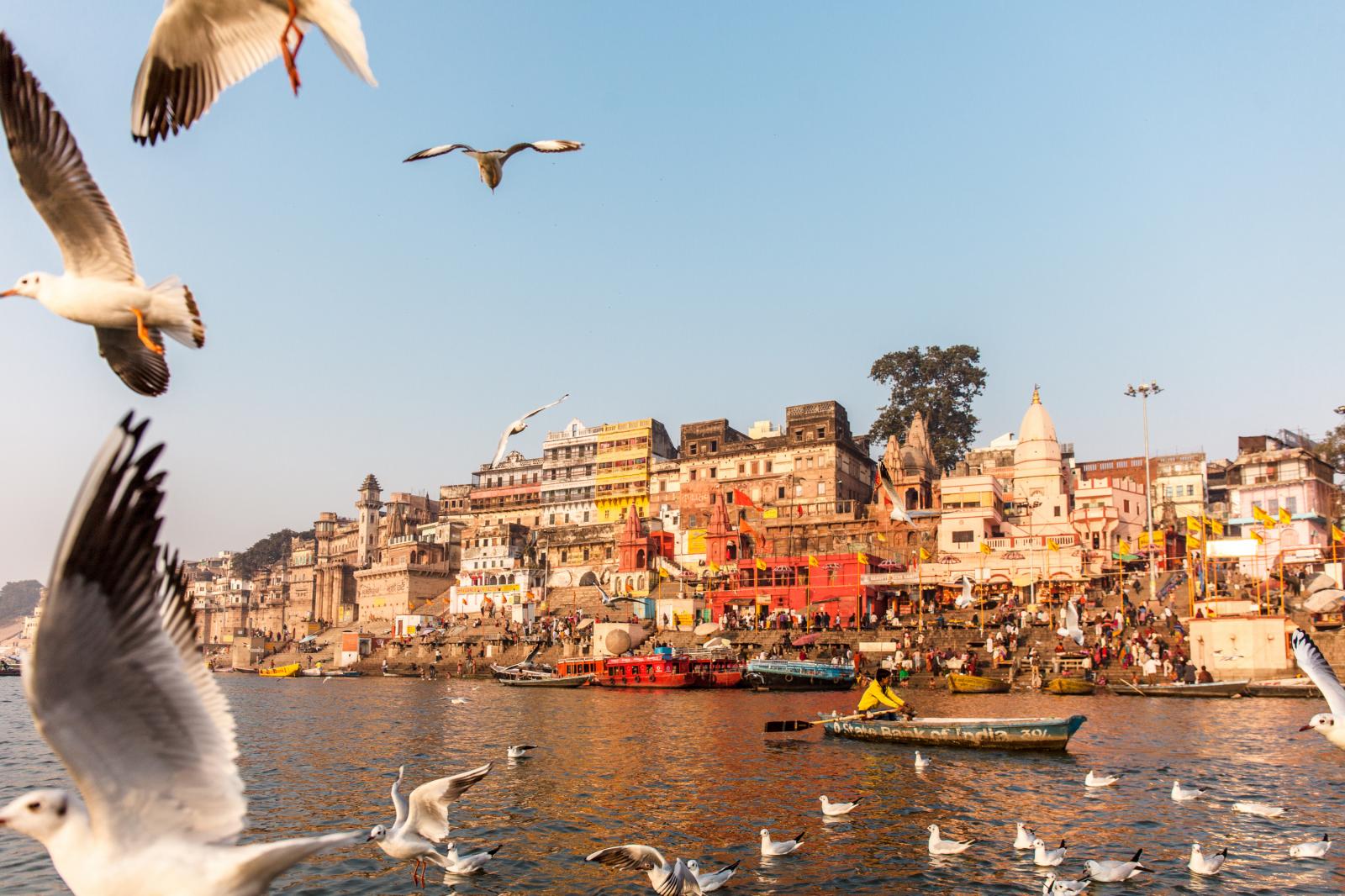
Ghats are best experienced in two time bands: sunrise and evening. Sunrise is ideal for river views, photography, and a quieter devotional rhythm. Evening is strongest for ceremony atmosphere and lit riverfront visuals. In terms of season, winter and post-monsoon months provide the most comfortable conditions for both.
During summer, ghat exploration is possible but should be planned around cooler hours. During monsoon, the visual experience can be dramatic, though wet surfaces and rainfall variability require caution. If ghats are your main reason to visit, prioritize October to February and keep one flexible weather day in reserve.

Varanasi Weather by Month: Planning Snapshot
| Month | Travel Character | Planning Note |
|---|---|---|
| January | Cool winter | Excellent for temple and ghat circuits |
| February | Pleasant winter end | Great for full-day spiritual itineraries |
| March | Warming transition | Start days early for comfort |
| April | Hot conditions | Limit midday exposure |
| May | Peak heat | Use strict hydration and shorter day plans |
| June | Hot to pre-monsoon | Flexible scheduling needed |
| July | Monsoon onset | Expect rain interruptions |
| August | Humid monsoon | Carry rain gear and non-slip footwear |
| September | Late monsoon | Mixed-weather planning works best |
| October | Post-monsoon comfort | One of the best months to visit |
| November | Cool and festive | High demand around major celebrations |
| December | Pleasant winter | Strong month for pilgrimage and boat rides |

Crowd vs Budget Strategy
In Varanasi, crowd levels are driven by both season and religious calendar. Cooler months are comfortable but busier, especially around festival dates. Summer and monsoon may offer better value in some periods, but weather can reduce daily comfort. If your trip is spiritually focused, prioritize comfort months and book early. If budget is the main priority, choose off-peak weekdays and keep weather-aware buffers.
A practical method is to finalize your goal first: darshan quality, festival participation, or lower cost. Then choose dates aligned to that objective instead of choosing by airfare alone.
2-Day Practical Itinerary by Season
A simple two-day structure works well for first-time Varanasi travelers. On Day 1, keep early morning for boat ride and ghat orientation, rest during mid-day in hotter months, and reserve evening for Ganga Aarti. On Day 2, focus on temple darshan and old-city lanes with short food and chai breaks between clusters. In winter, this plan can be extended with additional walking circuits. In summer or monsoon, keep travel blocks shorter and avoid strict back-to-back commitments.
If you have only one day, prioritize one sunrise or one Aarti experience, not both on an overpacked schedule. Varanasi is best experienced slowly, with buffer time for ritual queues and local movement.
Packing and Practical Tips
- Winter: carry light warm layers for early morning and evening.
- Summer: use breathable fabrics, sunscreen, cap, and hydration essentials.
- Monsoon: pack umbrella, waterproof footwear, and quick-dry clothing.
- All seasons: keep extra time between temple visits and river activities.
- For old-city lanes: wear comfortable walking footwear and travel light.
Common Timing Mistakes to Avoid
- Planning peak daytime walks in April-May heat.
- Reaching Aarti spots too late on high-demand evenings.
- Ignoring festival calendars while booking accommodation.
- Scheduling tightly packed monsoon itineraries without rain buffers.
- Skipping sunrise experiences despite ghat-focused travel goals.
Conclusion
The best time to visit Varanasi for most travelers is October to March, with November to February offering the strongest combination of comfort and spiritual depth. Summer and monsoon can still be rewarding for budget or low-crowd travel if planned carefully. Match your dates to your real purpose, and Varanasi will offer a far richer experience than a rushed checklist visit.
Location
Frequently Asked Questions
Q1.What is the best month to visit Varanasi?
Q2.When is the best time for Ganga Aarti in Varanasi?
Q3.Is Varanasi worth visiting in summer?
Q4.Does Varanasi get very hot in April and May?
Q5.When is monsoon in Varanasi?
Q6.Is Varanasi crowded during Dev Deepawali and major festivals?
Q7.Can we visit Varanasi in July?
Q8.When is Varanasi least crowded?
Recommended For You
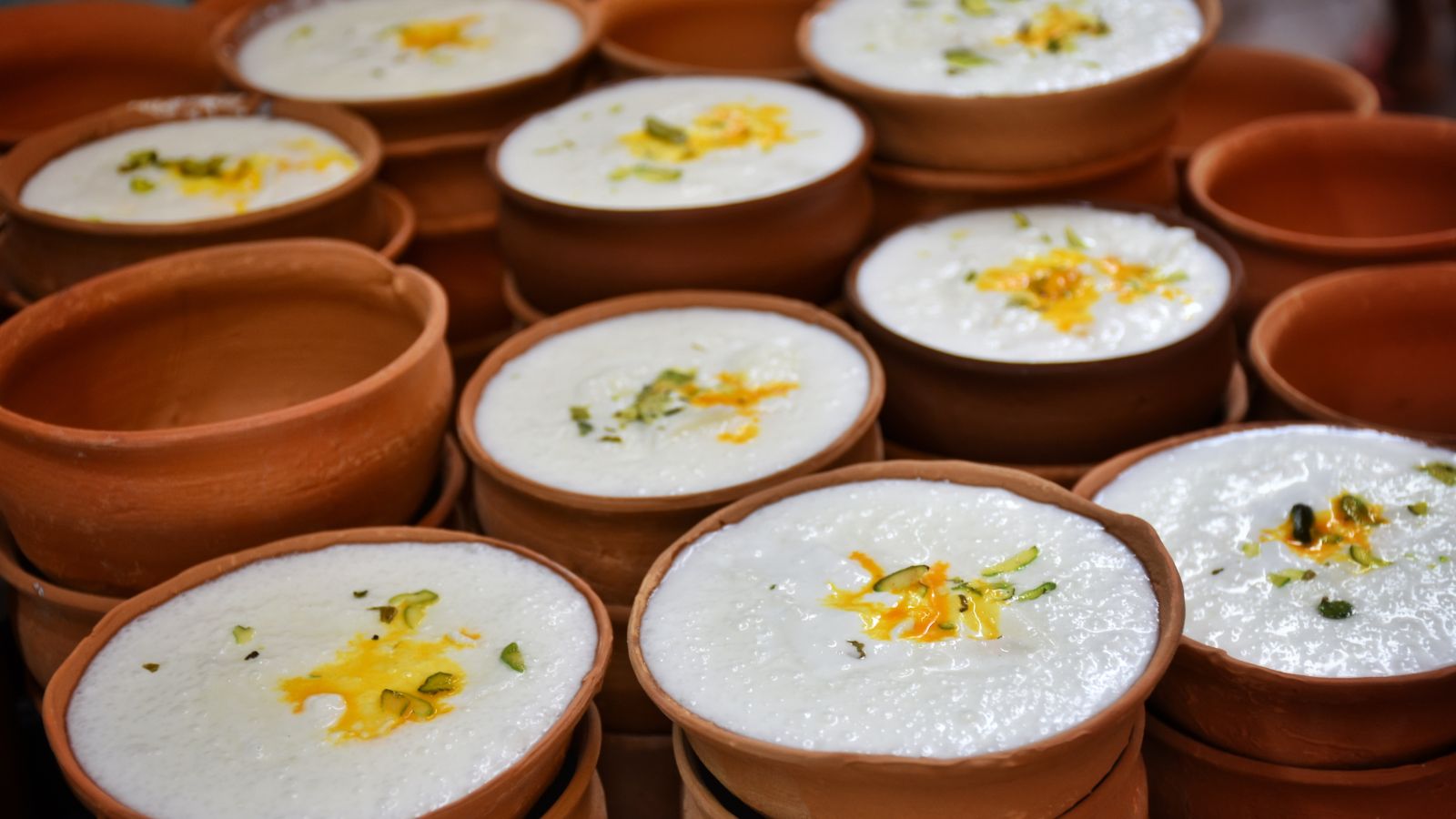
Best Local Food in Varanasi: Must-Try Guide and Tips
Best local food in Varanasi guide with breakfast-first sequencing, street food strategy, sweet-stop planning, and practical one-day routes.
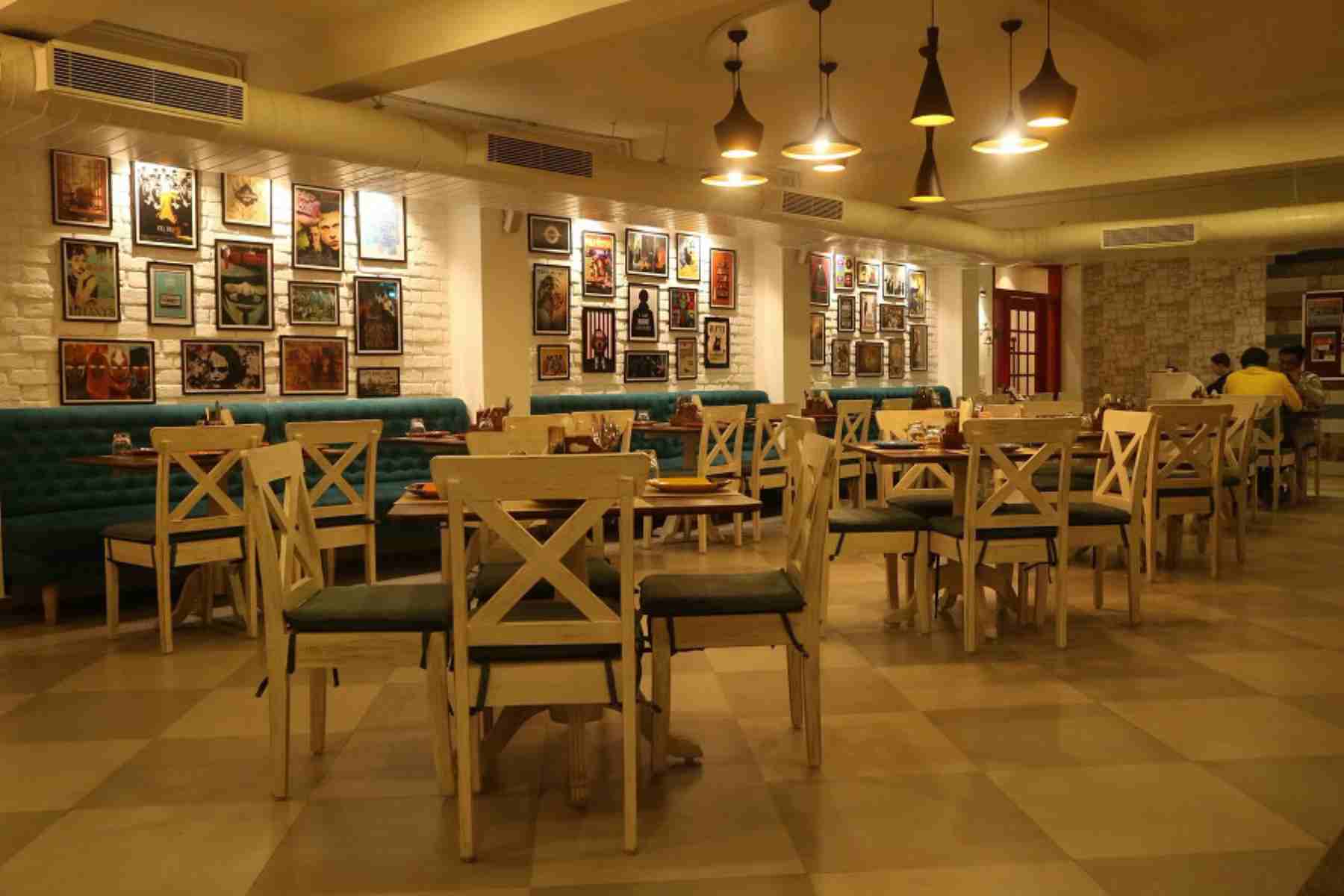
Best Restaurants in Varanasi: Food Guide and Tips
Best restaurants in Varanasi guide with zone-based timing, meal pacing, and practical route planning for heritage-focused trips.
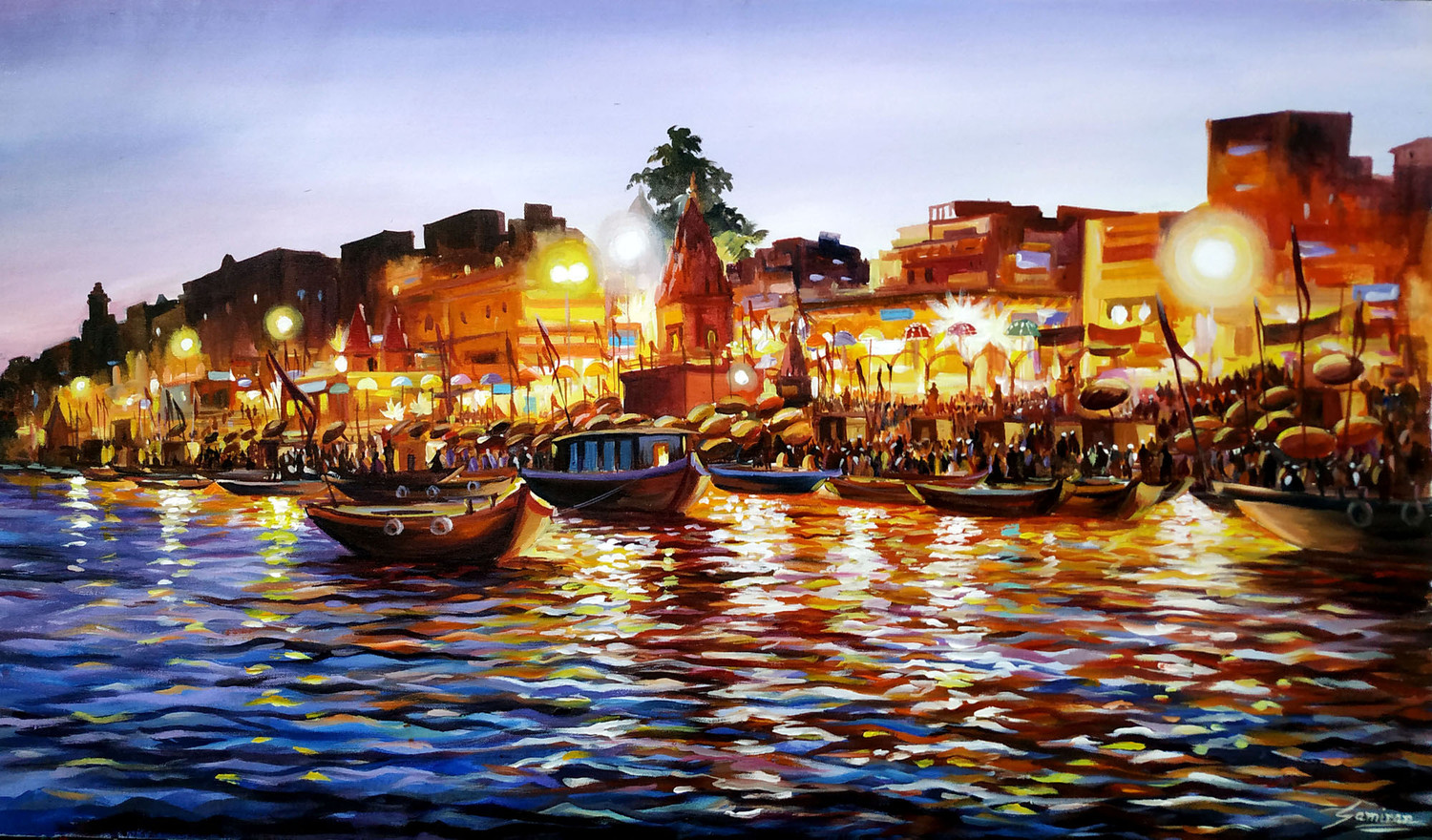
Sunset in Varanasi: Best Ghats, Boat Views & Evening Itinerary
Plan the perfect sunset in Varanasi with best ghat viewpoints, evening boat tips, and a practical route that pairs sunset views with Ganga Aarti.
Never Miss an Adventure
Get the latest trekking guides, travel tips, and exclusive offers delivered straight to your inbox.
