
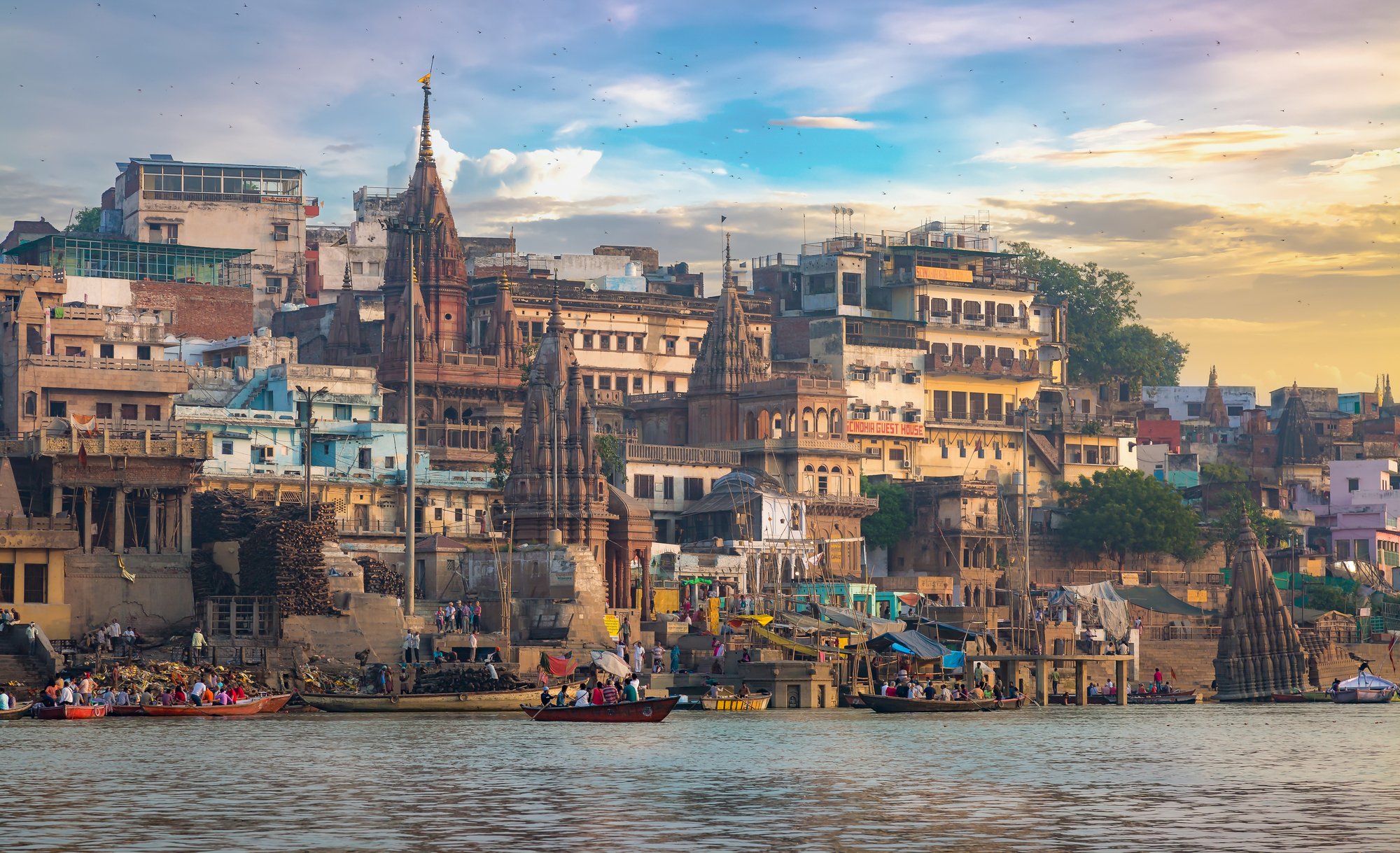
Chandra Koop Well Varanasi: History, Mythology & Visitor Information

Rohit Verma
February 19, 2026
Explore Chandra Koop Well in Varanasi with history, mythology, route tips, and practical guidance to add this lesser-known sacred heritage site to your Banaras plan.
Chandrakoop Well in Varanasi: History, Significance, and Visitor Planning Guide
Varanasi is known for ghats, temples, spiritual rituals, and old-city heritage lanes, but many travelers miss its lesser-known sacred sites that offer deep cultural context. Chandrakoop Well in Varanasi is one such place. It is connected to local belief systems, temple traditions, and ritual practices that go beyond mainstream tourist circuits. For travelers interested in meaningful heritage exploration, Chandrakoop adds an important layer to understanding Kashi.
This guide explains what Chandrakoop is, why it matters, how to include it in a practical Varanasi itinerary, and what etiquette to follow during your visit. If this is your first trip, combine this stop with broader city planning through Varanasi travel guide so you can balance major attractions and hidden heritage points efficiently.
What Is Chandrakoop Well?
Chandrakoop is an old sacred well associated with religious significance in the spiritual geography of Varanasi. It is not a large monument in the conventional tourism sense, but it carries ritual value and local devotional importance. Visitors often come here as part of temple circuits or spiritual walks through old-city neighborhoods.
In Varanasi, sacred points are often interconnected through tradition rather than physical scale. Chandrakoop represents this pattern well: small in structure, strong in cultural meaning, and best appreciated through context rather than checklist tourism.
Historical and Cultural Significance
Many traditional references in Kashi culture highlight the role of sacred water points, kunds, and wells in ritual practice. Chandrakoop fits into this broader religious landscape where faith, mythology, and local community memory overlap. Travelers expecting museum-style interpretation may find the site understated, but that is exactly how many living heritage places function in Varanasi.
The site is best understood as part of a continuing spiritual ecosystem, not as a static monument. Visiting with this mindset makes the experience more meaningful and respectful.
Why You Should Include Chandrakoop in Your Itinerary
Most first-time visitors focus only on major ghats and famous temple zones. While these are essential, adding Chandrakoop gives your itinerary more depth. It helps you experience the city as locals do, through layered sacred locations rather than only headline attractions.
A practical route is to combine Chandrakoop with nearby temple visits, local food lanes, and a ghat-side evening session. This creates a strong balance of heritage, ritual atmosphere, and city life without rushing between distant points.
Best Time to Visit Chandrakoop
Morning hours are usually best for heritage and temple circuits in Varanasi. The lanes are comparatively easier to navigate, and you can combine multiple spiritual stops before midday crowd density rises. Seasonal comfort is generally better in cooler months, but the site can be visited year-round with proper planning.
If you are visiting during festival periods, expect heavier movement and allocate extra time. Spiritual centers in Varanasi can see significant crowd variation based on lunar dates and local religious calendars.
How to Reach and Navigate the Area
Chandrakoop is approached through old-city routes where narrow lanes are common. The final stretch may require walking. Use a local guide or verified local directions if this is your first time in the inner city, especially when combining multiple religious points in one day.
For travelers arriving from outside Uttar Pradesh, begin with broad transport planning and then micro-plan the city route. You can align this with best time to visit Varanasi to avoid weather-linked discomfort during longer walking blocks.
Etiquette and Responsible Visiting
Sacred spaces in Varanasi require respectful behavior. Dress modestly, keep voice levels low, and avoid obstructing local worship activity while taking photographs. If rituals are in progress, observe from appropriate distance and follow local guidance.
Many visitors make the mistake of treating all spiritual points as photo spots. Chandrakoop is better experienced through observation, silence, and understanding of cultural context.
How to Combine Chandrakoop with Major Varanasi Experiences
To build a practical day, start with a morning temple circuit including Chandrakoop, then move to a local breakfast lane. Keep midday for indoor/rest segments, and reserve evening for ghat activities. This avoids heat fatigue and crowd stress while preserving spiritual depth.
You can also pair this with Kashi Vishwanath Temple and evening riverfront planning through Ganga Aarti Varanasi for a complete cultural day.
Photography and Exploration Tips
Varanasi rewards slow observation. Instead of trying to shoot everything, focus on textures: old walls, temple bells, lane life, devotional symbols, and local movement rhythms. If you are documenting the trip, keep your camera setup light and avoid blocking lane traffic during captures.
For curated visual planning, compare route ideas with photography spots in Varanasi and include Chandrakoop as a heritage-context stop rather than a standalone visual destination.
Common Mistakes Travelers Make
A frequent mistake is rushing old-city circuits without buffer time. Lane navigation, ritual pauses, and crowd flow can add delay. Another issue is poor footwear choice. Comfortable walking shoes are important because surfaces can be uneven in heritage zones.
Travelers also underestimate mental fatigue from dense old-city exploration. Plan hydration, short breaks, and realistic stop counts to keep the day enjoyable.
Who Should Prioritize This Site?
Chandrakoop is ideal for travelers interested in spiritual anthropology, living heritage, and temple-linked city narratives. If your primary goal is only broad sightseeing, it can still be included as a short meaningful stop between major points.
For deeper Varanasi understanding, this site is valuable because it represents the quieter but equally important devotional layer of Kashi.
Suggested 1-Day Heritage Route Including Chandrakoop
Early morning: Begin with a peaceful temple-lane walk and reach Chandrakoop before heavy movement starts. Spend time understanding the site context instead of treating it as a quick check-in point. Late morning: Continue toward nearby temple and heritage lanes, then pause for local breakfast. Afternoon: Keep this window lighter with rest or indoor segments to avoid fatigue from dense old-city walking. Evening: Return to ghat-side experiences and structured ritual observation for a complete Varanasi day.
This route model works because it balances spiritual stops, movement comfort, and cultural immersion. Travelers who rush from one major attraction to another often miss the nuanced heritage layers that actually define Kashi.
Practical Visitor Checklist
Carry comfortable footwear, modest clothing, water, and light snacks. Keep your group small in narrow lanes for smoother movement. Save local contact points offline in case network quality fluctuates. Most importantly, keep expectations aligned with living-heritage reality: Chandrakoop is meaningful because of spiritual continuity, not monument scale. If you approach it with patience and respect, this stop can become one of the most insightful parts of your Varanasi journey.
Extra Practical Notes for First-Time Varanasi Walkers
Old-city spiritual routes are best experienced slowly. Keep realistic walking blocks, avoid overloading your day with too many far-apart stops, and leave 30-45 minutes of unplanned buffer between major visits. This helps you absorb atmosphere rather than rushing through sacred spaces. If local ritual activity is in progress, pause respectfully instead of forcing movement through crowded points.
For comfort, keep a light day bag only. Carry water, a scarf or modest cover layer, and small cash for local needs. Avoid heavy backpacks in narrow lanes. If you are traveling with elders, schedule short seated breaks between temple and ghat segments. Small pacing decisions make a major difference in overall experience quality in Varanasi.
Final Takeaway
Chandrakoop Well in Varanasi is a culturally significant site that adds depth to a standard Varanasi itinerary. It may not be visually grand, but it offers something more important: connection to local spiritual continuity and old-city sacred geography.
Visit with context, pace your route thoughtfully, and combine this stop with nearby temple and ghat experiences. That approach will make your Varanasi trip richer and far more memorable.
Location
Frequently Asked Questions
Q1.Where is Chandra Koop Well located in Varanasi?
Q2.What are the visiting timings for Chandra Koop?
Q3.What is the history of Chandra Koop Well?
Q4.Why is Chandra Koop considered mythologically significant?
Q5.Is Chandra Koop worth visiting for tourists?
Q6.How can I reach Chandra Koop from central Varanasi?
Q7.What is the best time to visit Chandra Koop Well?
Q8.Can Chandra Koop be combined with other Varanasi attractions?
Recommended For You
Best Cafes in Varanasi: City Guide, Timing and Tips
Best cafes in Varanasi guide with ghat-aware timing, route clustering, budget strategy, and practical one-day cafe planning.
Best Local Food in Varanasi: Must-Try Guide and Tips
Best local food in Varanasi guide with breakfast-first sequencing, street food strategy, sweet-stop planning, and practical one-day routes.
Sunset in Varanasi: Best Ghats, Boat Views & Evening Itinerary
Plan the perfect sunset in Varanasi with best ghat viewpoints, evening boat tips, and a practical route that pairs sunset views with Ganga Aarti.
Never Miss an Adventure
Get the latest trekking guides, travel tips, and exclusive offers delivered straight to your inbox.
