
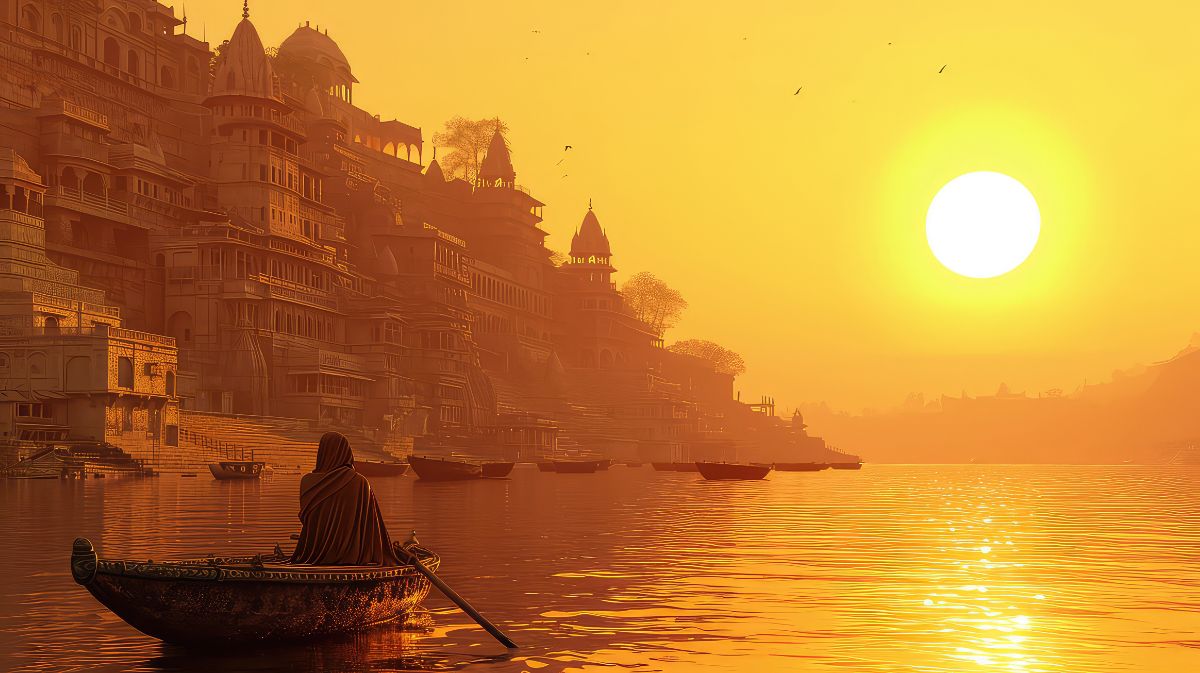
Sunrise in Varanasi: A Spiritual Awakening on the Ghats of the Ganges

Neha Kapoor
November 19, 2025
Witness the magical sunrise in Varanasi on the sacred Ganges. Discover best ghats, boat rides, Subah-e-Banaras ceremony, and the spiritual significance of dawn in Kashi.
Where Dawn Becomes Divine
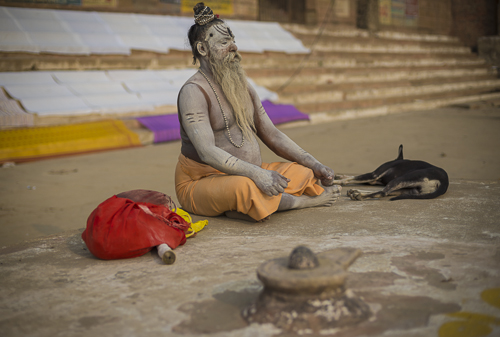
There are sunrises, and then there is the sunrise in Varanasi. As the first rays of light pierce through the mist hovering over the Ganges, something magical happens in this ancient city. For over 3,000 years, pilgrims, seekers, and wanderers have gathered on the ghats (riverfront steps) of Kashi—the city of light—to witness what many describe as a spiritual awakening rather than just a celestial event. What makes a Varanasi sunrise different? It's the symphony of sounds—temple bells, chanting priests, splashing oars, and the collective breath of thousands gathered for the morning aarti. It's the sight of sadhus in saffron robes performing rituals, families offering prayers, and the eternal flame that has burned in this city longer than any other living settlement on Earth.The Magic of Varanasi at Dawn
 The day begins early in Varanasi. By 4:30 AM, the city is already stirring. Temple bells start ringing, priests prepare for the first rituals, and boats begin to gather on the river. The Ganges, shrouded in pre-dawn mist, takes on an ethereal quality—as if existing between two worlds. If you're exploring Varanasi travel options, sunrise should be at the top of your list.
What You'll Experience:
The day begins early in Varanasi. By 4:30 AM, the city is already stirring. Temple bells start ringing, priests prepare for the first rituals, and boats begin to gather on the river. The Ganges, shrouded in pre-dawn mist, takes on an ethereal quality—as if existing between two worlds. If you're exploring Varanasi travel options, sunrise should be at the top of your list.
What You'll Experience:
- The Mist: Winter mornings (October-March) bring thick fog that transforms from gray to pink to gold as the sun rises
- The Sounds: Collective chanting of mantras, ringing bells, splash of oars, and peacock calls from temples
- The Colors: Sky transitions from inky black to purple, orange, and brilliant gold—water reflects creating a mirror effect
- The Rituals: Devout Hindus begin their day with a dip in the Ganges, performing surya namaskar as the first rays break through
Best Ghats for Sunrise
 Varanasi has over 80 ghats stretching along 7 kilometers of riverfront. Each has its own character:
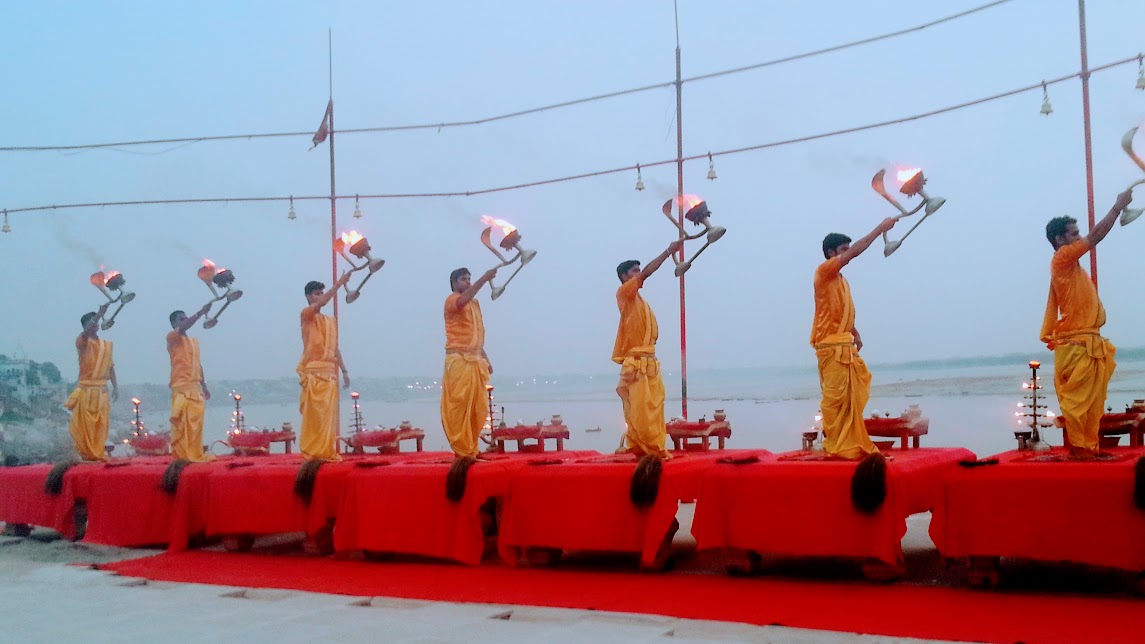
1. Assi Ghat (South Varanasi)—Best for spiritual seekers and yoga enthusiasts. Hosts the Subah-e-Banaras program with devotional singing, yoga, and synchronized aarti. Peaceful, inclusive, ideal for first-time visitors. Auto-rickshaw from Godowlia (₹50-80).
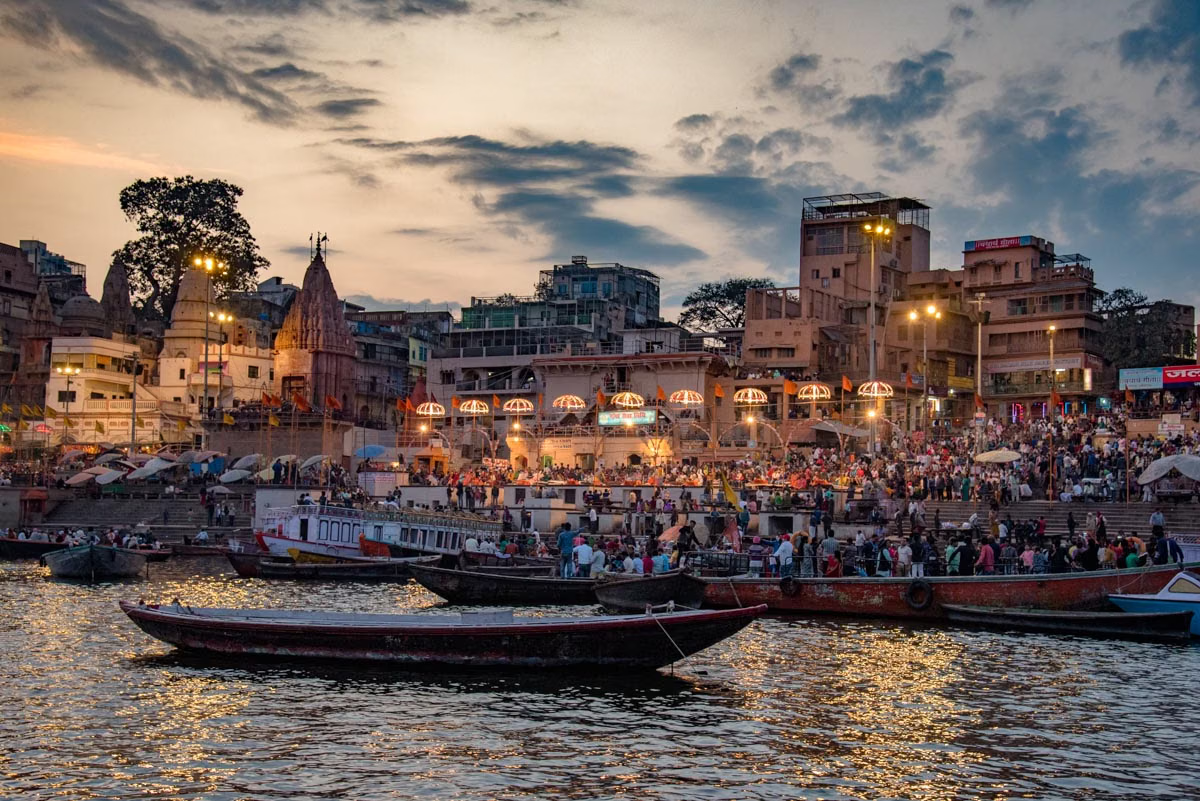
2. Dasaswamedh Ghat (Center)—For the classic Varanasi experience. The city's busiest ghat and site of the spectacular evening Ganga aarti. At sunrise, it's comparatively peaceful but still active. Walk from Godowlia (10 minutes).
3. Manikarnika Ghat—For those seeking to understand life and death. Varanasi's main cremation ghat. The contrast between rising sun (life) and eternal flames (death) creates powerful meditation. Photography restricted—come with respect.
4. Scindia Ghat—Best for photographers and solitude. Less crowded with a partially submerged Shiva temple creating beautiful reflections. Quiet, photogenic, perfect for contemplation.
5. Kedar Ghat—For authentic local experience. Strong local character with regulars performing morning rituals without tourist crowds.
Varanasi has over 80 ghats stretching along 7 kilometers of riverfront. Each has its own character:
1. Assi Ghat (South Varanasi)—Best for spiritual seekers and yoga enthusiasts. Hosts the Subah-e-Banaras program with devotional singing, yoga, and synchronized aarti. Peaceful, inclusive, ideal for first-time visitors. Auto-rickshaw from Godowlia (₹50-80).
2. Dasaswamedh Ghat (Center)—For the classic Varanasi experience. The city's busiest ghat and site of the spectacular evening Ganga aarti. At sunrise, it's comparatively peaceful but still active. Walk from Godowlia (10 minutes).
3. Manikarnika Ghat—For those seeking to understand life and death. Varanasi's main cremation ghat. The contrast between rising sun (life) and eternal flames (death) creates powerful meditation. Photography restricted—come with respect.
4. Scindia Ghat—Best for photographers and solitude. Less crowded with a partially submerged Shiva temple creating beautiful reflections. Quiet, photogenic, perfect for contemplation.
5. Kedar Ghat—For authentic local experience. Strong local character with regulars performing morning rituals without tourist crowds.
From the Boat: The Best Way to Experience Sunrise
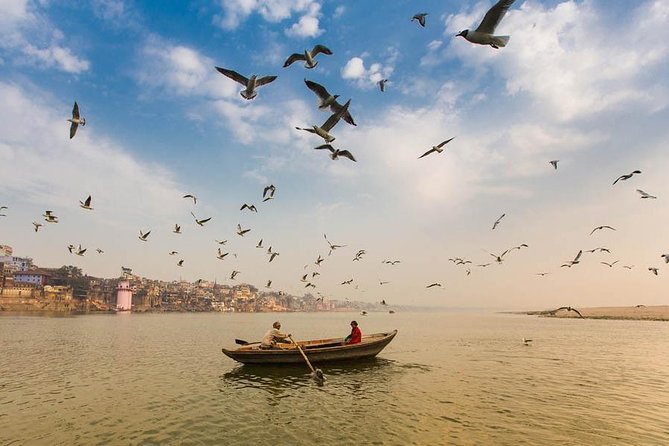
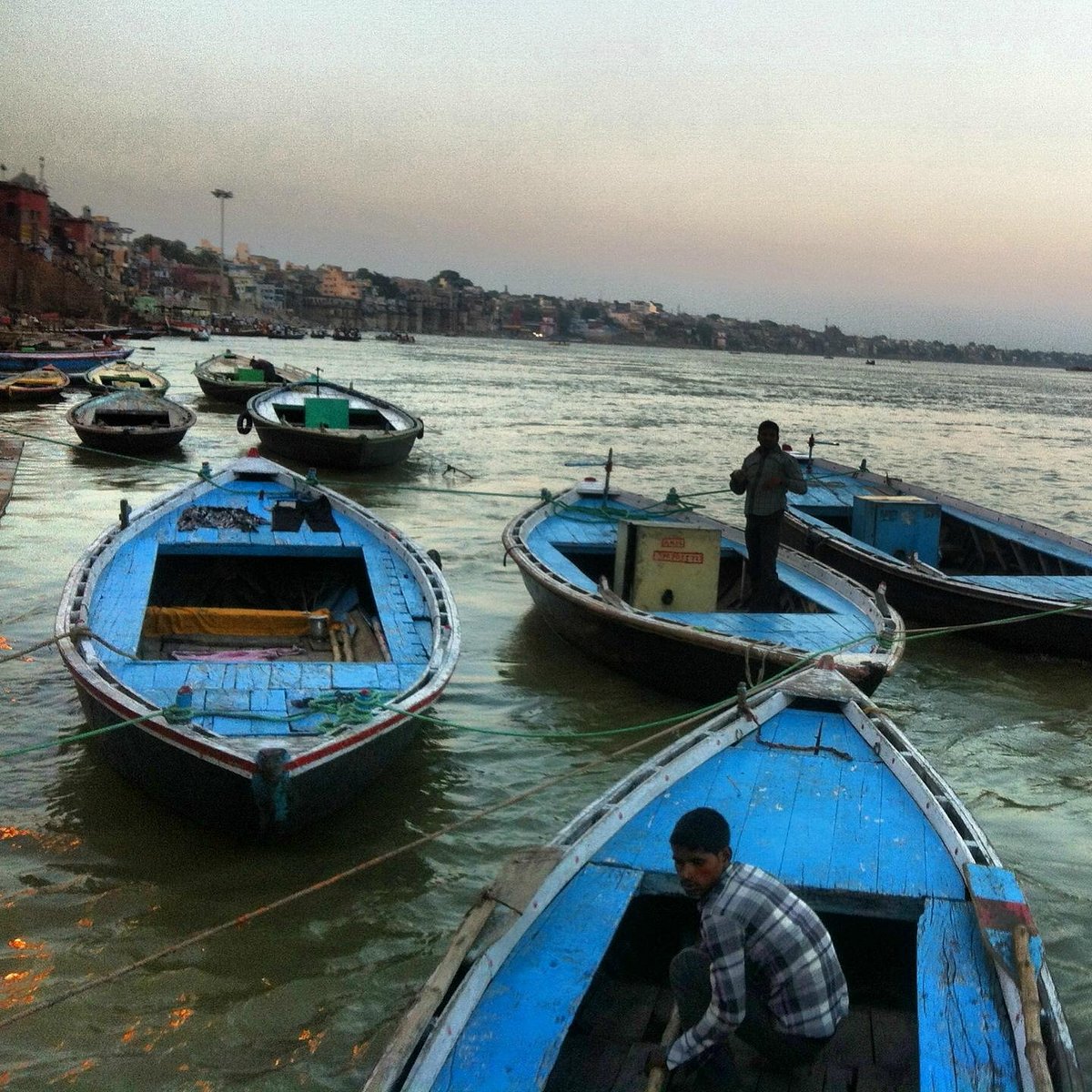 Seeing sunrise from a boat offers a completely different perspective. Your boatman arrives around 5:15-5:30 AM for a 60-90 minute ride drifting from Assi Ghat past Raj Ghat, Tulsi Ghat, to Dasaswamedh.
Cost: ₹500-1,200 for private boat, ₹100-200 per person for shared boats.
Why It's Worth It: From the water, you see the ghats as they were meant to be seen—rising in terraces from the river, dotted with temples, palaces, and pavilions. The golden hour reflects off both water and stone, creating double the magic.
Seeing sunrise from a boat offers a completely different perspective. Your boatman arrives around 5:15-5:30 AM for a 60-90 minute ride drifting from Assi Ghat past Raj Ghat, Tulsi Ghat, to Dasaswamedh.
Cost: ₹500-1,200 for private boat, ₹100-200 per person for shared boats.
Why It's Worth It: From the water, you see the ghats as they were meant to be seen—rising in terraces from the river, dotted with temples, palaces, and pavilions. The golden hour reflects off both water and stone, creating double the magic.
The Subah-e-Banaras Experience
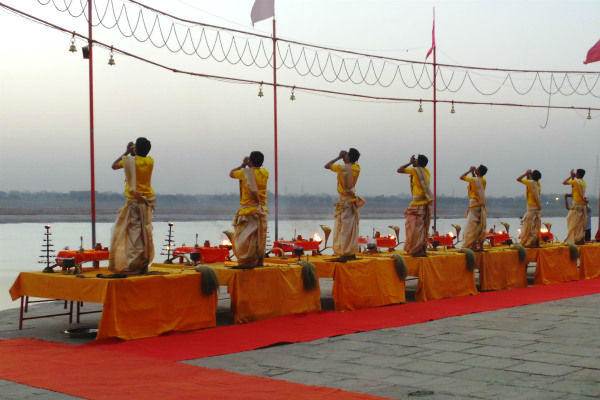 Subah-e-Banaras (Morning of Varanasi) is a daily cultural program at Assi Ghat organized by Uttar Pradesh Tourism. Features devotional songs (5 AM), yoga session (5:30 AM), classical dance/music (6 AM), morning aarti (6:15 AM). Well-organized, safe, accessible, and free. Can feel staged compared to authentic experience—go once for culture, return to quieter ghats for spiritual connection.
Best Time of Year for Sunrise
October - March (Winter) - BEST: Cool (5-15°C mornings), sunrise 6:00-6:45 AM. Thick morning mist creates atmospheric conditions. Drawbacks: extremely cold early morning, peak tourist season. April - June (Summer): Hot (25-35°C mornings), sunrise 5:15-5:45 AM. No mist, crisp views, fewer tourists. July - September (Monsoon): Humid, rainy (25-30°C), sunrise 5:30-6:00 AM. Swollen Ganges, dramatic clouds, very few tourists. Personal Recommendation: Visit in November or February for misty winter atmosphere without extreme cold.Practical Information
 What to Wear: Winter requires heavy sweater, jacket, hat, gloves. Summer: light cotton with light jacket for boat ride. Shoulders and knees covered for temples.
What to Bring: Camera with zoom lens, power bank (cold drains batteries), water, torch/phone light, offerings (flowers/diyas ₹20-50).
Safety: Careful on slippery steps, don't venture into deep water, respect local customs—ask before photographing people, keep valuables secure.
Where to Stay: Luxury: Taj Nadesar Palace, BrijRama Palace. Mid-range: Hotel Ganges View. Budget: Assi Ghat guesthouses. Stay near Assi or Dasaswamedh for easiest access.
What to Wear: Winter requires heavy sweater, jacket, hat, gloves. Summer: light cotton with light jacket for boat ride. Shoulders and knees covered for temples.
What to Bring: Camera with zoom lens, power bank (cold drains batteries), water, torch/phone light, offerings (flowers/diyas ₹20-50).
Safety: Careful on slippery steps, don't venture into deep water, respect local customs—ask before photographing people, keep valuables secure.
Where to Stay: Luxury: Taj Nadesar Palace, BrijRama Palace. Mid-range: Hotel Ganges View. Budget: Assi Ghat guesthouses. Stay near Assi or Dasaswamedh for easiest access.
The Spiritual Significance
 Varanasi, also called Kashi, is believed to be one of the oldest continuously inhabited cities in the world. Lord Shiva created Kashi as his earthly abode—the name comes from Sanskrit "Kash," meaning to shine, hence "The City of Light."
Sunrise here carries special blessings. Bathing in the Ganges at sunrise washes away sins. Hindus believe dying in Varanasi brings liberation (moksha) from rebirth. Sunrise symbolizes rebirth and new beginnings.
In the Upanishads, "Jyotir Brahma"—Light is the Ultimate Reality. Witnessing sunrise in Kashi is experiencing this divine light. The sun isn't just a star—it's a symbol of consciousness, wisdom, and the eternal self (Atman).
Varanasi, also called Kashi, is believed to be one of the oldest continuously inhabited cities in the world. Lord Shiva created Kashi as his earthly abode—the name comes from Sanskrit "Kash," meaning to shine, hence "The City of Light."
Sunrise here carries special blessings. Bathing in the Ganges at sunrise washes away sins. Hindus believe dying in Varanasi brings liberation (moksha) from rebirth. Sunrise symbolizes rebirth and new beginnings.
In the Upanishads, "Jyotir Brahma"—Light is the Ultimate Reality. Witnessing sunrise in Kashi is experiencing this divine light. The sun isn't just a star—it's a symbol of consciousness, wisdom, and the eternal self (Atman).
Morning Rituals to Experience
1. Morning Aarti: 6:30-7:00 AM at most major ghats, especially Dasaswamedh and Assi. Fire ritual with lamps, incense, chanting. 2. Surya Arghya: Offering water from Ganges to rising sun using copper vessel as sun breaks through. 3. Temple Visits: Kashi Vishwanath Temple (opens 4 AM), Annapurna Temple (free meals all day), Sankat Mochan Hanuman Temple. You might also want to visit the nearby Sarnath Temple, where Buddha gave his first sermon. 4. Breakfast on Ghats: Hot chai (₹10), jalebis (₹20-40), kachoris (₹30). Try Benarasi paan afterward.Photography Tips
 Equipment: DSLR/mirrorless, wide-angle (16-35mm) for landscapes, zoom (70-200mm) for candids, circular polarizer for water glare.
Settings: Before sunrise: ISO 400-800, f/2.8-f/4, 1/60-1/125. Golden hour: ISO 100-200, f/8-f/11, 1/250-1/500. Shoot RAW.
Compositions: Silhouettes of sadhus, boats, temple spires against sun. Reflections in still water. Candid moments of rituals. Details of offerings and ancient stone.
Etiquette: Ask permission before photographing people, avoid flash during prayers, no photography at Manikarnika cremation ghat.
Equipment: DSLR/mirrorless, wide-angle (16-35mm) for landscapes, zoom (70-200mm) for candids, circular polarizer for water glare.
Settings: Before sunrise: ISO 400-800, f/2.8-f/4, 1/60-1/125. Golden hour: ISO 100-200, f/8-f/11, 1/250-1/500. Shoot RAW.
Compositions: Silhouettes of sadhus, boats, temple spires against sun. Reflections in still water. Candid moments of rituals. Details of offerings and ancient stone.
Etiquette: Ask permission before photographing people, avoid flash during prayers, no photography at Manikarnika cremation ghat.
Combining with Other Experiences
Morning Itinerary: 5 AM arrive at ghat, 5:30 AM boat ride (60-90 min), 7 AM morning aarti at Dasaswamedh, 7:30 AM breakfast on ghat steps, 8:30 AM Kashi Vishwanath Temple, 10 AM return to hotel. Combine With: Evening Ganga Aarti (7 PM at Dasaswamedh), Sarnath (where Buddha gave first sermon, 10 km away), walking tour of Old Varanasi galis, Banarasi sari weaving center. For those continuing their spiritual journey, the Golden Temple in Amritsar offers another equally transformative experience in northern India.Conclusion: Why You Must Experience This
Sunrise in Varanasi isn't just a travel experience—it's a reminder of what's essential. In a world that rushes, here you'll witness patience: the sadhu who has sat on these steps for forty years, the boatman who has navigated these waters since childhood, the pilgrim who traveled thousands of miles for one dip in the river. As the sun rises over the Ganges, illuminating temples that have stood since before the pyramids were built, you understand why this city has drawn seekers for three millennia. There's a clarity that comes with watching the day begin in Varanasi—a perspective that puts life's chaos into context. Maybe it's the thinning of the veil between worlds that Hindu mystics speak of. Maybe it's the collective energy of millions of prayers offered here over centuries. Or maybe it's simply the beauty of light on water, sound and silence, life and death coexisting in perfect balance. Whatever the reason, sunrise in Varanasi will change you. Come to Varanasi. Wake up before dawn. And let the city of light show you what sunrise is really meant to look like.Location
Frequently Asked Questions
Q1.What is the best time to see sunrise in Varanasi?
The best time to see sunrise in Varanasi is during winter (October-March), specifically November and February, when you get the perfect combination of atmospheric mist and pleasant weather.
By Season:
- October-March (Winter): BEST TIME. Thick morning mist creates magical atmosphere. Temperatures: 5-15°C at sunrise. Bring warm clothes!
- April-June (Summer): No fog, crisp views but hot by 6:30 AM. Sunrise at 5:15-5:45 AM
- July-September (Monsoon): Dramatic sky but rain can disrupt plans. River is swollen and powerful
Sunrise Timing:
- Winter: 6:00 - 6:45 AM
- Summer: 5:15 - 5:45 AM
- Monsoon: 5:30 - 6:00 AM
Pro Tip: Arrive at your chosen ghat by 5:30 AM to get a good spot and watch the pre-dawn transformation. The 30 minutes before sunrise are often the most atmospheric.
Q2.Which ghat is best for sunrise in Varanasi?
Each ghat offers a different sunrise experience—here's how to choose:
ASSI GHAT:
- Best For: First-time visitors, cultural experience
- Why: Hosts Subah-e-Banaras (organized morning ceremony with yoga, devotional singing, aarti)
- Vibe: Structured, inclusive, tourist-friendly
- Get There: Auto-rickshaw from Godowlia (₹50-80)
DASASWAMEDH GHAT:
- Best For: Authentic Varanasi experience
- Why: Heart of Varanasi's spiritual life, site of evening Ganga aarti
- Vibe: Bustling, authentic, intense
- Get There: Walk from Godowlia (10 minutes)
SCINDIA GHAT:
- Best For: Photography, solitude
- Why: Less crowded, partially submerged Shiva temple creates beautiful reflections
- Vibe: Quiet, photogenic
MANIKARNIKA GHAT:
- Best For: Contemplating life and death
- Why: Cremation ghat—powerful contrast between sunrise (life) and funeral pyres (death)
- Warning: Photography restricted, maintain respect
Personal Recommendation: Start with a boat ride from Assi or Dasaswamedh for the full panorama, then spend time on one ghat for the intimate experience.
Q3.How much does a boat ride cost for sunrise in Varanasi?
Boat ride prices in Varanasi vary by season, duration, and your bargaining skills. Here's what to expect:
Private Boat (Recommended):
- Standard Rate: ₹500-800 per hour ( ₹800-1,200 for sunrise season)
- Duration: 60-90 minutes covers all major ghats
- Capacity: 2-6 people
- Type: Traditional wooden rowboat (authentic experience)
Shared Boat:
- Cost: ₹100-200 per person
- Duration: 45-60 minutes
- Experience: Less flexible, but budget-friendly
Motorboat:
- Cost: ₹1,500-2,500
- Why: Faster, covers more distance, but less peaceful
Booking Tips:
- Book through your hotel (they'll get fair rates)
- Bargain hard but fairly—₹800-1,000 is reasonable for sunrise
- Pay after the ride, not before
- Tip the boatman 10-15% if the service was good
Best Route: Start at Assi Ghat (south) and drift north to Dasaswamedh—covers the most scenic stretch with temple views, palaces, and active ghats.
Q4.What is Subah-e-Banaras and is it worth attending?
Subah-e-Banaras (Morning of Varanasi) is a daily cultural program organized by the Uttar Pradesh Tourism Department at Assi Ghat. It's designed to showcase Varanasi's spiritual heritage through a curated sunrise experience.
What Happens:
- 5:00 AM: Devotional singing (bhajans)
- 5:30 AM: Group yoga session (open to all)
- 6:00 AM: Cultural performance (classical dance/music)
- 6:15 AM: Morning aarti timed with sunrise
- 6:30 AM: Concludes with national anthem
Why Go:
- Well-organized, safe introduction to Varanasi
- Great for photography (synchronized rituals)
- Cultural immersion—classical music and dance
- FREE of cost
Why Skip:
- Feels staged compared to authentic rituals elsewhere
- Gets crowded with tour groups
- Less intimate than quiet ghats
Verdict: Go once for the cultural experience and photos, but return to quieter ghats for the authentic spiritual connection. Combine both: watch Subah-e-Banaras, then take a boat to quieter ghats afterward.
Location: Assi Ghat (southern Varanasi). Reach by auto-rickshaw from Godowlia (₹50-80, 20-minute ride).
Q5.Is photography allowed during sunrise on the ghats?
Photography is allowed on most ghats during sunrise, but with restrictions. Here's what you need to know:
WHERE Photography is Allowed:
- Assi Ghat: Fully allowed, especially during Subah-e-Banaras
- Dasaswamedh Ghat: Allowed, but be respectful during prayers
- Scindia, Kedar, Raj Ghats: No restrictions—perfect for candid shots
- From Boats: Allowed and encouraged—boatmen know best photo spots
WHERE Photography is Restricted:
- Manikarnika Ghat (Cremation Ghat): STRICTLY PROHIBITED. This is a sacred space, not a tourist attraction
- Harishchandra Ghat: Also a cremation ghat—avoid photography
- Inside Temples: Most temples prohibit cameras. Kashi Vishwanath Temple has strict security
- During Prayers: Avoid using flash or getting too close to worshippers
Photography Etiquette:
- Ask Permission: Always ask before photographing people, especially sadhus and priests
- No Flash: Flash disturbs the spiritual atmosphere
- Distance: Use zoom lenses instead of intruding on private moments
- Respect Rituals: Don't block people's access to the river or temples
Best Photography Spots:
- From a boat between Assi and Dasaswamedh Ghats
- Raj Ghat (for wide-angle panoramas)
- During Subah-e-Banaras (for cultural performance shots)
Pro Tip: Hire a boat before dawn for the best shots—the golden hour reflecting off both water and ancient stone is magical.
Q6.What should I wear for sunrise in Varanasi?
What you wear depends on the season, but modesty and warmth are key considerations for sunrise on Varanasi's ghats.
Winter (October-March):
- Temperature: 5-15°C (can feel colder due to wind on the river)
- Essential: Heavy sweater or jacket
- Layers: Wear multiple layers you can remove as the sun rises and it warms up
- Accessories: Hat/beanie, gloves, scarf—especially if you're taking a boat ride
- Footwear: Closed shoes with easy removal (you'll take them off at temples)
Summer (April-June):
- Temperature: 25-35°C at sunrise (but gets hot quickly)
- Clothing: Light cotton clothes, breathable fabrics
- Still Bring: A light jacket for the boat ride (wind chill on the water)
- Footwear: Open sandals or easy-to-remove shoes
Monsoon (July-September):
- Clothing: Quick-dry fabrics (you may get wet from rain or splashes)
- Rain Gear: Lightweight rain jacket or umbrella
- Footwear: Waterproof sandals or shoes (ghats can be muddy/slippery)
General Dress Code (Modesty):
- Shoulders & Knees: Must be covered, especially if entering temples
- Avoid: Shorts, sleeveless tops, revealing outfits
- For Women: Salwar kameez, long skirts with tops, or pants with modest tops
- For Men: Pants or jeans with shirts/kurtas. Avoid shorts and tank tops
Colors: Earth tones or muted colors blend well and are respectful. Avoid bright neon colors that might distract from the spiritual atmosphere.
Pro Tip: Carry a small backpack to store layers as the sun rises and it gets warmer.
Q7.Is Varanasi safe for early morning visits?
Yes, Varanasi is generally safe for early morning visits, especially in popular areas around the ghats. However, like any destination, you should take basic precautions.
Safety Considerations:
- The Ghats: Generally safe, especially from 5 AM onward when people start gathering
- Lighting: Poor lighting before dawn—bring a torch or use phone flashlight
- Slippery Steps: Ghat steps can be slippery, especially in monsoon. Walk carefully
- Water: Don't venture into deep water unless you're a strong swimmer
- Monkeys: Be careful around temples—monkeys can be aggressive
Common Concerns:
Pickpockets:
- Can occur in crowded areas (especially Dasaswamedh Ghat)
- Keep valuables secure and out of sight
- Don't carry large amounts of cash
Touts:
- Boatmen, guides, and vendors may aggressively approach you
- Politely decline if not interested
- Fix prices beforehand for any service
For Solo Female Travelers:
- Generally safe, especially on busy ghats with other people around
- Dress modestly
- Join groups at Subah-e-Banaras if you want company
- Consider hiring a female guide through your hotel
Recommendations:
- Ask your hotel to arrange a boat ride (safer than negotiating on the ghat)
- Stay in well-lit, populated areas
- Don't walk alone in isolated galis (alleys) before dawn
- Hire a licensed guide for the first morning (₹500-1,000)
Emergency Numbers:
- Police: 100
- Tourist Police: Available near major ghats
- Your Hotel: Keep their number handy
Bottom Line: Use common sense, stay in populated areas, and you'll have a safe, magical experience.
Q8.What rituals can I participate in during sunrise?
Varanasi's sunrise offers several rituals you can witness or participate in—whether you're Hindu or not, all are welcome to experience the spiritual practices.
1. Surya Namaskar (Sun Salutation)
- What: Yoga poses performed facing the rising sun
- Where: Assi Ghat (organized session during Subah-e-Banaras), or any ghat with space
- When: As the sun breaks through (first 15-20 minutes)
- Significance: Honoring the sun as source of life and energy
- Participation: Open to everyone—just follow along or watch respectfully
2. Surya Arghya (Offering Water to the Sun)
- What: Offering water from the Ganges to the rising sun using a copper vessel (lota)
- Where: Any ghat with an eastern view
- When: Just as the sun becomes visible
- How: You can buy a lota and water from vendors (₹20-50), or simply observe others
- Meaning: Gratitude, purification, honoring the life-giving sun
3. Morning Aarti (Fire Ritual)
- What: Priests perform ceremony with fire lamps, incense, bells, and chanting
- Where: Dasaswamedh Ghat (main aarti), Assi Ghat (Subah-e-Banaras), and most major ghats
- When: 6:30 - 7:00 AM (after sunrise)
- Participation: Watch from a respectful distance. Some ghats allow visitors to offer flowers or lamps
4. Ganga Snan (Sacred Bath)
- What: Taking a dip in the Ganges at sunrise
- Where: Any ghat with steps leading into the water
- Significance: Believed to wash away sins and purify the soul
- For Non-Hindus: You're welcome to wade in, but do so respectfully. Many visitors simply touch the water to their foreheads
5. Flower Offering (Pushpa Arpan)
- What: Offering marigolds or rose petals to the river
- Where: Available at all ghats
- Cost: ₹20-50 for a small basket
- How: Release flowers into the water with a prayer or intention
6. Floating Diya (Leaf Boat Lamp)
- What: Small leaf boat with a candle and flowers, set afloat on the Ganges
- Where: Available at all ghats, especially Dasaswamedh and Assi
- Cost: ₹20-50
- Meaning: Symbolizes letting go, offering light to the river goddess
Etiquette for Participation:
- Ask locals or priests if unsure how to participate
- Be respectful—these are sacred practices, not photo opportunities
- Don't interrupt others' prayers or rituals
- Observe first, participate when you feel comfortable
Note: There's no pressure to participate. Watching respectfully is equally meaningful.
Q9.How do I reach the ghats for early morning sunrise?
Getting to Varanasi's ghats early morning requires planning—auto-rickshaws are the most convenient option, but walking is often best for nearby locations.
From Varanasi Cantt Railway Station:
- Distance: 4-6 km to most ghats
- Auto-Rickshaw: ₹80-150 (negotiate, meters rarely used)
- Time: 20-30 minutes
- Pre-Book: Ask your hotel to arrange a pickup (often more reliable)
From Lal Bahadur Shastri Airport (Babatpur):
- Distance: 26 km
- Taxi: ₹500-800 (prepaid taxi counter available)
- Time: 45-60 minutes
- Early Morning: Fewer taxis available—book through your hotel
Within Varanasi (Hotels to Ghats):
If staying near Godowlia (Old City):
- To Dasaswamedh Ghat: 10-minute walk
- To Scindia Ghat: 5-minute walk
- To Assi Ghat: Auto-rickshaw ₹50-80 (15 minutes)
If staying near Assi Ghat:
- To Assi Ghat: 5-10 minute walk
- To Dasaswamedh: Auto-rickshaw ₹50-80 (15 minutes)
If staying in Cantonment Area:
- To any ghat: Auto-rickshaw ₹80-150 (20-30 minutes)
Early Morning Tips:
- Arrange Transportation Night Before: Ask your hotel to book an auto-rickshaw or taxi for 5:00 AM pickup
- Walking: If within 1 km, walking is often faster (few vehicles at that hour)
- Google Maps: Useful but ask locals for exact ghat locations (ghats aren't always clearly marked)
- Group Travel: Share auto-rickshaws to split costs
From Sarnath (if staying there):
- Distance: 10-12 km
- Taxi: ₹300-500 (negotiate)
- Time: 30-40 minutes
Recommendation: Stay near Assi Ghat or Godowlia area for easiest early morning access to the main sunrise ghats.
Q10.Can I combine sunrise with other Varanasi experiences?
Absolutely! Sunrise is just the beginning of a full day in Varanasi. The city offers numerous experiences that pair perfectly with an early morning start.
Morning Itinerary (5 AM - 12 PM):
- 5:00 AM: Arrive at Assi or Dasaswamedh Ghat
- 5:30 AM: Boat ride (60-90 minutes)
- 7:00 AM: Morning aarti at Dasaswamedh Ghat
- 7:30 AM: Breakfast on ghat steps (chai, jalebi, kachori)
- 8:30 AM: Visit Kashi Vishwanath Temple (opens 4 AM, but less crowded by 8:30)
- 10:00 AM: Return to hotel for rest
- 11:00 AM: Explore Old Varanasi's galis (alleys) and markets
Afternoon Options:
- Sarnath Excursion: 10 km away. Where Buddha gave his first sermon. Visit the stupa, museum, and temples. 2-3 hours. Auto-rickshaw: ₹400-600 round trip
- Banarasi Sari Weaving: Visit a weaving workshop to see how famous Banarasi silk saris are made. Ask your hotel for recommendations
- Ramnagar Fort: Across the river. 18th-century fort with a museum. Boat trip + fort visit: ₹500-800
Evening Experiences:
- Ganga Aarti: MUST-DO. Spectacular fire ceremony at Dasaswamedh Ghat, 7:00 PM daily. Arrive by 6:00 PM for a good spot
Full Day Itinerary:
- 5-8 AM: Sunrise experience (boat + aarti)
- 8-10 AM: Temple visits + breakfast
- 10 AM-1 PM: Rest at hotel
- 1-4 PM: Sarnath excursion or sari weaving workshop
- 4-6 PM: Explore markets (buy Banarasi sweets, paan, silk)
- 7-8 PM: Evening Ganga aarti
Two-Day Suggestion:
Day 1: Sunrise + Old City + Evening Aarti
Day 2: Morning temple visits + Sarnath + Ramnagar Fort
Pro Tip: Varanasi is intense. Don't overschedule. Leave time for simply sitting by the river and absorbing the atmosphere.
Recommended For You
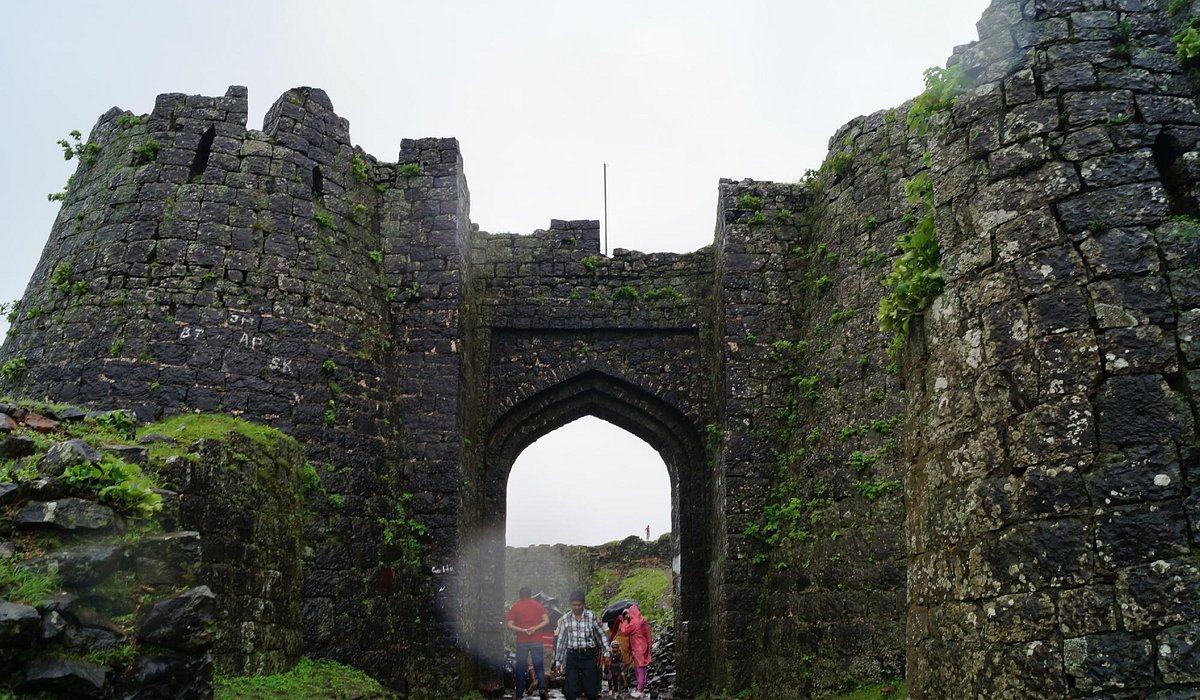
Places to Visit in Amritsar: Golden Temple Circuit & City Highlights
Best places to visit in Amritsar. Golden Temple, Wagah Border, Jallianwala Bagh & Punjab attractions.
15 Famous Temples in Delhi: Timings, Routes & Darshan Highlights
Explore 15 famous temples in Delhi. From Akshardham to Lotus Temple, discover spiritual sites, timings & entry details.
Best Time to Visit Varanasi: Weather, Ganga Aarti Season & Crowd Levels
Discover the best time to visit Varanasi with month-wise weather, Ganga Aarti comfort windows, festival crowd insights, and practical planning tips.
Never Miss an Adventure
Get the latest trekking guides, travel tips, and exclusive offers delivered straight to your inbox.
