
Hathisingh Jain Temple Ahmedabad: Architecture, Timings & Visitor Rules

Rahul Garg
February 7, 2026
Explore Hathisingh Jain Temple Ahmedabad, a stunning white marble masterpiece. Discover timings, history, architecture & visiting tips.
Hathisingh Jain Temple Ahmedabad: Visitor Guide for History, Darshan, and Architecture
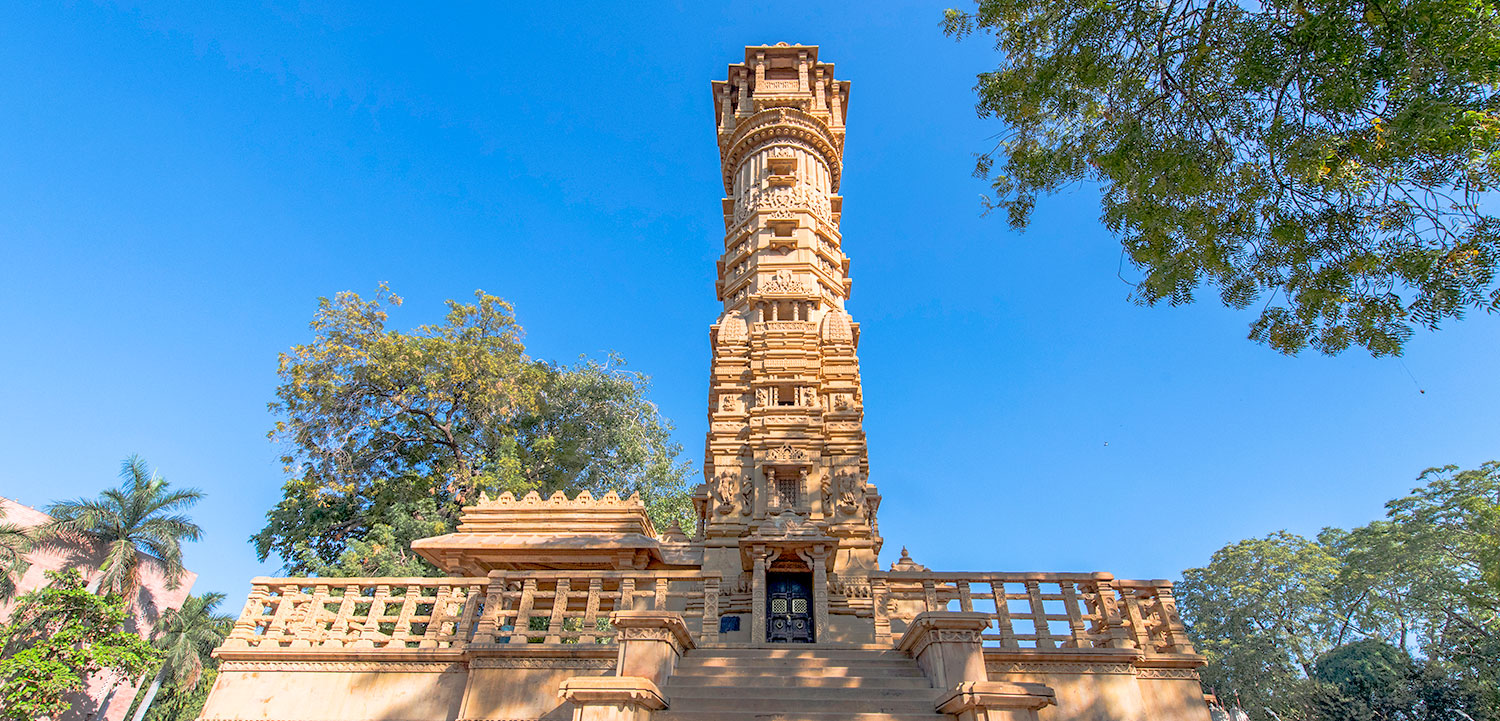
Hathisingh Jain Temple is one of Ahmedabad’s most important heritage and pilgrimage landmarks, known for intricate marble craftsmanship and serene devotional ambience. Many visitors arrive here as part of city sightseeing, but the temple deserves slower attention. It is both a sacred space and a fine example of 19th-century Jain architecture. The best experience comes when you balance spiritual respect with architectural observation instead of treating the site as a quick photo stop.
For a well-structured city route, pair this temple with places to visit Ahmedabad, nearby spiritual context via ISKCON Temple Ahmedabad, and heritage extensions like Sidi Saiyyed Mosque. Riverside evening transitions can be planned through Sabarmati Riverfront.
Why This Temple Is Architecturally Significant
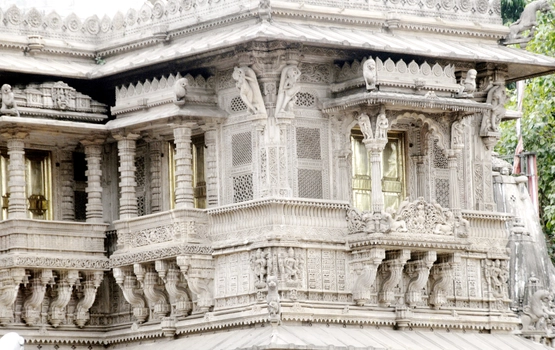
The temple stands out for its carved pillars, jali work, domes, and fine marble detailing that reflect Jain artistic traditions. Even first-time visitors who are not architecture-focused usually notice the precision and symmetry of the structure. Every section rewards closer attention, from ceiling patterns to carved motifs around columns. If you enjoy heritage photography, this site offers strong composition opportunities in both wide and detail frames.
Best Time to Visit
| Time Window | Experience Quality | Tip |
|---|---|---|
| Early Morning | Quiet and spiritually focused | Best for prayer and slower observation |
| Late Morning | Moderate visitor flow | Good for architecture study |
| Evening | Comfortable weather, active city transitions | Combine with nearby city route |
Morning is generally ideal for devotional visits, while evening works well for combined heritage itineraries.
Temple Etiquette and Visitor Conduct
As an active Jain religious site, modest attire and respectful behavior are essential. Remove footwear where required, keep voice low, and avoid intrusive photography in prayer-sensitive sections. Do not touch carvings unnecessarily and follow any local instructions given by temple staff. Sacred spaces are best experienced in quiet attention, and simple etiquette enhances everyone’s visit.
- Carry light, respectful clothing.
- Avoid loud group conversations inside.
- Use photography responsibly and only where permitted.
- Maintain clean movement in narrow temple corridors.
How to Include Hathisingh in a City Itinerary
For first-time Ahmedabad visitors, a useful sequence is: morning temple visit, mid-day heritage or museum stop, and evening riverfront or market walk. If your focus is spiritual travel, combine Hathisingh with one additional temple and one calm food stop. Keep transfers compact to avoid heat fatigue and urban traffic stress.
Travelers exploring the old-and-new Ahmedabad contrast can pair this temple with city landmarks and end near Sabarmati Riverfront for a soft transition.
Photography and Observation Tips
Hathisingh is ideal for architectural photography because of repeating geometry and carved depth. Start with one wide front frame, then move to medium shots of column rhythm, and finally close-up texture shots of carvings. Avoid flash where not allowed and keep your framing efficient so you do not block pathways. If you are visiting for content creation, shorter, respectful sessions work better than long equipment setups.
Family and Senior-Friendly Notes
The temple is manageable for families and seniors when visited in cooler time windows. Keep water ready, choose light footwear for easy removal, and avoid peak midday in warmer months. With children, explain basic decorum before entry so the visit remains smooth. Multi-generation groups should keep one regroup point near the entrance area.
Nearby Add-On Stops
After temple darshan, you can continue toward heritage and civic landmarks depending on your schedule. Good combinations include one historical mosque, one urban promenade, or one local market. Avoid overloading with too many far-apart stops. Ahmedabad rewards cluster-based movement rather than citywide hopping in one block.
Budget and Practical Planning
Hathisingh can fit almost any travel budget because it primarily requires route planning rather than expensive entry structures. Allocate budget for transport, light meals, and optional heritage-site additions. Keep a small contingency for traffic or weather changes. Comfort-first planning helps maintain devotional focus.
Sample Half-Day Heritage + Pilgrimage Plan
Step 1: Early temple visit and quiet observation. Step 2: Nearby cultural/heritage site. Step 3: Lunch and evening transition toward riverfront/market.
This structure is efficient for both tourists and pilgrims who want balance.
Architecture Walk Method for Better Experience
If you want to truly appreciate Hathisingh Temple, follow a three-step viewing method. First, observe full facade geometry from a distance. Second, move to column lines and jali details for pattern depth. Third, return to a wider frame and compare symmetry from another angle. This method helps visitors understand the craftsmanship instead of taking random photographs and leaving too quickly.
Monsoon and Summer Visit Adjustments
In summer, morning visits are strongly recommended because marble zones can feel warmer later in the day. In monsoon, carry light rain protection and move carefully near polished or wet surfaces. Seasonal planning does not change spiritual value, but it greatly affects comfort and duration of your visit.
Heritage + Pilgrimage Circuit for First-Time Ahmedabad Travelers
A practical route is: Hathisingh Temple in the morning, one heritage mosque/monument by noon, then evening riverfront transition. This structure gives devotional experience, architecture exposure, and urban relaxation without long transfer fatigue. Travelers can adapt this with food stops based on their preferred locality and schedule.
If you have two days, spread key sites across separate slots. Ahmedabad rewards layered exploration more than all-in-one-day checklist movement.
Respectful Content Creation Guidelines
Photography should remain secondary to spiritual respect. Avoid intrusive angles during prayer activity, do not obstruct visitors, and keep equipment minimal in active corridors. Short, thoughtful sessions produce better results and preserve sanctity. Responsible visual documentation is part of heritage preservation ethics.
Learning Through Quiet Observation
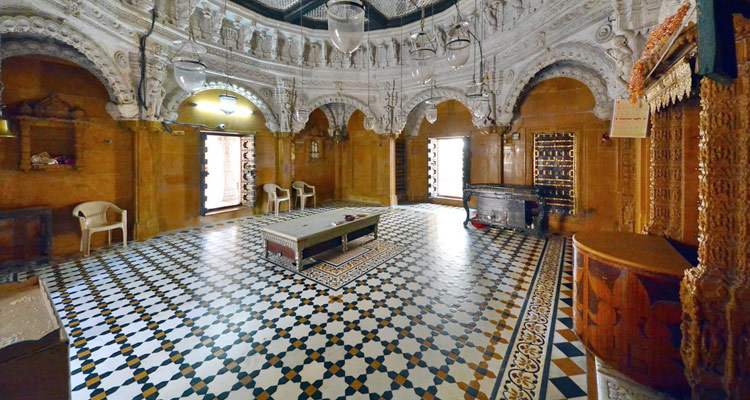
Hathisingh Temple rewards visitors who slow down and observe details patiently. Spend time studying how light falls on carved marble, how repeated motifs create visual rhythm, and how spiritual function and architectural form are integrated. Even non-specialist visitors can develop a deeper appreciation for Jain design principles through quiet observation.
Instead of rushing to the next city stop, sit briefly after darshan and notice how the temple’s silence shapes your experience. This small pause often becomes the most memorable part of the visit.
Value for Students and Researchers
Architecture and history students can use Hathisingh Temple as a live study site for stone craft, spatial rhythm, and ritual-functional design. A guided observation worksheet with facade, column, and motif notes can turn a short visit into a high-value learning session.
Even a short return visit at a different time of day reveals new details in marble texture and shadow patterns. The temple’s visual character changes with light, which makes repeat visits rewarding.
For deeper appreciation, revisit your photos after the visit and map each frame to architectural details you noticed on site. This reflective review helps transform a short temple stop into a lasting learning experience in Jain design and heritage awareness.
If your schedule allows, read briefly about Jain symbolism before arrival. Knowing the meaning of motifs and spatial order makes your on-site observation richer and more respectful.
Visit slowly and respectfully.
Final Takeaway
Hathisingh Jain Temple is a place to slow down, observe deeply, and respect living spiritual tradition. With thoughtful timing and simple etiquette, the visit offers both devotional peace and architectural richness. Plan compactly, move respectfully, and you will get far more than a standard city checkpoint experience.
Location
Frequently Asked Questions
Q1.Where is Hathisingh Jain Temple located?
Q2.What are the temple timings?
Q3.Who built Hathisingh Jain Temple?
Q4.When was the temple constructed?
Q5.Is there an entry fee for the temple?
Q6.Is photography allowed inside the temple?
Q7.What is the best time to visit the temple?
Q8.Are there any dress code requirements?
Recommended For You

Sabarmati Riverfront: Ahmedabad's Waterfront Gem
Discover Sabarmati Riverfront in Ahmedabad - a stunning 11.5 km waterfront promenade featuring iconic Atal Bridge, flower gardens, boating, and vibrant food courts. Plan your visit with complete information on timings, entry fees, and best experiences.
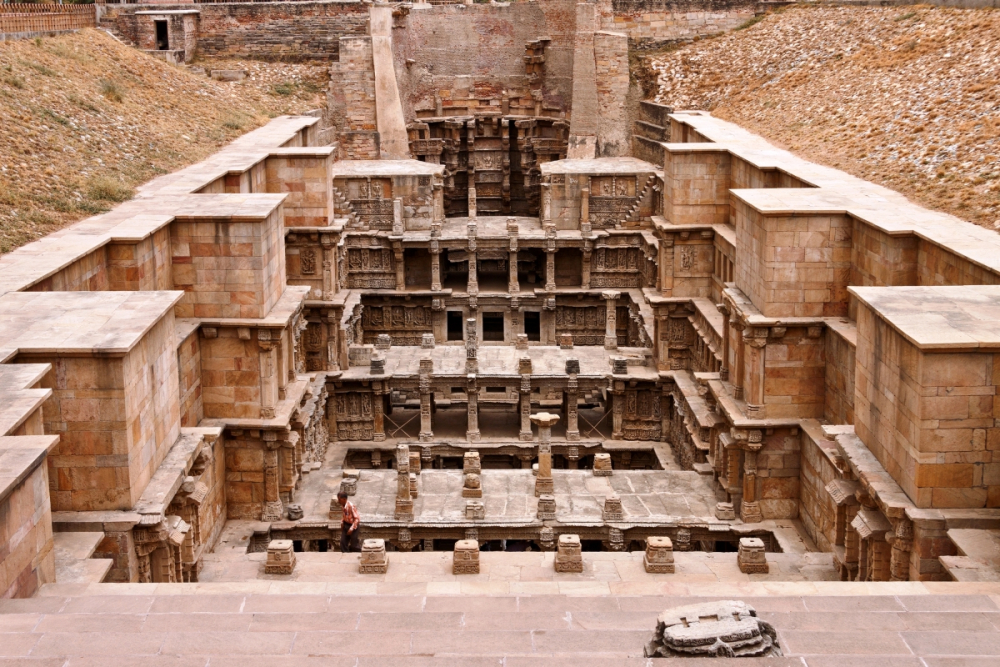
Rani ki Vav Gujarat: UNESCO Stepwell, Timings & Ticket Details
Plan your Rani ki Vav visit with timings, ticket price, history, architecture highlights, and travel tips for Patan, Gujarat.
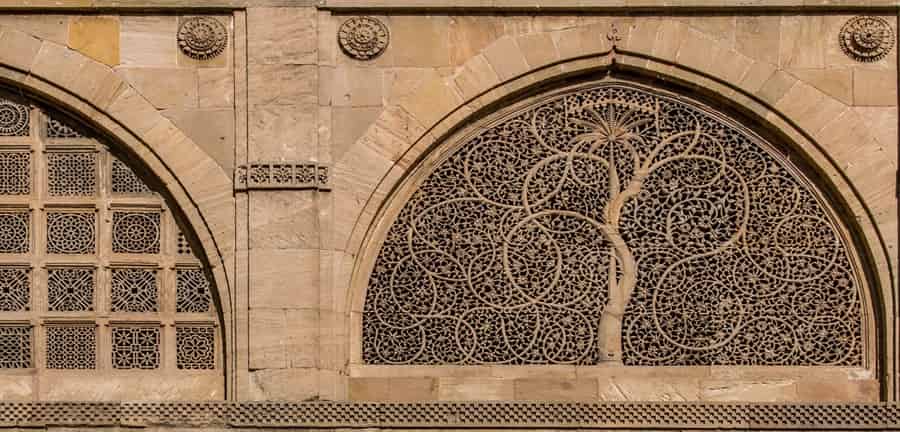
Sidi Saiyyed Mosque Ahmedabad: Iconic Jaali, History & Visitor Tips
Explore Sidi Saiyyed Mosque Ahmedabad with history, jaali architecture insights, visitor tips, and nearby heritage walk suggestions.
Never Miss an Adventure
Get the latest trekking guides, travel tips, and exclusive offers delivered straight to your inbox.
