
Bhutan Rivers: Scenic Routes, Seasons and Travel Tips

Neha Kapoor
February 18, 2026
Explore Bhutan rivers with season-aware route planning, safety tips, and practical travel guidance for a smoother scenic journey.
Introduction
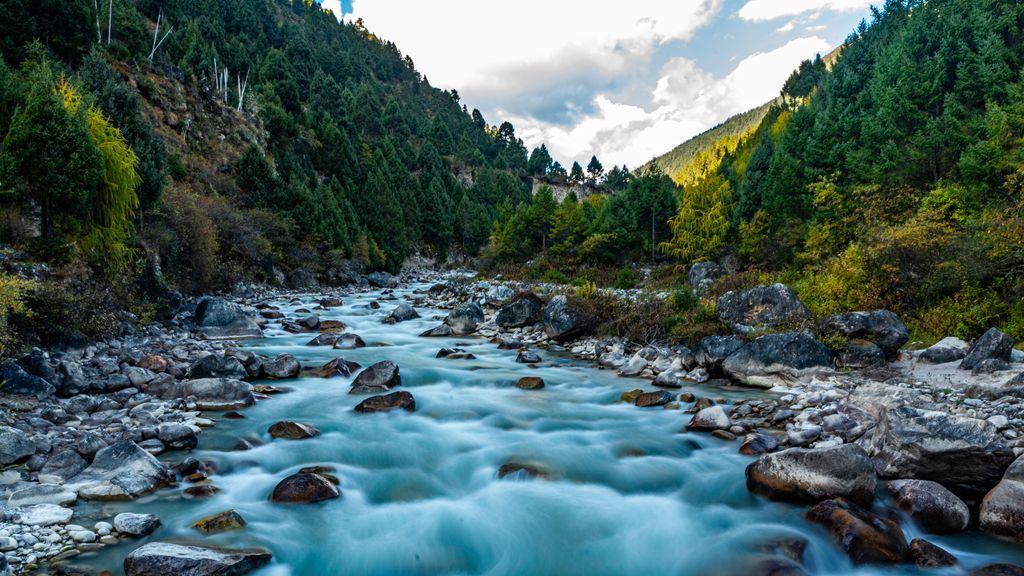
Bhutan’s river valleys shape much of the country’s landscape and travel character. River-focused trips are best planned with weather and route awareness.
Helpful pairings: best time to visit bhutan, punakha bhutan, and paro travel guide.
What to Know
Choose river routes based on region and road feasibility. Scenic value is strongest when you keep itineraries focused.
Best Time and Planning
Seasonal flow and weather variability can change travel comfort. Keep transfer buffers and avoid tight schedules.
| Factor | What to Expect | Tip |
|---|---|---|
| Timing | Varies by season and demand | Start early |
| Budget | Depends on style and choices | Set a clear cap |
| Movement | Transfers affect quality | Keep route buffers |
Route Strategy
Pair one primary river valley with one nearby cultural stop for a balanced day.

Practical Tips
- Check latest updates before departure.
- Carry essentials and hydration.
- Avoid overpacked one-day plans.
- Respect local norms and safety rules.
Also read bhutan hill stations.
Major River Corridors and Travel Use
Bhutan’s rivers shape valley settlement patterns, farming belts, and transport routes. For travelers, this means river corridors are not just scenic backgrounds; they determine how routes feel and where major cultural stops are located. Understanding this helps you plan better valley transitions and avoid unrealistic day structures.
Instead of treating rivers as one generic topic, map your itinerary by corridor type: cultural river valleys, adventure-focused sections, and quiet scenic stretches with low traffic pressure.
Adventure and River-Side Activities
Some river zones support guided adventure activities, while others are best for scenic observation and photography only. Never assume activity availability without local confirmation. River conditions, seasonal flow, and operator schedules can change quickly.
- Confirm activity feasibility on the same day.
- Use trained guides for any water-based experience.
- Respect flow warnings and weather advisories.
- Keep safety gear and hydration non-negotiable.
Adventure quality depends on preparation, not spontaneity.
River Culture and Landscape Interpretation
In Bhutan, river valleys often connect monasteries, villages, and farming systems. Travelers who observe this connection gain deeper understanding of how geography shapes daily life. Plan short pauses near bridges and viewpoints to read valley structure rather than rushing every transfer.
If you want a combined culture-and-scenery route, pair river planning with Bhutan hill stations and Phobjikha Valley pacing patterns for better continuity.
Conservation and Responsible River Travel
River corridors are ecologically sensitive. Avoid littering, respect local usage zones, and keep noise low near village and monastery areas. Responsible behavior protects both natural systems and community trust, which is essential in low-impact destinations like Bhutan.
Small discipline during stops, meals, and photo breaks keeps river travel sustainable for future visitors and local residents.
River-Based Itinerary Logic for Bhutan
Bhutan routes naturally follow river valleys, which means daily movement should be planned around corridor transitions rather than straight-line map assumptions. Short map distances can still take substantial time in mountain terrain. Keep route design conservative and avoid stacking many valley shifts in one day.
One reliable approach is to anchor each day around one river corridor and one cultural stop, then preserve late afternoon flexibility.
Cultural and Ecological Sensitivity
River valleys in Bhutan are often near monasteries, farms, and local communities. Visitors should maintain low-impact behavior, avoid litter, and respect quiet zones. Rivers are not just scenic assets; they support ecological and cultural systems.
Responsible travel strengthens long-term sustainability and local hospitality.
Adventure Planning Without Overreach
If your itinerary includes rafting or river-side activities, check local flow conditions and operator readiness on the day itself. Do not force activity blocks during adverse weather or high flow periods. Safety-led decisions are essential in mountain river systems.
- Choose guided operators with local experience.
- Confirm safety gear standards before departure.
- Keep hydration and weather layers ready.
- Use one adventure block per day maximum.
River travel quality is highest when plans are flexible and realistic.
Photography and Observation Strategy
Use bridges and marked viewpoints for landscape reading rather than unsafe river-edge positioning. Capture one wide corridor frame, one settlement-context frame, and one detail frame that reflects river-life interaction. This gives depth to your documentation while keeping movement safe.
For broader planning, combine river routes with shopping in Bhutan and cultural pacing near major valleys for a more complete trip experience.
River Corridor Travel for First-Time Visitors
If this is your first Bhutan trip, avoid complex multi-corridor loops. Start with one cultural river valley and one scenic extension, then evaluate pace before adding extra movement. This protects comfort and gives time to absorb local context, not just transit through it.
First-time travelers often over-plan. A simpler river route usually delivers better quality.
Final River-Trip Readiness Checklist
Confirm weather, keep ID and route notes ready, carry layered clothing, and maintain hydration on drive days. Respect local community spaces near riverbanks and avoid risky photo behavior near fast-flow sections. Responsible pacing and site etiquette are central to quality Bhutan river travel.
Use calm execution, and your river itinerary will feel smoother, safer, and far more rewarding.
Final River-Route Discipline
Do not schedule long cross-valley transfers after sunset unless absolutely necessary. Daylight movement is safer, navigation is clearer, and scenic value is significantly higher. Keeping this one rule can improve both risk management and trip quality across Bhutan river corridors.
Operational Tip for Multi-Valley Routes
Confirm route status each morning and keep one optional stop that can be dropped without affecting the main day objective. This keeps river-valley travel realistic and lowers time pressure.
Stable pacing is the core advantage of Bhutan river itineraries and should always take priority over stop quantity.
Final River Itinerary Checklist
Use daylight travel, monitor weather and road status, and maintain one removable stop each day. This checklist keeps Bhutan river routes realistic and safer, especially for first-time visitors.
Consistent planning habits matter more than aggressive daily distance goals.
Quick Note
Use conservative pacing on long valley transfer days.
Final Reminder
Keep daylight travel, stable buffers, and simple daily objectives for safer river-valley movement across Bhutan regions.
Note
Check local advisories before departure.
Conclusion
River travel in Bhutan works best with practical planning and paced movement.

Location
Frequently Asked Questions
Q1.Which rivers are popular in Bhutan travel?
Q2.Is season important for river routes?
Q3.Can I combine rivers with monasteries?
Q4.Should I keep route buffers?
Q5.Is this suitable for family travel?
Q6.What improves river-route experience?
Q7.Are day trips feasible?
Q8.What is key success factor?
Recommended For You
Bhutan Hill Stations: Scenic Regions and Travel Tips
Plan Bhutan hill-station travel with valley-based routing, season-aware pacing, and practical mountain transfer strategies.
Bhutan in April: Weather, Routes and Travel Tips
Travel Bhutan in April with weather-wise route planning, festival-aware timing, and practical tips for a smooth spring itinerary.
Bhutan in November: Season Guide and Travel Tips
Travel Bhutan in November with weather-wise route planning, crowd timing, and practical tips for a smoother and scenic trip.
Never Miss an Adventure
Get the latest trekking guides, travel tips, and exclusive offers delivered straight to your inbox.
