
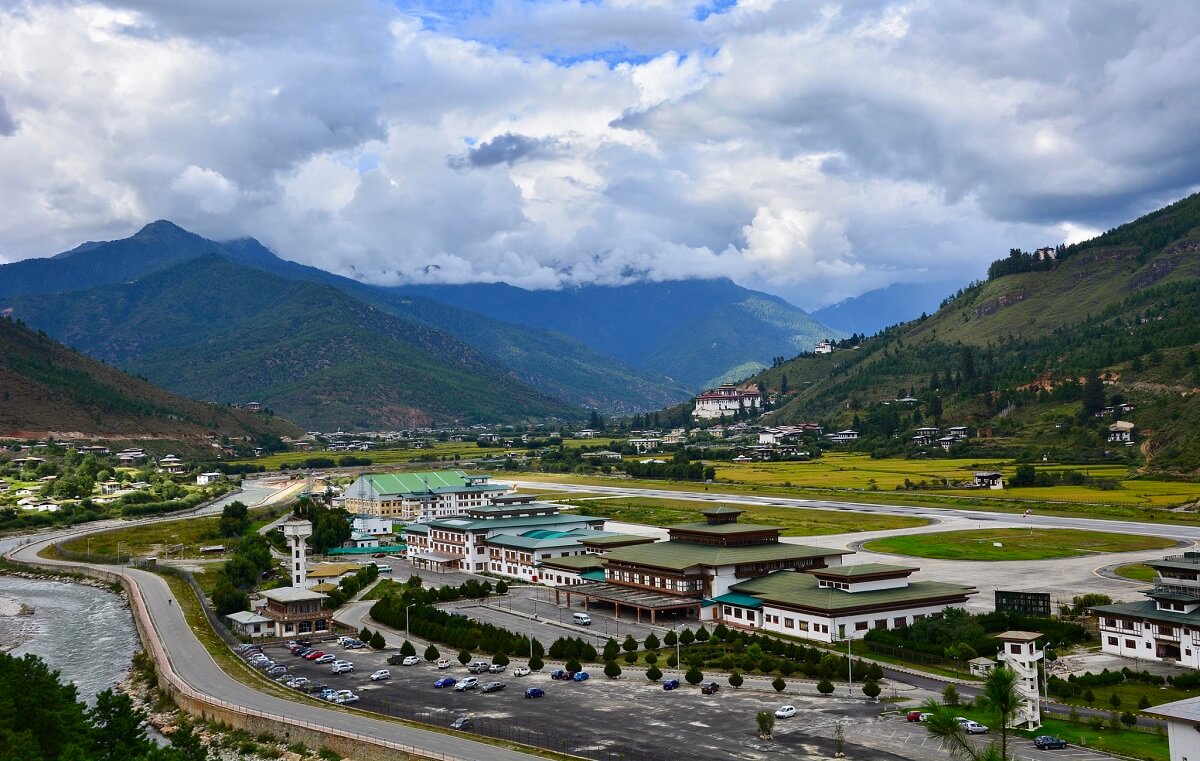
Bhutan Hill Stations: Scenic Regions and Travel Tips

Neha Kapoor
February 18, 2026
Plan Bhutan hill-station travel with valley-based routing, season-aware pacing, and practical mountain transfer strategies.
Bhutan Hill Stations: Scenic Regions, Route Strategy, and Practical Travel Tips
Bhutan’s highland travel experience is very different from crowded hill-station tourism in many parts of South Asia. The focus here is slower movement, monastery-linked culture, valley transitions, and weather-sensitive mountain roads. If you plan Bhutan like a checklist trip, you may spend most of your time in transfers. If you plan by region and pace, you get a much better experience.
This guide helps you plan Bhutan hill-station style travel through realistic route design, seasonal timing, and comfort-first execution. For itinerary continuity, pair this with best time to visit Bhutan, valley context from Punakha Bhutan, and access planning via Paro travel guide.
What “Hill Station” Means in Bhutan Context
In Bhutan, hill travel is less about amusement infrastructure and more about valley settlements, monastery viewpoints, forest roads, and altitude-aware movement. Travelers expecting dense cafe strips and high-energy town centers may need to adjust expectations. The reward is clean landscapes, cultural depth, and less commercial crowd pressure.
A practical approach is to choose one anchor valley and one secondary highland zone. This gives variety without exhausting road hours.
Top Regions to Prioritize
Most first-time travelers build their routes around Paro-Thimphu-Punakha style corridors with one scenic extension. For quieter nature-focused experiences, places like Phobjikha Valley Bhutan are strong additions. The key is to avoid trying too many valleys in too few days.
| Region Type | Best For | Execution Tip |
|---|---|---|
| Gateway Valleys | First-time orientation and cultural highlights | Use as base for acclimatized start |
| Scenic Mid-Altitude Zones | Viewpoints and slower drives | Keep mid-day road buffers |
| Quiet Nature Valleys | Birding, calm stays, and short walks | Plan longer stay, fewer transfers |
Region-first thinking is the strongest improvement you can make.

Best Time to Plan Bhutan Hill Travel
Weather affects everything in Bhutan: road comfort, visibility, photography, and even daily timing windows. Shoulder and clear-weather periods are usually best for travelers who want scenic drives and monastery views in the same day. Monsoon and winter windows can still work, but need stricter planning and realistic movement expectations.
- Clear seasons: stronger visibility and easier long views.
- Monsoon windows: greener landscapes, possible route delays.
- Cold months: crisp views, colder mornings and evenings.
- Festival dates: richer culture, higher logistics pressure.
Always keep one time buffer block per transfer day.
How to Build a Balanced Itinerary
A balanced Bhutan hill itinerary uses one movement day followed by one slower day. Many travelers over-stack transfer days and lose energy early. You will usually get better results from fewer locations with fuller experience than from long travel loops with minimal on-ground time.
For a seven-day plan, a practical model is two core valleys plus one scenic extension. Keep return routing simple and avoid late-evening long drives where possible.
Food, Hydration, and Comfort in Highland Routes
Highland travel demands pacing in both food and movement. Keep hydration consistent, plan warm meals around drive windows, and avoid heavy over-ordering before winding transfers. If you are exploring food culture, you can connect your hill trip with traditional cuisine of Bhutan and Bhutan local drinks for a better cultural layer.
Comfort planning is not optional in mountain routes. It determines whether the trip feels restorative or exhausting.
Transport and Route Discipline
Bhutan routes can look short on maps but take longer due to mountain roads and photo stops. Plan with conservative drive estimates and avoid chaining many distant stops in one day. Define clear departure times and stick to them.
If you are traveling in groups, assign one person for schedule tracking and another for essentials checklist. This reduces decision friction and keeps day flow stable.

Photography and Viewpoint Planning
Bhutan hill landscapes are best captured with fewer but intentional frames. Shoot one broad valley composition, one road-depth frame, one village-context frame, and one cultural landmark frame. Over-shooting at every stop often breaks route rhythm and delays arrival at major viewpoints.
Use softer light windows where possible. Midday glare can flatten mountain detail in high-contrast skies.
Common Mistakes and Better Alternatives
Common mistakes include over-ambitious valley hopping, late starts, and skipping buffer time. Another frequent issue is ignoring acclimatization comfort in the first days. Better alternatives are staged pacing, region clustering, and moderate daily movement.
One simple rule works well: if a day has a long drive, keep only one major site objective. This protects both safety and enjoyment.

Sample 6-Day Bhutan Highland Pattern
A practical six-day pattern is arrival and acclimatized orientation on day one, culture-heavy valley exploration on day two, transfer to a secondary region on day three, scenic + monastery day on day four, buffer and flexible slow day on day five, and departure-aligned travel on day six. This pattern balances movement and recovery, which is essential in mountain travel.
Travelers who skip buffer days often lose half a day to weather, road delays, or fatigue. One planned low-intensity day is not wasted time; it protects the quality of every other day.
Budgeting and Stay Selection Strategy
Budget in Bhutan hill travel should be divided by function: transport, stay, permits/guided components, and food. Do not allocate all budget to accommodation views and then compromise on route comfort. Good drivers, realistic transfer windows, and reliable meal planning often improve trip outcomes more than premium room upgrades.
When choosing stays, verify heating setup, distance from main roads, and breakfast timing. In mountain itineraries, small operational details shape the day more than room aesthetics alone.
Final High-Confidence Planning Rules
Keep mountain departure times conservative, avoid back-to-back long drives, and treat weather buffers as mandatory schedule elements. In Bhutan, route quality almost always beats stop quantity. If one day gets delayed, remove a secondary stop instead of compressing all remaining days.
Use a nightly planning reset: review weather, next-day drive duration, and meal timing. This habit prevents compounding delays and keeps trip stress low through the full route.
Conclusion
Bhutan hill-station style travel works best when planned around valleys, weather windows, and realistic road pacing. Choose fewer regions, spend more time in each, and keep route buffers non-negotiable. With this strategy, Bhutan offers one of the most peaceful and rewarding mountain experiences in the Himalayas.
Location
Frequently Asked Questions
Q1.How to choose hill stations in Bhutan?
Q2.Is season important?
Q3.Can I cover many regions quickly?
Q4.What improves mountain-trip quality?
Q5.Is Bhutan hill travel family-friendly?
Q6.Should I keep backup days?
Q7.Can I combine cultural stops?
Q8.What is key planning factor?
Recommended For You
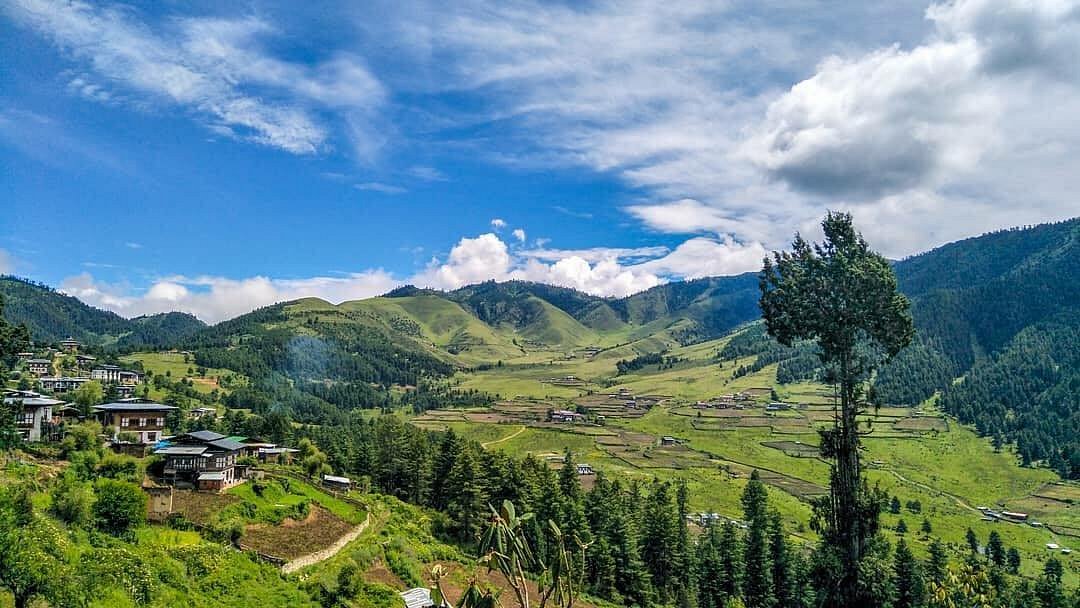
Phobjikha Valley Bhutan: Black-Necked Cranes, Stays & Travel Plan
Discover Phobjikha Valley Bhutan - winter home to sacred black-necked cranes. Complete guide to Gangtey Monastery, crane festival, best time to visit & travel tips.
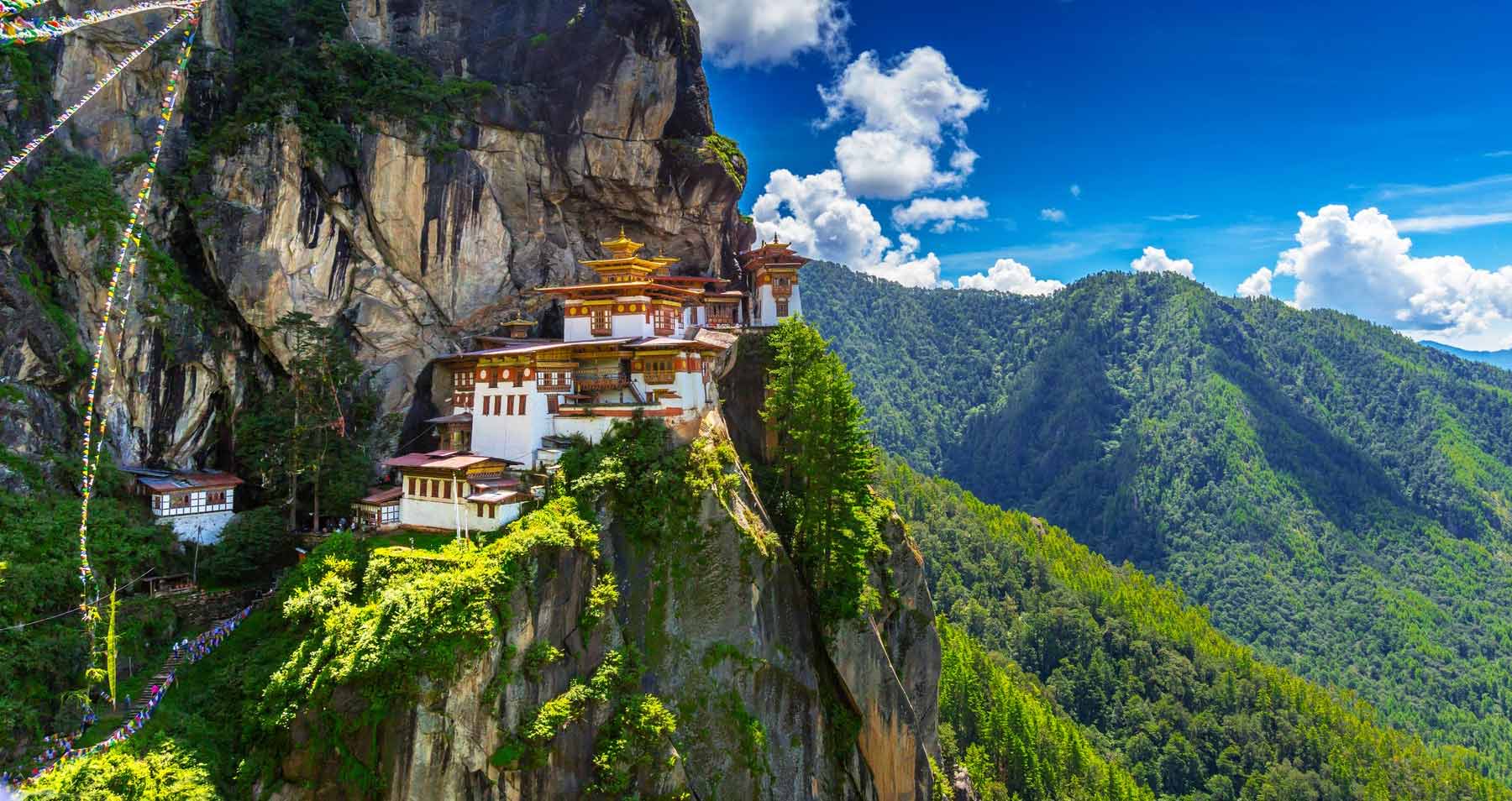
Best Tourist Places in Bhutan: Region-Wise Attractions & Itinerary Ideas
Explore the best tourist places in Bhutan with region-wise highlights from Paro, Thimphu, Punakha, Bumthang, and Phobjikha, plus practical travel planning tips.
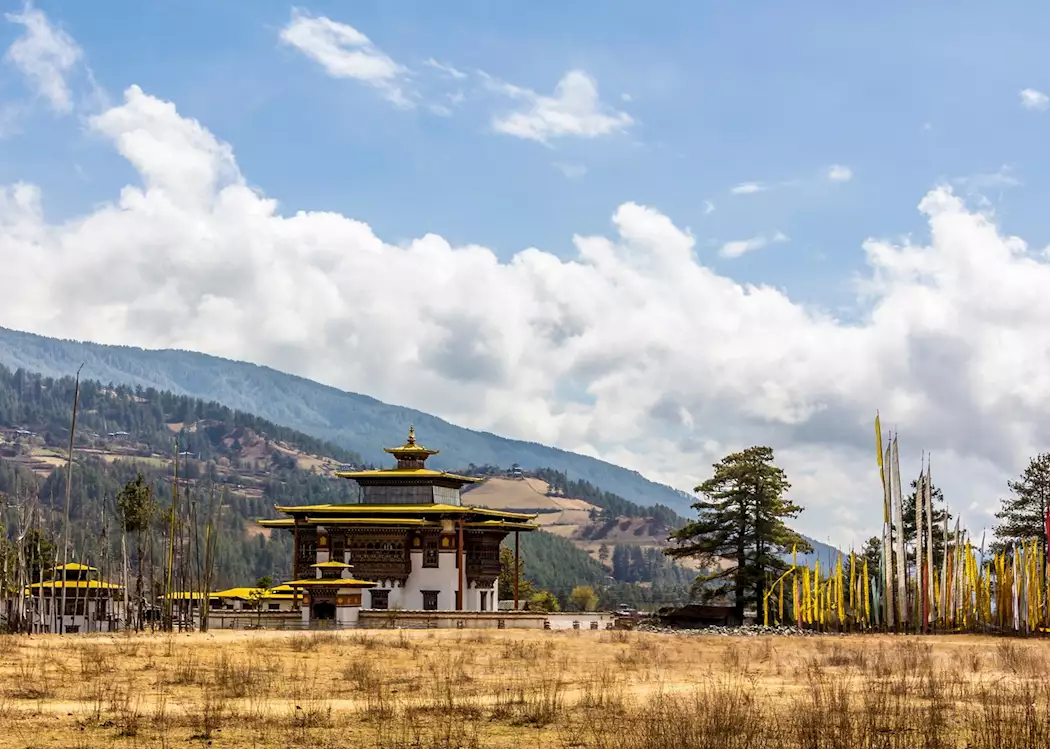
Jakar Bhutan Travel Guide: Places to Visit & Things to Do
Complete Jakar Bhutan travel guide. Discover ancient temples, festivals, trekking & Bumthang Valley's spiritual heritage.
Never Miss an Adventure
Get the latest trekking guides, travel tips, and exclusive offers delivered straight to your inbox.
