
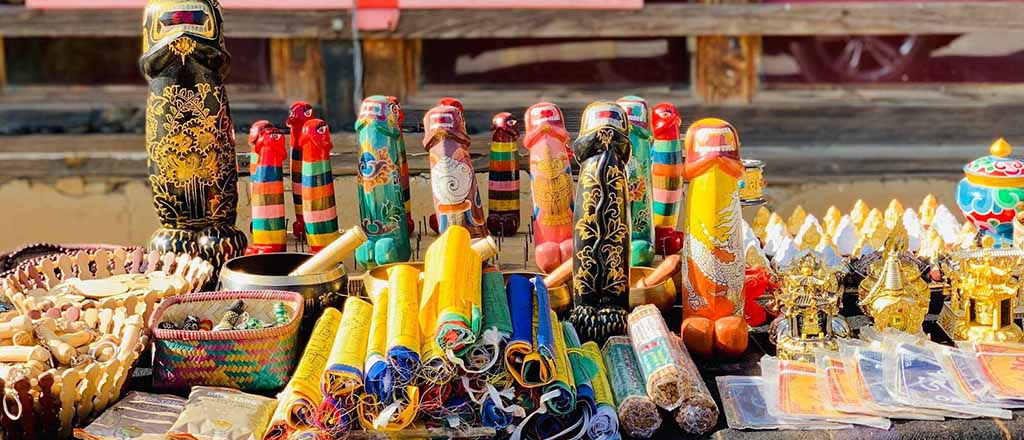
Shopping in Bhutan: Complete Guide to Handicrafts, Textiles & Souvenirs

Rohan Malhotra
January 24, 2026
Discover shopping in Bhutan with our complete guide. Traditional textiles, Thimphu weekend market, handicrafts, prayer flags, thangkas, and authentic Bhutanese souvenirs.
Shopping in Bhutan: Handicrafts, Textiles, and Authentic Souvenir Guide
Shopping in Bhutan is less about volume and more about cultural value. You are buying from a country where traditional craft still has social and spiritual significance, not just commercial display. That means your best purchases in Bhutan are usually handmade textiles, ritual-art categories, bamboo-cane products, and carefully selected local keepsakes.
Most travelers shop in Thimphu and Paro, but buying quality depends more on product understanding than city choice. If you are planning your itinerary first, begin with backpacking in Bhutan so your shopping windows align with movement days and market timings.
Thimphu: Bhutan's Primary Shopping Base
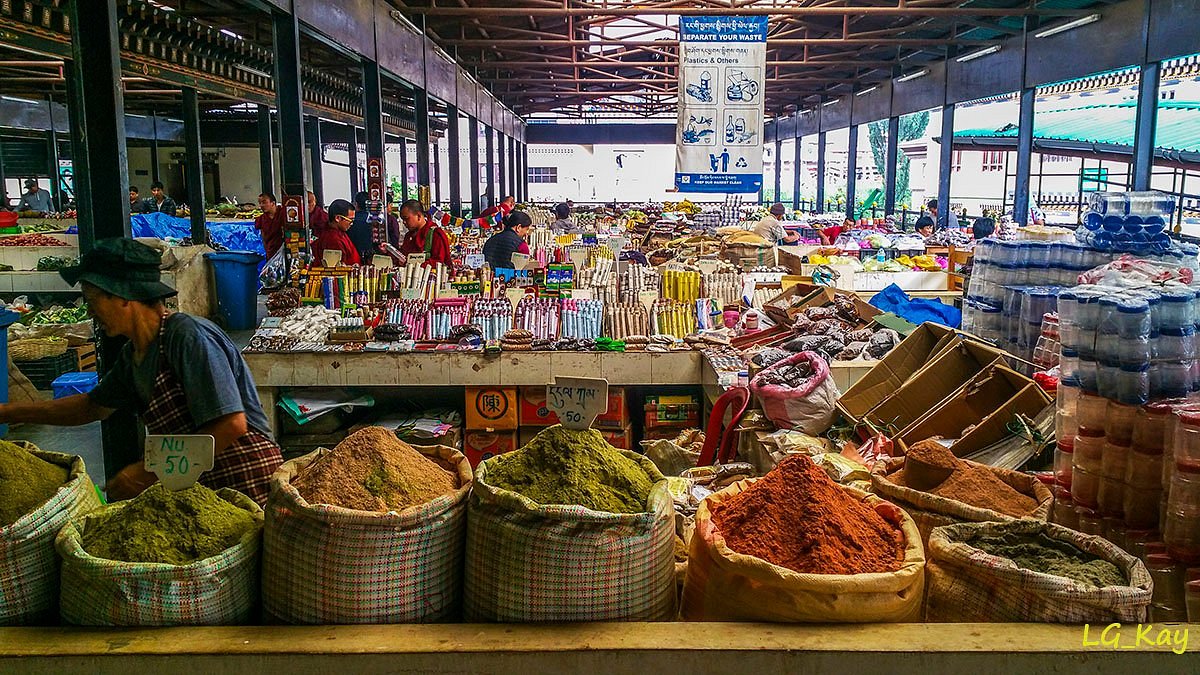
Thimphu is the most practical shopping city in Bhutan because it offers both traditional and structured retail channels. You can visit local markets for regional feel and then cross-check categories in more formal stores for quality confidence.
Where to shop in Thimphu
- Weekend and local produce markets for cultural context
- Handicraft-focused stores for textiles and art
- Curated outlets for gifting and verified quality products
The city is ideal for first-round category mapping before you buy high-value items.
Traditional Bhutanese Textiles: What to Know
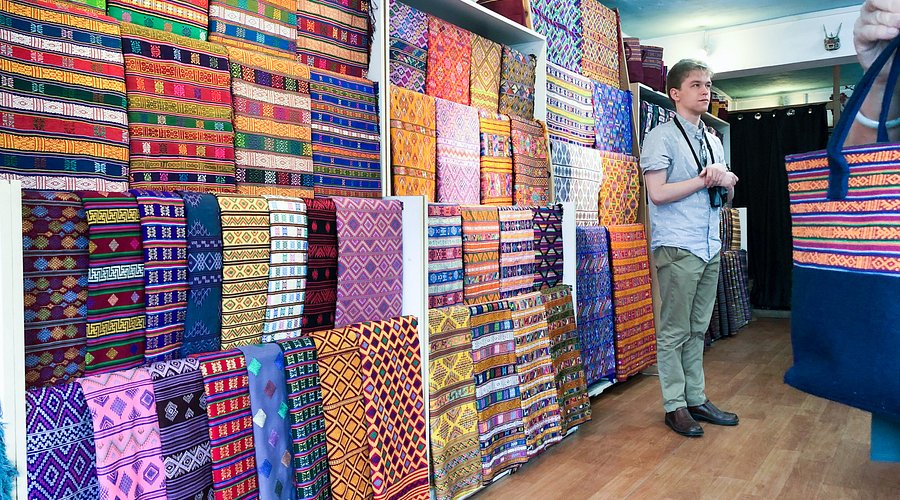
Textiles are among Bhutan's strongest shopping categories. Pattern complexity, weaving precision, and material quality drive price differences more than brand labels. Buyers who understand this get better value and better products.
Core textile categories
- Kira-style women's wear textiles
- Gho-related men's fabric categories
- Woven scarves, wraps, and decorative fabric pieces
- Handloom-based gift textiles
For cultural context before buying religious or ceremonial-use designs, review temples in Bhutan. It helps avoid buying symbolic motifs without understanding their meaning.
Bhutanese Handicrafts and Art Products
Handicraft shopping in Bhutan includes woodcraft, painted religious art, bamboo-cane work, and culturally symbolic decor categories. Product authenticity is generally stronger than many mass-tourism destinations, but quality still varies by workmanship and finishing.
High-interest craft categories
- Thangka-style art and spiritual decor
- Bamboo and cane utility products
- Wood-carved decorative items
- Traditional-style jewelry and small gift crafts
For long-term durability, inspect finishing, symmetry, and material stability rather than only visual detail.
Unique Souvenirs to Buy in Bhutan
Good Bhutan souvenirs are functional and culturally rooted. Choose products that are easy to carry and retain regional identity.
- Handmade paper products and stationery
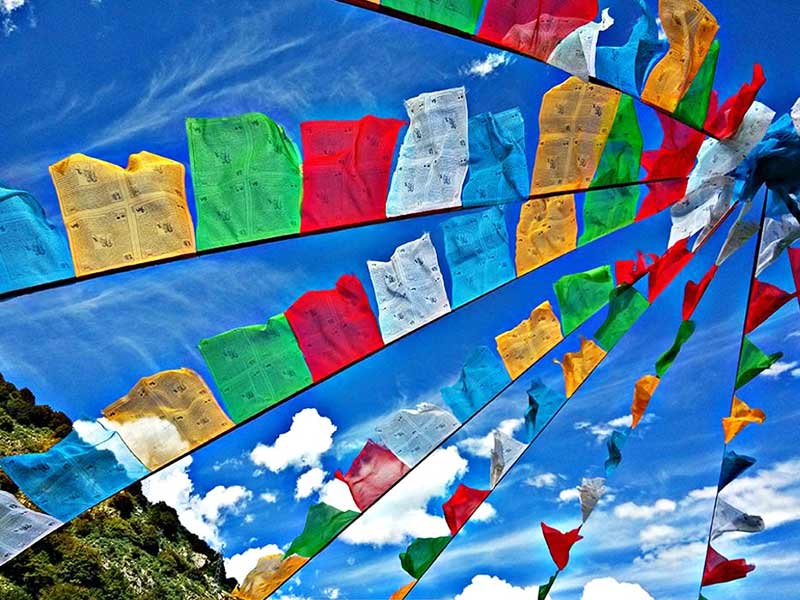
- Prayer-flag inspired decor and symbolic keepsakes
- Small woven textile gifts
- Crafted utility items in bamboo or cane
- Cultural miniature artifacts from trusted shops
If you are still selecting destinations within the country, compare shopping access and time allocation with best tourist places in Bhutan.
Etiquette, Pricing, and Bargaining in Bhutan
Bhutan's retail culture is calmer and more respectful than many bargaining-heavy markets in Asia. In many stores, pricing is more stable, especially for handcrafted or culturally significant categories. Bargaining, where possible, should stay polite and modest.
- Ask about craft origin before negotiating.
- Do not aggressively undercut handcrafted categories.
- Request clear billing for high-value purchases.
- Use mixed payment options; cash still matters in smaller outlets.
For international cross-destination comparison of old-city and modern shopping styles, you can contrast with shopping in Baku.
Best Time and Strategy for Shopping Days
Morning to late-afternoon windows are usually better for focused buying. Festival periods may increase product variety but also crowd density. If your itinerary is tight, do category scanning first and final purchases in a second round.
Simple shopping strategy
- Round 1: identify top 2-3 categories and price ranges
- Round 2: inspect quality and shortlist products
- Round 3: complete purchases with packaging checks
This prevents impulse buying and helps you prioritize authentic pieces.
Packing and Transport Tips
Buy fragile products late in your itinerary. Keep textiles compressed separately and protect painted items with extra cushioning. For larger purchases, ask about packing support and handling instructions before transport.
Final Takeaway
Bhutan is one of the best places for meaningful cultural shopping when you prioritize authenticity over quantity. Focus on handloom textiles, traditional crafts, and portable symbolic souvenirs. Shop respectfully, check quality patiently, and align purchases with your route. That way, what you carry home will represent Bhutan's craft heritage, not generic tourist stock.
How to Buy Respectfully in Bhutan
Bhutan shopping has a cultural layer that many visitors underestimate. Some products are linked with spiritual use, ritual context, or local identity. Ask before buying symbolic pieces, and avoid treating sacred items as casual decor if you are unsure of meaning. Respectful buying improves interaction quality and helps preserve craft context.
Quality Checks for Textile and Craft Buyers
- Textiles: weave consistency, pattern alignment, edge finish
- Woodcraft: smooth carving and balanced detailing
- Bamboo-cane items: tight weave and no sharp edges
- Art products: stable surface and careful finishing
For higher-value categories, prioritize trusted outlets and request detailed bills. Do not rush in first-pass browsing.
Packing and Carry Strategy
Keep textiles in dry compression sleeves and separate spiritual items from heavy accessories. For fragile pieces, ask for protective wrapping and avoid stacking under hard luggage. If your itinerary has multiple road transfers, buy breakable products only near the end of your Bhutan route.
Buying Meaningful, Not Just Decorative, Souvenirs
The best Bhutan purchases are those with clear use and cultural meaning. Instead of buying many visual duplicates, choose a small set of high-context items: one textile, one crafted utility piece, and one symbolic gift item.
This approach improves quality, preserves budget, and reduces carrying weight. It also reflects Bhutan's craft values better than volume shopping.
If you are unsure about product meaning, ask before purchasing. Respectful inquiry is appreciated and often leads to better recommendations from sellers.
Last-Day Shopping Plan in Bhutan
Keep your last-day Bhutan shopping focused on confirmed categories rather than fresh browsing. Revisit trusted stores, verify packaging quality, and finalize only items that match your original shortlist. This approach reduces rushed decisions and protects product authenticity standards.
For cultural purchases, ask one final time about care instructions and handling during travel. Textiles, painted crafts, and bamboo products last longer when packed correctly and kept dry. A careful last-day plan ensures you take home meaningful products without transit damage or budget overshoot.
Keep a small spare buffer in your budget for packaging upgrades and safe carry materials. This final step often protects your best purchases during long transit.
Location
Frequently Asked Questions
Q1.What is Bhutan most famous for shopping?
Q2.Where is the best place to shop in Bhutan?
Q3.Are textiles in Bhutan expensive?
Q4.Is bargaining acceptable in Bhutan?
Q5.What are good souvenirs to buy from Bhutan?
Q6.Can I buy thangkas in Bhutan?
Q7.What payment methods are accepted in Bhutan?
Q8.How do I identify good quality Bhutanese textiles?
Recommended For You
Thimphu Bhutan: Complete Travel Guide and Top Places
Plan your Thimphu Bhutan trip with top attractions, best season, India access routes, local transport, stay options, and practical sightseeing tips.
Traditional Cuisine of Bhutan: Signature Dishes & Food Culture
Discover the traditional cuisine of Bhutan with Ema Datshi, regional dishes, beverages, dining etiquette, and practical food tips for first-time travelers.

Best Tourist Places in Bhutan: Region-Wise Attractions & Itinerary Ideas
Explore the best tourist places in Bhutan with region-wise highlights from Paro, Thimphu, Punakha, Bumthang, and Phobjikha, plus practical travel planning tips.
Never Miss an Adventure
Get the latest trekking guides, travel tips, and exclusive offers delivered straight to your inbox.
