
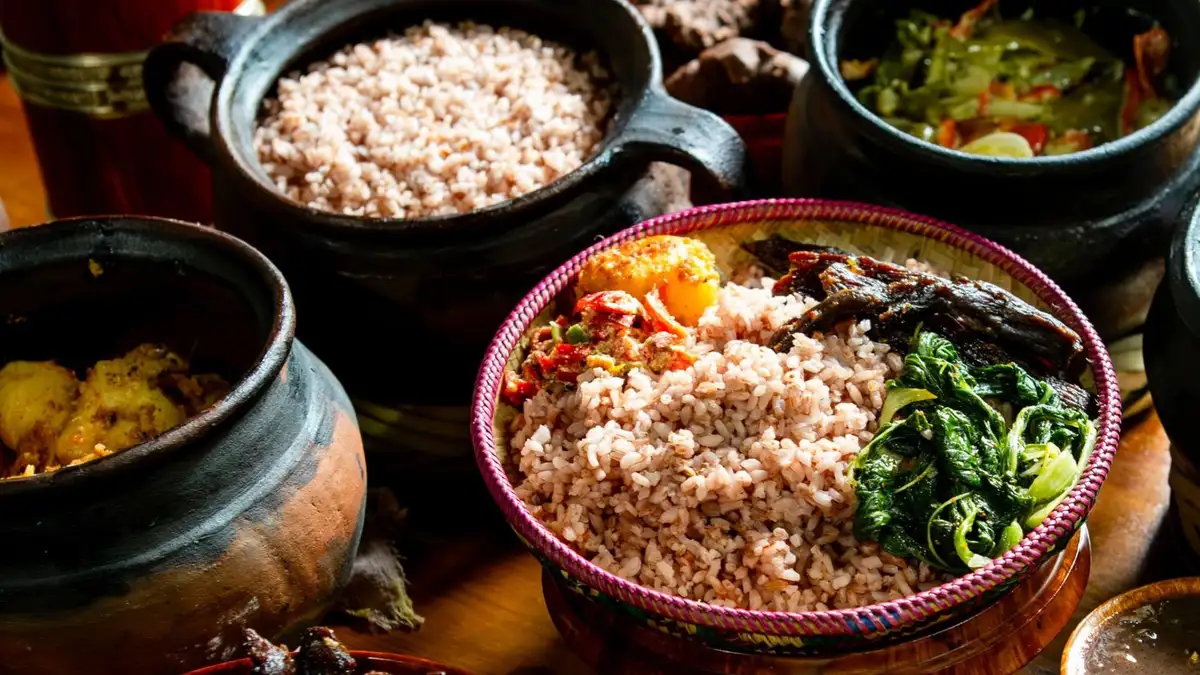
Bhutan Street Food: Local Flavors and Tasting Tips

Rohan Malhotra
February 18, 2026
Bhutan street food guide with practical tasting order, hygiene checks, budget pacing, and cultural etiquette for smarter local food exploration.
Bhutan Street Food: What to Try, Where to Stop, and How to Taste Smartly
Bhutan street food is not about huge food streets or endless carts. It is more subtle, local, and tightly connected to climate, ingredients, and daily routines. Travelers expecting large urban-style markets may miss the experience unless they adjust expectations. The best way to enjoy Bhutan street food is to focus on context: local flavors, warm fresh preparation, and moderate paced tasting rather than checklist-heavy sampling.
This guide helps you build a practical tasting route with hygiene awareness, cultural respect, and meal timing that fits mountain travel. You can pair this with traditional Bhutan cuisine, beverage context from Bhutan local drinks, and season planning via best time to visit Bhutan.
How Bhutan Street Food Differs from Big-City Food Trails
In Bhutan, street-food culture often appears in compact local clusters, market-side counters, and neighborhood meal points rather than high-density night-market zones. This means quality depends more on selecting the right windows and vendors than on hopping many stalls quickly. Freshness and turnover are usually stronger indicators than volume of options.
A practical approach is to choose one morning tasting block and one evening tasting block, with hydration and light meals between. This gives enough variety without overloading digestion at altitude.
What to Prioritize First
Start with iconic flavor families: chili-and-cheese influence, dumpling styles, hearty warm snacks, and region-specific comfort dishes. Keep first-day portions smaller while your body adapts to altitude and weather. Food confidence improves quickly once you identify reliable vendors.
| Tasting Block | Focus Type | Execution Tip |
|---|---|---|
| Morning | Warm, lighter local snacks | Choose high-turnover counters |
| Midday | Simple meal support | Avoid overstacking spicy items |
| Evening | Signature street-style flavors | Pair with hydration and slower pacing |
This structure keeps your tasting route enjoyable and sustainable across multi-day travel.
Hygiene and Vendor Selection Without Overthinking
You do not need complex rules. Watch preparation flow, ingredient handling, and customer turnover. Freshly cooked batches with regular demand are usually safer choices than low-turnover displays. If in doubt, pick hot cooked items and skip anything that looks long-held.
Carry water and keep short gaps between tastings. Mountain weather and travel fatigue can make even good food feel heavy if pacing is poor.

Budget and Portion Strategy
Street food in Bhutan can be budget-friendly, but costs can still rise if you over-order at every stop. A simple portion rule works well: one shared item and one personal item per stop. This keeps variety high and waste low.
- Set a daily tasting budget before you start.
- Keep one bigger meal separate from tasting rounds.
- Use small portions for spicy or rich dishes first.
- Save repeat orders only for top picks.
This helps maintain comfort while still exploring local flavors.
How to Combine Street Food with Sightseeing
Do not isolate food from your travel route. Combine tasting windows with nearby markets, short heritage walks, or relaxed town movement. Food stops work best as support anchors between activity blocks, not as rushed stand-alone detours.
If your day includes long drives, shift heavier tasting to evening near your stay location and keep daytime food light.
Sample One-Day Bhutan Street Food Plan
Morning: one warm local snack and tea near market movement. Midday: one simple sit-down meal to reset. Evening: two selected street-food tastings with hydration between stops. Late: optional light closing item if appetite remains.
This model is ideal for first-time visitors and keeps energy stable.

Common Mistakes and Better Alternatives
Most travelers make one of three mistakes: tasting too many spicy items early, ignoring hydration, or forcing late-night heavy eating before early departures. Better alternatives are paced tasting, food pairing, and route-aligned timing. Keep your final stop near your stay to avoid unnecessary night movement.
For cultural add-ons after tasting, combine with shopping in Bhutan for local products and edible souvenirs.
Cultural Etiquette and Respectful Tasting
Street-food interactions are part of local hospitality. Be polite, patient, and open to local suggestions. Ask before photographing people or close-up preparation areas. Small respectful behavior creates better interactions and often better recommendations.
If you are unsure about ingredients or spice level, ask directly and request smaller portions first. Most vendors appreciate clear, respectful communication.

Regional Flavor Patterns You Will Notice Quickly
Even within a compact trip, Bhutanese street-food flavor profiles can shift by town, altitude, and local produce cycles. Some stops lean heavily into heat-forward preparations, while others balance spice with dairy richness and comforting starches. Instead of judging one stall in isolation, compare two or three nearby counters in the same time window. You will understand local style faster and make better second-round choices.
A useful method is to keep short tasting notes on your phone: dish name, spice comfort, portion size, and whether you would repeat it. This sounds simple, but it prevents decision fatigue in the evening when markets are busier. It also helps families and groups align on what to reorder and what to skip. The result is less waste and more confidence in local exploration.
How to Ask for the Right Portion and Spice Level
Most travelers either under-order from caution or over-order from excitement. A better pattern is to request medium portions for first tries and decide on a second order only after finishing. If spice tolerance is uncertain, ask for a milder version first and keep condiments separate. This protects your day plan, especially when you still have walking, shopping, or transfers after the meal window.
Communication quality matters more than perfect wording. Speak clearly, smile, and confirm what you want in a short sequence: quantity, spice preference, and whether you are sharing. Vendors appreciate concise requests during busy periods, and service usually becomes smoother. If you are traveling with children or older family members, place one comfort dish on every stop list so everyone has a reliable option.
Two-Day Street-Food Framework for First-Time Visitors
Day one should focus on orientation and digestion comfort. Keep your tasting radius small, try two to three items across the day, and prioritize freshly cooked hot food. Day two can be broader: add one new market pocket, compare similar dishes from different vendors, and finish with your best-rated repeat choice. This staged framework increases variety without increasing risk.
If weather shifts or energy drops, reduce the number of stops instead of forcing the plan. One excellent evening tasting round is better than three rushed rounds. Bhutan rewards patient exploration. Travelers who stay flexible and quality-focused usually report better food memories than those trying to complete long checklists in limited time.
Conclusion
Bhutan street food is best explored through quality over quantity: fewer reliable stops, thoughtful pacing, and culturally aware interactions. Use one structured tasting plan per day, prioritize freshness, and keep hydration central. With that approach, Bhutan’s local flavors become one of the most memorable parts of the trip.
Location
Frequently Asked Questions
Q1.Is Bhutan street food suitable for travelers?
Q2.How to plan tasting route?
Q3.What is best time for tasting?
Q4.Can I pair with local drinks?
Q5.How to avoid food fatigue?
Q6.Is this family-friendly?
Q7.What improves food exploration?
Q8.Should I keep backup spots?
Recommended For You
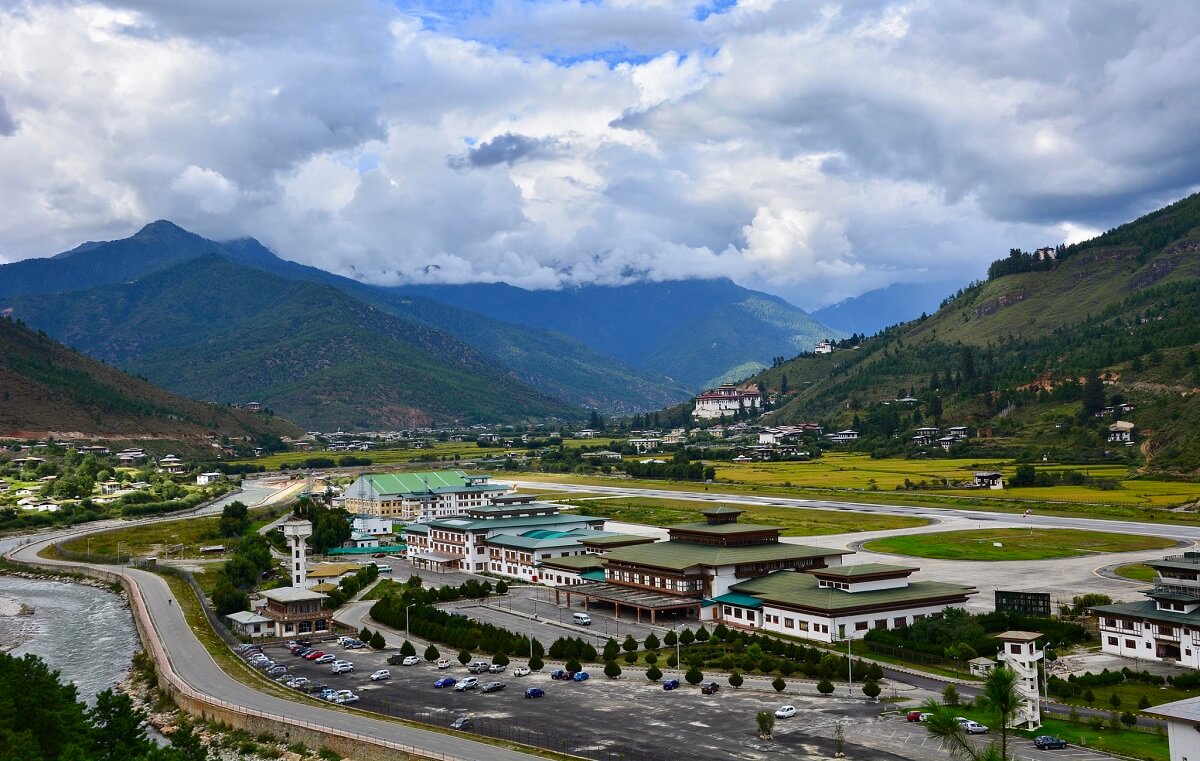
Bhutan Hill Stations: Scenic Regions and Travel Tips
Plan Bhutan hill-station travel with valley-based routing, season-aware pacing, and practical mountain transfer strategies.
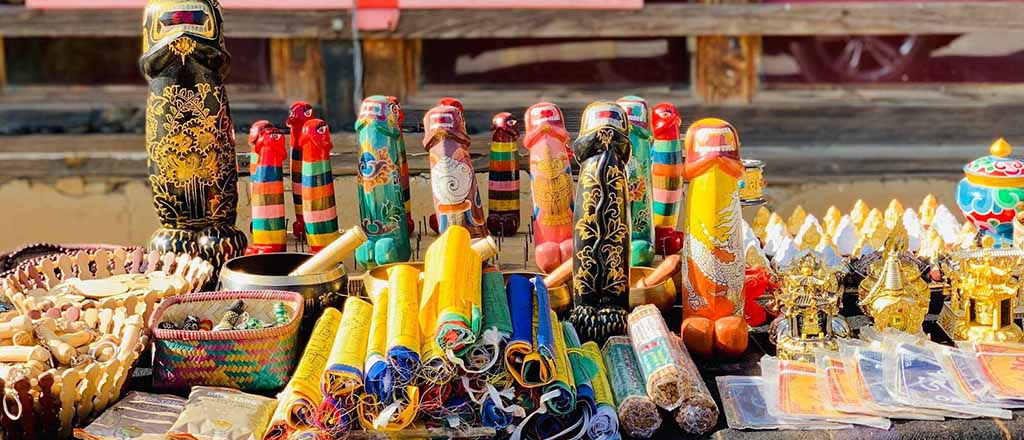
Shopping in Bhutan: Complete Guide to Handicrafts, Textiles & Souvenirs
Discover shopping in Bhutan with our complete guide. Traditional textiles, Thimphu weekend market, handicrafts, prayer flags, thangkas, and authentic Bhutanese souvenirs.

Punakha Bhutan: Dzong, Suspension Bridge & Valley Highlights
Plan Punakha Bhutan with Dzong, suspension bridge, temple stops, best season tips, and practical route planning for a smooth valley trip.
Never Miss an Adventure
Get the latest trekking guides, travel tips, and exclusive offers delivered straight to your inbox.
