
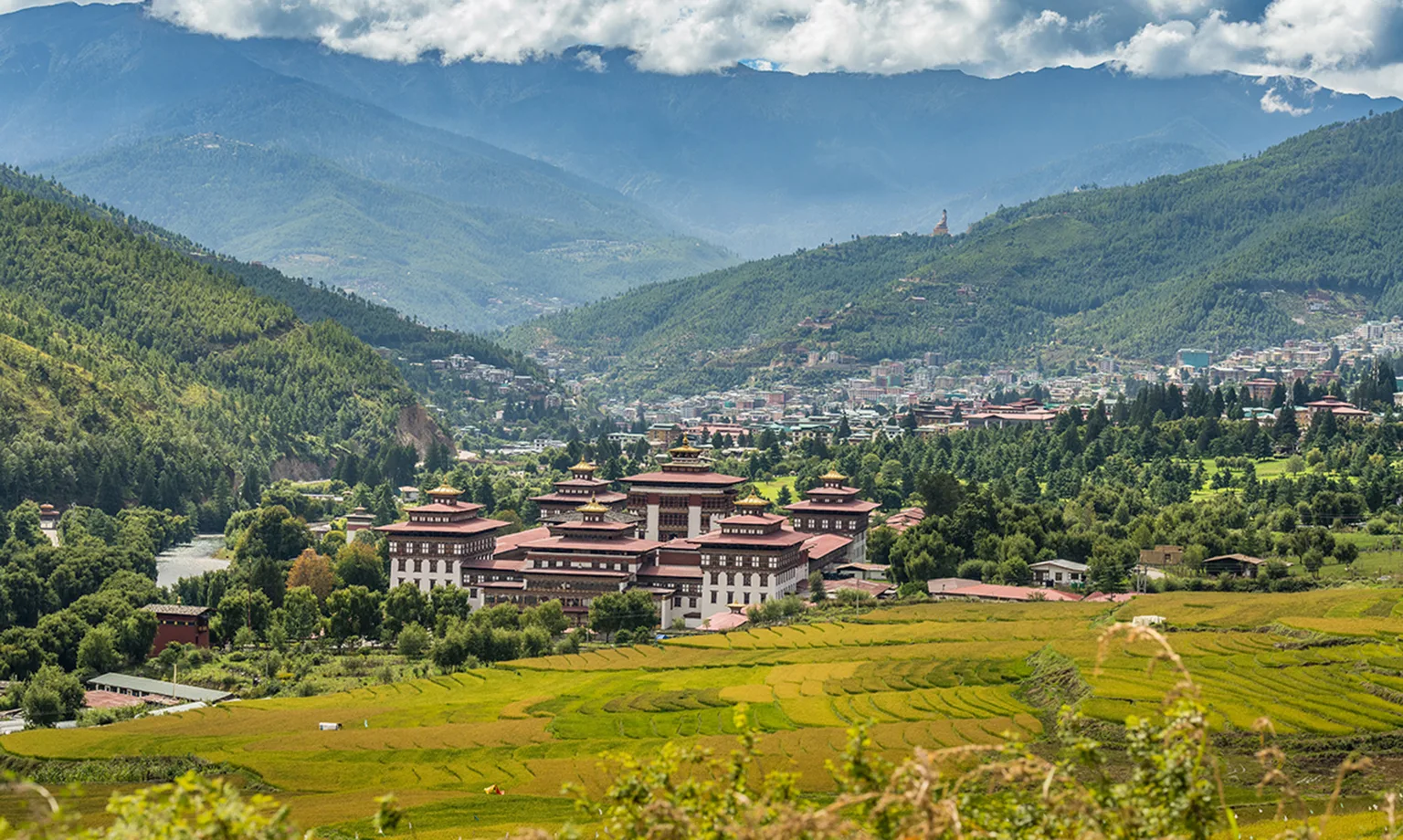
Bhutan Villages: Cultural Routes and Travel Tips

Ananya Sharma
February 18, 2026
Explore Bhutan villages with route-aware planning, cultural sensitivity, and practical tips for meaningful slow-travel experiences.
Bhutan Villages: A Better Way to Experience the Country
Village travel in Bhutan gives you a side of the country that many short itineraries miss. Cities and dzong complexes are important, but rural areas show how culture is actually lived every day. In villages, you can observe farming patterns, local home architecture, community rituals, and a slower rhythm that reflects Bhutan's long-standing values. The experience is less about ticking attractions and more about understanding place, people, and pace.
Many travelers make the mistake of treating villages as quick photo stops between major towns. That approach usually leads to shallow experiences and unnecessary road fatigue. A better method is to choose fewer villages and stay longer in each area. You can align the plan with seasonal guidance from this best time to visit Bhutan guide and combine it with route ideas from this Paro travel guide. If you want broader terrain context, this Bhutan hill stations guide is also useful.
Which Villages to Prioritize
Bhutan has many rural zones with distinct personalities. Some villages are known for agriculture and valley farming systems, while others are linked to weaving, traditional crafts, or monastery-centered community life. Instead of chasing maximum distance, prioritize villages that fit your interests and are realistic within your travel window. If your trip is short, select one village cluster near Paro or Punakha corridors. If you have more time, add one deeper rural segment with a homestay component.
A strong village itinerary usually includes one culturally active village, one scenic valley settlement, and one local market stop. This mix keeps the experience balanced: culture, landscape, and day-to-day interaction. It also prevents repetition, because not all villages should be visited in the same way. Some are best for walking and observation, others for conversations, food experiences, or craft learning.
Village Architecture and Settlement Design
One of the most striking parts of Bhutan villages is built form. Homes often use traditional design language: painted wooden window frames, earth-toned walls, and layered roof structures adapted to local climate. You can notice how settlement patterns follow slope, water access, and field geometry. This is not accidental aesthetics; it reflects environmental logic developed over generations. Even newer buildings often retain visual continuity with older forms.
When walking through villages, respect privacy and ask before photographing homes or people. Many travelers assume rural areas are always open viewing zones, but homes are private spaces. Responsible behavior improves interaction quality and builds trust. If you are interested in architecture, spend time observing details slowly rather than collecting quick snapshots. You will notice small regional differences that are easy to miss during rushed visits.

Daily Life and Culture in Bhutan Villages
Village life in Bhutan is shaped by community cooperation, seasonal agriculture, and religious rhythm. Depending on where you go, mornings may start with farm work, school movement, and local trade activity. Evenings are often quieter and family-centered. Festivals and religious events can temporarily transform the pace, creating vibrant social moments that visitors may witness if timing aligns.
Food experiences are a major part of village travel. Meals are usually simple, local, and seasonal, with ingredients sourced nearby. This is where village stays become valuable, because dining in a local setting provides direct cultural context. You learn not just what people eat, but how preparation and sharing reflect daily routines. If you are open and respectful, local hosts often explain regional differences in cuisine and farming practices.
Homestays and Accommodation Strategy
Homestays are the best format for village immersion, but quality can vary. Choose hosts or operators with clear communication on room comfort, meal type, hygiene standards, and transport logistics. Do not expect luxury infrastructure in remote zones. The value comes from authenticity, conversation, and local participation, not resort-style amenities. Carry essential items such as layered clothing, basic medicine, and personal comfort supplies.
When selecting accommodation, location matters more than listing photos. A modest stay in the center of village life often gives a richer experience than a polished property far from local activity. If your trip includes families or older travelers, confirm accessibility and bathroom arrangements in advance. This avoids stress after long road transfers and helps everyone enjoy the experience fully.
Activities That Actually Add Value
- Guided village walks focused on farming systems and local architecture.
- Participation in seasonal tasks where hosts invite visitors respectfully.
- Cultural exchange over meals, including regional food preparation methods.
- Short monastery or temple visits connected to village spiritual life.
- Local craft observation such as weaving or woodwork, where available.
Try to avoid turning village experiences into performance tourism. Authentic moments usually happen when schedules allow unstructured time and respectful interaction. If every hour is fixed, the experience can feel staged. Keep flexibility so local rhythms, weather, and community events can shape part of your day.

Best Time to Visit Bhutan Villages
Spring and autumn are generally preferred because weather is stable, roads are more predictable, and landscapes are visually strong. Winter can still be rewarding in selected lower-altitude regions if you prepare for colder mornings and shorter days. Monsoon periods may increase travel complexity in some routes, so keep buffer time and do not force tight transfer schedules. Village travel works best when the plan has room for real conditions, not ideal assumptions.
If your goal is photography, shoulder-season light can be excellent in mornings and late afternoons. If your goal is cultural depth, choose dates around local festival calendars only when you are comfortable with higher activity and possible accommodation demand. Otherwise, non-peak periods often provide deeper one-on-one interaction.
Responsible Village Tourism Guidelines
Respect for local culture is non-negotiable. Dress modestly, ask before photographing people, avoid loud behavior in religious areas, and follow host guidance on home customs. Buy local products directly where possible, but do not pressure communities for staged interactions. Support should feel fair and voluntary, not transactional.
Waste management is another basic responsibility. Carry reusable bottles and avoid leaving packaging in rural areas. Keep trekking or walking paths clean and stay on designated routes where applicable. Responsible behavior protects both environment and community trust, which are essential for long-term village tourism sustainability.
Final Takeaway
Bhutan villages offer one of the strongest cultural travel experiences in South Asia when approached with patience, respect, and realistic planning. Choose fewer destinations, stay longer, and prioritize meaningful interaction over fast movement. With that approach, village travel becomes more than scenic touring; it becomes a deeper understanding of Bhutan's social fabric, landscape intelligence, and everyday cultural strength.
Location
Frequently Asked Questions
Q1.Why visit villages in Bhutan?
Q2.How should I plan village routes?
Q3.Is cultural etiquette important?
Q4.Can I combine villages with city travel?
Q5.Is village travel family-friendly?
Q6.What improves trip quality?
Q7.Should I keep flexible days?
Q8.What is key planning factor?
Recommended For You
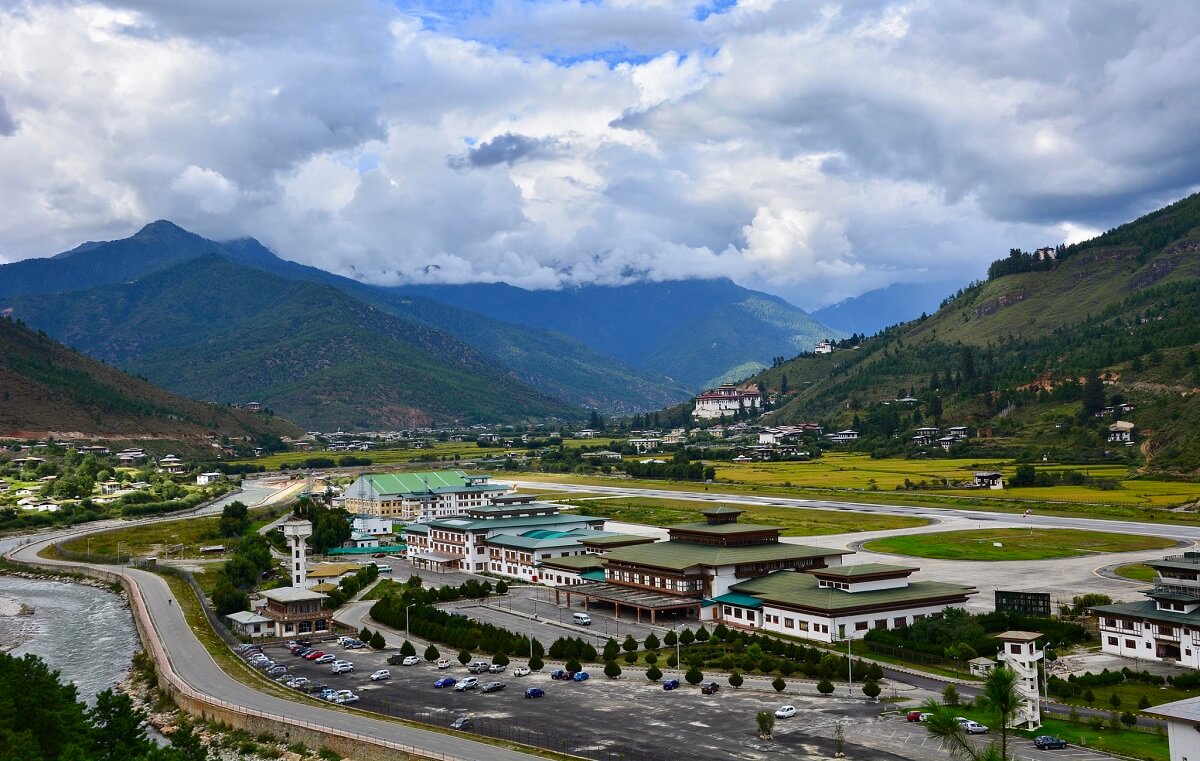
Bhutan Hill Stations: Scenic Regions and Travel Tips
Plan Bhutan hill-station travel with valley-based routing, season-aware pacing, and practical mountain transfer strategies.
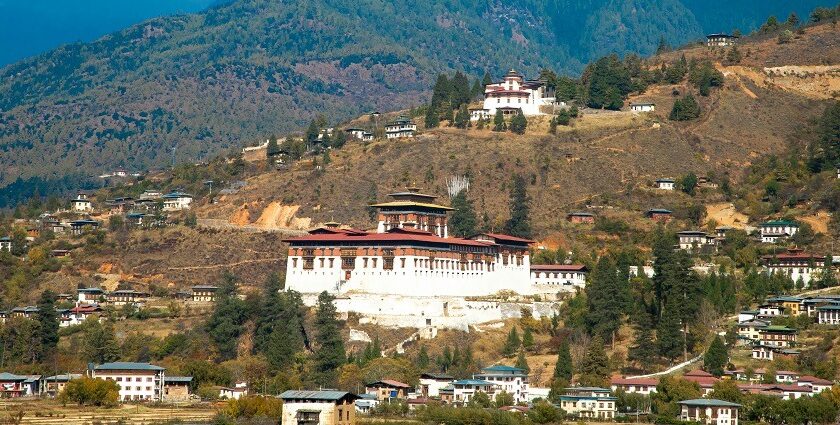
Paro Bhutan: Complete Travel Plan Places And Weather
Plan your Paro Bhutan trip with top attractions, itinerary structure, budget guidance, seasonal advice, and practical first-time travel tips.
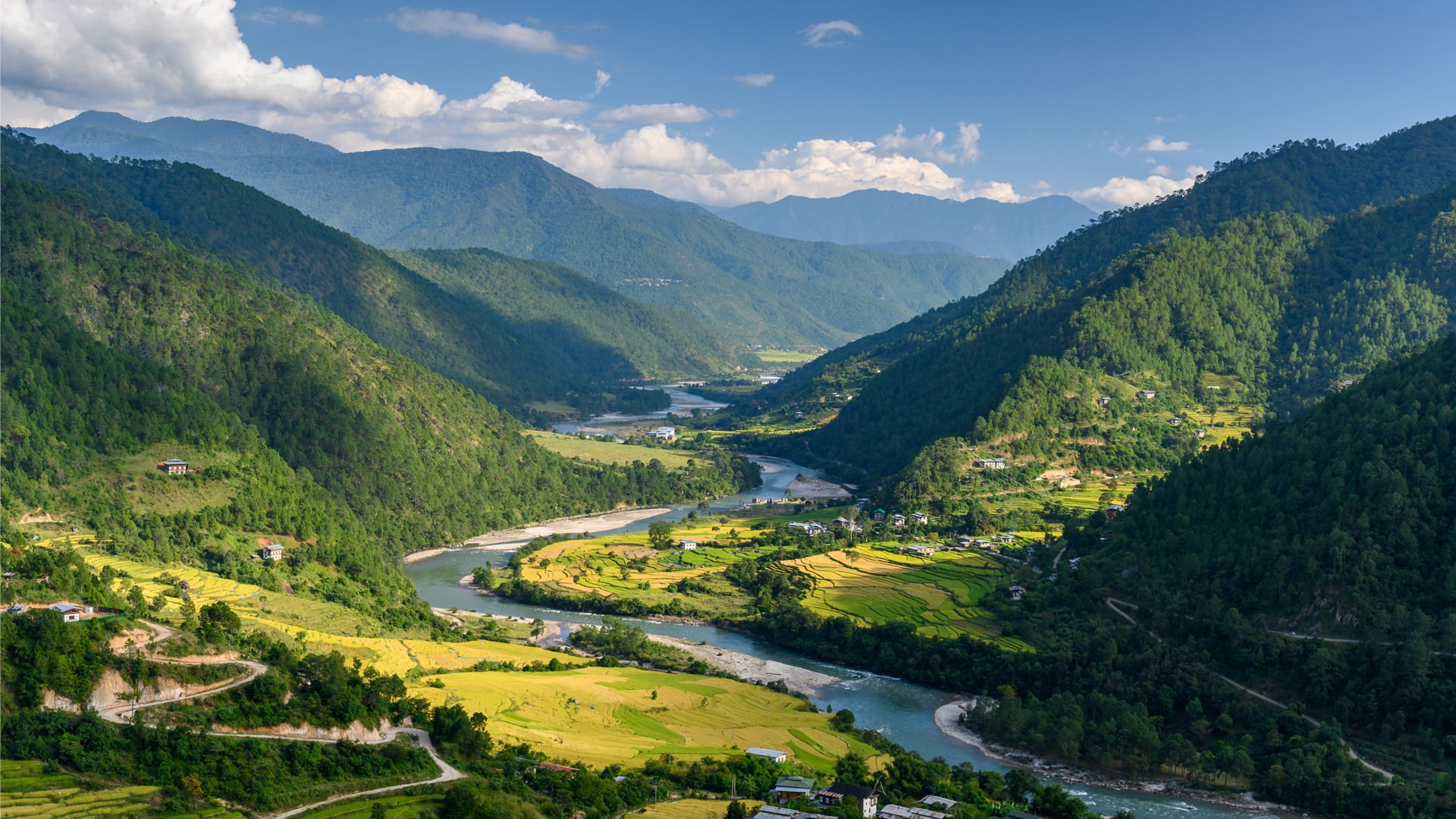
Punakha Bhutan: Dzong, Suspension Bridge & Valley Highlights
Plan Punakha Bhutan with Dzong, suspension bridge, temple stops, best season tips, and practical route planning for a smooth valley trip.
Never Miss an Adventure
Get the latest trekking guides, travel tips, and exclusive offers delivered straight to your inbox.
