
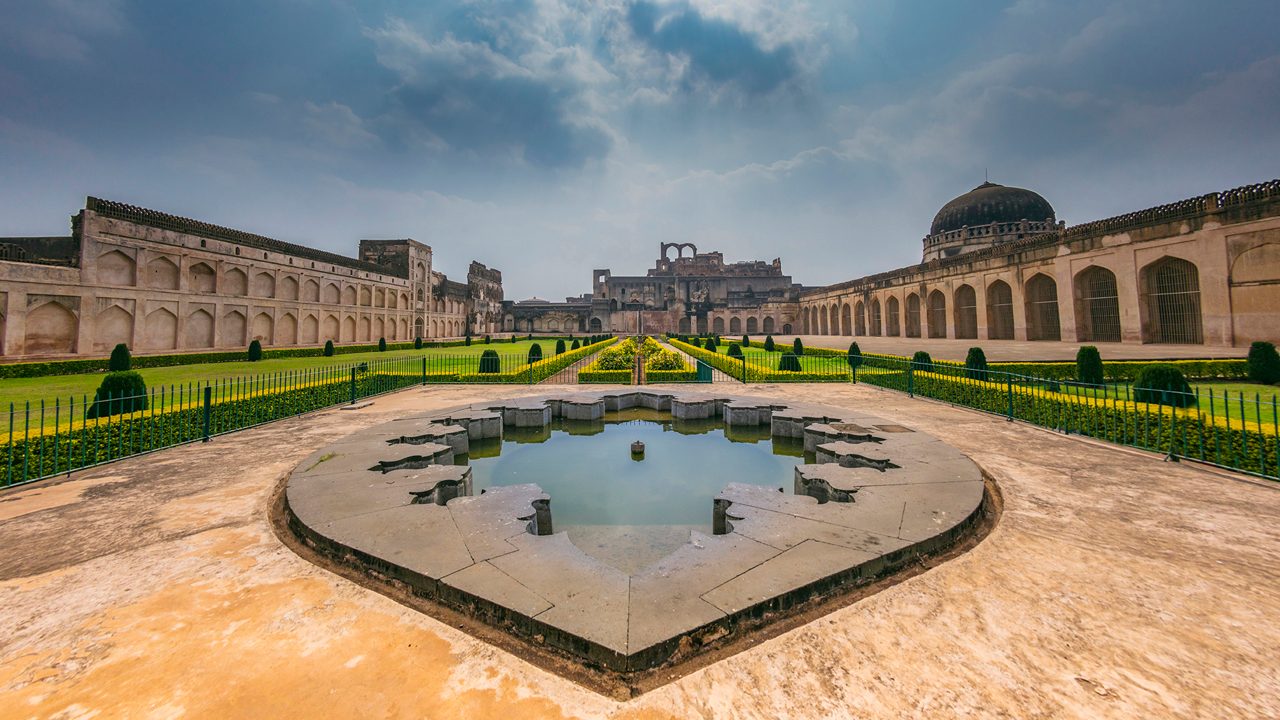
Bidar Fort: The formidable fortress of Karnataka's Deccan plateau

Neha Kapoor
February 19, 2026
Explore Bidar Fort, a 15th-century Bahmani fortress featuring impressive architecture, royal palaces, and unique water management systems in Karnataka's Deccan plateau.
Introduction to Bidar Fort
Bidar Fort stands as one of the most impressive and formidable fortresses in Karnataka, located in the northern part of the Deccan plateau. Built in the 15th century by the Bahmani Sultanate, this architectural marvel spans over 30 kilometers and showcases the military genius of medieval India. The fort's strategic location on a plateau made it nearly impregnable, while its elegant structures within reflect the refined taste of the rulers who occupied it.
The fort complex houses numerous palaces, mosques, gardens, and administrative buildings that represent a unique blend of Persian, Turkish, and Indian architectural styles. A visit to Bidar Fort can be combined with exploring Gulbarga Fort and Basavakalyan Fort for a comprehensive Deccan heritage experience.
Historical Background
Bidar Fort was constructed by Sultan Alla-Ud-Din Bahman of the Bahmani Sultanate in 1427, when the capital was shifted from Gulbarga to Bidar. The fort witnessed the rise and fall of several dynasties, including the Bahmanis, Barid Shahis, and eventually the Mughals under Aurangzeb. Each ruling dynasty left its architectural imprint on the fort complex.
The fort's strategic location in the Deccan plateau made it a coveted prize for various rulers. Its elevated position provided natural defense, while the three-layered fortification system made it one of the most secure fortresses in medieval India. The fort served as the capital of the Bahmani Kingdom until the sultanate's disintegration.
Architectural Marvel
Bidar Fort's architecture represents a fascinating synthesis of Persian, Turkish, and Indian styles. The fort walls stretch over 30 kilometers, with numerous bastions and gates positioned at strategic intervals. The seven main gates, each with distinct architectural features, served both defensive and ceremonial purposes.
The fortification system includes three concentric walls, moats, and strategically placed watchtowers. The use of local stone combined with lime mortar created a structure that has withstood centuries of weather and warfare. The architectural planning accounts for natural drainage systems, water harvesting structures, and ventilation for underground chambers.

Key Attractions Within
The Rangeen Mahal (Colored Palace) stands as one of the most exquisite structures within the fort, featuring intricate tile work and wood carvings that showcase Persian artistic influences. The palace served as the royal residence and features beautifully painted ceilings, ornate pillars, and elaborately decorated walls.
The Solah Khamba Masjid (Sixteen-Pillar Mosque) represents elegant Islamic architecture with its massive pillars and serene courtyard. The Gagan Mahal (Sky Palace) offers panoramic views of the surrounding landscape. The Tarkash Mahal, known for its Persian architectural elements, served as the residence of the royal ladies.
Unique Water Systems
Bidar Fort features an impressive water management system that includes numerous step wells, cisterns, and underground water channels. The Karez system, an ancient Persian water harvesting technique, was implemented to provide a continuous water supply to the fort inhabitants. These engineering marvels continue to impress visitors with their ingenuity.
The numerous baolis (step wells) within the fort complex not only served practical purposes but also provided cool retreats during the scorching summers. The Naubat Khana (drum house) near the main entrance announced royal arrivals and important events.

The Royal Bath and Gardens
The Shahi Hamam (Royal Bath) features an elaborate bathing system with hot and cold water provisions, ornate ceilings, and changing rooms decorated with paintings. The Turkish-style bath reflects the luxurious lifestyle of the rulers. The royal gardens within the fort complex provided peaceful retreats for the royal family.
The forts extensive grounds include several pavilions and viewing platforms that were used for royal processions and public audiences. The carefully planned gardens featured water channels, fountains, and carefully manicured lawns that created an oasis within the formidable fortifications.
Visitor Information
The fort is open daily from sunrise to sunset, with the best lighting conditions in the early morning and late afternoon. The Archaeological Survey of India maintains the monument and provides basic facilities for visitors. Local guides are available for detailed historical information about the various structures.
The entry fee is nominal, making it accessible to all visitors. Photography is permitted throughout the complex, making it a favorite spot for history enthusiasts and photographers. The fort's extensive grounds require considerable walking, so comfortable footwear is essential.

Best Time to Visit
October to March offers pleasant weather for exploring Bidar Fort, as summer months can be extremely hot in the Deccan region. Early morning visits provide the best lighting for photography and avoid the midday heat. The winter months bring comfortable temperatures for exploring the extensive fort complex.
The monsoon season adds a different charm to the fort, with the stone structures contrasting beautifully against lush green surroundings. However, some pathways may become slippery, requiring extra caution while walking.
Getting There
Bidar is well-connected by road to major cities in Karnataka and neighboring states. The nearest airport is Hyderabad, approximately 150 kilometers away. Bidar has its own railway station with connections to Hyderabad, Gulbarga, and Bangalore. Regular buses connect Bidar to these cities.
Within Bidar, auto-rickshaws and taxis are available to reach the fort. The fort is located in the heart of the city and easily accessible from any part of town. Many visitors choose to drive from Hyderabad, stopping at other historical sites along the way.
Nearby Attractions
Bidar offers several other attractions that complement a visit to the fort. The Bahmani Tombs, located outside the fort complex, feature impressive architecture and provide insights into the burial practices of the rulers. The Madrasa of Mahmud Gawan showcases Islamic educational architecture.
The Narasimha Jhira Cave Temple, dedicated to Lord Vishnu, features a unique underground stream. The Bidar Museum houses artifacts from the region's rich history. The Guru Nank Jhira Sahib Gurudwara commemorates Guru Nanak's visit to Bidar.

Practical Tips
Wear comfortable walking shoes with non-slip soles. Carry sufficient water, especially during summer months. Hire a local guide to fully appreciate the historical significance of various structures. Allocate at least 3-4 hours to explore the main attractions within the fort complex.
Combine your visit with other attractions in and around Bidar for a comprehensive heritage tour. Carry sun protection and a hat during summer visits. The fort premises have limited facilities, so plan accordingly before your visit.
Conclusion
Bidar Fort stands as a testament to the architectural brilliance and military prowess of medieval Karnataka's rulers. Its impressive fortifications, elegant structures, and historical significance make it an essential destination for heritage enthusiasts. The fort offers a fascinating journey through the Deccan's rich history and architectural evolution.
Location
Frequently Asked Questions
Q1.What are Bidar Fort timings?
Q2.What is the entry fee for Bidar Fort?
Q3.How far is Bidar from Hyderabad?
Q4.Who built Bidar Fort?
Q5.How much time is needed to explore Bidar Fort?
Q6.What are the main attractions inside Bidar Fort?
Q7.Is photography allowed at Bidar Fort?
Q8.What is the best time to visit Bidar Fort?
Recommended For You
Places to Visit in Karnataka: Coast, Hills & Heritage Cities
Explore the best places to visit in Karnataka with a complete guide to Hampi, Coorg, Mysore, beaches, wildlife parks, trekking routes, and practical travel planning.
Basavakalyan Fort: Ancient Kalyani Chalukya Stronghold in Karnataka
Explore Basavakalyan Fort, ancient capital of the Kalyani Chalukyas featuring historic temples, fortifications, and the legacy of social reformer Basavanna in Karnataka.
Historical Places in Hyderabad: Top 20 Heritage Sites
Discover best historical places in Hyderabad! Find Charminar, Golconda Fort, Qutub Shahi tombs, and complete heritage guide.
Never Miss an Adventure
Get the latest trekking guides, travel tips, and exclusive offers delivered straight to your inbox.
