
Basavakalyan Fort: Ancient Kalyani Chalukya Stronghold in Karnataka

Rohan Malhotra
February 19, 2026
Explore Basavakalyan Fort, ancient capital of the Kalyani Chalukyas featuring historic temples, fortifications, and the legacy of social reformer Basavanna in Karnataka.
Introduction to Basavakalyan Fort
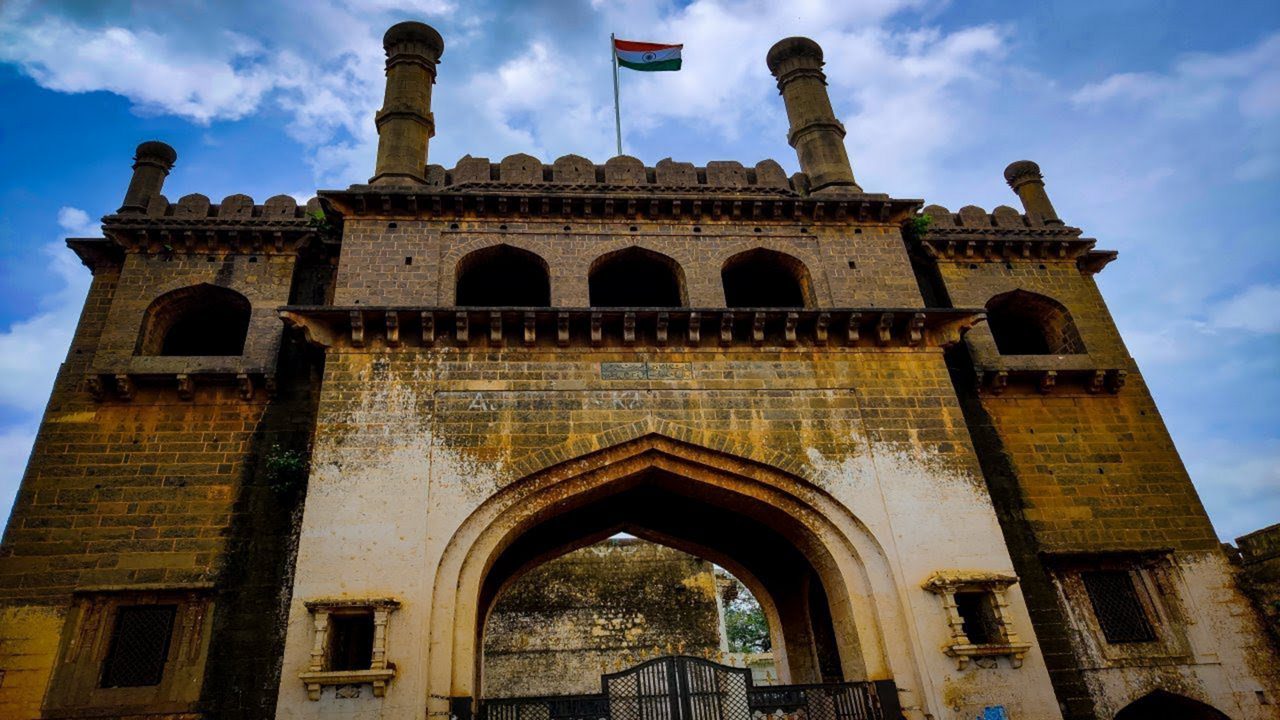
Basavakalyan Fort, located in the Bidar district of Karnataka, stands as a magnificent testament to the architectural prowess of the Kalyani Chalukyas and later dynasties that ruled this historic region. Originally known as Kalyani, this ancient city was the capital of the Western Chalukya Empire from the 10th to 12th centuries. The fort's sprawling complex offers visitors a fascinating journey through multiple periods of South Indian history.
The fort is also closely associated with the 12th-century social reformer Basavanna, who spearheaded the Veerashaiva movement from this historic city. A visit to Basavakalyan Fort can be combined with exploring Bidar Fort and Gulbarga Fort for a comprehensive understanding of North Karnataka's heritage.
Historical Background
The fort's history spans over a millennium, with the earliest structures dating back to the Kalyani Chalukya period (10th-12th century CE). The city served as their capital and was a major center of art, literature, and architecture. After the Chalukyas, the fort passed through the hands of the Kalachuris, Yadavas, Bahmanis, and Bijapur Sultans.
Each dynasty added its own architectural elements, creating a unique synthesis of styles. The fort reached its zenith under the Chalukyas but was significantly expanded by later rulers. The city was renamed Basavakalyan in honor of Basavanna, the great philosopher and social reformer who lived here in the 12th century.
Architectural Significance
Basavakalyan Fort represents a fascinating architectural evolution, showcasing styles from the Chalukya, Kalachuri, and Bahmani periods. The fortification walls stretch over 8 kilometers, enclosing a large area that includes numerous temples, mosques, palaces, and administrative buildings. The strategic location on a hill provided natural defense and excellent views of the surrounding countryside.
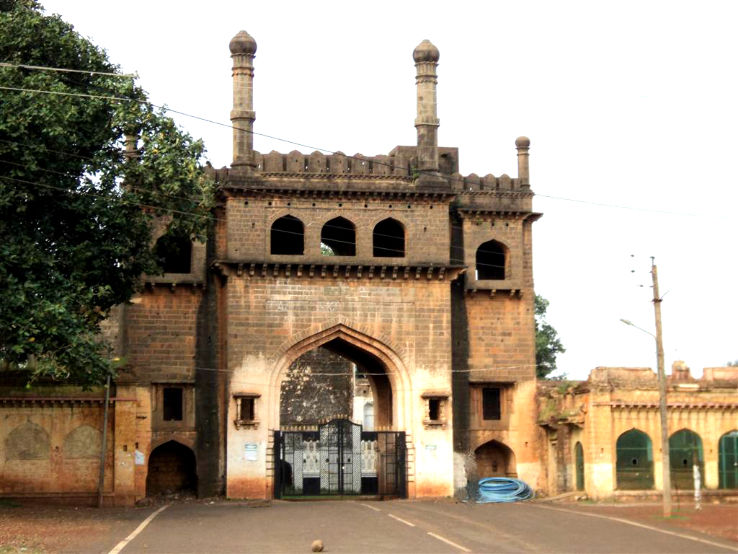
The fort's entrance gates feature elaborate carvings and inscriptions that provide valuable historical information. The complex includes several large reservoirs that demonstrate advanced water management systems of the period. The temple architecture within the fort showcases the classic Chalukya style with intricately carved pillars and ornate doorways.
Key Attractions Within
The fort complex houses numerous historically significant structures. The Basaveshwara Temple, dedicated to Lord Shiva, is an important pilgrimage site associated with Basavanna. The Trikuteshwara Temple features impressive Chalukya architecture with three sanctuaries dedicated to Shiva, Vishnu, and Brahma.
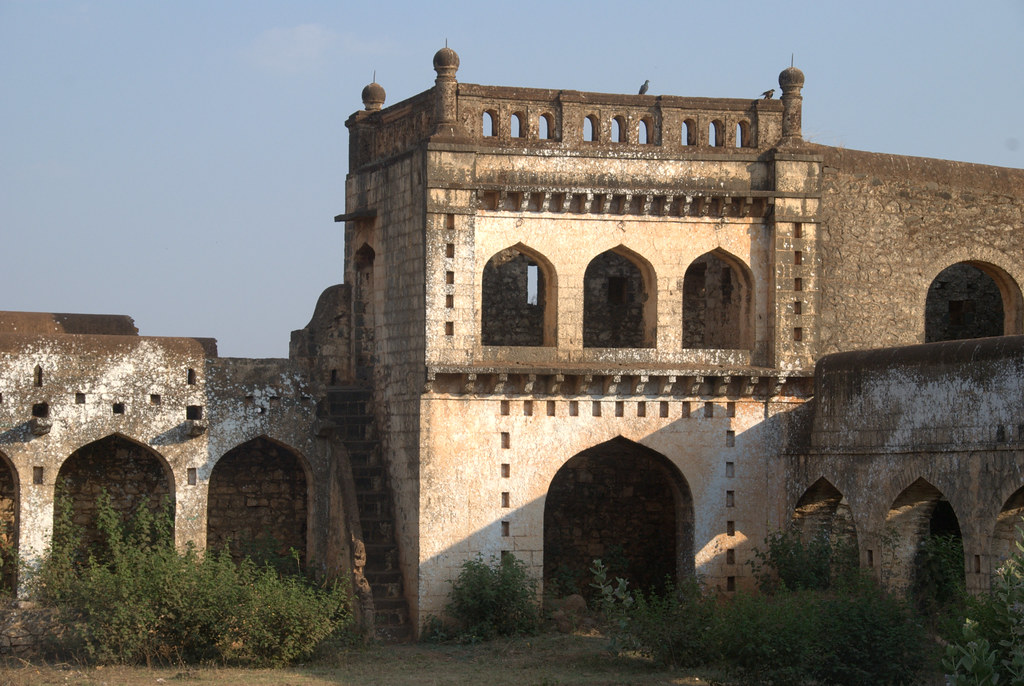
The Rajmahal (Royal Palace) within the fort showcases the architectural grandeur of the ruling dynasties. The fort includes several smaller temples, step wells (baolis), and ancient water tanks that continue to hold water even today. The defensive structures include bastions, watchtowers, and massive fortification walls.
The Basavanna Connection
Basavakalyan holds special significance in the history of Karnataka's social reform movements. Basavanna, the 12th-century philosopher and poet, made this city his home and established the Anubhava Mantapa here, a forum for philosophical discourse and social reform.
The Veerashaiva movement led by Basavanna challenged caste discrimination and promoted equality. Basavakalyan became a center of this revolutionary movement, attracting scholars and philosophers from across the region. The city continues to be an important pilgrimage site for followers of Lingayatism.
Water Management Systems
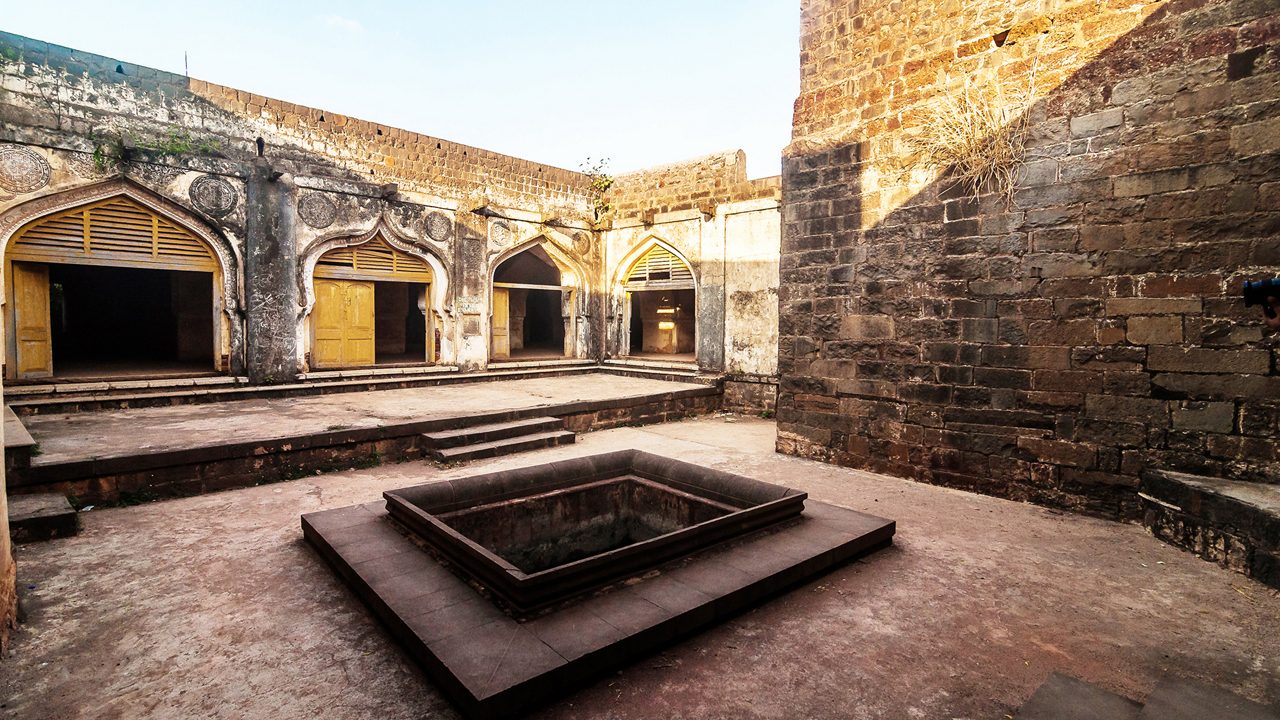
One of the most impressive features of Basavakalyan Fort is its sophisticated water management system. The fort contains numerous wells, step wells, and large reservoirs that stored water for year-round use. These structures demonstrate the advanced engineering knowledge of the Chalukya period.
The large tanks within the fort complex not only served practical purposes but also provided beautiful settings for the temples and palaces. The water systems were designed to collect rainwater efficiently, making the fort self-sufficient even during drought periods.
Visitor Information
The fort is open daily from sunrise to sunset, with the best lighting conditions in the early morning and late afternoon. The site is maintained by the Archaeological Survey of India, though facilities are basic. Local guides are available and highly recommended for understanding the historical context of various structures.
There is no entry fee, making it accessible to all visitors. Photography is permitted throughout the complex. The fort's extensive grounds require considerable walking, so comfortable footwear is essential. Carry sufficient water, especially during summer visits.

Best Time to Visit
October to March offers pleasant weather for exploring Basavakalyan Fort, as the Deccan region can get extremely hot in summer. Early morning visits provide the best lighting for photography and help avoid the midday heat. The winter months are perfect for exploring the extensive fort complex.
The monsoon season adds a different charm to the fort, with the ancient stone structures contrasting beautifully against lush green surroundings. However, some pathways may become slippery and challenging during heavy rains.
Getting There
Basavakalyan is approximately 80 kilometers from Bidar and 220 kilometers from Hyderabad. The nearest railway station is Basavakalyan, with limited connectivity. Most visitors reach Basavakalyan by road from Bidar or Hyderabad.
Regular buses connect Basavakalyan to Bidar, Gulbarga, and Hyderabad. The road from Bidar to Basavakalyan passes through scenic countryside. Many visitors choose to combine Bidar and Basavakalyan in a single trip due to their proximity.
Nearby Attractions
Basavakalyan offers several other attractions that complement a visit to the fort. The Basavanna Museum houses artifacts related to the Veerashaiva movement and local history. The ancient cave temples nearby showcase prehistoric rock art.
The surrounding countryside features several historic temples and ancient settlements. The agricultural landscape around Basavakalyan provides insights into rural life in North Karnataka.
Practical Tips
Wear comfortable walking shoes with non-slip soles, especially during monsoon. Carry sufficient water and sun protection. Hire a local guide to fully appreciate the historical significance of various structures. Allocate 3-4 hours for exploring the main attractions within the fort complex.
The fort has limited facilities, so plan accordingly. Respect the historical nature of the site by not damaging or removing any artifacts. Combine your visit with other historical sites in Bidar district for a comprehensive heritage tour.
Conclusion
Basavakalyan Fort stands as a remarkable monument to Karnataka's ancient history and the social reform movements that shaped the region's culture. Its architectural diversity, historical significance, and association with Basavanna make it an essential destination for anyone interested in exploring North Karnataka's rich heritage.
Comparing Basavakalyan with Other Deccan Forts
Travelers building a North Karnataka heritage circuit often ask how Basavakalyan compares to better-known sites such as Badami Caves or the Hoysala temple clusters covered in our Hoysala temples Karnataka guide. Where Badami is prized for rock-cut cave architecture and Hoysala sites are known for dense sculptural ornamentation on temple exteriors, Basavakalyan stands apart because of its scale and layered political history. Few sites in the region show clear architectural fingerprints from four distinct ruling powers within a single fortified boundary.
This makes Basavakalyan especially valuable for travelers interested in tracing architectural evolution rather than visiting isolated monuments. Walking from the Chalukya-era temple zones toward the later Bahmani-period gates lets you observe, in a single afternoon, how defensive priorities and decorative language shifted across centuries of Deccan history.
Suggested Itinerary and Route Planning
A well-paced visit to Basavakalyan Fort works best as part of a two-to-three day North Karnataka loop. Many travelers base themselves in Bidar and take a day trip to Basavakalyan, then continue toward Gulbarga for a broader Bahmani-era heritage trail. If you have more time, extending the loop to include Badami and the Hoysala temple towns turns the trip into a comprehensive tour of Karnataka's architectural history spanning nearly a thousand years.
Within the fort itself, a logical route starts at the main entrance gate, proceeds through the Basaveshwara and Trikuteshwara temple zones, continues to the Rajmahal ruins, and ends at the outer bastions where the fortification walls offer the best countryside views. Budget extra time if you plan to visit the Basavanna Museum, since it sits a short distance from the main fort complex and deserves at least 45 minutes for a meaningful visit.
Location
Frequently Asked Questions
Q1.What are Basavakalyan Fort timings?
Q2.Is there an entry fee for Basavakalyan Fort?
Q3.How far is Basavakalyan from Bidar?
Q4.Who built Basavakalyan Fort?
Q5.What is the historical significance of Basavakalyan?
Q6.How much time is needed to explore Basavakalyan Fort?
Q7.Is photography allowed at Basavakalyan Fort?
Q8.What is the best time to visit Basavakalyan Fort?
Recommended For You
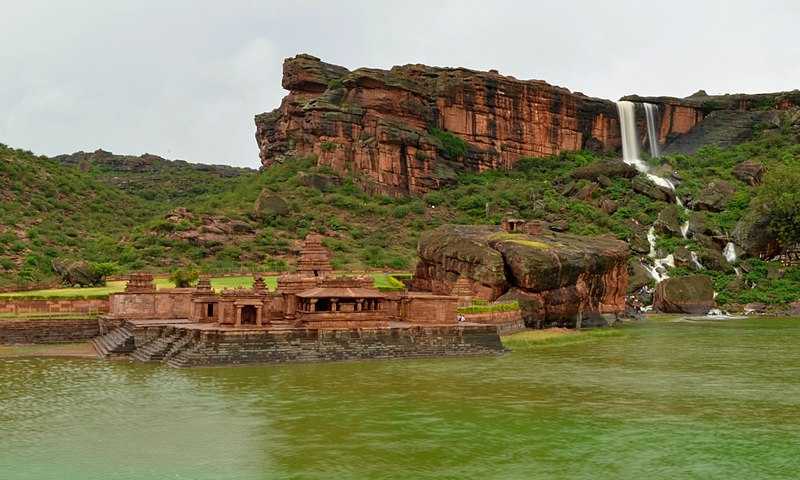
Places to Visit in Karnataka: Coast, Hills & Heritage Cities
Explore the best places to visit in Karnataka with a complete guide to Hampi, Coorg, Mysore, beaches, wildlife parks, trekking routes, and practical travel planning.
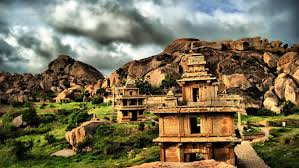
Chitradurga Fort: The Stone Fortress of Onake Obavva
Explore Chitradurga Fort, Karnataka's massive stone fortress featuring unique military architecture, the legendary Onake Obavva story, and impressive Nayaka-era fortifications.
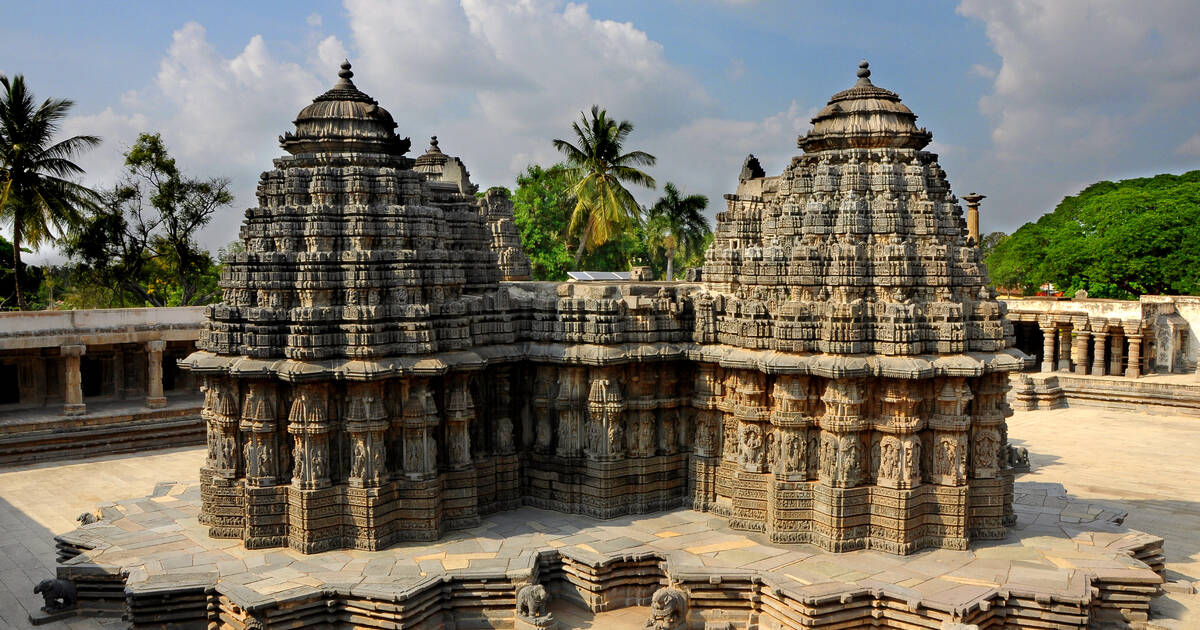
Hoysala Temples Karnataka: Belur-Halebidu Circuit, Timings & Route
Complete guide to Hoysala temples in Karnataka including Belur, Halebidu, and Somnathpura with temple circuit planning, history, and travel tips.
Never Miss an Adventure
Get the latest trekking guides, travel tips, and exclusive offers delivered straight to your inbox.
