
Gulbarga Fort: Historic Bahmani Stronghold in Karnataka

Priya Mehta
February 19, 2026
Discover Gulbarga Fort, a 14th-century Bahmani stronghold featuring the unique Jama Masjid, impressive fortifications, and rich Deccan heritage in Karnataka.
Introduction to Gulbarga Fort
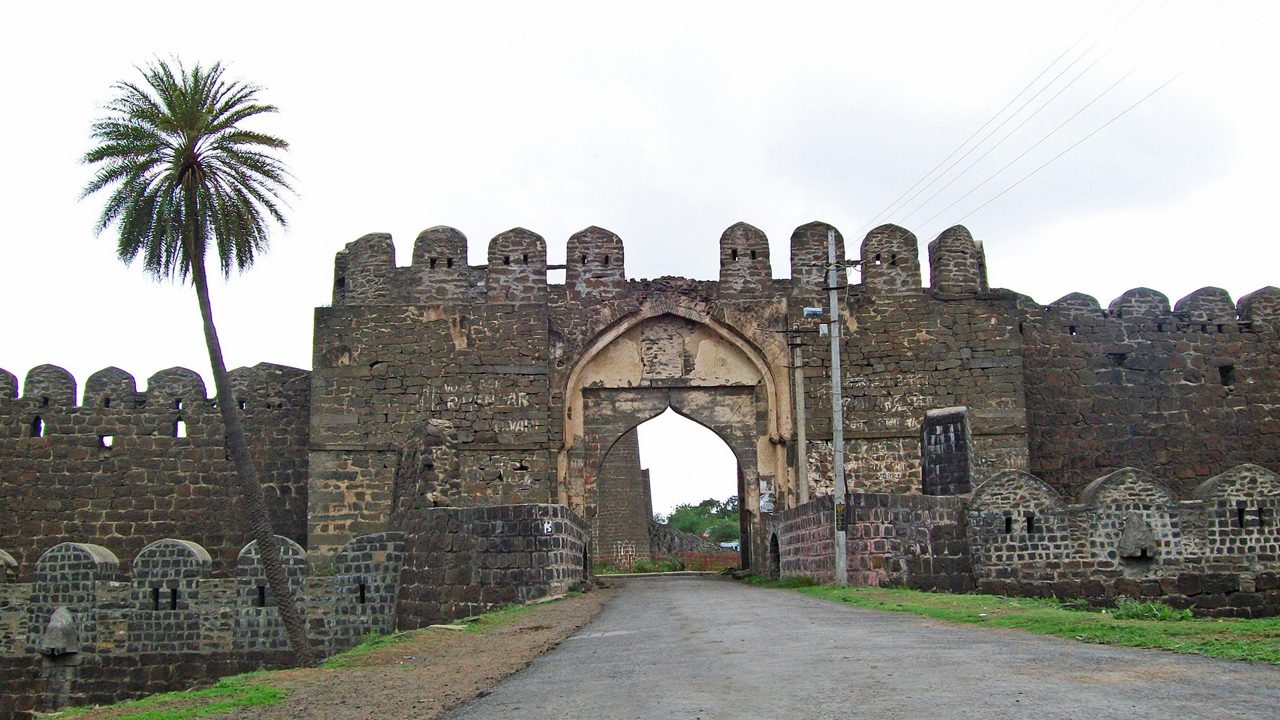
Gulbarga Fort, also known as Kalaburagi Fort, stands as one of Karnataka's most historically significant monuments, representing the architectural brilliance of the Bahmani Sultanate. Built in the 14th century, this massive fortification served as the capital of the Bahmani Kingdom before it was shifted to Bidar. The fort's unique architectural style, combining Persian and Indian elements, offers visitors a fascinating glimpse into the Deccan's rich historical tapestry.
The fort complex houses numerous structures including mosques, palaces, and temples that reflect the syncretic culture of medieval Karnataka. A visit here pairs well with exploring Bidar Fort and Basavakalyan Fort for a complete understanding of the region's heritage.
Historical Significance
The fort was originally built by Raja Gulchand of the Warangal Kakatiya dynasty but was extensively fortified and expanded by Alauddin Hasan Bahman Shah, the founder of the Bahmani Sultanate, in 1347. Gulbarga served as the capital of the Bahmani Kingdom for nearly 150 years before the capital was moved to Bidar in 1424.
The fort witnessed the rise and fall of several dynasties including the Bahmanis, Bijapur Sultans, and eventually the Mughals under Aurangzeb. Each ruling power contributed to the fort's architectural evolution, resulting in the diverse range of structures visible today. The fort's strategic location made it a key military stronghold in the Deccan.
Architectural Highlights
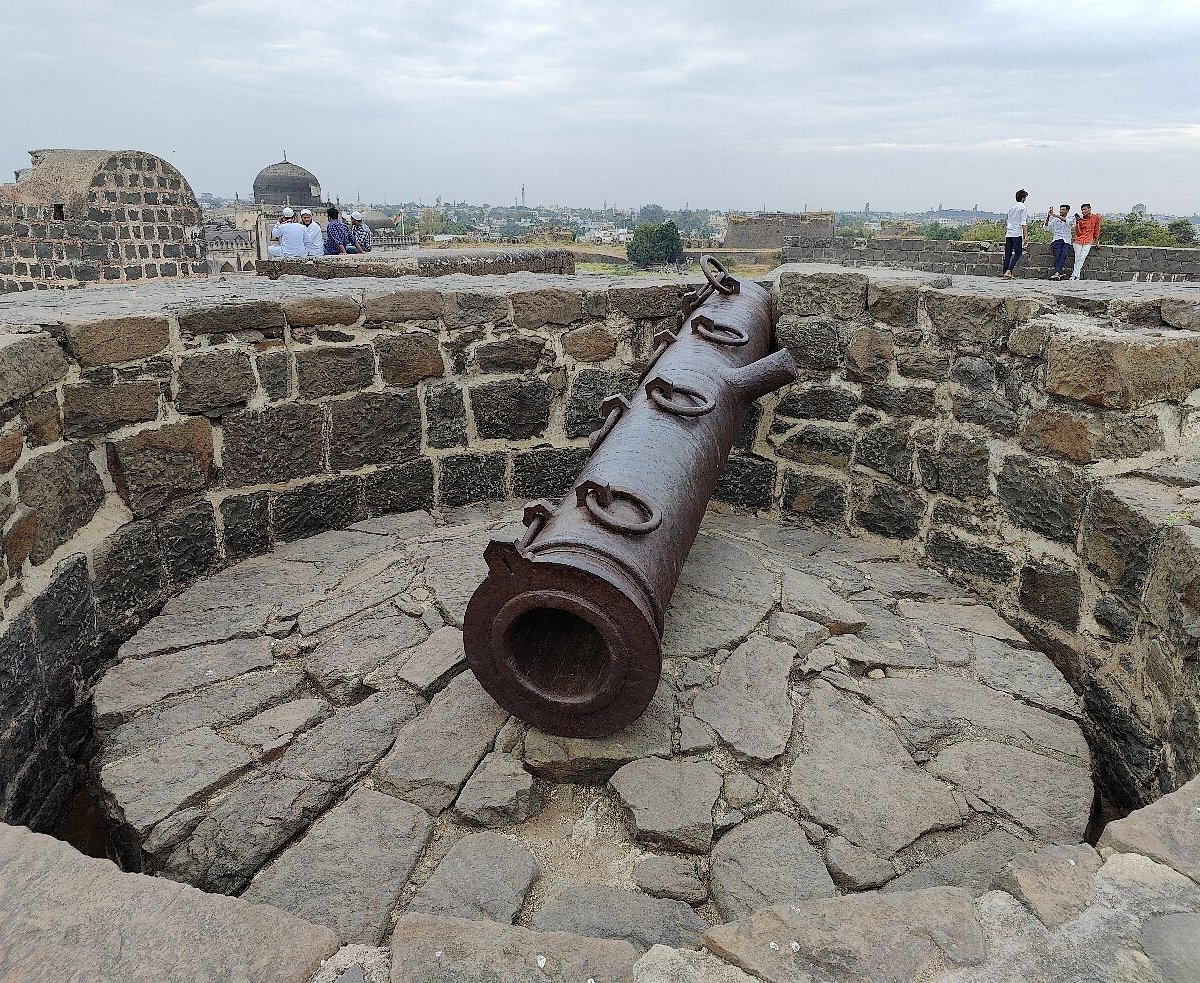
Gulbarga Fort showcases a unique blend of Persian, Turkish, and Indian architectural styles. The fortification walls stretch over 3 kilometers, with 15 towers and 26 guns positioned at strategic points. The fort's design incorporates advanced military architecture including bastions, watchtowers, and a deep moat.
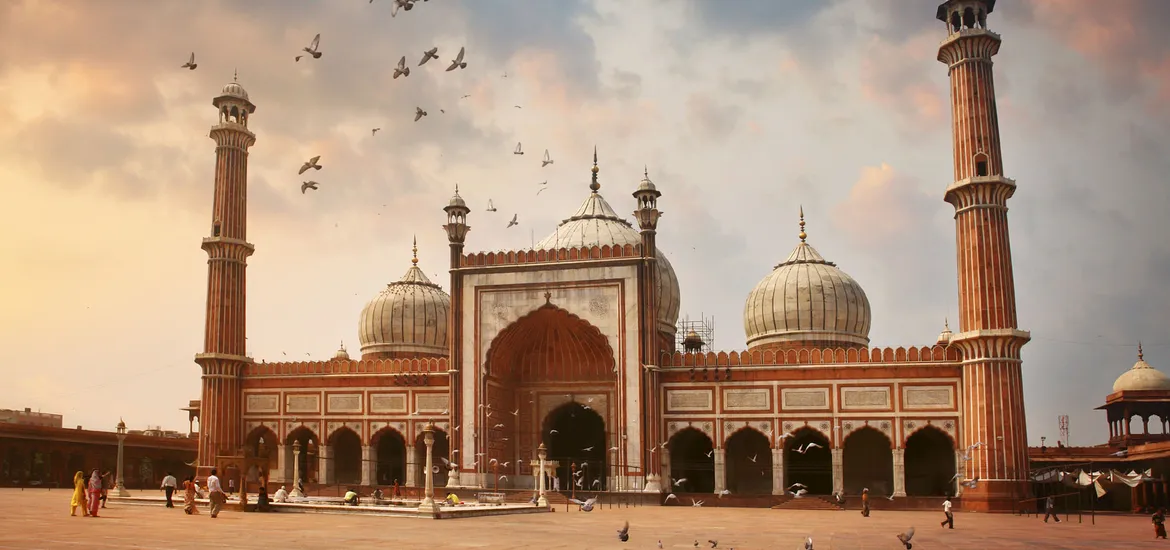
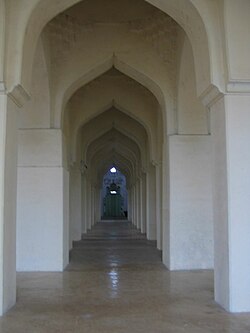
The most remarkable structure within the fort is the Jama Masjid, built by a Moorish architect from Spain in the late 14th century. This mosque is unique in India as it was built without a courtyard, featuring instead a covered prayer hall with 68 domes supported by numerous columns. The mosque's architectural design was influenced by Spanish mosques, reflecting the global connections of the Bahmani court.

The Jama Masjid
The Jama Masjid within Gulbarga Fort stands as one of the oldest and most unique mosques in India. Built during the reign of Muhammad Shah II, this architectural marvel features an impressive prayer hall covered with 68 domes of varying sizes. The mosque's architecture represents a fusion of Persian, Indian, and Spanish influences.
The mosque's exterior is relatively plain, while the interior features exquisite calligraphy and geometric patterns. The unique absence of a typical open courtyard and the extensive use of domes make it distinct from most Indian mosques. The prayer hall can accommodate thousands of worshippers and continues to be an active place of worship.
Other Notable Structures
The fort complex includes several other historically significant structures. The Rani Mahal (Queen's Palace) features elegant architecture and was used as the royal residence. The Treasury building showcases the administrative importance of the fort. The cannon graveyard displays various artillery pieces from different historical periods.
Several temples within the fort complex reflect the religious diversity of the region. The fort also houses numerous water reservoirs, step wells, and underground chambers that showcase advanced engineering capabilities of the medieval period. The citadel area offers panoramic views of the surrounding landscape.
Visitor Information
The fort is open daily from sunrise to sunset, with the best lighting conditions in the early morning and late afternoon. The Archaeological Survey of India maintains the monument and provides basic visitor facilities. Local guides are available for detailed historical information about the various structures.
The entry fee is nominal, with separate charges for camera usage. Photography is permitted throughout the complex, making it a favorite destination for history enthusiasts and photographers. The fort's extensive grounds require considerable walking, so comfortable footwear is recommended.
Best Time to Visit
October to March offers pleasant weather for exploring Gulbarga Fort, as summer months in the Deccan region can be extremely hot. Early morning visits provide the best lighting for photography and help avoid the midday heat. The winter months bring comfortable temperatures perfect for exploring the extensive fort complex.
The monsoon season transforms the landscape around the fort, with the stone structures creating beautiful contrasts against the green surroundings. However, some areas within the fort may become inaccessible due to rainwater accumulation.
Getting There
Gulbarga (Kalaburagi) is well-connected by road and rail to major cities in South India. The nearest airport is Hyderabad, approximately 220 kilometers away. Gulbarga has its own railway station with excellent connections to Hyderabad, Bangalore, and Mumbai.
Regular buses connect Gulbarga to Hyderabad, Bidar, Bijapur, and other major cities. Within Gulbarga, auto-rickshaws and taxis are available to reach the fort, which is located in the heart of the city. Many visitors choose to combine Gulbarga with Bidar in a single trip.
Nearby Attractions
Gulbarga offers several other attractions that complement a visit to the fort. The Sharana Basaveshwara Temple is an important religious site dedicated to the Lingayat saint. The Khwaja Bande Nawaz Dargah is the tomb of a famous Sufi saint and attracts devotees from all religions.
The Gulbarga University campus features beautiful architecture and lush greenery. The Chandrala Parameshwari Temple nearby showcases temple architecture. The Haft Gumbaz, housing tombs of Bahmani rulers, is located just outside the city.
Practical Tips
Wear comfortable walking shoes with non-slip soles, especially during monsoon. Carry sufficient water, particularly during summer visits. Hire a local guide to fully appreciate the historical significance of various structures. Allocate 2-3 hours for exploring the main attractions within the fort.
Cultural Significance
Gulbarga Fort represents the syncretic culture of the Deccan, where Hindu and Islamic architectural traditions merged to create unique styles. The fort's history reflects the religious tolerance and cultural exchange that characterized the Bahmani Sultanate. This cultural synthesis makes Gulbarga Fort an important case study for understanding medieval Indian history.
Conclusion
Gulbarga Fort stands as a testament to the architectural and cultural achievements of the Bahmani Sultanate. Its unique structures, historical significance, and religious diversity make it an essential destination for heritage enthusiasts exploring Karnataka's Deccan region.
Gulbarga in the Wider Bahmani and Deccan Sultanate Story
Gulbarga Fort's role as the first Bahmani capital connects it directly to the later architectural developments seen at Golconda Fort and the Adil Shahi monuments covered in our Bijapur places to visit guide. As the Bahmani Sultanate fractured into successor states after the capital moved to Bidar and later dynasties emerged across the Deccan, the architectural vocabulary first established at Gulbarga, particularly the fusion of Persian domed construction with local building traditions, spread outward and evolved differently at each successor court.
Tracing this lineage across sites makes for a rewarding history-focused itinerary: Gulbarga represents the formative period, Bidar shows the consolidated Bahmani style, and Bijapur or Golconda reveal how successor sultanates pushed the same architectural ideas toward greater scale and ornamentation. Travelers with five to seven days available can realistically cover this full arc, moving between Kalaburagi, Bidar, and either Bijapur or Hyderabad depending on which direction suits their broader trip.
Visiting the Fort Alongside Khwaja Bande Nawaz Dargah
Many visitors extend their Gulbarga heritage day with a stop at the Khwaja Bande Nawaz Dargah, one of the most significant Sufi shrines in the Deccan and a site that draws devotees independent of the fort's own tourist traffic. Because the dargah operates on its own rhythm of prayer times and visiting hours, it is worth checking local timing before combining both stops in a single day, particularly around Friday afternoons when the shrine sees higher footfall.
A practical sequence for a full heritage day in Kalaburagi starts with the fort and Jama Masjid in the cooler morning hours, moves to the dargah around midday when crowd patterns are typically more manageable, and closes with a visit to the Haft Gumbaz tombs in the late afternoon when the lower sun angle improves photography of the domed structures.
Location
Frequently Asked Questions
Q1.What are Gulbarga Fort timings?
Q2.What is the entry fee for Gulbarga Fort?
Q3.Why is Gulbarga Fort famous?
Q4.How far is Gulbarga from Hyderabad?
Q5.How much time is needed to visit Gulbarga Fort?
Q6.Is photography allowed at Gulbarga Fort?
Q7.Who built Gulbarga Fort?
Q8.What is special about the Jama Masjid at Gulbarga Fort?
Recommended For You
Badami Caves Karnataka: Rock-Cut Temples, Timings & Route
Explore Badami caves, magnificent rock-cut temples from 6th century. Discover Chalukya architecture, sculptures, timings & travel guide.
Golconda Fort Hyderabad Guide: Timings, History & Entry Fee
Explore Golconda Fort Hyderabad: Qutb Shahi masterpiece with famous acoustics, diamond trade history & stunning architecture. Complete guide with timings, fees & tips.
Hampi: Complete Travel Plan Temples And History
Complete Hampi travel guide featuring Vijayanagara ruins, Virupaksha Temple, Vittala Temple, Royal Enclosure, best time to visit & practical tips.
Never Miss an Adventure
Get the latest trekking guides, travel tips, and exclusive offers delivered straight to your inbox.
