
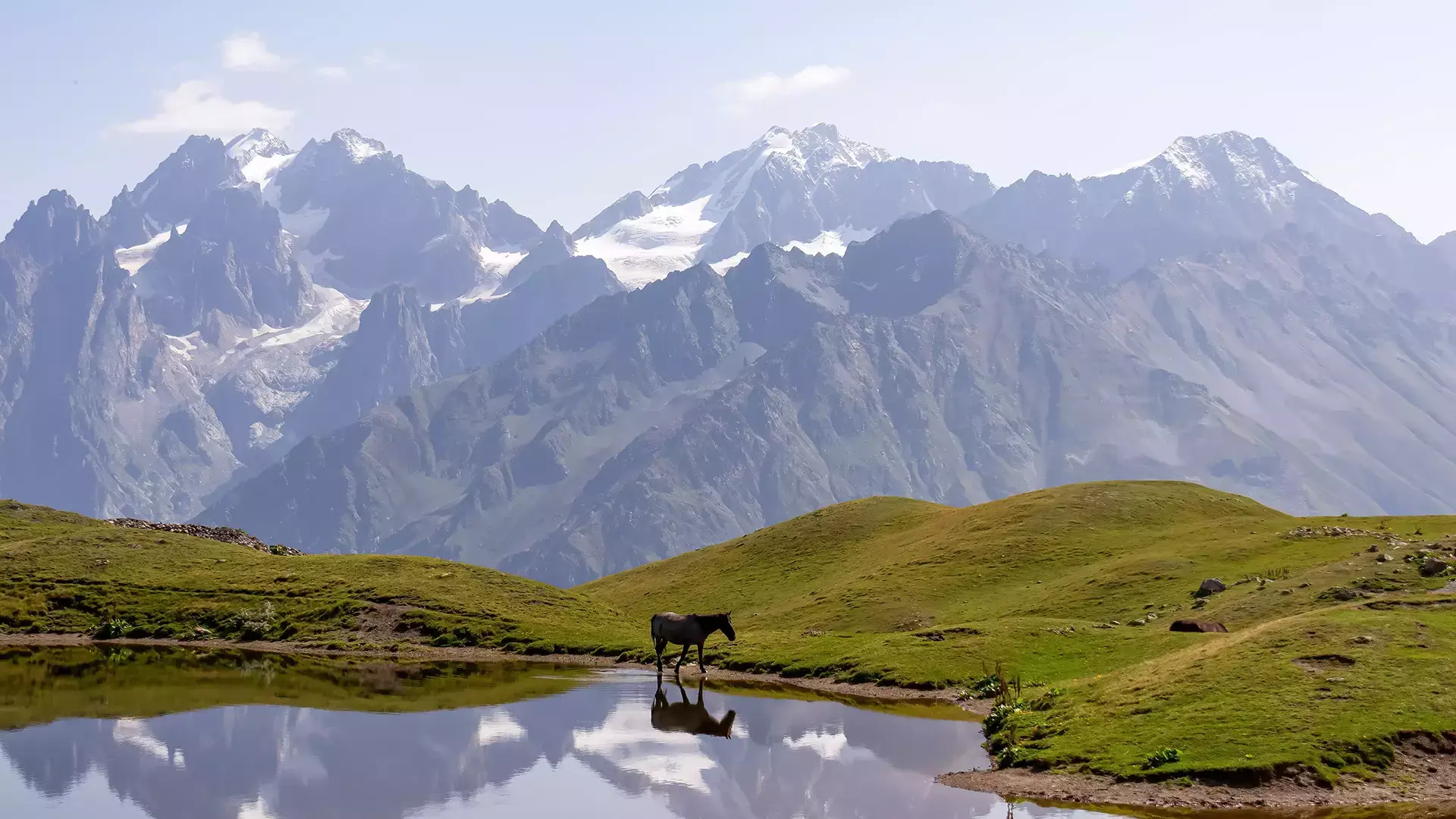
Best Time to Visit Georgia: Season Chart, Activities & Travel Tips

Neha Kapoor
December 30, 2025
Discover the best time to visit Georgia country! Weather guide, skiing, hiking seasons & wine harvest. Plan your perfect Georgia trip.
Best Time to Visit Georgia: Month-by-Month Planning Guide
Georgia is one of the most dynamic year-round destinations in the Caucasus because seasons change the experience completely. Spring brings green valleys and city walks, summer opens mountain routes, autumn becomes wine-harvest season, and winter turns high-altitude regions into ski-focused destinations. This is why there is no single perfect month for everyone. The best time depends on what you want to do.
If you are choosing travel dates for the first time, define your priority first: sightseeing, hiking, wine tourism, snow activities, or a mixed city + mountain plan. This guide helps you map those goals to the right season so you avoid weather mismatches and overpaying in peak weeks. For destination selection after date planning, pair this guide with things to do in Georgia.

Georgia Climate Basics You Should Know
Georgia has regional variation despite being a relatively compact country. Tbilisi has hot summers and colder winters with clear seasonal contrast. Mountain regions like Gudauri and Kazbegi can shift weather quickly and remain cooler for longer periods. Coastal areas near the Black Sea follow a different humidity and rainfall pattern compared to inland cities.
Because of these differences, always check destination-specific weather instead of relying on one country-level forecast. If your itinerary includes both city and mountain zones, pack in layers and keep one flexible day in your plan.
Spring (April to May): Best for Balanced Sightseeing
Spring is often the most comfortable season for first-time travelers who want city exploration, road-based day trips, and scenic landscapes without summer heat. Parks and valleys turn greener, temperatures stay moderate, and walking-heavy itineraries become easier.
This season works well for Tbilisi city days, heritage exploration, and moderate countryside movement. Crowds are lower than peak summer in many places, so trip pace feels more relaxed. Spring is especially useful for couples and families who prefer softer weather and mixed activities over intense adventure schedules.
For budget-conscious travelers, April can be a strong value month because demand has not fully peaked in many sectors. May usually sees stronger tourist movement and higher prices in popular zones.
Summer (June to August): Best for Mountains and High-Energy Trips
Summer is the best time to visit Georgia if your plan includes mountain drives, hiking routes, and long daylight itineraries. In cities, afternoons can be hot, but highland areas remain attractive for outdoor movement. This is the strongest season for travelers who want active schedules and broader route coverage.
Accommodation demand rises in major destinations, so advance booking is important for good location options. If you are combining multiple regions, plan intercity transfers early in the day to avoid peak heat and preserve sightseeing windows.
Summer can also be paired with nearby Caucasus circuits. If you are comparing regional weather and budget, review Baku weather guide before adding a cross-border extension.

Autumn (September to October): Best for Wine and Scenic Colors
Autumn is widely considered one of the best windows for Georgia travel because temperatures become comfortable again after summer, and the wine harvest period adds cultural depth. Landscapes shift to warm tones, making this season excellent for photography and road travel.
If wine tourism is on your priority list, this is the most rewarding period. Harvest activities, tastings, and local food experiences feel more immersive than other seasons. September generally gives the strongest activity window, while October offers calmer pace in many areas.
Autumn also works well for city + countryside combinations. You can plan balanced days with heritage stops, food experiences, and moderate outdoor exploration without extreme temperatures.

Winter (November to March): Best for Snow and Ski Trips
Winter is ideal for travelers targeting ski resorts and snow scenery. Mountain destinations become the center of activity, while city travel continues with shorter daylight and colder conditions. If your main goal is winter sports, plan between December and March and monitor snow updates closely before departure.
Hotel choice matters more in winter because commute comfort, heating quality, and road-access conditions directly affect daily experience. Keep transfer buffers in your itinerary and avoid same-day overcommitment between distant points. For snow planning comparisons in the region, you can also check Baku in January as a nearby winter reference.

Best Season by Travel Goal
City sightseeing: April-May and September-October.
Mountain hiking: June-September.
Wine tourism: September-October.
Skiing and snow: December-March.
Lower crowd travel: April and late October/November shoulder windows.
This goal-based filter makes date selection easier than choosing months only by average temperature charts.
Month-by-Month Quick View
January-February: Cold in cities, strong snow potential in mountain zones.
March: Transition month; weather can be mixed.
April-May: Pleasant spring, ideal for balanced itineraries.
June-August: Peak summer travel, strong for mountains and active routes.
September-October: Comfortable weather, harvest season, excellent for culture + nature.
November-December: Shoulder to early winter transition, useful for lower-crowd travel in some sectors.
Budget and Crowd Strategy
Peak summer and major winter weeks can increase flight and hotel pricing. To control budget, book long-haul segments early and keep accommodation near core activity zones. A cheaper remote stay often increases local transfer cost and reduces sightseeing efficiency.
Shoulder months can deliver strong value if your trip is flexible. You may find better rates while still getting good weather for city and moderate countryside travel. If you are comparing regional budgets, this can be combined with cheapest countries in Europe as a planning benchmark.
Packing Checklist by Season
Spring and autumn require layers, light jackets, and comfortable walking shoes. Summer needs sun protection, hydration planning, and breathable clothing. Winter requires thermal layers, snow-ready footwear for mountain sections, and weatherproof outerwear. Carry a compact medicine kit and travel documents in both digital and printed formats.
If you plan multi-region routes in one trip, pack for temperature range rather than one single climate profile.
Common Mistakes to Avoid
The biggest mistake is picking dates first and activities later. This often creates disappointment, especially for travelers expecting snow in non-snow months or hike-friendly conditions during unstable weather windows. Another issue is underestimating mountain transfer times.
Also avoid overloading your route with too many far-apart locations. Georgia is compact, but road travel in mountain terrain can still take longer than expected.
Sample Seasonal Itineraries
Spring (6-7 days): Tbilisi-focused city stay with nearby day trips, heritage walks, and moderate countryside drives. Summer (7-9 days): Combine city time with mountain belts and trekking-friendly zones. Autumn (6-8 days): Pair wine-region experiences with culture-led city exploration. Winter (5-7 days): Build around ski resort access and keep weather buffers for transfers.
These templates help you align expectations with season reality. Instead of selecting destinations randomly, use one anchor city and one or two thematic extensions. This format improves pacing, reduces transfer fatigue, and keeps costs under better control.
Always verify local mountain road status 24-48 hours before departure in winter and shoulder seasons.
Final Verdict: Best Time to Visit Georgia
For most first-time travelers, April-May and September-October are the most balanced seasons, offering comfortable weather, scenic value, and practical movement. Summer is best for mountain-heavy adventures, while winter is ideal for snow and ski-focused trips.
The best time to visit Georgia ultimately depends on your travel objective. Define the experience first, choose region-specific dates second, and build a realistic pace-led itinerary for a smoother and more rewarding trip.
Location
Frequently Asked Questions
Q1.What is the best month to visit Georgia?
Q2.When is Georgia most beautiful?
Q3.Is Georgia worth visiting in winter?
Q4.Does it snow in Tbilisi?
Q5.When is the hottest month in Georgia?
Q6.What is the temperature in Georgia in July?
Q7.When is the best time for skiing in Georgia?
Q8.When is the wine harvest in Georgia?
Recommended For You

Best Food in Thailand: 20 Must-Try Dishes & Street Eats
Discover the best food in Thailand. From Pad Thai to Tom Yum Goong. A complete guide to Thai street food, curries, and local delicacies for every foodie.
Uluwatu Temple Bali: Sunset Viewpoints, Kecak Show & Entry Tips
Visit Uluwatu Temple (Pura Luhur) perched on a 70m cliff in Bali. Complete guide to Kecak Fire Dance, sunset views, entrance fees, dress code, monkeys, and practical tips for this spectacular cliffside temple.
Tukad Cepung Waterfall Bali: Cave Access, Timings & Photo Tips
Visit Tukad Cepung Waterfall Bali with practical tips on timings, sunbeam photography, entry planning, trek safety, and nearby waterfall combinations.
Never Miss an Adventure
Get the latest trekking guides, travel tips, and exclusive offers delivered straight to your inbox.
