
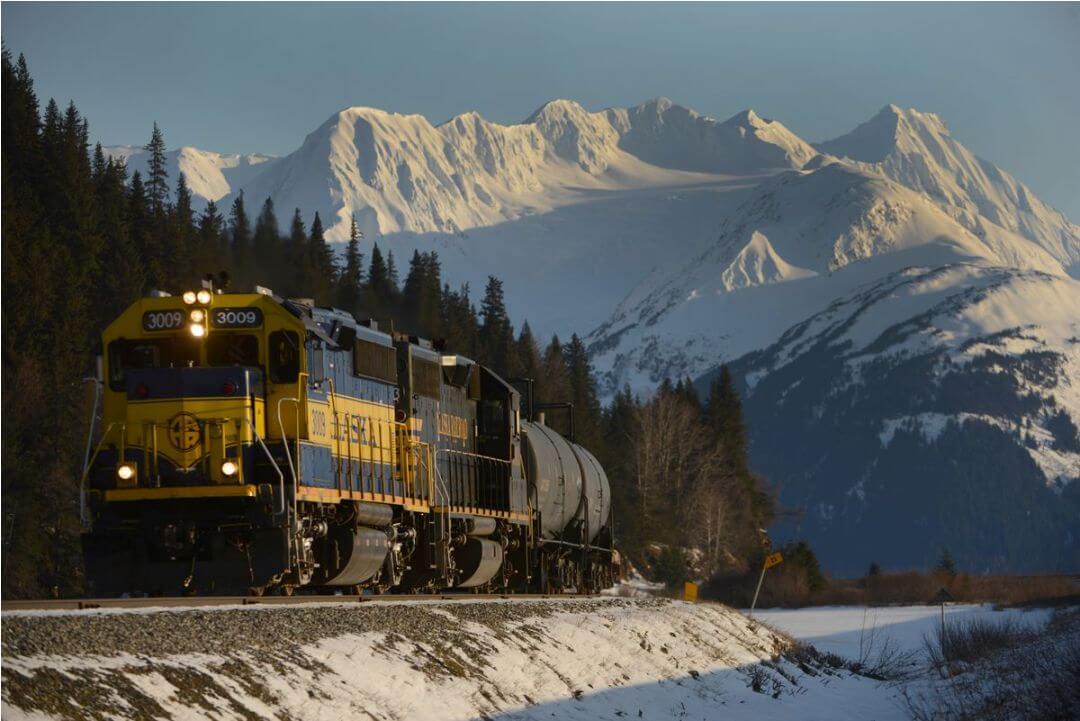
Bilaspur Manali Leh Railway Line: Route and Travel Tips

Priya Mehta
February 18, 2026
Understand Bilaspur-Manali-Leh railway line context with route status, travel implications, and practical planning guidance.
Bilaspur Manali Leh Railway Line: Route, Status, and What It Means
The Bilaspur Manali Leh railway line is one of the most ambitious mountain rail projects in India. It is designed to connect Bilaspur in Himachal Pradesh to Leh in Ladakh through a high-altitude corridor where road access is season-sensitive and logistics are difficult. For travelers, this project is not just an engineering headline; it represents future changes in access, travel planning, and regional connectivity across the western Himalaya.
This guide explains route logic, project value, and realistic expectations. If you are currently planning Ladakh travel before the rail line is operational, use road trip from delhi to leh ladakh guide, best time to visit ladakh, and best time for leh ladakh bike trip.

Why This Railway Matters
The project has strategic, economic, and social significance. It can improve all-season movement potential, reduce long-term dependence on weather-limited road windows, and support faster supply links toward high-altitude regions. For tourism, the line has potential to change how travelers access Ladakh, especially those who cannot do long high-pass road journeys.
In practical terms, this is a long-term infrastructure transformation, not a short-term travel update. Travelers should continue planning with current road and air realities until operations are officially announced.
Planned Route Logic
The route concept links Bilaspur toward Manali and onward to Leh through a technically challenging mountain corridor. The alignment must account for altitude, terrain stability, extreme climate, and tunnel-heavy engineering requirements. In such projects, technical precision and safety standards define speed of progress more than public demand cycles.
Because of these complexities, milestone timelines can shift. Always treat rumored launch dates cautiously unless backed by formal announcements.
Engineering Challenges in This Corridor
| Challenge | Impact | Planning Reality |
|---|---|---|
| High altitude | Construction and operations become complex | Specialized design and systems required |
| Mountain geology | Tunnel and foundation risk variation | Detailed surveys and adaptive methods needed |
| Extreme weather | Short and variable working windows | Longer execution horizon is expected |
| Remote logistics | Material movement is difficult | Phased implementation and staging are critical |
These factors explain why high-altitude rail projects require long, careful execution.

Current Travel Planning Until Rail Opens
Until rail services are operational, Ladakh travel remains primarily road and air dependent. Road travelers should prioritize season and route health. Flights are fastest but weather can still influence schedules. For local mobility after arrival, resources like car rentals in ladakh, bike on rent in leh, and bike rental for leh ladakh bike trip remain useful.
Do not build fixed plans around speculative railway start dates. Use existing transport systems for near-term travel.
Potential Impact on Tourism
When operational, the railway could broaden Ladakh access for new traveler segments and potentially increase trip volume in certain windows. It may also shift itinerary design, with more rail-to-road hybrid patterns. Destinations connected to the corridor can see changing demand cycles, especially in stay distribution and local mobility services.
This also means destination management and sustainable tourism planning will become even more important as accessibility improves.
Strategic and Economic Relevance
Beyond tourism, this line is important for movement resilience, supply continuity, and long-horizon regional integration. Infrastructure of this scale supports multiple sectors simultaneously: transport reliability, service access, and broader economic activity.
Large mountain projects should be evaluated by lifecycle value, not only by construction speed. The long-term utility often justifies slow, high-quality execution.

How to Track Progress Responsibly
- Prefer official statements over social media projections.
- Distinguish between survey, construction, and operational milestones.
- Avoid assuming trial work equals public launch readiness.
- Use current travel infrastructure for all confirmed itineraries.
Responsible tracking helps avoid travel confusion and unrealistic expectations.
Suggested Knowledge-Based Itinerary Theme
If you are curious about this corridor, combine a Himachal-Ladakh route with infrastructure interest points, road engineering observation, and regional travel context rather than expecting rail access right now. This gives meaningful understanding of terrain and logistics behind the future line.
Such trips are best done with flexible schedule buffers and weather-aware routing.
Final Takeaway
The Bilaspur Manali Leh railway line is a landmark long-term project with major strategic and travel implications. For now, treat it as a future-enabler while planning Ladakh through current road and air systems. Stay aligned with verified updates, plan conservatively, and this project becomes easier to understand in practical terms.

Frequently Asked Practical Questions
Will this line immediately replace road travel? Not in the near term. Until the project is fully complete and operationally integrated, road and air remain the practical transport modes for Ladakh-bound trips. Travelers should continue planning around current systems and weather windows.
Can travelers already book this train? No public booking should be assumed unless officially announced through formal channels. Avoid misinformation loops on social media that treat survey or construction milestones as service launch dates.
Why does the timeline feel long? High-altitude railway projects involve complex geology, long tunneling requirements, extreme weather constraints, and layered safety standards. These are not delays by default; they are core realities of mountain infrastructure execution.
How Travelers Should Use This Information
Use this project as a long-term planning marker, not an immediate transport option. If your trip is in the next one to two years, design routes with current roads, permit norms, and seasonal accessibility. If your trip is later, monitor official updates and keep expectations flexible.
A practical strategy is to follow three planning levels: current travel readiness, medium-term corridor awareness, and long-term rail adoption. This keeps expectations realistic and prevents itinerary failure caused by premature assumptions.
In short, the Bilaspur Manali Leh railway line is a future-defining project, but present-day travel decisions still require current-ground logistics. Balance excitement with verified planning, and your journey outcomes will stay reliable.
Long-Term Traveler Perspective
For frequent Himalayan travelers, this railway represents a structural change in how Ladakh could be approached in future decades. Rail access can lower entry barriers for many travelers, but it can also increase destination pressure. That means future itineraries will likely require stronger responsible-travel behavior, better crowd management, and more deliberate planning by season.
Until then, current best practice remains unchanged: verify live conditions, keep route buffers, and avoid speculative dependency on non-operational infrastructure. Plan by what exists today, not what may open tomorrow.
Location
Frequently Asked Questions
Q1.Is Bilaspur-Manali-Leh railway operational now?
Q2.How should travelers plan currently?
Q3.Why verify status frequently?
Q4.Can this affect Ladakh planning?
Q5.What is key planning principle?
Q6.Should I keep route buffers?
Q7.Is this useful for long-term planning?
Q8.What improves route decisions?
Recommended For You
Bike on Rent in Leh: Rates, Safety and Route Tips
Rent bikes in Leh with practical rate strategy, vehicle checks, and route-safe planning tips for smoother Ladakh rides.
Bike Rental for Leh Ladakh Trip: Complete Guide Tips
Plan bike rental for Leh-Ladakh trips with practical checks, budget strategy, and high-altitude route safety tips for smoother rides.
Car Rentals in Ladakh: Daily Rates, Permit Areas & Booking Tips
Complete guide to car rentals in Ladakh. Discover prices for SUVs, bikes, and taxis. Learn about self-drive options, popular routes, permits, and booking tips for a safe Himalayan adventure.
Never Miss an Adventure
Get the latest trekking guides, travel tips, and exclusive offers delivered straight to your inbox.
