
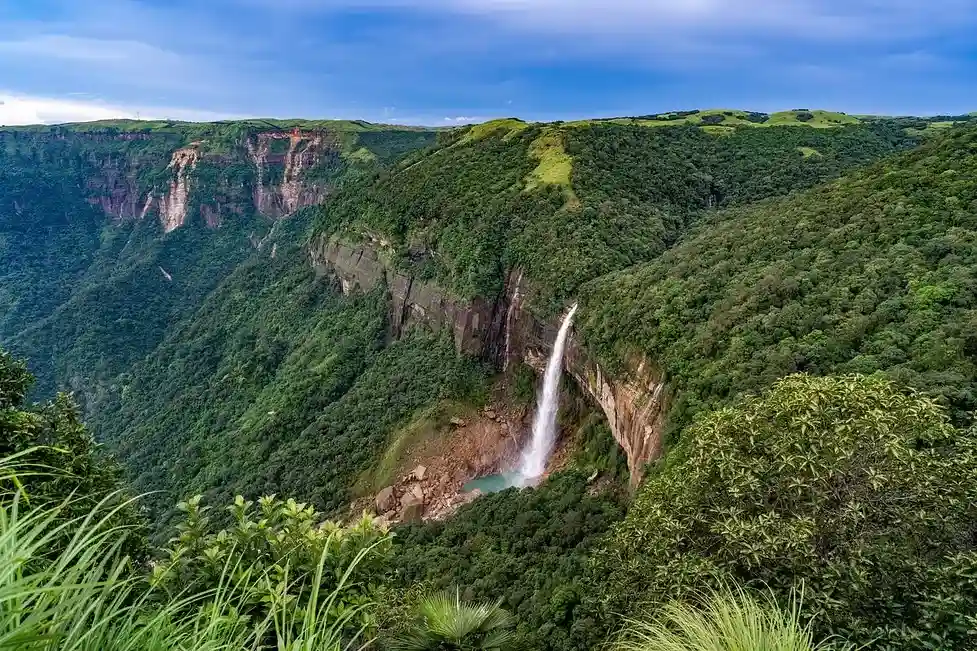
Bishop Falls Shillong: Height, Best Viewpoints & Visit Timings

Rohan Malhotra
December 16, 2025
Explore Bishop Falls in Shillong, Meghalaya - a spectacular 135m waterfall. Complete guide to timings, best season, trekking route, photography tips & nearby attractions including Beadon Falls.
Introduction: Shillong's Crown Jewel
Nestled in the heart of India's northeastern paradise, Bishop Falls stands as one of Shillong's most spectacular natural wonders. Located in Meghalaya, often called the "Abode of Clouds," this magnificent waterfall cascades down with a grace that captivates every visitor who makes the journey to witness its beauty. Named after a British Bishop who once served in the region, Bishop Falls represents the raw, untouched beauty that characterizes much of Meghalaya's landscape. The waterfall is part of the Umshyrpi river system, which originates in the lush hills surrounding Shillong and flows through verdant forests before plunging dramatically into the valley below. What makes Bishop Falls particularly special is its accessibility combined with its pristine natural setting – you don't have to venture deep into remote wilderness to experience one of Northeast India's most beautiful waterfalls, yet you'll still feel completely immersed in nature when you visit. For travelers exploring Shillong's many attractions, Bishop Falls offers a perfect blend of adventure and serenity. Whether you're a nature enthusiast, a photography lover, or simply someone seeking peace away from the hustle and bustle of city life, this waterfall promises an experience that will stay etched in your memory long after you've returned home.
About Bishop Falls
Bishop Falls is an impressive tiered waterfall that drops approximately 135 meters (443 feet) into the valley below, making it one of the tallest waterfalls in the Shillong region. The waterfall cascades over multiple tiers, creating a mesmerizing display of nature's power as the water crashes against the rocks and sends up a fine mist that fills the surrounding air. The falls are located in the Shillong Peak area, surrounded by dense subtropical forests that are home to a rich variety of flora and fauna. The Umshyrpi River, which feeds the falls, is a major waterway in the region and remains perennial, ensuring that the waterfall flows throughout the year, though the volume and intensity vary significantly with the seasons. What makes Bishop Falls particularly fascinating is its geological formation. The waterfall has carved its path through basalt rock formations over millions of years, creating the stunning tiered effect we see today. The surrounding landscape features rolling hills, verdant valleys, and rock formations that tell the story of Meghalaya's ancient geological history. The area around Bishop Falls is part of a larger ecosystem that includes several other waterfalls, making it a haven for nature lovers and adventure seekers. The lush greenery that surrounds the falls is particularly vibrant during and after the monsoon season, when the entire region comes alive with shades of emerald and jade that seem almost otherworldly in their intensity.The Twin Falls Feature
One of the most unique aspects of visiting Bishop Falls is its relationship with Beadon Falls, which together form what locals often refer to as the "twin falls" of Shillong. Bishop Falls is the upper cascade, while Beadon Falls is the lower cascade, and together they create a spectacular visual spectacle that few other waterfalls in India can match. What's particularly interesting about this twin waterfall system is that you can view both cascades from different vantage points. There are viewing platforms that allow you to appreciate Bishop Falls from above, while other spots give you a perspective of how it connects with Beadon Falls below. This multi-level viewing experience makes a visit here particularly rewarding for photographers and nature enthusiasts who want to capture the falls from different angles. The two waterfalls, while connected, have distinct characteristics. Bishop Falls is taller and more dramatic in its descent, while Beadon Falls has a wider, more spread-out cascade. Together, they create a harmonious natural display that showcases the incredible diversity of Meghalaya's waterfall landscape.
Geological Significance
The formation of Bishop Falls is a testament to the incredible geological forces that have shaped Meghalaya over millions of years. The falls occur at a point where the Umshyrpi River flows over the edge of a plateau formed primarily from basalt rock – a type of volcanic rock that is extremely hard and resistant to erosion. Over countless centuries, the persistent flow of the river has gradually worn away softer rock layers, creating the dramatic tiered formation we see today. This process of erosion continues to this day, meaning that Bishop Falls is constantly evolving, however slowly. The basalt formations around the falls create natural pools and channels that add to the visual complexity of the waterfall. From an ecological perspective, Bishop Falls plays a crucial role in the local ecosystem. The constant mist generated by the cascading water creates a microclimate that supports unique plant species that wouldn't otherwise survive in the region. The area around the falls is a biodiversity hotspot, home to numerous species of ferns, orchids, and other plants that thrive in the humid conditions created by the waterfall. The falls also serve as an important water source for downstream communities and ecosystems. The perennial nature of the Umshyrpi River, fed by rainfall and natural springs in the hills, ensures that the flow continues even during the drier months, making it a reliable resource for both wildlife and human communities in the area.Best Time to Visit
Choosing the right time to visit Bishop Falls can significantly impact your experience, as the waterfall's character changes dramatically with the seasons. Understanding these seasonal variations will help you plan your visit to match the kind of experience you're looking for.Monsoon Season (June - September)
For those who want to witness Bishop Falls at its most powerful and spectacular, the monsoon season is undoubtedly the best time to visit. During these months, Meghalaya receives some of the heaviest rainfall in the world, and Bishop Falls swells to incredible proportions. The volume of water increases dramatically, creating a thunderous roar that can be heard from quite a distance, and the mist generated by the falls can be felt hundreds of feet away. However, visiting during monsoon comes with challenges. The trek to the falls can become slippery and dangerous, and visibility may be reduced due to fog and rain. You'll need excellent rain gear, non-slip footwear, and a willingness to get wet. The trails can also become challenging to navigate, so it's essential to exercise caution.Post-Monsoon (October - November)
Many experienced travelers consider the post-monsoon period to be the ideal time to visit Bishop Falls. During these months, the waterfall still maintains impressive flow from the recent rains, but the weather has cleared up considerably. The surrounding vegetation is at its lushest, having been nourished by months of rain, creating a stunning emerald landscape that provides the perfect backdrop for the falls. The trails are usually in good condition during this period, and the weather is generally pleasant – neither too hot nor too wet. This makes it an excellent time for photography, as you'll have good lighting conditions and a waterfall that's still flowing strongly. October and November also tend to be less crowded than the peak winter tourist season.Winter (December - February)
Winter brings its own unique charm to Bishop Falls. While the water flow is significantly reduced compared to the monsoon months, this isn't necessarily a bad thing. The lower water level often reveals rock formations and pools that are hidden during high-flow periods, giving you a different perspective on the falls' structure. The weather is cool and crisp, making the trek to the falls quite pleasant. Winter mornings can be particularly beautiful, with mist rising from the waterfall and surrounding valley creating an ethereal, almost mystical atmosphere. The clearer skies also mean better visibility for photography, though you'll want to time your visit to avoid the harsh midday sun.Summer (March - May)
Summer is the driest season at Bishop Falls, and consequently, the waterfall is at its most subdued. However, this doesn't mean it's not worth visiting – quite the opposite. The lower water flow means you can often get closer to the falls and explore areas that would be inaccessible during the monsoon. The weather is generally warm and pleasant during these months, though it can get humid. Summer is also a good time for birdwatching in the surrounding forests, as many species are more active when the weather is dry. If you prefer a quieter, more contemplative experience with the falls, summer might be the perfect time to visit.
How to Reach Bishop Falls
Reaching Bishop Falls is relatively straightforward, and the journey itself is part of the experience, taking you through some of Meghalaya's most beautiful countryside. The falls are located approximately 5 kilometers from Shillong city center, making them easily accessible for a half-day trip from the city.By Road
The most common way to reach Bishop Falls is by road from Shillong. You can hire a taxi or take a private vehicle from anywhere in the city. The route takes you via the Shillong Peak road, which is scenic in its own right, offering panoramic views of the surrounding hills and valleys. As you leave the city behind, you'll notice the landscape becoming increasingly rural and lush. The road to the falls is generally in good condition, though it can get narrow and winding in some sections. During the monsoon season, you may encounter occasional potholes or patches where the road has been affected by heavy rainfall. The drive typically takes about 20-30 minutes from Shillong city center, depending on traffic and weather conditions. Along the way, you'll pass through small Khasi villages where you can get a glimpse of local life in rural Meghalaya.The Trek to the Falls
Once you reach the parking area near the falls, you'll need to complete the final part of the journey on foot. The trek from the parking area to the main viewing platforms for Bishop Falls takes approximately 15-20 minutes and is rated as easy to moderate in terms of difficulty. The trail consists of a mix of stone steps and packed earth paths that wind through the forest. As you make your way toward the falls, you'll hear the sound of rushing water growing louder, building anticipation for your first glimpse of the cascading waters. The path is well-marked with signage, though it's always a good idea to ask locals for directions if you're unsure. For those visiting other waterfalls in Shillong, the trail system connecting various falls in the area is quite well-developed, and you can often combine visits to multiple waterfalls in a single trip. The trek to Bishop Falls can be particularly enjoyable when combined with a visit to nearby Beadon Falls, which requires only a short additional walk.Transportation Options
There are several transportation options available for reaching Bishop Falls:- Private Taxi: The most convenient option, especially if you're traveling with family or in a group. Taxis can be hired for a half-day or full-day and will wait for you while you explore the falls.
- Rental Car/Scooter: For more independent travelers, renting a vehicle gives you the flexibility to explore at your own pace. Scooters are particularly popular and can be fun to ride on the winding roads.
- Shared Taxi: A budget-friendly option, though shared taxis may not always go directly to the falls and might require you to walk part of the way.
- Guided Tour: Many tour operators in Shillong offer guided trips to Bishop Falls, often combined with visits to other nearby attractions. This can be a good option if you want informative commentary about the area.
Trekking Experience
The trek to Bishop Falls is one of the main draws for visitors, offering a perfect blend of accessibility and adventure. The trail has been thoughtfully designed to accommodate visitors of varying fitness levels while still providing an authentic wilderness experience.Trek Details
The trek to Bishop Falls covers a distance of approximately 1.5 kilometers from the main parking area, with a gradual descent through the forest. The trail is rated as easy to moderate, making it suitable for most visitors, including families with children and older adults. However, basic fitness is recommended, as there are some sections with steps and uneven terrain. The total time required for the trek, including exploration time at the falls and the return journey, is typically 1-2 hours. Most visitors find that they can complete the trek at a leisurely pace, with plenty of time for photography and rest breaks along the way. The trail surface varies between stone steps, mud paths, and rocky sections. During the monsoon season, the mud paths can become quite slippery, so it's essential to wear appropriate footwear with good grip. The stone steps, while well-constructed, can also become slippery when wet, so caution is always advisable.What to Expect on the Trail
As you begin your trek, you'll immediately notice the transformation in your surroundings. The sounds of the city fade away, replaced by the symphony of the forest – bird calls, the rustle of leaves, and gradually, the growing roar of the waterfall. The trail takes you through dense subtropical forest, with towering trees that form a canopy overhead, filtering the sunlight and creating dappled patterns on the forest floor. In some sections, the vegetation is so thick that it feels like you're walking through a green tunnel. Ferns, orchids, and other epiphytes cling to the trees, adding to the lush, prehistoric feel of the forest. Along the way, you'll encounter several small streams that cross the trail, their crystal-clear waters flowing over smooth stones. These are tributaries that eventually join the main flow of Bishop Falls. There are also a few benches and rest areas where you can pause to catch your breath and appreciate your surroundings. As you get closer to the falls, the air becomes cooler and more humid, filled with the fine mist generated by the cascading water. This natural air conditioning is particularly refreshing on hot days. The sound of the falls becomes deafening, and you can feel the vibration of the water hitting the rocks below in the soles of your feet.Trekking Difficulty
The trek to Bishop Falls is generally considered easy to moderate, making it accessible to most visitors. However, there are a few factors to consider:- Elevation Change: The trail involves both descent and ascent, with a total elevation change of about 150 meters. The descent is gradual, but remember that you'll have to climb back up on your return journey.
- Trail Conditions: During the monsoon season, the trail can become muddy and slippery. Even in dry weather, some sections have loose stones or uneven surfaces.
- Fitness Level: Basic cardiovascular fitness is recommended. You don't need to be an athlete, but if you're completely sedentary, you might find the climb back up challenging.
- Age Considerations: The trek is suitable for children aged 6 and above, as well as older adults who are reasonably mobile. Very young children or those with mobility issues may find the trail challenging.
Essential Equipment
While you don't need specialized trekking gear for Bishop Falls, having the right equipment can make your experience much more enjoyable:- Footwear: Good trekking shoes or sports shoes with excellent grip are essential. Avoid sandals or flip-flops, especially during the monsoon season.
- Rain Gear: If visiting during the monsoon, a good raincoat or poncho is indispensable. Umbrellas can be tricky to manage on the trail.
- Water Bottle: Staying hydrated is important, even on a relatively short trek like this one.
- Insect Repellent: The forest can have mosquitoes and other insects, especially during and after the monsoon.
- Camera: With appropriate protection from moisture if visiting during the rainy season.
- Small Backpack: To carry your essentials while keeping your hands free for balance on the trail.

Photography Guide
Bishop Falls offers incredible opportunities for photography, whether you're a professional photographer or someone who simply enjoys capturing beautiful moments. With the right approach and equipment, you can return home with stunning images that truly capture the magic of this place.Best Time for Photography
Timing is everything when it comes to waterfall photography, and Bishop Falls is no exception. The hours shortly after sunrise and before sunset generally provide the most flattering light, with soft, golden illumination that brings out the textures and colors of the landscape. Early morning is particularly magical at Bishop Falls. The mist rising from the waterfall combines with the morning light to create an ethereal, almost mystical atmosphere. The air is usually still at this time, meaning the waterfalls' spray hangs in the air like a curtain of diamonds. You'll also have the advantage of fewer crowds, giving you unobstructed views and more time to set up your shots. Late afternoon offers its own advantages. As the sun begins to descend, the angle of light changes, creating interesting shadows and highlights on the waterfall and surrounding vegetation. If you're lucky, you might even capture a rainbow in the spray of the falls – a magical sight that's particularly common when the sun is low in the sky. It's generally best to avoid midday photography, especially during the summer months, when the harsh overhead light can blow out highlights and create deep, unappealing shadows. However, if you must shoot during these hours, try to focus on close-up shots or details in the shaded areas of the forest.Recommended Equipment
While you can get decent photos with just a smartphone, having the right equipment will significantly improve your results:- Wide-Angle Lens: Essential for capturing the full scale and grandeur of the falls. A lens in the 16-35mm range is ideal for most situations.
- Tripod: Indispensable for long exposure shots that create that silky, flowing water effect. A sturdy, lightweight travel tripod is perfect for the trek to the falls.
- ND Filter: Neutral density filters allow you to use slower shutter speeds even in bright conditions, perfect for creating smooth, flowing water images.
- Polarizing Filter: Helps reduce glare from wet rocks and foliage while saturating colors. This is especially useful for capturing the rich greens of the surrounding forest.
- Weather Protection: If visiting during monsoon, ensure your camera gear is protected from moisture. A rain cover for your camera and a microfiber cloth for wiping water droplets are essential.
Camera Settings
Getting the right camera settings is crucial for waterfall photography. Here are some starting points:- Shutter Speed: For that silky water effect, use shutter speeds between 1/4 second and 2 seconds. Experiment to find the effect you like best.
- Aperture: Use f/8 to f/16 for good depth of field, ensuring both the foreground and background are in focus.
- ISO: Keep ISO as low as possible (100-400) to minimize noise, especially important when using slower shutter speeds.
- Focus: Use manual focus to ensure sharp focus on the waterfall, or use single-point autofocus and focus on a high-contrast area.
Composition Tips
Great photography is as much about composition as it is about technical settings. Here are some tips for composing compelling images of Bishop Falls:- Include Foreground Interest: Place rocks, plants, or other elements in the foreground to add depth and scale to your images.
- Use Leading Lines: The trails, streams, and rock formations can all serve as leading lines that draw the viewer's eye toward the waterfall.
- Vary Your Perspective: Don't just shoot from eye level. Get low to the ground or find elevated viewpoints to create unique angles.
- Capture Details: Don't just focus on the big picture. Look for interesting details – water droplets on leaves, patterns in the rock formations, or small pools and eddies.
- Include People: Sometimes including people in your shots can help convey the massive scale of the waterfall.
Safety Tips for Photographers
While getting the perfect shot is important, safety should always come first:- Never cross safety barriers or venture into restricted areas, no matter how good the photo opportunity might seem.
- Be extremely careful on wet rocks near the waterfall – they can be incredibly slippery.
- Keep one hand free for balance when navigating difficult terrain with your camera gear.
- Be aware of your surroundings, especially when viewing through a camera lens or LCD screen.
- Protect your equipment from the waterfall's spray – a plastic bag or dedicated rain cover can save your camera from water damage.
Nearby Attractions
While Bishop Falls is certainly worth dedicating a half-day to, the surrounding area is rich with other attractions that you can easily combine with your visit. Creating a comprehensive itinerary will help you make the most of your time in this beautiful region of Meghalaya.Elephant Falls
Located just 3 kilometers from Bishop Falls, Elephant Falls is perhaps Shillong's most famous waterfall. Named after an elephant-shaped rock that once stood at its base (which was destroyed in an earthquake), Elephant Falls is actually a series of three waterfalls, each with its own unique character. The falls are easily accessible via well-constructed stone steps and viewing platforms. The upper falls are the tallest, while the middle and lower falls are wider and more spread out. What makes Elephant Falls particularly appealing is how close you can get to the water – the viewing platforms put you right in front of the cascading water, making it an incredibly immersive experience. The area around Elephant Falls is well-developed for tourists, with a small market selling local handicrafts and souvenirs. You can easily visit both Bishop Falls and Elephant Falls in a single trip, as they're located close to each other and the short drive between them offers beautiful views of the countryside.Shillong Peak
For the best views of Shillong and the surrounding hills, a trip to Shillong Peak is essential. At 1,965 meters above sea level, it's the highest point in Shillong and offers panoramic 360-degree views of the city, the surrounding hills, and on clear days, even the plains of Bangladesh far in the distance. The peak is home to an Indian Air Force radar station, which is why visitors need to show ID at the checkpoint before proceeding. There's a viewing platform that's accessible to the public, and while you can't enter the radar station itself, the views from the platform are spectacular. Timing your visit to Shillong Peak to catch either sunrise or sunset is highly recommended. Watching the sun rise over the mist-covered hills or set behind the distant mountains is an experience that's hard to put into words. The peak is particularly beautiful in the early morning when the clouds are still clinging to the hillsides.Lady Hydari Park
If you're looking for a more relaxed experience after your waterfall adventures, Lady Hydari Park is the perfect place to unwind. Named after the wife of the first Governor of Assam, this beautiful park is often compared to a Japanese garden for its carefully manicured lawns, flower beds, and water features. The park is home to a small zoo that's particularly popular with families, featuring various species of animals and birds native to the region. Even if you're not interested in the zoo, the park itself is a lovely place to take a leisurely stroll, enjoy a picnic, or simply sit and enjoy the peaceful atmosphere. The best time to visit Lady Hydari Park is in the spring when the flowers are in full bloom, creating a riot of color that's truly spectacular. The park is particularly popular with locals on weekends, so if you prefer a quieter experience, try to visit on a weekday.Ward's Lake
Located in the heart of Shillong, Ward's Lake is a beautiful artificial lake surrounded by lush gardens. It's the perfect place for a peaceful boat ride, and you can rent paddle boats at very reasonable rates. The lake is particularly beautiful in the early morning or late afternoon when the light is soft and the water is calm. A wooden bridge spans the lake, offering lovely views of the water and the surrounding gardens. There's also a small cafeteria where you can enjoy a cup of tea or a snack while watching the boats drift by. The gardens around the lake are filled with colorful flowers and are a favorite spot for local photographers.Police Bazar
No visit to Shillong is complete without exploring Police Bazar, the city's main market area. This bustling commercial district is where you'll find everything from local handicrafts and textiles to modern restaurants and cafes. It's the perfect place to shop for souvenirs, try local Khasi cuisine, or simply soak in the vibrant atmosphere of Shillong. Some things to look out for in Police Bazar include traditional Khasi textiles, handmade bamboo crafts, and local food items. Don't miss the chance to try Jadoh, a traditional Khasi dish made with rice and meat, or Tungrymbai, a fermented soybean dish that's a local specialty.
Tips for Visitors
To make the most of your visit to Bishop Falls and ensure a safe, enjoyable experience, keep these practical tips in mind:- Wear Appropriate Footwear: Good trekking shoes with excellent grip are essential, especially during the monsoon season when trails can be slippery.
- Carry Rain Protection: The weather in Meghalaya can be unpredictable, even outside the monsoon season. A light raincoat or poncho is always a good idea.
- Start Early: Visiting early in the morning not only gives you the best light for photography but also helps you avoid crowds and enjoy a more peaceful experience.
- Respect Nature: Don't litter or damage the vegetation. Carry all your trash back with you and leave the area as beautiful as you found it.
- Stay on Marked Trails: Venturing off the marked paths can be dangerous and harmful to the fragile ecosystem.
- Bring Snacks and Water: There are limited facilities near the falls, so bring your own water and some energy snacks for the trek.
- Check Weather Conditions: If you're visiting during the monsoon, check local weather conditions and avoid visiting during periods of extremely heavy rain.
- Carry Cash: Many small establishments in the area may not accept digital payments or cards.
- Respect Local Customs: If you encounter local people or visit nearby villages, dress modestly and be respectful of local customs and traditions.
- Allow Enough Time: Don't rush your visit. Allow at least 2-3 hours to fully experience the falls, including the trek and time for photography.
Location
Frequently Asked Questions
Q1.What is the height of Bishop Falls?
Q2.Is there an entry fee for Bishop Falls?
Q3.What are the visiting timings for Bishop Falls?
Q4.How long does it take to trek to Bishop Falls?
Q5.Is Bishop Falls better than Elephant Falls?
Q6.Is there parking available at Bishop Falls?
Q7.What is the best time to visit Bishop Falls for maximum water flow?
Q8.Is the trek to Bishop Falls safe?
Recommended For You
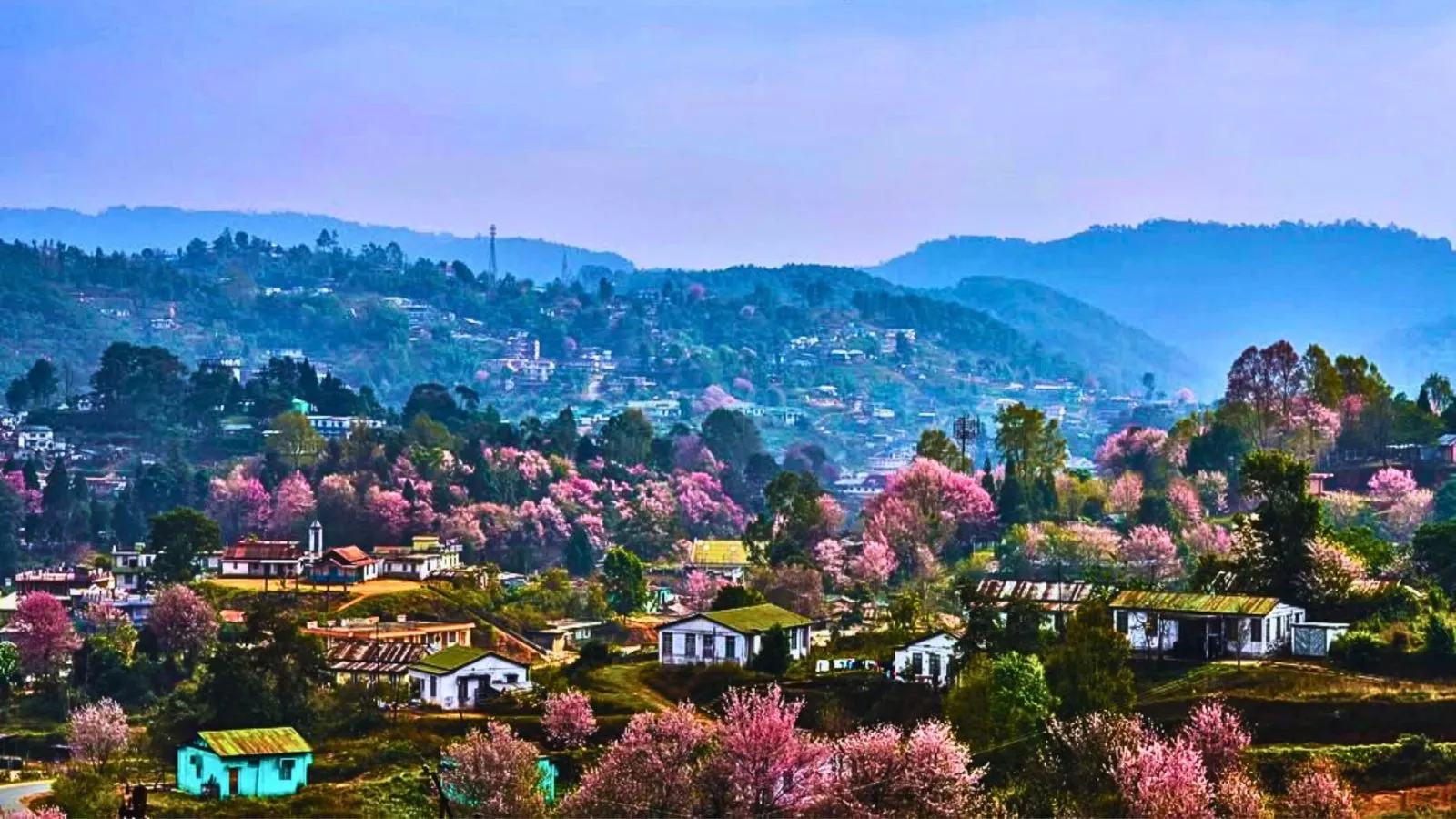
Best Time to Visit Shillong Meghalaya: Season, Rainfall & Local Events
Plan the best time to visit Shillong with season-wise weather, cherry blossom timing, monsoon travel tips, and month-by-month guidance for Meghalaya trips.
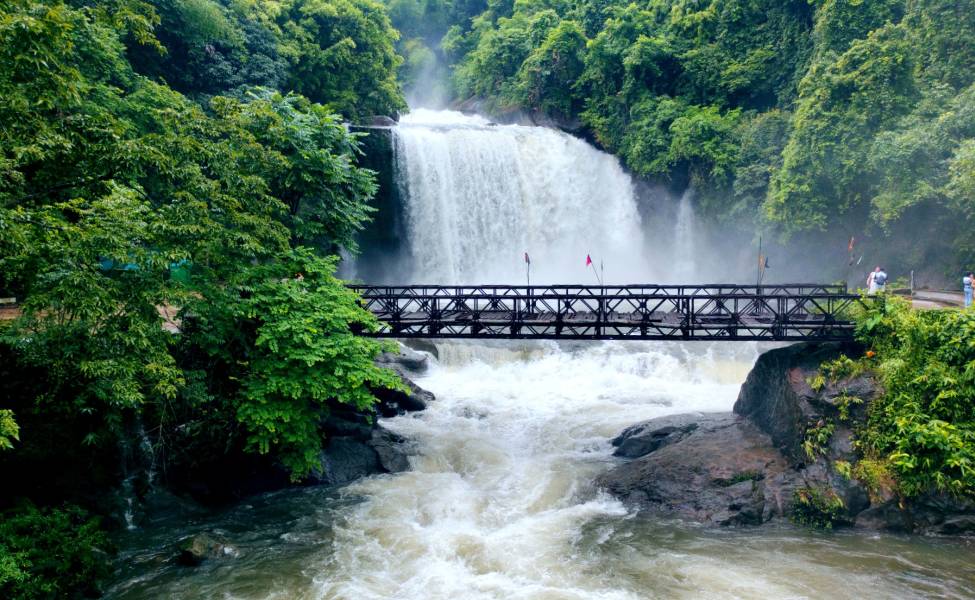
Tourist Places in Shillong: Sightseeing Route, Timings & Best Views
Discover the top tourist places in Shillong with waterfalls, lakes, viewpoints, museums, markets, and practical day-trip planning for Cherrapunji and Dawki.
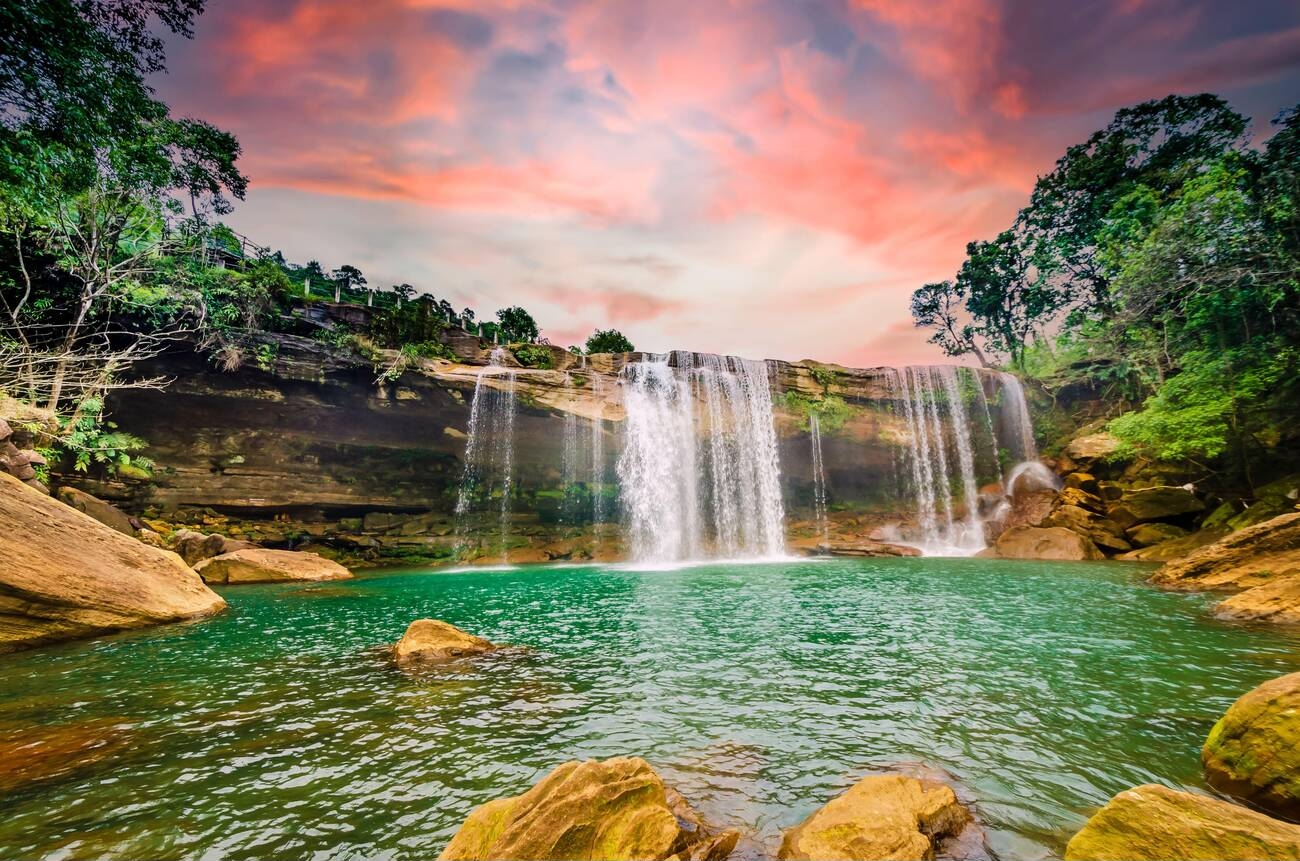
Waterfalls in Shillong: Best Falls, Routes & Visiting Season
Discover the stunning waterfalls in Shillong. Complete guide to Elephant Falls, Sweet Falls, Spread Eagle Falls & more with trekking details, best time to visit, and practical travel tips.
Never Miss an Adventure
Get the latest trekking guides, travel tips, and exclusive offers delivered straight to your inbox.
